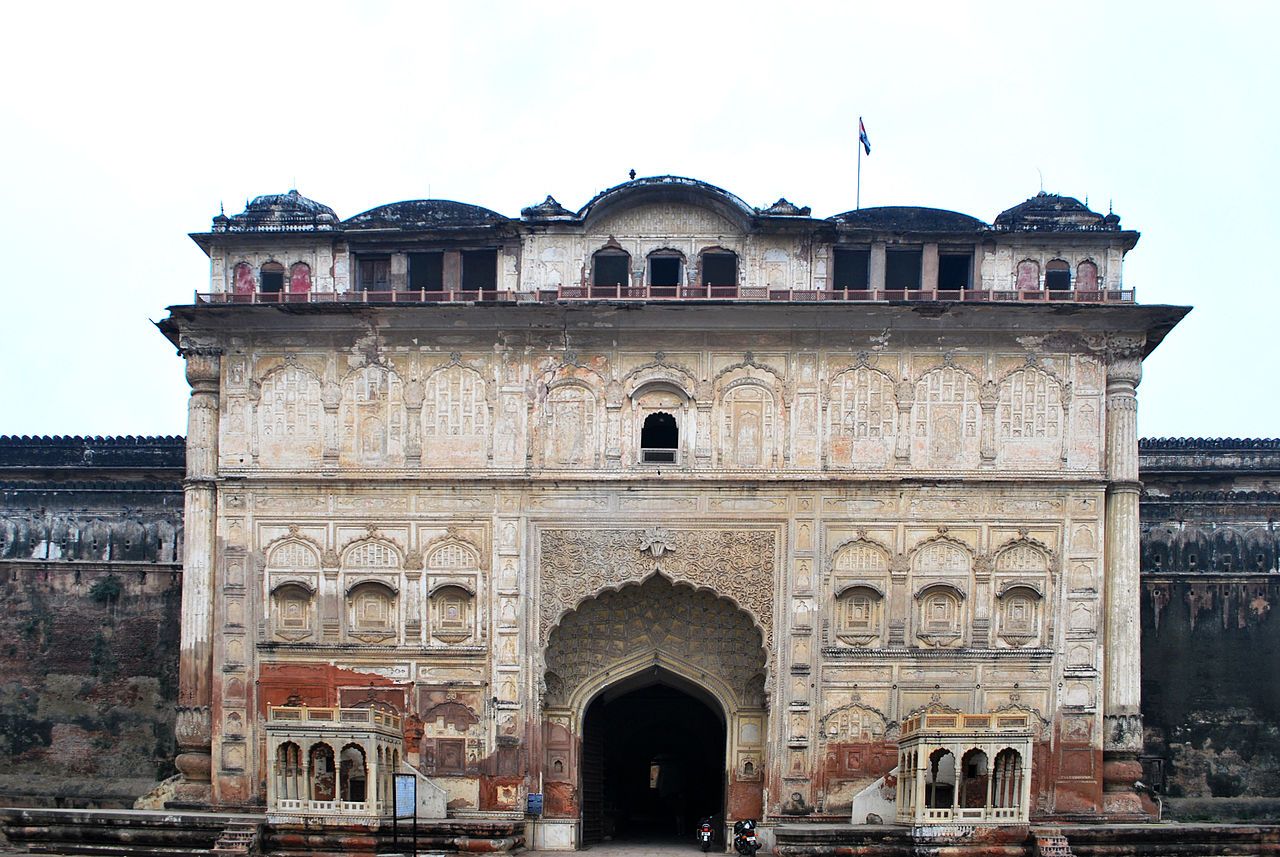
Punjab's past is written in its buildings. Gurdwaras mark the life of the Sikh Gurus. Forts and palaces tell the story of the Lodis, the Mughals, the misls and the princely states of Patiala and Kapurthala. Memorials remember Jallianwala Bagh, Saragarhi and the martyrs of the freedom struggle. New museums like Virasat-e-Khalsa and the Partition Museum keep this history alive. Exams ask one simple thing again and again: which monument is in which place, and who built it? This page answers exactly that.
Sri Harmandir Sahib and the Akal Takht
The most-asked monument of Punjab, in Amritsar.
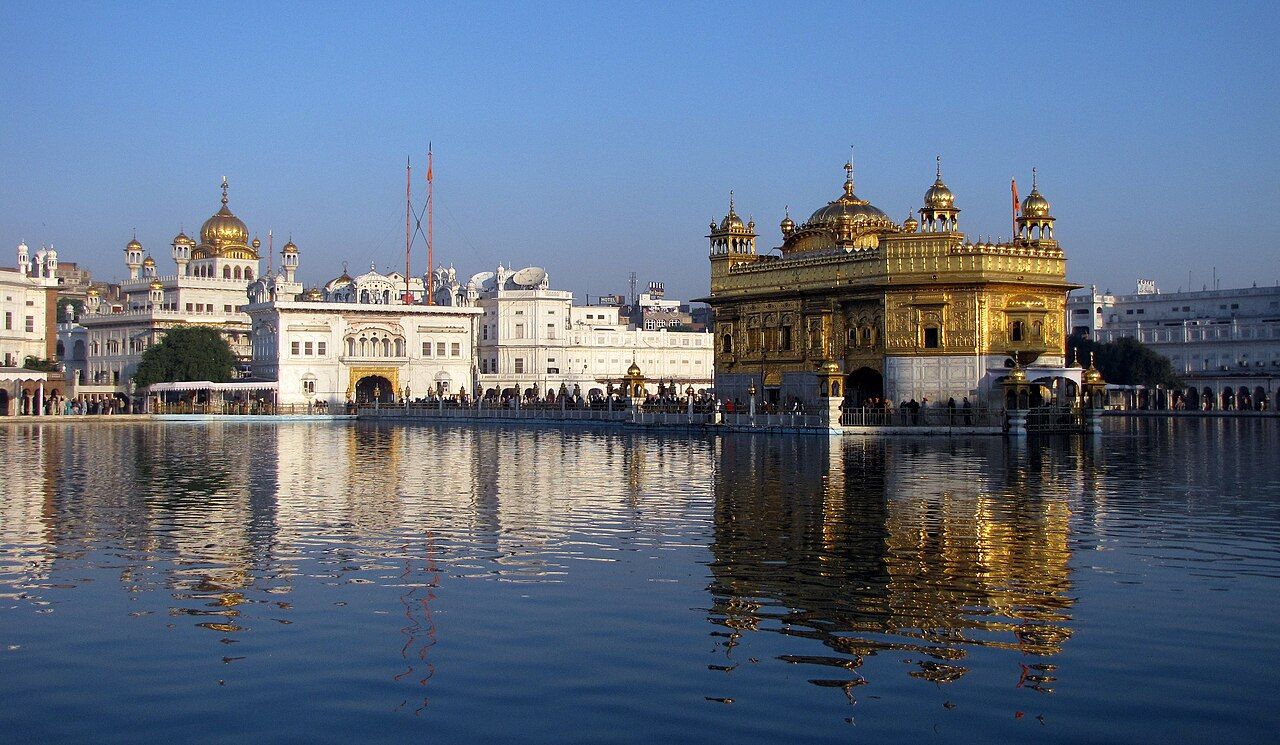
- Sri Harmandir Sahib (the Golden Temple, also called Sri Darbar Sahib) is in Amritsar.
- Guru Ram Das had the holy tank (sarovar) dug in 1577. The town around it was first called Guru ka Chak, then Ramdaspur.
- The foundation of Harmandir Sahib was laid in 1588, in the time of Guru Arjan Dev. By tradition, the foundation stone was laid by the Sufi saint Mian Mir of Lahore (a Qadiri Sufi).
- The temple was built between 1588 and 1604. The Adi Granth was installed in it in 1604.
- Maharaja Ranjit Singh had the upper floors covered with gold in the early 1800s — so it became the "Golden Temple".
- The Akal Takht facing it was founded by Guru Hargobind in 1606. It is the highest seat of Sikh authority. It was damaged in 1984 and rebuilt.
- Other shrines in the same area: the Santokhsar tank (begun by Guru Ram Das, finished by Guru Arjan Dev) and Gurdwara Baba Atal, built in memory of Atal Rai, a son of Guru Hargobind.
The Gurdwara Reform (Akali) Movement of 1920–25 started from Amritsar. Its aim was to free historic gurdwaras from hereditary mahants (priests). The SGPC (Shiromani Gurdwara Parbandhak Committee) was formed at the Akal Takht, Amritsar, on 15–16 November 1920. The struggle ended with the Sikh Gurdwaras Act, 1925. Full story: Punjab in the freedom struggle.
The five Takhts
Takht means "throne": a seat of Sikh religious authority. There are five; three are in Punjab.
| Takht | Place | Linked to |
|---|---|---|
| Sri Akal Takht Sahib | Amritsar, Punjab | Guru Hargobind, 1606; highest seat |
| Takht Sri Kesgarh Sahib | Anandpur Sahib (Rupnagar), Punjab | Birth of the Khalsa, Baisakhi 1699 |
| Takht Sri Damdama Sahib | Talwandi Sabo (Bathinda), Punjab | Damdami Bir, 1705–06; recognised as the fifth Takht in 1966 |
| Takht Sri Harmandir Ji, Patna Sahib | Patna, Bihar | Birthplace of Guru Gobind Singh |
| Takht Sachkhand Sri Hazur Sahib | Nanded, Maharashtra (on the Godavari) | Guru Gobind Singh passed away here, 1708 |
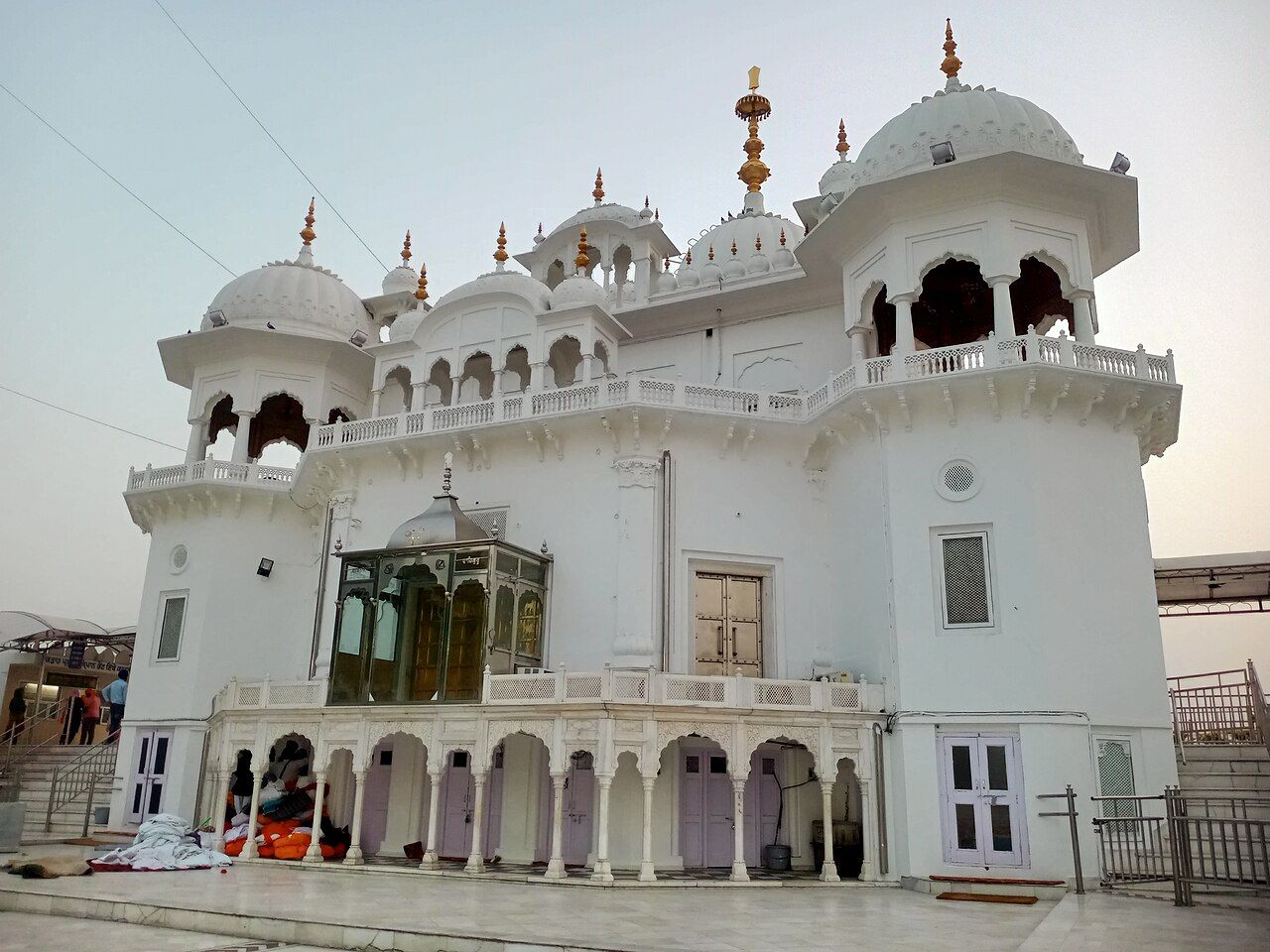
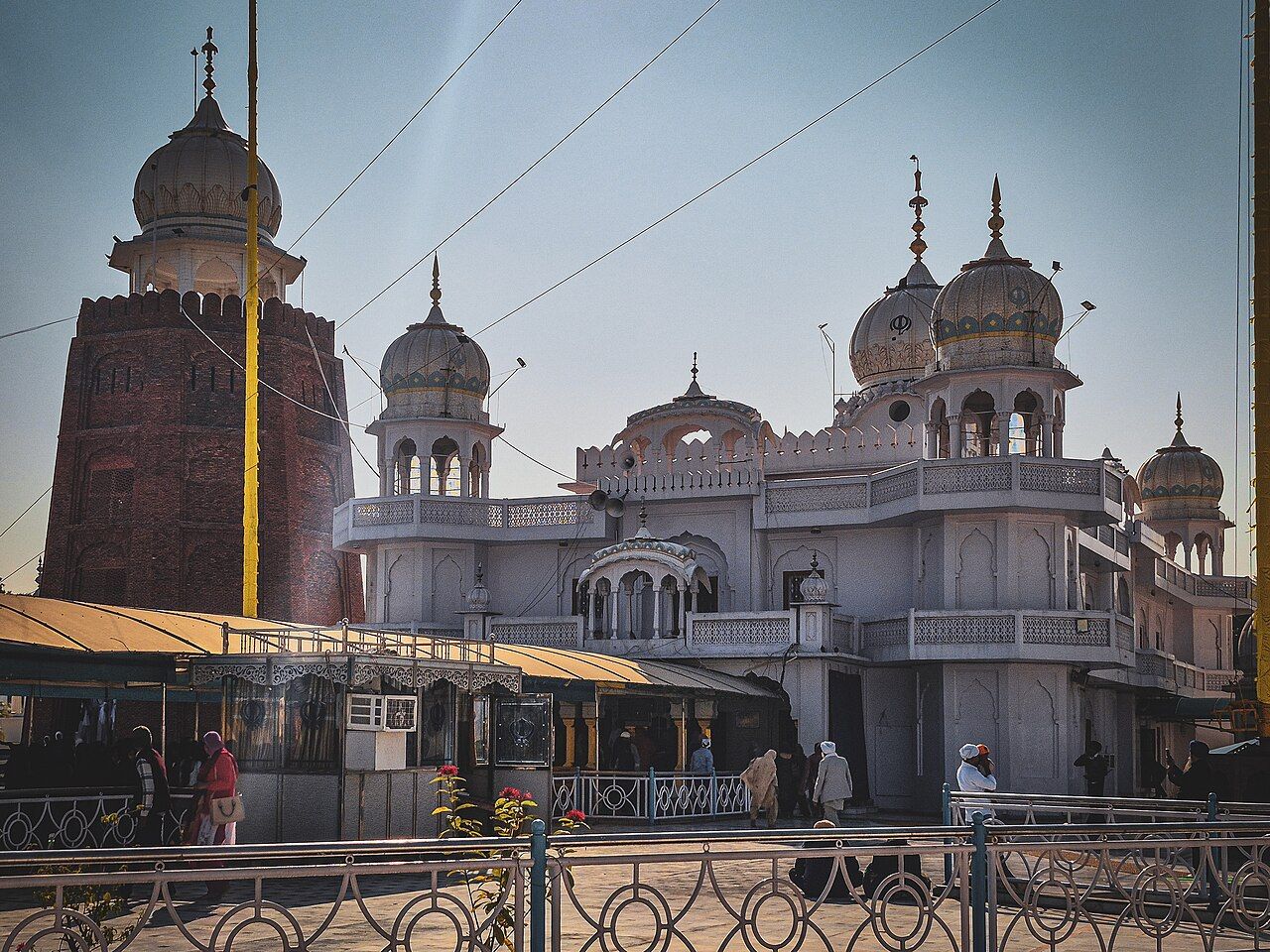
The three Punjab Takhts — "AKD": Akal Takht (Amritsar) → Kesgarh (Anandpur Sahib) → Damdama (Talwandi Sabo). On the map above they run from north to south, and the dates run in the same order: 1606 → 1699 → 1705–06.
Name the three Takhts in Punjab with their towns.
Show answer
Akal Takht — Amritsar; Kesgarh Sahib — Anandpur Sahib; Damdama Sahib — Talwandi Sabo (Bathinda).
Major gurdwaras and their places
Fix each gurdwara to its town and to the event it remembers.
| Gurdwara | Place (district) | Remembers |
|---|---|---|
| Gurdwara Fatehgarh Sahib | Fatehgarh Sahib (Sirhind) | Martyrdom of the younger Sahibzadas, Zorawar Singh and Fateh Singh, bricked alive at Sirhind |
| Gurdwara Dukh Nivaran Sahib | Patiala | Linked to Guru Tegh Bahadur; devotees believe its sarovar water cures pain (dukh = pain, nivaran = removal) |
| Gurdwara Katalgarh Sahib | Chamkaur Sahib (Rupnagar) | The elder Sahibzadas, Ajit Singh and Jujhar Singh, fell here (1704) |
| Gurdwara Tuti Gandi Sahib | Sri Muktsar Sahib | The Chali Mukte (1705); the Maghi mela is held at Muktsar |
| Gurdwara Ber Sahib | Sultanpur Lodhi (Kapurthala) | Guru Nanak Dev's years at Sultanpur, on the Kali Bein |
More gurdwaras: Jyoti Sarup, Goindwal, Tarn Taran, Dera Baba Nanak …Tap to open
| Gurdwara | Place (district) | Remembers |
|---|---|---|
| Gurdwara Jyoti Sarup | Fatehgarh Sahib | Cremation of the Sahibzadas and Mata Gujri; land bought by Diwan Todar Mal with gold coins |
| Gurdwara Baoli Sahib | Goindwal (Tarn Taran) | Stepwell with 84 steps built by Guru Amar Das |
| Sri Darbar Sahib, Tarn Taran | Tarn Taran | Town founded by Guru Arjan Dev in 1590 |
| Gurdwara Chheharta Sahib | Amritsar | A well dug in the time of Guru Arjan Dev |
| Dera Baba Nanak | Gurdaspur | Start of the Kartarpur Corridor (opened 9 November 2019) |
| Baba Bakala | Amritsar | "Guru Ladho Re" — Guru Tegh Bahadur found here, 1664 |
The three-day Shaheedi Jor Mela is held every December at Fatehgarh Sahib. It remembers the martyrdom of the younger Sahibzadas and Mata Gujri.
- Dukh Nivaran Sahib is in Patiala — not Amritsar or Bathinda.
- Fatehgarh Sahib (the town near Sirhind) is different from Fatehgarh, one of the five forts that Guru Gobind Singh built at Anandpur.
- Damdama Sahib is at Talwandi Sabo in Bathinda; Kesgarh Sahib is at Anandpur Sahib. Students often swap them.
- Gurdwara Baba Atal is in Amritsar; the Shaheedi Jor Mela is not held there.
Temples, mosques and other holy places
Punjab's heritage is not only Sikh. These places are asked often.
| Place | Where | Key fact |
|---|---|---|
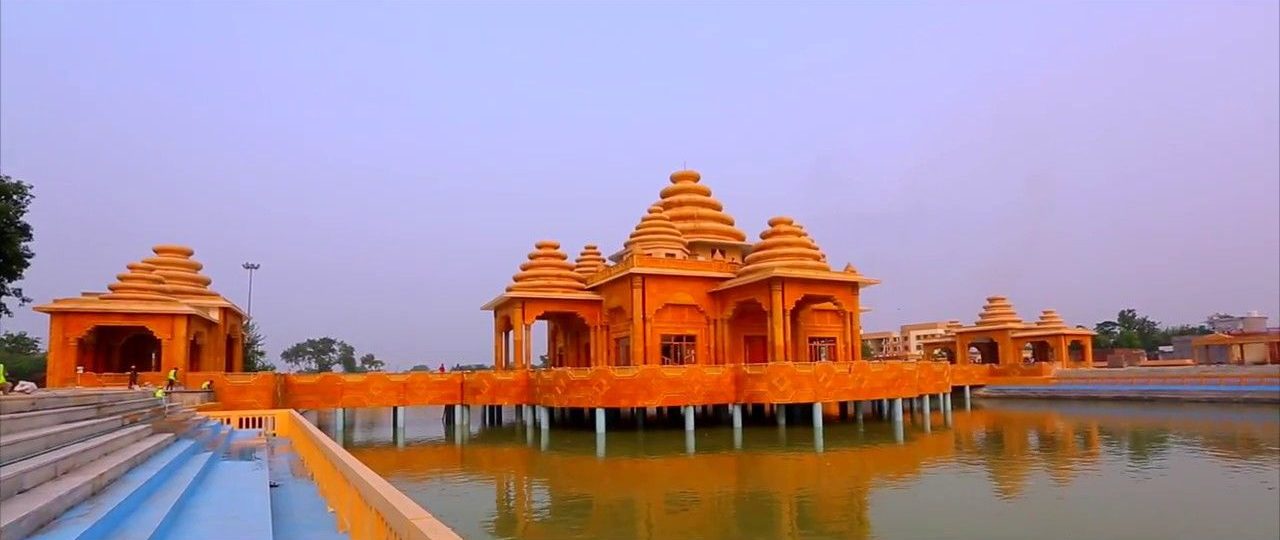
| Ram Tirath | About 11 km west of Amritsar (Amritsar–Lopoke road) | By tradition, Maharishi Valmiki's ashram, where Sita lived and gave birth to Lav and Kush; big fair about a fortnight after Diwali |
| Durgiana Mandir | Amritsar | Foundation stone laid by Pandit Madan Mohan Malaviya; built in the 1920s |
| Mukteshwar Mahadev Temple | Doong village, near Shahpur Kandi, Pathankot | Cave temple of Lord Shiva on the bank of the Ravi |
| Sodal Mandir | Jalandhar | The Sodal fair is held here |
| Panch Mandir | Kapurthala | Temple complex of the Kapurthala rulers |
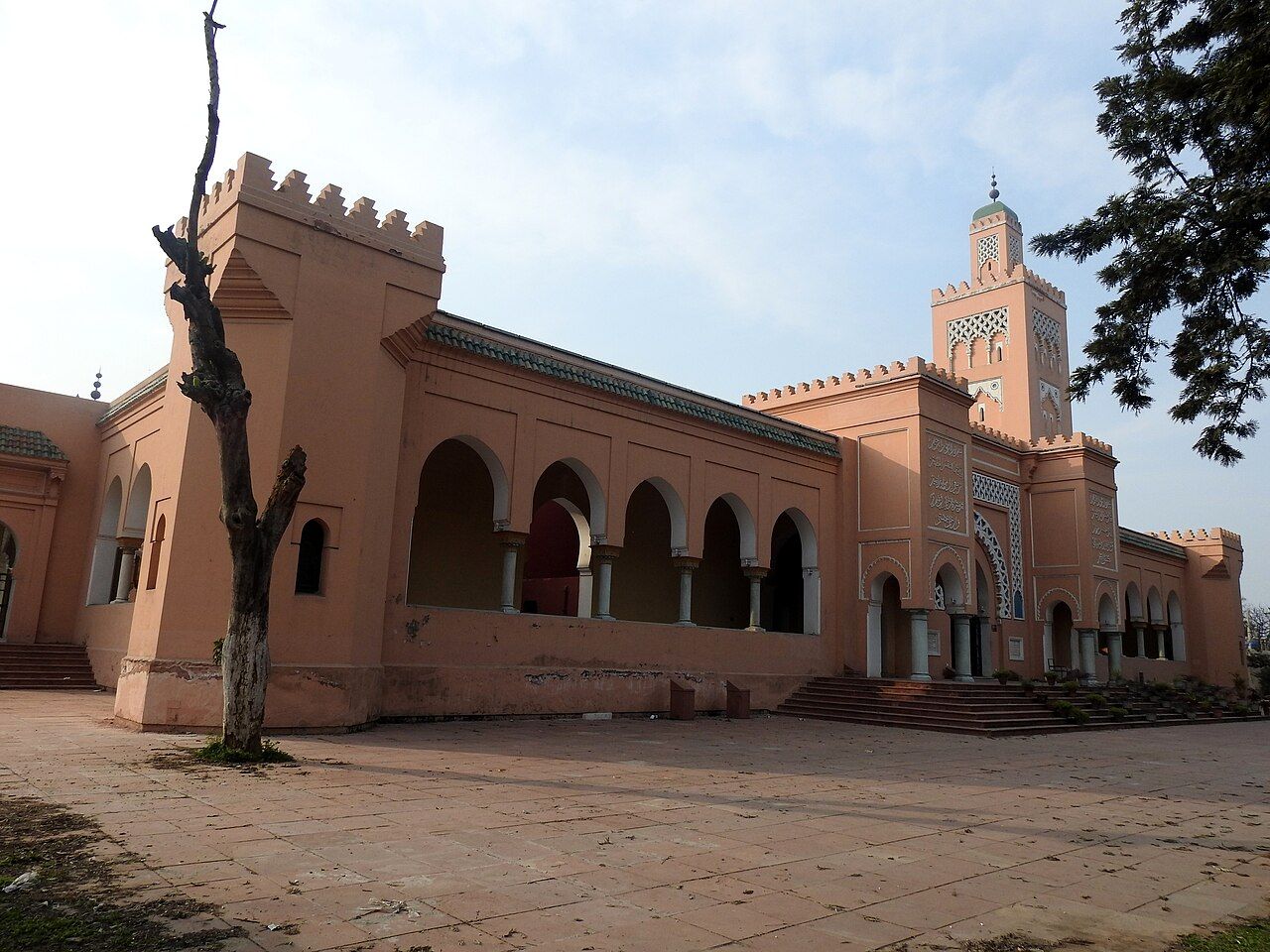
| Moorish Mosque | Kapurthala | Built 1930 by Maharaja Jagatjit Singh, modelled on the Koutoubia mosque of Marrakesh (Morocco) |
| Rauza Sharif | Sirhind (Fatehgarh Sahib) | Shrine of Sheikh Ahmad Sirhindi (Naqshbandi Sufi) |
| Guru di Maseet | Sri Hargobindpur (Gurdaspur) | A mosque built by Guru Hargobind for local Muslims |
| Ahmadiyya headquarters in India | Qadian (Gurdaspur) | Home town of Mirza Ghulam Ahmad, who started the Ahmadiyya movement in 1889 |
Ram Tirath and the Gurus' familiesTap to open
Forts of Punjab
Learn the place, the builder and one special fact for each.
| Fort | Place | Builder / key fact |
|---|---|---|
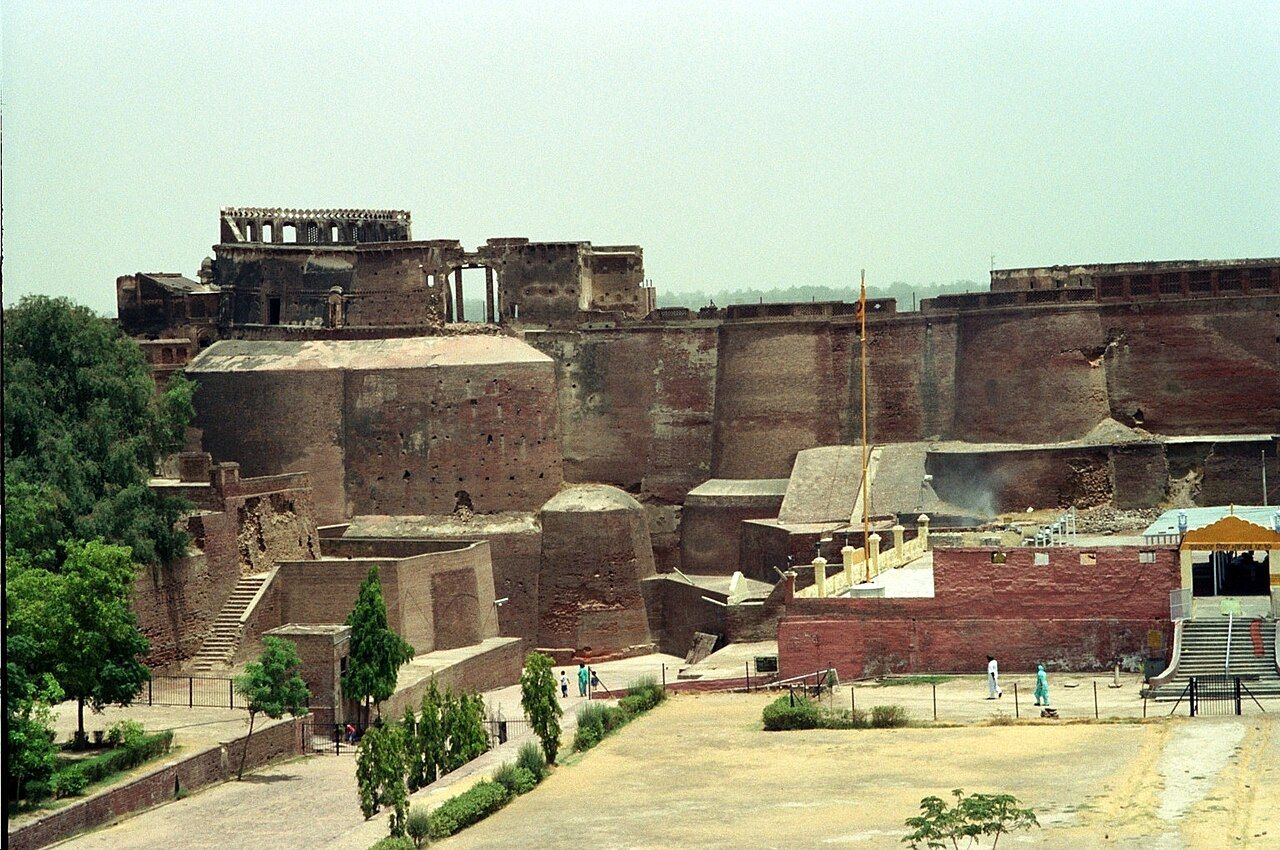
| Qila Mubarak, Bathinda | Bathinda | Counted among India's oldest surviving forts; linked to the Bhatti Rajputs (tradition also names Raja Dab). Razia Sultan was kept prisoner here in 1240 |
| Qila Mubarak, Patiala | Patiala | Founded in 1763 by Baba Ala Singh, founder of Patiala state |
| Bahadurgarh Fort | Near Patiala | First built by Nawab Saif Khan; rebuilt in 1837 by Maharaja Karam Singh of Patiala |
| Gobindgarh Fort | Amritsar | First built by the Bhangi misl (a Sikh chiefship) in 1760; rebuilt by Maharaja Ranjit Singh (1805–09); opened to the public in 2017 |
| Phillaur Fort | Phillaur (Jalandhar) | Built under Maharaja Ranjit Singh (c. 1809) on the Sutlej frontier; now houses the Punjab Police Academy |
| Lodhi Fort ("Purana Qila") | Ludhiana | Built in the early 16th century, in the reign of Sikandar Lodi, on the bank of the Sutlej. The river later moved away north |
| Ram Rauni (later Ramgarh) | Amritsar | Mud fort built in 1748; Jassa Singh Ramgarhia rebuilt it as Ramgarh |
| Shahpur Kandi Fort | Pathankot | Old fort near the Ravi, close to the Mukteshwar temple |
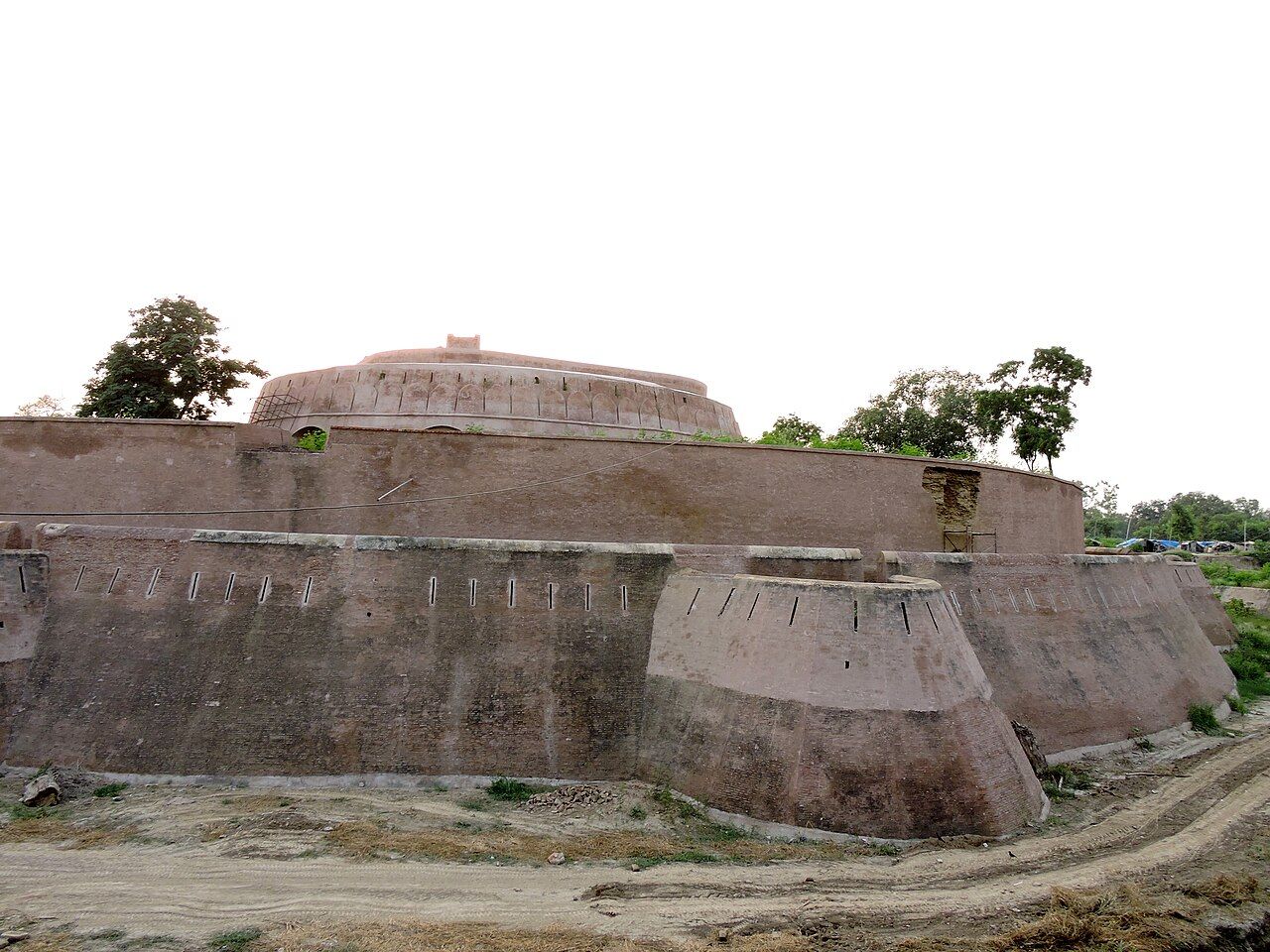
Two forts called Qila Mubarak: Bathinda = Before (very old, Razia Sultan, 1240) — both start with B. Patiala = Phulkian (Baba Ala Singh of the Phulkian family, 1763) — both start with P.
Palaces and royal gardens
Most are in the old princely states of Patiala and Kapurthala.
| Palace / garden | Place | Key fact |
|---|---|---|
| Moti Bagh Palace (Old Moti Bagh) | Patiala | Built by Maharaja Narinder Singh; laid out on the pattern of the Shalimar Gardens of Lahore (terraces and water channels). Since 1961 it houses the National Institute of Sports (NIS) |
| Sheesh Mahal | Patiala | Built by Maharaja Narinder Singh (1847); houses Punjab's largest art gallery and a famous medal gallery |
| Jagatjit Palace | Kapurthala | Built 1908 by Maharaja Jagatjit Singh in French (Versailles / Fontainebleau) style; now a Sainik School |
| Ram Bagh and Summer Palace | Amritsar | Garden and summer palace of Maharaja Ranjit Singh; the Maharaja Ranjit Singh Panorama is here |
| Aam Khas Bagh | Sirhind (Fatehgarh Sahib) | Mughal garden and sarai on the old Lahore–Delhi road |
| Banasar Bagh | Sangrur | Garden of the former Jind state, with a baradari (pavilion with 12 doors) |
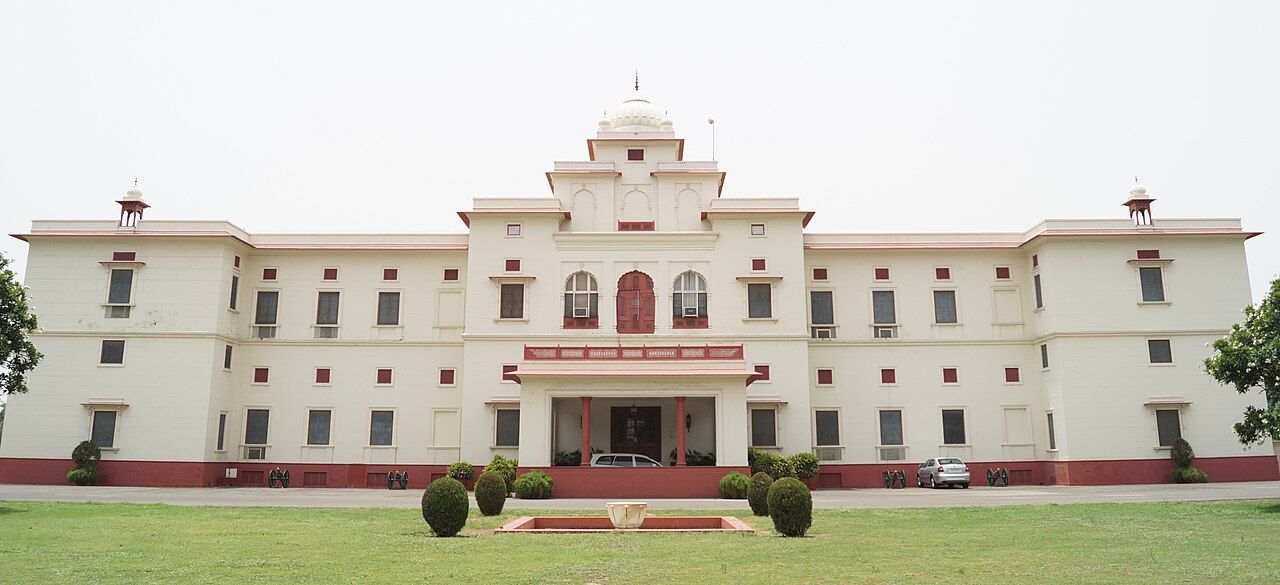
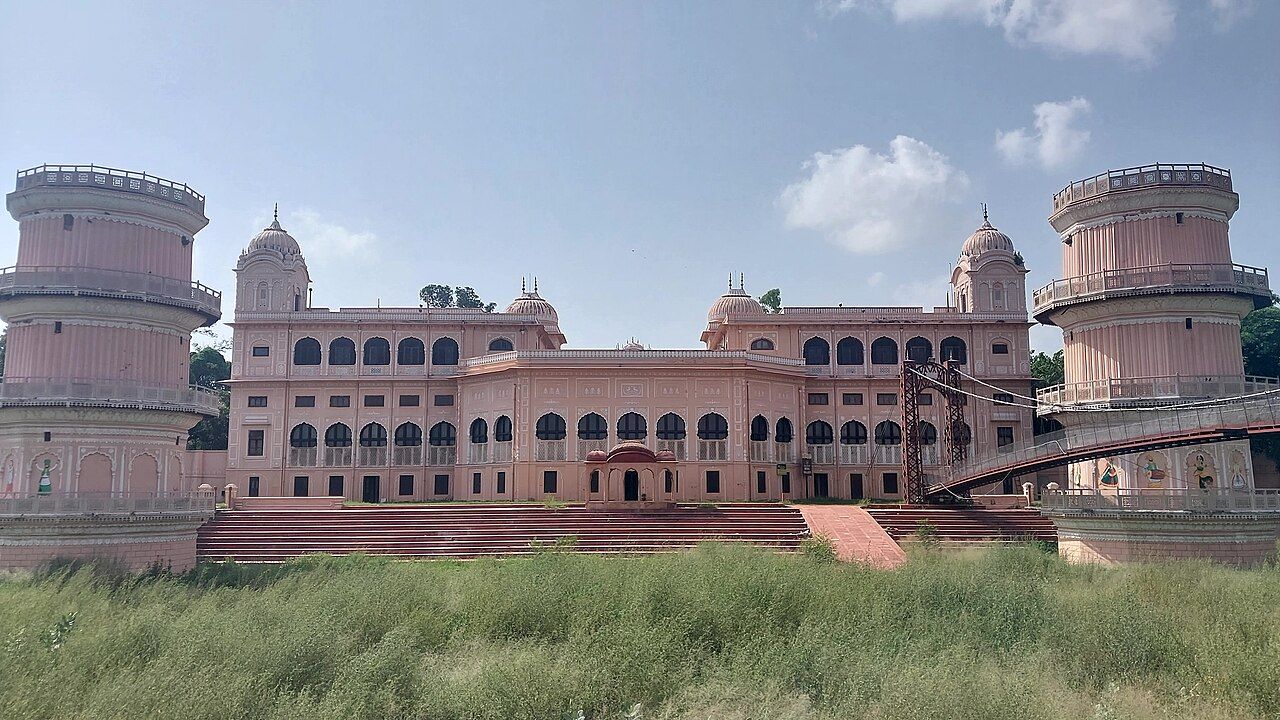
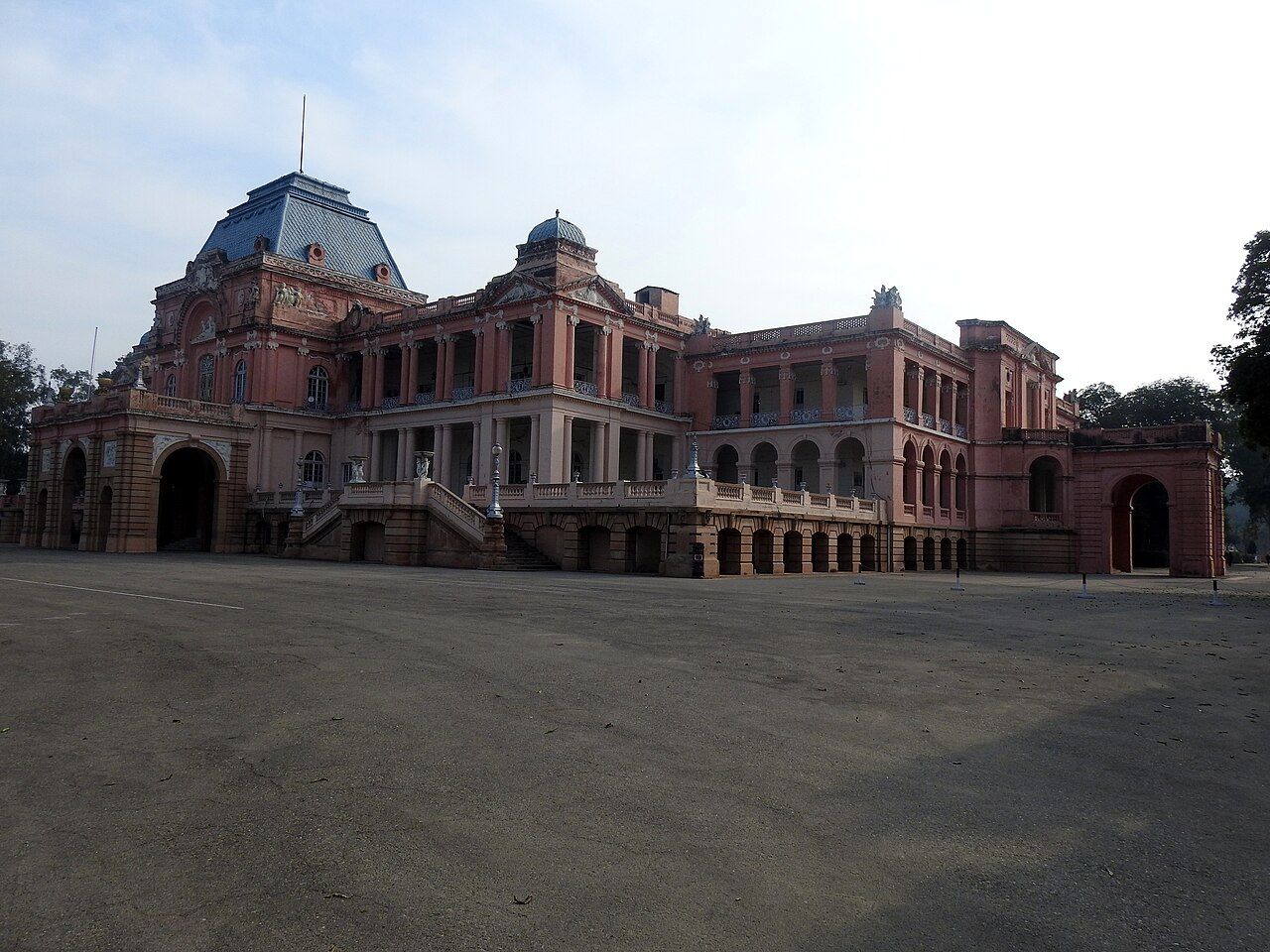
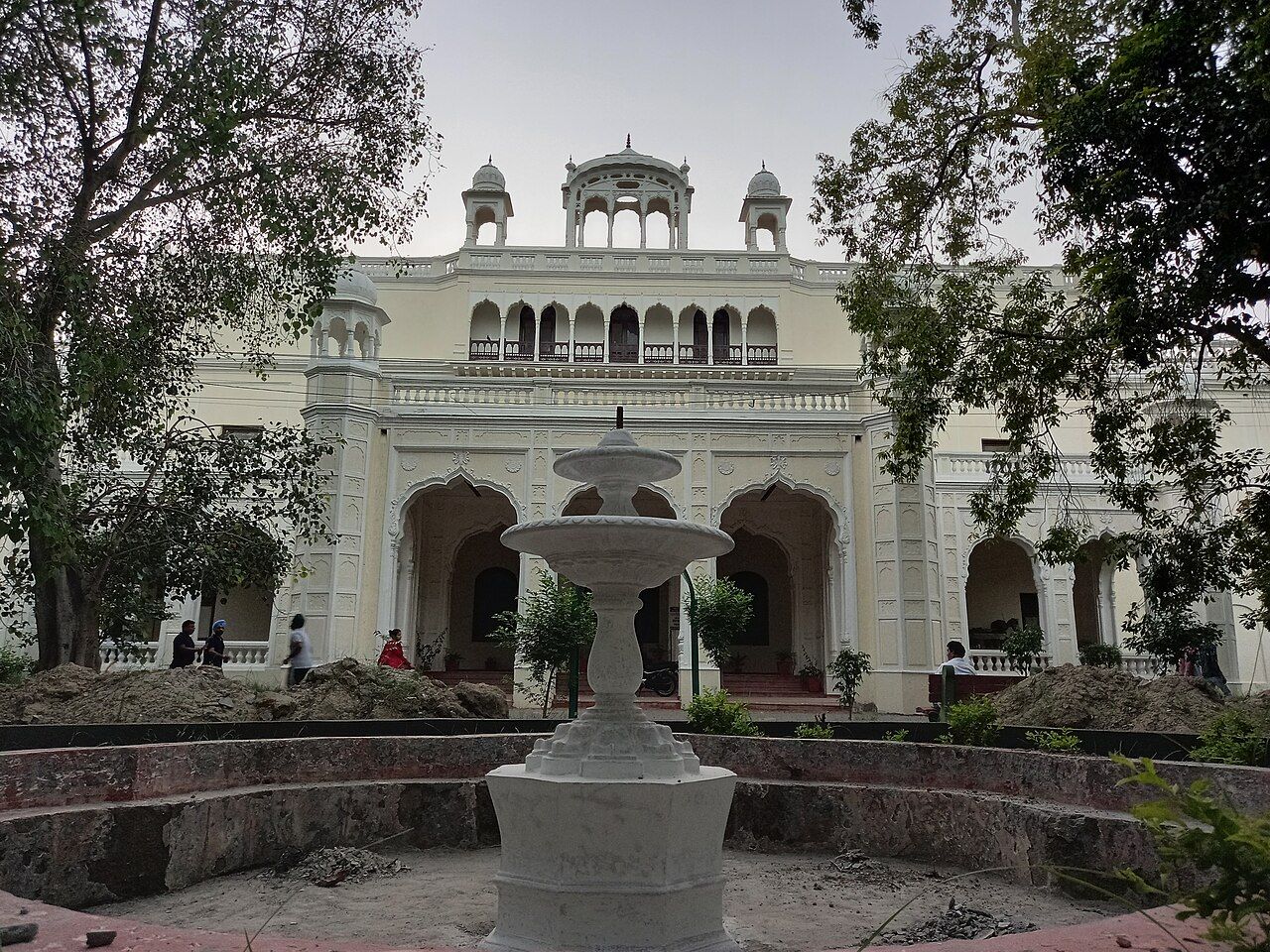
Other royal gardens and palacesTap to open
- Baradari Garden, Patiala: Royal garden of Patiala
- Hira Mahal, Nabha: Palace of the former Nabha state
- Shalimar Bagh, Kapurthala: Garden of the Kapurthala rulers
A baradari is a garden pavilion with twelve doors (bara = twelve, dar = door) that let the breeze pass through. Royal gardens of Patiala and Sangrur have famous baradaris.
Who built the Moti Bagh Palace, and on which garden is its layout based?
Show answer
Maharaja Narinder Singh of Patiala built it. Its terraced garden with water channels follows the Shalimar Gardens of Lahore. Today it houses the NIS.
Tombs and Mughal-era monuments
Mughal-era tombs, and the platform where Akbar was crowned.
| Monument | Place (district) | Fact |
|---|---|---|
| Tomb of Shamsher Khan | Batala (Gurdaspur) | Tomb of an officer of Akbar's time; a protected monument |
| Tombs of Haji Jamal and Muhammad Momin | Nakodar (Jalandhar) | Mughal-era tombs |
| Takht-i-Akbari | Kalanaur (Gurdaspur) | Platform where Akbar was crowned on 14 February 1556 |
| Rauza Sharif | Sirhind (Fatehgarh Sahib) | Shrine of Sheikh Ahmad Sirhindi |
Museums of Punjab
New and old museums — and who designed the most famous one.
| Museum | Place | About |
|---|---|---|
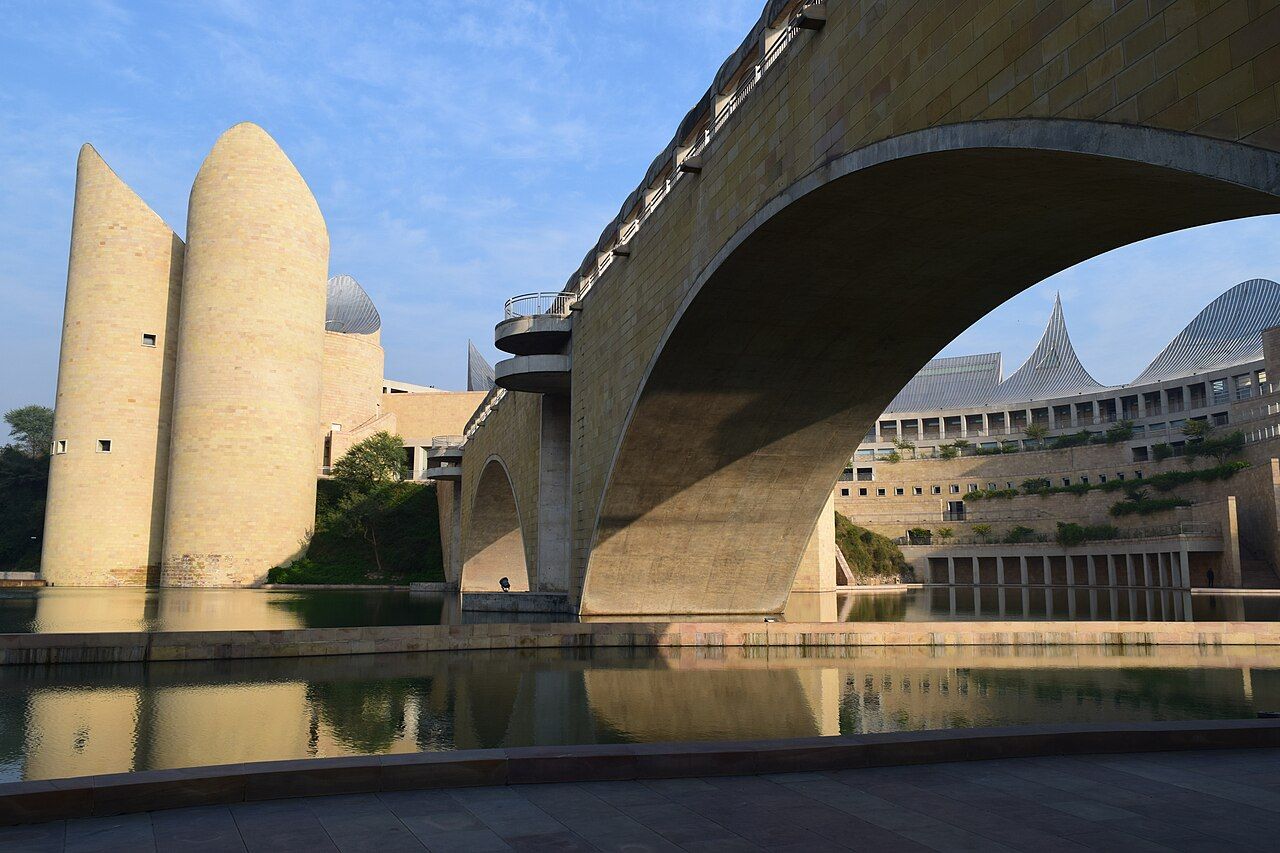
| Virasat-e-Khalsa (Khalsa Heritage Complex) | Anandpur Sahib (Rupnagar) | Museum of Sikh history and Punjab's culture; architect Moshe Safdie; opened 25 November 2011 |
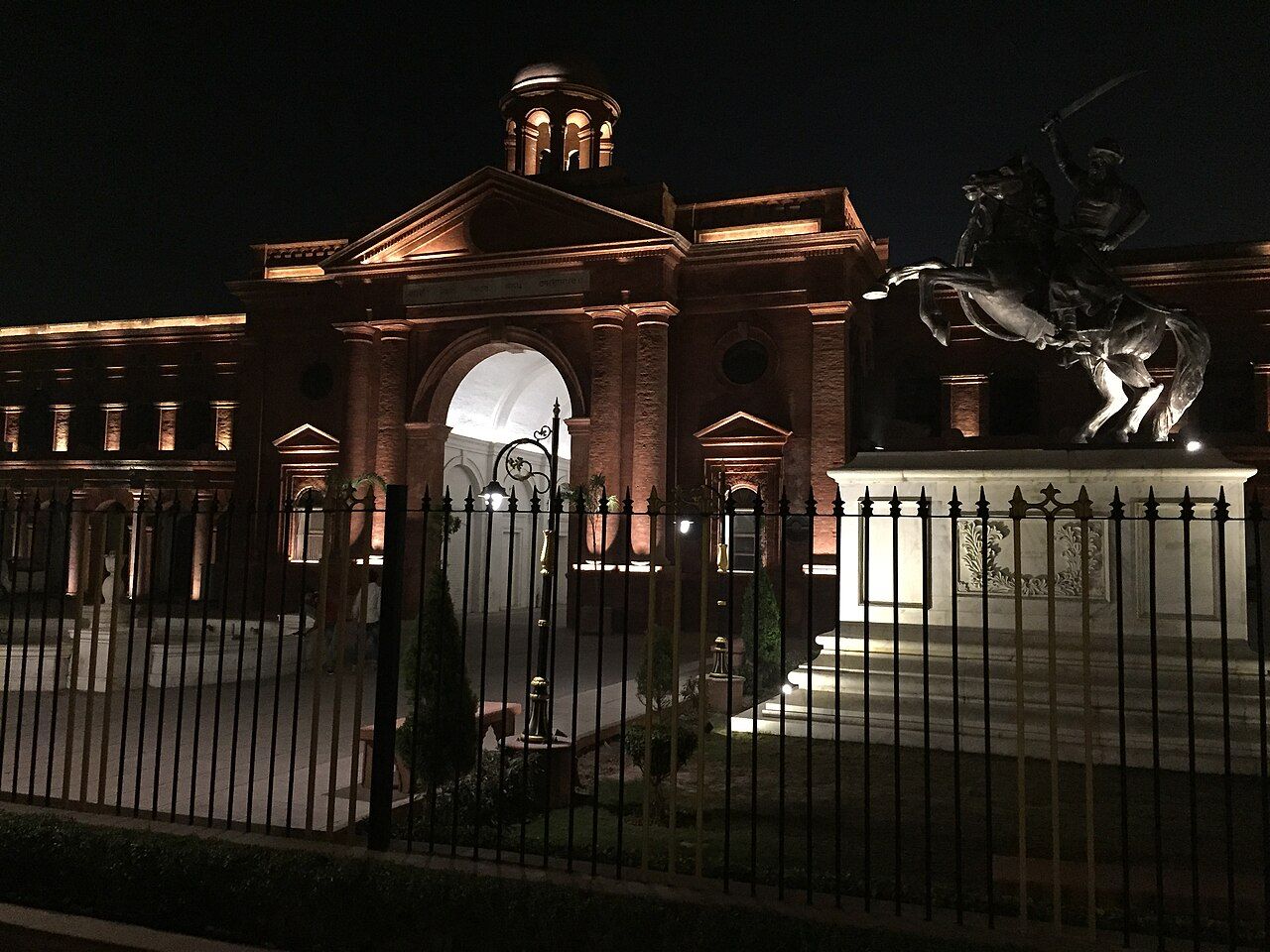
| Partition Museum | Town Hall, Amritsar | The world's first museum on the Partition of 1947; opened in 2017 |
| Jallianwala Bagh National Memorial | Amritsar | Memorial to the massacre of 13 April 1919; unveiled in 1961 |
| Central Sikh Museum | Harmandir Sahib complex, Amritsar | Paintings, weapons and relics of Sikh history |
| Sanghol Museum | Sanghol (Uchha Pind), Fatehgarh Sahib | Site museum (1990) for Harappan and Kushan finds |
More museumsTap to open
| Museum | Place | About |
|---|---|---|
| Museum of Rural Life of Punjab | Punjab Agricultural University (PAU), Ludhiana | Village tools, crafts and home life of old Punjab |
| Maharaja Ranjit Singh War Museum | Ludhiana (Ludhiana–Chandigarh road) | Weapons and battles of Punjab |
| Sikh Ajaibghar | Balongi (SAS Nagar/Mohali) | Sikh history in life-size figures |
| Shaheed Bhagat Singh Museum | Khatkar Kalan (SBS Nagar) | Bhagat Singh's ancestral village |
| Pushpa Gujral Science City | Kapurthala (Jalandhar road) | Science museum and park, 2005 |
Israeli-Canadian architect of the Khalsa Heritage Complex, Anandpur Sahib (2011).
Swiss-born French architect who planned the city and its Capitol Complex.
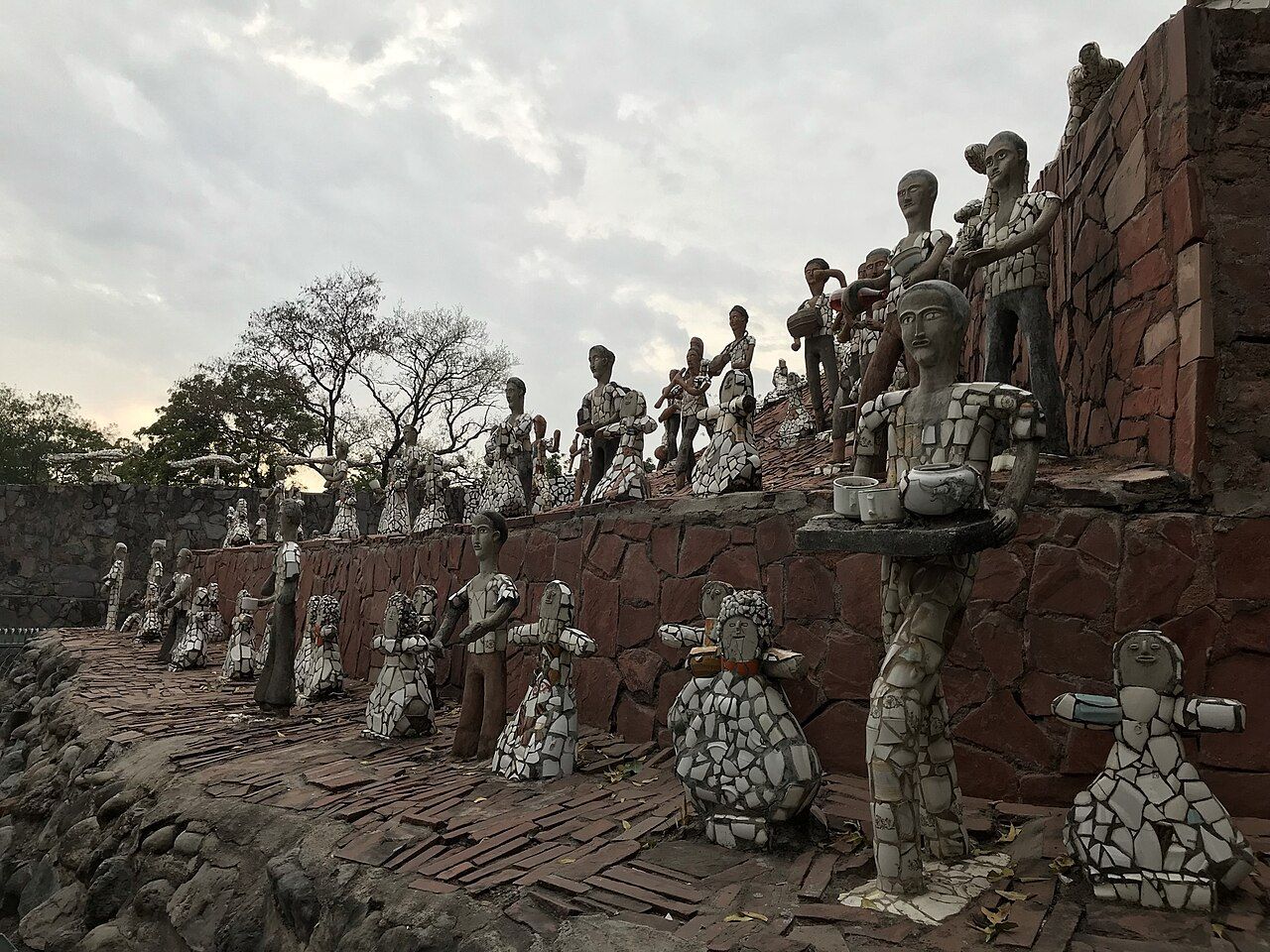
Built the Rock Garden of Chandigarh from waste material.
Where are the Partition Museum and Virasat-e-Khalsa, and who designed Virasat-e-Khalsa?
Show answer
The Partition Museum is in the Town Hall, Amritsar. Virasat-e-Khalsa is at Anandpur Sahib and was designed by Moshe Safdie.
Memorials and war museums
Places that remember martyrs and soldiers. Most are in the border districts of Amritsar and Ferozepur.
| Memorial | Place | Remembers |
|---|---|---|
| Jallianwala Bagh | Amritsar | Firing on a peaceful meeting, 13 April 1919 (Baisakhi) |
| National Martyrs Memorial, Hussainiwala | Ferozepur | Bhagat Singh, Rajguru and Sukhdev were cremated here (1931) |
| Saragarhi Memorial | Ferozepur | 21 soldiers of the 36th Sikhs at Saragarhi, 12 September 1897 |
| Anglo-Sikh War Memorial | Ferozeshah (Ferozepur) | Battles of the First Anglo-Sikh War, 1845 |
| Jang-e-Azadi Memorial | Kartarpur (Jalandhar) | Punjab's role in the freedom struggle; inaugurated 2016 |
| Fateh Burj | Chappar Chiri (SAS Nagar/Mohali) | Banda Singh Bahadur's victory at Chappar Chiri (1710); 100 m (328 ft) tower, opened 2011 |
| Wagah–Attari border | Amritsar | Beating Retreat ceremony since 1959 |
Also asked onceTap to open
Chandigarh landmarks
Chandigarh is a Union Territory and the joint capital of Punjab and Haryana.
- The city was planned by Le Corbusier, a Swiss-born French architect, at the foot of the Shivalik hills.
- His Capitol Complex (High Court, Assembly, Secretariat) became a UNESCO World Heritage Site in 2016.
- The Rock Garden was made by Nek Chand from waste and broken material. He began it secretly around 1957; it opened to the public in 1976. Nek Chand got the Padma Shri in 1984.
- The Open Hand Monument in the Capitol Complex is the symbol of Chandigarh.
- The Government Museum and Art Gallery is in Sector 10.
Ancient sites and art
Digs that show Punjab was settled 4,000+ years ago, and its painting schools.
- Sanghol (Uchha Pind), Fatehgarh Sahib: a Harappan (Indus Valley) and Kushan site. A Kushan Buddhist stupa (a dome-shaped Buddhist monument) was dug out in 1968, and 117 Mathura-school sculptures were found in 1985. A site museum opened in 1990.
- Ropar (Rupnagar): the first Harappan site dug in India after independence (1953). Bara, Kotla Nihang Khan and Dher Majra are also in Rupnagar district.
- Rohira (Sangrur) is another Harappan site. Kalibangan is in Rajasthan, not Punjab.
Painting traditionsTap to open
- Sikh school of miniature painting flourished under Maharaja Ranjit Singh — artists such as Kehar Singh and Kapur Singh.
- The Kangra school (which grew out of Guler) was patronised by Raja Sansar Chand. It deeply influenced Sikh painting.
- Sobha Singh (1901–1986) worked at Andretta; famous for Sohni Mahiwal. Amrita Sher-Gil (1913–1941) is known for Three Girls and Bride's Toilet.
- S.G. Thakur Singh set up the Indian Academy of Fine Arts, Amritsar, in 1928.
Common traps
- Two Qila Mubaraks: Bathinda (very old, Razia Sultan) vs Patiala (Baba Ala Singh, 1763).
- Moti Bagh Palace was built by Maharaja Narinder Singh of Patiala — not by Ranjit Singh or Duleep Singh. Its garden copies the Shalimar Gardens, Lahore — not the Mughal Gardens of Delhi or a European garden.
- Virasat-e-Khalsa = Moshe Safdie. Le Corbusier planned Chandigarh; Nek Chand made the Rock Garden.
- Partition Museum is in Amritsar (Town Hall) — not Chandigarh or Patiala.
- Ram Tirath is in Amritsar district — not Hoshiarpur or Rupnagar.
- Mukteshwar Mahadev is in Pathankot, on the Ravi; Shamsher Khan's tomb is at Batala in Gurdaspur.
- Lodhi Fort, Ludhiana stands near the Sutlej, not the Beas or Ravi.
- Moorish Mosque and Jagatjit Palace are in Kapurthala; Sheesh Mahal is in Patiala.
Quick revision
Read this the night before the exam.
- Gurdwara Dukh Nivaran Sahib
- Patiala
- Takht Sri Damdama Sahib
- Talwandi Sabo (Bathinda)
- Takht Sri Kesgarh Sahib
- Anandpur Sahib (Rupnagar)
- Ram Tirath (Lav and Kush)
- Amritsar district
- Mukteshwar Mahadev Temple
- Pathankot, on the Ravi
- Shamsher Khan's tomb
- Batala (Gurdaspur)
- Takht-i-Akbari
- Kalanaur (Gurdaspur)
- Lodhi Fort (Purana Qila)
- Ludhiana, on the Sutlej
- Moorish Mosque and Jagatjit Palace
- Kapurthala
- Partition Museum
- Town Hall, Amritsar
- Harmandir Sahib: Amritsar; foundation 1588
- Foundation stone (tradition): Sufi saint Mian Mir
- Akal Takht: Guru Hargobind, 1606
- Kesgarh Sahib: Anandpur Sahib
- Damdama Sahib: Talwandi Sabo (Bathinda)
- Dukh Nivaran Sahib: Patiala
- Shaheedi Jor Mela: Fatehgarh Sahib, December
- Ram Tirath (Lav–Kush): Amritsar
- Mukteshwar Mahadev: Pathankot
- Shamsher Khan's tomb: Batala, Gurdaspur
- Lodhi Fort (Purana Qila): Ludhiana, Sutlej
- Qila Mubarak Patiala: Baba Ala Singh, 1763
- Qila Mubarak Bathinda: Razia Sultan, 1240
- Moti Bagh Palace: Narinder Singh; Shalimar pattern
- Sheesh Mahal: largest art gallery, Patiala
- Moorish Mosque: Kapurthala, 1930
- Virasat-e-Khalsa: Moshe Safdie, 2011
- Partition Museum: Town Hall, Amritsar
- HRIDAY heritage city in Punjab: Amritsar
- Rock Garden: Nek Chand
Timeline of Punjab's monuments (1240–2017)Tap to open
- 1240Razia Sultan at Bathinda
Imprisoned in Qila Mubarak, Bathinda.
- 1556Takht-i-Akbari, Kalanaur
Akbar crowned here on 14 February 1556.
- 1577Amritsar sarovar dug
By Guru Ram Das.
- 1588Harmandir Sahib foundation
In Guru Arjan Dev's time; by tradition laid by Mian Mir.
- 1606Akal Takht
Founded by Guru Hargobind.
- 1760Gobindgarh Fort
First built by the Bhangi misl; rebuilt by Ranjit Singh 1805–09.
- 1763Qila Mubarak, Patiala
Founded by Baba Ala Singh.
- 1847Sheesh Mahal, Patiala
Built by Maharaja Narinder Singh.
- 1908Jagatjit Palace, Kapurthala
French-style palace, now a Sainik School.
- 1930Moorish Mosque, Kapurthala
Built by Maharaja Jagatjit Singh.
- 1961Jallianwala Bagh memorial; NIS Patiala
Memorial unveiled; NIS set up in Old Moti Bagh Palace.
- 1966Damdama Sahib a Takht
Recognised as the fifth Takht.
- 2011Virasat-e-Khalsa; Fateh Burj
Both opened.
- 2015HRIDAY
Amritsar chosen as a heritage city.
- 2016Capitol Complex; Jang-e-Azadi
UNESCO listing; Kartarpur memorial inaugurated.
- 2017Gobindgarh Fort and Partition Museum open
Both in Amritsar.