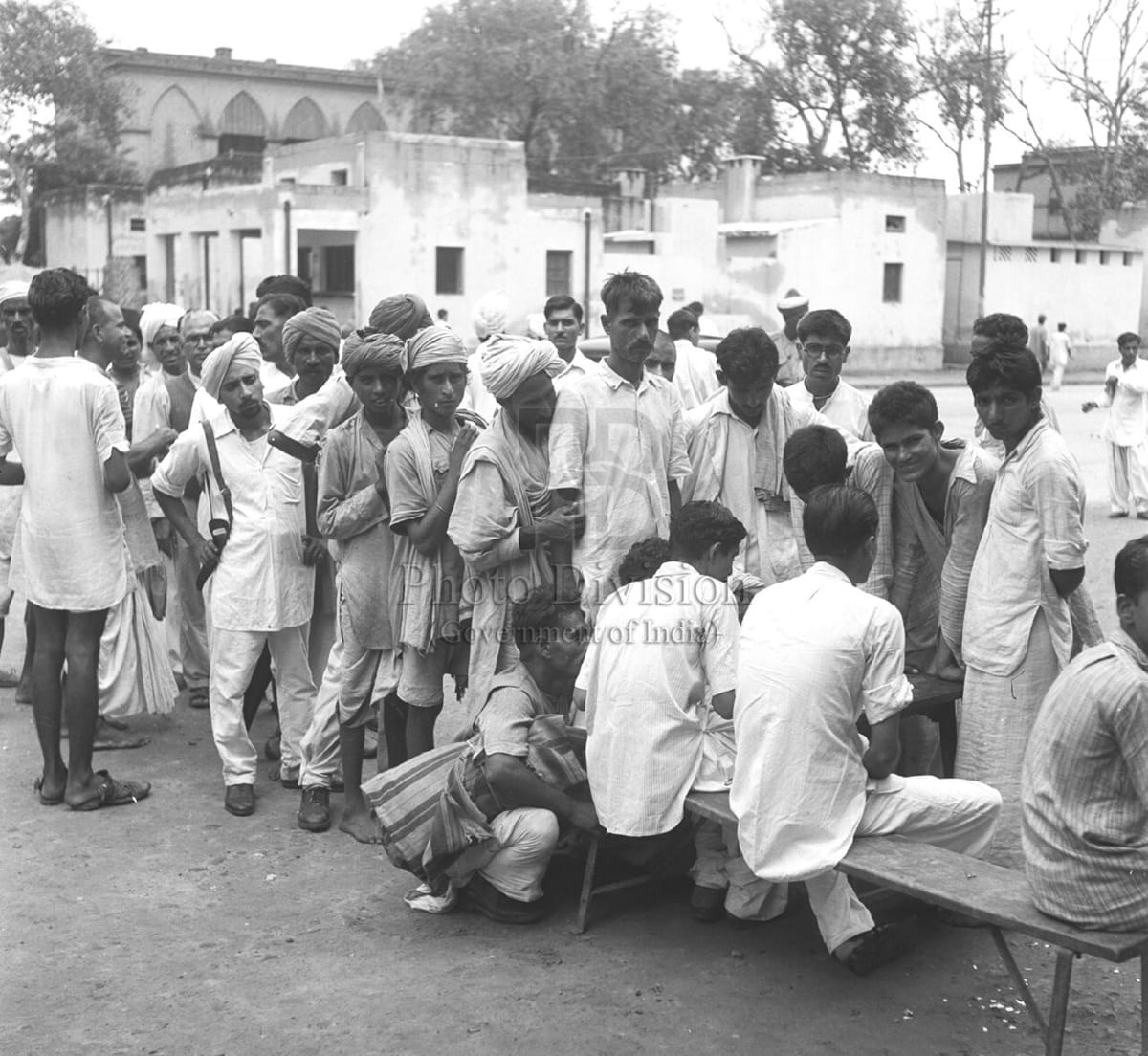
A citizen is a full member of the country. Citizens get some rights that foreigners never get, like the right to vote. The Constitution deals with citizenship in Part II, from Article 5 to Article 11. These articles only decided who was a citizen on 26 January 1950. Everything after that is decided by the Citizenship Act, 1955.
Who is a citizen, and why it matters
Some rights belong only to citizens. India gives just one citizenship.
Every person in India, citizen or foreigner, gets some rights. Equality before law (Article 14) and life and liberty (Article 21) are for everyone. But some rights are for citizens only. A foreigner living in India is called an alien.
No discrimination on religion, caste, sex or place of birth; equal chance in government jobs.
Speech, assembly, association, movement, residence and profession.
Protect your language and culture; minorities may run their own institutions.
Vote at 18, and stand for Lok Sabha, Rajya Sabha and Assembly elections.
President, Vice-President, Governor, Supreme Court and High Court judges, Attorney General, CAG.
What only an Indian citizen gets. A foreigner, even an OCI cardholder, does not.
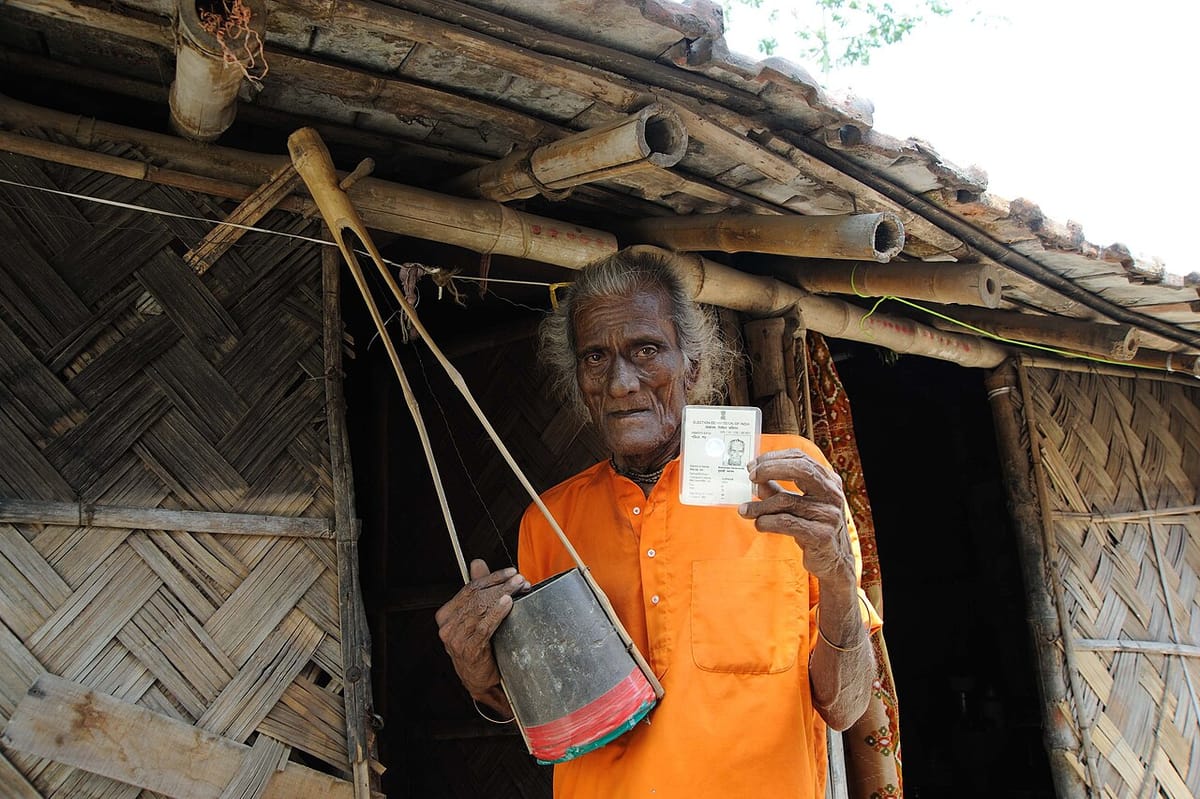
India gives one citizenship only: citizenship of India. There is no separate citizenship of Punjab or Kerala. A citizen has the same rights in every state. The USA and Switzerland give two (national and state). India took the single-citizenship idea from Britain. Citizenship is a Union List subject (Entry 17, Seventh Schedule), so only Parliament makes laws on it.
Articles 5 to 11: citizens on 26 January 1950
A one-time snapshot made just after Partition.
Before 1950, people in India were British subjects. Then came Partition in 1947. Millions crossed the new border both ways. So the Constitution had to answer one question: who is an Indian citizen on the day the Constitution starts? Articles 5 to 10 answer it. Article 11 then hands the subject to Parliament for the future.
| Article | What it says |
|---|---|
| 5 | Citizenship at the commencement (start) of the Constitution, based on domicile. |
| 6 | People who migrated to India from Pakistan. |
| 7 | People who migrated to Pakistan after 1 March 1947 but came back with a resettlement permit. |
| 8 | Persons of Indian origin living abroad, by registering at an Indian embassy. |
| 9 | Anyone who voluntarily takes a foreign citizenship is not an Indian citizen. |
| 10 | Citizens continue to be citizens, subject to laws of Parliament. |
| 11 | Parliament may make laws on getting and losing citizenship. |
Domicile means the place a person treats as his permanent home. Under Article 5, a person domiciled in India on 26 January 1950 became a citizen if any one of these was true: he was born in India, or either parent was born in India, or he had lived in India for at least 5 years just before that day.
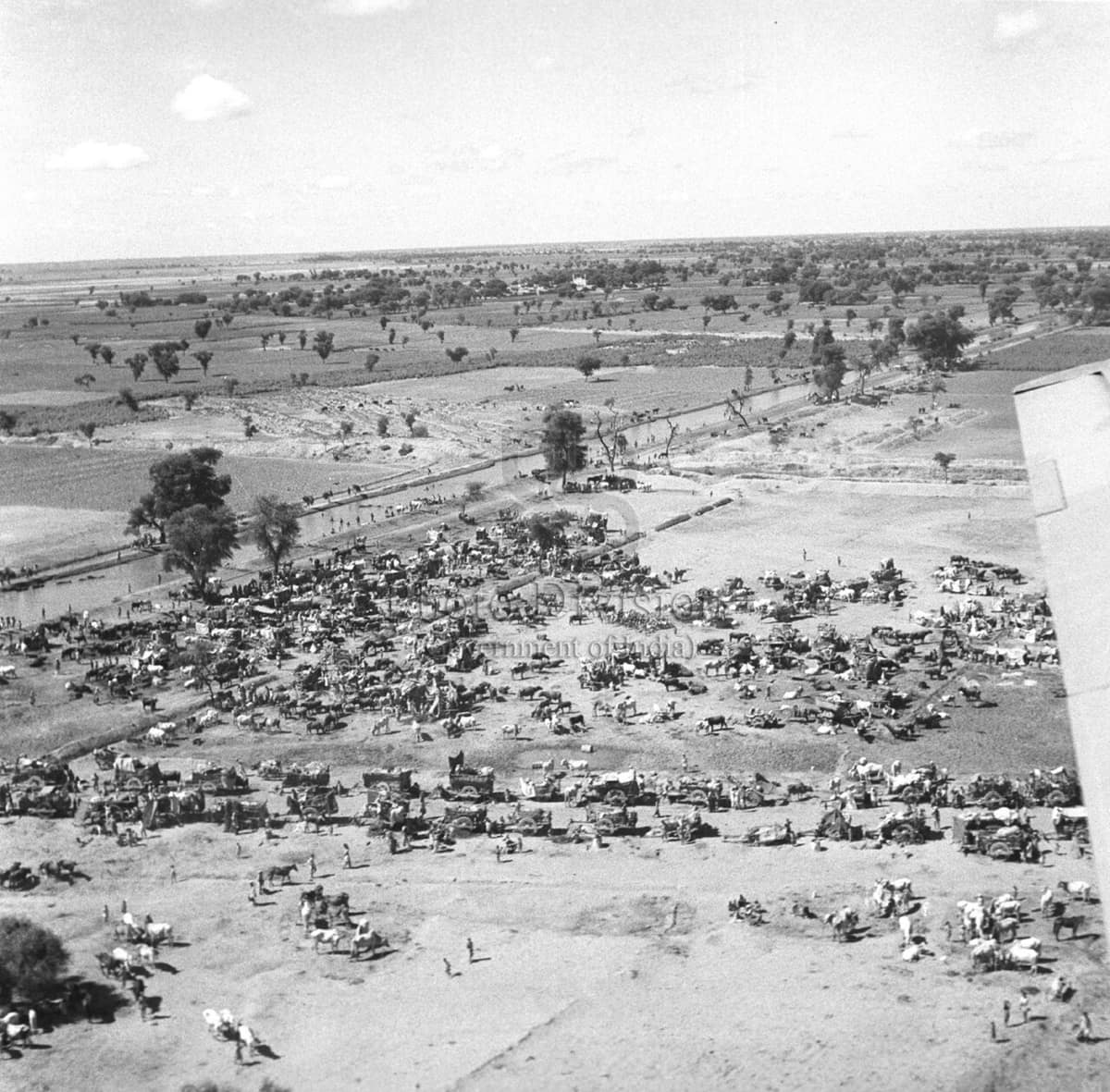
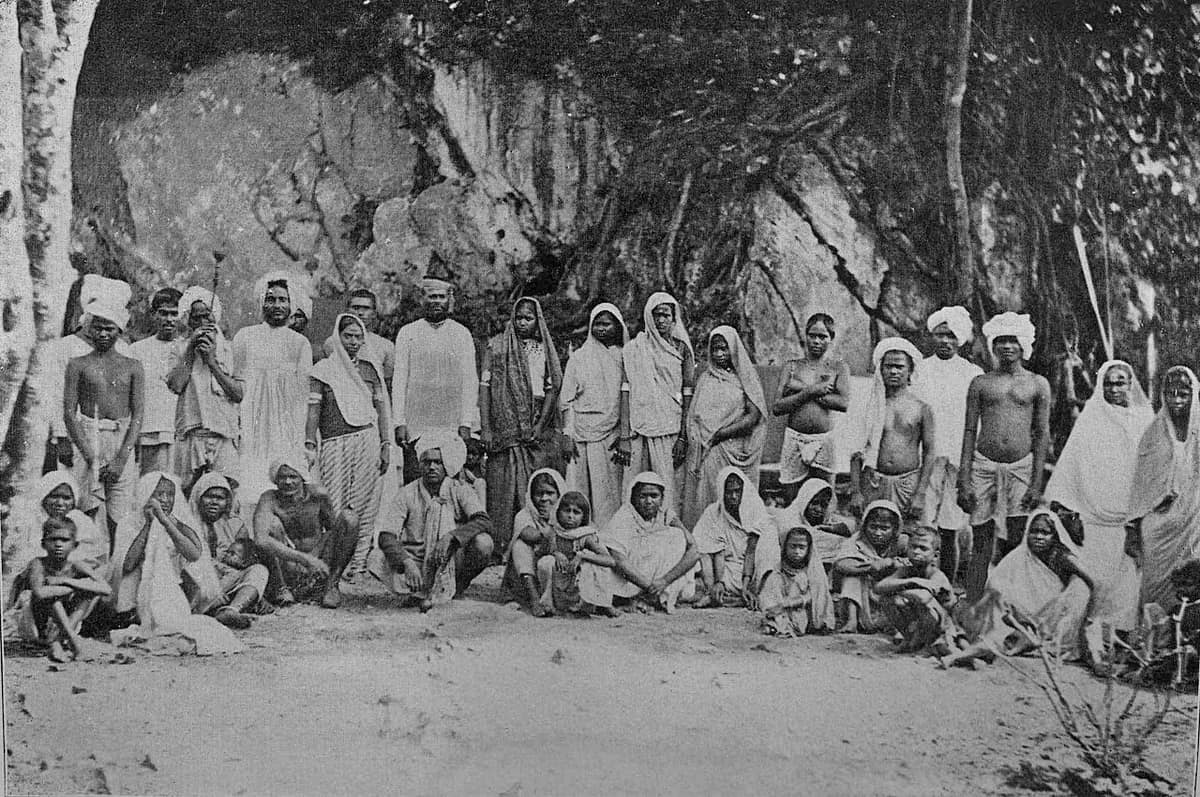
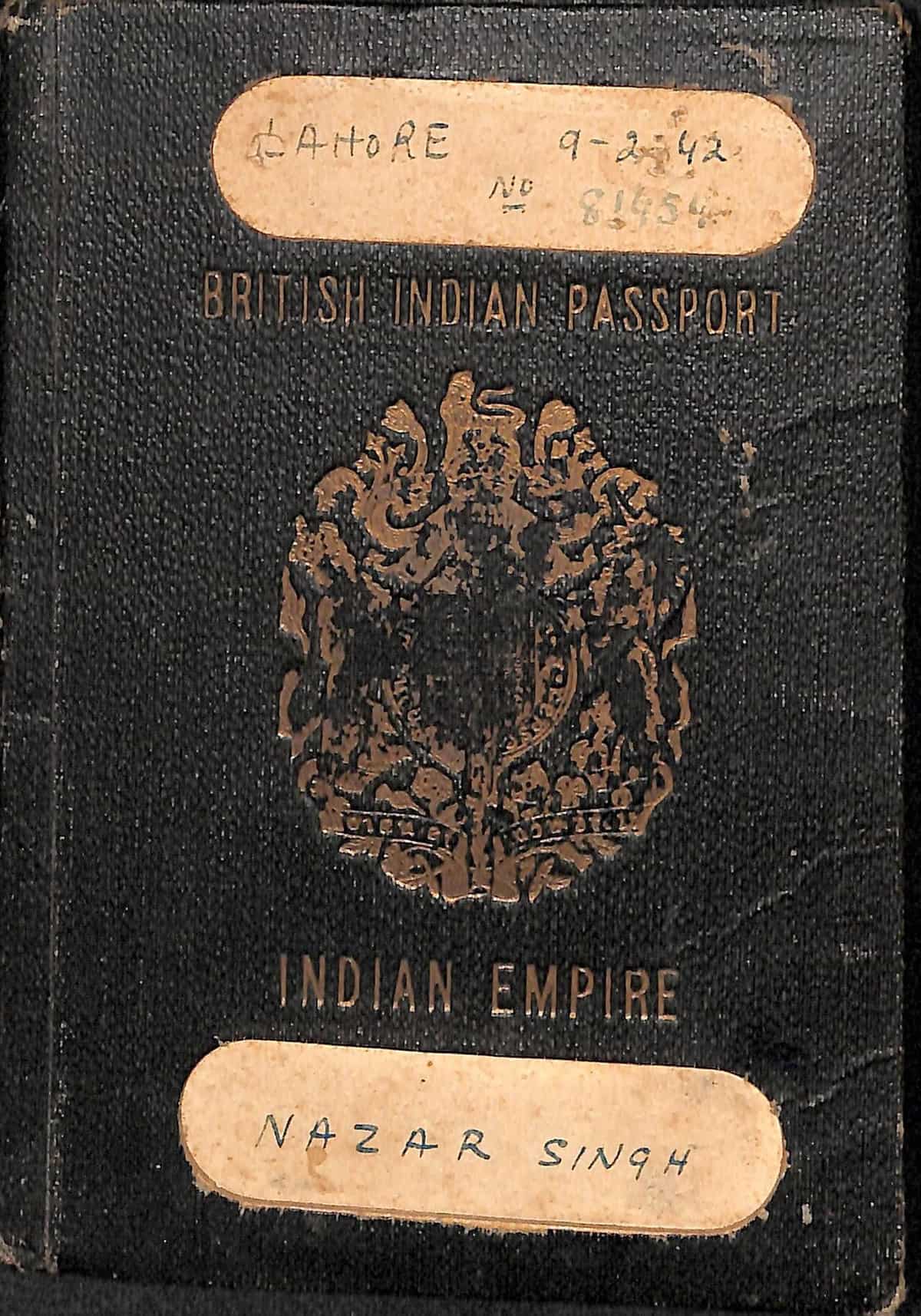
5 starts it. 6 and 7 handle Partition: 6 came to India, 7 went to Pakistan and returned. 8 is Indians abroad. 9 says no dual citizenship. 10 keeps it going. 11 hands it to Parliament.
The Citizenship Act, 1955: five ways to become a citizen
Birth, descent, registration, naturalisation and new territory.
After 1950, all citizenship questions are settled by the Citizenship Act, 1955. Parliament made it using Article 11. The Act gives five ways to become an Indian citizen. Buying land or property is not one of them.
- 1. By birth
- Born in India. The rule depends on the date of birth and the parents (see the chart below). Children of foreign diplomats and enemy aliens do not qualify.
- 2. By descent
- Born outside India to a parent who is an Indian citizen. Since 1992, through either parent; before that, only through the father. The birth must be registered at an Indian consulate.
- 3. By registration
- Apply to the government. For example: a person of Indian origin who has lived in India for 7 years, or a person married to an Indian citizen who has lived here 7 years, or minor children of citizens.
- 4. By naturalisation
- For a foreigner who has lived in India for 12 years in all (the last 12 months without a break, plus 11 of the 14 years before). Must know an Eighth Schedule language, be of good character and take an oath of allegiance.
- 5. By incorporation of territory
- When a new area joins India, the government says which of its people become citizens. Examples: Goa (1961), Puducherry (1962), Sikkim (1975).
- 26 Jan 1950 – 30 June 1987Born in India = citizenWhatever the parents' nationality.
- 1 July 1987 – 2 Dec 2004One parent must be IndianBrought in by the 1986 amendment.
- From 3 Dec 2004Both parents Indian, or one Indian and the other not an illegal migrantBrought in by the 2003 amendment.
Losing citizenship, and why OCI is not dual citizenship
Three ways to lose it. One rule: no second citizenship.
An adult citizen gives it up by a formal declaration. His minor children also lose it, but can take it back within a year of turning 18.
Happens by law the moment a citizen voluntarily takes another country's citizenship (Article 9).
The Central Government takes it away, mainly from those who got it by registration or naturalisation, for fraud, disloyalty and similar reasons.
Three ways to lose Indian citizenship under the Citizenship Act.
No person shall be a citizen of India by virtue of article 5, or be deemed to be a citizen of India by virtue of article 6 or article 8, if he has voluntarily acquired the citizenship of any foreign State.
When can the government deprive a person of citizenship?Tap to open
- Citizenship was got by fraud, a false statement or hiding a key fact.
- The person showed disloyalty to the Constitution of India.
- He traded or communicated with the enemy during a war.
- Within 5 years of registration or naturalisation, he was jailed for 2 years or more in any country.
- He has lived outside India for 7 years in a row without registering each year at an Indian consulate (students and government staff abroad are exempt).
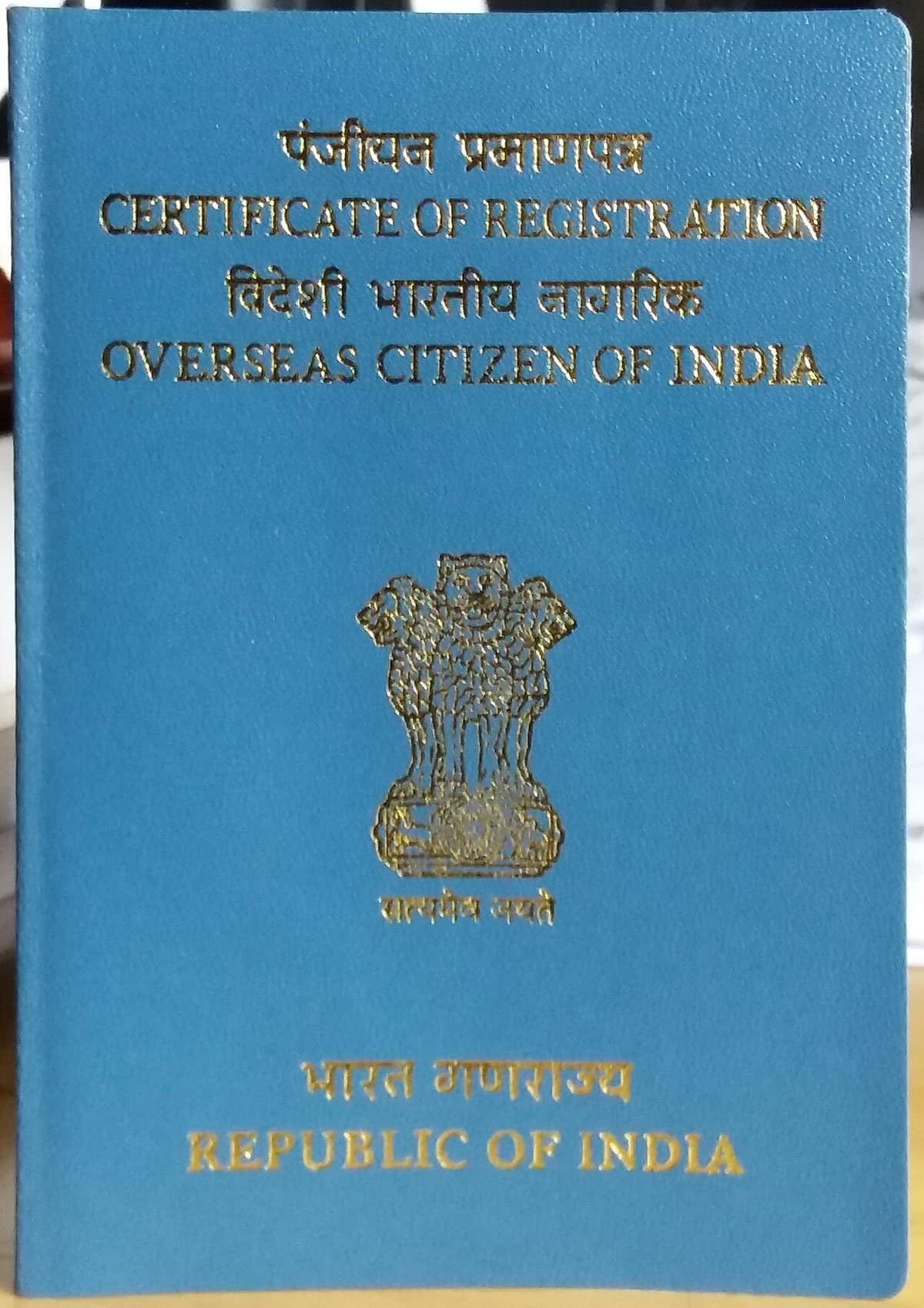
Who can get it: a foreign citizen of Indian origin (or the foreign spouse of an Indian citizen or OCI). Who cannot: anyone who was ever a citizen of Pakistan or Bangladesh. Benefits: lifelong visa, no need to report to police for long stays. Not allowed: voting, contesting elections, posts like President or judge, and buying farm land. Cancellation: the Central Government can cancel it, for example for disaffection towards the Constitution or fraud.
Amendments, CAA 2019 and related registers
How Parliament has changed the 1955 Act over time.
Because of Article 11, Parliament can change citizenship rules by an ordinary law, with a simple majority. It does not need the special procedure of Article 368. That is how the Citizenship Act has been amended many times.
- 1955Citizenship Act passed
Five ways to acquire, three ways to lose.
- 1986Birth rule tightened
From 1 July 1987, one parent must be Indian.
- 1992Descent through the mother
A child born abroad can be a citizen through either parent.
- 2003Illegal migrant and OCI
Term illegal migrant defined; both-parent birth rule from 3 December 2004; OCI idea created.
- 2005OCI widened
Opened to people of Indian origin in most countries (not Pakistan or Bangladesh).
- 2015PIO merged into OCI
The PIO card scheme was merged into the OCI cardholder scheme.
- 2019Citizenship (Amendment) Act
Faster citizenship for six named communities from three neighbouring countries.
- 2024CAA rules notified
The rules to apply under CAA were notified in March 2024.
Who: Hindus, Sikhs, Buddhists, Jains, Parsis and Christians. From: Afghanistan, Bangladesh and Pakistan. Entry date: on or before 31 December 2014. What changes: they are not treated as illegal migrants, and the residence needed for naturalisation is cut from 11 years to 5 years. Not applied in: Sixth Schedule tribal areas (Assam, Meghalaya, Mizoram, Tripura) and Inner Line Permit areas. The Act has been widely debated, and petitions against it have been filed in the Supreme Court.
Also asked: NRC, NPR, NRI voting and Pravasi Bharatiya DivasTap to open
| Topic | Key fact |
|---|---|
| NRC (Assam) | Register of citizens first made after the 1951 Census. The Assam update used 24 March 1971 as the cut-off (from the Assam Accord, 1985). The final list came out in August 2019. |
| NPR | A list of usual residents, citizens and foreigners alike, kept by the Registrar General under the Home Ministry. It is based on the Citizenship Act and 2003 rules. |
| NRI voting | An NRI is an Indian citizen living abroad. Since a 2010 change to the election law, NRIs can enrol and vote in person in their home constituency. |
| Pravasi Bharatiya Divas | 9 January, the day Gandhi returned from South Africa in 1915. First held in 2003, on the advice of the L. M. Singhvi committee on the Indian diaspora. |
| Residence in state jobs | Article 16(3): only Parliament can make residence a condition for certain state jobs. In the D. P. Joshi case (1955), a state was allowed to charge lower college fees to its own residents. |
Everything on one look
Articles, dates and numbers to remember.
- Part II: Articles 5 to 11
- 5 years' residence under Article 5
- 5 ways to acquire, 3 ways to lose
- Registration: 7 years' stay
- Naturalisation: 12 years in all
- CAA: 11 years cut to 5
- 26 Jan 1950: Articles 5–11 take effect
- 1955: Citizenship Act
- 1 July 1987: one Indian parent needed
- 3 Dec 2004: both parents (or one, other legal)
- 2015: PIO merged into OCI
- 31 Dec 2014: CAA entry cut-off
- Articles 5–11 only cover 26 January 1950. Later citizenship comes from the Citizenship Act, 1955.
- Article 6 is migration to India from Pakistan; Article 7 is migration to Pakistan and return.
- Article 11, not Article 10, gives Parliament the power to make citizenship laws.
- Article 12 is not about citizenship. It defines "the State" in Part III.
- OCI is not dual citizenship. An OCI cardholder is a foreign national and cannot vote.
- India has single citizenship, from Britain. The USA has dual citizenship.
- Termination is automatic (Article 9); deprivation is a government order; renunciation is your own choice.
- Buying property never gives citizenship.
- Citizenship is in the Union List, not the Concurrent List.
- Citizenship: Part II, Articles 5–11
- Article 5: citizenship at the commencement
- Article 6: migrants from Pakistan
- Article 7: migrants to Pakistan who returned
- Article 8: persons of Indian origin abroad
- Article 9: no dual citizenship
- Article 11: Parliament regulates citizenship
- Citizenship Act: 1955
- Single citizenship borrowed from: Britain
- Union List: Entry 17
- Ways to acquire: birth, descent, registration, naturalisation, territory
- Ways to lose: renunciation, termination, deprivation
- Descent through mother: since 1992
- OCI idea: 2003; PIO merged: 2015
- CAA: 2019; rules notified 2024
- Pravasi Bharatiya Divas: 9 January
Simran was born in Ludhiana in 2010. Her father is an Indian citizen. Her mother is a foreign national who came to India legally on a valid visa. Is Simran an Indian citizen by birth?
Show answer
Yes. She was born after 3 December 2004, so the rule is: both parents Indian, or one parent Indian and the other not an illegal migrant. Her father is Indian and her mother entered legally, so she is a citizen by birth.