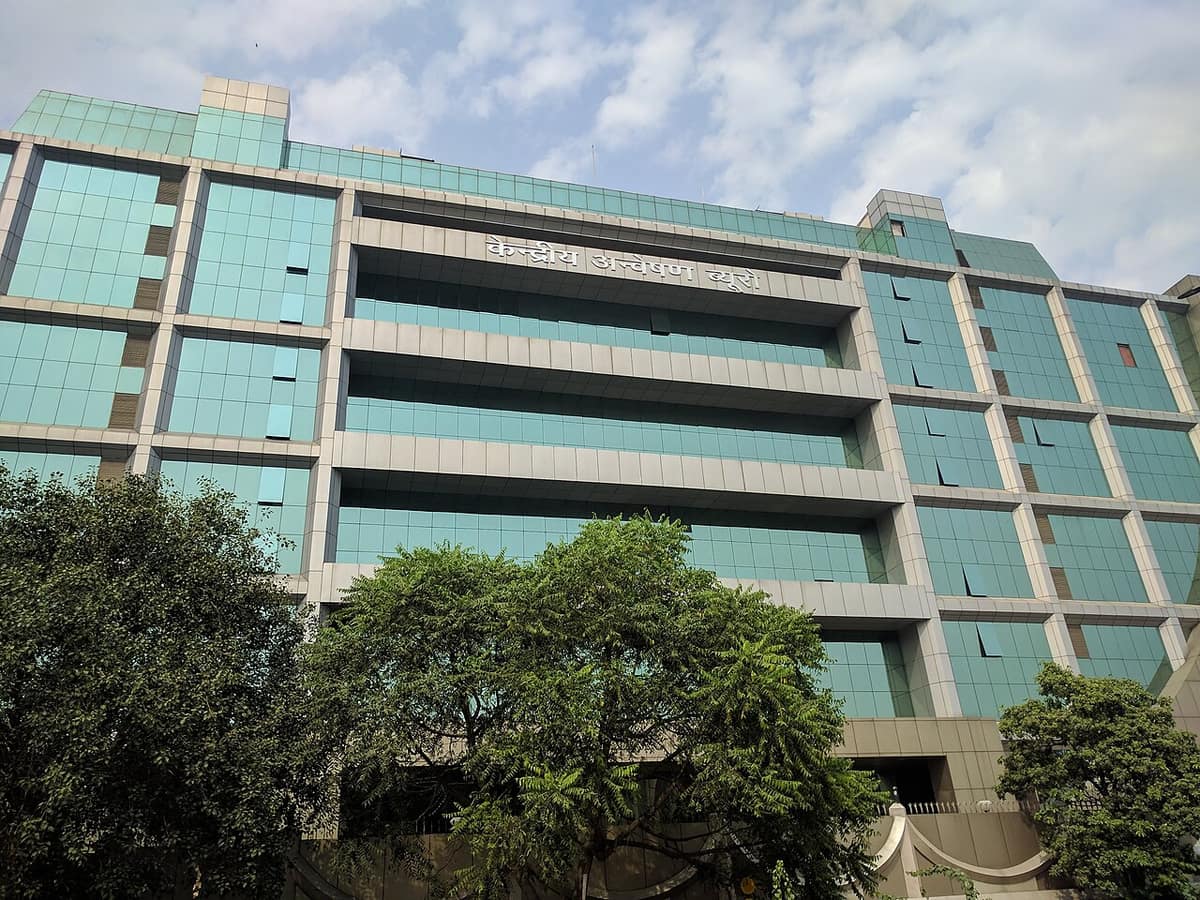
A statutory body is made by an Act of Parliament or of a state legislature. The Constitution does not name it. The NHRC, CVC, Lokpal and the Information Commission are examples. Because a law made it, another ordinary law can change or end it. Some well-known bodies, like NITI Aayog, are not even statutory. They come from a simple Cabinet decision.
What makes a body statutory
An Act, not an Article. And some bodies have neither.
Think of three doors. A constitutional body comes through the Constitution (like the Election Commission). A statutory body comes through an Act passed by a legislature. An executive body comes through a Cabinet resolution, with no Act at all. Statutory bodies are easy to create, but also easier to weaken, since a simple majority can amend their Act.
| Body | Made by | Year |
|---|---|---|
| NHRC | Protection of Human Rights Act | 1993 |
| CVC | Central Vigilance Commission Act | 2003 (body from 1964) |
| Lokpal | Lokpal and Lokayuktas Act | 2013 (first Lokpal 2019) |
| CIC | Right to Information Act | 2005 |
| NCW | National Commission for Women Act | 1990 (set up 1992) |
| NCM | National Commission for Minorities Act | 1992 |
| NGT | National Green Tribunal Act | 2010 |
| NIA | National Investigation Agency Act | 2008 |
| NDMA | Disaster Management Act | 2005 |
| SEBI | SEBI Act | 1992 (body from 1988) |
A body that can hear both sides, call witnesses and pass orders like a court, though it is not a court. The NHRC, CIC and NGT work like this. Many of them have the powers of a civil court while inquiring.
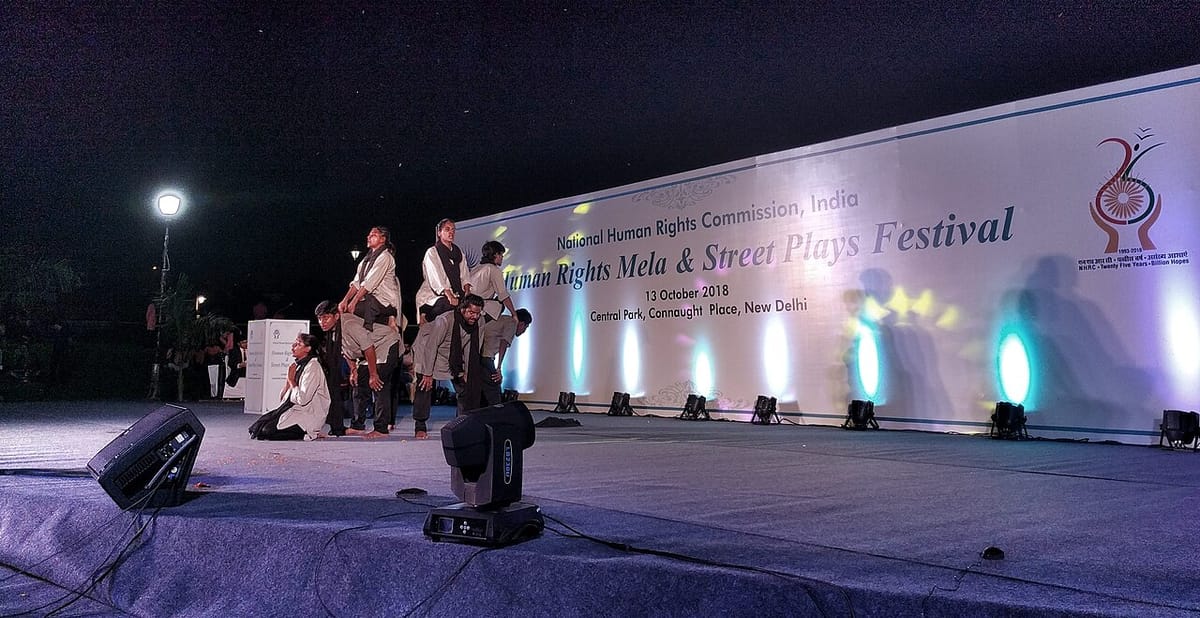
NHRC and other rights commissions
Watchdogs that inquire and recommend, but cannot punish.
The National Human Rights Commission (NHRC) was set up on 12 October 1993 under the Protection of Human Rights Act, 1993. It looks into complaints that a public servant violated someone's human rights, or failed to stop a violation. It follows the Paris Principles, a set of UN standards for such bodies.
| Point | Rule |
|---|---|
| Chairperson | A former Chief Justice of India, or (since 2019) a former Supreme Court judge. |
| Members | Judges and human-rights experts (at least one woman), plus chairs of other national commissions as deemed members. |
| Appointed by | The President, on a committee led by the Prime Minister (with the Speaker, Home Minister, both Leaders of Opposition and the Rajya Sabha Deputy Chairman). |
| Term | 3 years or age 70, whichever is earlier; can be reappointed. |
| Removed by | The President; for misbehaviour, only after a Supreme Court inquiry. |
| Powers | Powers of a civil court while inquiring; can visit jails. |
| Limits | Advice is not binding. It cannot take up a case more than one year old. Limited role over the armed forces. |
- ComplaintA victim or anyone on his behalf writes in. The NHRC can also act on its own (suo motu).
- InquiryIt calls for reports and witnesses, with civil-court powers.
- RecommendationIt may advise compensation, prosecution of the official, or interim relief.
- Government respondsThe government must report what action it took, usually within one month.
| Commission | Act and year | Remember |
|---|---|---|
| National Commission for Women (NCW) | NCW Act 1990; set up 31 January 1992 | First chair: Jayanti Patnaik |
| National Commission for Minorities (NCM) | NCM Act 1992 | Six notified minorities: Muslims, Christians, Sikhs, Buddhists, Parsis, Jains (2014) |
| National Commission for Protection of Child Rights (NCPCR) | CPCR Act 2005; set up 2007 | Watches child-rights laws |
Fighting corruption: CVC, CBI, Lokpal and Lokayukta
Who watches officials, who investigates, and who can probe even ministers.
The Central Vigilance Commission (CVC) is the top body that checks corruption in central government offices. It began in February 1964 on the advice of the Santhanam Committee, as an executive body. After the Supreme Court's Vineet Narain judgment (1997), it got legal backing through the CVC Act, 2003.
| Point | Rule |
|---|---|
| Members | One Central Vigilance Commissioner and up to two Vigilance Commissioners. |
| Appointed by | The President, on a committee of the Prime Minister, Home Minister and Leader of the Opposition in Lok Sabha. |
| Term | 4 years or age 65, whichever is earlier. |
| Removed by | The President, after a Supreme Court inquiry for misbehaviour. |
| Role | Supervises the CBI in corruption cases; advises ministries; receives whistle-blower complaints. |
| Limit | It is not an investigating agency itself; its advice is not binding. |
Say this carefully. The CBI was created by a Home Ministry resolution on 1 April 1963, on the Santhanam Committee's advice. It grew out of the Special Police Establishment (1941). Its power to investigate comes from the Delhi Special Police Establishment (DSPE) Act, 1946. So exam books call the CBI not a statutory body, but one that works under a statute. It falls under the Department of Personnel and Training. To act inside a state it needs that state's consent, unless a High Court or the Supreme Court orders a probe.
- 1963Word coined
L. M. Singhvi coined the word "Lokpal".
- 1966First ARC
Recommended a Lokpal at the Centre and Lokayuktas in states.
- 1968First Lokpal Bill
Bills came many times after this, but none passed for decades.
- 1971Maharashtra Lokayukta
The first state to set up a Lokayukta.
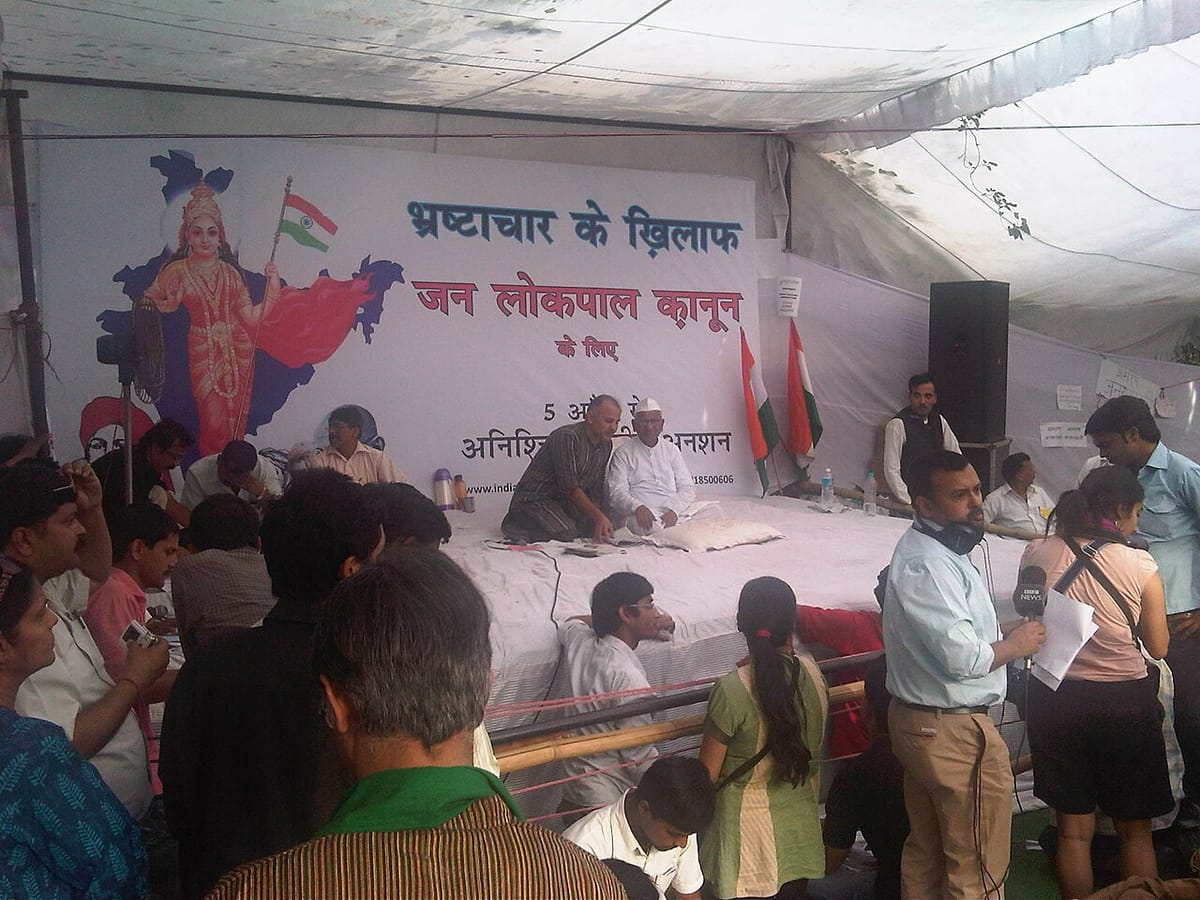
- 2011Anna Hazare movement
Mass protests demanded a strong Lokpal law.
- 2013Act passed
Lokpal and Lokayuktas Act; in force from 16 January 2014.
- 2019First Lokpal
Justice Pinaki Chandra Ghose became the first chairperson in March.
| Point | Rule |
|---|---|
| Members | A Chairperson and up to eight members; half must be judicial. |
| Reservation | At least half the members from SC, ST, OBC, minorities and women. |
| Selection committee | Prime Minister, Speaker, Leader of the Opposition, Chief Justice of India (or a judge he names), and an eminent jurist. |
| Term | 5 years or age 70. |
| Covers | The Prime Minister, ministers, MPs and central officials of all groups. |
| PM safeguard | No probe on international relations, security, public order, atomic energy or space. A probe needs two-thirds of the full bench and is held in camera. |
| Time limit | Complaints must be within 7 years of the offence. |
Regulators, tribunals and authorities
Bodies that watch markets, settle cases or handle disasters.
Many modern bodies are made by Acts to regulate a sector or to settle disputes faster than ordinary courts. They are all statutory. Exams ask which Act made them, where they sit, and who chairs them.
| Body | Act | Key fact |
|---|---|---|
| RBI | RBI Act 1934 | Began 1 April 1935; nationalised 1949 |
| SEBI | SEBI Act 1992 | Regulates the share market; head office Mumbai |
| IRDAI | IRDA Act 1999 | Regulates insurance; head office Hyderabad |
| CCI | Competition Act 2002 | Stops unfair business practices; replaced the MRTP Commission |
| NGT | NGT Act 2010 | Hears environment cases; main bench New Delhi |
| NALSA | Legal Services Authorities Act 1987 | Free legal aid (Article 39A); runs Lok Adalats |
| NDMA | Disaster Management Act 2005 | Chaired by the Prime Minister; state body by the Chief Minister |
| NIA | NIA Act 2008 | Probes terror cases; made after the 26/11 Mumbai attack |
- Day 0ApplyAsk the Public Information Officer of the office.
- 30 daysReplyDue within 30 days (48 hours if life or liberty is at stake).
- First appealTo a senior officer in the same office.
- Second appealTo the Central (or State) Information Commission, which can impose penalties.
Executive bodies: NITI Aayog and others
Famous bodies with no Act behind them.
NITI Aayog (National Institution for Transforming India) was set up by a Union Cabinet resolution on 1 January 2015. It replaced the Planning Commission, which was also made by a Cabinet resolution, on 15 March 1950. So both are executive (non-statutory, non-constitutional) bodies. NITI Aayog is a think tank. It gives advice but does not give money to states; that is done by the Finance Ministry.
- Chairperson: the Prime Minister.
- Vice-Chairperson: appointed by the PM; has the rank of a Cabinet Minister.
- CEO: appointed by the PM, in the rank of a Secretary to the Government.
- Governing Council: Chief Ministers of all states and of UTs with legislatures, and Lieutenant Governors of other UTs.
- Ex-officio members: up to four Union Ministers named by the PM.
Not everything without an Article is executive. The Zonal Councils were made by the States Reorganisation Act, 1956, so they are statutory. The Inter-State Council comes from Article 263, a constitutional provision. The National Development Council (1952) was executive, like the Planning Commission.
Everything on one look
Acts, chairs, terms and the traps.
- NHRC: 1993 Act
- CVC: 1964 body, 2003 Act
- CBI: 1963 resolution; DSPE Act 1946
- Lokpal: 2013 Act; first Lokpal 2019
- CIC: RTI Act 2005
- NCW: 1990 Act; NCM: 1992 Act
- NGT: 2010; NDMA: 2005; NIA: 2008
- NITI Aayog: Cabinet resolution, 2015
- NHRC: former CJI or SC judge; 3 years or 70
- CVC: 4 years or 65
- Lokpal: 5 years or 70
- CBI Director: chosen by PM, LoP, CJI
- NDMA: Prime Minister; SDMA: Chief Minister
- NITI Aayog: Prime Minister; VC has Cabinet rank
- The NHRC is statutory, not constitutional, and its advice is not binding.
- The NHRC cannot take up a case more than one year old.
- The CVC became statutory only in 2003; it was set up in 1964.
- The CBI was set up by a 1963 resolution; it is under the Department of Personnel, not the Home Ministry.
- The Lokpal can probe the Prime Minister, but not on security, foreign relations, public order, atomic energy or space.
- Maharashtra had the first Lokayukta (1971); the first Lokpal came only in 2019.
- NITI Aayog is executive, not statutory; it does not give funds to states.
- Zonal Councils are statutory (1956 Act); the Inter-State Council is under Article 263.
- NCM is statutory; NCSC, NCST and NCBC are constitutional.
- NHRC set up: 12 October 1993
- NHRC follows: Paris Principles
- First NCW chair: Jayanti Patnaik
- Minorities notified: 6 (Jains added 2014)
- CVC recommended by: Santhanam Committee
- CVC Act: 2003, after Vineet Narain (1997)
- CBI set up: 1 April 1963
- CBI motto: Industry, Impartiality, Integrity
- "Lokpal" word: L. M. Singhvi, 1963
- First Lokayukta: Maharashtra, 1971
- First Lokpal: Pinaki Chandra Ghose, 2019
- RTI reply time: 30 days
- SEBI statutory: 1992
- IRDAI head office: Hyderabad
- NDMA chair: Prime Minister
- NITI Aayog: 1 January 2015
A newspaper says the Government wants to cut the NHRC's powers. Does it need a Constitutional Amendment? Why or why not?
Show answer
No. The NHRC is a statutory body made by the Protection of Human Rights Act, 1993. Parliament can change its powers by amending that Act with an ordinary majority, as it did in 2019. Only a constitutional body, like the Election Commission, needs a Constitutional Amendment.