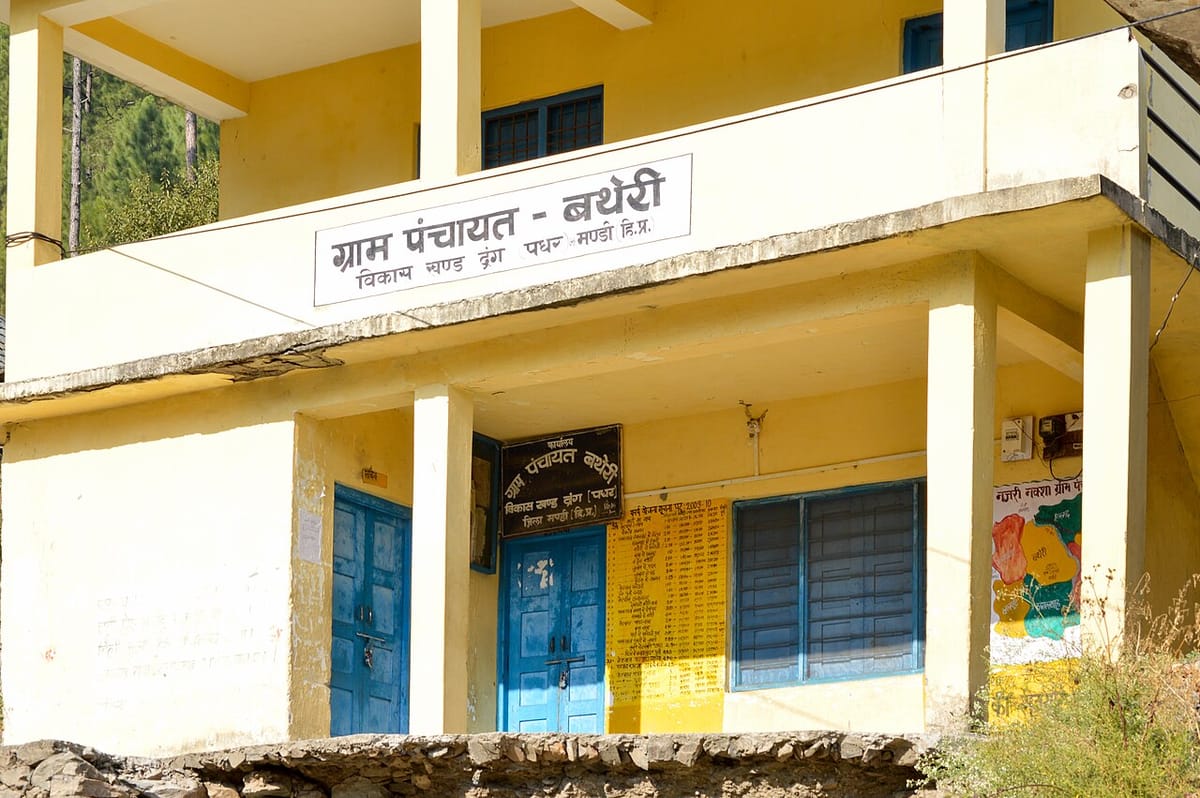
India has a third level of government below the Centre and the states: local bodies. In villages they are panchayats; in towns and cities they are municipalities. Since 1992 both have a place in the Constitution: Part IX for panchayats and Part IXA for municipalities.
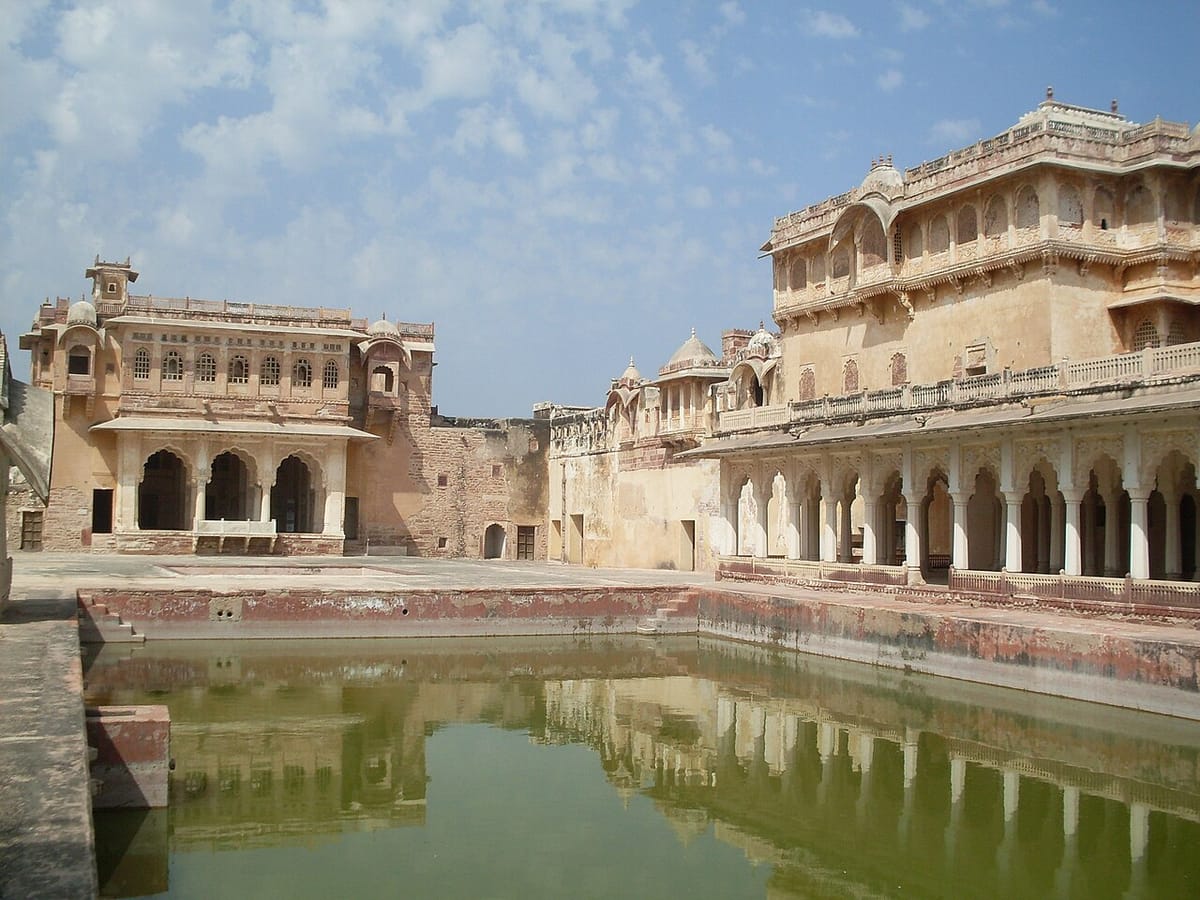
Roots: from Lord Ripon to Nagaur
How the idea grew, and the committees exams love to ask about.
Village councils are very old in India. In British times, Lord Ripon's Resolution of 1882 gave local boards an elected base. That is why Ripon is called the father of local self-government in India.
When the Constitution came in 1950, panchayats got only a Directive Principle. Article 40 asks the State to organise village panchayats as units of self-government. But a Directive Principle cannot be enforced in court. So for forty years states could ignore panchayats or skip their elections.
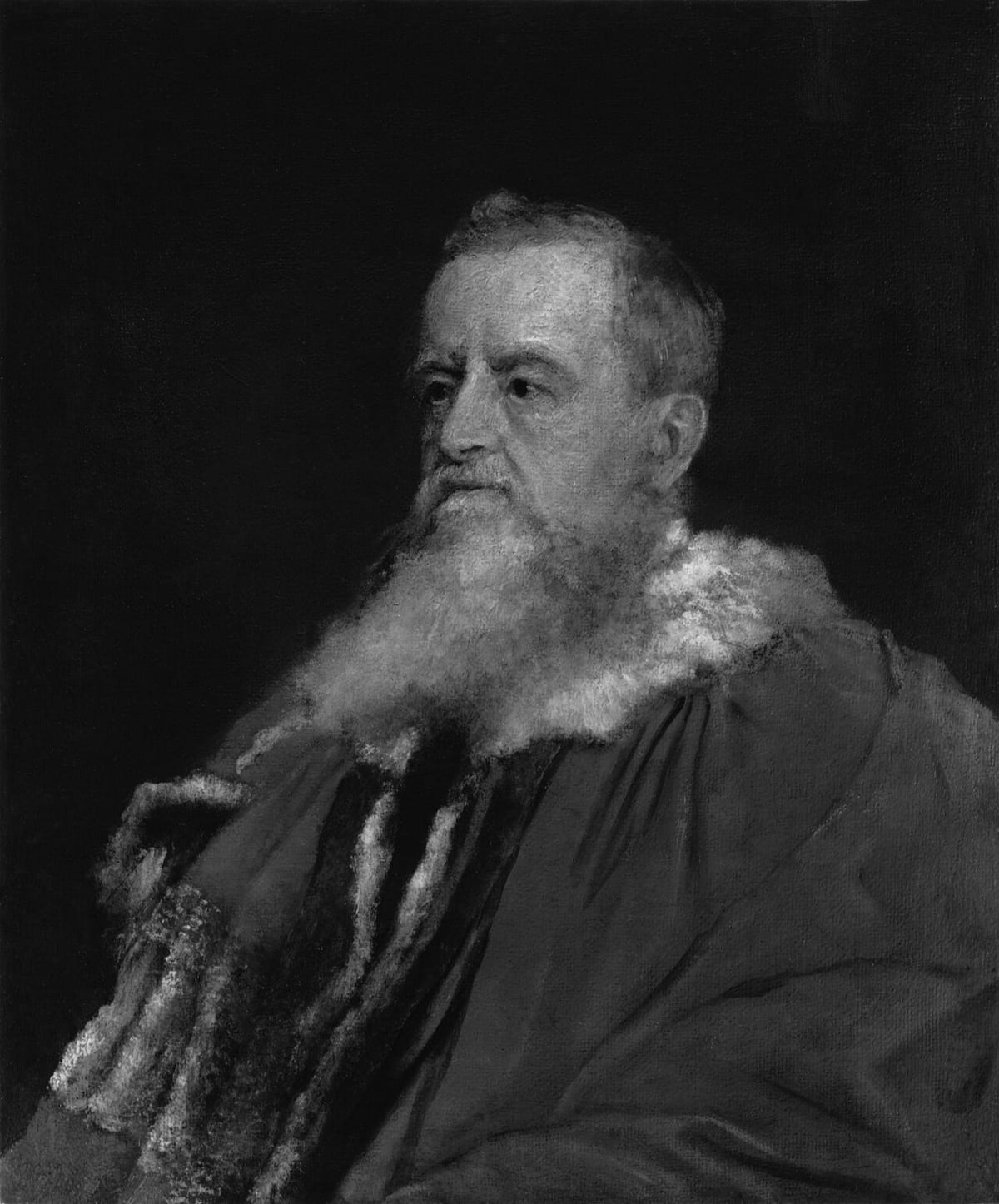
- Resolution of 1882 on local self-government
- Called the father of local self-government in India
- Recommended the three-tier panchayati raj
- Called the architect of panchayati raj
- Inaugurated panchayati raj at Nagaur, Rajasthan, on 2 October 1959
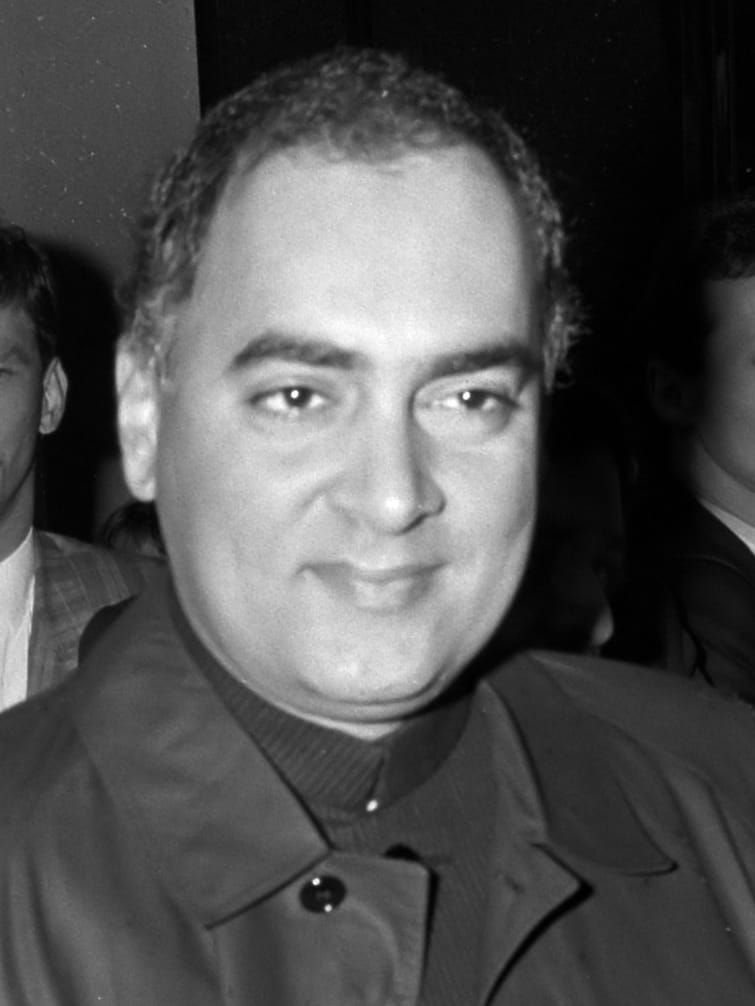
- Brought the 64th Amendment Bill (1989) for panchayats
- It passed the Lok Sabha but failed in the Rajya Sabha
| Committee | Year | Main idea |
|---|---|---|
| Balwantrai Mehta | 1957 | Reviewed the Community Development Programme. Proposed three tiers: Gram Panchayat, Panchayat Samiti, Zila Parishad. District Collector to chair the Zila Parishad. |
| Ashok Mehta | 1977–78 | Two tiers: Zila Parishad and Mandal Panchayat. Not adopted at the Centre. |
| G. V. K. Rao | 1985 | The district should be the key unit of planning; Zila Parishad central. |
| L. M. Singhvi | 1986 | Constitutional status for panchayats; Gram Sabha as the base; Nyaya Panchayats. |
- 1882Ripon's Resolution
Elected local boards in British India.
- 1950Article 40
Village panchayats only as a Directive Principle.
- 1957Balwantrai Mehta report
Three-tier "democratic decentralisation".
- 2 Oct 1959Nagaur
Rajasthan starts panchayati raj.
- 198964th Amendment Bill
Fails in the Rajya Sabha.
- Dec 199273rd and 74th passed
Under PM P. V. Narasimha Rao.
- 24 Apr 199373rd in force
Now marked as National Panchayati Raj Day.
- 1 Jun 199374th in force
Municipalities become constitutional bodies.
The 73rd Amendment: Gram Sabha and three tiers
Part IX (Articles 243 to 243O) and what every state must now do.
The 73rd Amendment added Part IX, "The Panchayats", with 16 articles (243 to 243O), and the Eleventh Schedule. Now no state can abolish panchayats or postpone their elections at will.
- BaseGram SabhaAll registered voters of the village. Not elected; it is the electorate.
- VillageGram PanchayatElected council of the village, headed by the sarpanch.
- BlockPanchayat SamitiAt the block level. States with population not above 20 lakh may skip this tier.
- DistrictZila ParishadThe top tier for the whole district.
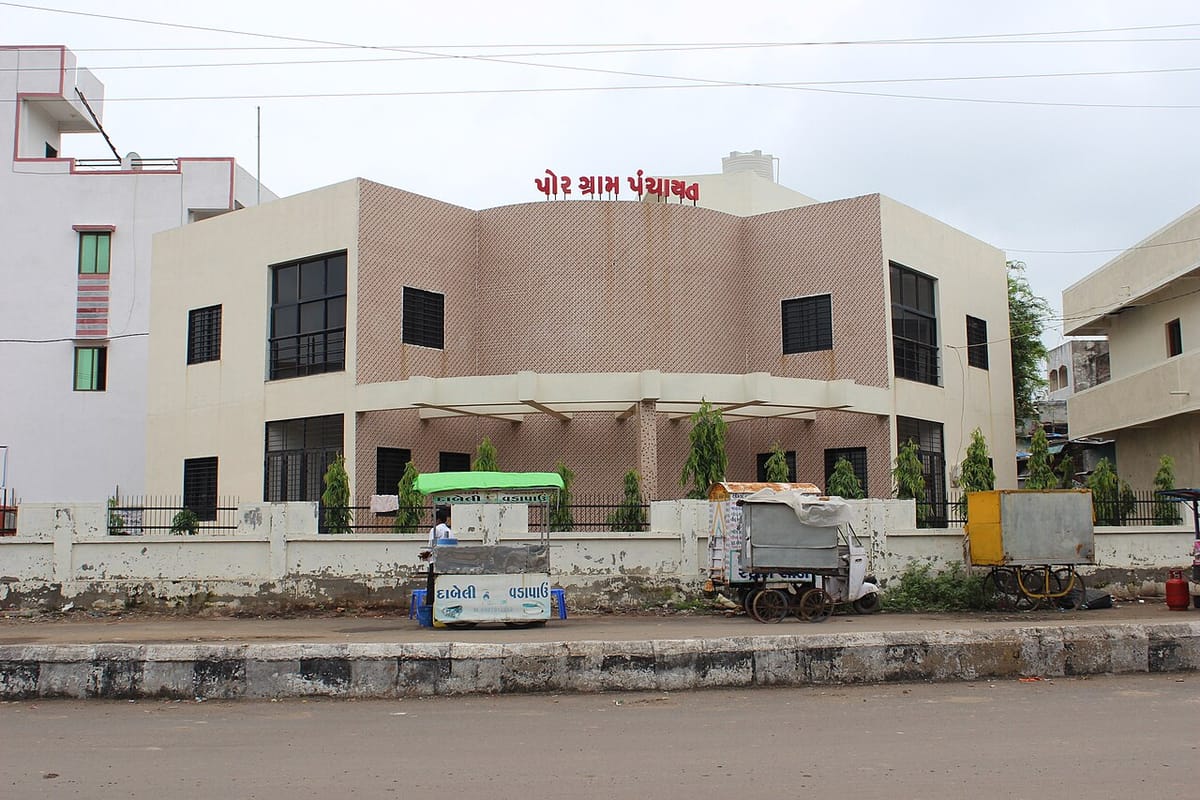
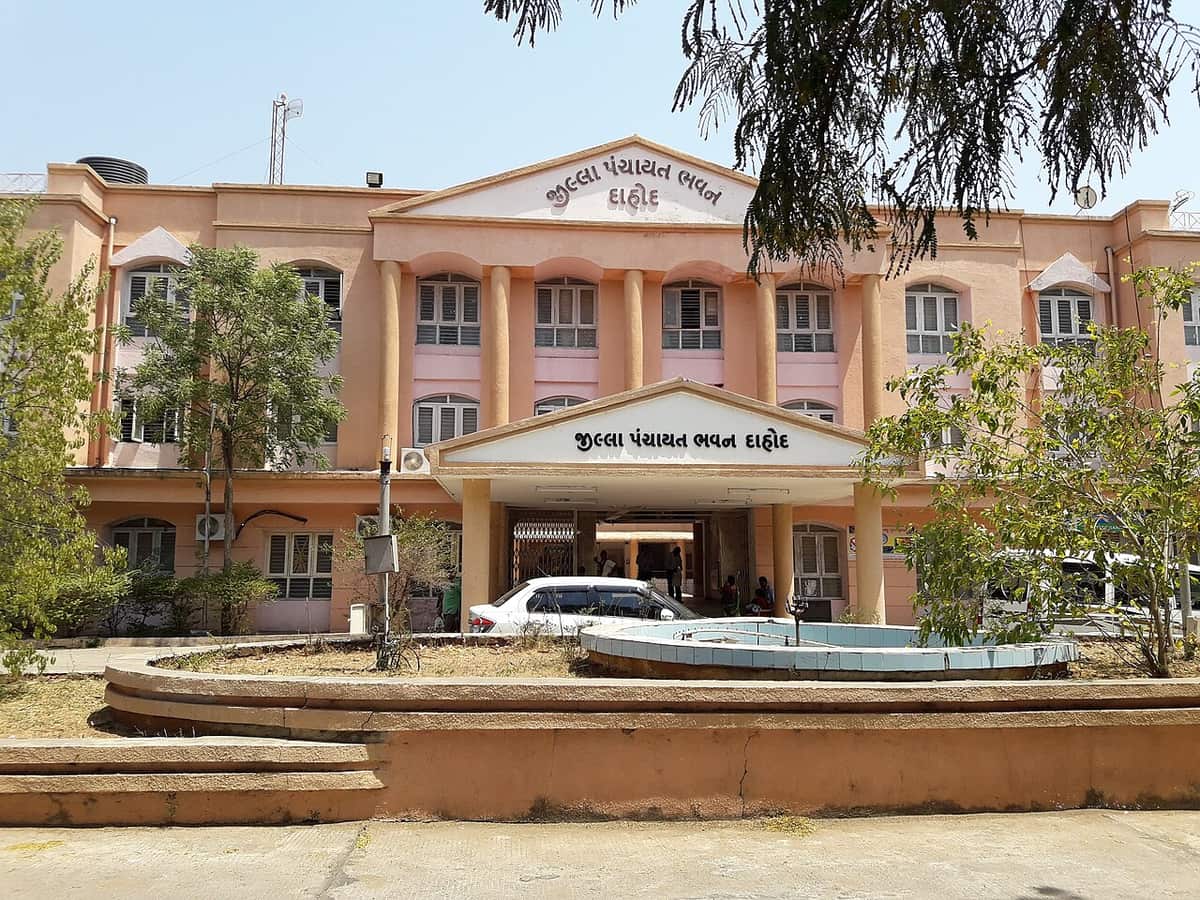
A body of all persons on the electoral roll of a village. The Gram Panchayat is the elected body; the Gram Sabha is the whole adult village that elects it and watches it. The state legislature decides what powers the Gram Sabha has (Article 243A). Social audit of village works is done in the Gram Sabha.
| Article | Rule |
|---|---|
| 243C | All members are directly elected. Chairpersons of the block and district tiers are elected by and from the elected members. The village chairperson is chosen as the state law says. |
| 243E | Term of 5 years. If dissolved early, new elections within 6 months. |
| 243F | Minimum age to be a member: 21 years. |
| 243G | State may give powers, including the 29 subjects of the Eleventh Schedule. |
| 243H | State law may let panchayats levy taxes, tolls and fees. |
| 243J | State law provides for audit of panchayat accounts. |
| 243O | Courts cannot interfere in panchayat election matters except by an election petition. |
| Compulsory (must) | Voluntary (may) |
|---|---|
| Gram Sabha in every village | Reservation for backward classes |
| Three tiers (middle optional below 20 lakh) | Giving powers over the 29 subjects |
| Direct election of members | Giving taxation powers |
| SC/ST seats by population; one-third for women | Seats for MPs and MLAs in panchayats |
| 5-year term; polls within 6 months of dissolution | How the sarpanch is elected |
| State Election Commission and State Finance Commission | Extra reservation beyond the minimum |
After the 73rd Amendment, Punjab passed the Punjab Panchayati Raj Act, 1994. It runs the state's Gram Sabhas, Gram Panchayats, Panchayat Samitis and Zila Parishads.
Reservation, elections and money
Who gets reserved seats, who runs the polls, and who shares the funds.
Article 243D reserves seats for SCs and STs in proportion to their population in the area. Not less than one-third of all seats, and of chairperson posts, are for women, counting SC and ST women. Reservation for backward classes is left to the state.
Every 5 years the Governor sets up a State Finance Commission. It reviews the money position of panchayats (243I) and municipalities (243Y), and suggests how state taxes and grants should be shared with them. The Central Finance Commission must also suggest ways to boost the state's funds for local bodies (Article 280).
Towns and cities: the 74th Amendment
Part IXA (Articles 243P to 243ZG) and the Twelfth Schedule.
The 74th Amendment did for towns what the 73rd did for villages. It added Part IXA, "The Municipalities", and the Twelfth Schedule with 18 subjects. The same core rules apply: 5-year terms, polls within 6 months of dissolution, SC/ST and women's reservation, and elections by the State Election Commission.
An area changing from rural to urban.
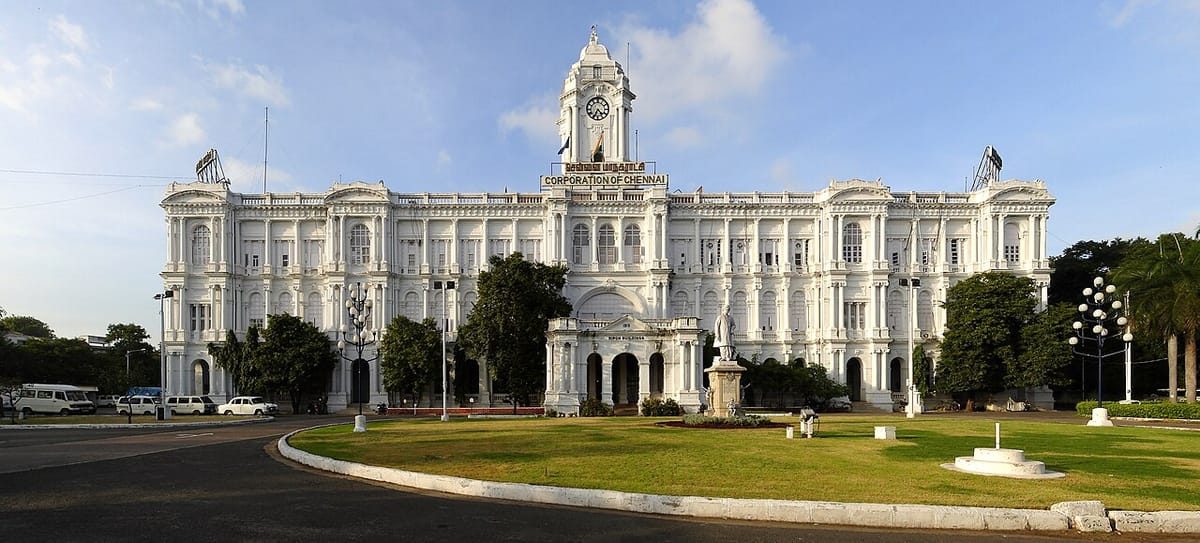
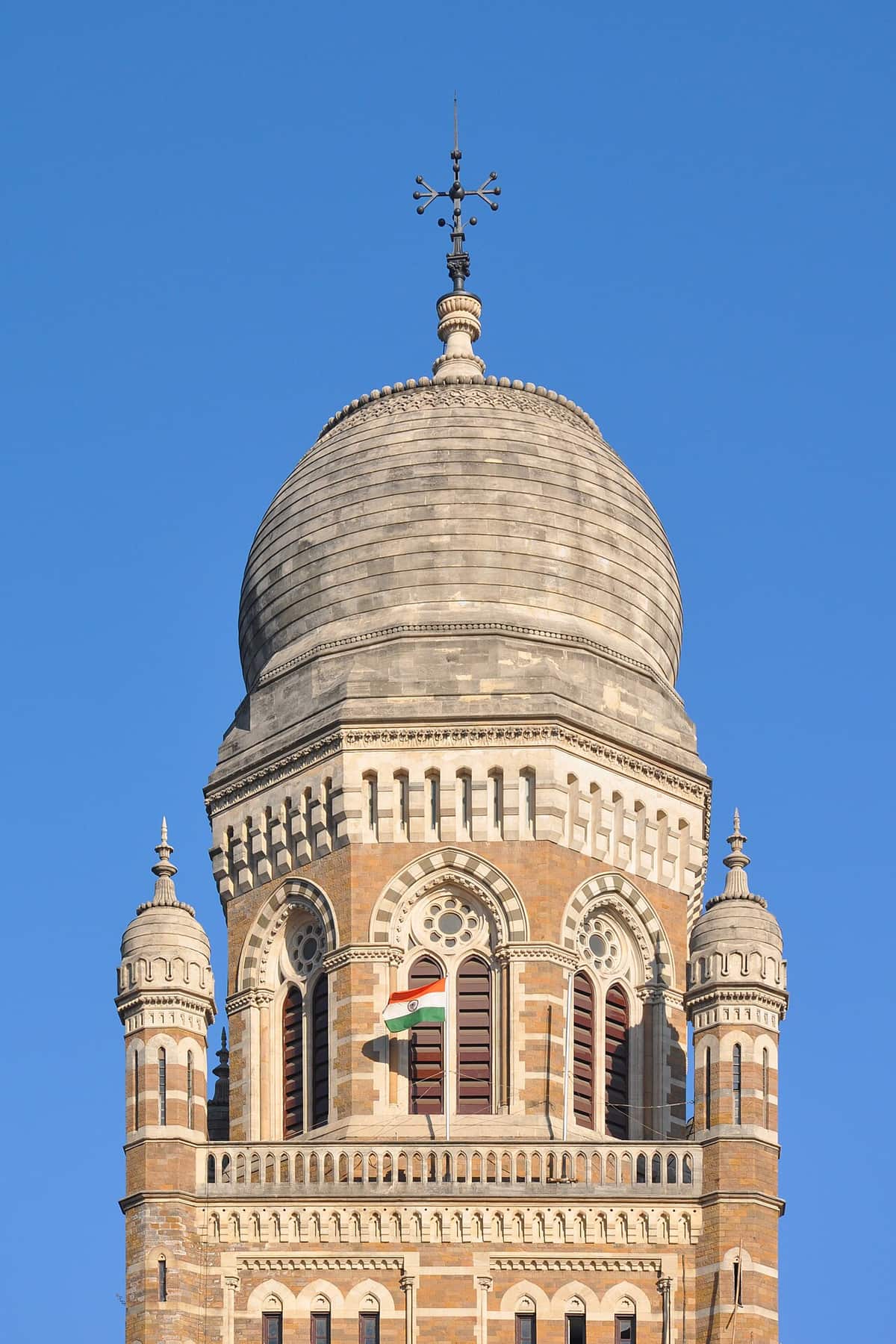
A town. Headed by a president or chairperson.
A city. Headed by a Mayor; run day to day by a Municipal Commissioner.
The three kinds of municipality (Article 243Q).
| Body | Article | Key fact |
|---|---|---|
| Wards Committee | 243S | In a municipality with 3 lakh or more people. |
| District Planning Committee | 243ZD | Joins rural and urban plans; at least four-fifths of members elected from the local bodies. |
| Metropolitan Planning Committee | 243ZE | For a metropolitan area of 10 lakh or more; at least two-thirds elected. |
Cantonment boards are local bodies for military areas. They work under the Ministry of Defence, not under Part IXA.
Schedules, PESA and areas left out
What local bodies may handle, and where Part IX does not apply.
Articles 243G and 243W say the state legislature may give these powers. They do not say shall. So the two Schedules list what can be handed over, not what must be. Real power still depends on each state.
The Panchayats (Extension to the Scheduled Areas) Act, 1996, based on the Bhuria Committee, extends Part IX to Fifth Schedule (tribal) areas, with changes. It came into force on 24 December 1996 and now covers such areas in ten states. It gives the Gram Sabha strong powers: ownership of minor forest produce, preventing land alienation, managing village markets, controlling money-lending and regulating sale of intoxicants.
Under Article 243M, Part IX does not apply to Nagaland, Meghalaya and Mizoram, to Sixth Schedule tribal areas, to hill areas of Manipur with district councils, or to the Darjeeling hill council area. These have their own systems.
Co-operative societies: the 97th Amendment (2011)Tap to open
The 97th Amendment (2011) did three things. It added co-operative societies to the freedom to form associations in Article 19(1)(c). It added Article 43B, a Directive Principle to promote co-operatives. And it added Part IXB (Articles 243ZH to 243ZT).
- A co-operative board can have at most 21 directors, with a 5-year term.
- Boards must keep one seat for SC/ST and two seats for women where the society has such members.
- In 2021 the Supreme Court held Part IXB invalid for state co-operative societies, because half the states had not ratified it. It still applies to multi-state co-operatives.
- Co-operative societies are a State List subject in the Seventh Schedule.
Everything on one look
Articles, numbers, committees and the usual traps.
- Article 40
- Directive Principle: organise village panchayats.
- Article 243A
- Gram Sabha and its powers.
- Article 243B
- Three-tier panchayats.
- Article 243D
- Reservation of seats (SC, ST, women).
- Article 243E
- 5-year term; polls within 6 months.
- Article 243I
- State Finance Commission (panchayats).
- Article 243K
- State Election Commission (panchayats).
- Article 243M
- Areas where Part IX does not apply.
- Article 243Q
- Three kinds of municipality.
- Article 243Y
- State Finance Commission for municipalities.
- Article 243ZD
- District Planning Committee.
- Article 243ZE
- Metropolitan Planning Committee.
- Part IX: 16 articles (243–243O)
- 29 subjects (11th) and 18 (12th)
- Women: at least one-third; Punjab one half
- Term 5 years; polls within 6 months
- Minimum age 21
- Middle tier optional below 20 lakh population
- Wards Committee: 3 lakh; Metropolitan area: 10 lakh
- Balwantrai Mehta (1957): three tiers
- Ashok Mehta (1977–78): two tiers
- G. V. K. Rao (1985) and L. M. Singhvi (1986)
- Nagaur, 2 October 1959: first panchayati raj
- 24 April 1993: 73rd in force; 1 June 1993: 74th
- PESA: 24 December 1996
- Punjab Panchayati Raj Act, 1994
- Article 40 is a Directive Principle; Part IX is what made panchayats constitutional.
- Balwantrai Mehta gave three tiers; Ashok Mehta gave two.
- Eleventh Schedule = 29 (villages); Twelfth = 18 (towns).
- Rajasthan (Nagaur) was first, then Andhra Pradesh.
- The Gram Sabha is all the voters; the Gram Panchayat is the elected council.
- One-third for women is a minimum, not a maximum.
- Backward-class reservation is optional for states.
- The State Election Commissioner is appointed by the Governor, not the President.
- Fisheries and markets and fairs are panchayat (11th) subjects, not municipal ones.
- Part IX does not apply to Meghalaya, Nagaland and Mizoram.
- Father of local self-government: Lord Ripon
- Ripon's Resolution: 1882
- First municipal corporation: Madras, 1688
- Architect of panchayati raj: Balwantrai Mehta
- First state: Rajasthan, Nagaur, 2 Oct 1959
- 64th Amendment Bill (1989): failed in Rajya Sabha
- 73rd and 74th passed: December 1992
- National Panchayati Raj Day: 24 April
- Panchayats: Part IX, Eleventh Schedule
- Municipalities: Part IXA, Twelfth Schedule
- Co-operatives: Part IXB, 97th Amendment
- SEC for panchayats: Article 243K
- SFC: every 5 years, Article 243I
- PESA based on: Bhuria Committee
- Corporation's chief executive: Municipal Commissioner
A state dissolves all its gram panchayats a year early and says new elections will be held "after two years". Which provisions does this break, and who must hold the polls?
Show answer
It breaks Article 243E: after an early dissolution, fresh elections must be held within 6 months. The polls must be conducted by the State Election Commission under Article 243K, and under Article 243O courts can question panchayat elections only through an election petition.