Fundamental Rights: Articles 12 to 35 of the Indian Constitution
Part III in simple words: what Fundamental Rights are, the six rights, why property was removed, Article 32 and the five writs, and what happens in an Emergency.
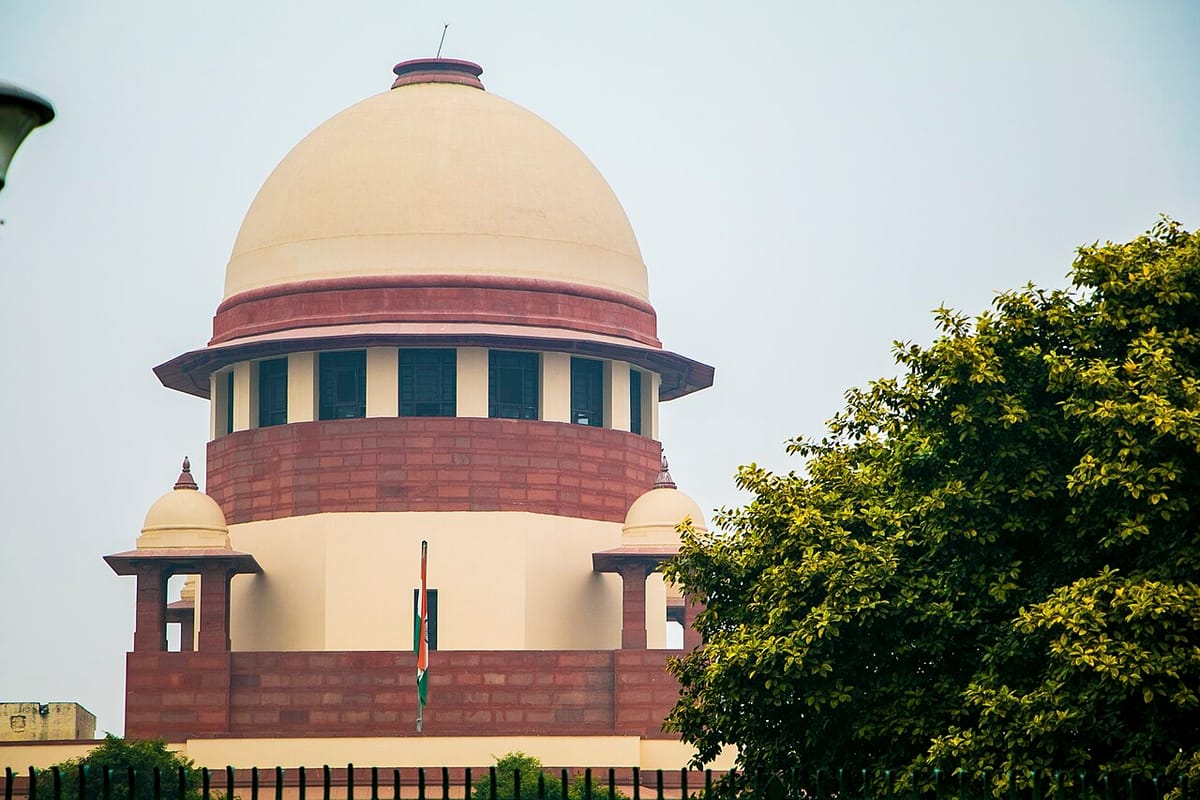
The Supreme Court of India, New Delhi. Under Article 32 anyone can come straight here if a Fundamental Right is broken. That is why it is called the guardian of Fundamental Rights. Image: Subhashish Panigrahi, 2019 · Wikimedia Commons · CC BY-SA 4.0
Fundamental Rights are the basic rights the Constitution gives every person in India. They are in Part III, from Article 12 to Article 35. They are not favours from the government. They are limits on the government. If a law breaks them, a court can cancel that law.
Part III
Where
Articles 12 to 35
6
Rights today
7 in 1950
1978
Property removed
44th Amendment
5
Writs
Articles 32 and 226
What Fundamental Rights are
Limits on the State, written into the Constitution.
Under British rule, the government could arrest people without a reason, ban meetings and shut newspapers. No court could stop it. The makers of our Constitution had seen this. So they wrote a list of rights that no government, not even an elected Indian one, could take away by an ordinary law.
Part III is often called the Magna Carta of India. The idea of a written list of rights came from the Bill of Rights of the USA. But India's list is much more detailed, and it writes the limits of each right into the same article.
Where the idea came from
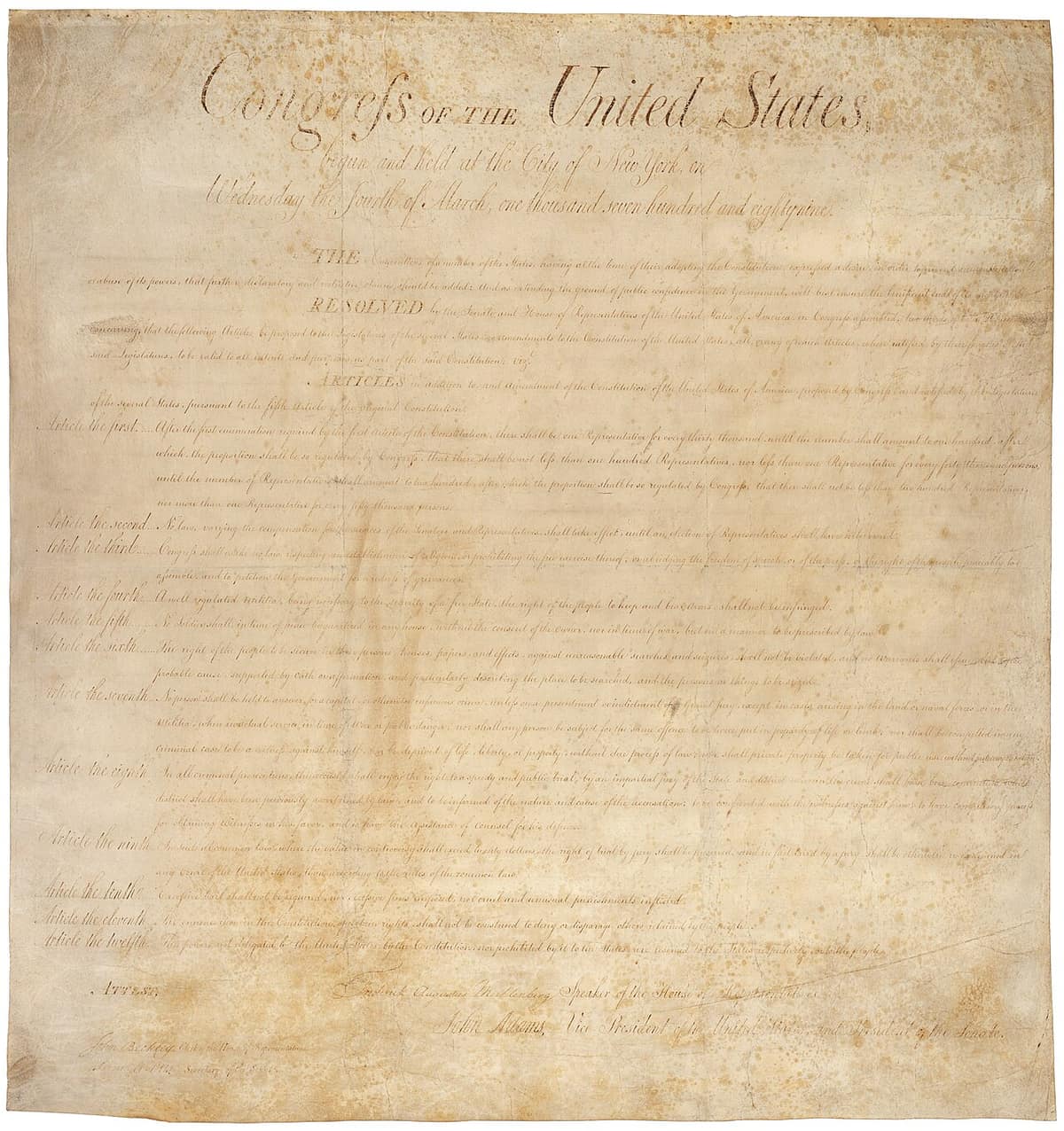
The Bill of Rights of the USA, 1789. India borrowed the idea of a written list of rights from it.
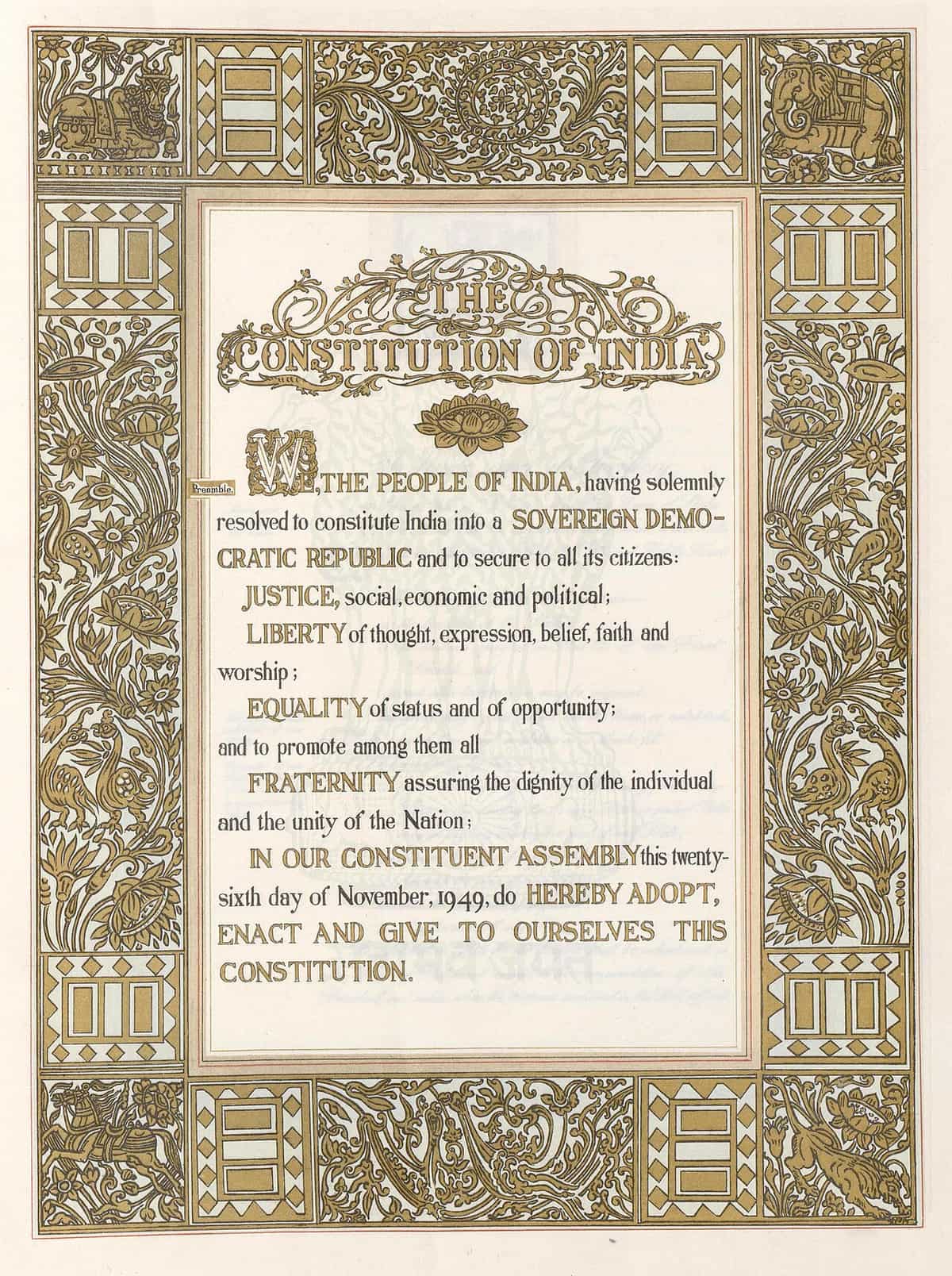
A page of the original hand-written Constitution (the Preamble). The Constitution came into force on 26 January 1950, with the Fundamental Rights in Part III. Image: Illumination by Beohar Rammanohar Sinha · Wikimedia Commons · Public domain
KEY TERM
Article 12 and Article 13
Article 12 says who "the State" is: the Government and Parliament of India, state governments and legislatures, local bodies like municipalities and panchayats, and other authorities under government control (courts have counted LIC and ONGC here). Article 13 says any law that takes away or breaks a Fundamental Right is void, to the extent it breaks it.
A law breaks a right→Person goes to court→Court checks it (Article 13)→Law declared void
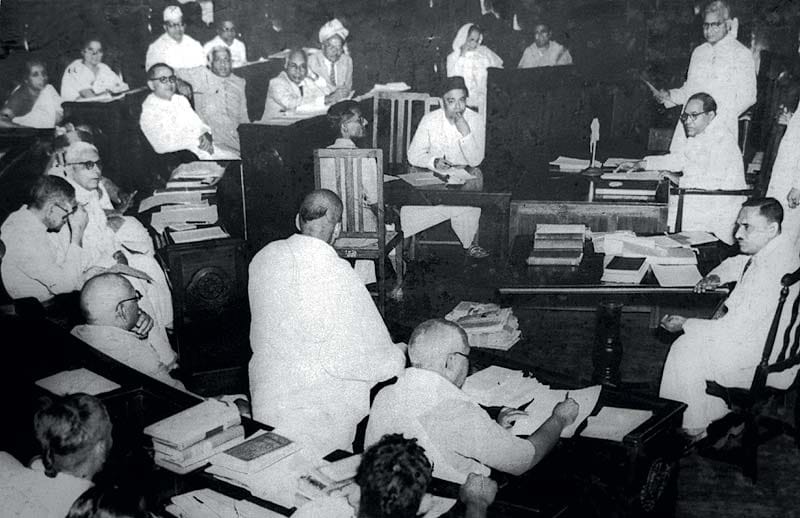
Who shaped Part III
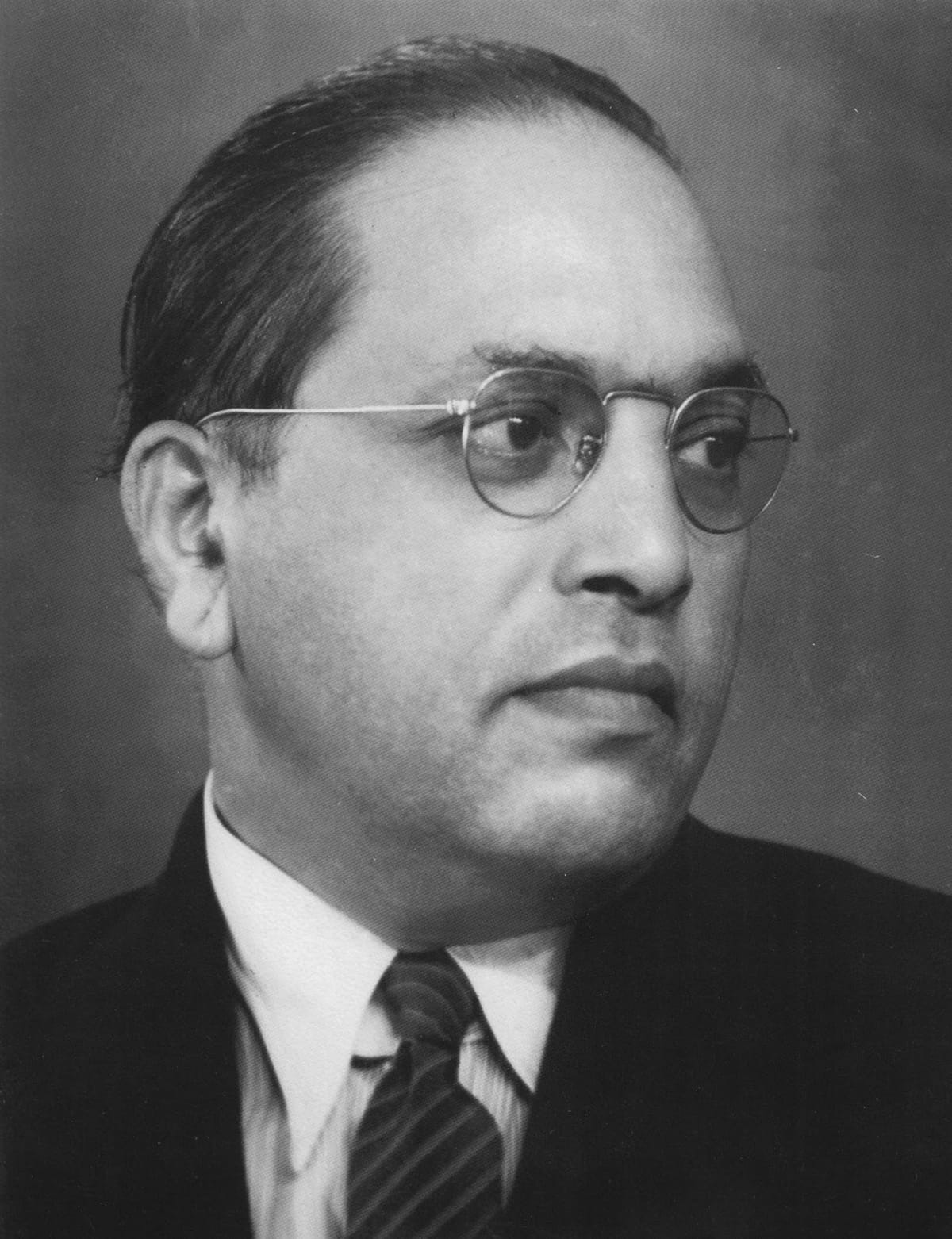
B. R. Ambedkar
1891–1956 · Chairman, Drafting Committee
Called Article 32 the "heart and soul" of the Constitution
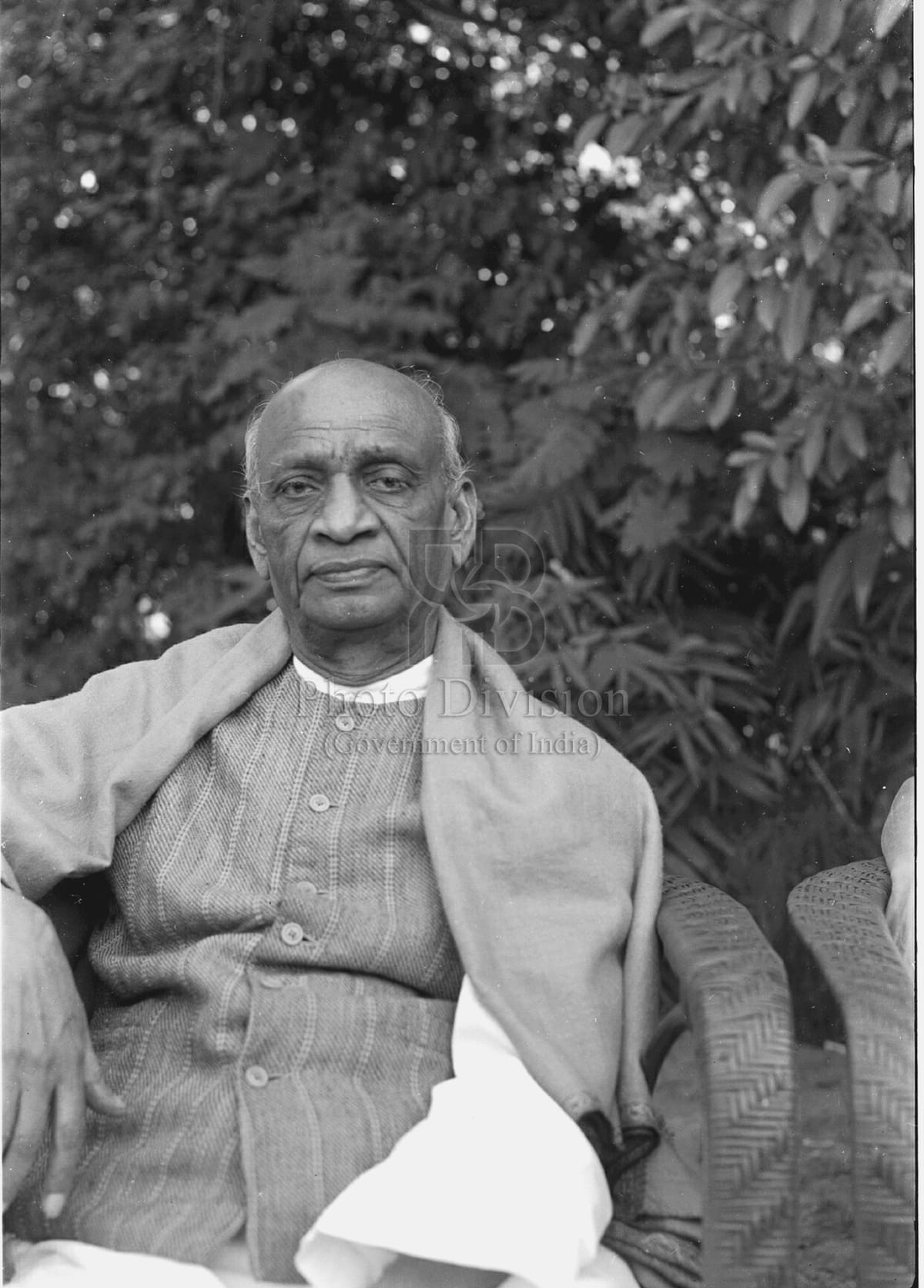
1888–1982 · Chairman, Fundamental Rights Sub-Committee
His sub-committee prepared the first list of rights
It reported to Patel's Advisory Committee
BEFORE 1950: HOW THE DEMAND GREW
The demand for written rights is older than the Constitution. The Nehru Report (1928), drafted by a committee under Motilal Nehru, included a list of fundamental rights. At its Karachi session (1931), the Congress passed a resolution on Fundamental Rights and Economic Policy. The Constituent Assembly built Part III on this base.
Feature
What it means
Negative
They mostly tell the State what it must not do.
Justiciable
You can go to court to enforce them, unlike the Directive Principles.
Not absolute
The State can put reasonable restrictions, e.g. for public order or security.
Some for citizens only
Articles 15, 16, 19, 29 and 30; the rest also cover foreigners.
Some bind private persons too
For example, Article 17 (untouchability) and Article 23 (forced labour).
Can be amended
By a Constitutional Amendment, but not so as to destroy the basic structure.
Can be suspended
Partly, during a National Emergency, except Articles 20 and 21.
Features of Fundamental Rights
QUICK CHECK
PYQ · PPSC DDSWO 2026 Which part of the Indian Constitution contains the Fundamental Rights?
Tap an option to answer
Answer: C — Part III
Part III (Articles 12 to 35) holds the Fundamental Rights. Part I is the Union and its territory, Part II is citizenship, and Part IV is the Directive Principles.
QUICK CHECK
PYQ · Punjab Police Constable 2025 Which Article declares that laws inconsistent with Fundamental Rights are void?
Tap an option to answer
Answer: A — Article 13
Article 13 makes any law that breaks a Fundamental Right void to that extent. Article 12, just before it, defines "the State".
The six Fundamental Rights
Seven in 1950, six today. Learn the article ranges.
Articles 14–18
Right to Equality
Equal before law, no discrimination, equal chance in government jobs, end of untouchability and titles.
Articles 19–22
Right to Freedom
Six freedoms (speech, assembly and more), protection when accused, life and liberty, education (21A), safeguards on arrest.
Articles 23–24
Right against Exploitation
No human trafficking or forced labour; no child below 14 in factories, mines or hazardous work.
Articles 25–28
Right to Freedom of Religion
Follow and spread any religion; manage religious affairs; no religious tax; no religious teaching in fully government-run schools.
Articles 29–30
Cultural and Educational Rights
Protect your language, script and culture; minorities may run their own schools and colleges.
Article 32
Right to Constitutional Remedies
Go straight to the Supreme Court if any of these rights is broken.
The six rights and their articles. Article 31 (property) was repealed in 1978, and 31A to 31C only protect certain laws, so the list jumps from 30 to 32.
REMEMBER
E-F-E-R-C-R: Equality, Freedom, Exploitation (against), Religion, Culture and education, Remedies. In article order: 14, 19, 23, 25, 29, 32.
THE SEVENTH RIGHT THAT LEFT
In 1950 there were seven Fundamental Rights. The seventh was the Right to Property (Article 19(1)(f) and Article 31). The 44th Amendment (1978) removed it from Part III. Property is now protected by Article 300A, in Part XII. So it is a constitutional or legal right, not a Fundamental Right.
QUICK CHECK
PYQ · Punjab Police Constable 2025 Which fundamental right has been removed from the Constitution?
Tap an option to answer
Answer: B — Right to property
The 44th Amendment (1978) removed the Right to Property from Part III and placed it in Article 300A. PPSC SEVE 2016 asked the same idea: in India today the right to property is a legal right.
QUICK CHECK
PYQ · Punjab Police SI 2023 Consider the following pairs. Broad categories of Fundamental Rights Articles under Constitution of India. 1. Right to Freedom : 19 - 22 2. Right against Exploitation : 23-24 3. Right to Freedom of Religion : 25 - 32 How many of the given pairs are correctly matched?
Tap an option to answer
Answer: D — Only two pairs
Pairs 1 and 2 are right. Freedom of Religion is Articles 25 to 28, not 25 to 32. Articles 29–30 are Cultural and Educational Rights, and Article 32 is Constitutional Remedies.
QUICK CHECK
PYQ · Punjab Police SI 2016 Which of the following is not correctly matched ?
Tap an option to answer
Answer: B — Article 18 – Abolition of untouchability
Untouchability is abolished by Article 17. Article 18 abolishes titles. Article 20(3) protects a person from being forced to be a witness against himself.
Articles 23 to 30: exploitation, religion and culture
The rights that do not have their own page.
Articles 14 to 22 (equality and freedom) are explained on their own pages. Here are the rest, one line each.
Article
What it says
23
No trafficking in human beings, no begar (unpaid forced work) or other forced labour.
24
No child below 14 may work in a factory, mine or other hazardous job.
25
Every person may freely profess, practise and propagate religion, subject to public order, morality and health.
26
Religious groups may run their own religious affairs and institutions.
27
No one can be forced to pay a tax used to promote a particular religion.
28
No religious teaching in schools fully paid for by the government.
29
Any section of citizens may protect its own language, script or culture.
30
Minorities (by religion or language) may set up and run their own educational institutions.
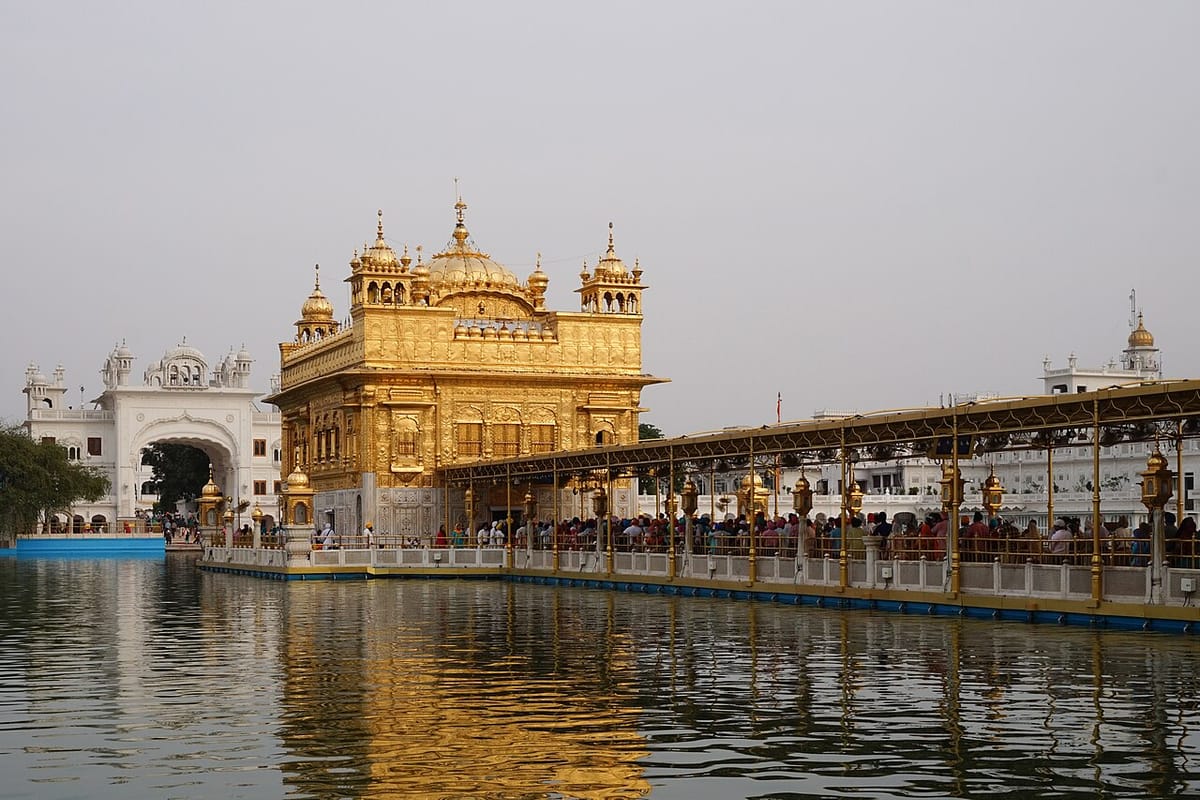
Harmandir Sahib, Amritsar.Article 25 carries a note made for Sikhs: wearing and carrying a kirpan counts as part of practising the Sikh religion. Image: Bernard Gagnon, 2018 · Wikimedia Commons · CC BY-SA 4.0
ARTICLE 29 VS ARTICLE 30
Article 29
Article 30
Who gets it
Any section of citizens
Minorities only
What it protects
Own language, script, culture
Right to run schools and colleges
Example
A group protecting its own script
A religious or language minority running its college
Exams swap these two. 30 = minority institutions.
QUICK CHECK
PYQ · Punjab Police SI 2023 Which of the following articles of the Indian constitution provides for freedom as to payment of taxes for promotion of any particular religion?
Tap an option to answer
Answer: B — Articles 27
Article 27 says no one can be made to pay a tax whose money goes to promote a particular religion. Article 25 is the freedom to profess, practise and propagate religion.
QUICK CHECK
PYQ · PSSSB Excise Inspector 2021 Which article guarantees the freedom to profess, practise and propagate religion?
Tap an option to answer
Answer: D — Article 25
Article 25 gives every person, not only citizens, freedom of conscience and the right to profess, practise and propagate religion. Article 23 bans forced labour and Article 24 bans child labour in hazardous work.
QUICK CHECK
PYQ · Punjab Police SI 2023 In India, which of the following constitutional articles give minorities the right to establish and administer educational institutions of their choice?
Tap an option to answer
Answer: C — Article 30
Article 30 lets religious and language minorities set up and run their own educational institutions. Article 29 protects the language and culture of any section of citizens.
Article 32 and the five writs
The right that protects all the others.
A right that you cannot enforce is only a promise. Article 32 fixes this. It lets any person go straight to the Supreme Court when a Fundamental Right is broken. There is no need to start in a lower court. The Supreme Court then gives an order called a writ.
If I was asked to name any particular article in this Constitution as the most important — an article without which this Constitution would be a nullity — I could not refer to any other article except this one. It is the very soul of the Constitution and the very heart of it.
B. R. Ambedkar in the Constituent Assembly, December 1948, on the article that became Article 32
FLASHCARDS
The five writs: name → meaning → when used
Habeas Corpus
"To have the body." Bring the detained person before the court. Used against unlawful detention.
Mandamus
"We command." Orders a public official or body to do a duty it must do by law.
Prohibition
"To forbid." Stops a lower court or tribunal while a case is going on, if it goes beyond its powers.
Certiorari
"To be certified." Takes up a case from a lower court, or cancels (quashes) an order it has already passed.
Quo Warranto
"By what authority?" Asks a person to show his right to a public office. Used against illegal occupation of an office.
PROHIBITION VS CERTIORARI
Prohibition
Certiorari
When
During the case
After the order
Works by
Stopping the lower court
Quashing the order
Nature
Preventive
Corrective
Neither writ can be issued against a private person or a legislature.
QUICK CHECK
PYQ · PSSSB Patwari 2021 Which of the following rights was considered the "Heart and Soul" of the Indian Constitution by Dr. B. R. Ambedkar?
Tap an option to answer
Answer: D — Right to Constitutional Remedies
Ambedkar called Article 32, the Right to Constitutional Remedies, the heart and soul of the Constitution. The same question came in PPSC EO 2018, PPSC SEVE 2016, PPSC DDSWO 2026 and PSSSB Jail Warder 2026.
QUICK CHECK
PYQ · Punjab Police Constable 2021 Under which of the following articles of the Constitution of India does the Supreme court have the power to issue a writ for the enforcement of fundamental rights of a citizen?
Tap an option to answer
Answer: D — Article 32
Article 32 gives the Supreme Court power to issue writs to enforce Fundamental Rights. Punjab Police Constable 2025 asked the same idea in a news setting (a 2024 firecracker ban).
QUICK CHECK
PYQ · Punjab Police SI 2023 Which of the following writ petitions will force the arresting authorities to produce the person bodily in the court?
Tap an option to answer
Answer: C — The writ of Habeas Corpus
Habeas corpus means "to have the body". The court asks the person holding someone to bring him to court and justify the detention. Punjab Police SI 2016 called it the "bulwark of personal freedom".
QUICK CHECK
PYQ · PPSC EO 2018 Match the following writs of the Indian Constitution with their applications: (i) Habeas Corpus — (1) Command of the higher authority to the lower ones (ii) Mandamus — (2) Wrongful confinement (iii) Certiorari — (3) Illegal occupation of the public office (iv) Quo Warranto — (4) Quashing the order of the lower authority. Choose the correct answer:
Tap an option to answer
Answer: B — (i) – (2), (ii) – (1), (iii) – (4), (iv) – (3)
Habeas corpus is for wrongful confinement, mandamus is a command to do a duty, certiorari quashes a lower order, and quo warranto questions who holds a public office. The same question came in PPSC SSO 2018.
High Courts, landmark cases and the Emergency
Who else can enforce rights, how courts widened them, and when they can be paused.
ARTICLE 32 VS ARTICLE 226
Article 32
Article 226
Court
Supreme Court
High Courts
Writs for
Fundamental Rights only
Fundamental Rights and any other legal right
Is it itself a Fundamental Right?
Yes
No
Area
Whole of India
The High Court's own territory
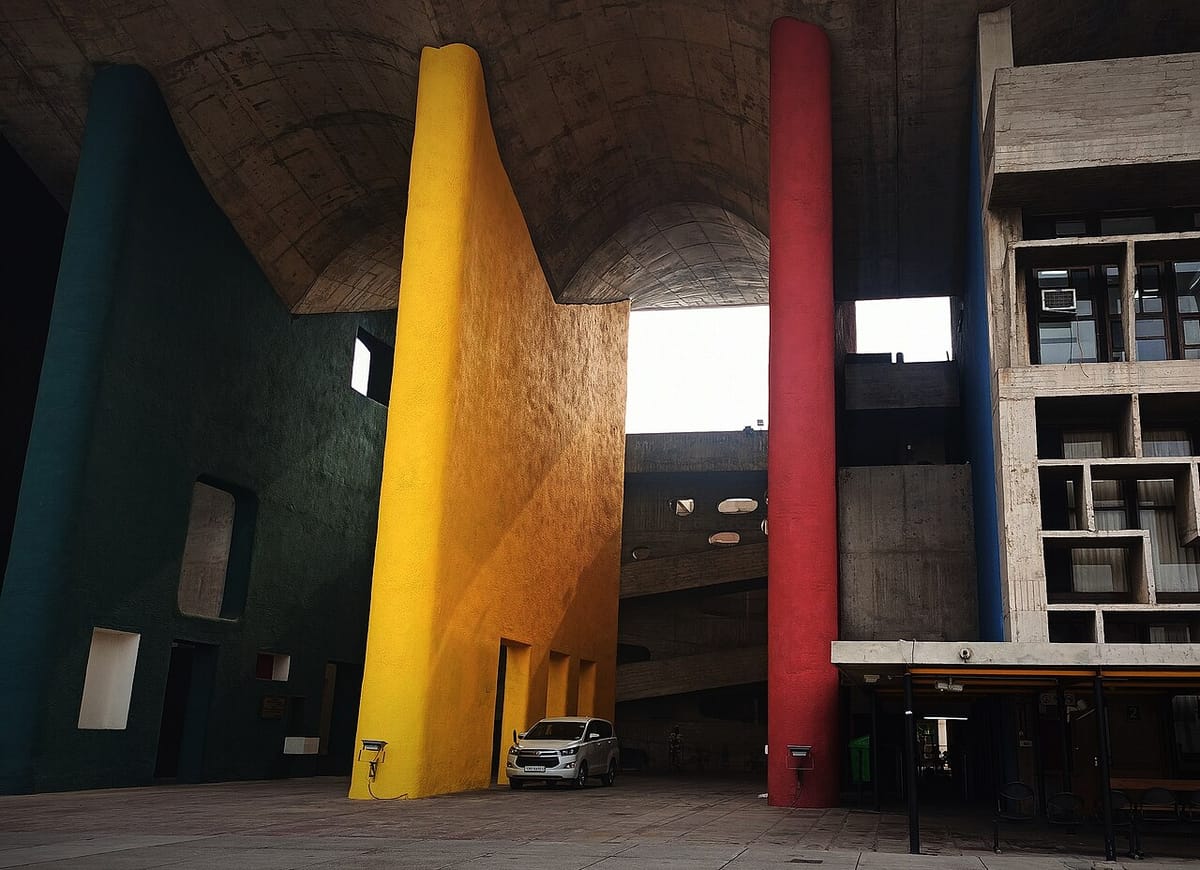
The High Court's writ power is wider in scope, even though the Supreme Court is the higher court.The Punjab and Haryana High Court, Chandigarh. Under Article 226 it can issue all five writs, for Fundamental Rights and for other legal rights. Image: Ishita Gupta, 2021 · Wikimedia Commons · CC BY-SA 4.0
HOW FUNDAMENTAL RIGHTS CHANGED
1950
Constitution in force
Seven Fundamental Rights, including the Right to Property.
1967
Golaknath case
Supreme Court: Parliament cannot amend Fundamental Rights.
1973
Kesavananda Bharati case
Parliament can amend Fundamental Rights, but cannot change the basic structure of the Constitution. A 13-judge bench decided it 7 to 6.
1976
ADM Jabalpur case
During the 1975–77 Emergency, the Court said people could not go to court even to protect the right to life. Justice H. R. Khanna disagreed.
1978
44th Amendment
Right to Property removed. Articles 20 and 21 can never be suspended in an Emergency.
2002
86th Amendment
Article 21A: free and compulsory education for children aged 6 to 14.
2011
97th Amendment
Right to form co-operative societies added to Article 19(1)(c).
2017
K. S. Puttaswamy case
Nine judges: Right to Privacy is a Fundamental Right under Article 21.
RIGHTS DURING A NATIONAL EMERGENCY
When an Emergency is declared for war or external aggression, Article 19 is suspended automatically (Article 358). Under Article 359 the President can suspend the right to go to court for other rights. But Articles 20 and 21 can never be suspended. This was added by the 44th Amendment after the 1975–77 Emergency.
Articles 31A to 35 and more amendment casesTap to open
Article
What it says
31A
Saves laws on taking over estates and similar land reforms from challenge under Articles 14 and 19 (First Amendment, 1951).
31B
Laws placed in the Ninth Schedule are protected from Fundamental Rights challenges (First Amendment, 1951).
31C
Laws made to carry out Article 39(b) and (c) cannot be struck down for breaking Articles 14 or 19 (25th Amendment, 1971).
33
Parliament may limit the rights of the armed forces, police, intelligence agencies and their telecom staff, to keep discipline.
34
While martial law is in force, Parliament may protect officials for acts done to restore order.
35
Only Parliament, not a state legislature, can make laws on matters like Articles 16(3), 32(3), 33 and 34, and fix punishments for offences under Part III.
Shankari Prasad (1951): Parliament can amend Fundamental Rights.
24th Amendment (1971): added Article 13(4), so a Constitutional Amendment is not a "law" under Article 13.
Minerva Mills (1980): the 42nd Amendment's attempt to put all Directive Principles above Articles 14 and 19 was struck down.
I. R. Coelho (2007): laws added to the Ninth Schedule after 24 April 1973 can still be tested against the basic structure.
Article 32(3): Parliament may let other courts issue writs, but it has not used this power.
QUICK CHECK
PYQ · PPSC DDSWO 2026 In Indian Constitution, the power to issue a writ of 'Habeas Corpus' is vested only in:
Tap an option to answer
Answer: D — The Supreme Court and the High Courts
The Supreme Court issues writs under Article 32 and the High Courts under Article 226. Lower courts cannot issue them. PPSC ARO 2022 and RO 2022 asked the same question.
QUICK CHECK
PYQ · PSSSB Senior Assistant 2024 The Supreme Court of India declared the Right to Privacy as a fundamental right in which of the following cases?
Tap an option to answer
Answer: B — Justice K.S. Puttaswamy vs. Union of India
In 2017 a nine-judge bench held that privacy is part of the right to life and liberty under Article 21. Kesavananda Bharati (1973) gave the basic structure idea.
QUICK CHECK
PYQ · PPSC ICS 2016 In which case did Supreme Court of India determine that the Parliament has the power to make amendments in the Fundamental Rights but it cannot make any change in the 'basic structure of the Constitution'?
Tap an option to answer
Answer: B — Keshavanand Bharati case
Kesavananda Bharati (1973) allowed amendments to Fundamental Rights but protected the basic structure. It overturned Golaknath (1967), which had said Fundamental Rights could not be amended.
QUICK CHECK
PYQ · Punjab Police Constable 2025 Which of the following Fundamental Rights CANNOT be suspended even during Emergency (Article 352) as per the 44th Constitution Amendment Act?
Tap an option to answer
Answer: B — Article 20
After the 44th Amendment, Articles 20 and 21 stay in force even during a National Emergency. Article 19 is the one suspended automatically in a war or external-aggression Emergency.
Everything on one look
Articles, numbers, writs and the amendments to remember.
KEY NUMBERS
Part III: Articles 12 to 35
7 rights in 1950, 6 today
6 freedoms in Article 19
5 writs: Articles 32 (SC) and 226 (HC)
Child labour ban: below 14 (Article 24)
Free education: ages 6 to 14 (Article 21A)
AMENDMENTS AND CASES
44th (1978): property out; Articles 20, 21 never suspended
86th (2002): Article 21A, education
97th (2011): co-operative societies in Article 19
Kesavananda (1973): basic structure
Puttaswamy (2017): privacy under Article 21
FOR CITIZENS ONLY
Article 15: no discrimination
Article 16: equal chance in government jobs
Article 19: six freedoms
Articles 29 and 30: culture and minority institutions
Article 29 is for any section of citizens; Article 30 is for minorities.
Habeas corpus can be issued by both the Supreme Court and the High Courts.
Article 226 (High Court) is wider than Article 32 (Supreme Court).
Prohibition stops a case midway; Certiorari quashes an order already passed.
Articles 20 and 21 can never be suspended; Article 19 is suspended only in a war or external-aggression Emergency.
Basic structure came from Kesavananda Bharati, not Golaknath or Minerva Mills.
The right to vote (Article 326) and property (Article 300A) are constitutional rights outside Part III, not Fundamental Rights.
Article 33 lets Parliament, not state legislatures, restrict the rights of the armed forces and police.
QUICK BYTES
Fundamental Rights: Part III, Articles 12–35
Called the Magna Carta of India
Idea borrowed from: USA Bill of Rights
Article 12: defines "the State"
Article 13: laws against FRs are void
Right to Equality: Articles 14–18
Right to Freedom: Articles 19–22
Against Exploitation: Articles 23–24
Freedom of Religion: Articles 25–28
Cultural and Educational: Articles 29–30
Constitutional Remedies: Article 32
Heart and soul: Article 32 (Ambedkar)
Property: removed 1978, now Article 300A
High Court writs: Article 226
Privacy: Puttaswamy, 2017
Advisory Committee on FRs: Sardar Patel
Nehru Report (1928): early list of rights
Karachi Congress (1931): resolution on FRs
Ninth Schedule: Article 31B, First Amendment
CHECK YOURSELF
A man is held in police custody for a week without being told why. Which writ can his family ask for, and which courts can issue it?
Show answer
The writ of Habeas Corpus ("to have the body"). The Supreme Court can issue it under Article 32 and the High Court under Article 226. The court will order the police to produce him and show the legal reason for holding him.
❧
Frequently Asked Questions
What are Fundamental Rights in the Indian Constitution?
They are basic rights written in Part III of the Constitution, Articles 12 to 35. They limit what the government can do to a person. A law that breaks them can be declared void by the courts.
How many Fundamental Rights are there in India?
There are six today: Equality, Freedom, Against Exploitation, Freedom of Religion, Cultural and Educational Rights, and Constitutional Remedies. There were seven in 1950; the Right to Property was removed in 1978.
Which part of the Constitution has the Fundamental Rights?
Part III, from Article 12 to Article 35. Part III is often called the Magna Carta of India.
Why is the Right to Property not a Fundamental Right now?
The 44th Amendment of 1978 removed it from Part III. It is now protected by Article 300A, so it is a constitutional or legal right. A person cannot go straight to the Supreme Court under Article 32 for it.
Which article is called the heart and soul of the Constitution?
Article 32, the Right to Constitutional Remedies. B. R. Ambedkar called it the heart and soul of the Constitution because it makes all the other rights enforceable.
What are the five writs in the Indian Constitution?
Habeas Corpus, Mandamus, Prohibition, Certiorari and Quo Warranto. The Supreme Court issues them under Article 32 and the High Courts under Article 226.
What is the difference between Article 32 and Article 226?
Article 32 lets the Supreme Court issue writs only for Fundamental Rights. Article 226 lets the High Courts issue writs for Fundamental Rights and any other legal right, so its scope is wider.
Are Fundamental Rights available to foreigners in India?
Some are. Articles 14, 20, 21, 21A, 22 and 23 to 28 are for every person. Articles 15, 16, 19, 29 and 30 are for citizens only.
Can Fundamental Rights be suspended during an Emergency?
Yes, partly. Article 19 is suspended automatically in a war or external-aggression Emergency, and the President can suspend court enforcement of other rights under Article 359. Articles 20 and 21 can never be suspended.
Who chaired the Advisory Committee on Fundamental Rights?
Sardar Vallabhbhai Patel chaired the Constituent Assembly's Advisory Committee on Fundamental Rights, Minorities and Tribal and Excluded Areas. J. B. Kripalani chaired its Fundamental Rights Sub-Committee.
Now sit the questions they actually set
Previous-year PPSC questions on this topic, free to read with the worked answer.