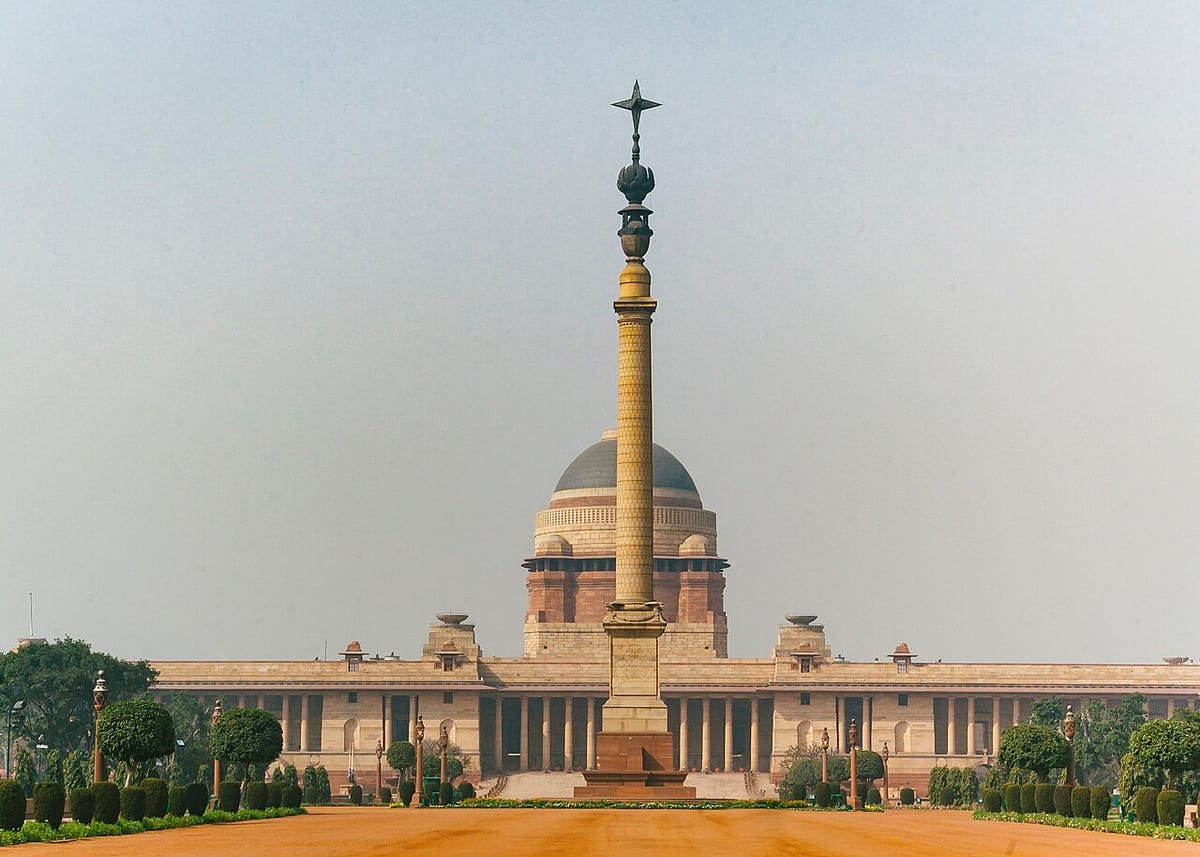
The President is the head of the Indian state and the first citizen of India. All the work of the Union government is done in the President's name. But the President acts on the advice of the Council of Ministers led by the Prime Minister. The rules for the office are in Articles 52 to 62.
Head of state, not head of government
Big powers on paper, used on the ministers' advice.
Article 52 says there shall be a President of India. Article 53 puts the executive power of the Union in the President's hands. So every government order, appointment and treaty is made in the President's name. The President is also the Supreme Commander of the armed forces.
There is a Council of Ministers, headed by the Prime Minister, to aid and advise the President. The 42nd Amendment (1976) made this advice binding. The 44th Amendment (1978) lets the President send the advice back once for a second look. If the ministers give the same advice again, the President must accept it.
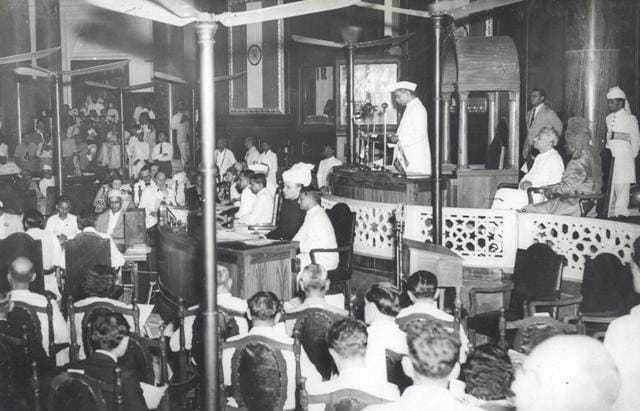
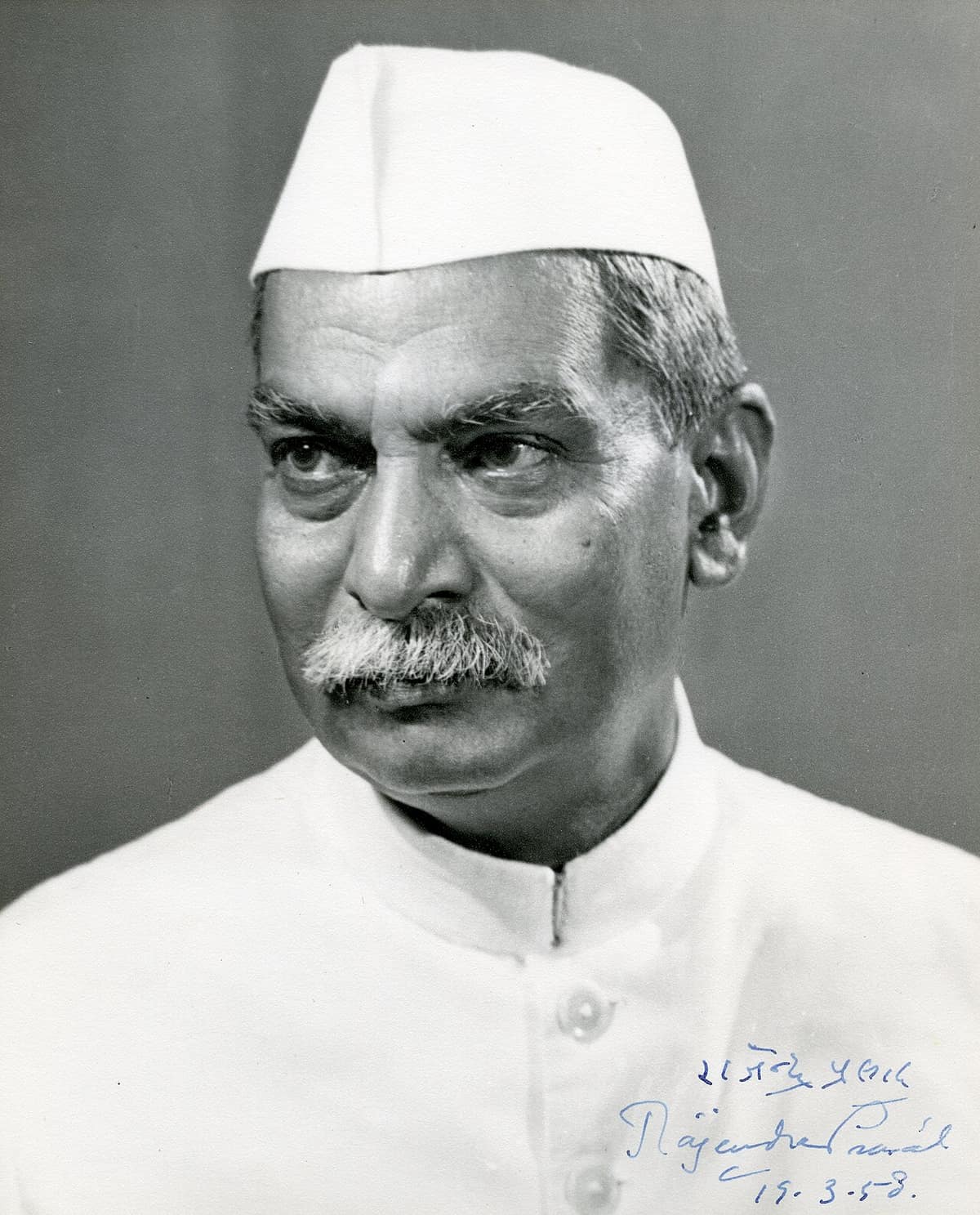
- The only President elected twice and to serve two full terms
- Earlier President of the Constituent Assembly
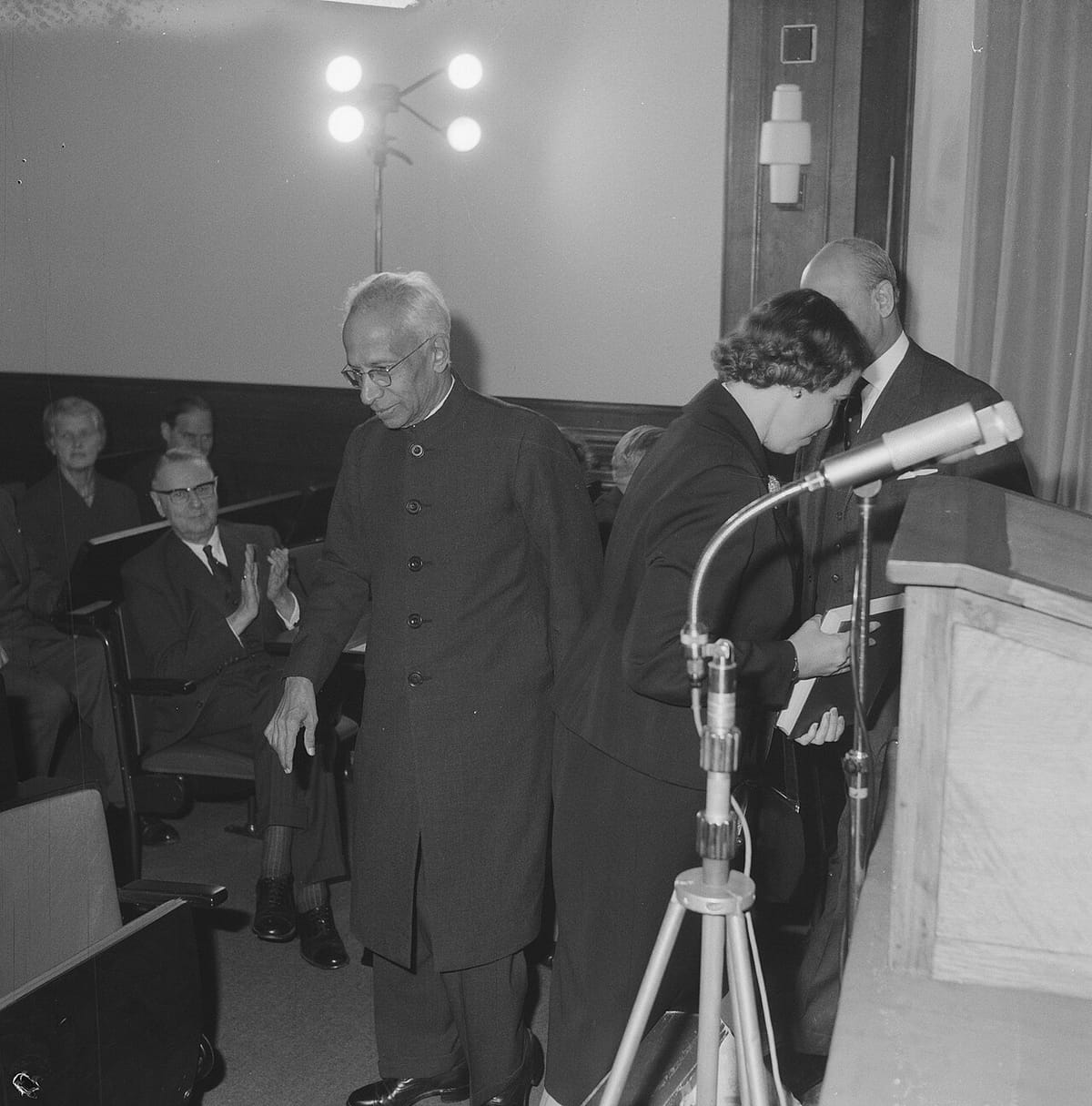
- Also India's first Vice-President (1952–1962)
- His birthday, 5 September, is Teachers' Day
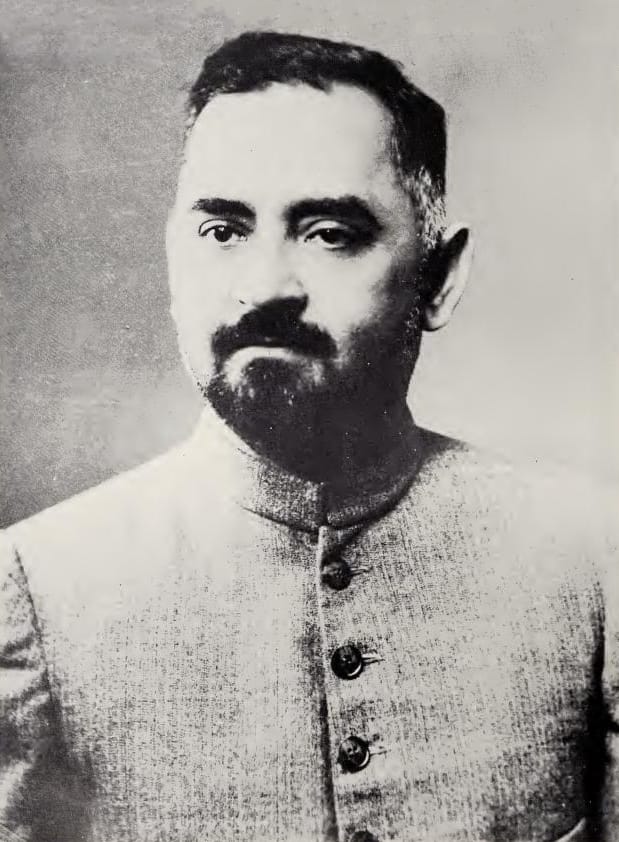
- First President to die in office
- First Muslim President
- The only President elected unopposed
- Earlier Speaker of the Lok Sabha
- First Sikh President; earlier Chief Minister of Punjab
- Used a pocket veto in 1986
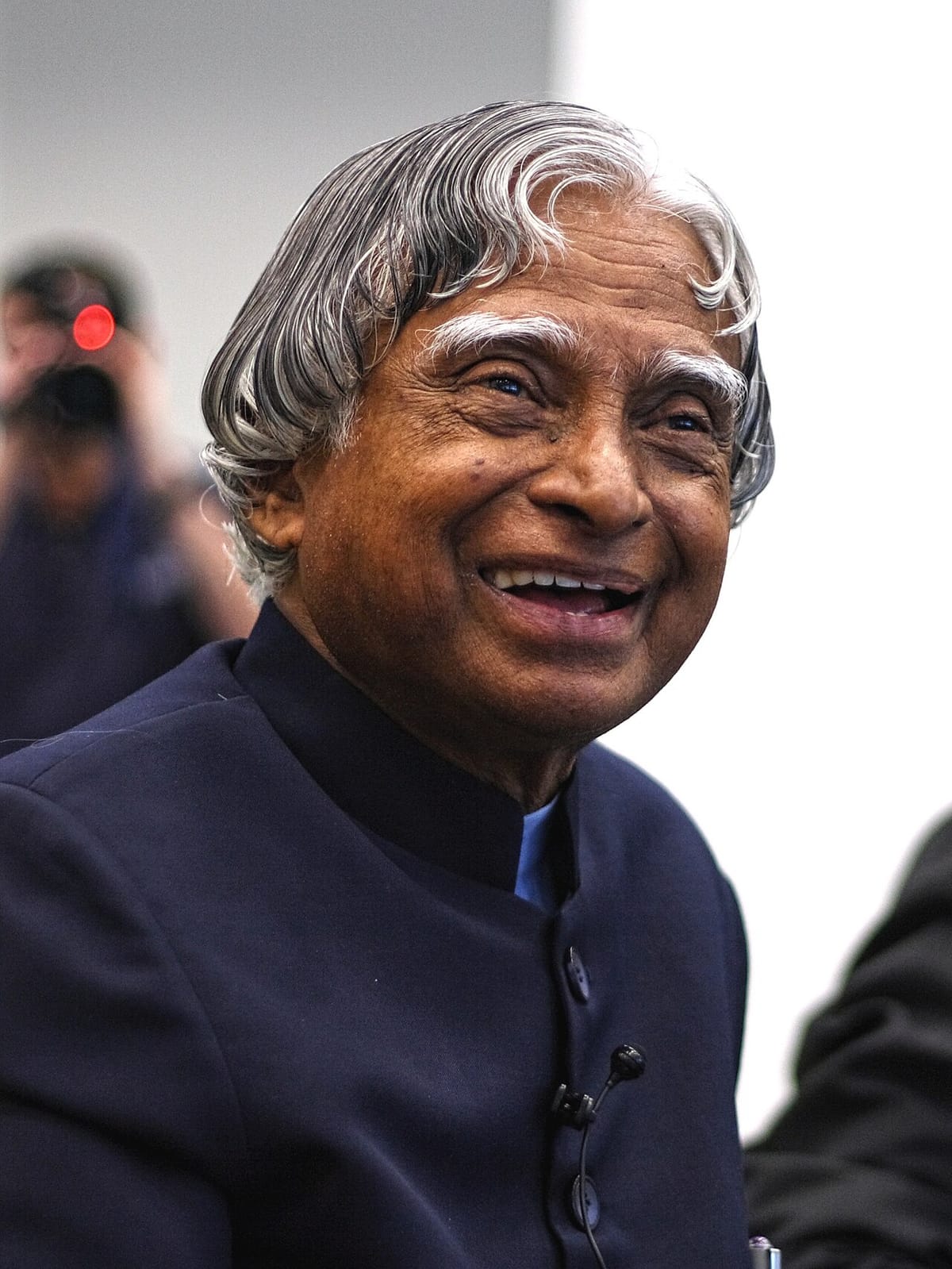
- A space and missile scientist
- Returned the Office of Profit Bill in 2006 (suspensive veto)
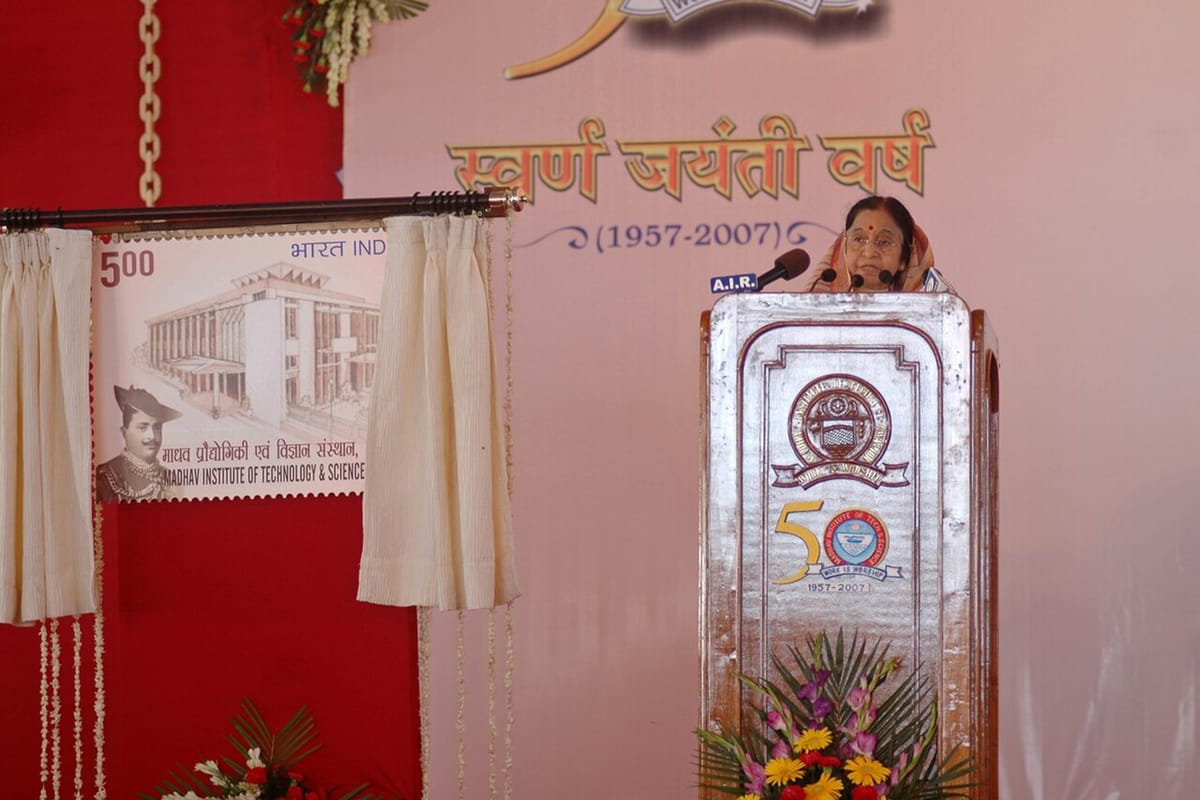
- First woman President of India
How the President is elected
The people do not vote. An electoral college does.
The President is elected indirectly under Article 54. The voters are an electoral college of elected members only. The Election Commission conducts the election. Any dispute about it is decided by the Supreme Court (Article 71).
- Elected members of the Lok Sabha
- Elected members of the Rajya Sabha
- Elected members of state Legislative Assemblies
- Elected MLAs of Delhi and Puducherry (added by the 70th Amendment)
- Nominated members of Parliament
- Nominated members of Assemblies
- Members of Legislative Councils
- Officers such as IAS members, and ordinary citizens
- Step 1NominationA candidate needs 50 proposers and 50 seconders from the electoral college.
- Step 2Secret ballotEach voter ranks the candidates 1, 2, 3…. This is the single transferable vote.
- Step 3Weighted votesEach vote has a value. MLA votes depend on the state's population; all MP votes are equal.
- Step 4QuotaTo win, a candidate needs more than half of the total value of valid votes.
- Step 5TransferIf no one reaches the quota, the last candidate is dropped and his votes go to their next preference.
| Whose vote | How its value is worked out |
|---|---|
| One MLA | State's population ÷ number of elected MLAs, then ÷ 1,000 |
| One MP | Total value of all MLA votes ÷ number of elected MPs |
The population used is from the 1971 Census. The 84th Amendment froze it until the first census after 2026. An MLA's vote from Uttar Pradesh is worth 208; from Sikkim, only 7; from Punjab, 116. In 2022 each MP's vote was worth 700. This design keeps the Centre and the states roughly equal in total weight.
The anti-defection law does not apply to the presidential election. Voting is by secret ballot, and parties cannot issue a binding whip.
Qualifications, term and oath
Who can stand, for how long, and who swears him in.
| Rule | Detail | Article |
|---|---|---|
| Citizen | Must be a citizen of India | 58 |
| Age | At least 35 years | 58 |
| Lok Sabha test | Must be qualified to become a Lok Sabha member | 58 |
| No office of profit | Cannot hold a paid post under any government | 58 |
| No seat in a House | An MP or MLA who wins loses that seat on taking office | 59 |
| Term | 5 years; stays on until the successor takes over | 56 |
| Re-election | Allowed, with no limit on terms | 57 |
| Oath | Taken before the Chief Justice of India | 60 |
In the oath under Article 60, the President promises to preserve, protect and defend the Constitution. If the Chief Justice is absent, the senior-most Supreme Court judge gives the oath. To resign, the President writes to the Vice-President.
Salary, immunity and a vacancyTap to open
Article 59 says Parliament fixes the President's salary and allowances, and they cannot be cut during the term. The President lives at Rashtrapati Bhavan, rent-free.
Under Article 361, the President is not answerable to any court for official acts. No criminal case can be started during the term, even for personal acts. A civil case about personal acts needs two months' notice.
If the office falls vacant, a new President must be elected within 6 months (Article 62). Until then the Vice-President acts as President (Article 65). If both offices are empty, the Chief Justice of India acts.
Removing a President: impeachment
One ground, two Houses, two-thirds each time.
A President can be removed before the term ends only by impeachment under Article 61. There is only one ground: violation of the Constitution. The process is slow and hard on purpose. No President has ever been impeached.
- Either HouseNoticeAt least one-fourth of the members of a House sign a notice. The President gets 14 days' notice.
- House 1First House votesThe charge must pass by two-thirds of the total membership of that House.
- House 2Other House investigatesThe second House inquires into the charge. The President may appear or send a representative.
- House 2Second voteIf this House also passes it by two-thirds of its total membership, the charge stands.
- ResultRemovedThe President leaves office from the day the resolution is passed.
The President's powers: veto, ordinance and pardon
What the office can do, and the limits on each power.
Appoints the Prime Minister and ministers, Governors, judges, the Attorney General, CAG, Election Commissioners and UPSC members.
Summons and prorogues Parliament, dissolves the Lok Sabha, gives assent to bills and nominates 12 Rajya Sabha members.
A Money Bill needs the President's recommendation. Controls the Contingency Fund. Sets up the Finance Commission.
Pardons under Article 72. Can ask the Supreme Court's opinion under Article 143.
Supreme Commander; declares war and makes peace, subject to Parliament. Treaties are made in the President's name.
National (Article 352), President's Rule in a state (Article 356) and Financial (Article 360).
The President's powers, by type. Almost all are used on the Council of Ministers' advice.
When either House of Parliament is not in session, the President can make an ordinance. It has the same force as a law of Parliament. It is made only on the Cabinet's advice. It must be placed before Parliament when it meets, and it ends 6 weeks after Parliament reassembles unless approved. So its longest life is about 6 months and 6 weeks. An ordinance cannot amend the Constitution.
The President's "satisfaction" behind an ordinance can be checked by courts (R. C. Cooper case, 1970). Issuing the same ordinance again and again to avoid Parliament is a fraud on the Constitution (D. C. Wadhwa case, 1987).
- Pardon
- Wipes out both the sentence and the conviction. The person is free of all punishment.
- Commutation
- Swaps the punishment for a lighter kind, for example death to life imprisonment.
- Remission
- Cuts the length of the sentence but keeps its kind, for example 2 years to 1 year.
- Respite
- Gives a lighter sentence because of a special fact, such as pregnancy or disability.
- Reprieve
- A stay on a sentence (usually death) for a time, while a mercy plea is decided.
The President and ParliamentTap to open
The President is a part of Parliament (Article 79). Under Article 87, the President gives a special address to both Houses at the first session after each general election and at the first session of every year. It sets out the government's plans. Some bills need the President's recommendation before they are introduced, such as a Money Bill or a bill to change a state's boundaries (Article 3).
Everything on one look
Articles, numbers and the traps examiners set.
| Article | What it says |
|---|---|
| 52 | There shall be a President of India |
| 53 | Executive power of the Union is in the President |
| 54 / 55 | Electoral college / manner of election |
| 56 / 57 | Term of 5 years / re-election |
| 58 / 59 | Qualifications / conditions of office |
| 60 | Oath before the Chief Justice of India |
| 61 | Impeachment |
| 62 | Filling a vacancy within 6 months |
| 71 | Election disputes decided by the Supreme Court |
| 72 | Pardoning power |
| 74 | Council of Ministers to aid and advise |
| 111 | Assent to bills (veto) |
| 123 | Ordinances |
| 143 | Advisory opinion of the Supreme Court |
- Minimum age: 35
- Term: 5 years, no limit on re-election
- Nomination: 50 proposers + 50 seconders
- Impeachment notice: 14 days, signed by one-fourth of a House
- Impeachment vote: two-thirds of total membership, in both Houses
- Ordinance lapses 6 weeks after Parliament meets
- Vacancy filled within 6 months
- First President: Rajendra Prasad (1950)
- Only one elected twice: Rajendra Prasad
- Only one elected unopposed: Neelam Sanjiva Reddy
- First to die in office: Zakir Husain
- First Sikh President: Giani Zail Singh
- First woman President: Pratibha Patil
- Only Chief Justice to act as President: M. Hidayatullah
- The President must be qualified for the Lok Sabha; the Vice-President for the Rajya Sabha.
- Nominated MPs cannot vote in the election but can vote in impeachment.
- MLAs elect the President but play no part in impeachment.
- Members of Legislative Councils never vote for President.
- The oath is given by the Chief Justice of India; the resignation goes to the Vice-President.
- The only ground for impeachment is violation of the Constitution.
- India's President has no qualified veto; that is the US system.
- No veto on a Constitutional Amendment Bill (24th Amendment).
- An ordinance can be issued when either House is not sitting, not only when both are away.
- Vote values still use the 1971 Census.
- President: Articles 52–62
- Executive power: Article 53
- Aid and advice: Article 74
- Election: Articles 54 and 55
- Method: single transferable vote
- Conducted by: Election Commission
- Disputes decided by: Supreme Court
- Qualification: fit for the Lok Sabha
- Oath given by: Chief Justice of India
- Resignation to: Vice-President
- Impeachment: Article 61
- Pardon: Article 72
- Ordinance: Article 123
- Advisory opinion: Article 143
- Pocket veto: Zail Singh, 1986
- Model borrowed from: Britain
Parliament is not in session. The government urgently needs a new law. What can the President do, and how long can it last?
Show answer
On the Cabinet's advice, the President can issue an ordinance under Article 123. It has the force of law. It must be placed before Parliament when it meets and lapses 6 weeks after Parliament reassembles unless approved. It cannot amend the Constitution.