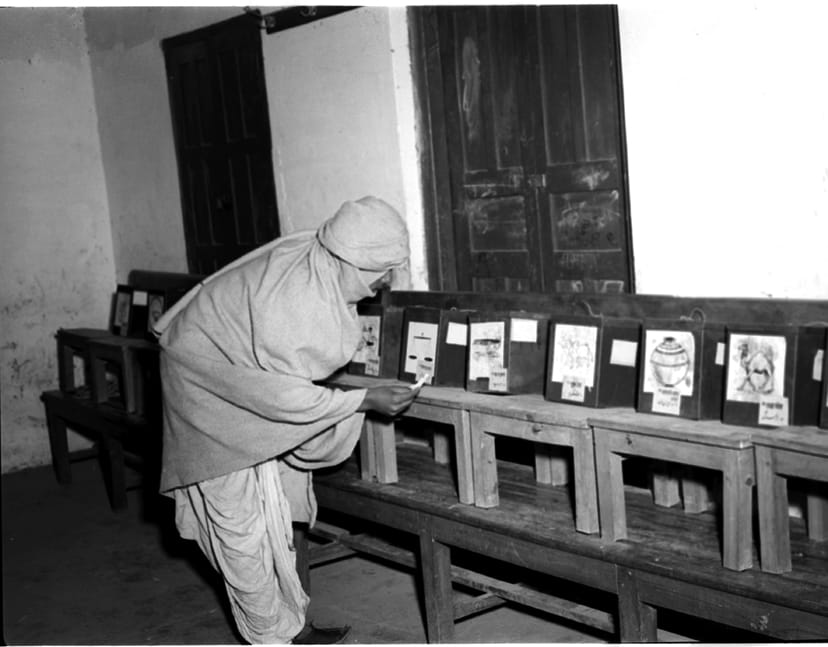
A constitutional body is an institution set up by the Constitution itself. The Election Commission, UPSC, Finance Commission and CAG are examples. Because they are written into the Constitution, a government cannot abolish them by an ordinary law. Only a Constitutional Amendment can change them. This keeps them independent of the party in power.
Constitutional, statutory or executive?
Where a body comes from decides how easily it can be shut down.
Every government body is created in one of three ways. Some are written into the Constitution. Some are made by an Act of Parliament (a statute). Some are made by a simple Cabinet decision, called an executive resolution. Exams ask this again and again.
| Article | Body or office |
|---|---|
| 76 | Attorney General of India |
| 148–151 | Comptroller and Auditor General (CAG) |
| 165 | Advocate General of a state |
| 279A | GST Council (101st Amendment, 2016) |
| 280 | Finance Commission |
| 315–323 | UPSC and State Public Service Commissions (Part XIV) |
| 324 | Election Commission of India (Part XV) |
| 338 | National Commission for Scheduled Castes |
| 338A | National Commission for Scheduled Tribes (89th Amendment, 2003) |
| 338B | National Commission for Backward Classes (102nd Amendment, 2018) |
| 350B | Special Officer for Linguistic Minorities (7th Amendment, 1956) |
NITI Aayog is not a constitutional body. It was set up by a Cabinet resolution on 1 January 2015 to replace the Planning Commission (1950). The NHRC, CVC and Lokpal are statutory, made by Acts. These are explained on the statutory bodies page.
Election Commission of India (Article 324)
The body that runs elections to Parliament, state assemblies, President and Vice-President.
Part XV of the Constitution (Articles 324 to 329) deals with elections. Article 324 gives the Election Commission the power of superintendence, direction and control of elections. It covers elections to Parliament, the state legislatures, and the offices of President and Vice-President. It also prepares the electoral rolls (voter lists).
The Commission was set up on 25 January 1950, a day before the Constitution came into force. That is why 25 January is celebrated as National Voters' Day (since 2011). It is a permanent body, and one body serves both the Centre and the states.
| Point | Rule |
|---|---|
| Members | The Chief Election Commissioner (CEC) and other Election Commissioners. The President fixes the number. Today it is three in all. |
| Appointed by | The President, on the advice of a selection committee (2023 Act). |
| Term | 6 years or age 65, whichever comes first. |
| Removal of CEC | Only like a Supreme Court judge: both Houses of Parliament pass a motion by special majority. |
| Removal of other ECs | By the President, but only on the CEC's recommendation. |
| Decisions | All three have equal votes. If they differ, the majority wins. |
| Does not conduct | Panchayat and municipal elections. A separate State Election Commission does that (Article 243K). |
- Step 1Search committeeHeaded by the Law Minister. It shortlists five names.
- Step 2Selection committeePrime Minister (chair), Leader of the Opposition in Lok Sabha, and a Union Cabinet Minister named by the PM.
- Step 3President appointsThe President appoints the person the committee recommends.
The Election Commission of India (Article 324) runs elections to Parliament, state assemblies, President and Vice-President. Panchayat and municipal elections are run by the State Election Commission (Articles 243K and 243ZA). The State Election Commissioner is appointed by the Governor.
- 1950Commission set up
25 January. Sukumar Sen became the first CEC.
- 1951–52First general election
Run on adult suffrage: every adult citizen could vote.
- 1982First EVM use
Tried in a by-election at Paravur, Kerala.
- 1989Briefly three members
Two Election Commissioners added in October; posts ended in January 1990.
- 1993Three-member again
From 1 October 1993 the Commission has had three members.
- 2013NOTA and VVPAT
Supreme Court ordered NOTA; VVPAT first used at Noksen, Nagaland.
- 2023New appointment law
Selection committee led by the Prime Minister.
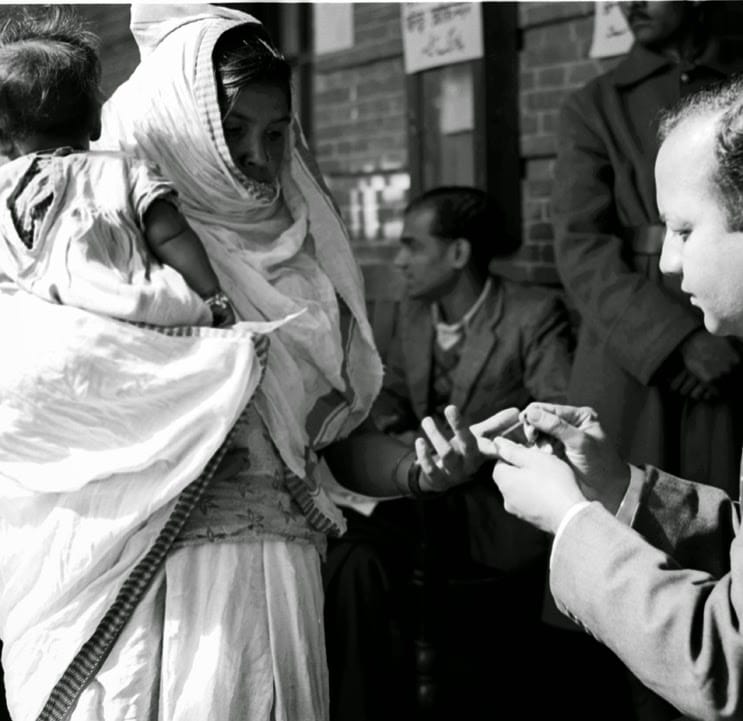
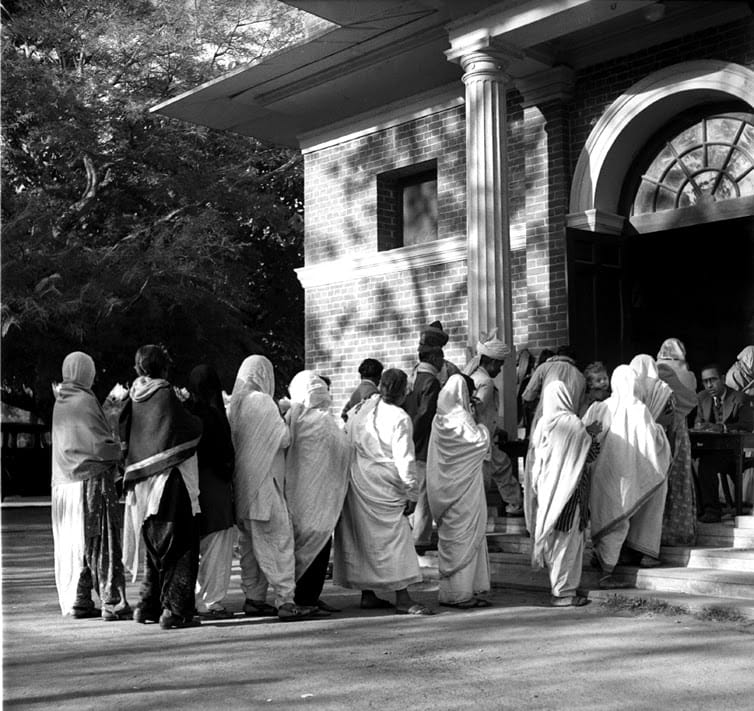
- Ran the first two general elections (1951–52 and 1957)
- An ICS officer from Bengal
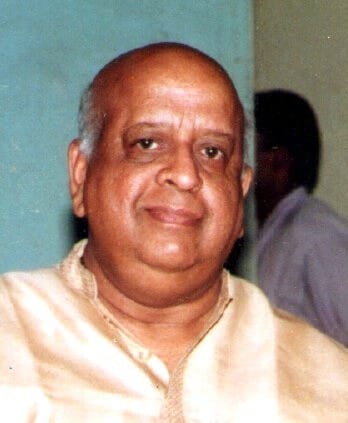
- Known for strictly enforcing the Model Code of Conduct
- Pushed voter photo identity cards (from 1993)
- Served for a few weeks in November–December 1990
| Tool | What it means |
|---|---|
| EVM (Electronic Voting Machine) | Records votes instead of paper ballots. Used in every Lok Sabha seat since 2004. |
| VVPAT (Voter Verifiable Paper Audit Trail) | Prints a slip so the voter can see the vote went to the right candidate. |
| NOTA (None of the Above) | Lets a voter reject all candidates. Added after a Supreme Court order of 2013. |
| MCC (Model Code of Conduct) | Rules for parties and ministers once polls are announced. It is not a law; the Commission enforces it. |
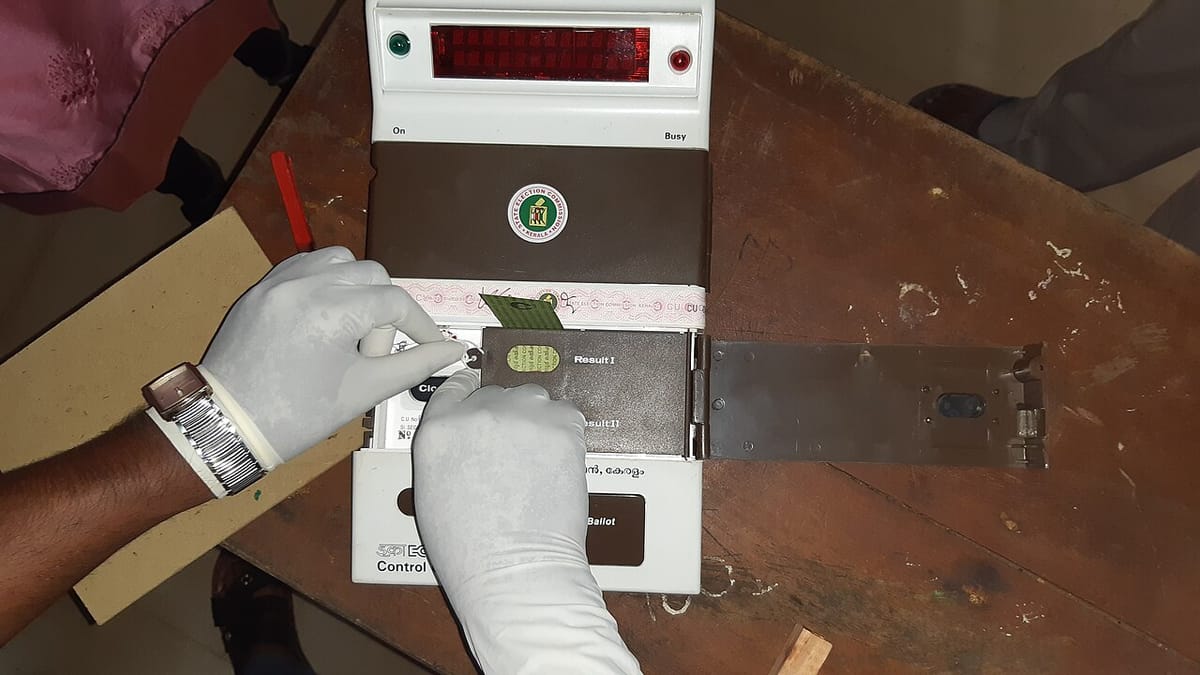
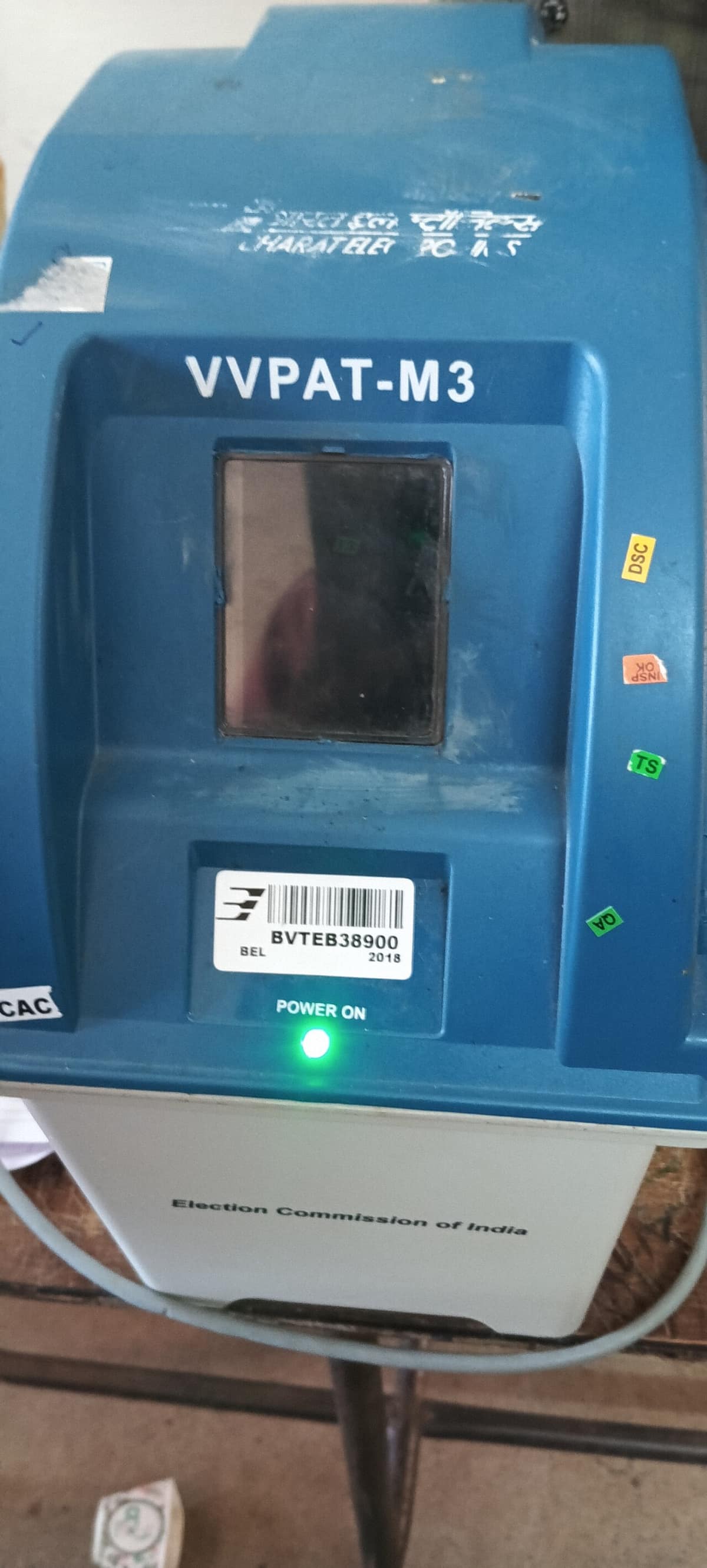
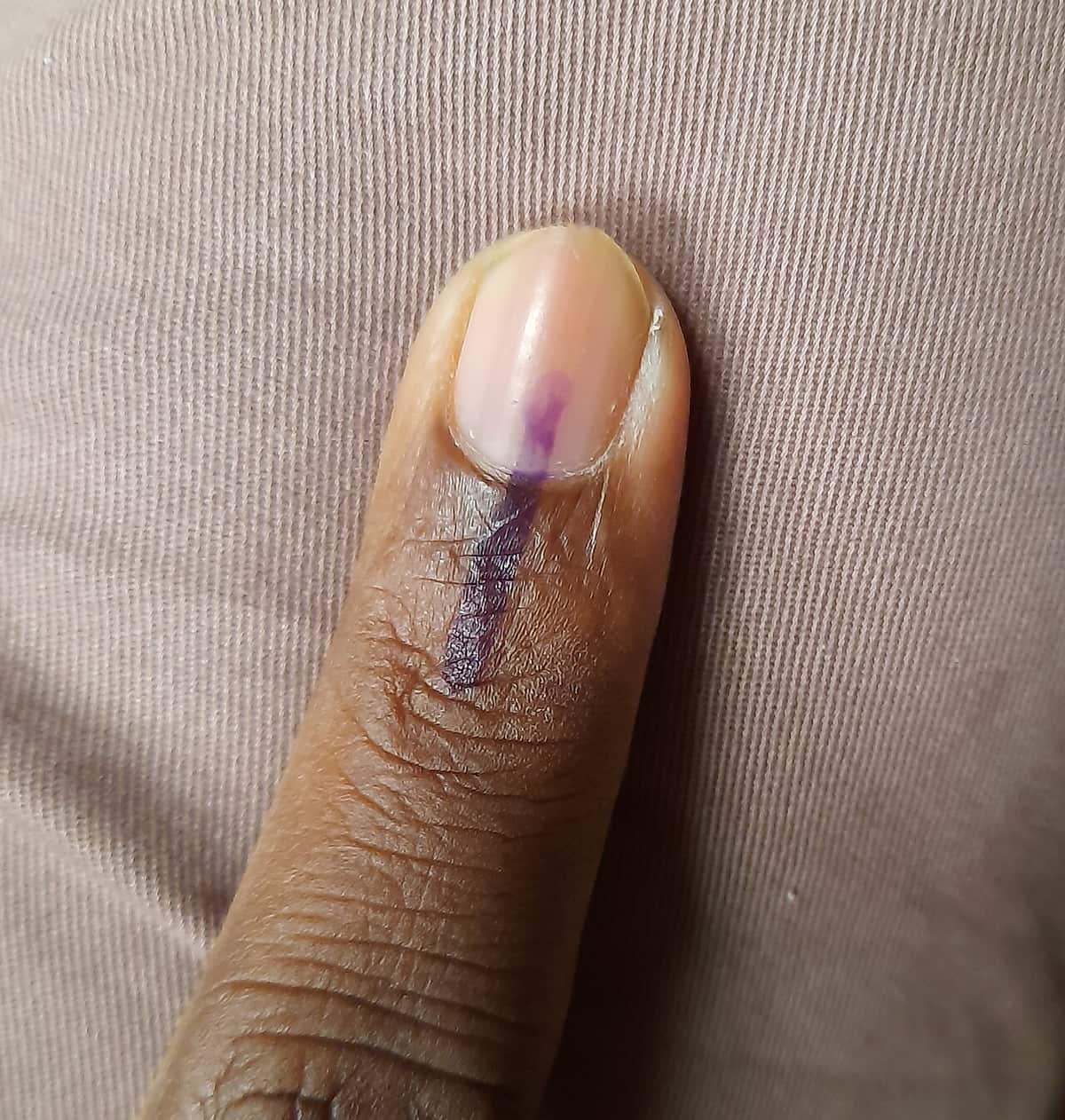
More election facts (Articles 325 to 329 and others)Tap to open
- Article 325: one general voter list for each constituency. No one is left out for religion, race, caste or sex.
- Article 326: elections on adult suffrage. The voting age was cut from 21 to 18 by the 61st Amendment (1988).
- Articles 327 and 328: Parliament and state legislatures make election laws, such as the Representation of the People Acts of 1950 and 1951.
- Article 329: courts cannot stop an election midway. An election can be challenged only by an election petition afterwards.
- A losing candidate loses the security deposit if he gets one-sixth or less of the valid votes.
- Delimitation (redrawing constituency boundaries) is done by a separate Delimitation Commission, not the Election Commission.
- The Electoral Bond scheme (2018) was struck down by the Supreme Court in February 2024.
Public Service Commissions, Finance Commission and GST Council
Who recruits officers, and who decides how tax money is shared.
Part XIV (Articles 315 to 323) creates a Union Public Service Commission (UPSC) for the Centre and a State Public Service Commission (SPSC) for each state. The UPSC holds exams like the Civil Services exam. In Punjab, the Punjab Public Service Commission (PPSC), based in Patiala, is our SPSC.
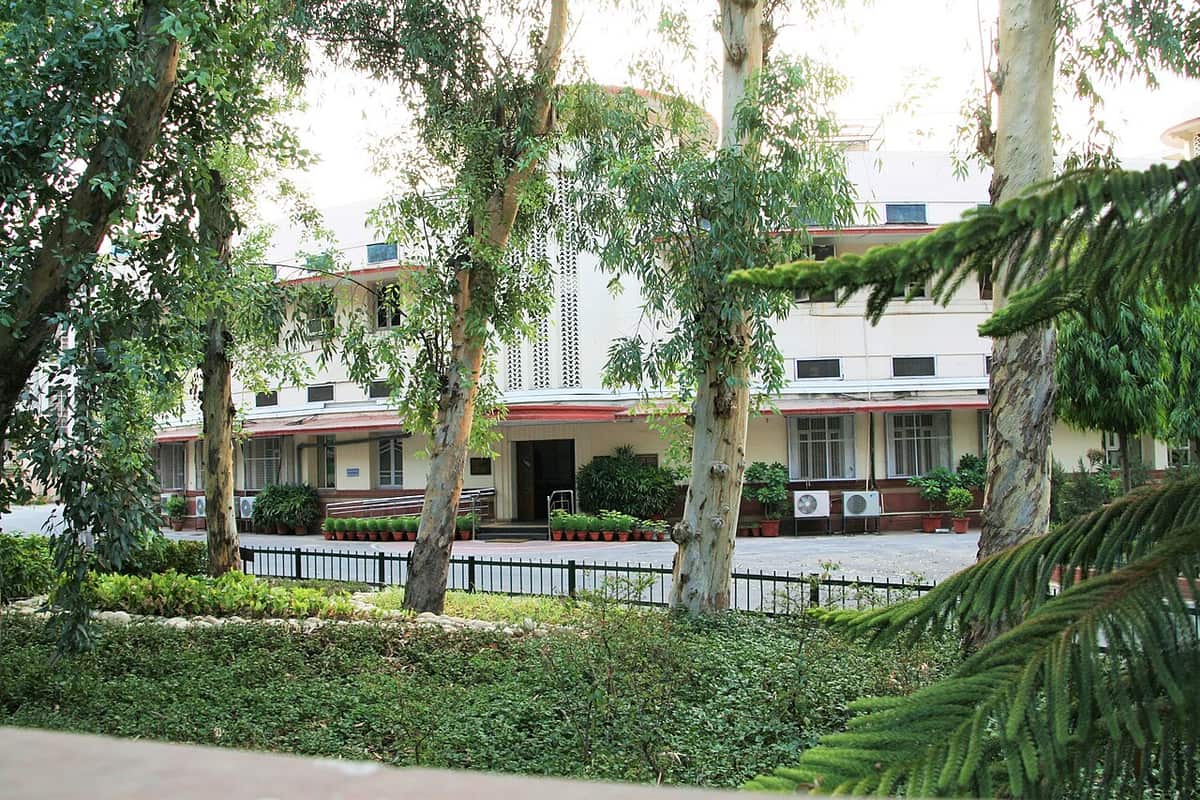
- Strength: the Constitution does not fix the number of members. The President (or Governor) decides.
- Half the members must have worked at least 10 years in government service.
- Removal (Article 317): for misbehaviour, only after a Supreme Court inquiry. Also for insolvency, outside paid work, or infirmity of mind or body.
- After office (Article 319): the UPSC Chairman can take no other government job.
- Advice (Article 320): it must be consulted on recruitment, promotions and discipline, but its advice is not binding.
A Joint State Public Service Commission for two or more states is not constitutional in the same way. Parliament creates it by law when the states ask, so it is a statutory body. Its members are appointed by the President.
The President sets up a Finance Commission every five years or earlier. It has a chairman and four members. It recommends how the taxes collected by the Centre are shared with the states, and the rules for grants-in-aid to states. Its advice is not binding. The first one (1951) was chaired by K. C. Neogy. The 15th (chair N. K. Singh) gave states 41% of the shareable taxes for 2021–26.
Added by the 101st Amendment (2016); GST began on 1 July 2017. The Union Finance Minister chairs it. Each state sends a minister, usually its Finance Minister. It recommends GST rates and rules. A decision needs three-fourths of the weighted votes: the Centre has one-third of the weight and all states together two-thirds.
CAG and the Attorney General
The nation's auditor and the government's top lawyer.
The Comptroller and Auditor General (CAG) checks how the government spends public money. Articles 148 to 151 deal with this office. The CAG is called the guardian of the public purse. Ambedkar thought it was probably the most important office in the Constitution. The CAG heads the Indian Audit and Accounts Department.
| Point | Rule |
|---|---|
| Appointed by | The President, by warrant under his hand and seal. Takes an oath before the President. |
| Term | 6 years or age 65, whichever comes first. |
| Removal | Only like a Supreme Court judge, after both Houses pass a motion by special majority. |
| Salary | Equal to a Supreme Court judge; charged on the Consolidated Fund of India (not voted). |
| After office | No further government job, at the Centre or in a state. |
| Reports (Article 151) | Union accounts go to the President; a state's accounts go to the Governor. |
Parliament approves spending through the Budget. Departments then draw and spend the money; the CAG does not control this. The CAG audits only after the money is spent and reports to the President, who lays the report before Parliament. The Public Accounts Committee studies it, and the CAG acts as its friend, philosopher and guide.
- The Attorney General is the first law officer of India and has the right of audience in all courts in India.
- He can speak and take part in either House or a committee he is named to, but cannot vote (Article 88).
- He is not a member of the Cabinet. He is also not a full-time government servant and may do private practice, but not against the Government.
- He appears for the Government when the President asks the Supreme Court for advice under Article 143.
- Also chaired the first Law Commission of independent India
- Took office before the Constitution began
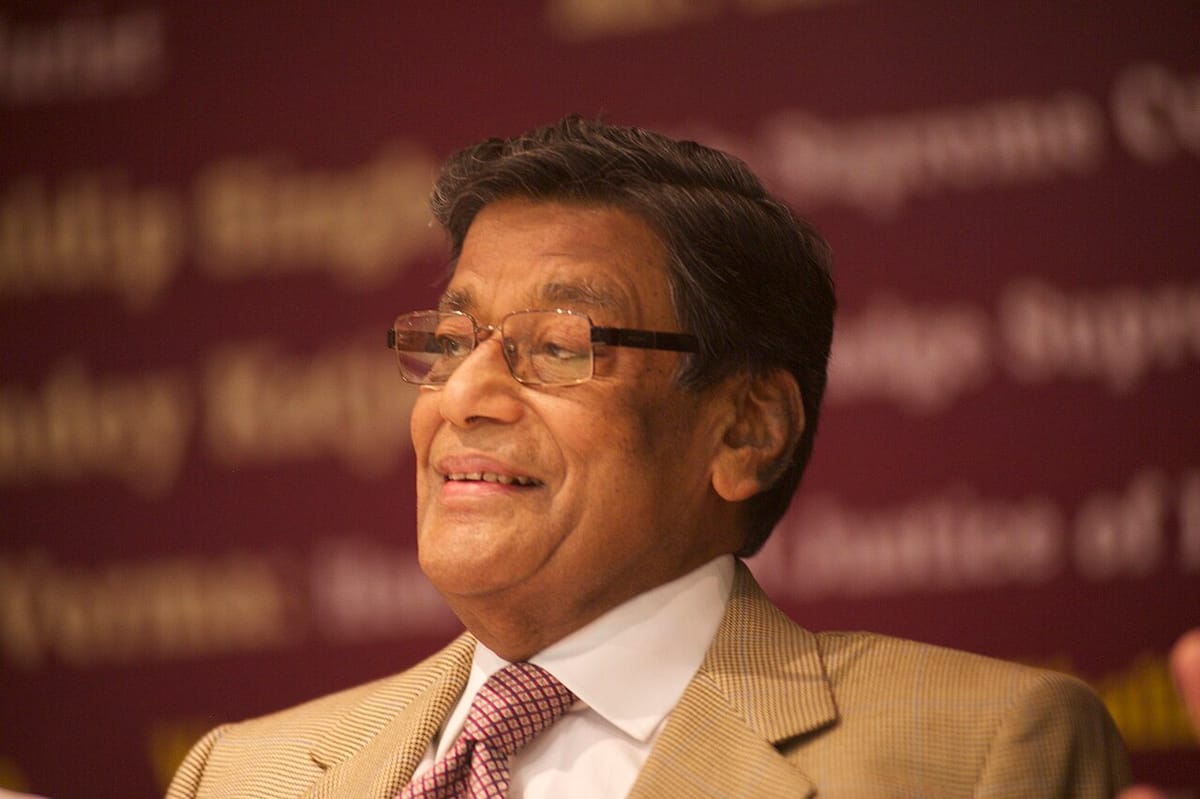
- A senior Supreme Court lawyer
- Shows the AG is chosen from eminent lawyers
Commissions for SCs, STs, Backward Classes and linguistic minorities
Watchdogs for groups the Constitution protects.
| Article | Body | Key fact |
|---|---|---|
| Article 338 | National Commission for Scheduled Castes | Checks how safeguards for SCs work and hears complaints. |
| Article 338A | National Commission for Scheduled Tribes | The same for STs. Made by the 89th Amendment (2003); started in 2004. |
| Article 338B | National Commission for Backward Classes | Statutory from 1993; made constitutional by the 102nd Amendment (2018). |
| Article 350B | Special Officer for Linguistic Minorities | Added by the 7th Amendment (1956); looks after safeguards for language minorities. |
At first, Article 338 had only a Special Officer for SCs and STs. The 65th Amendment (1990) replaced him with a multi-member National Commission for SCs and STs. The 89th Amendment (2003) split it into two: one for SCs (338) and one for STs (338A). Each has a Chairperson, a Vice-Chairperson and three members, appointed by the President. They have the powers of a civil court when inquiring into complaints.
After the Indra Sawhney (Mandal) case, 1992, Parliament made the NCBC Act, 1993, so the NCBC began as a statutory body. The 102nd Amendment (2018) gave it constitutional status in Article 338B and added Article 342A. The 105th Amendment (2021) then made clear that states can keep their own lists of backward classes.
- Article 76
- Attorney General of India
- Article 148
- CAG (Comptroller and Auditor General)
- Article 165
- Advocate General of a state
- Article 279A
- GST Council
- Article 280
- Finance Commission
- Article 315
- UPSC and State PSCs
- Article 324
- Election Commission of India
- Article 338
- National Commission for Scheduled Castes
- Article 338A
- National Commission for Scheduled Tribes
- Article 338B
- National Commission for Backward Classes
- Article 350B
- Special Officer for Linguistic Minorities
Everything on one look
Articles, appointments, terms and removals.
- 76: Attorney General
- 148–151: CAG
- 165: Advocate General
- 279A: GST Council
- 280: Finance Commission
- 315–323: UPSC and SPSC
- 324: Election Commission
- 338 / 338A / 338B: SC / ST / BC commissions
- 350B: linguistic minorities
- CEC: 6 years or 65; removed like an SC judge
- Other ECs: removed only on the CEC's advice
- CAG: 6 years or 65; removed like an SC judge
- UPSC: 6 years or 65; SPSC: 6 years or 62
- PSC members: removed by President after SC inquiry
- AG and Advocate General: no fixed term
- Finance Commission: every 5 years
- NHRC, CVC and Lokpal are statutory, not constitutional. NITI Aayog is neither.
- The Election Commission does not run panchayat elections; the State Election Commission does (Article 243K).
- Other Election Commissioners are removed on the CEC's recommendation; only the CEC has SC-judge protection.
- An SPSC member is appointed by the Governor but removed by the President.
- SPSC retirement age is 62, not 65.
- The UPSC's advice is not binding on the government.
- The CAG audits after money is spent. It cannot stop spending.
- The Attorney General can speak in Parliament but cannot vote, and is not a Cabinet member.
- The Solicitor General is not a constitutional post.
- The NCBC became constitutional only in 2018 (102nd Amendment), not 1993.
- Election Commission set up: 25 January 1950
- National Voters' Day: 25 January
- First CEC: Sukumar Sen
- First woman CEC: V. S. Ramadevi
- EC three-member since: 1993
- CEC appointment law: 2023 Act
- First EVM use: Paravur, Kerala, 1982
- NOTA: Supreme Court order, 2013
- Voting age 18: 61st Amendment
- UPSC home: Dholpur House, New Delhi
- First Finance Commission chair: K. C. Neogy
- GST Council chair: Union Finance Minister
- First CAG: V. Narahari Rao
- First Attorney General: M. C. Setalvad
- NCST: 89th Amendment, 2003
- NCBC constitutional: 102nd Amendment, 2018
A state wants to close its Public Service Commission and let a government department do recruitment. Can a state law do this?
Show answer
No. The State PSC is created by Article 315 of the Constitution. A state law cannot abolish it. Only a Constitutional Amendment passed by Parliament could change it. This is the main difference between a constitutional and a statutory body.