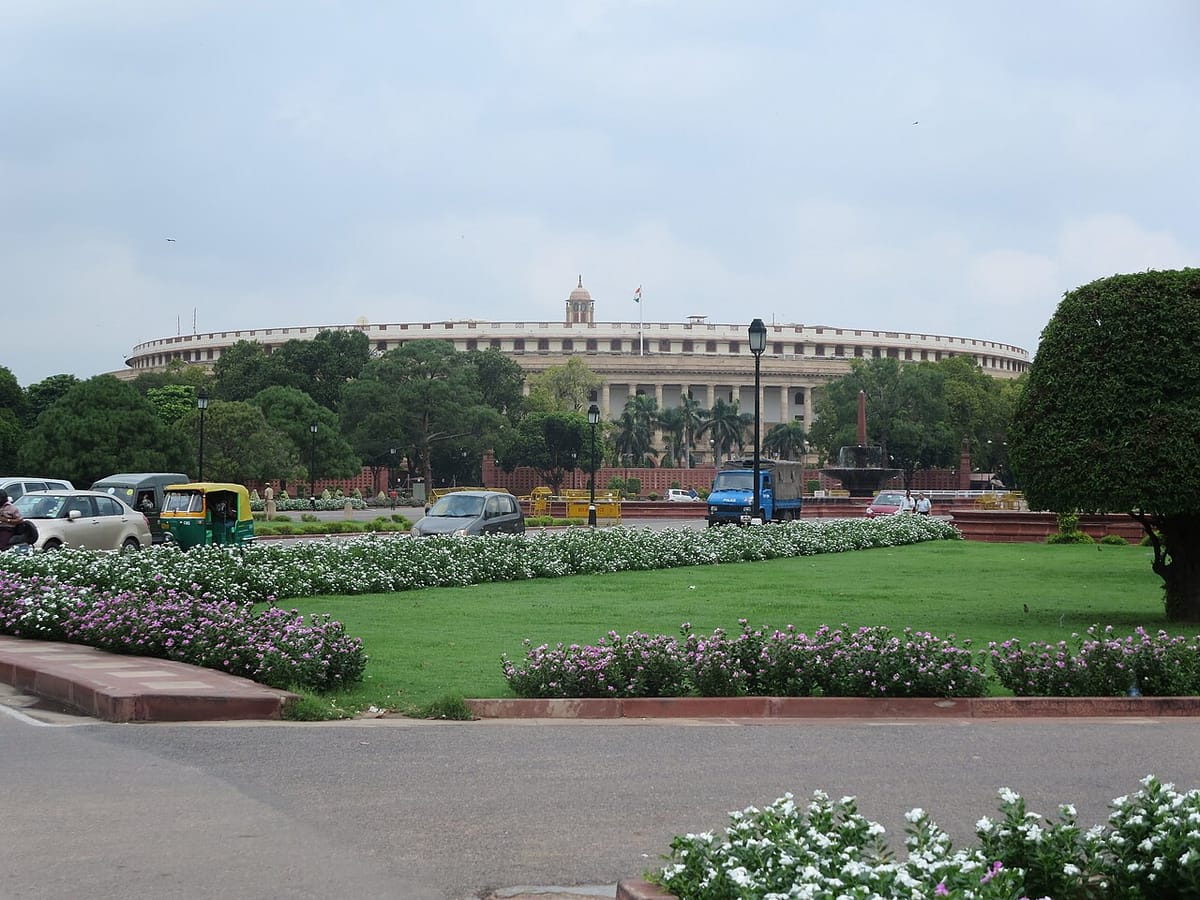
A constitution must be able to change, but not too easily. Article 368, in Part XX, gives Parliament the power to amend the Constitution. Some parts change with a simple majority, most need a special majority, and the federal parts also need half the states. But since 1973, Parliament cannot destroy the basic structure. The Constitution also has 12 Schedules: lists and details kept at the end.
Article 368: three ways and the procedure
Partly rigid, partly flexible: the method depends on what is being changed.
If changing a constitution is too hard, it breaks under pressure. If it is too easy, the government of the day can rewrite it. India chose a middle path. The idea of this procedure is said to come from the Constitution of South Africa.
New states and changing state names or borders (Articles 2, 3), creating or abolishing a Legislative Council (169), citizenship, quorum, Second Schedule salaries.
Fundamental Rights, Directive Principles and everything not in the other two groups.
Election of the President, Supreme Court and High Courts, Seventh Schedule lists, states' seats in Parliament, Article 368 itself, GST Council.
Only the second and third are amendments "under Article 368". Changes by simple majority are made like ordinary laws.
In each House separately, the bill needs two conditions: a majority of the total membership of the House, and two-thirds of members present and voting. Example: Lok Sabha has 543 seats. A bill needs at least 272 votes, and also two-thirds of those voting.
- Step 1Bill introduced in ParliamentIn either House. A minister or a private member can move it. No prior permission of the President. A state legislature cannot start an amendment.
- Step 2Passed by special majorityEach House passes it separately. There is no joint sitting if the Houses disagree.
- Step 3Half the states agree (only for federal parts)At least half the state legislatures approve it by simple majority. There is no time limit.
- Step 4President must give assentSince the 24th Amendment (1971) the President cannot refuse or return the bill.
- Step 5Constitution stands amendedIt becomes a Constitution (Amendment) Act.
The bill number and the amendment number are different. The 124th Amendment Bill (2019) became the 103rd Amendment Act (EWS quota). Exams sometimes use the bill number to confuse you.
The limit: basic structure
Parliament can amend any article, but not destroy the Constitution's core.
- 1951Shankari Prasad
Parliament can amend Fundamental Rights.
- 1965Sajjan Singh
Same view: Fundamental Rights can be amended.
- 1967Golaknath
11 judges, 6 to 5: Parliament cannot amend Fundamental Rights.
- 197124th Amendment
Parliament says it can amend any part, including Fundamental Rights.
- 1973Kesavananda Bharati
13 judges, 7 to 6: Parliament can amend any part, but not the basic structure.
- 197642nd Amendment
Tried to put amendments beyond court review (Article 368(4) and (5)).
- 1980Minerva Mills
Struck down 368(4) and (5). Limited amending power is itself basic structure.
- 2007I. R. Coelho
Laws put in the Ninth Schedule after 24 April 1973 can be checked against the basic structure.
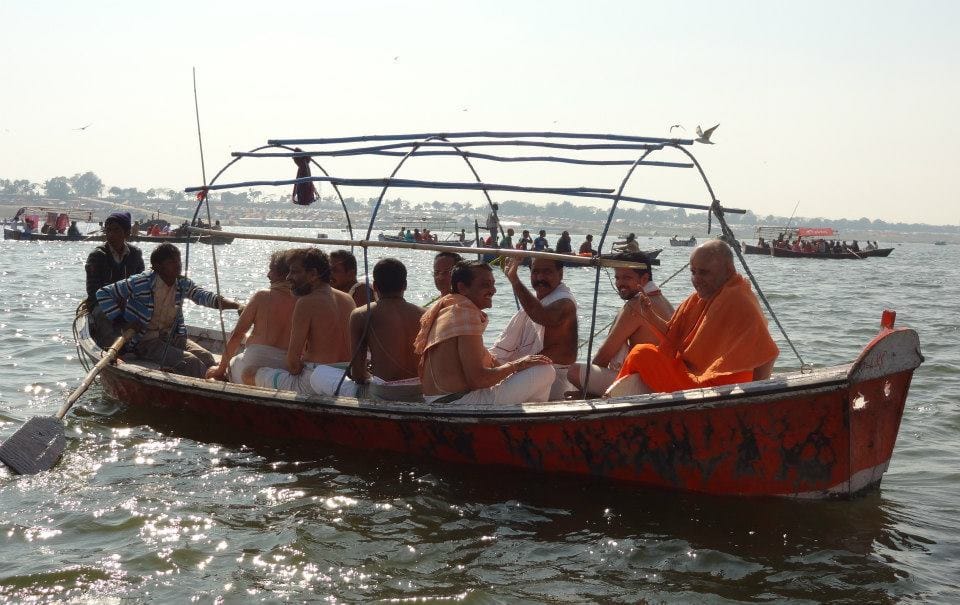
- Challenged Kerala's land reform laws affecting his mutt
- His case (1973) gave the basic structure doctrine
Supremacy of the Constitution, rule of law, judicial review, independence of judiciary.
Sovereign, democratic, republic; secularism; federalism; free and fair elections.
Separation of powers, balance of Fundamental Rights and DPSP, limited amending power.
The Court has never given a complete list. These are often named as part of the basic structure.
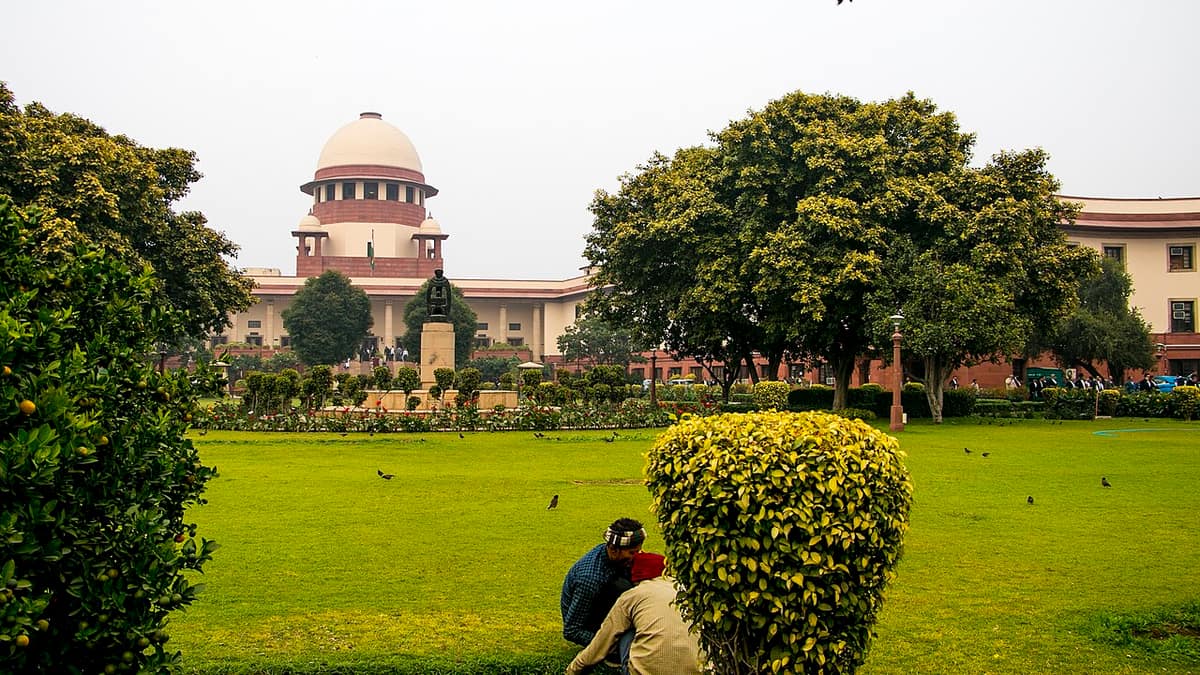
Amendments to remember: 1951 to 1992
Land reform, new states, the Emergency years and the anti-defection law.
| Amendment | Year | What it did |
|---|---|---|
| 1st | 1951 | Added the Ninth Schedule; reasonable limits on free speech; Article 15(4) for backward classes. |
| 7th | 1956 | States reorganised on language lines; Part A/B/C/D states ended; Union Territories created; one Governor for two or more states. |
| 24th | 1971 | Parliament can amend any part, even Fundamental Rights; President must assent. |
| 42nd | 1976 | "Mini-Constitution": socialist, secular, integrity in the Preamble; Fundamental Duties; 5 subjects (education, forests and more) moved to the Concurrent List. |
| 44th | 1978 | Right to Property removed from Fundamental Rights; "internal disturbance" replaced by armed rebellion; Articles 20, 21 never suspended. |
| 52nd | 1985 | Anti-defection law: added the Tenth Schedule. |
| 61st | 1988 | Voting age cut from 21 to 18 (in force 1989). |
| 73rd / 74th | 1992 | Panchayats (Part IX, Eleventh Schedule) and municipalities (Part IXA, Twelfth Schedule). |
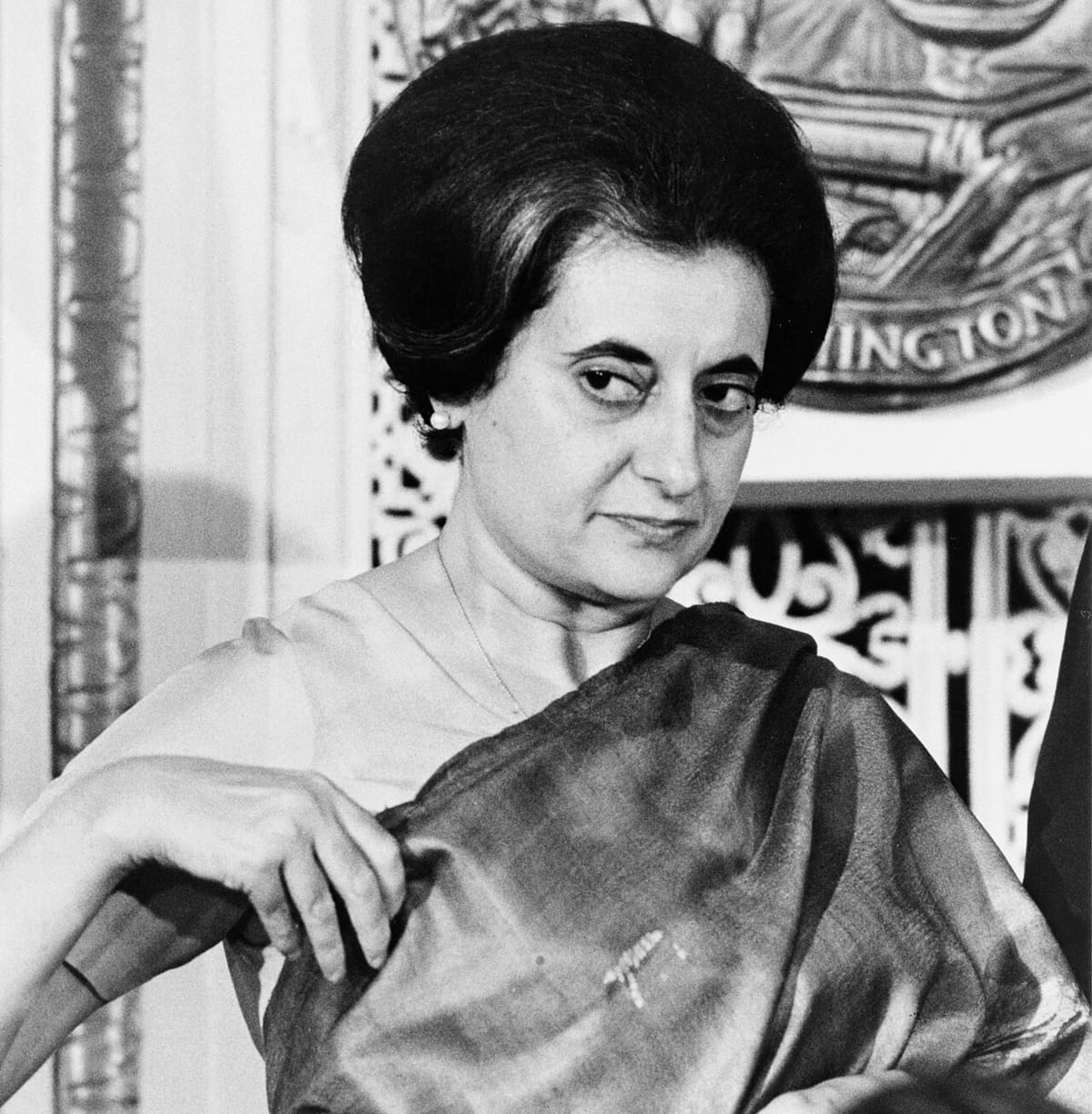
- 24th (1971) and 42nd (1976) Amendments passed in her terms
- The 42nd came during the Emergency
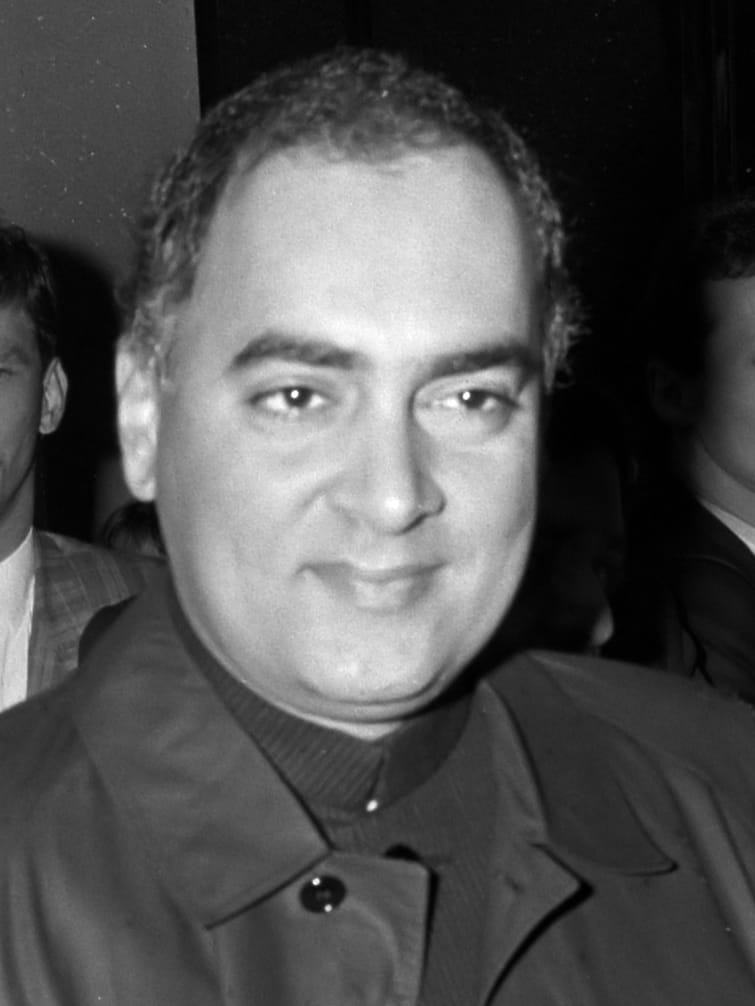
- 52nd Amendment (anti-defection), 1985
- 61st Amendment (voting age 18), 1988
42 builds, 44 undoes. The 42nd (1976) gave the government huge powers. The 44th (1978), after the Emergency, rolled most of them back.
Amendments to remember: 2002 to 2023
Education, co-operatives, GST, EWS and women's reservation.
| Amendment | Year | What it did |
|---|---|---|
| 86th | 2002 | Article 21A: free and compulsory education, ages 6–14; new Article 45; duty 51A(k). |
| 91st | 2003 | Council of Ministers capped at 15% of the Lok Sabha or Assembly; anti-defection law tightened. |
| 97th | 2011 | Co-operative societies: right in Article 19(1)(c), DPSP 43B, new Part IXB. |
| 99th | 2014 | NJAC to appoint judges; struck down in 2015. |
| 101st | 2016 | GST and the GST Council (Article 279A). |
| 102nd | 2018 | NCBC (backward classes commission) made constitutional. |
| 103rd | 2019 | 10% EWS quota in education and government jobs. |
| 104th | 2019 | SC/ST seat reservation extended; Anglo-Indian nominated seats ended. |
| 105th | 2021 | States again may make their own backward class (SEBC) lists. |
| 106th | 2023 | One-third seats for women in the Lok Sabha and Assemblies; starts only after the next census and delimitation. |
- 1st (1951)
- Ninth Schedule; land reform shield.
- 7th (1956)
- States reorganised; UTs created.
- 42nd (1976)
- Mini-Constitution; Fundamental Duties.
- 44th (1978)
- Property no longer a Fundamental Right.
- 52nd (1985)
- Anti-defection; Tenth Schedule.
- 61st (1988)
- Voting age 18.
- 73rd / 74th (1992)
- Panchayats / municipalities.
- 86th (2002)
- Right to education, Article 21A.
- 97th (2011)
- Co-operative societies.
- 101st (2016)
- GST.
- 103rd (2019)
- EWS 10% reservation.
- 106th (2023)
- Women's reservation, one-third seats.
The 12 Schedules
Eight in 1950, four added later. Learn the number and the subject.
| Schedule | What it contains |
|---|---|
| First | Names of states and Union Territories and their areas. |
| Second | Salaries and allowances: President, Governors, Speakers and Chairmen, judges, CAG. |
| Third | Forms of oath: ministers, MPs, MLAs, judges, CAG (not President, Vice-President or Governor). |
| Fourth | Rajya Sabha seats for each state and UT. |
| Fifth | Scheduled Areas and Scheduled Tribes (most states). |
| Sixth | Tribal areas of Assam, Meghalaya, Tripura, Mizoram. |
| Seventh | Union, State and Concurrent Lists (97, 66 and 47 subjects in 1950). |
| Eighth | 22 languages (14 in 1950, Punjabi among them). |
| Ninth | Laws shielded from court challenge, mostly land reforms (1st Amendment, 1951). |
| Tenth | Anti-defection rules (52nd Amendment, 1985). |
| Eleventh | 29 subjects for panchayats (73rd Amendment, 1992). |
| Twelfth | 18 subjects for municipalities (74th Amendment, 1992). |
TEARS OF OLD PM: Territory (1), Emoluments (2), Affirmations or oaths (3), Rajya Sabha (4), Scheduled Areas (5), Other tribal areas (6), Federal lists (7), Official languages (8), Land reforms (9), Defection (10), Panchayats (11), Municipalities (12).
21st Amendment (1967): Sindhi. 71st (1992): Konkani, Manipuri, Nepali. 92nd (2003): Bodo, Dogri, Maithili, Santhali. That takes 14 to 22. In 2011 the 96th Amendment changed "Oriya" to Odia.
Also useful: the 106th Amendment in detailTap to open
- Also called the Nari Shakti Vandan Adhiniyam, passed in September 2023.
- It was the first bill introduced in the new Parliament building.
- One-third of seats in the Lok Sabha, state Assemblies and the Delhi Assembly for women, including within SC/ST seats.
- Not yet in force: it begins after a census and delimitation, and lasts 15 years unless extended.
- It does not cover the Rajya Sabha or Legislative Councils.
Everything on one look
Procedure, cases, amendments and Schedules to remember.
- Article 368, Part XX
- Start in either House; no President's permission
- Special majority in each House separately
- No joint sitting for amendment bills
- Federal parts: half the states agree
- President must assent (24th, 1971)
- Golaknath (1967): FRs cannot be amended
- Kesavananda (1973): basic structure, 13 judges, 7–6
- Minerva Mills (1980): limited amending power
- 8 Schedules in 1950, 12 now
- 9th: 1st Amendment; 10th: 52nd
- 11th: 73rd (29); 12th: 74th (18)
- Changes by simple majority (new states, Article 3) are not amendments under Article 368.
- An amendment bill cannot start in a state legislature, and needs no President's permission.
- There is no joint sitting for an amendment bill.
- Golaknath said no amendment of FRs; Kesavananda gave the basic structure.
- Eleventh = panchayats (29); Twelfth = municipalities (18). Do not swap.
- Ninth Schedule = land reforms; Tenth = defection.
- Oaths of the President, Vice-President and Governor are not in the Third Schedule.
- 103rd = EWS; 100th = Bangladesh land boundary; 124th was the EWS bill number.
- 61st lowered voting age; 42nd is the Mini-Constitution.
- The 106th (women's quota) is passed but not yet in force.
- Amending power: Article 368, Part XX
- Idea of procedure: South Africa
- First amendment: 1951
- Assent compulsory: 24th Amendment, 1971
- Mini-Constitution: 42nd, 1976
- Property out: 44th, 1978
- Anti-defection: 52nd, 1985
- Voting age 18: 61st, 1988
- Panchayats / municipalities: 73rd / 74th, 1992
- Right to education: 86th, 2002
- 15% ministers cap: 91st, 2003
- Co-operatives: 97th, 2011
- NJAC: 99th, 2014 (struck down 2015)
- GST: 101st, 2016
- EWS 10%: 103rd, 2019
- Women's reservation: 106th, 2023
- Basic structure: Kesavananda Bharati, 1973
- Schedules: 8 in 1950, 12 now
Parliament wants to change how the President is elected. Which kind of majority is needed, and what extra step is required before the President signs?
Show answer
It needs a special majority in each House: a majority of total membership and two-thirds of members present and voting. Because the President's election is a federal provision, the bill must also be ratified by at least half the state legislatures. Only then does it go to the President, who must give assent.