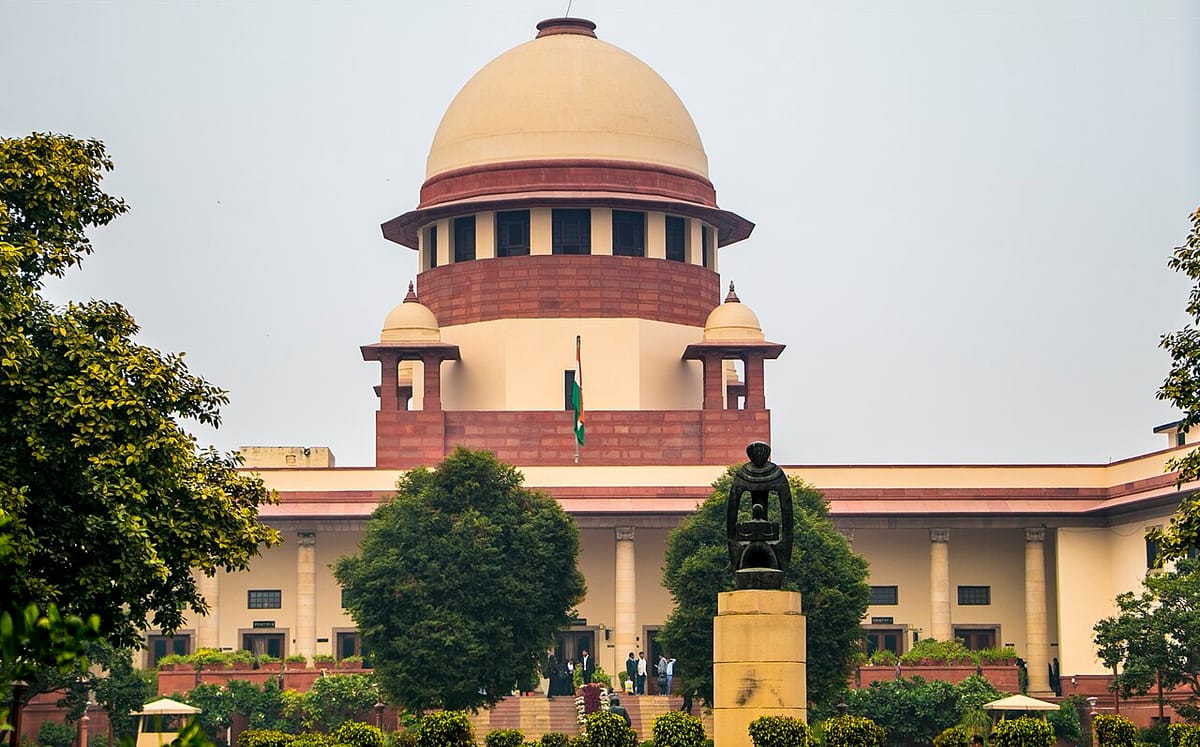
India has one single court system for the whole country. The Supreme Court is at the top, the High Courts are in the middle, and the subordinate (lower) courts are below them. The judiciary settles disputes, protects Fundamental Rights and checks that every law obeys the Constitution.
One ladder of courts
A single, integrated judiciary for central and state laws alike.
In the USA there are two separate court systems: federal courts and state courts. India did not copy this. Here the same courts hear cases under central laws and under state laws. This is called an integrated judiciary. It is a unitary feature in our federal Constitution.
So a case from a district court in Ludhiana goes up to the Punjab and Haryana High Court, and from there to the Supreme Court. One ladder, and the top court gives one meaning of the law for the whole country.
- TopSupreme CourtOne, at New Delhi. Its law binds all courts in India (Article 141).
- StateHigh Courts25 in all. Some serve more than one state or union territory.
- DistrictDistrict and Sessions CourtsThe highest court of a district. District Judge (civil) and Sessions Judge (criminal).
- TalukLower courtsCivil Judges and Judicial Magistrates, often sitting at the sub-division or taluk level. The lowest rung.
- 1774Supreme Court at Calcutta
Set up under the Regulating Act of 1773. The first such court in British India.
- 1862First High Courts
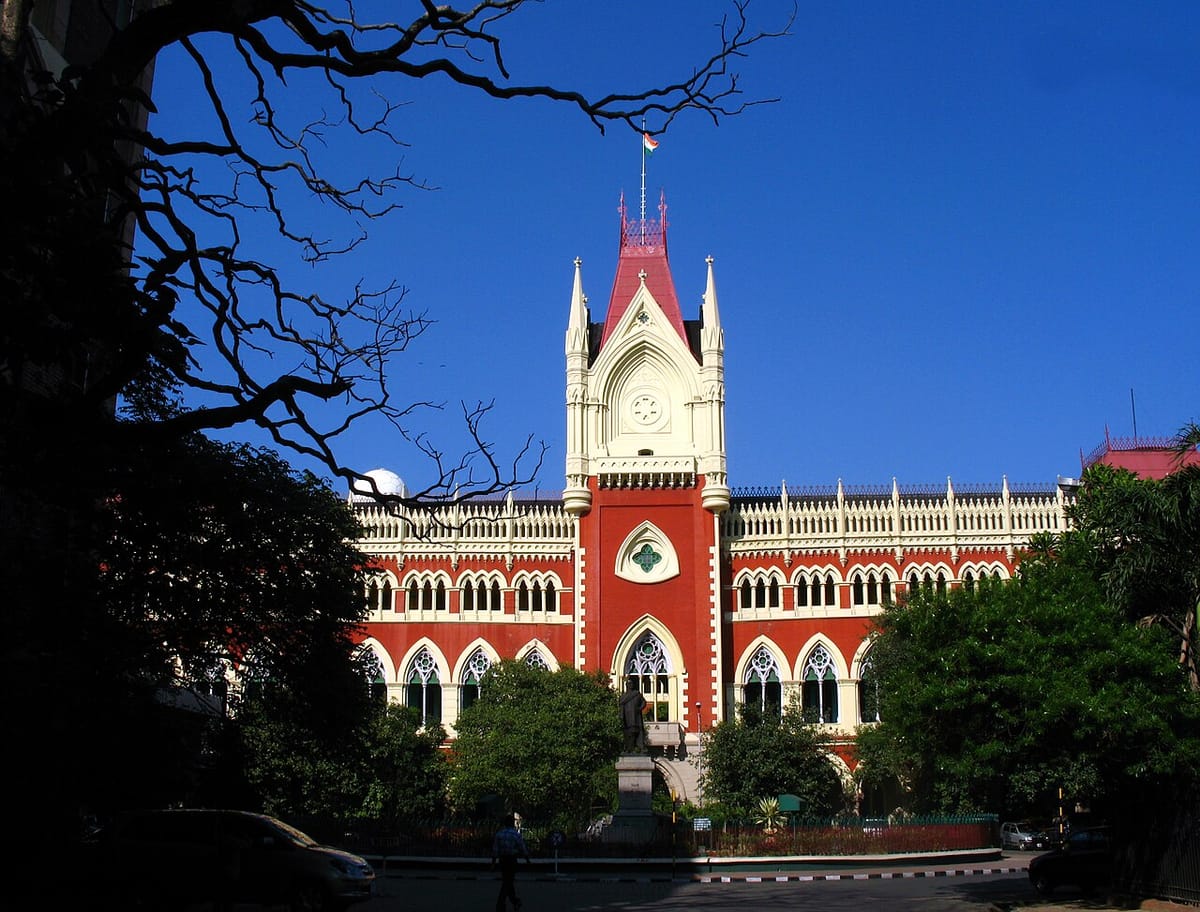
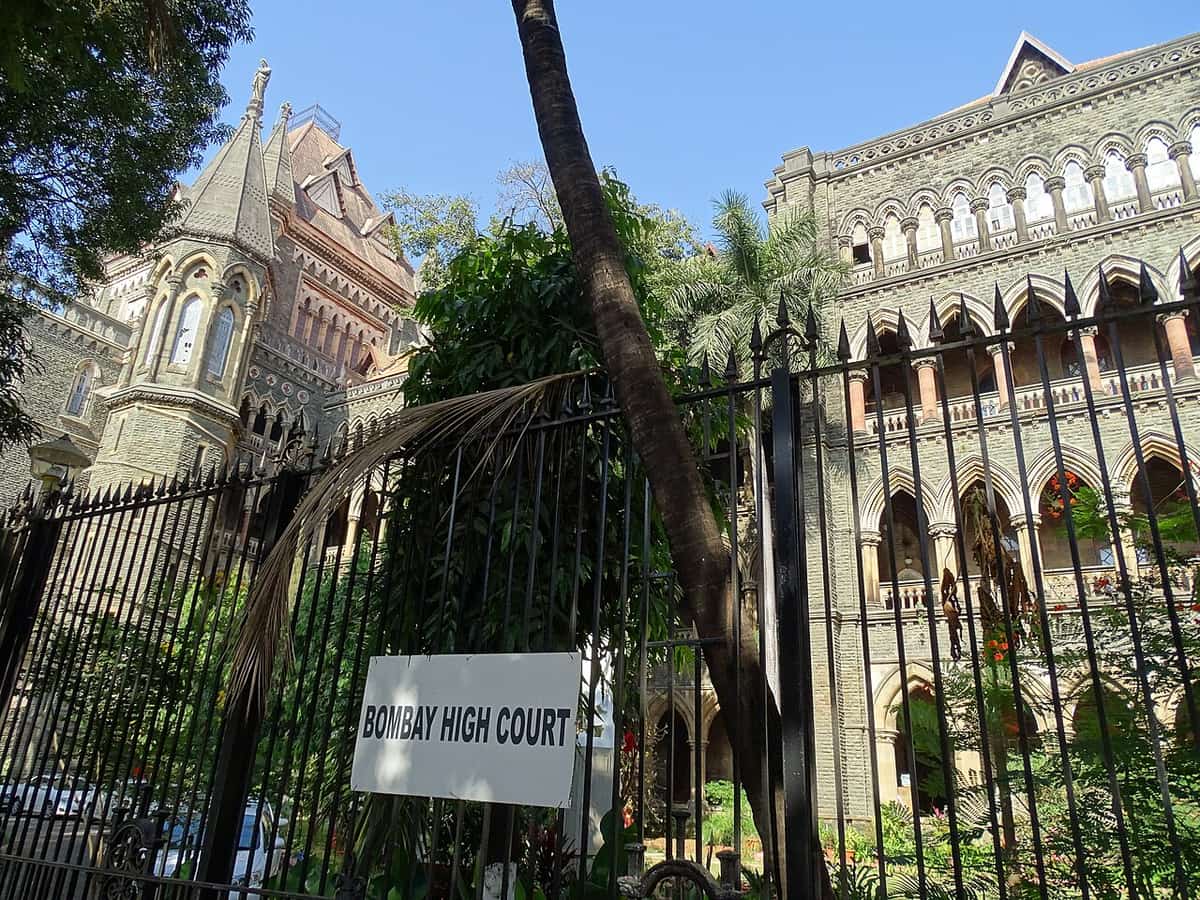
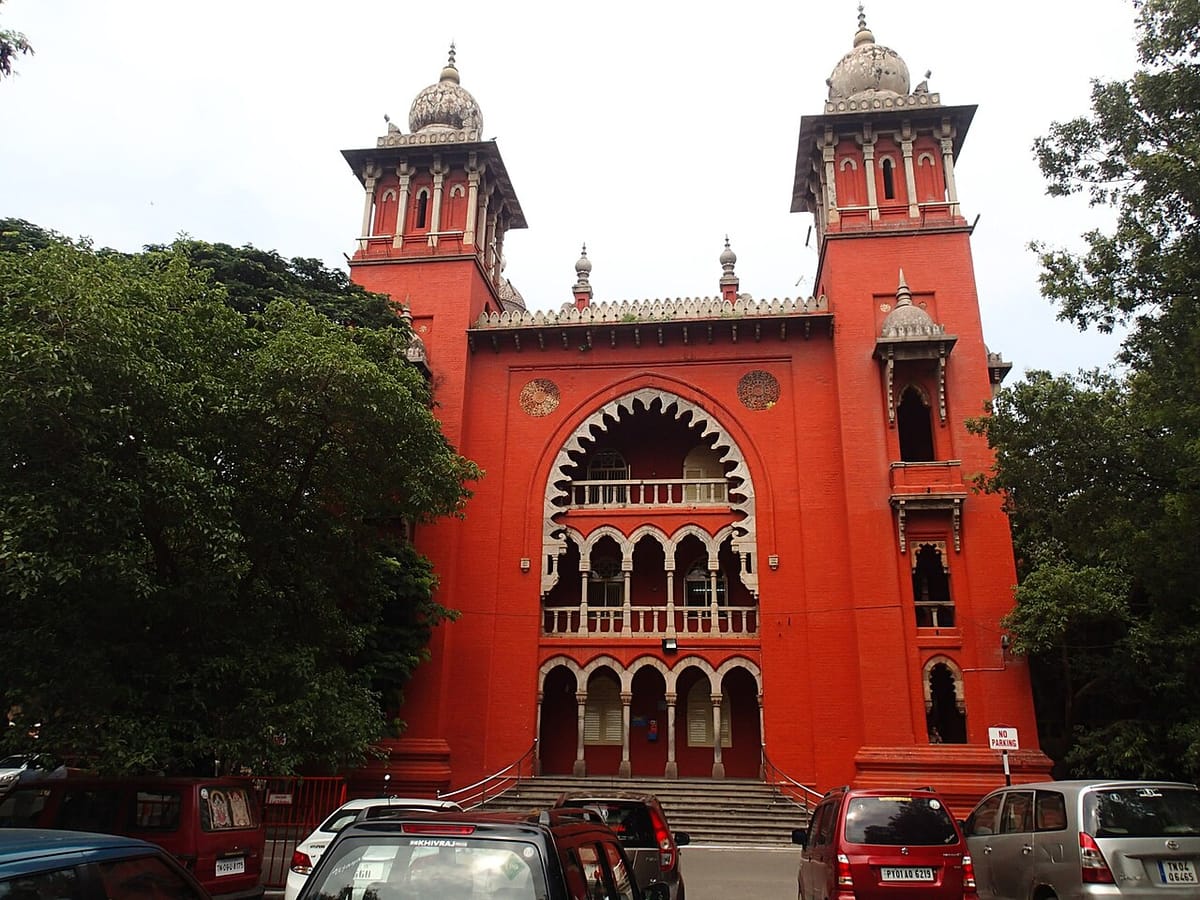
Calcutta, Bombay and Madras, under the Indian High Courts Act, 1861.
- 1937Federal Court
Set up under the Government of India Act, 1935. Final appeals still went to the Privy Council in London.
- 1949Privy Council appeals end
India stops sending appeals to London.
- 28 Jan 1950Supreme Court inaugurated
Two days after the Constitution came into force. It replaced the Federal Court.
- 1989First woman judge
Justice M. Fathima Beevi joins the Supreme Court.
- 2019Strength raised to 34
Parliament raised the number of judges by law. It began with 8 (Chief Justice + 7) in 1950.
First facts: H. J. Kania was the first Chief Justice of India. M. Fathima Beevi was the first woman judge of the Supreme Court (1989). Leila Seth was the first woman Chief Justice of a High Court (Himachal Pradesh, 1991).
Judges of the Supreme Court
Who they are, how they are chosen, and how hard it is to remove them.
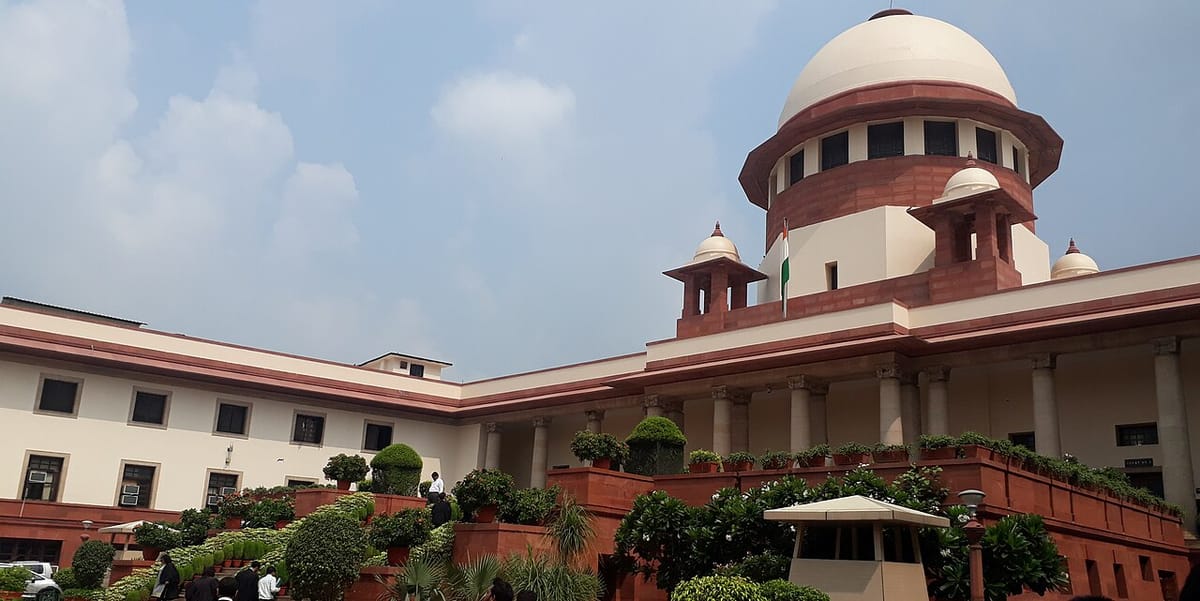
| Point | Supreme Court judge |
|---|---|
| Strength | 34 (Chief Justice + 33). Parliament fixes the number by ordinary law, not the Constitution. |
| Appointed by | The President (Article 124(2)). |
| Qualification | Citizen of India, and 5 years a High Court judge, or 10 years a High Court advocate, or a distinguished jurist in the President's opinion. |
| Minimum age | None is fixed. |
| Oath | Before the President, in the form in the Third Schedule. |
| Retires at | 65 years. Can resign earlier by writing to the President. |
| Salary | Charged on the Consolidated Fund of India (no vote of Parliament). Cannot be cut during the term, except in a Financial Emergency. |
| After retirement | Cannot plead or act in any court or before any authority in India. |
When the Chief Justice's post is empty or he is away, the President appoints another judge to act.
If there is no quorum, the Chief Justice, with the President's consent, can call a High Court judge to sit for a time.
The Chief Justice, with the President's consent, can ask a retired judge to sit again for a time.
Three articles about filling gaps on the bench.
Article 124 says the President appoints judges after consultation with judges. For thirty years courts argued over one word: does consultation mean the President can ignore the judges, or must he agree with them? Three cases, called the Judges Cases, gave the answer.
- 1981First Judges Case
Consultation does not mean agreement. The government had the upper hand.
- 1993Second Judges Case
Consultation means concurrence. The Chief Justice's view wins. The collegium begins.
- 1998Third Judges Case
A President's reference (Article 143). Collegium = Chief Justice + 4 senior-most judges for the Supreme Court.
- 201499th Amendment
Creates a National Judicial Appointments Commission (NJAC), chaired by the Chief Justice, with the Law Minister and two eminent persons.
- 2015NJAC struck down
The Court said it hurt the independence of the judiciary, part of the basic structure. The collegium came back.
A group of the Chief Justice of India and the four senior-most Supreme Court judges. It recommends names for appointment and transfer of judges. (For High Court judges the Chief Justice consults two senior-most colleagues.) The word collegium is not in the Constitution. It came from the Supreme Court's own judgments.
- Motion signedBy 100 Lok Sabha members or 50 Rajya Sabha members.
- Speaker or Chairman admits itThen forms a 3-member inquiry committee under the Judges (Inquiry) Act, 1968.
- Committee finds the charge provedOnly two grounds: proved misbehaviour or incapacity.
- Both Houses pass itSpecial majority in each House: majority of total members and two-thirds of those present and voting, in the same session.
- President orders removalA High Court judge is removed the same way.
What the Supreme Court can hear
Original, writ, appellate, special leave, advisory and review powers.
Jurisdiction means the kinds of cases a court may hear. Some cases start in the Supreme Court. Others come up to it on appeal. And in one case it only gives advice. Exams ask these by article number.
Disputes between the Centre and states, or between states. Only the Supreme Court can hear them, and they start there.
Any person can come straight here if a Fundamental Right is broken.
Appeals from High Courts in constitutional, civil and criminal cases.
May allow an appeal from any court or tribunal in India, except a court martial.
The President may ask its opinion on a question of law or fact of public importance.
It can review and correct its own judgments.
The six powers, with their articles.
Article 131 does not cover inter-state river water disputes. Under Article 262 these go to tribunals set up by Parliament. In advisory cases the Court may refuse to answer. It did so on the Ayodhya reference in 1994.
The Supreme Court's judgments are kept as a permanent record and are used as precedents. As a court of record it can also punish for contempt of itself. Article 215 gives the same status to every High Court. Two more powers often asked: Article 141 makes the law declared by the Supreme Court binding on all courts in India, and Article 142 lets it pass any order needed to do complete justice in a case.
High Courts and the writs
The top court of each state, and the orders it can issue.
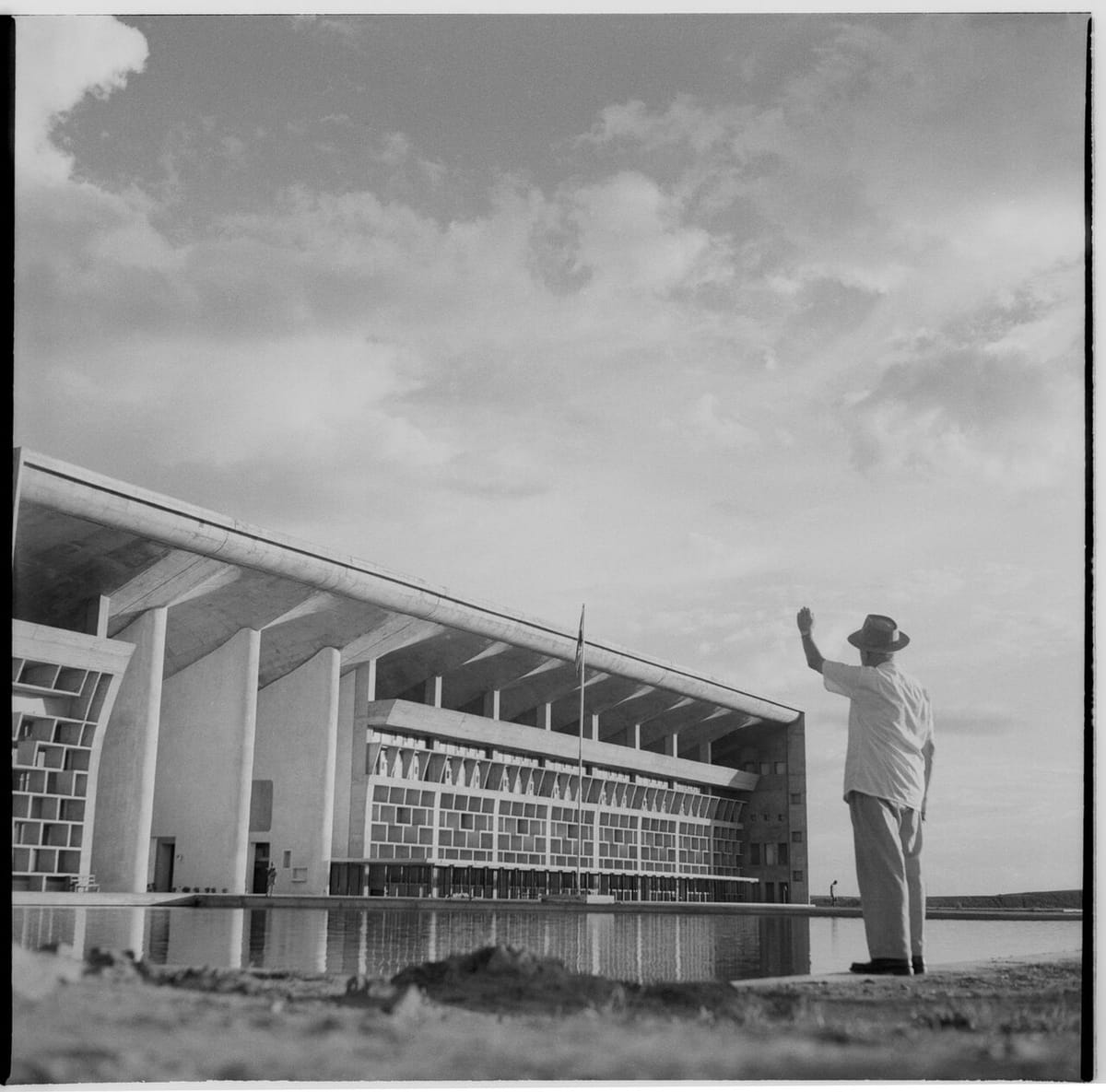
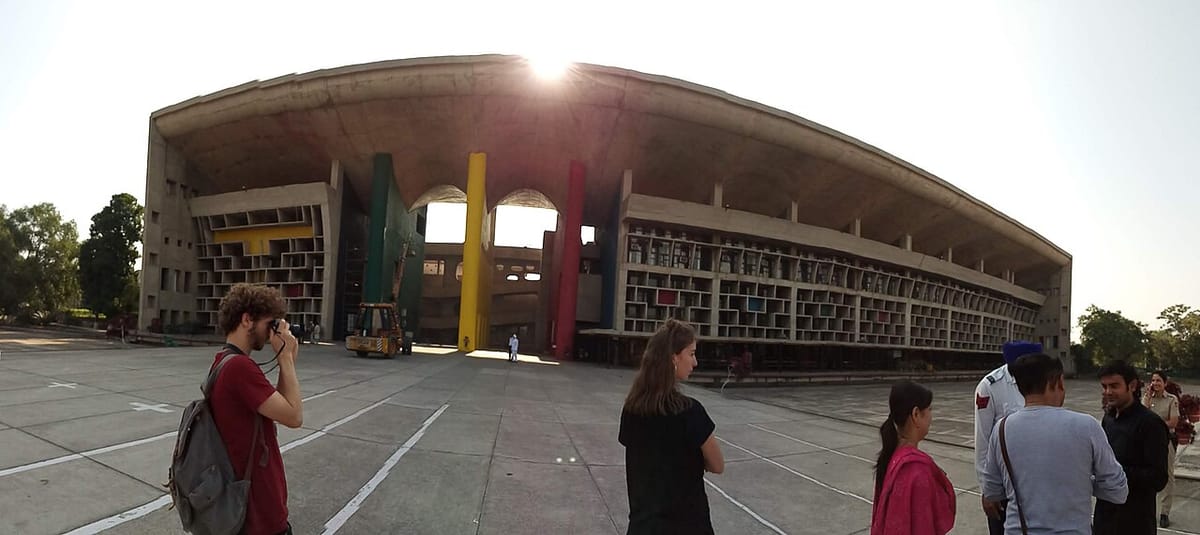
Article 214 says there shall be a High Court for each state. But Article 231 lets Parliament set up one common High Court for two or more states. Our own example is the Punjab and Haryana High Court at Chandigarh. It serves Punjab, Haryana and the Union Territory of Chandigarh.
| Point | High Court judge |
|---|---|
| Appointed by | The President, after consulting the Chief Justice of India, the Governor and the High Court's Chief Justice (Article 217). |
| Qualification | Citizen of India, and 10 years in a judicial office, or 10 years a High Court advocate. |
| Number | Not fixed by the Constitution. The President decides for each High Court. |
| Oath | Before the Governor (Article 219). |
| Retires at | 62 years. |
| Salary | Charged on the Consolidated Fund of the State. |
| Transfer | By the President after consulting the Chief Justice of India (Article 222). |
| Extra judges | Additional judges for up to 2 years to clear arrears, and acting judges (Article 224). |
| After retirement | May plead only in the Supreme Court and other High Courts (Article 220). |
| Writ | Literal meaning | Issued to |
|---|---|---|
| Habeas Corpus | "To have the body" | Free a person held unlawfully |
| Mandamus | "We command" | Make a public official or body do its legal duty |
| Prohibition | "To forbid" | Stop a lower court or tribunal going beyond its powers, while the case is on |
| Certiorari | "To be certified" | Quash an order a lower court has already passed |
| Quo Warranto | "By what authority?" | Ask a person to show his right to a public office |
Mandamus = Must do. Prohibition = Pause now. Quo warranto = Question the chair. Habeas corpus brings the body; certiorari cancels the order.
Lower courts, Lok Adalats, PIL and judicial review
Justice near home, and the power to test laws.
Below the High Court are the subordinate courts (Articles 233 to 237). The Governor appoints district judges in consultation with the High Court (Article 233). The High Court controls the lower courts: postings, promotions and leave (Article 235). Article 50, a Directive Principle, asks the State to keep the judiciary separate from the executive.
"People's court." Disputes are settled by talk and compromise. It works under the Legal Services Authorities Act, 1987. No court fee is paid, and if a pending case settles, the fee already paid is refunded. Its award is final: no appeal lies against it. Lok Adalats are run by legal services authorities headed by NALSA, a statutory (not constitutional) body that gives free legal aid under Article 39A.
Gram Nyayalayas (village courts) were set up by the Gram Nyayalayas Act, 2008, in force from 2 October 2009, to take justice to rural areas.
Normally only the person who is hurt can go to court. This rule is called locus standi. Public Interest Litigation (PIL) relaxed it. Now any public-spirited person can go to court for people who cannot go themselves: prisoners, bonded labourers, the very poor. The courts have even treated a letter or postcard as a petition.
The idea of PIL began in the United States (1960s). In India it grew from the late 1970s. The Hussainara Khatoon case (1979) on undertrial prisoners in Bihar is an early example. Justices P. N. Bhagwati and V. R. Krishna Iyer are most linked with it.
The power of the courts to test a law or a government order against the Constitution and declare it void if it breaks it. It keeps the separation of powers and checks and balances working. The idea came from the USA (Marbury v. Madison, 1803). In India it rests on Articles 13, 32 and 226. Kesavananda Bharati (1973) gave the basic structure rule, and L. Chandra Kumar (1997) held that judicial review itself is part of the basic structure.
Tribunals: Articles 323A and 323BTap to open
The 42nd Amendment (1976) added Part XIV-A, "Tribunals". It has only two articles. Tribunals are expert bodies that decide certain disputes faster than ordinary courts.
In L. Chandra Kumar (1997) the Supreme Court said tribunal decisions can be challenged first in the High Court (Articles 226 and 227), and only then in the Supreme Court. The National Green Tribunal (2010) is a statutory tribunal for environment cases.
Everything on one look
Articles, numbers, cases and the traps examiners set.
- Article 124
- Supreme Court set up; appointment and removal of judges.
- Article 126
- Acting Chief Justice, appointed by the President.
- Article 129
- Supreme Court is a court of record; can punish for contempt.
- Article 131
- Original jurisdiction: Centre–state and inter-state disputes.
- Article 136
- Special leave to appeal from any court or tribunal (not a court martial).
- Article 141
- Supreme Court's law binds all courts in India.
- Article 142
- Orders to do complete justice.
- Article 143
- Advisory opinion asked by the President.
- Article 214
- A High Court for each state.
- Article 219
- High Court judges take oath before the Governor.
- Article 226
- High Court writs, for FRs and any other purpose.
- Article 227
- High Court superintendence over lower courts and tribunals.
- Article 231
- Common High Court for two or more states.
- Article 233
- District judges appointed by the Governor, consulting the High Court.
- Supreme Court: Articles 124–147, Part V
- High Courts: Articles 214–231, Part VI
- 34 SC judges; 8 in 1950
- Retirement: 65 (SC), 62 (HC)
- Collegium: CJI + 4 senior-most judges
- Removal motion: 100 Lok Sabha or 50 Rajya Sabha members
- 25 High Courts; first three in 1862
- 1981 / 1993 / 1998: the three Judges Cases
- 99th Amendment (2014): NJAC; struck down 2015
- Kesavananda Bharati (1973): basic structure
- L. Chandra Kumar (1997): judicial review is basic structure
- 42nd Amendment (1976): tribunals, Articles 323A and 323B
- Hussainara Khatoon (1979): early PIL
- The number of SC judges is fixed by Parliament, not by the Constitution or the President.
- SC judges retire at 65; High Court judges at 62.
- The collegium is not in the Constitution. It came from the 1993 judgment.
- Centre–state disputes are original jurisdiction (131), not advisory or appellate.
- Article 143 advice is not binding, and the Court may refuse to give it.
- Article 226 (HC) is wider than Article 32 (SC), but only Article 32 is itself a Fundamental Right.
- High Court judges take oath before the Governor, but are appointed and removed by the President.
- Lok Adalat: no court fee and no appeal against its award.
- NALSA is a statutory body, not a constitutional one.
- No judge has ever been removed by impeachment in India.
- Integrated judiciary: one ladder for all laws
- Supreme Court inaugurated: 28 January 1950
- First Chief Justice: H. J. Kania
- First woman SC judge: M. Fathima Beevi, 1989
- Lowest rung: taluk / sub-divisional courts
- SC judge oath: before the President
- HC judge oath: before the Governor (Art 219)
- SC salaries: Consolidated Fund of India
- Biggest bench: 13 judges, Kesavananda Bharati
- Constitution Bench: at least 5 judges
- Supreme Court at Calcutta: Regulating Act 1773
- Punjab and Haryana HC: Chandigarh, common court
- Quo warranto: "by what authority"
- Mandamus: "we command"
- PIL idea: from the USA
- Judicial review idea: from the USA
Punjab and Haryana go to the Supreme Court over sharing river water, and separately the Punjab Government quarrels with the Centre over a grant. Which of these two disputes can start directly in the Supreme Court, and under which article?
Show answer
The Centre–state dispute can start directly in the Supreme Court under Article 131 (original jurisdiction). An inter-state river water dispute is kept out of Article 131: under Article 262 Parliament sends such disputes to a tribunal.