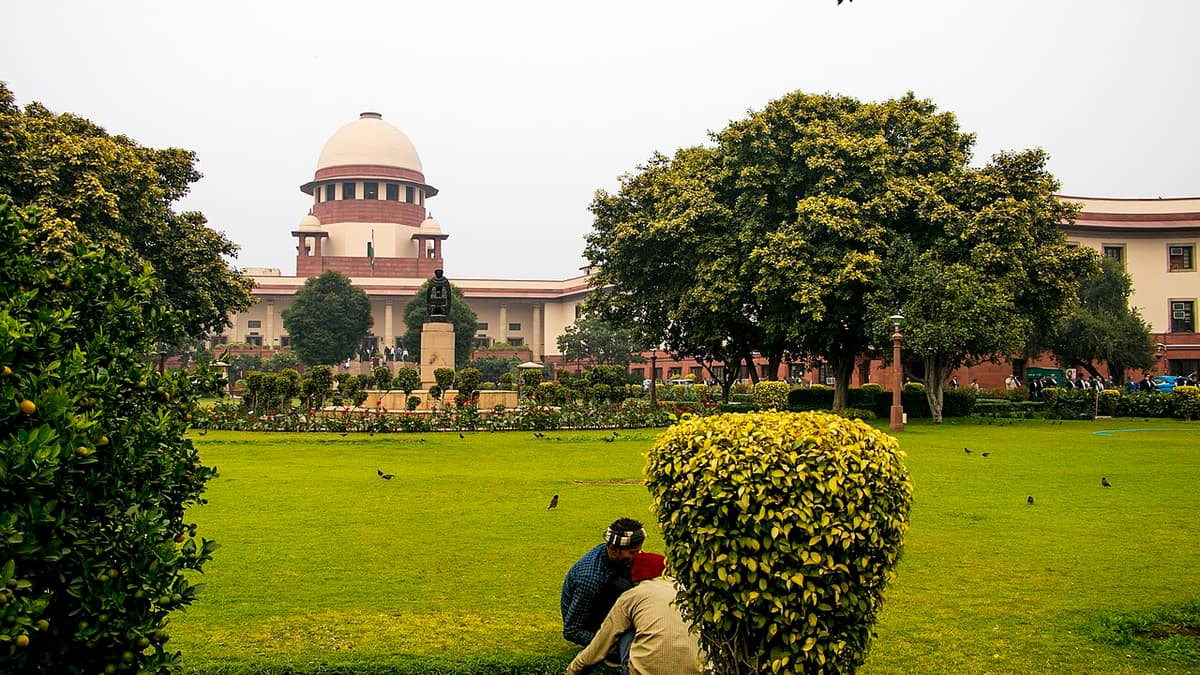
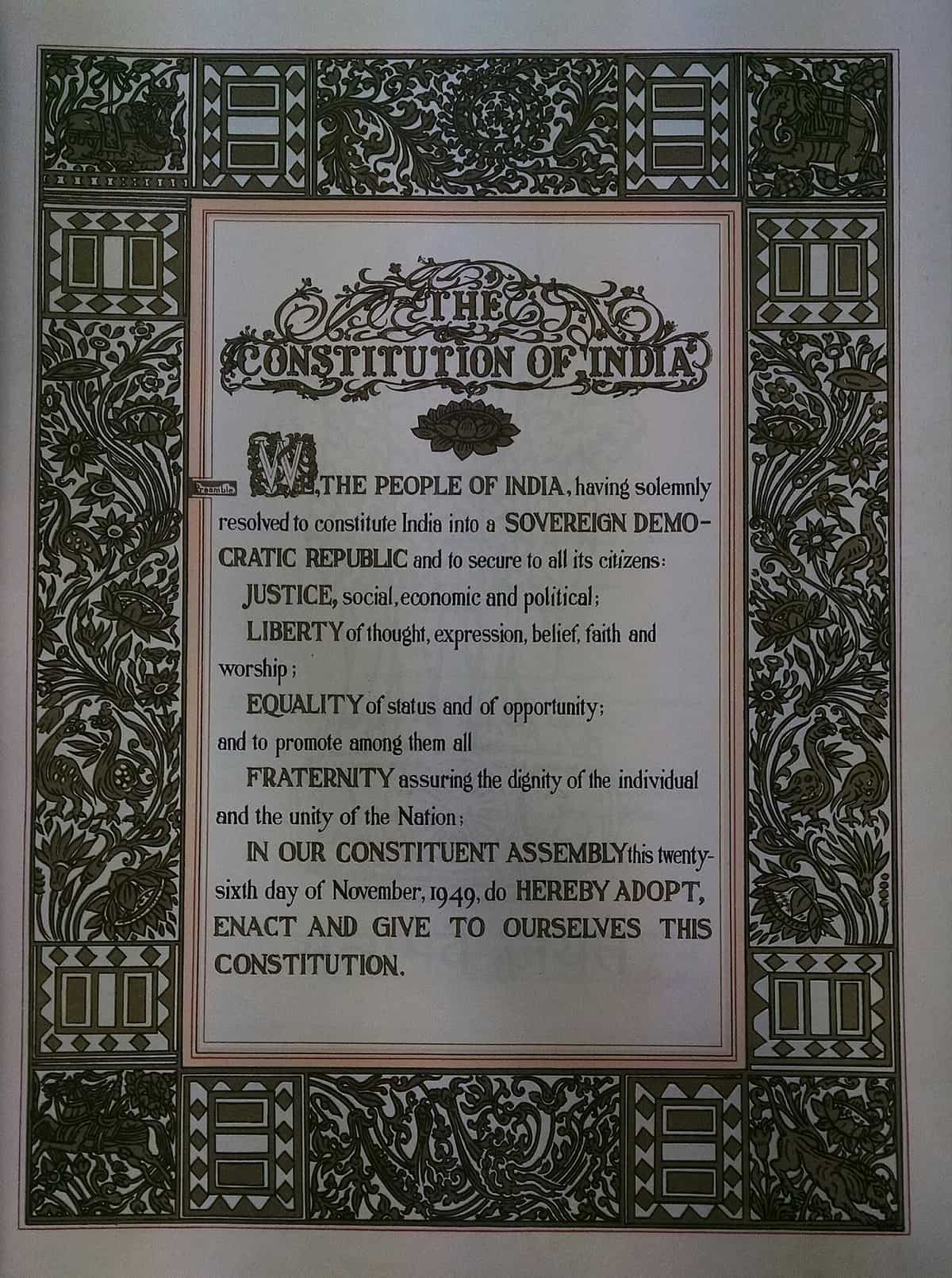
The Right to Equality is the first Fundamental Right. It covers Articles 14 to 18. Article 14 gives the general promise: the law treats people equally. Articles 15 to 18 apply it to four problems India faced in 1950: discrimination, government jobs, untouchability and titles.
Article 14: equality before law
Two ideas in one article, and when treating people differently is allowed.
| Article | What it says |
|---|---|
| 14 | Equality before law and equal protection of the laws for every person. |
| 15 | No discrimination against citizens on religion, race, caste, sex or place of birth. |
| 16 | Equal opportunity for citizens in government jobs. |
| 17 | Untouchability is abolished; practising it is a crime. |
| 18 | Titles are abolished, except military and academic ones. |
Article 14 says the State shall not deny to any person "equality before the law or the equal protection of the laws". The word is person, not citizen. So it protects foreigners and companies too. Articles 15 and 16 protect citizens only.
Treating everyone identically is not always fair. So the State may put people into groups, like lower tax for low incomes. But the grouping must pass two tests. One: an intelligible differentia, a real difference between the groups. Two: a rational nexus, a logical link with the aim of the law. A tax law may group by income, never by religion.
In E. P. Royappa (1974) the Supreme Court said equality is the opposite of arbitrariness. Any State action that is arbitrary or unreasonable breaks Article 14, even with no grouping involved. Maneka Gandhi (1978) joined this idea to Article 21: a procedure that takes away liberty must be fair, just and reasonable.
Exceptions to Article 14Tap to open
- Article 361: no criminal case can be started against the President or a Governor while in office.
- Articles 105 and 194: MPs and MLAs cannot be sued for what they say in the House.
- Foreign rulers and diplomats are immune from Indian courts under international law.
- Article 31C: laws made to carry out Directive Principles in Article 39(b) and (c) cannot be struck down for breaking Article 14.
- During an Emergency, the President may suspend court enforcement of Article 14 under Article 359.
Article 15: no discrimination
Five grounds only, and the special provisions that are allowed.
Article 15 stops the State from discriminating against a citizen on grounds only of religion, race, caste, sex or place of birth. The word only matters. The State may still treat people differently for some other valid reason, like marks in an exam.
R-R-C-S-P: Religion, Race, Caste, Sex, Place of birth. Article 16 adds two more for jobs: Descent and Residence.
| Clause | What it does |
|---|---|
| 15(1) | The State shall not discriminate on the five grounds. |
| 15(2) | No one, State or private, may block access to shops, hotels, restaurants, cinemas, or to wells, tanks, bathing ghats and roads meant for the public. |
| 15(3) | Special provisions for women and children are allowed. |
| 15(4) | Special provisions for backward classes, SCs and STs. Added by the 1st Amendment, 1951. |
| 15(5) | Reservation in admissions, even in private colleges, except minority institutions. Added by the 93rd Amendment, 2005. |
| 15(6) | Up to 10% for economically weaker sections (EWS). Added by the 103rd Amendment, 2019. |
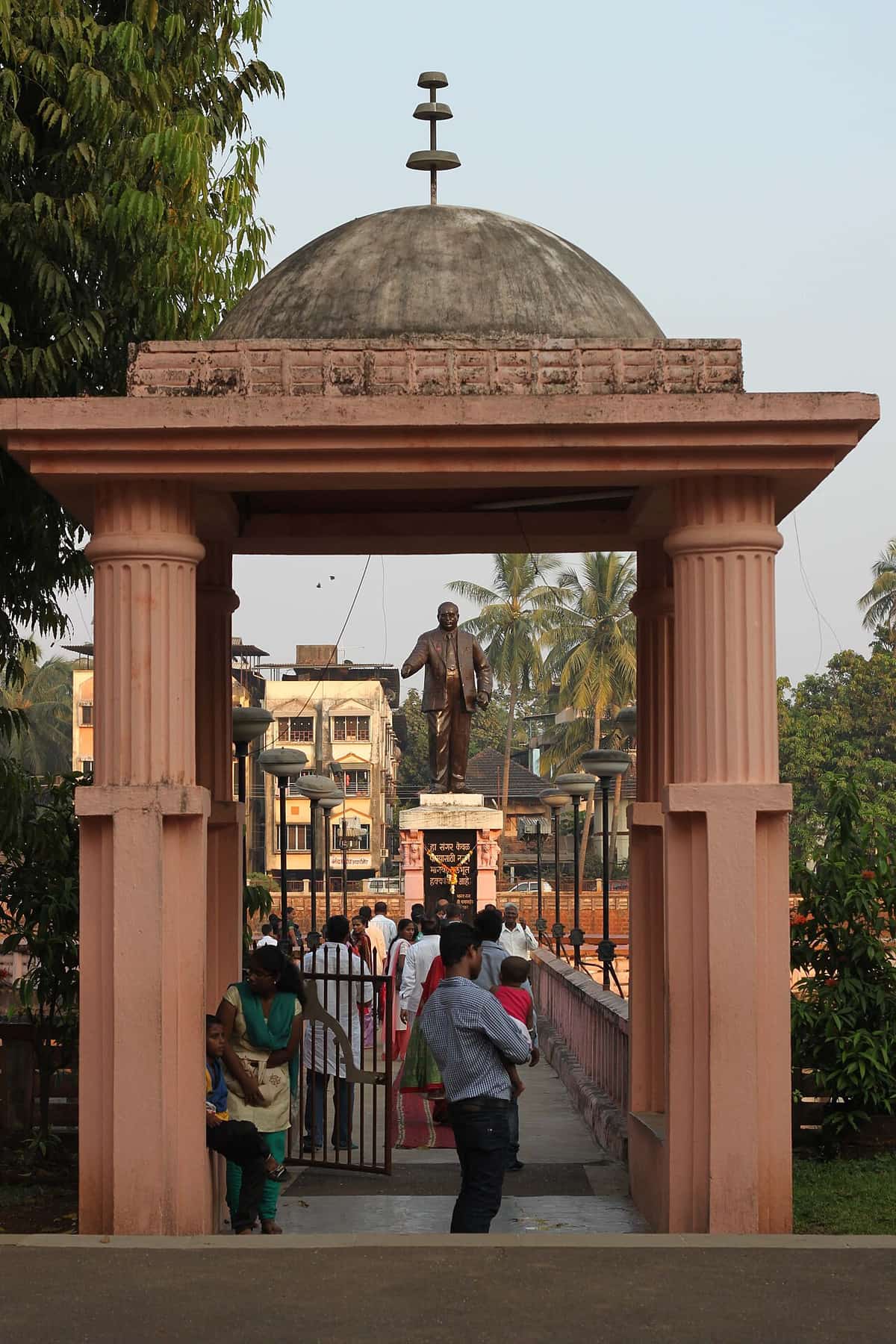
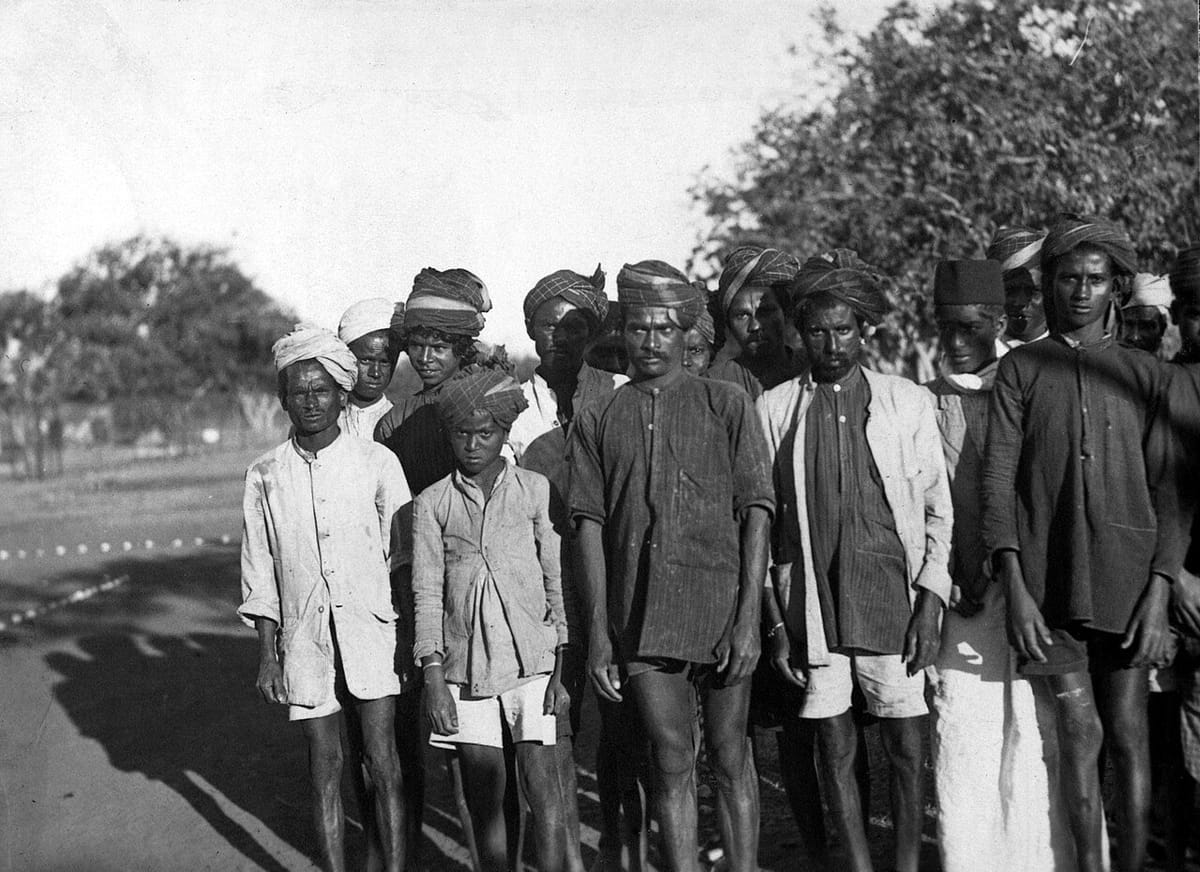
Most Fundamental Rights are only against the State. Article 15(2) also binds private people: a shopkeeper or hotel owner cannot refuse you because of your caste or religion. Article 17 (untouchability) and Article 23 (forced labour) also work against private persons.
15(4) was the first amendment to Part III. In Champakam Dorairajan (1951) the Supreme Court struck down caste quotas in Madras college admissions. Parliament replied with the 1st Amendment (1951), adding Article 15(4).
Article 16 and reservation
Equal chance in government jobs, the reservation clauses, and the cases behind them.
| Clause | What it does |
|---|---|
| 16(1) | Equal opportunity for all citizens in government jobs. |
| 16(2) | No discrimination on the seven grounds. |
| 16(3) | Only Parliament may make residence a condition for certain jobs in a state. |
| 16(4) | Reservation for backward classes not adequately represented in government service. |
| 16(4A) | Reservation in promotions for SCs and STs. 77th Amendment, 1995. |
| 16(4B) | Unfilled reserved posts carried forward are counted separately from the 50% limit. 81st Amendment, 2000. |
| 16(5) | Posts in a religious institution may be kept for people of that religion. |
| 16(6) | Up to 10% EWS reservation in jobs. 103rd Amendment, 2019. |
Also called the Mandal case, decided by nine judges. It upheld 27% reservation for OBCs in central jobs, with these rules: total reservation should not cross 50% except in extraordinary cases; the creamy layer (better-off OBCs) must be left out; backwardness cannot be judged by income alone; and there should be no reservation in promotions. Parliament later allowed promotion quotas for SCs and STs by the 77th Amendment.
- 1953Kaka Kalelkar CommissionThe first Backward Classes Commission.
- 1979–80Mandal CommissionSecond commission, headed by B. P. Mandal. Its 1980 report asked for 27% for OBCs.
- 1990Report implementedThe V. P. Singh government announced 27% OBC reservation in central jobs.
- 1992Indra Sawhney judgmentUpheld, with the 50% limit and creamy layer exclusion.
- 2018102nd AmendmentNational Commission for Backward Classes became a constitutional body (Article 338B).
Creamy layer: children of better-off OBC families, such as those of constitutional post holders, senior officers, and families above an income limit (now ₹8 lakh a year, revised from time to time), do not get OBC reservation. EWS: up to 10% for poor people not covered by SC, ST or OBC quotas. The Supreme Court upheld it in Janhit Abhiyan (2022) by 3 to 2.
- 19511st Amendment
15(4): special provisions for backward classes, SCs and STs.
- 199577th Amendment
16(4A): reservation in promotions for SCs and STs.
- 200081st Amendment
16(4B): carried-forward backlog posts kept outside the 50% limit.
- 200185th Amendment
Consequential seniority for SCs and STs promoted through reservation.
- 200593rd Amendment
15(5): reservation in admissions, including private colleges (not minority ones).
- 2019103rd Amendment
15(6) and 16(6): up to 10% EWS reservation.
- Champakam Dorairajan (1951)
- Caste quotas in college admissions struck down. Led to the 1st Amendment and Article 15(4).
- E. P. Royappa (1974)
- Equality is the opposite of arbitrariness.
- Indra Sawhney (1992)
- OBC 27% upheld; 50% limit; creamy layer out; no promotion quota.
- M. Nagaraj (2006)
- Upheld the 77th, 81st, 82nd and 85th Amendments, but the State must show data on backwardness and representation.
- Janhit Abhiyan (2022)
- EWS reservation (103rd Amendment) upheld, 3 to 2.
- State of Punjab v. Davinder Singh (2024)
- Seven judges: states may sub-classify Scheduled Castes, for example giving a share within the SC quota to the most backward SC groups.
Articles 17 and 18: untouchability and titles
Two short articles that ended old forms of inequality.
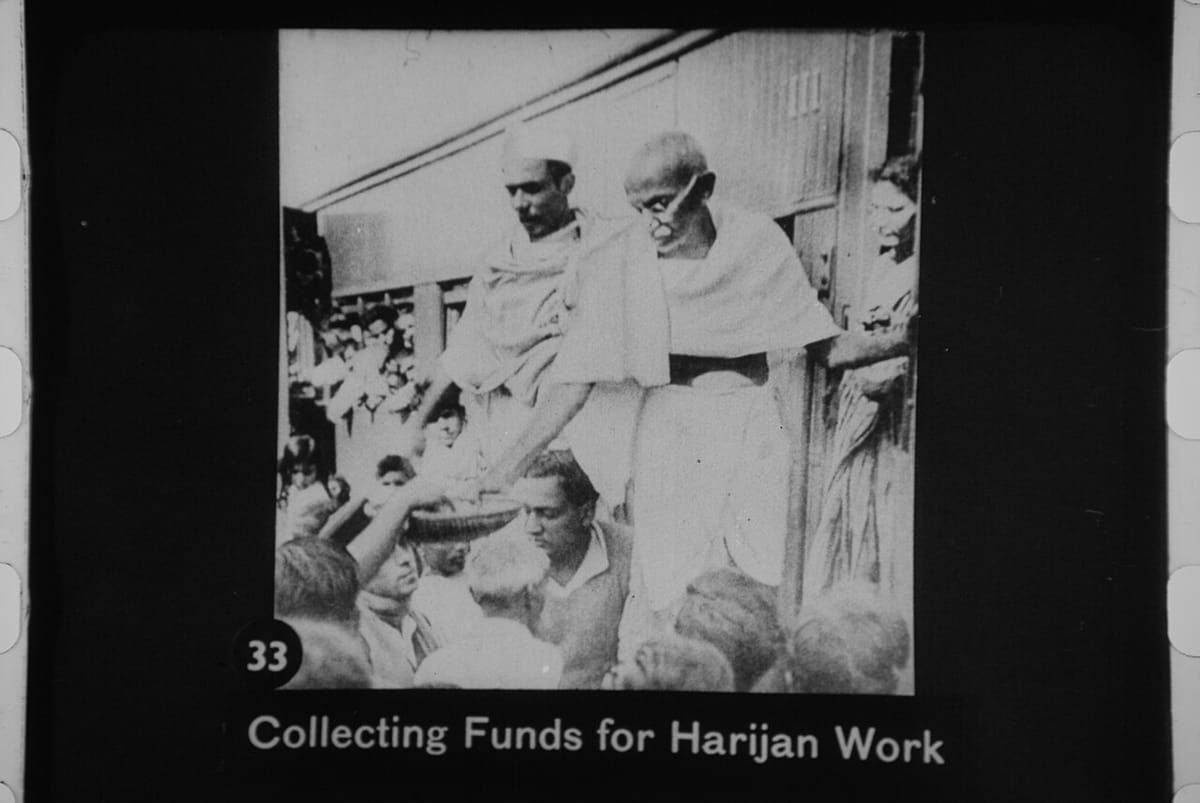
Article 17 says: "Untouchability" is abolished and its practice in any form is forbidden. Enforcing any disability arising out of untouchability is an offence punishable by law. It has no exceptions, and it binds private persons too.
First law to punish untouchability.
The 1955 Act was made stricter and renamed in 1976.
Tough punishment and special courts for crimes against SCs and STs.
The laws that give Article 17 its teeth. Under Article 35, only Parliament can make laws punishing untouchability.
The Constitution does not define untouchability. The Supreme Court has said it means the practice as it grew historically in India, not any literal "not touching".
| Clause | What it says |
|---|---|
| 18(1) | The State gives no title, except military or academic distinctions. |
| 18(2) | No citizen may accept a title from a foreign State. |
| 18(3) | A foreigner holding a government office of profit or trust needs the President's consent to accept a foreign title. |
| 18(4) | No one holding such an office may accept a gift, payment or office from a foreign State without the President's consent. |
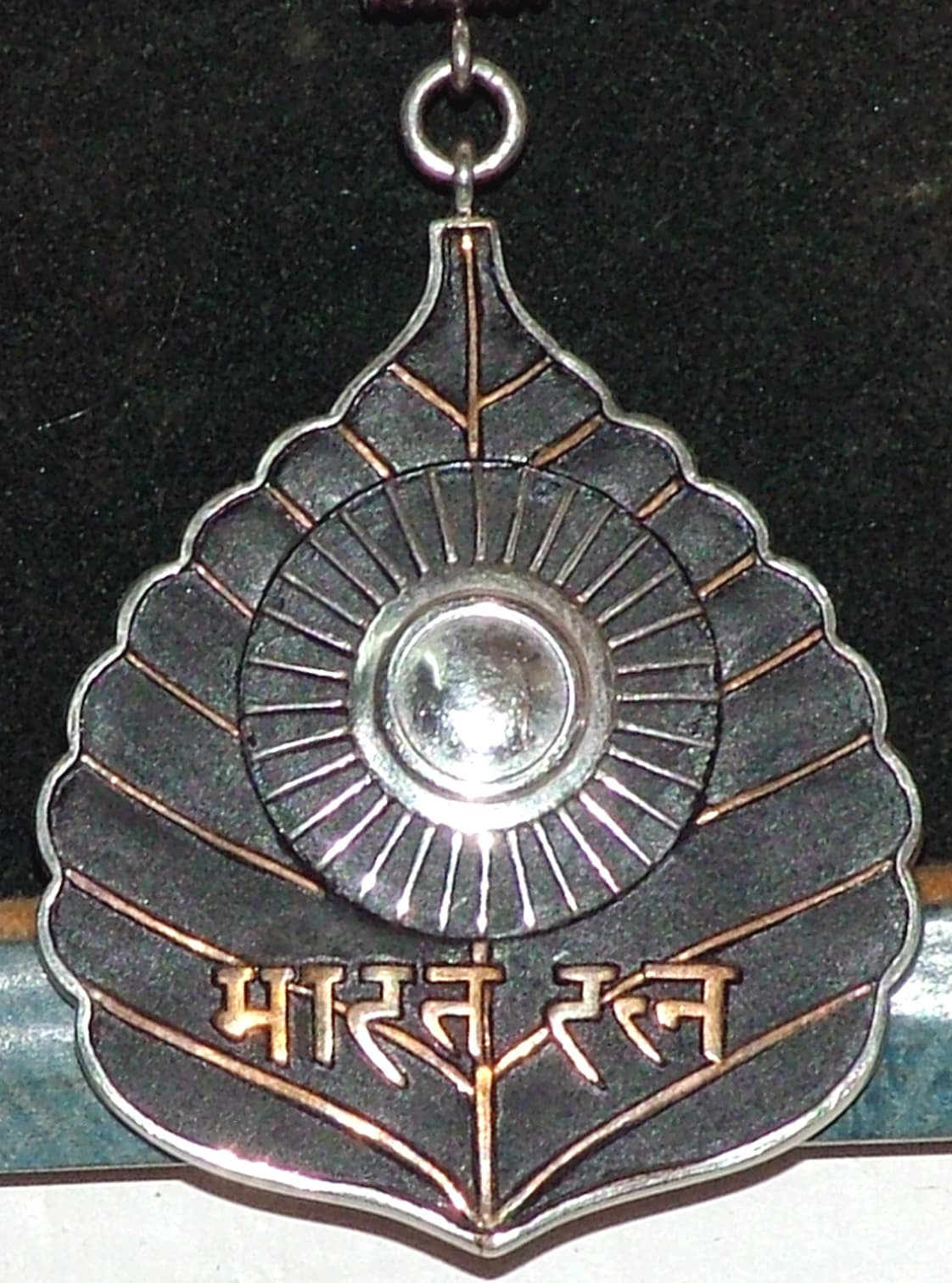
No. In the Balaji Raghavan case (1995), the Supreme Court held these awards only recognise merit; they do not create a rank. So they do not break Article 18. But writing "Padma Shri" or "Bharat Ratna" as part of your name is not allowed. Old British titles like Rai Bahadur or Sir are what Article 18 ended.
Everything on one look
Articles, grounds, amendments and cases to remember.
- Right to Equality: Articles 14 to 18
- Article 15: 5 grounds; Article 16: 7
- Reservation limit: 50% (Indra Sawhney)
- OBC share: 27% (Mandal)
- EWS: up to 10% (103rd)
- Indra Sawhney bench: 9 judges
- 1st (1951): 15(4) backward classes
- 77th (1995): promotions, 16(4A)
- 93rd (2005): admissions, 15(5)
- 103rd (2019): EWS, 15(6), 16(6)
- Royappa (1974): no arbitrariness
- Balaji Raghavan (1995): awards not titles
- Article 14 is for every person, foreigners too; Articles 15 and 16 are for citizens only.
- Equality before law = Britain; equal protection of laws = USA.
- Article 16 adds descent and residence to Article 15's five grounds.
- Only Parliament, not a state, can make residence a job condition (16(3)).
- 15(2), 17 and 23 work against private persons as well.
- Untouchability is in Article 17; titles are in Article 18.
- The Protection of Civil Rights Act is the 1955 Act renamed in 1976.
- Bharat Ratna and Padma awards are not titles, but cannot be used with a name.
- Creamy layer came from Indra Sawhney (1992), not from the Mandal report.
- EWS quota is for those not covered by SC, ST or OBC reservation.
- Equality before law: Article 14
- Rule of law: from Britain (A. V. Dicey)
- Equal protection of laws: from USA
- Arbitrariness test: E. P. Royappa, 1974
- No discrimination: Article 15
- Access to shops, wells, tanks: Article 15(2)
- Women and children: Article 15(3)
- Government jobs: Article 16
- Promotion quota for SC/ST: Article 16(4A)
- SC/ST claims in services: Article 335
- Mandal Commission: B. P. Mandal, 1979–80
- 50% limit, creamy layer: Indra Sawhney, 1992
- EWS upheld: Janhit Abhiyan, 2022
- SC sub-classification allowed: Davinder Singh, 2024
- Untouchability abolished: Article 17
- Titles abolished: Article 18
A Punjab government notice says only people born in Punjab may apply for a clerk's post in the state secretariat. Is this allowed under Article 16?
Show answer
No. Place of birth is one of the seven banned grounds in Article 16(2). Residence can be made a condition only by a law of Parliament under Article 16(3), not by a state notice.