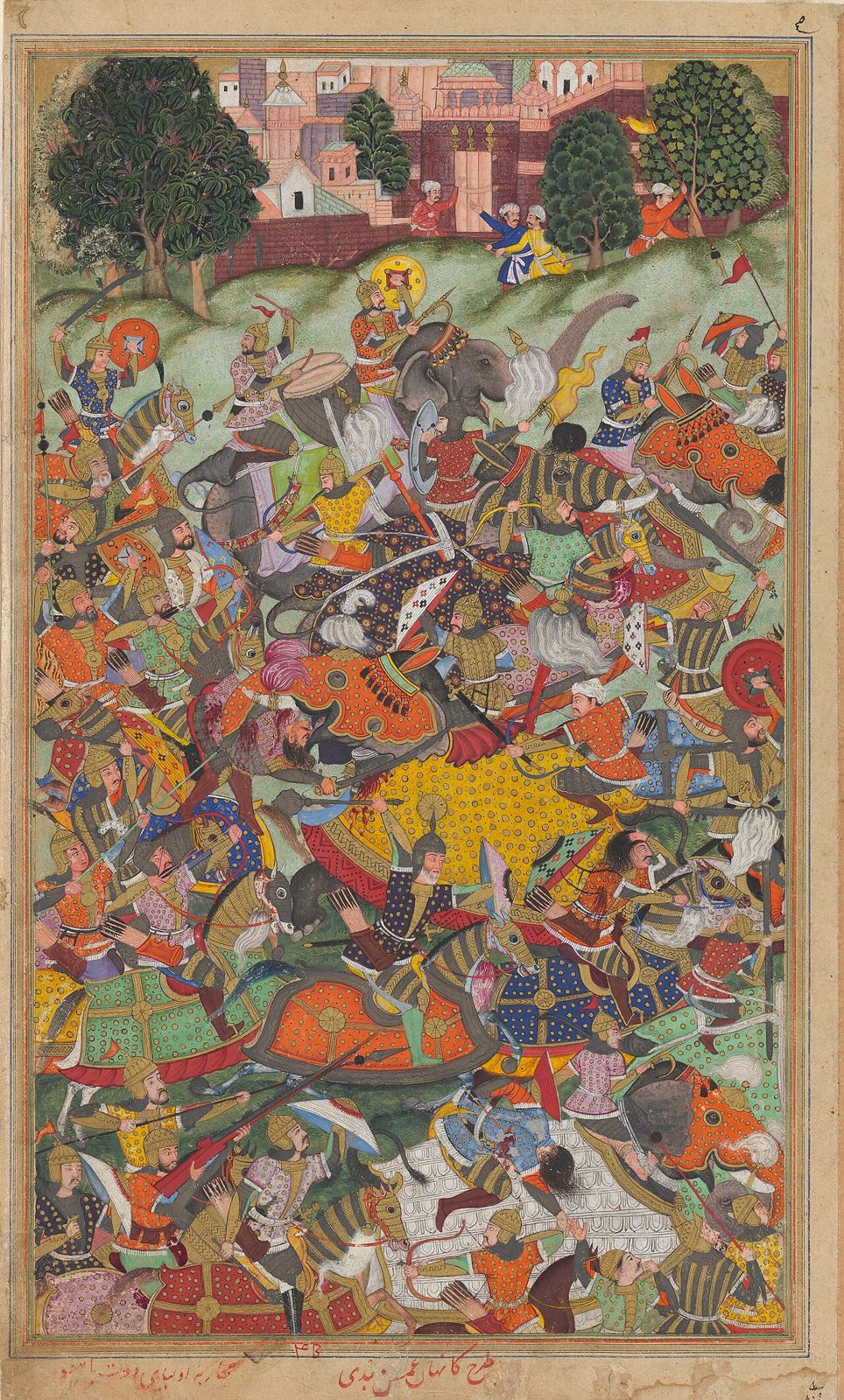
A boy king (1556). When Humayun died, his son Akbar was only 13, campaigning in Punjab with his guardian Bairam Khan. He was crowned at Kalanaur (in today's Gurdaspur district, Punjab) in February 1556. Within months Hemu — the Hindu general and minister of the Sur Sultan Adil Shah, who had won many battles, taken Delhi and Agra, and called himself Raja Vikramaditya — marched against the Mughals. At the Second Battle of Panipat (5 November 1556) Hemu was winning until an arrow struck his eye; he fell unconscious in his howdah, his army broke, and he was captured and killed.
Bairam Khan's regency (1556–1560). Bairam Khan ran the empire for four years. In 1560 Akbar dismissed him and sent him on pilgrimage to Mecca; he was murdered on the way, at Patan in Gujarat (1561). For a short time Akbar's foster-mother Maham Anga and her son Adham Khan had great influence — historians call it the 'petticoat government' — until Akbar took full control in 1562.
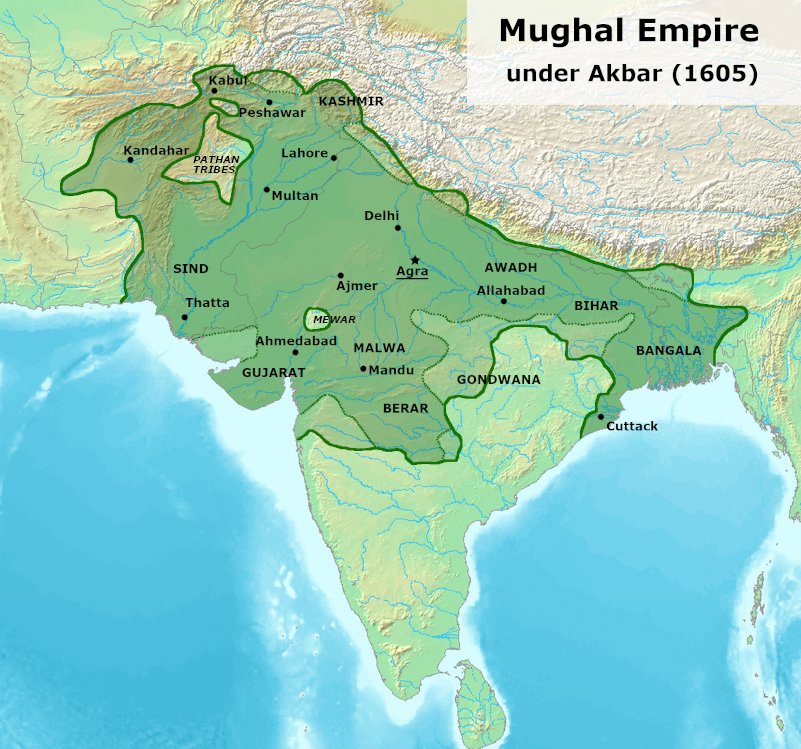
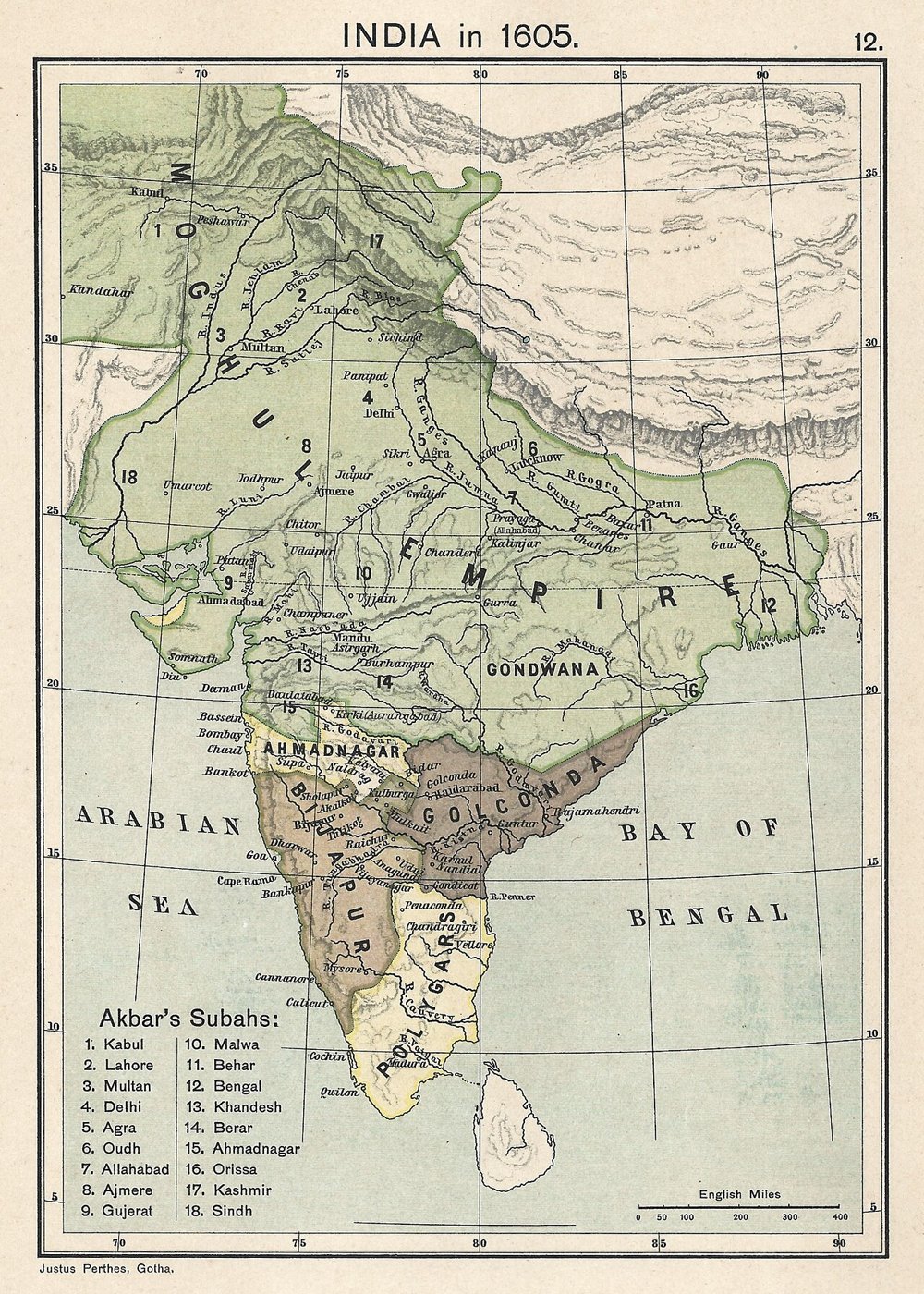
Conquests. Akbar spent forty years enlarging the empire:
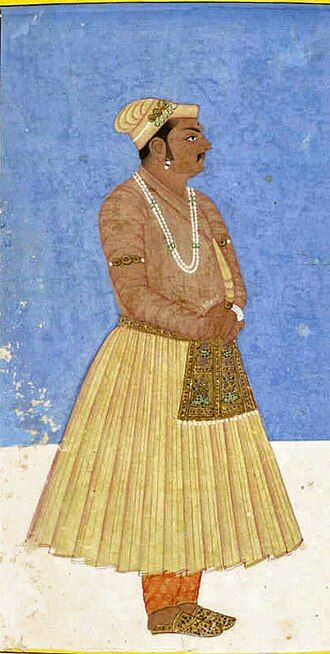
- Malwa (1561) from Baz Bahadur; Gondwana (1564), where Queen Rani Durgavati died fighting.
- Chittor (1568) — after a long siege in which the Rajput commanders Jaimal and Patta died; then Ranthambore and Kalinjar (1569).
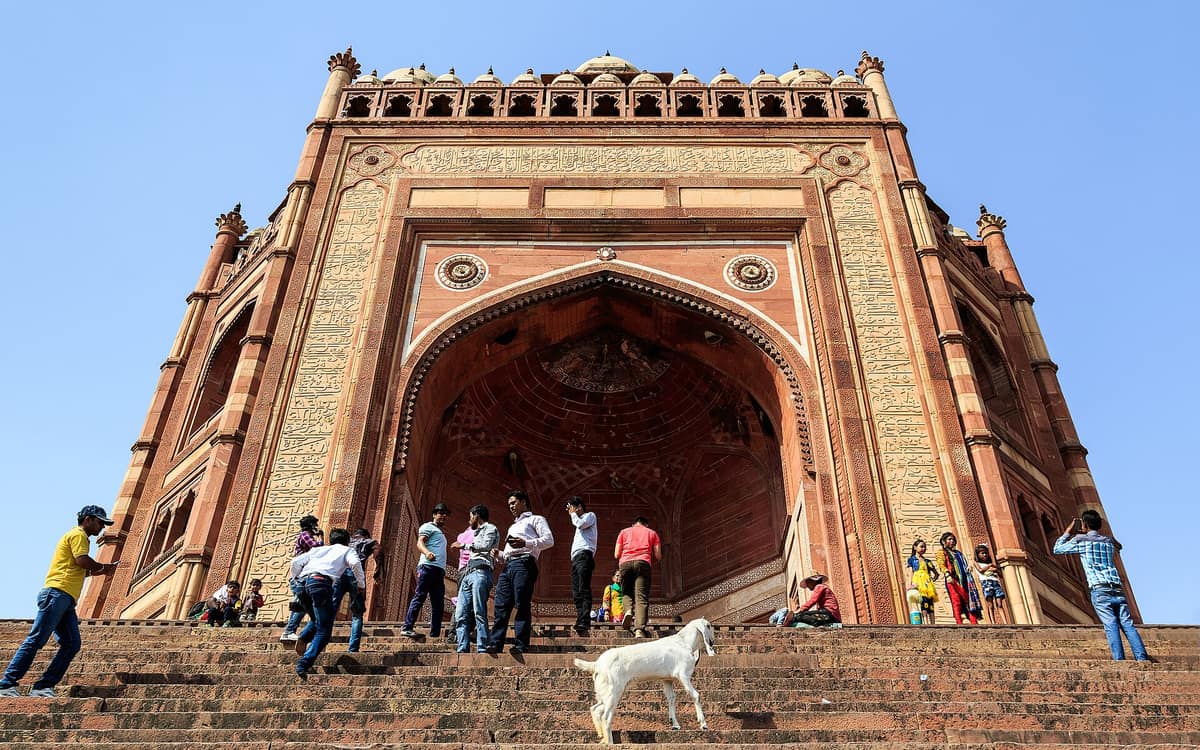
- Gujarat (1572–73) — including the port of Surat; the Buland Darwaza at Fatehpur Sikri celebrates this victory.
- Bengal and Bihar (1574–76) — from the Afghan Daud Khan Karrani.
- Kabul (1581), Kashmir (1586), Sindh (1591), Kandahar (1595).
- The Deccan — Ahmadnagar (1600), bravely defended by Chand Bibi, and the great fort of Asirgarh (1601), his last conquest.
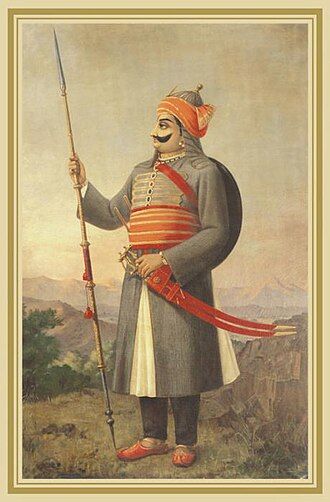
Mewar never surrendered. At Haldighati (18 June 1576) a Mughal army led by Raja Man Singh of Amber fought Maharana Pratap of Mewar. The Mughals held the field, but Pratap escaped on his horse Chetak and carried on a long hill war; before his death in 1597 he had won back most of Mewar except Chittor.
The Rajput alliance. Akbar understood that he could not rule India with Turks and Persians alone. In 1562 he married the daughter of Raja Bharmal of Amber (Jaipur), and over the years several Rajput houses — Amber, Bikaner, Jaisalmer, Marwar — joined the empire through marriage and service. Rajput princes such as Man Singh and Bhagwant Das became top commanders. He abolished the pilgrim tax (1563) and the jizya (1564) on non-Muslims, so that all subjects paid the same.
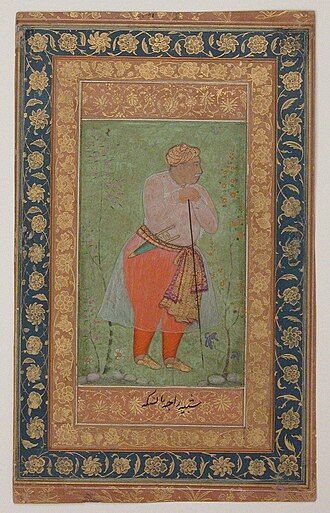
The mansabdari system. Every officer held a mansab (rank), expressed by two numbers from 1595: zat, his personal rank and salary, and sawar, the number of horsemen he had to maintain. Ranks ran from 10 to 5,000 (higher for princes). Mansabdars were usually paid by a jagir — the revenue of a piece of land — which was transferable and not hereditary, so no noble could build a power base. The dagh (branding of horses) and chehra (descriptive roll) of Alauddin's time were revived to check the troopers.
Land revenue: the zabti (dahsala) system. Akbar's finance minister Raja Todar Mal — who had served under Sher Shah — worked out in 1580 a system called zabti or dahsala ('ten-year'). Land was carefully measured; the average yield and prices of the past ten years were used to fix the state's share — about one-third — payable in cash. Land was graded by how regularly it was cultivated: polaj (every year), parauti (rested a year or two), chachar (rested three or four years) and banjar (five years or more).
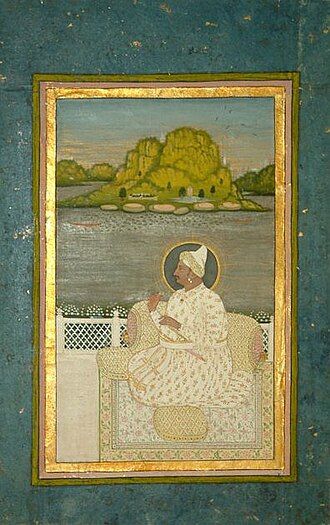
The provinces. The empire was divided into subas (12 in 1580, later 15), each with a subedar (governor), a diwan (revenue), a bakhshi (army pay), a sadr (religious grants) and qazis and kotwals for justice and city police.
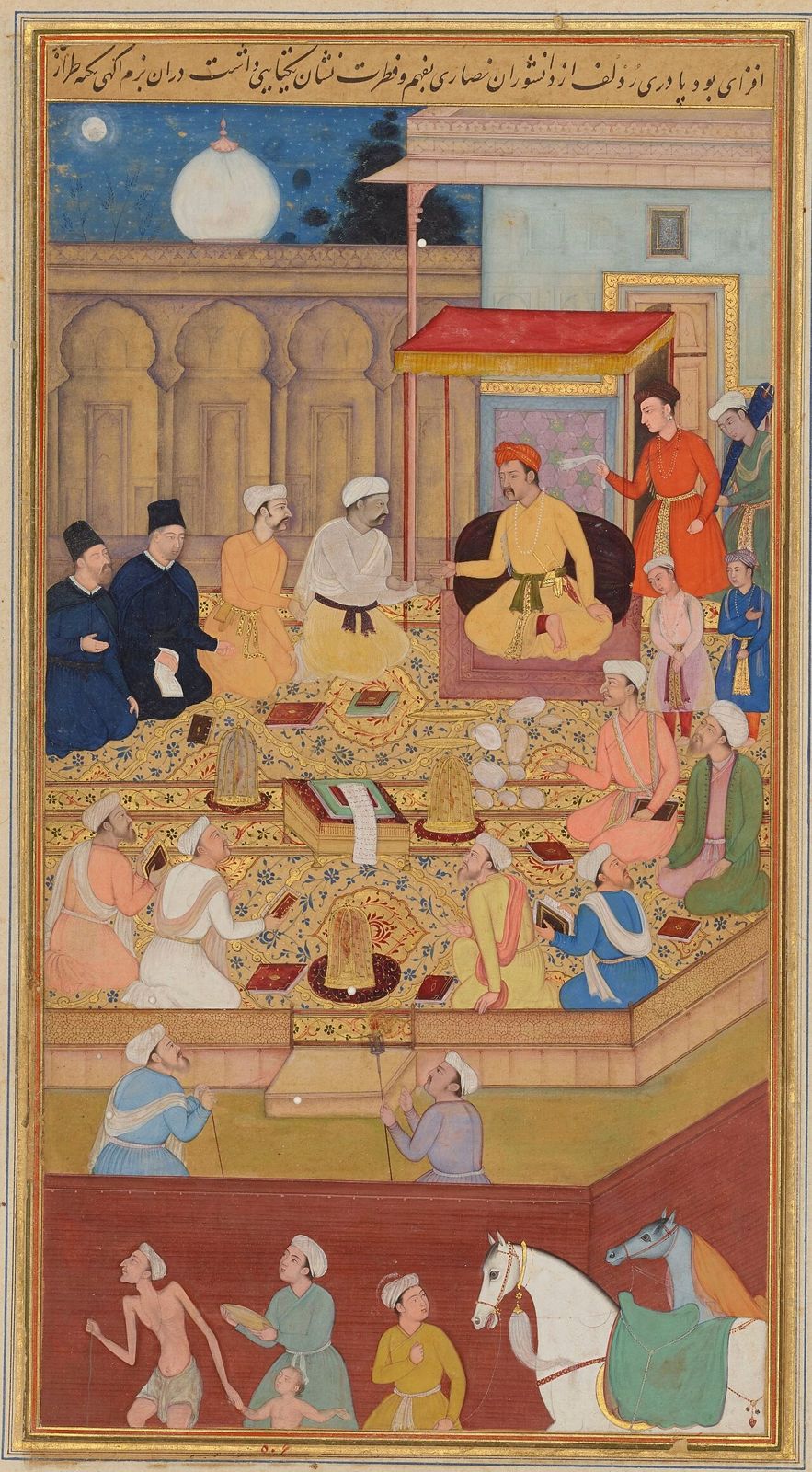
Religion: from debate to 'peace with all'. In 1575 Akbar built the Ibadat Khana ('house of worship') at Fatehpur Sikri. At first only Muslim scholars debated there, but their quarrels disappointed him, and from about 1578 he invited Hindus, Jains, Zoroastrians (Parsis) and Christians — the first Jesuit mission came from Goa in 1580. In 1579 a declaration (the mahzar) gave Akbar the right to decide between conflicting opinions of the religious scholars. In 1582 he started Din-i-Ilahi (also called Tauhid-i-Ilahi), a small circle of disciples devoted to the emperor rather than a new religion; Birbal was among its few members. His guiding idea was sulh-i-kul — 'peace with all' — tolerance for every faith in the empire.
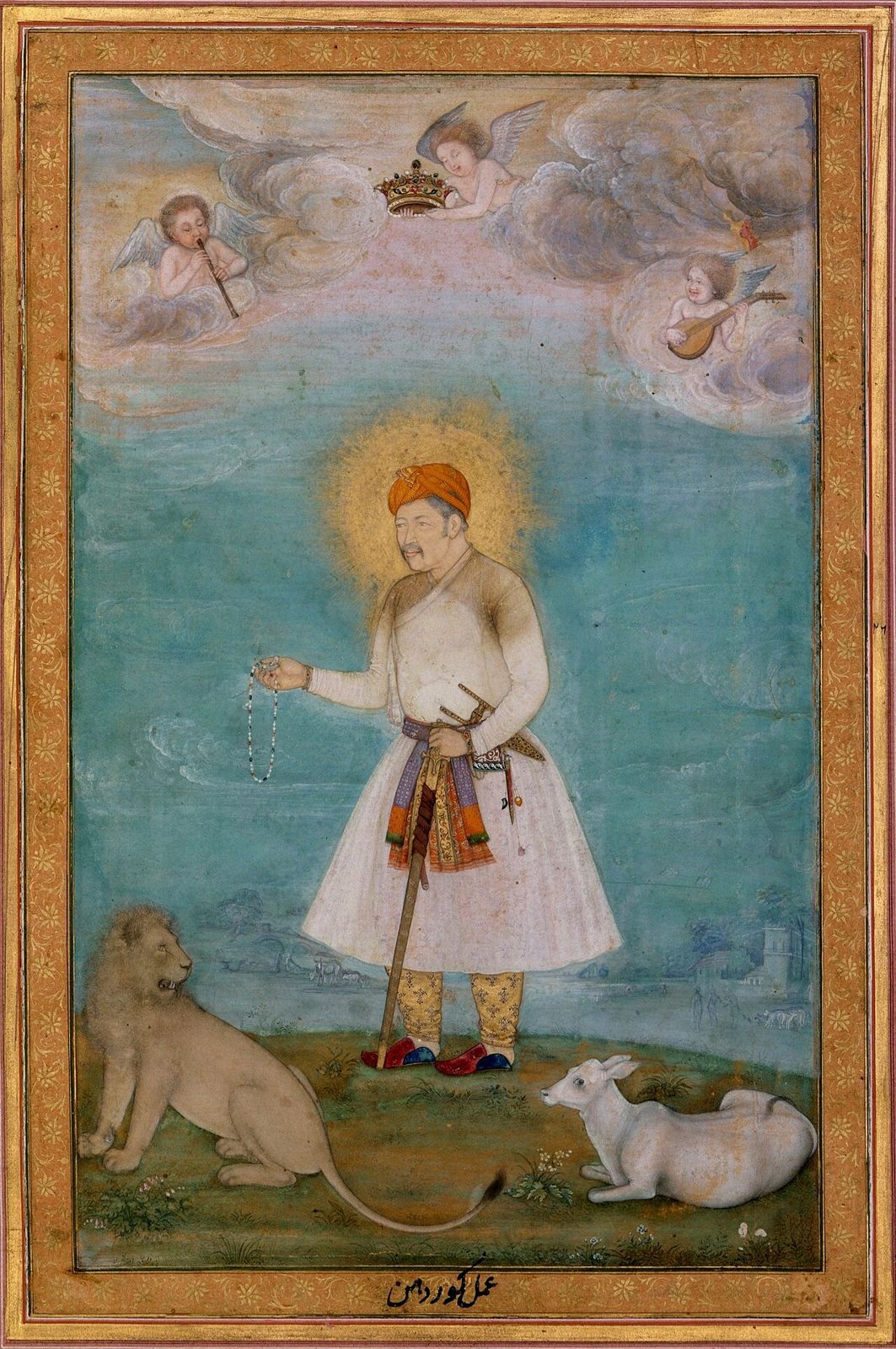
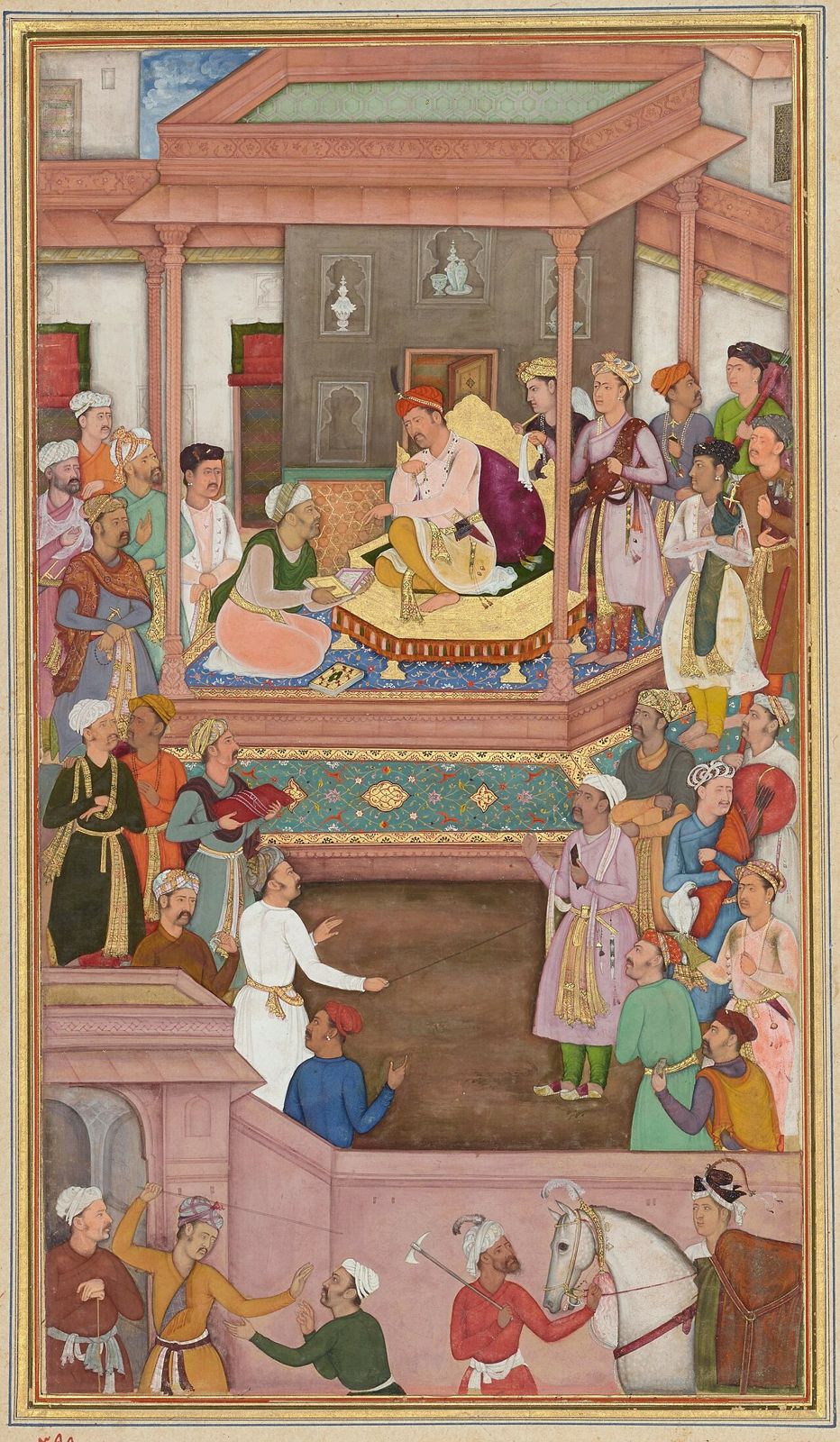
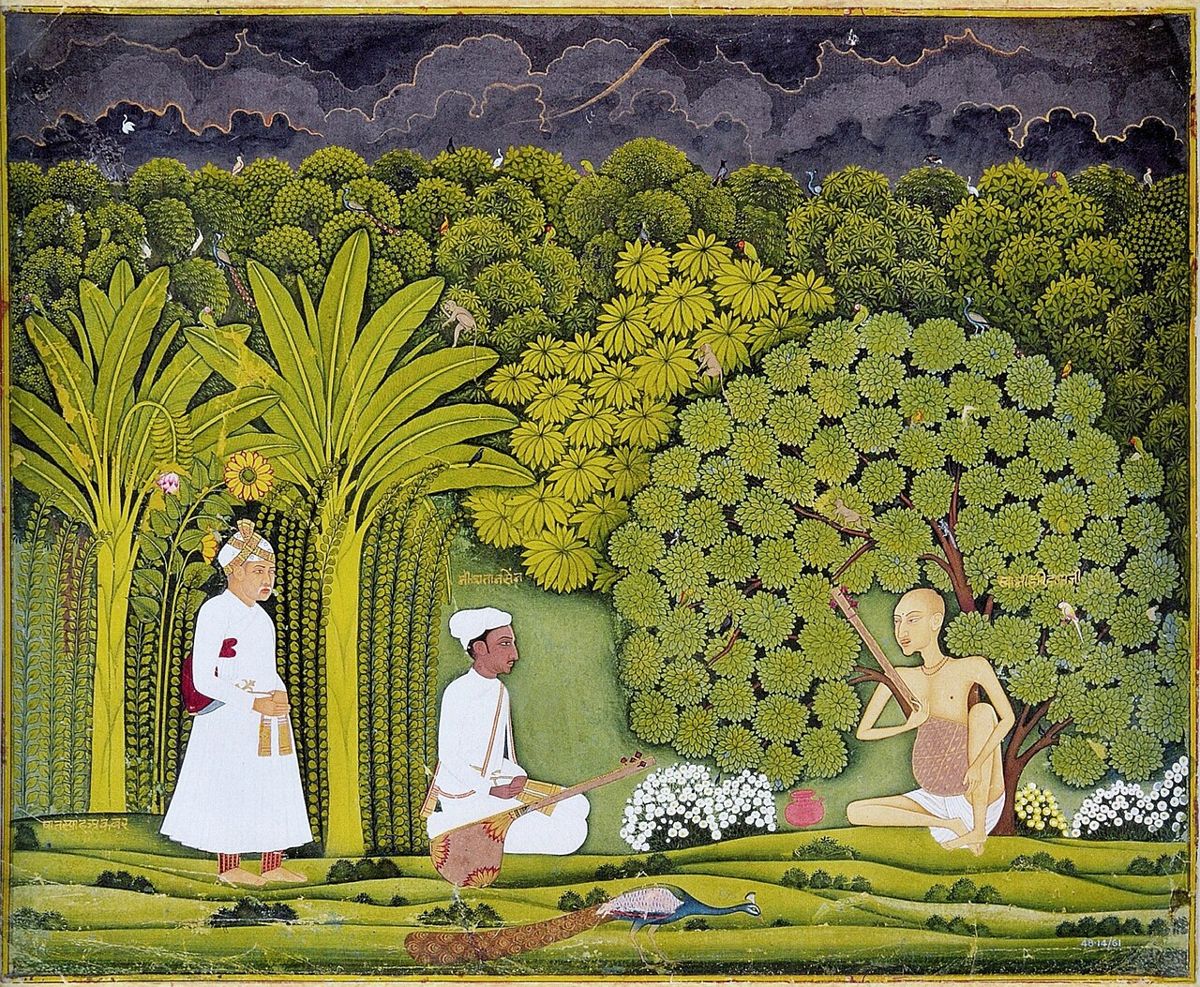
Culture and the court. Akbar could not read or write well, but he loved books and had them read to him. His translation bureau (maktab khana) turned Sanskrit classics into Persian — the Mahabharata became the Razmnama ('book of war'), and the Ramayana, Atharvaveda and Lilavati were also translated. His court historian Abul Fazl wrote the Akbarnama, whose third volume is the Ain-i-Akbari, a detailed survey of the empire's administration, revenue and people; Abul Fazl's brother Faizi was the poet laureate. A critical view of Akbar was written secretly by Abdul Qadir Badauni (Muntakhab-ut-Tawarikh). Tansen of Gwalior, called 'Mian', was his great singer. The painting workshop, led by Persian masters Mir Sayyid Ali and Abd al-Samad and Indian painters like Daswanth and Basawan, produced the huge Hamzanama and the illustrated Akbarnama. The tradition of nine gems (Navratnas) at his court is a later story, and lists differ; the usual one includes Abul Fazl, Faizi, Birbal, Tansen, Todar Mal, Man Singh and Abdur Rahim Khan-i-Khanan.
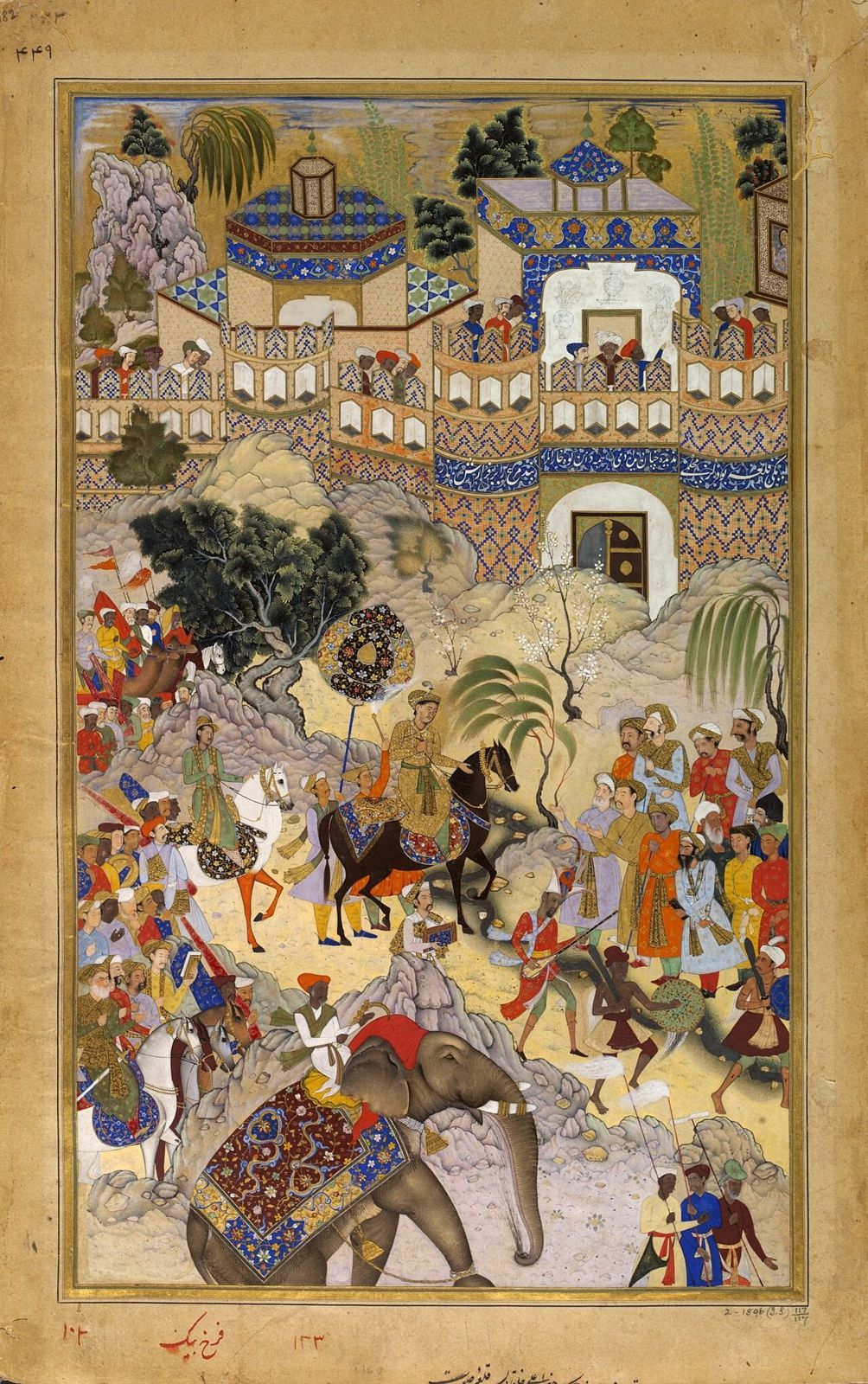
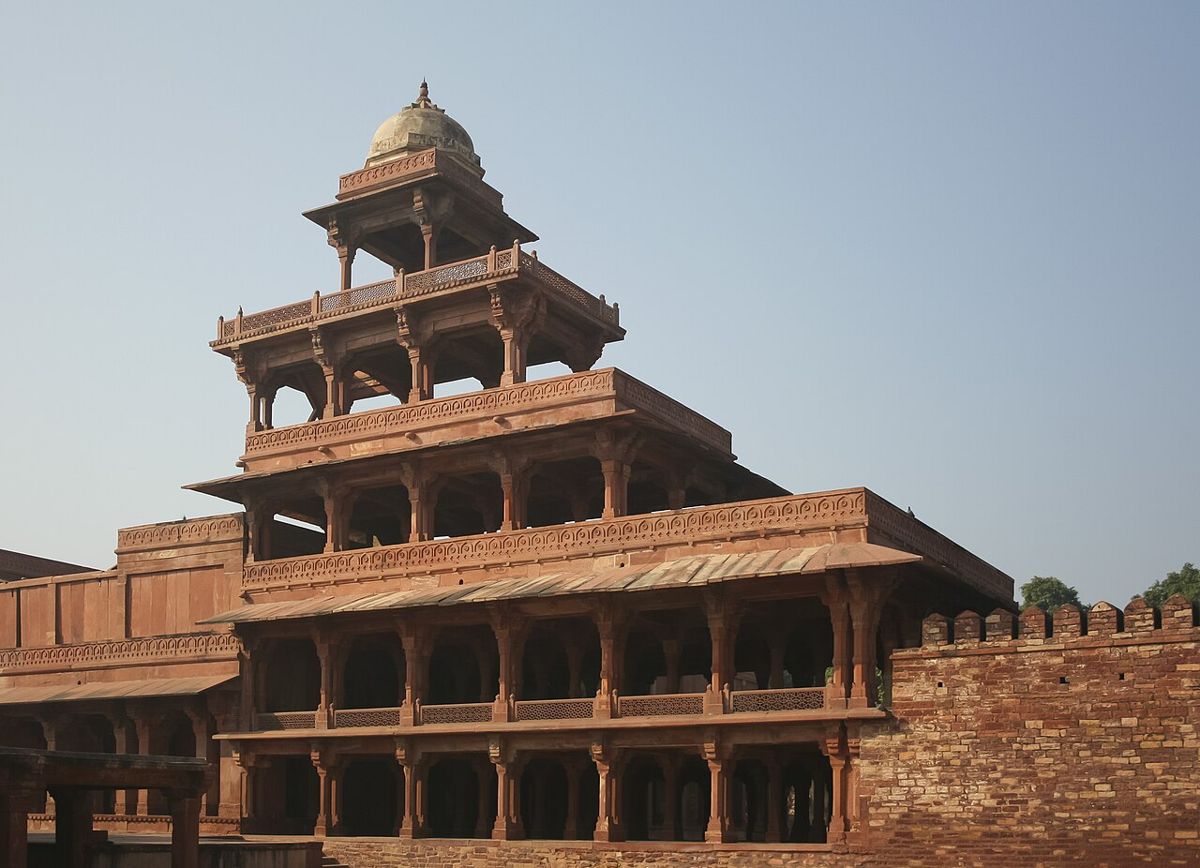
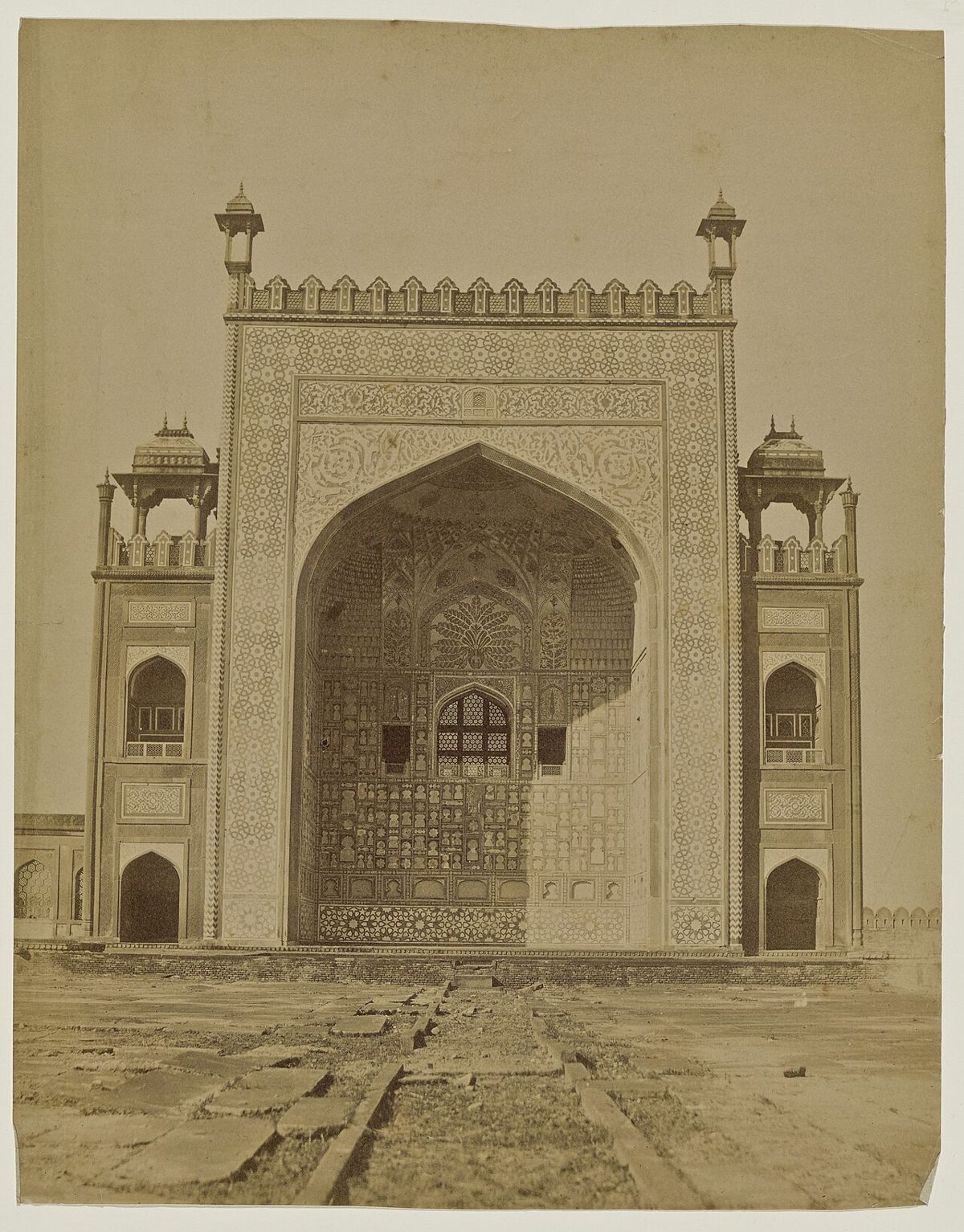
Buildings. Akbar rebuilt the Agra Fort in red sandstone (1565–73), founded Fatehpur Sikri (from 1571) near the village of the Sufi saint Shaikh Salim Chishti — with its Buland Darwaza, Jama Masjid, Panch Mahal, Diwan-i-Khas and the tomb of Salim Chishti — and began his own tomb at Sikandra, completed by Jahangir.
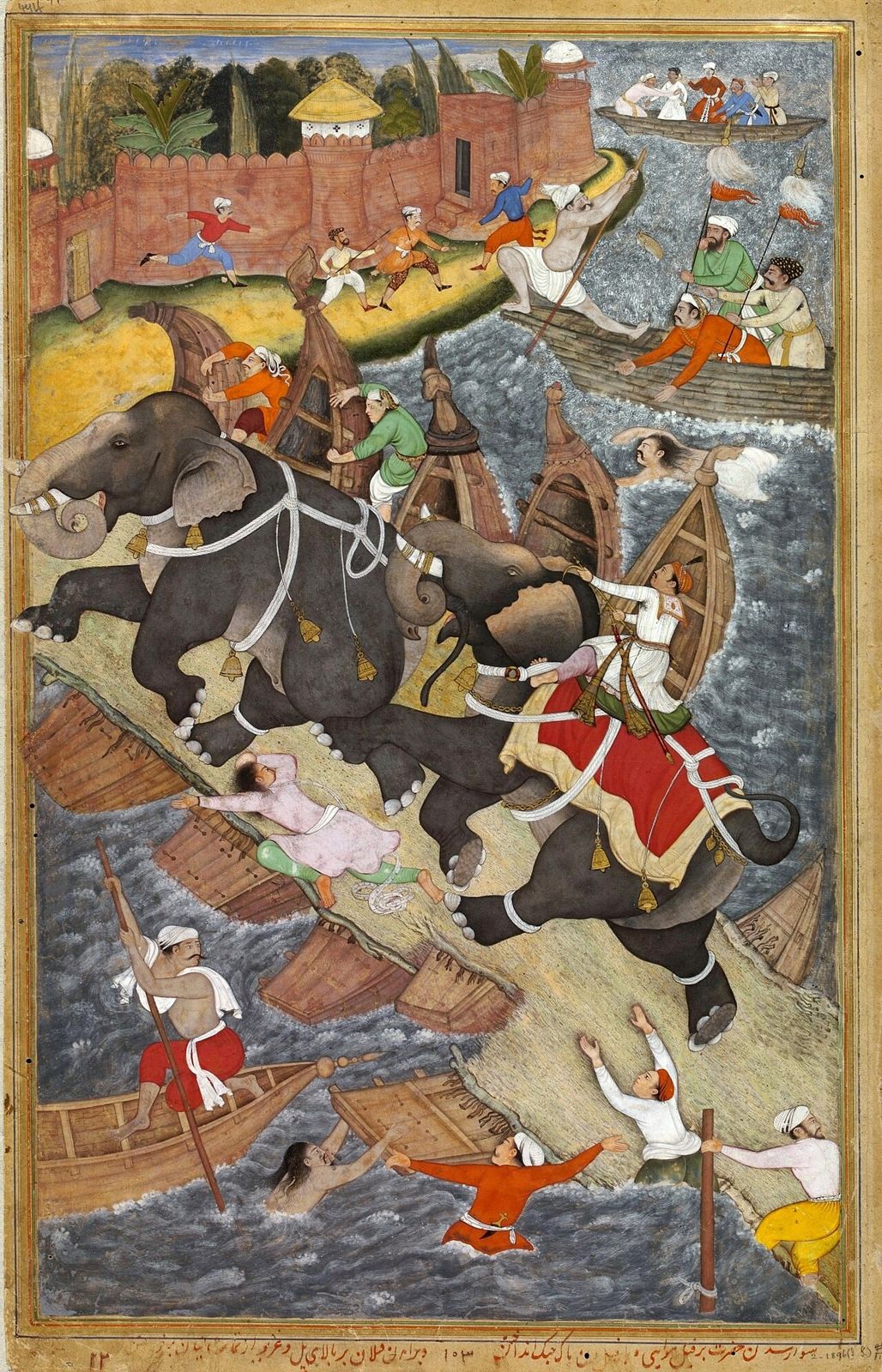
The last years. His son Salim rebelled (1600–04) and had Abul Fazl murdered (1602). Father and son were reconciled before Akbar died at Agra in October 1605.
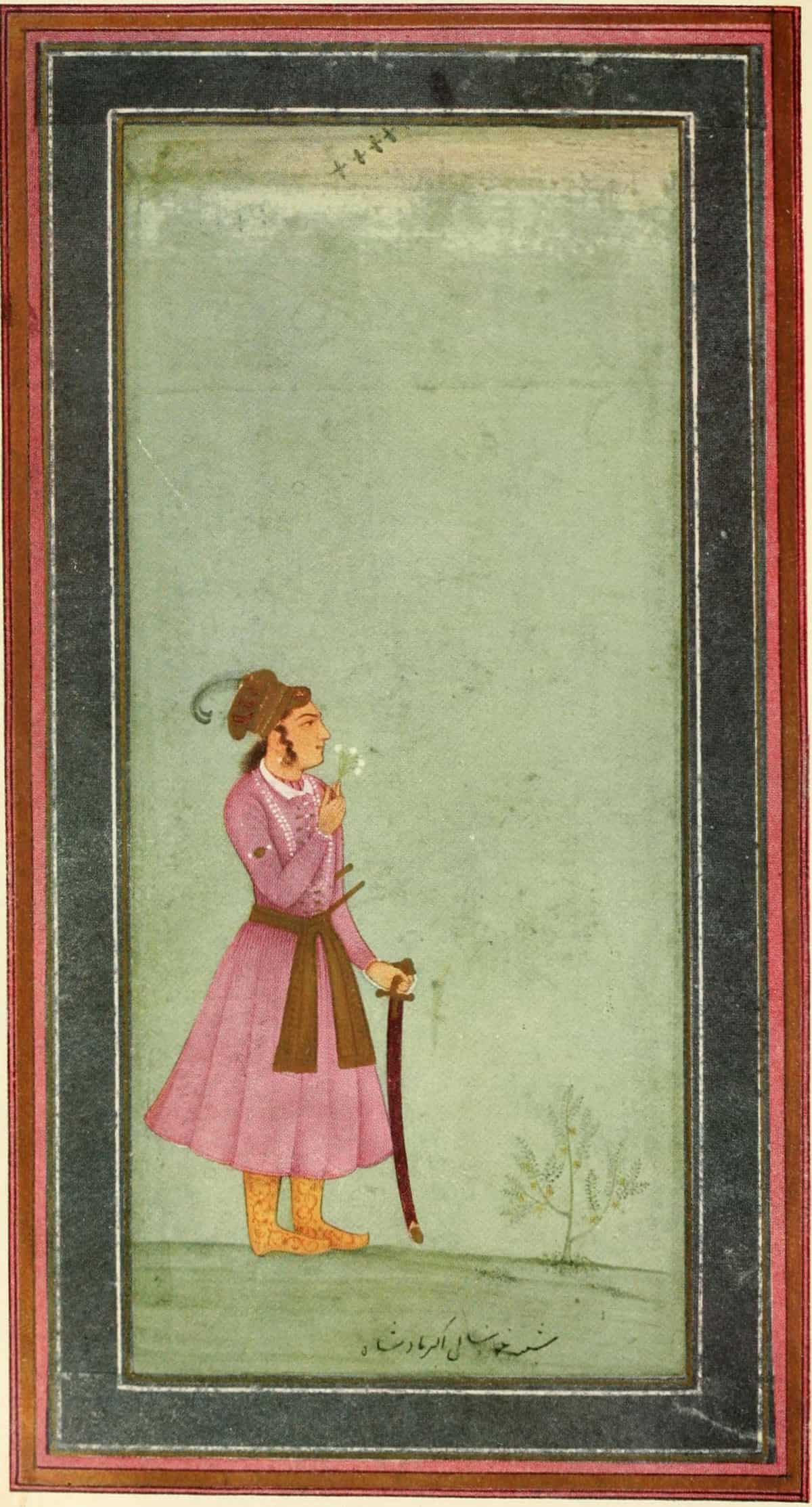
- 1542Born at Amarkot, Sindh
- 1556Crowned at Kalanaur; Second Battle of Panipat — Hemu defeated
- 1560Bairam Khan dismissed
- 1562Marriage with Raja Bharmal's daughter (Amber)
- 1563–64Pilgrim tax and jizya abolished
- 1568Chittor taken
- 1571Fatehpur Sikri founded
- 1572–73Gujarat conquered; Surat
- 1575Ibadat Khana built
- 1576Haldighati — Man Singh vs Maharana Pratap
- 1579Mahzar declaration
- 1580Zabti (dahsala) system; first Jesuit mission
- 1582Din-i-Ilahi
- 1586Kashmir annexed; Birbal killed
- 1595Double rank — zat and sawar
- 1600–01Ahmadnagar and Asirgarh
- 1605Akbar dies at Agra
| Term | Meaning |
|---|---|
| Mansab · zat · sawar | Rank · personal rank and pay · number of horsemen to maintain |
| Jagir | Revenue of land assigned as salary — transferable, not hereditary |
| Zabti / dahsala | Revenue fixed on 10-year averages of yield and prices, paid in cash (Todar Mal, 1580) |
| Polaj · parauti · chachar · banjar | Land classes by how often it was cultivated |
| Suba · subedar · diwan · bakhshi | Province · governor · revenue head · paymaster |
| Ibadat Khana | House of religious debate, Fatehpur Sikri (1575) |
| Mahzar | 1579 declaration letting Akbar decide disputed religious questions |
| Din-i-Ilahi (Tauhid-i-Ilahi) | Akbar's circle of disciples (1582) |
| Sulh-i-kul | 'Peace with all' — Akbar's policy of tolerance |
| Razmnama | Persian translation of the Mahabharata |
| Don't mix up | Remember |
|---|---|
| Where Akbar was crowned | Kalanaur, Punjab (1556) — not Delhi or Agra |
| 2nd Panipat | 1556, Bairam Khan (for Akbar) vs Hemu — Hemu was not a Mughal |
| Haldighati | 1576; Mughal side led by Man Singh, not Akbar himself |
| Zabti / dahsala | Todar Mal, 1580 — not Sher Shah (who used crop-rates, patta and qabuliyat) |
| Zat and sawar | double rank from 1595 |
| Ain-i-Akbari | third volume of the Akbarnama, by Abul Fazl — Badauni wrote the critical Muntakhab-ut-Tawarikh |
| Buland Darwaza | celebrates the Gujarat victory — at Fatehpur Sikri |
| Ibadat Khana vs Din-i-Ilahi | 1575 (house of debate) vs 1582 (circle of disciples) |
| Who completed Akbar's tomb | Jahangir, at Sikandra |