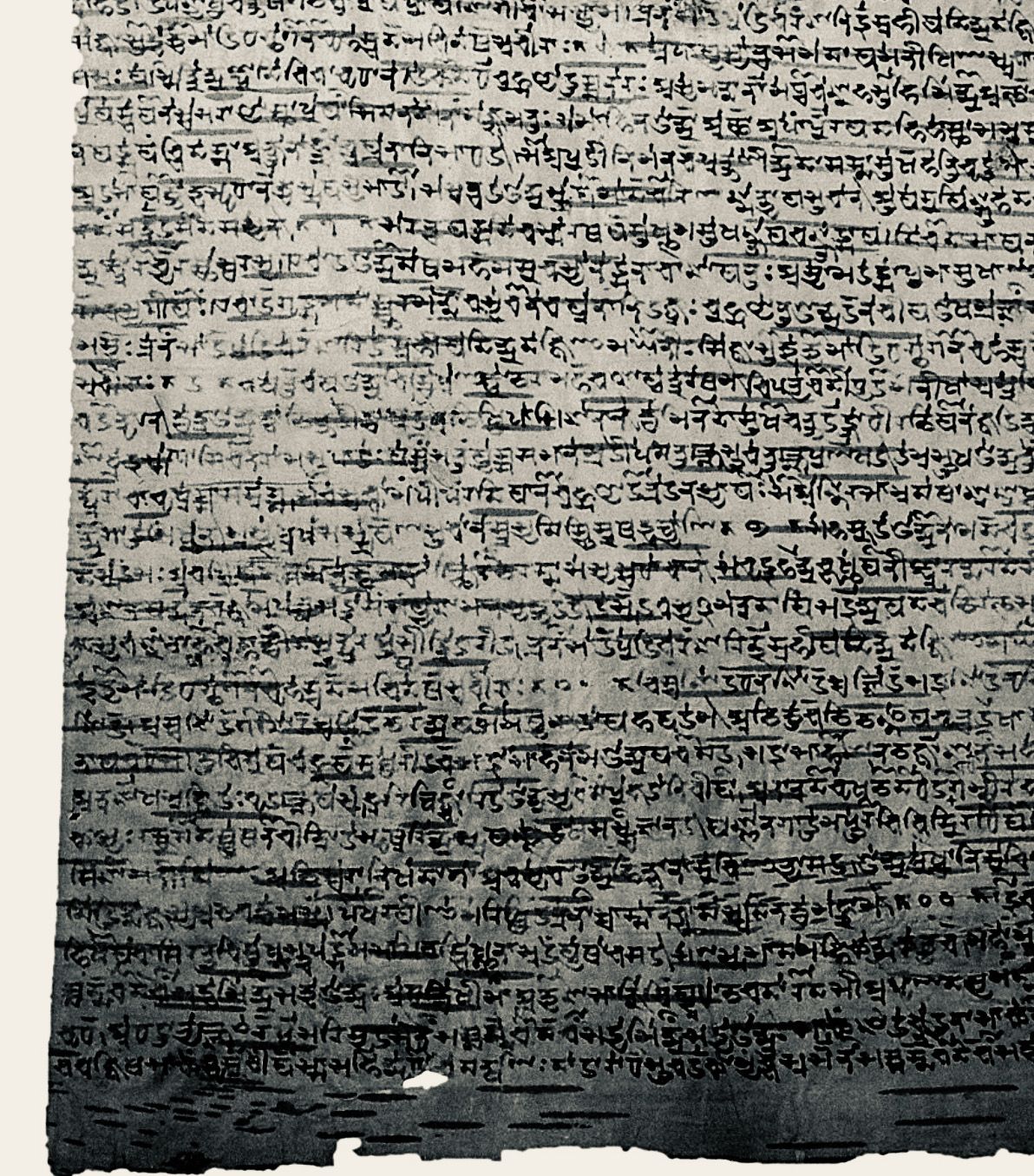
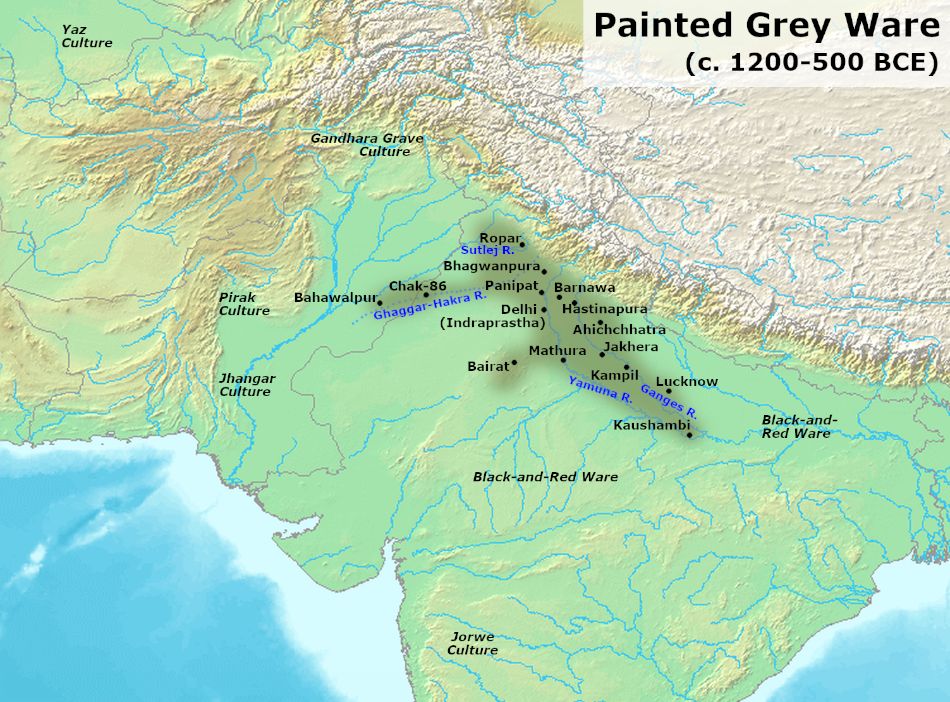
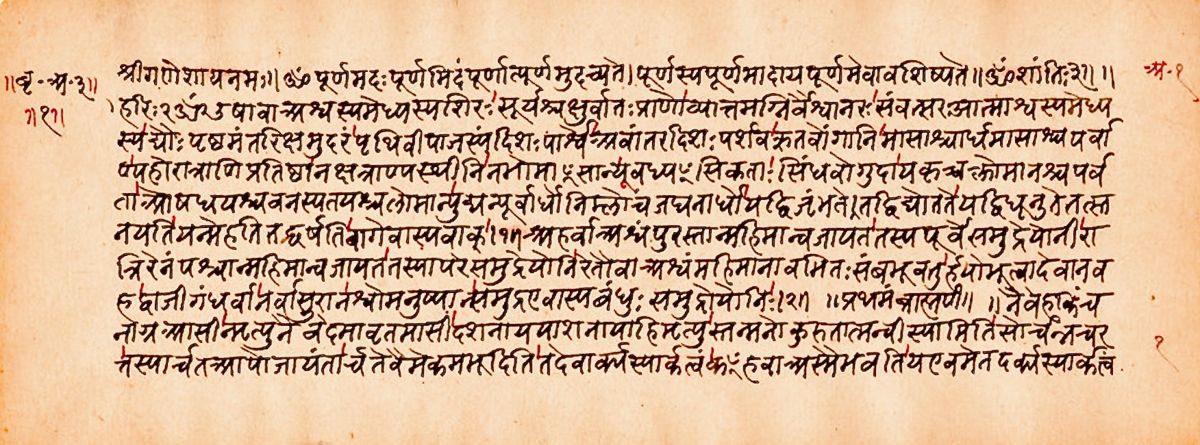
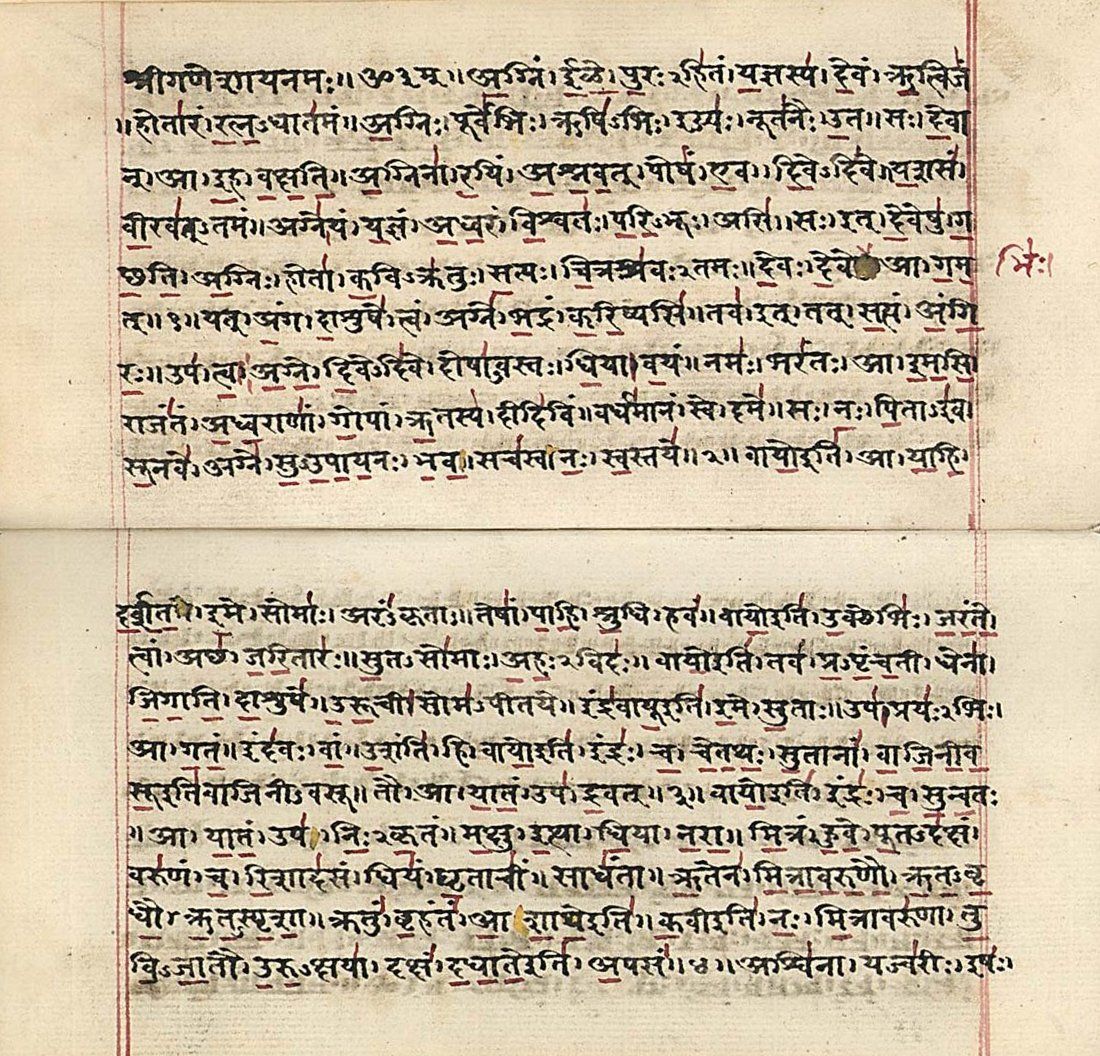
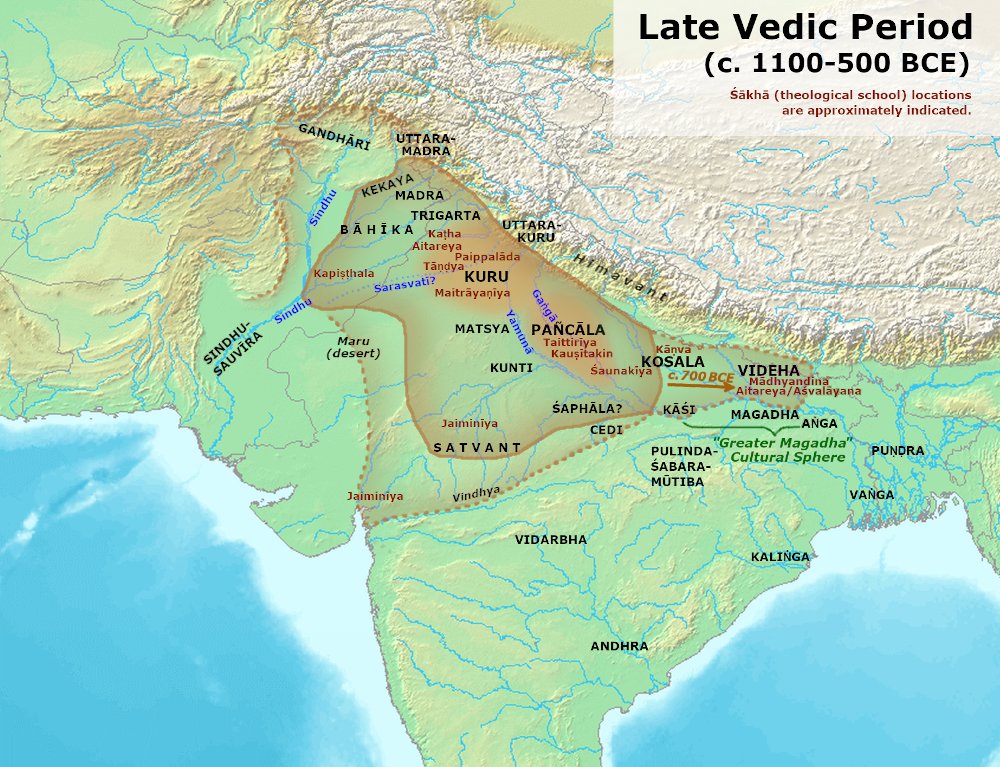
After the Indus cities faded, the Vedic Age began (roughly 1500–600 BCE). It is named after the Vedas — 'Veda' means knowledge. The Vedas are collections of hymns and prayers composed in Sanskrit by people who called themselves Aryas. They were learnt by heart and passed on by memory for many centuries — so they are called Shruti ('what is heard') — and were written down much later. There are four Vedas, and the Rigveda is the oldest. Historians split the period in two: the Early (Rigvedic) Age (c. 1500–1000 BCE), when people lived in the Punjab region, and the Later Vedic Age (c. 1000–600 BCE), when they moved east into the Ganga plains.
| Veda | What it contains | Remember |
|---|---|---|
| Rigveda (oldest) | hymns of praise to gods such as Indra and Agni | 10 mandalas, 1,028 hymns; Gayatri Mantra (mandala 3); Purusha Sukta (mandala 10) first names the four varnas; priest = hotri |
| Samaveda | hymns set to tunes for singing (mostly taken from the Rigveda) | called the root of Indian music; priest = udgatri |
| Yajurveda | formulas and rules for sacrifices (yajnas), in prose and verse | two branches: Shukla (white) and Krishna (black); priest = adhvaryu |
| Atharvaveda | charms and spells for daily life, illness and healing | calls the sabha and samiti the 'two daughters of Prajapati' |
| Layer | What it is | Example / remember |
|---|---|---|
| Samhitas | the four Vedas themselves — collections of hymns | Rigveda Samhita |
| Brahmanas | prose texts explaining the rituals | Shatapatha Brahmana |
| Aranyakas | 'forest books' — on the inner meaning of rituals | studied by hermits in forests |
| Upanishads | philosophy: the soul (atman) and the ultimate reality (brahman) | called Vedanta ('end of the Vedas'); about 108; 'Satyameva Jayate' is from the Mundaka Upanishad |
| Vedangas | six helper subjects for studying the Vedas | Shiksha, Kalpa, Vyakarana, Nirukta, Chhandas, Jyotisha |
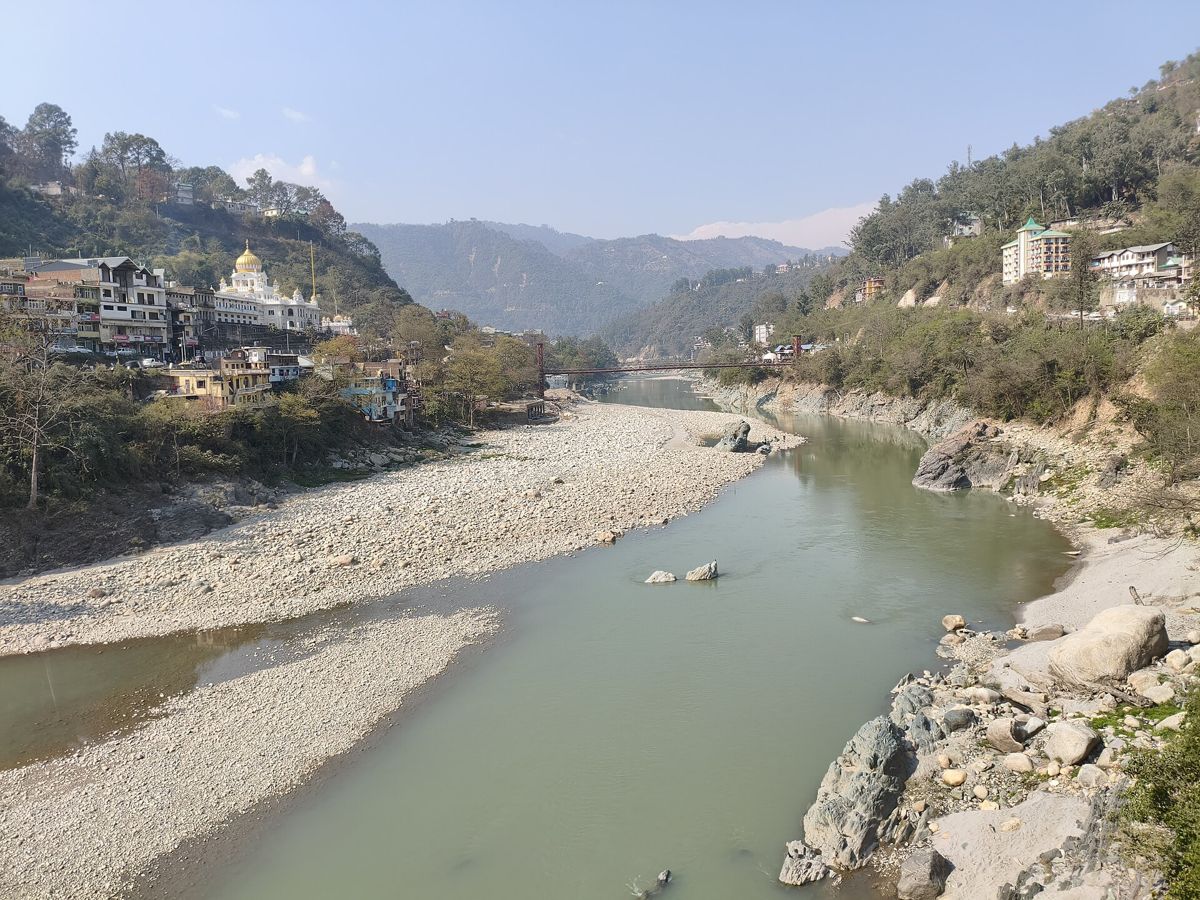
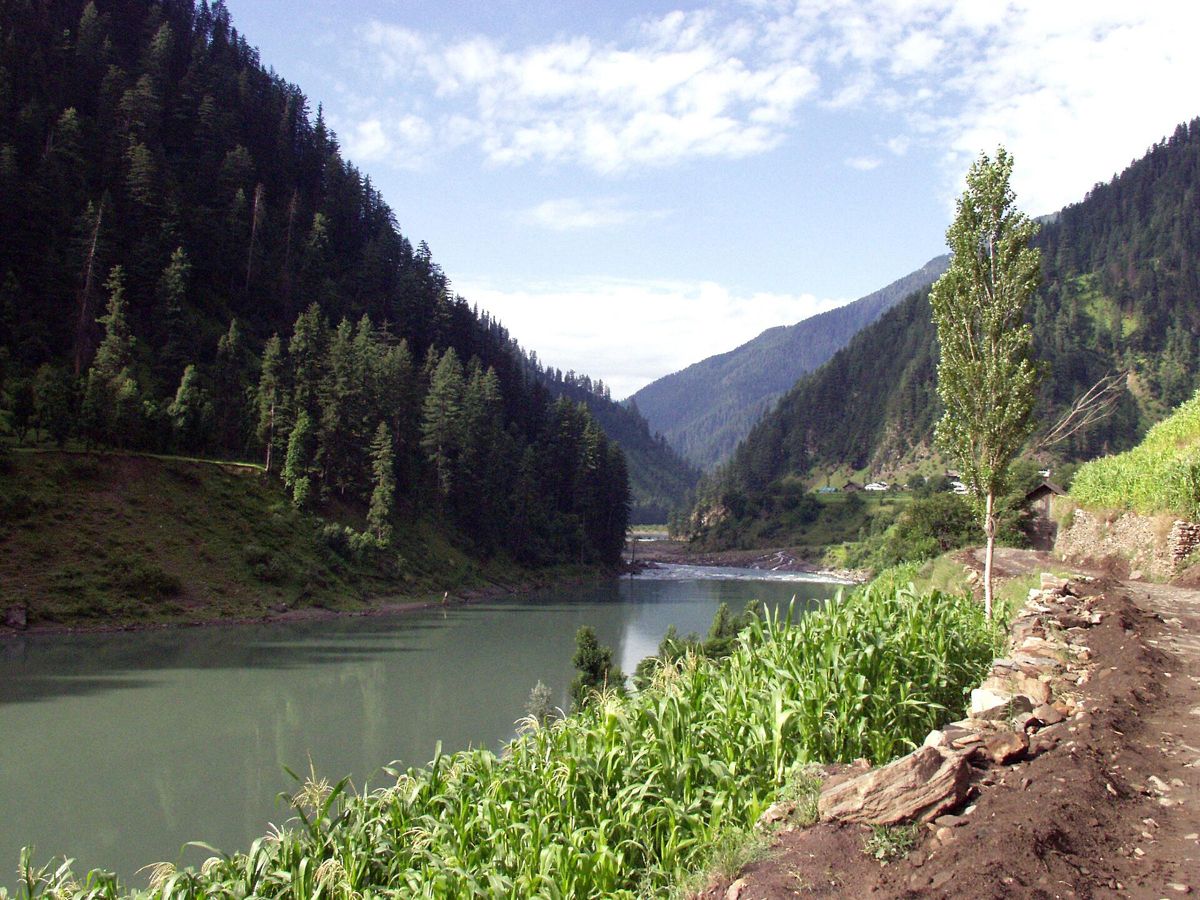
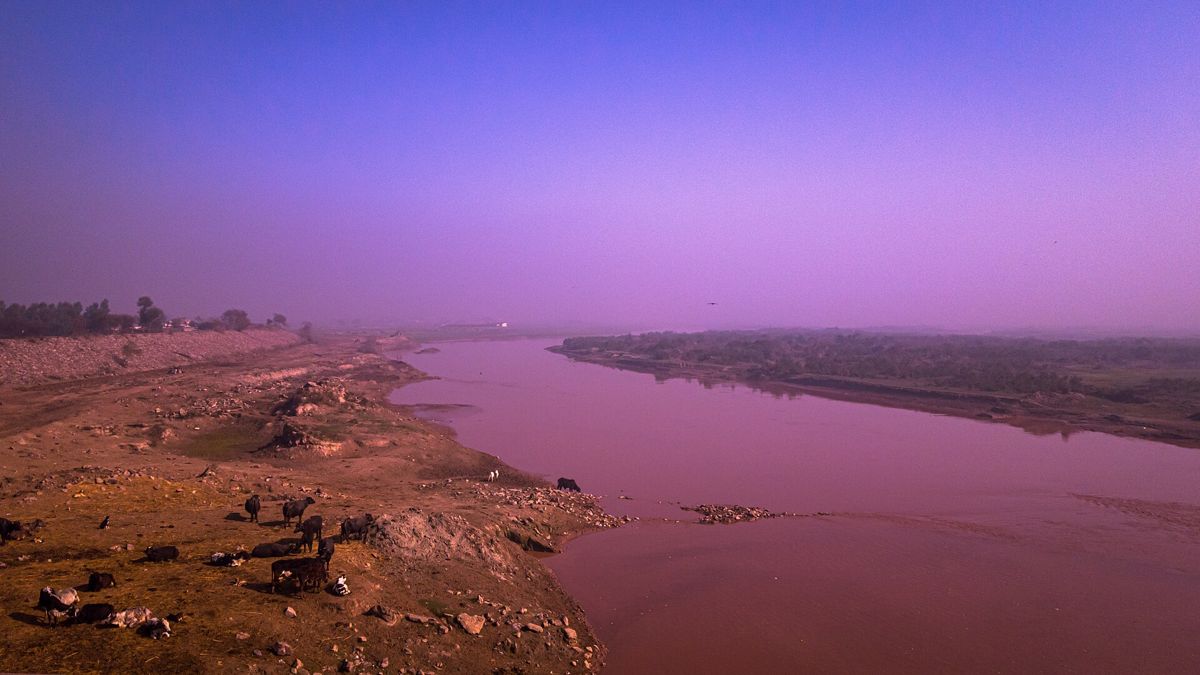
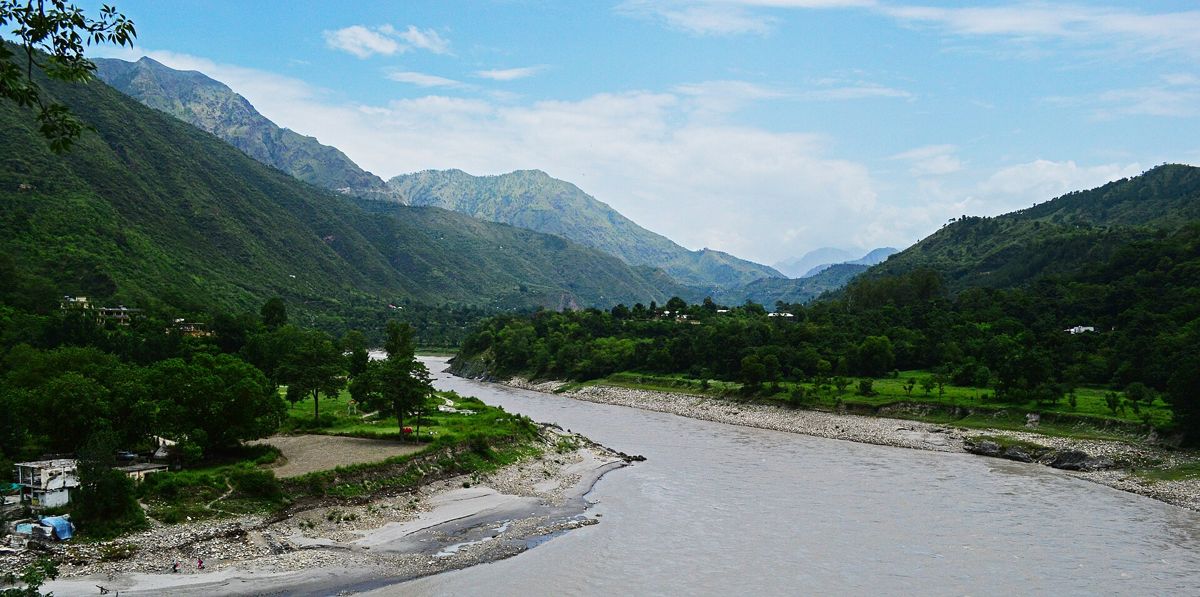
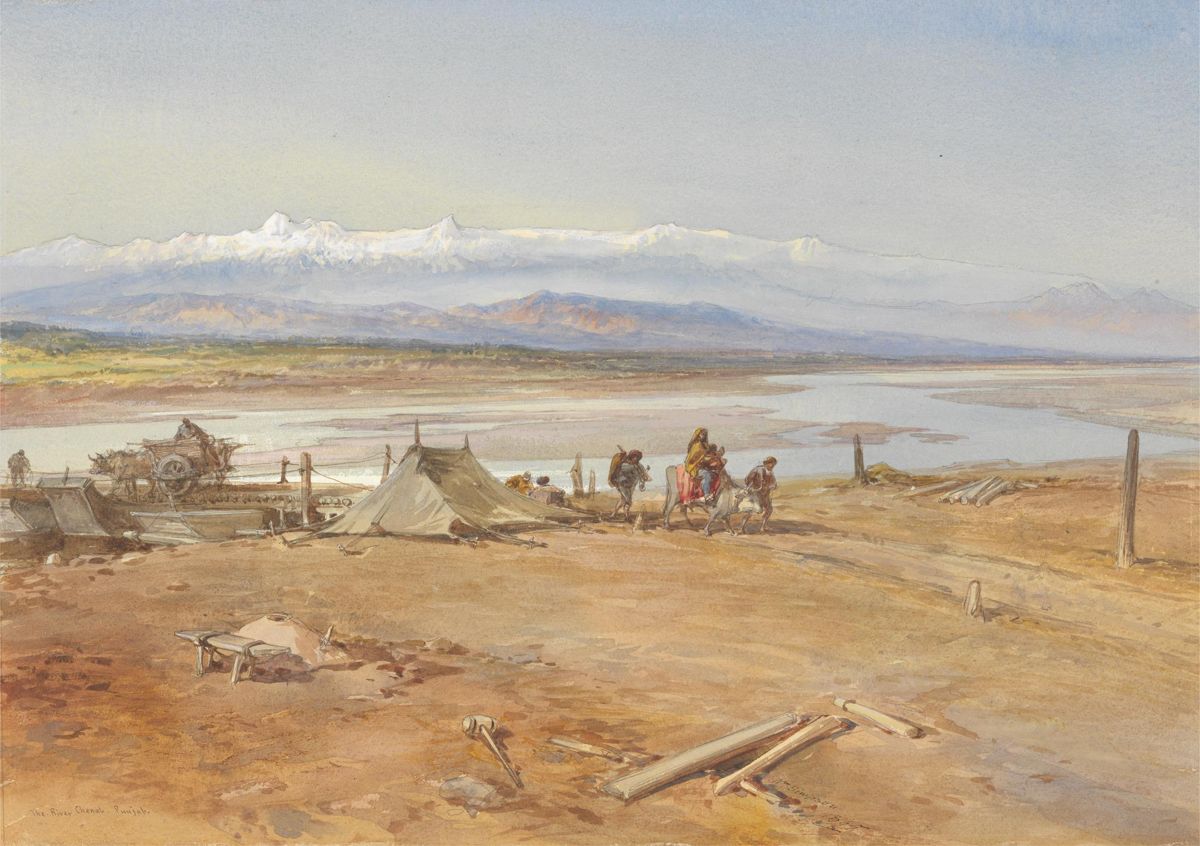
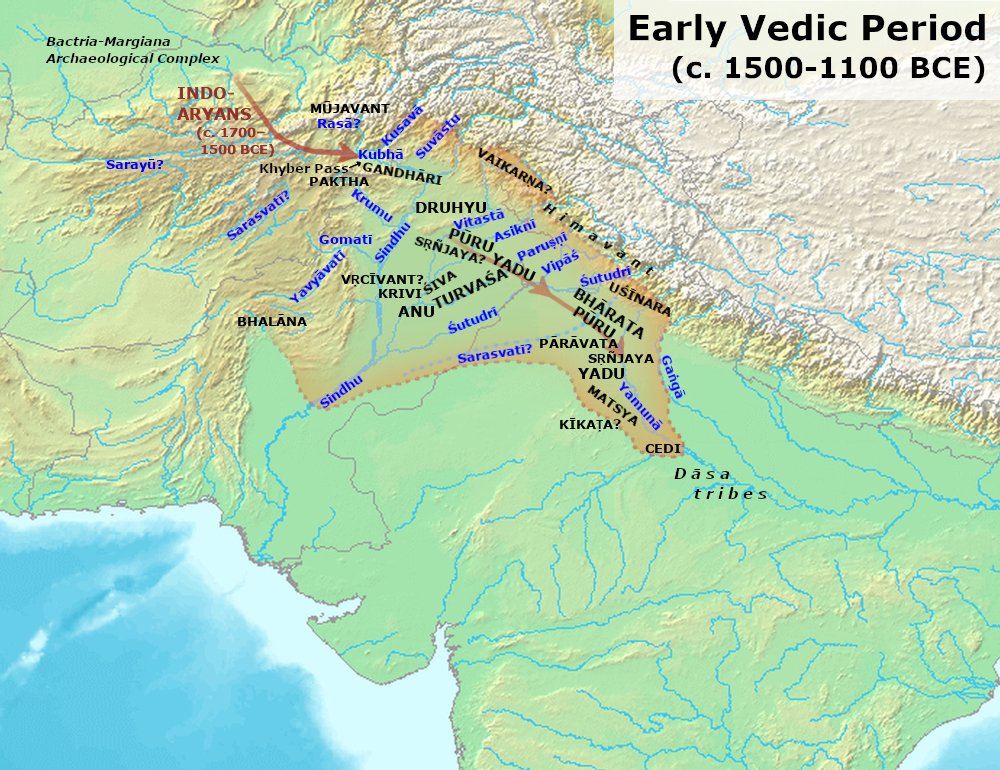
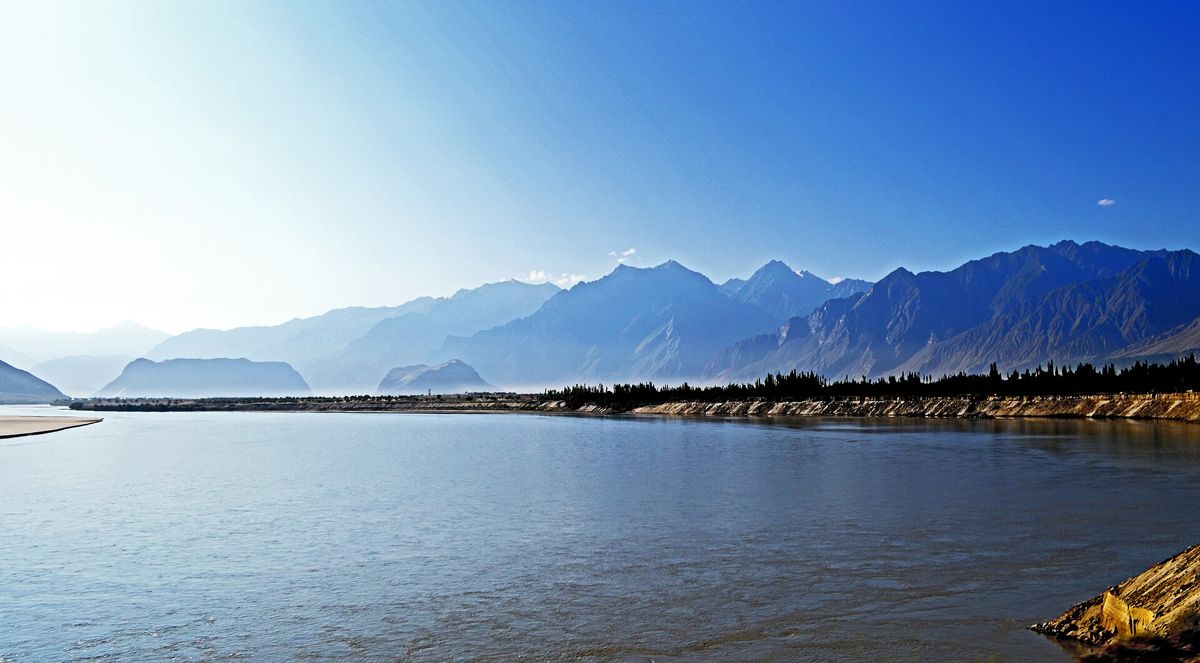
The Rigveda calls its homeland Sapta Sindhu — 'the land of seven rivers'. This is the Punjab region. The seven are the Sindhu (Indus), the five rivers of Punjab, and usually the Sarasvati as the seventh. The Rigveda gives each river its own old name — and the exam loves to ask them. On the bank of the Parushni (Ravi) was fought the Battle of Ten Kings (Dasarajna), in which Sudas, king of the Bharata tribe, defeated a group of ten kings; the name Bharat is linked to this tribe.
| Vedic (old) name | Modern river |
|---|---|
| Sindhu | Indus |
| Vitasta | Jhelum |
| Asikni | Chenab |
| Parushni | Ravi |
| Vipasha | Beas |
| Shutudri | Sutlej |
Ravi = Parushni, Beas = Vipasha, Sutlej = Shutudri: think 'R-P, B-V, S-S' — Sutlej and Shutudri both start with S.
| Don't mix up | Remember |
|---|---|
| Oldest Veda | Rigveda — not Samaveda |
| Music / rituals / healing | Samaveda / Yajurveda / Atharvaveda |
| Gayatri Mantra vs Purusha Sukta | Gayatri = Rigveda mandala 3; Purusha Sukta (four varnas) = mandala 10 |
| 'Satyameva Jayate' | Mundaka Upanishad — not a Veda |
| Battle of Ten Kings | on the Parushni (Ravi); winner Sudas of the Bharatas |
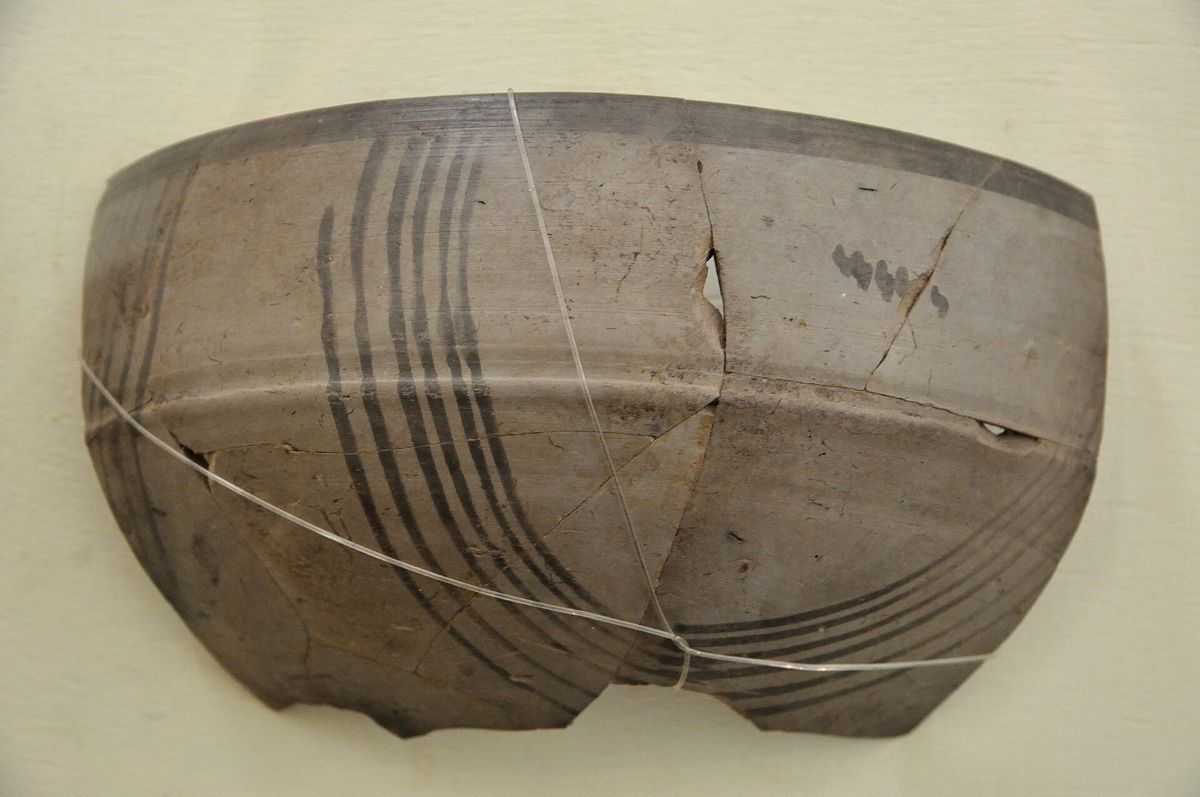
| Iron and Painted Grey Ware | Later Vedic age — not Rigvedic |