A civilisation means people living in planned cities, with trade, writing and rulers. About 4,500 years ago, such cities grew along the Indus (Sindhu) river and its tributaries. People used bronze (copper mixed with tin) but not iron, so it is called a Bronze Age civilisation. Historians divide it into three phases: Early (c. 3300–2600 BCE), Mature (c. 2600–1900 BCE, the age of the great cities) and Late (c. 1900–1300 BCE). The first city to be dug up was Harappa, on the Ravi in Punjab (now in Pakistan), by Daya Ram Sahni in 1921; R. D. (Rakhal Das) Banerji found Mohenjo-daro in Sindh in 1922. Both worked under Sir John Marshall, Director-General of the Archaeological Survey of India. Because Harappa was found first, the culture is also called the Harappan Civilisation.
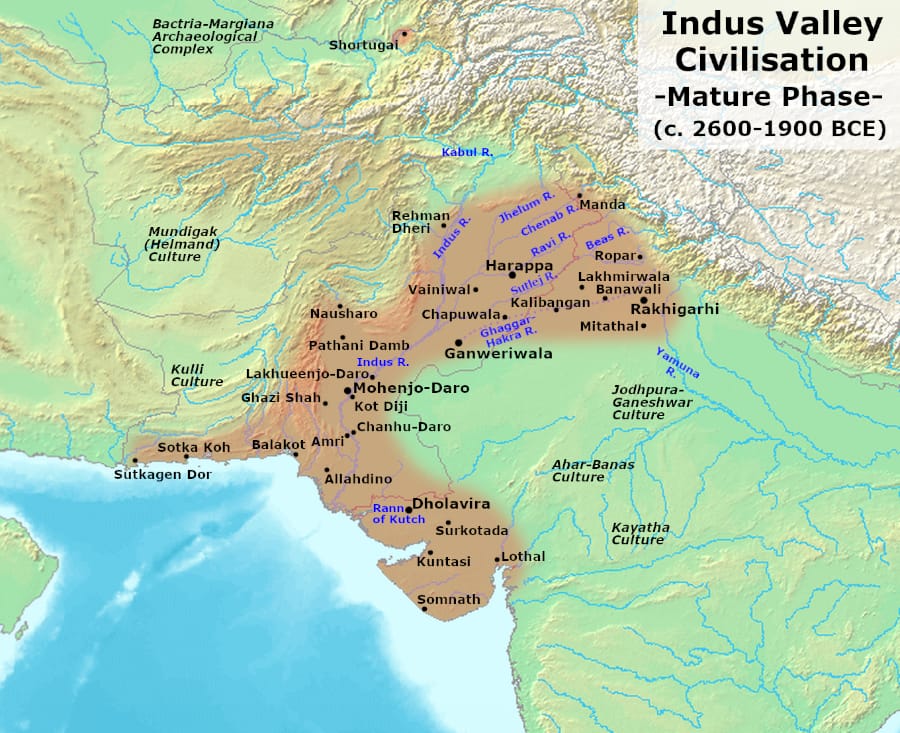
| Direction | Farthest site | Where |
|---|---|---|
| North | Manda | on the Chenab, Jammu & Kashmir |
| South | Daimabad | on the Pravara, Maharashtra |
| East | Alamgirpur | on the Hindon, Uttar Pradesh |
| West | Sutkagen Dor | Makran coast, Baluchistan (Pakistan) |
| Site | River / state | Found or dug by | Known for |
|---|---|---|---|
| Harappa | Ravi · Punjab (Pakistan) | Daya Ram Sahni, 1921 | first site found; granaries |
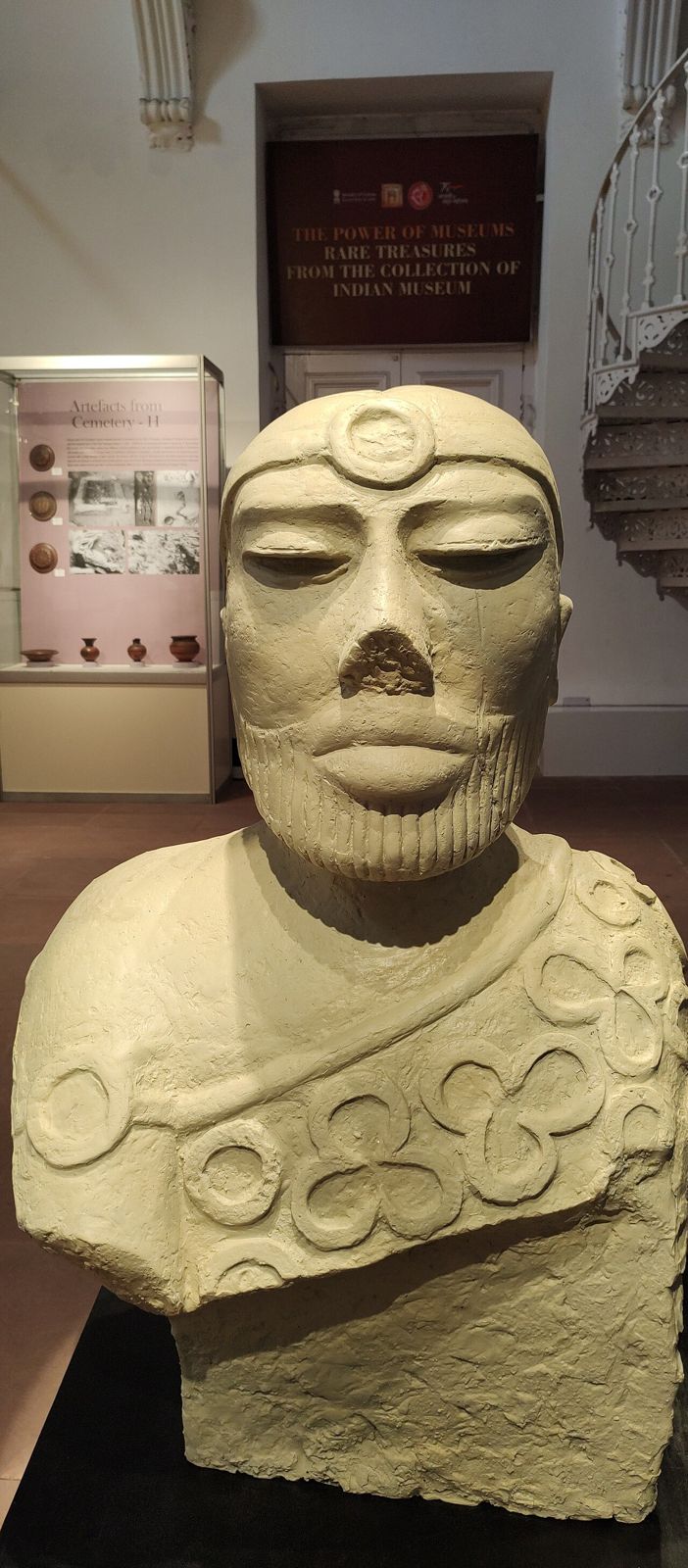
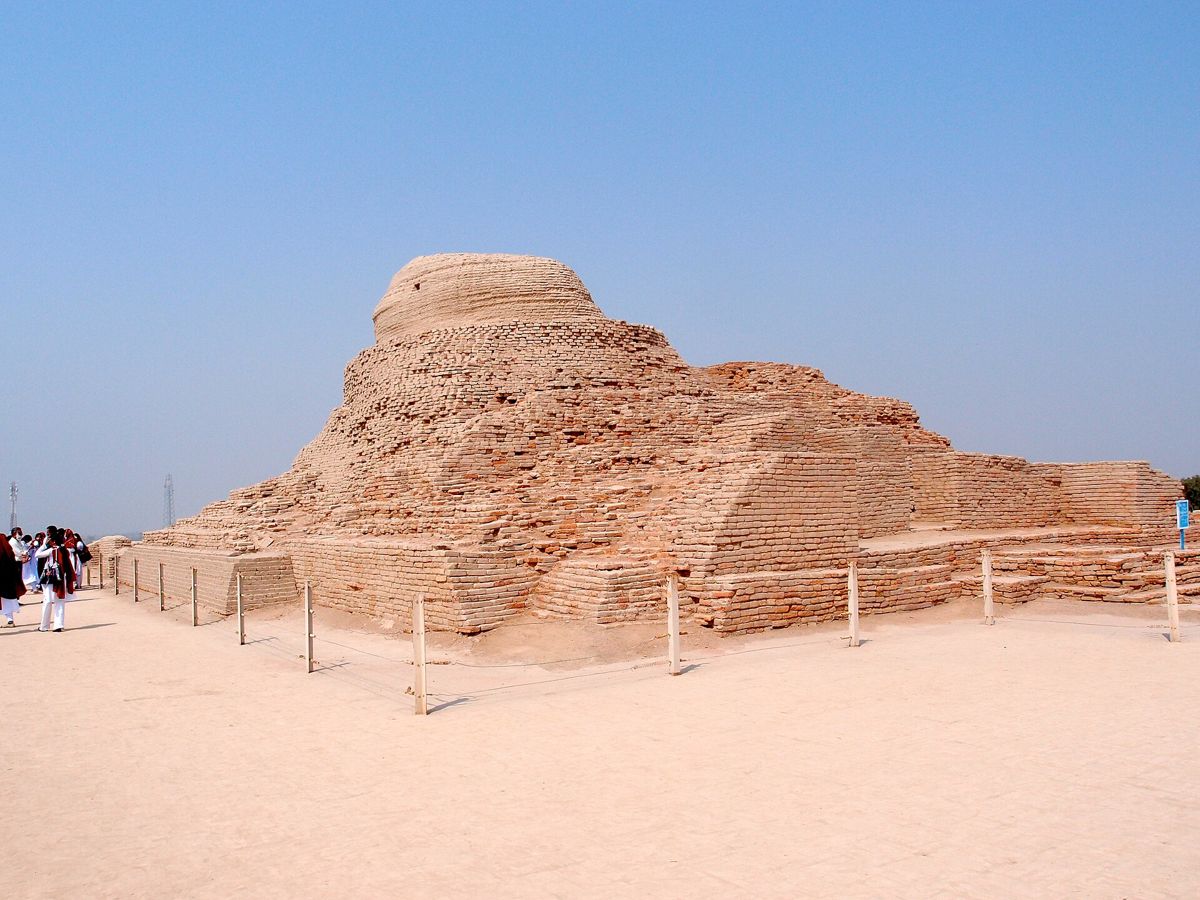
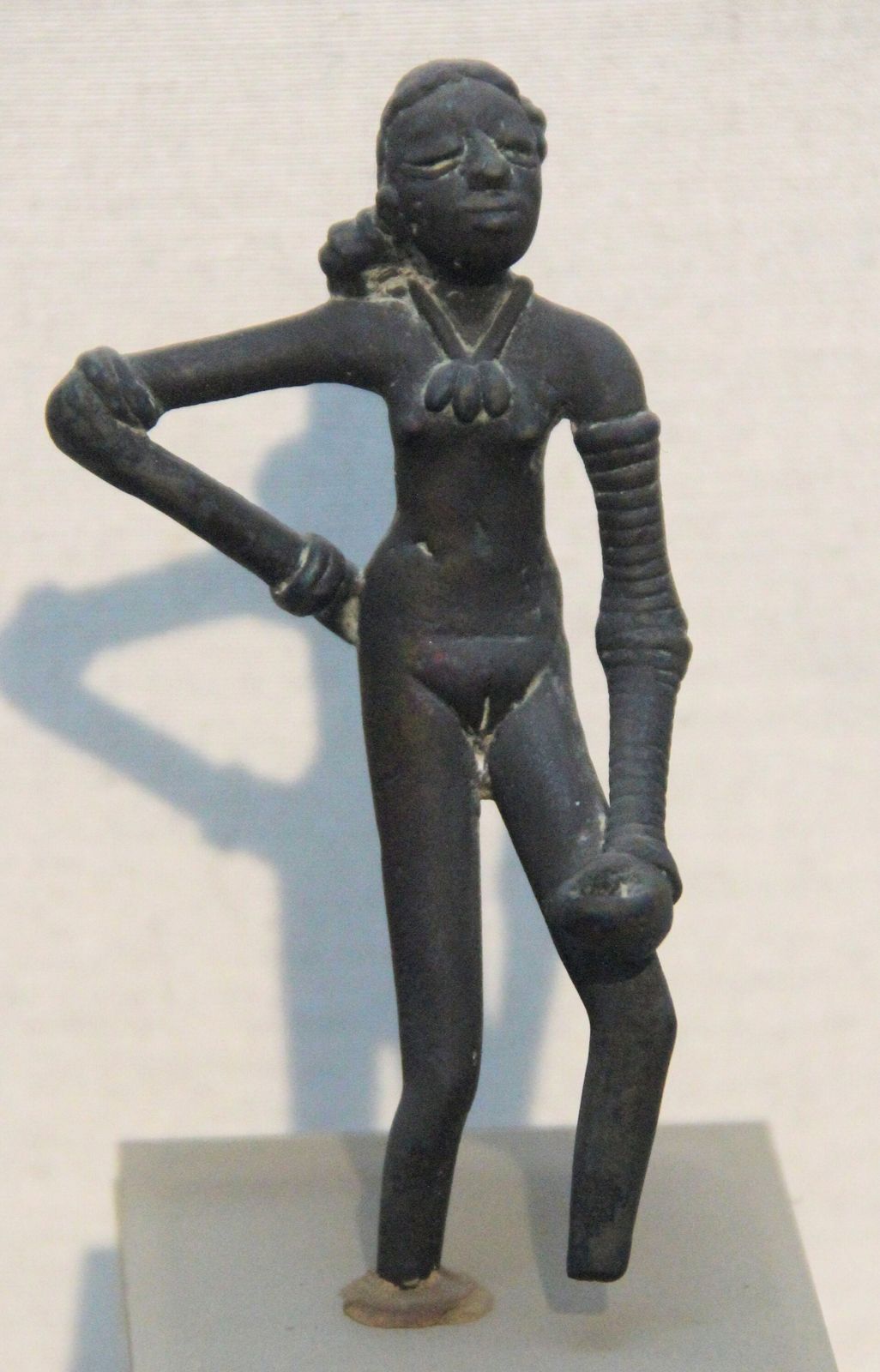
| Mohenjo-daro | Indus · Larkana, Sindh (Pakistan) | R. D. Banerji, 1922 | Great Bath, Great Granary, Priest-King, Dancing Girl, Pashupati seal; name means 'mound of the dead' |
| Chanhudaro | Indus · Sindh (Pakistan) | N. G. Majumdar, 1931 | bead-making workshops; no citadel |
| Kalibangan | Ghaggar · Rajasthan | A. Ghosh, 1953 | ploughed field, fire altars; name means 'black bangles' |
| Lothal | Bhogava · Gujarat | S. R. Rao | dockyard — a port city |
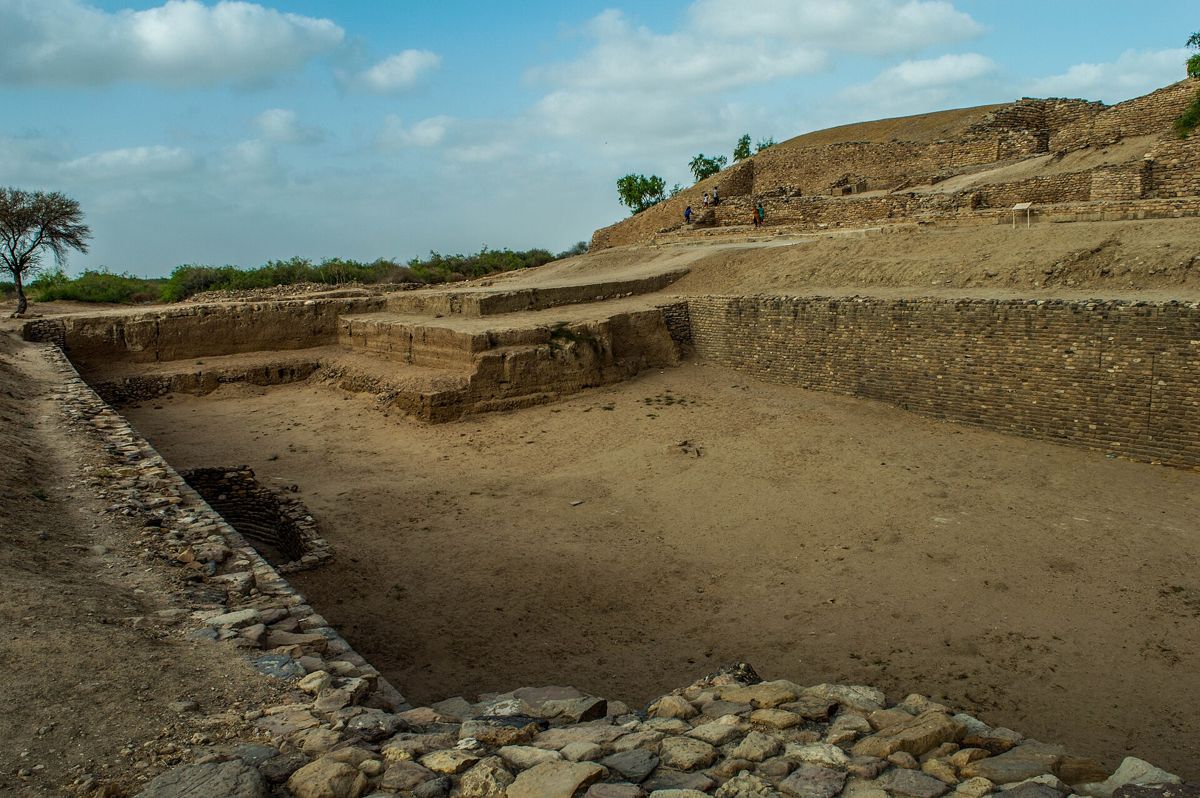
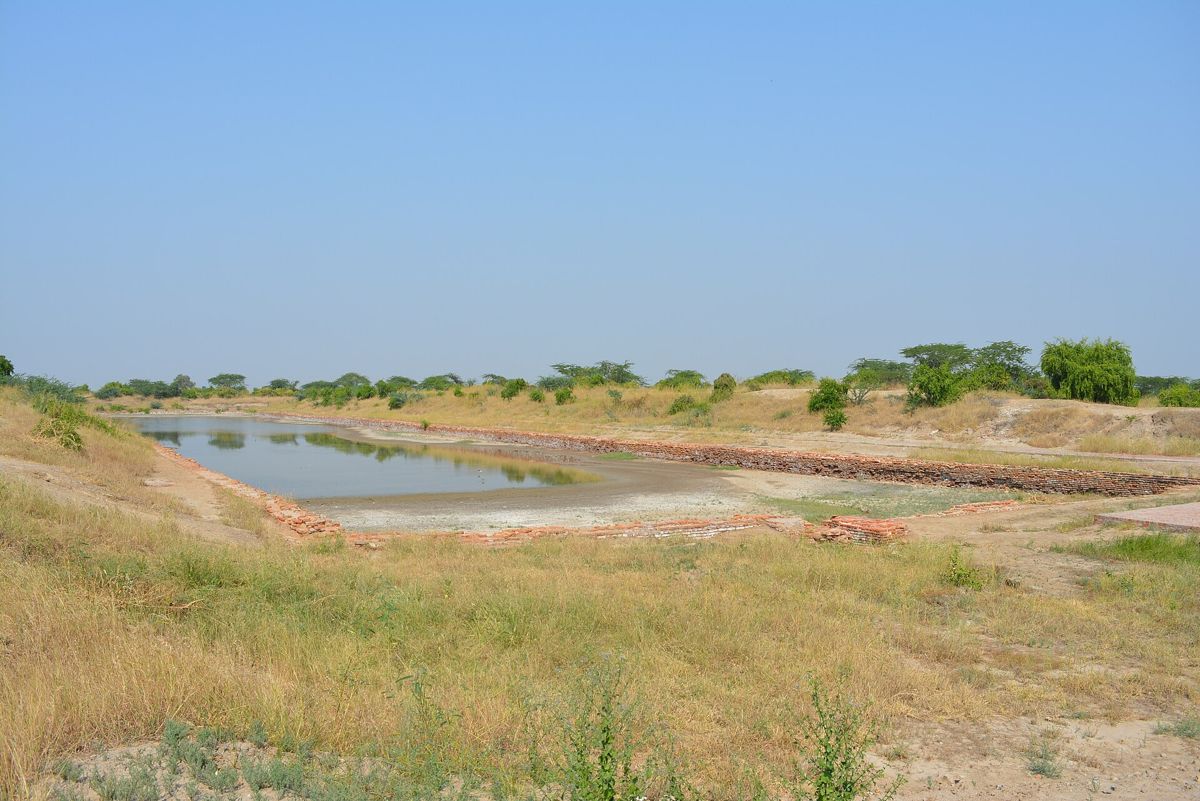
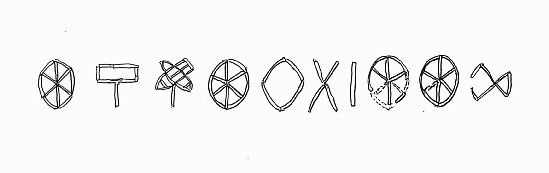
| Dholavira | Kutch · Gujarat | J. P. Joshi; dug by R. S. Bisht from 1990 | water reservoirs, a 10-sign 'signboard', city in three parts; UNESCO 2021 |
| Rakhigarhi | Hisar · Haryana | — | largest Harappan site in India |
| Banawali | Hisar · Haryana | R. S. Bisht, 1974 | clay model of a plough |
| Ropar (Rupnagar) | Sutlej · Punjab (India) | Y. D. Sharma | first site dug after Independence |
| Sanghol | Fatehgarh Sahib · Punjab (India) | — | Harappan remains; later a Kushan-period Buddhist site |
| Alamgirpur | Hindon · Uttar Pradesh | Y. D. Sharma | easternmost site |
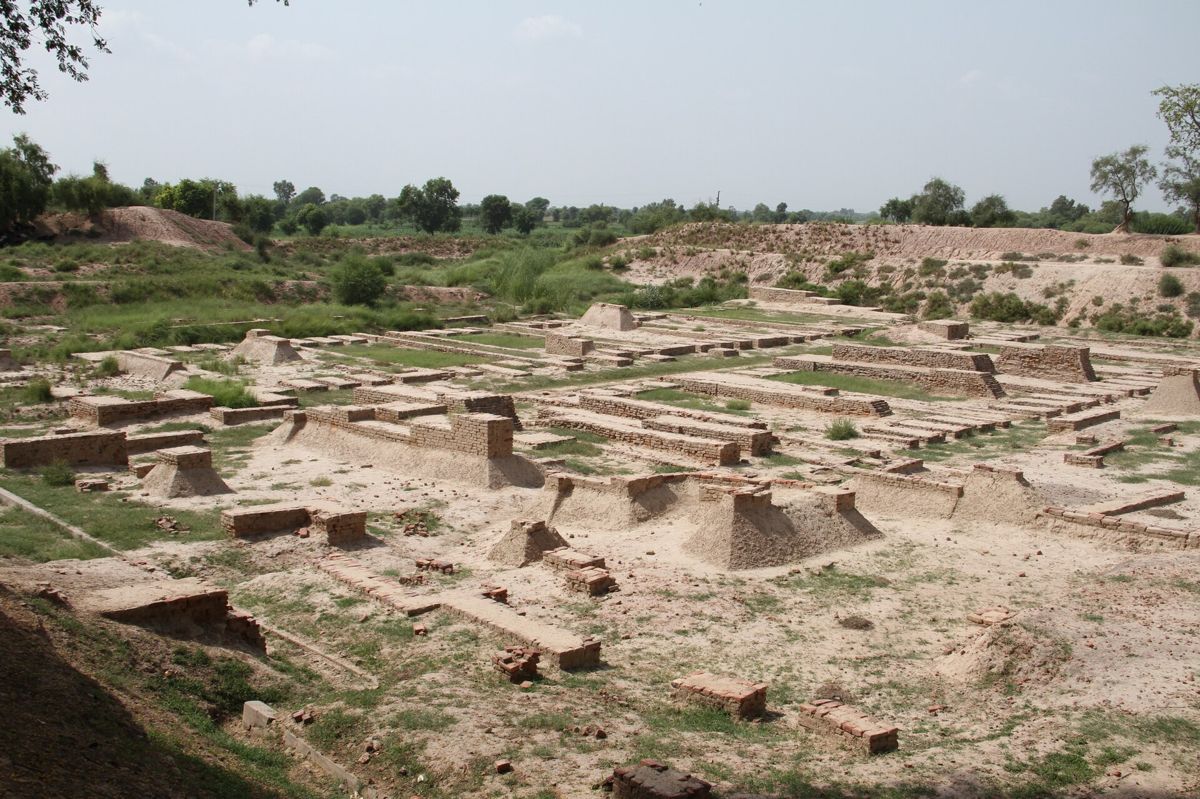
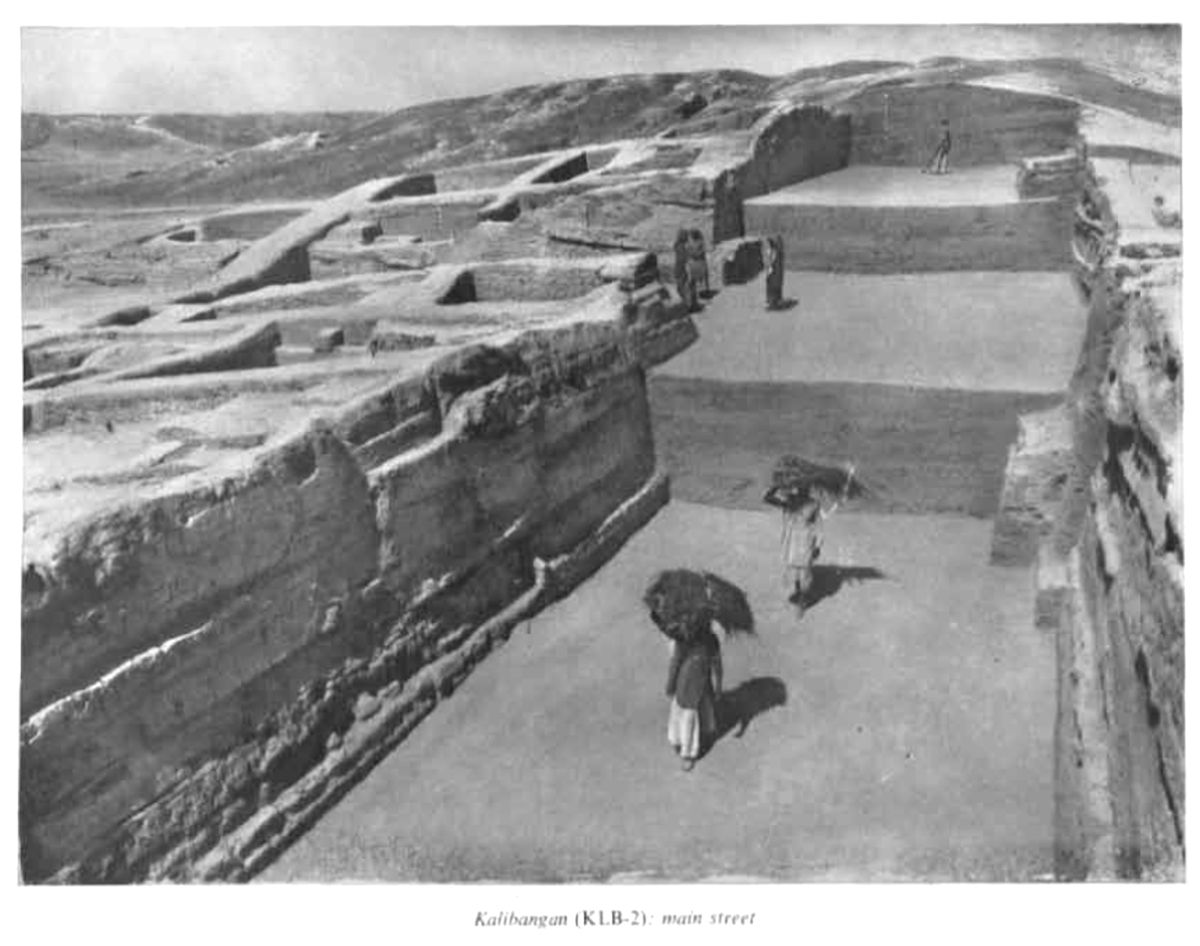
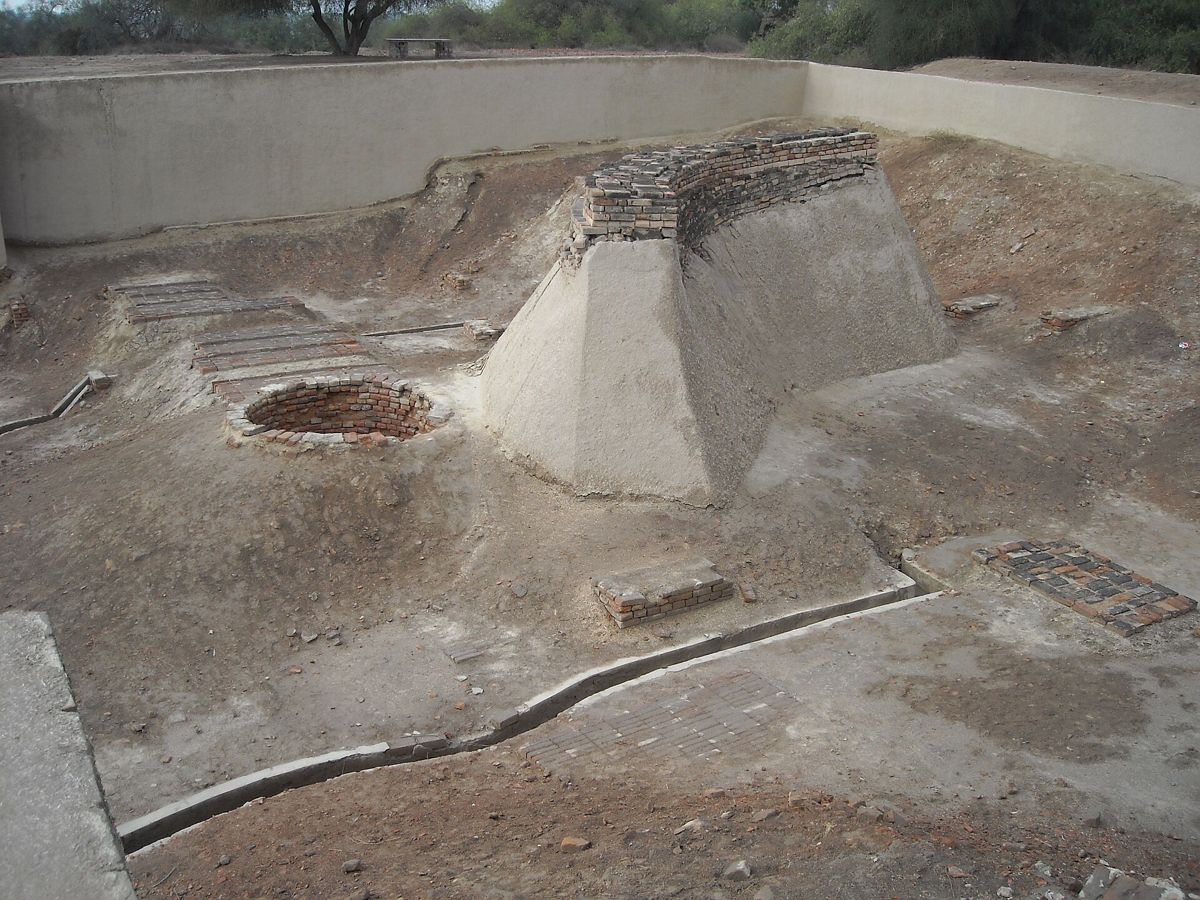
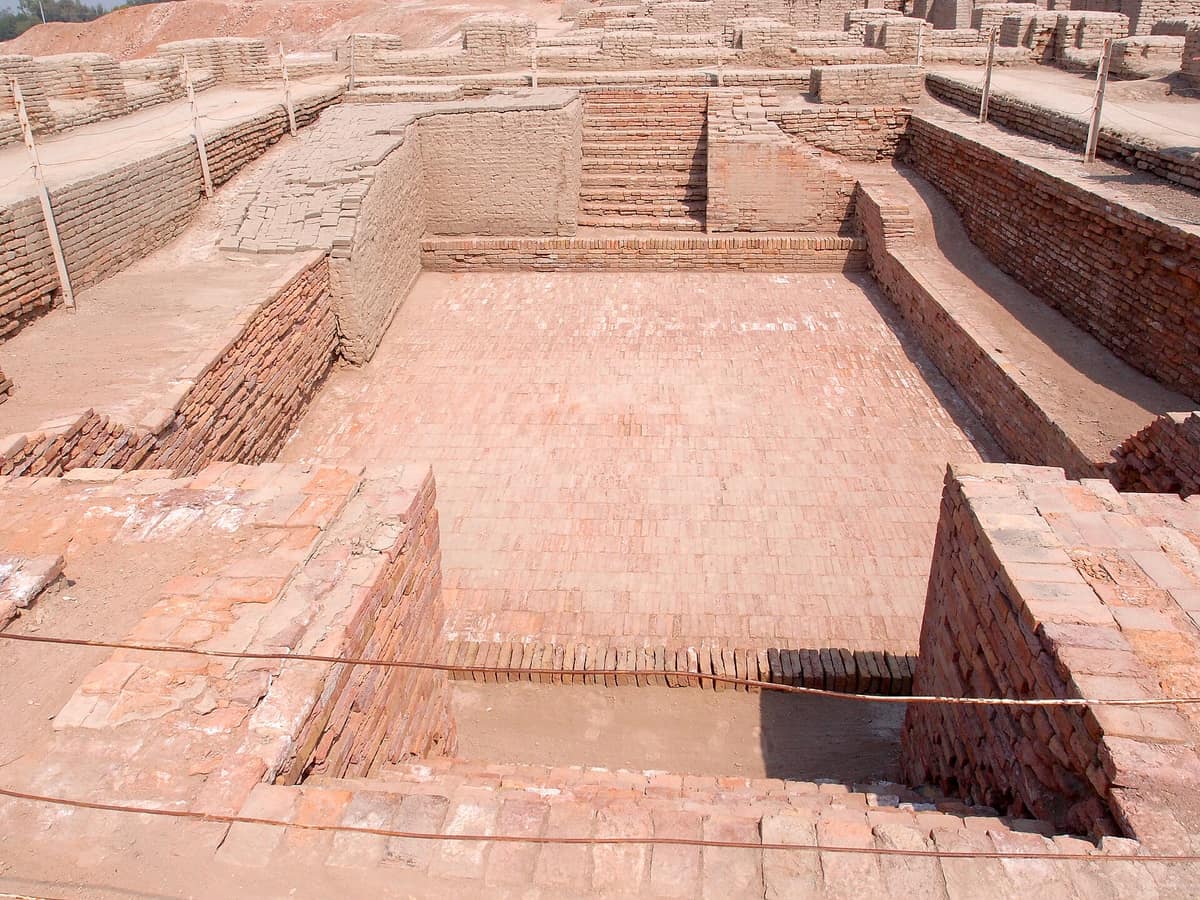
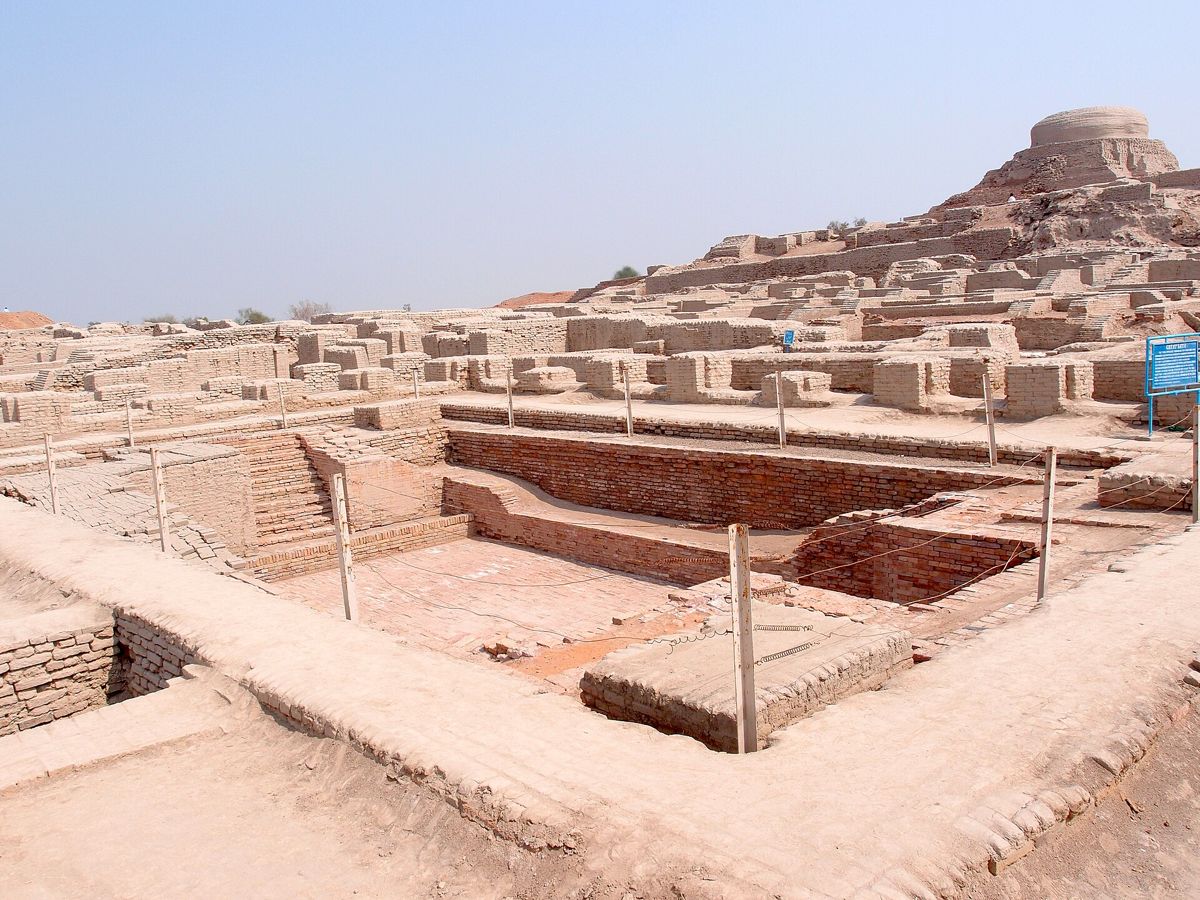
Town planning is the most famous feature. Cities had a raised citadel on the west and a larger lower town where most people lived. Streets were straight and crossed at right angles, like a grid. Houses were built of burnt bricks of a standard shape (length : width : thickness = 4 : 2 : 1), and covered drains ran along the streets. The Great Bath of Mohenjo-daro is a large brick tank made watertight with bitumen, with steps at both ends; nearby stood a large building usually called the Great Granary.
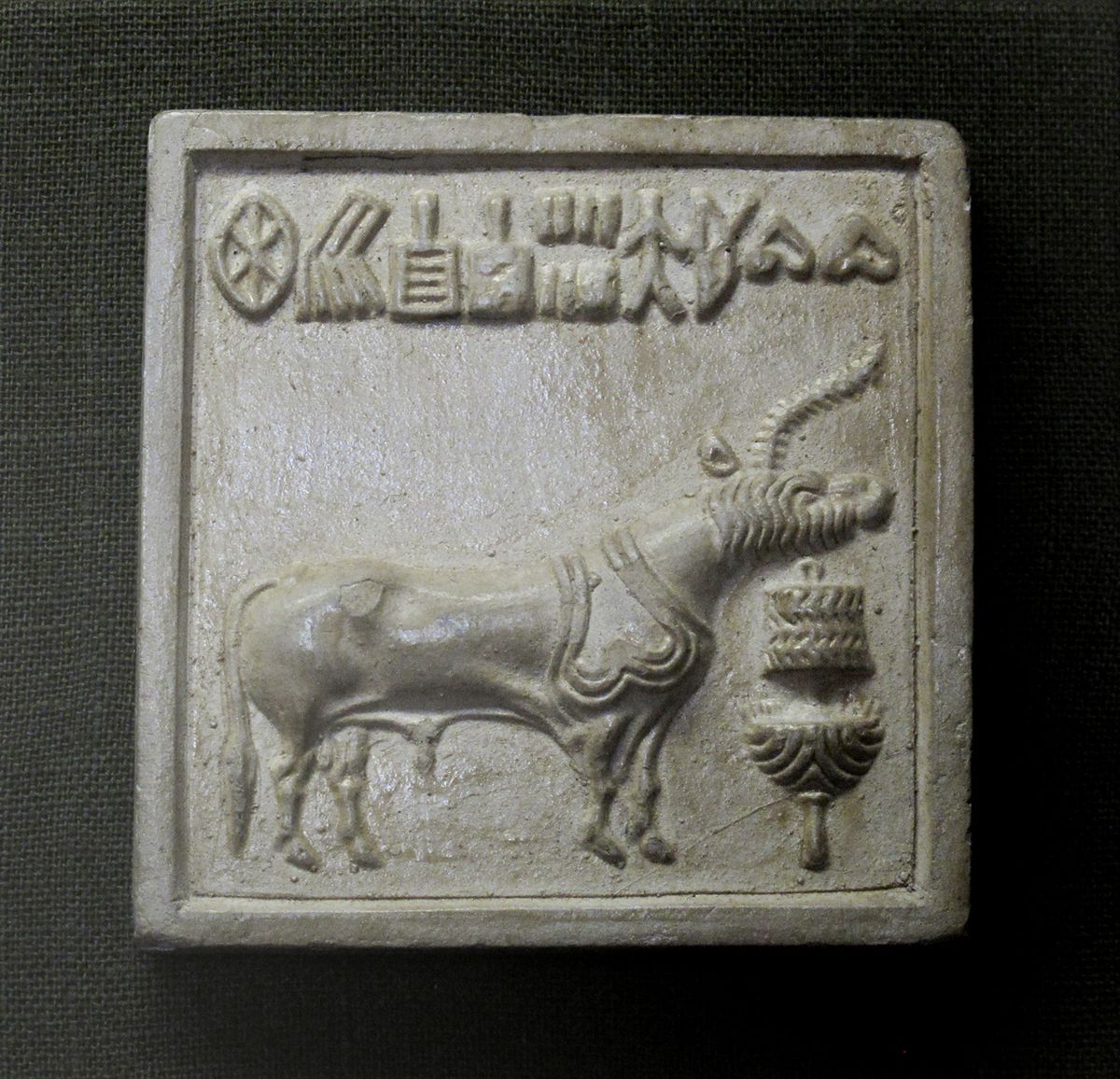
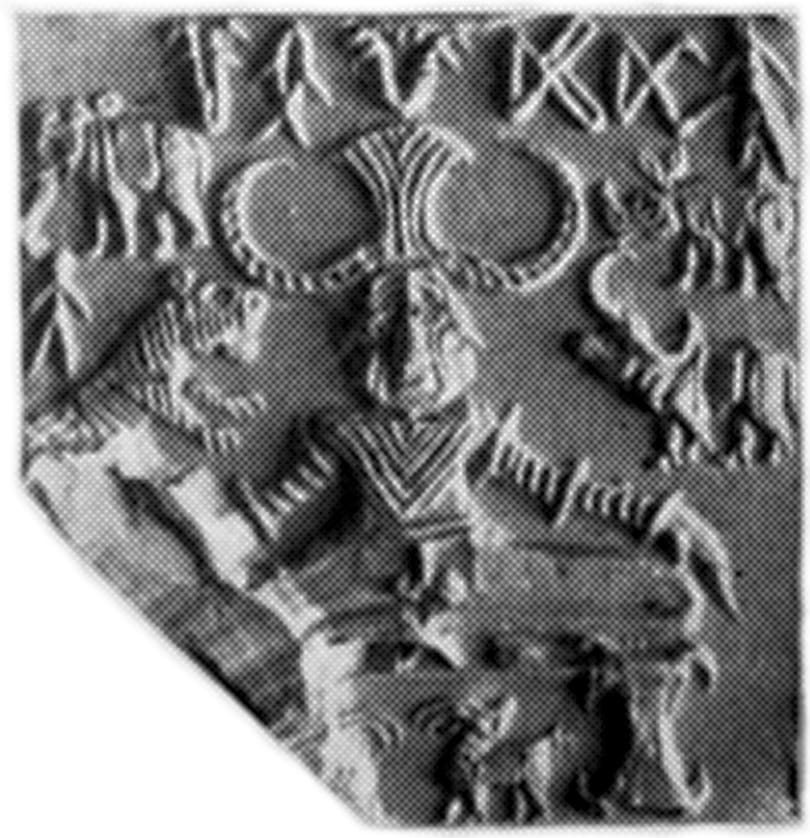
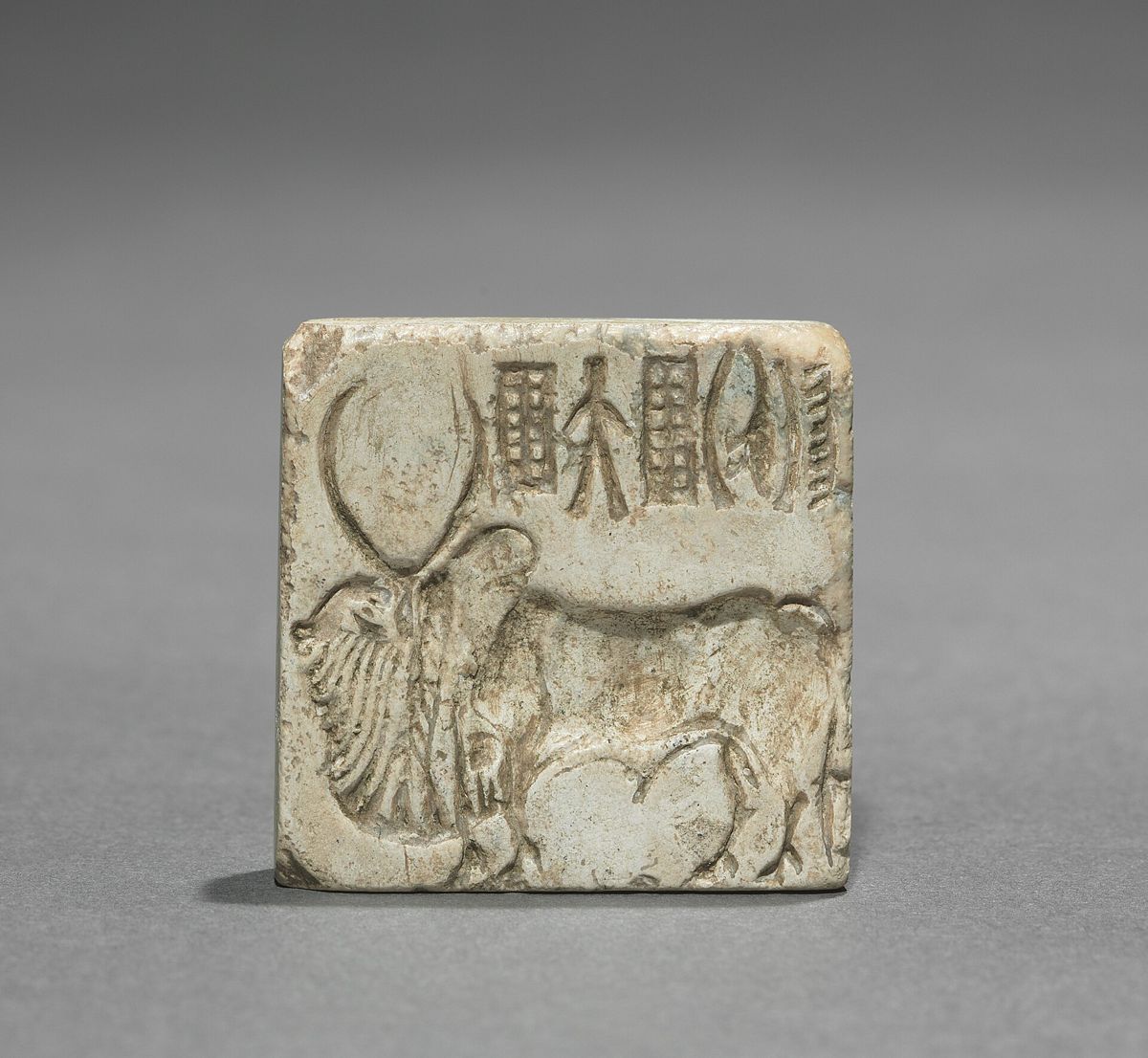
Seals, script and religion. Thousands of small square seals, mostly of steatite (soapstone), have been found. The most common animal on them is a one-horned beast called the 'unicorn'. The seals carry a picture-like script of about 400 signs that nobody has been able to read; it was usually written from right to left. One seal shows a seated figure among animals, which John Marshall called 'Pashupati' or proto-Shiva. Clay figurines suggest worship of a Mother Goddess, and trees and animals were also honoured — but no temple has been found. The best-known artworks are the steatite 'Priest-King' and the bronze 'Dancing Girl' from Mohenjo-daro, made by the lost-wax method.
| Area | What to remember |
|---|---|
| Crops | wheat and barley; among the earliest to grow cotton; rice at Lothal and Rangpur |
| Animals | the humped bull appears often on seals; the horse is not clearly known |
| Metals | copper, bronze, gold, silver — no iron |
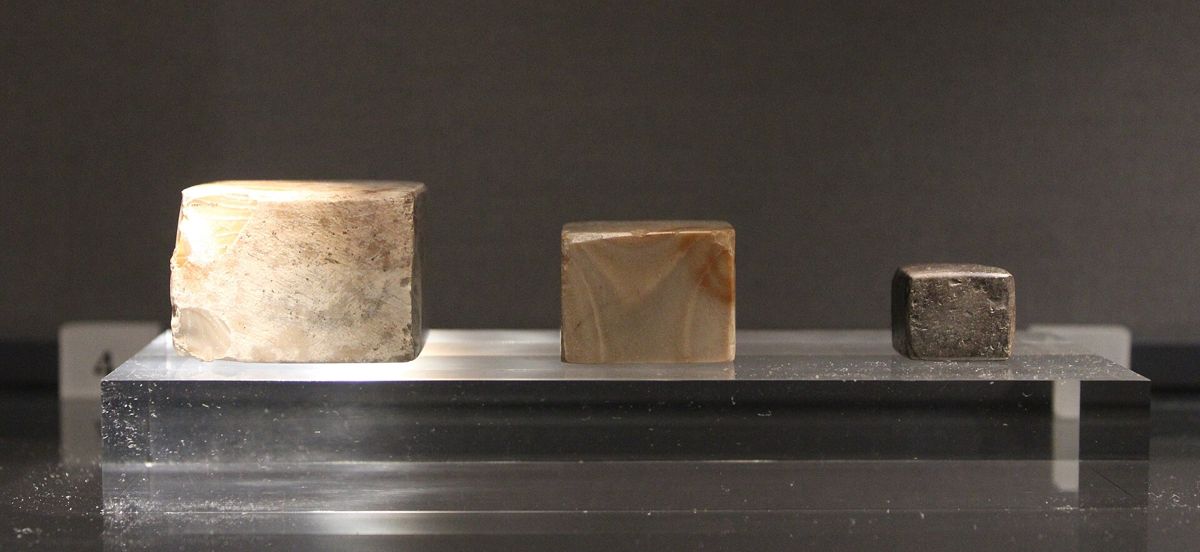
| Weights | cubical chert weights in standard sizes |
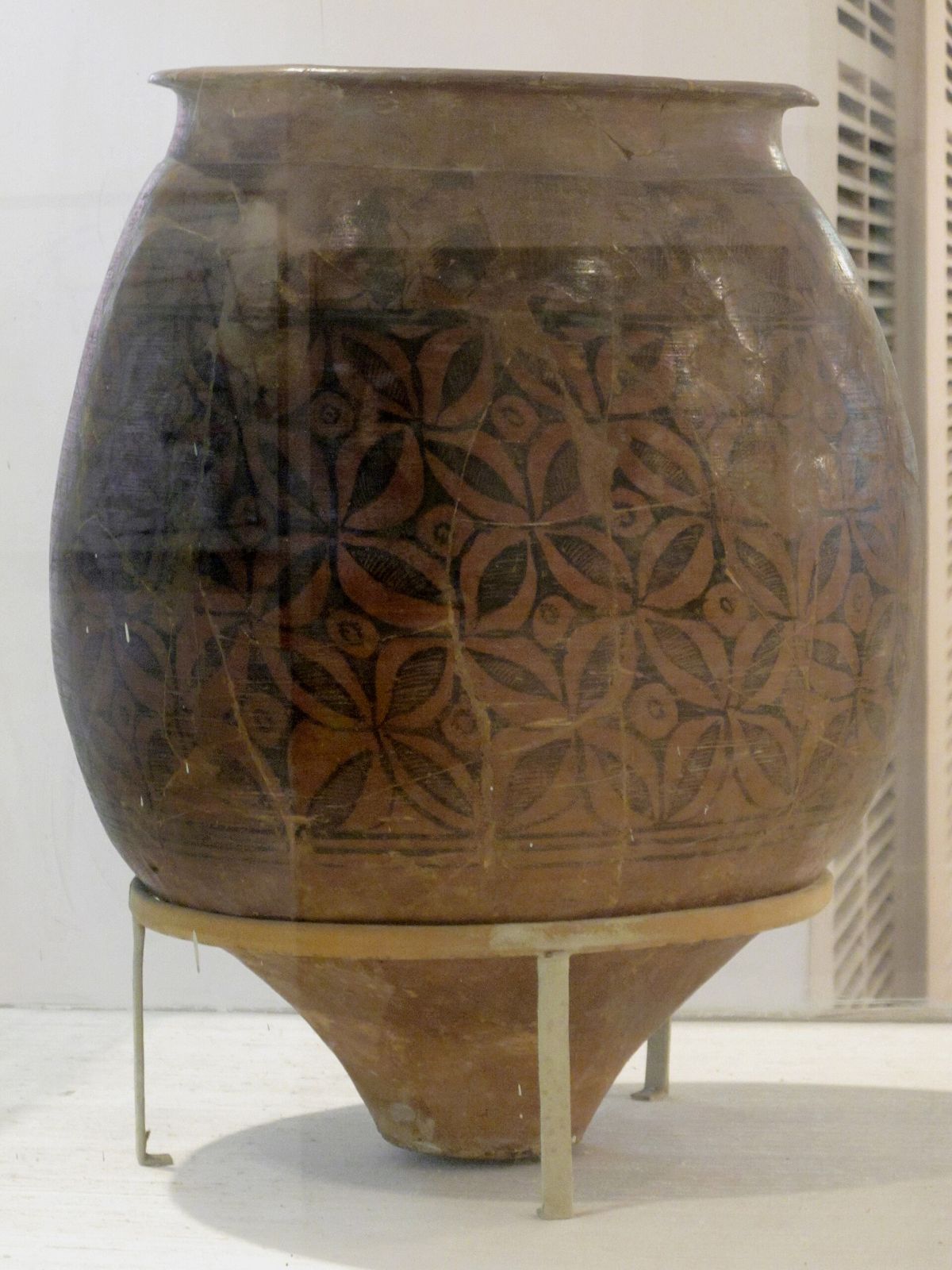
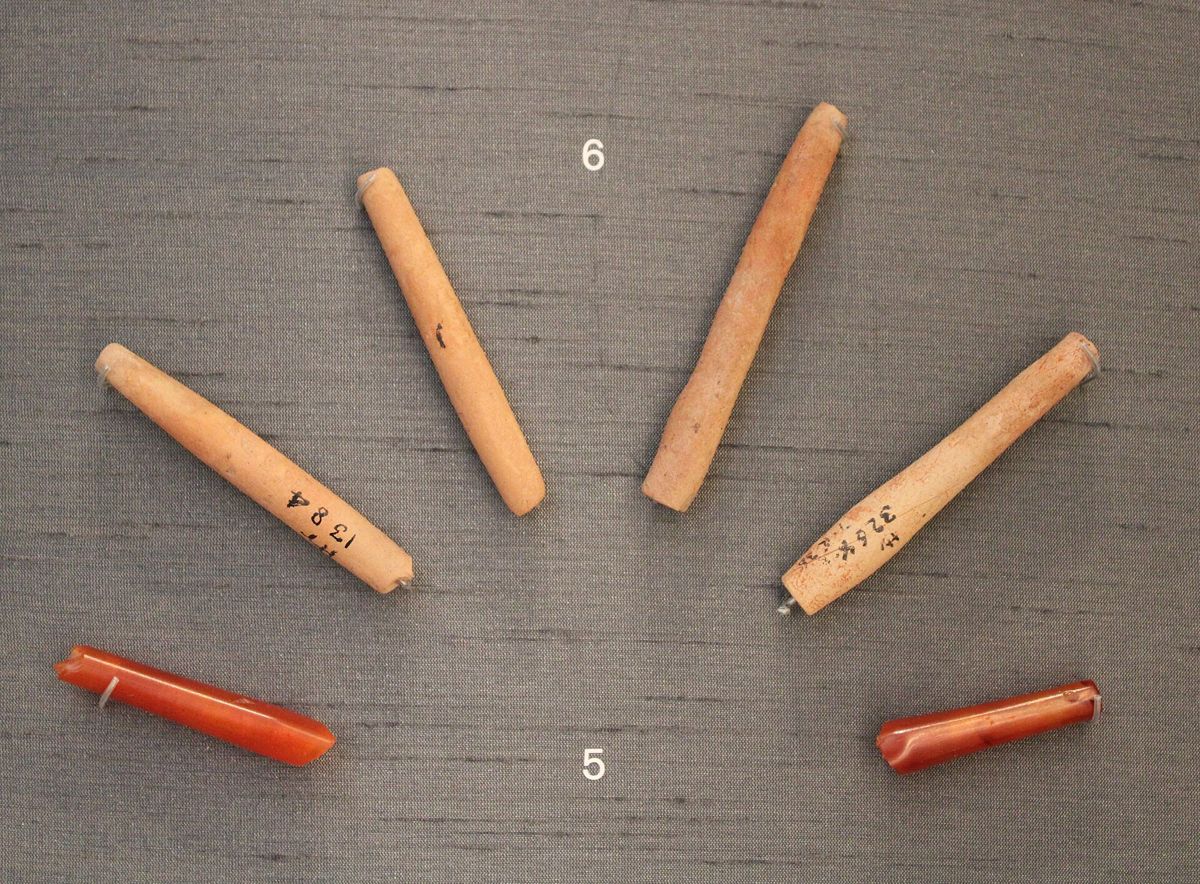
| Crafts | beads (Chanhudaro, Lothal), red pottery painted in black |
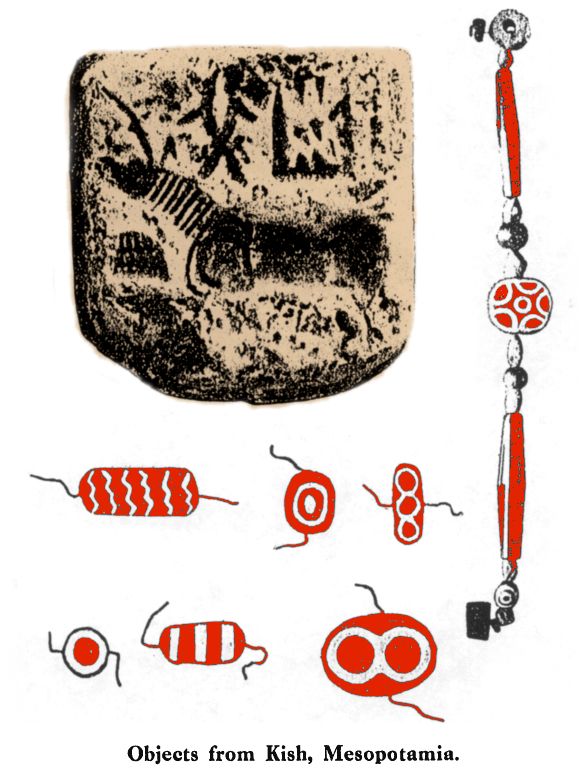
| Trade | with Mesopotamia, whose records call the Indus region Meluhha; Indus seals have been found there |
Decline. After about 1900 BCE the big cities were slowly abandoned and people moved to smaller villages. The exact reasons are not certain. Scholars point to floods, rivers changing course or drying up (such as the Ghaggar-Hakra), climate change and a decline in trade. The old idea that invading Aryans destroyed the cities (Mortimer Wheeler) is now largely rejected.
- c. 3300 BCEEarly Harappan phase begins
- c. 2600 BCEMature phase: the great cities
Harappa, Mohenjo-daro, Dholavira
- c. 1900 BCECities decline
Late Harappan phase follows
- 1921Harappa excavated
Daya Ram Sahni
- 1922Mohenjo-daro found
R. D. Banerji
- After 1947Ropar — first site dug in independent India
Y. D. Sharma
- 2021Dholavira becomes a UNESCO World Heritage Site
| Don't mix up | Remember |
|---|---|
| Harappa vs Mohenjo-daro | Harappa = Ravi, Daya Ram Sahni, 1921; Mohenjo-daro = Indus, R. D. Banerji, 1922 |
| Ropar vs Rakhigarhi | Ropar = Punjab, Sutlej, first dug after 1947; Rakhigarhi = Haryana, largest in India |
| Lothal vs Dholavira | Lothal = dockyard; Dholavira = water reservoirs, signboard |
| Kalibangan vs Banawali | Kalibangan = ploughed field, fire altars; Banawali = clay plough model |
| Great Bath | Mohenjo-daro — not Harappa |
| Metals | bronze, copper, gold, silver — no iron |