The 24 Tirthankaras and Mahavira
Who the Tirthankaras are, and Mahavira's life from Kundagrama to Pavapuri.
Jainism grew up in the same time and place as Buddhism — the Ganga valley in the 6th century BCE — and for the same reasons: people were unhappy with costly Vedic rituals, animal sacrifice and the power of the priests. Jains believe their faith was taught again and again by 24 Tirthankaras. A tirtha is a ford — a shallow place where a river can be crossed — so a Tirthankara is a 'ford-maker', a teacher who shows the way across the river of birth and death. The 24th and last Tirthankara was Vardhamana Mahavira, who lived at the same time as the Buddha. Historians see him as the one who gave Jainism its final shape, not as its first founder.
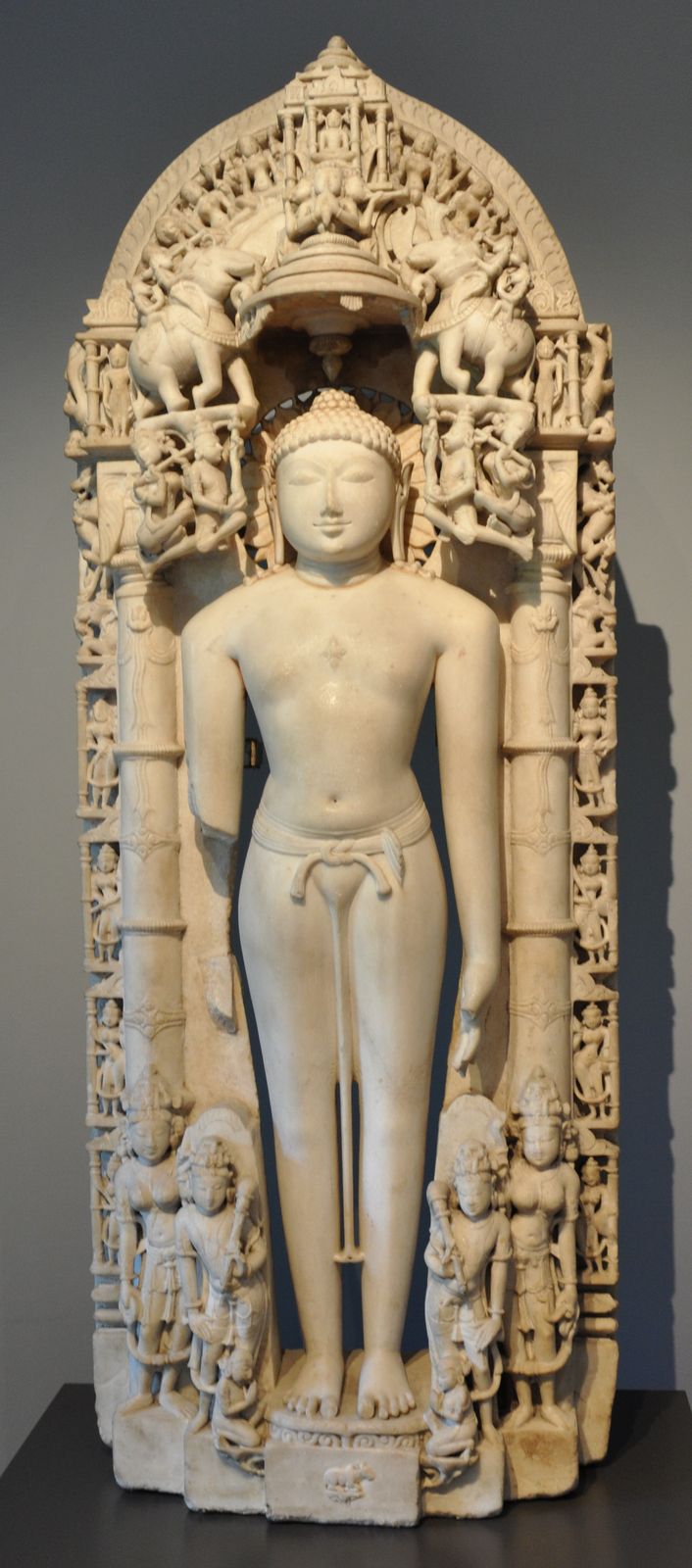
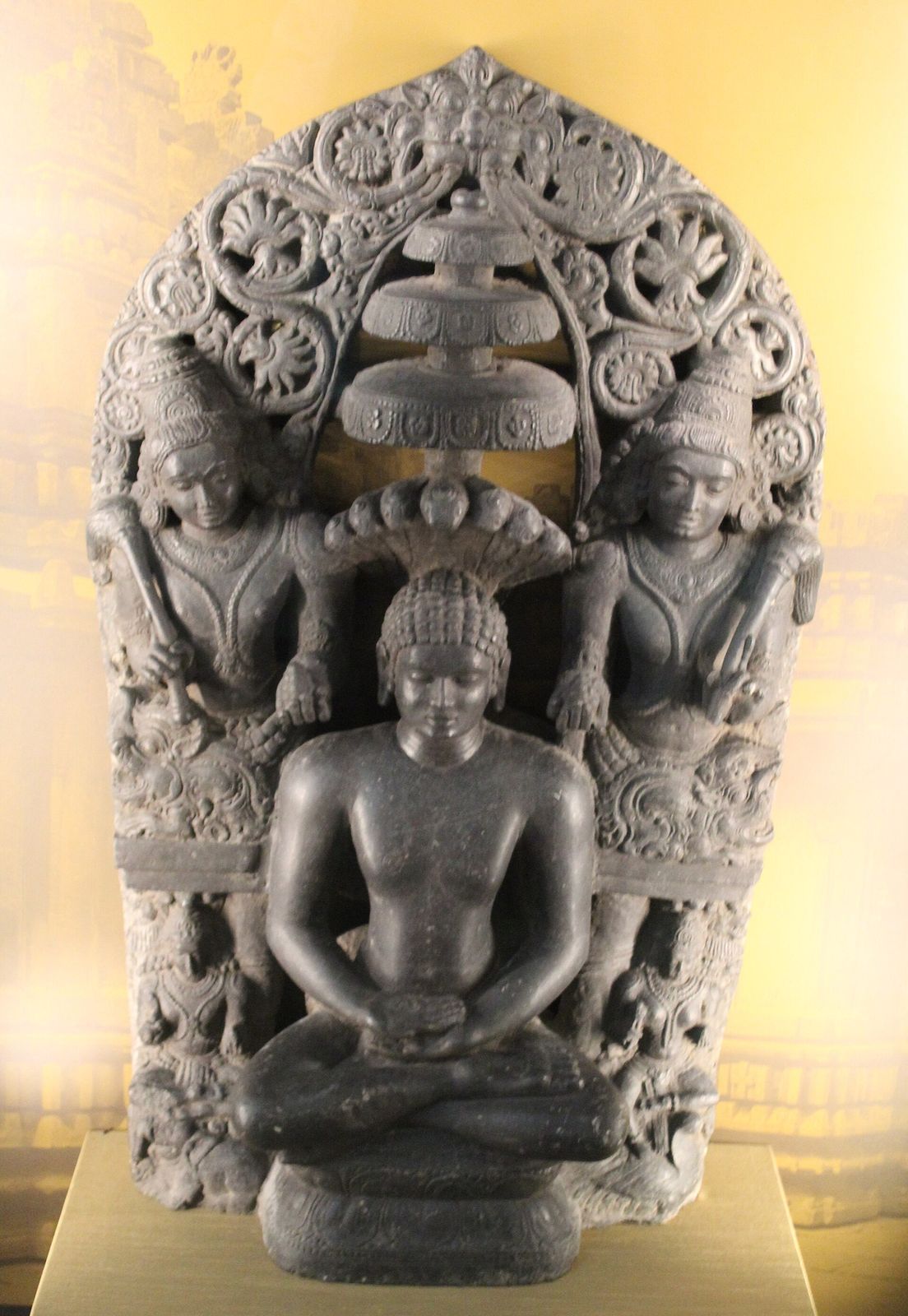
| No. | Tirthankara | Symbol | Remember |
|---|---|---|---|
| 1st | Rishabhadeva (Adinatha) | Bull | the first Tirthankara |
| 22nd | Neminatha (Arishtanemi) | Conch | linked with Girnar, Gujarat |
| 23rd | Parshvanatha | Snake | prince of Varanasi, son of King Ashvasena; gave four vows |
| 24th | Mahavira | Lion | the last Tirthankara; added the fifth vow |
| Who / what | Name | Remember |
|---|---|---|
| Born | c. 540 BCE | Jain tradition gives 599 BCE |
| Birthplace | Kundagrama | near Vaishali, Bihar |
| Childhood name | Vardhamana | |
| Father | Siddhartha | head of the Jnatrika clan |
| Mother | Trishala | Lichchhavi princess, sister of Chetaka, king of Vaishali |
| Wife · daughter | Yashoda · Priyadarshana (Anojja) | Shvetambara tradition; Digambaras say he never married |
| Son-in-law | Jamali | became his disciple; later led the first split in the order |
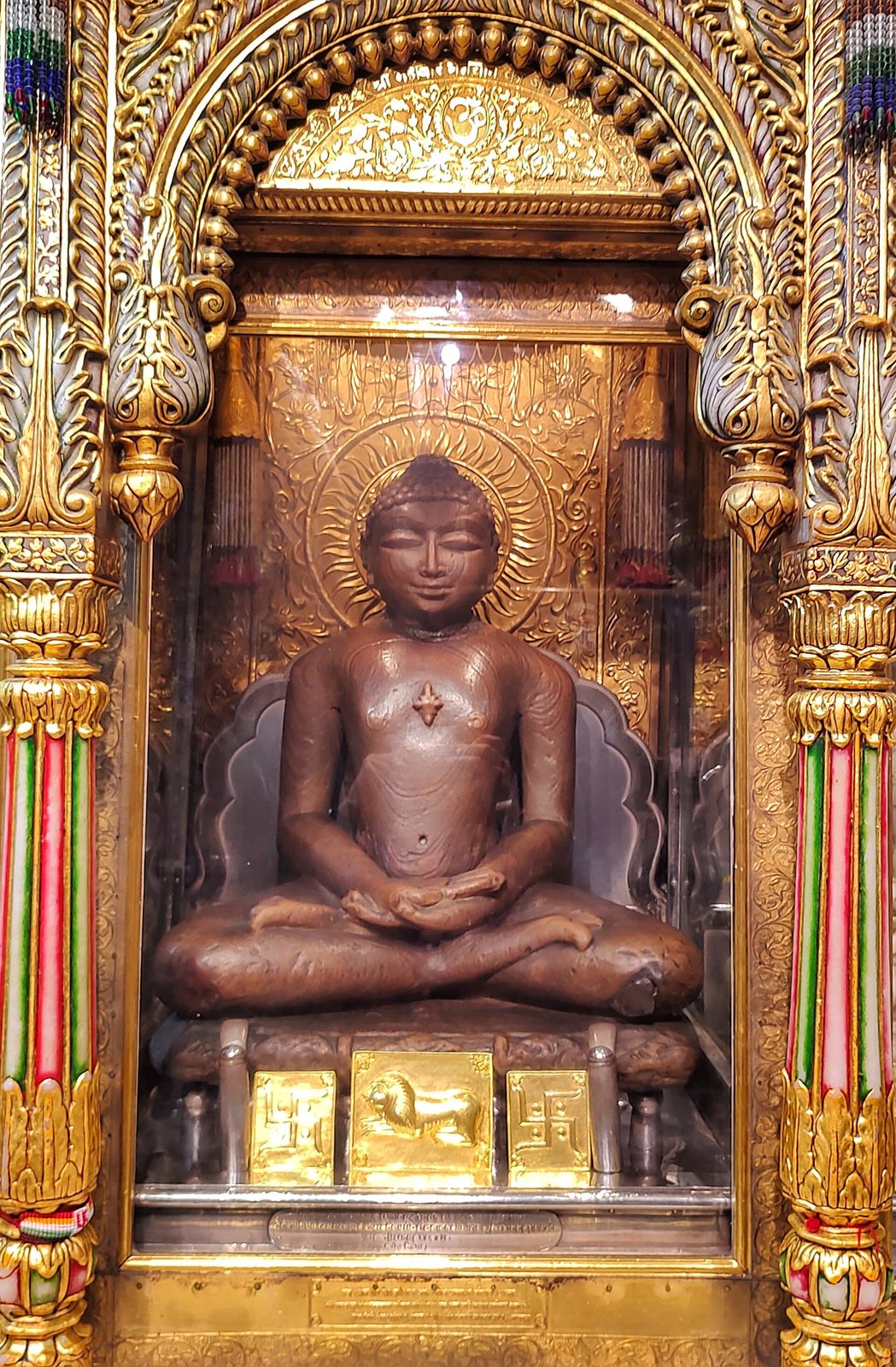
At 30 Vardhamana left home and became a wandering monk. For about 12 years he practised hard austerity (tapas) and meditation. At 42, near Jrimbhikagrama on the bank of the Rijupalika river, under a sal tree, he attained Kaivalya (kevala jnana, supreme knowledge). From then he was called Jina ('the conqueror' — of his own senses), and his followers became Jains. He was also called Mahavira ('great hero'), Kevalin and Nirgrantha ('free from bonds'). For about 30 years he taught in Ardhamagadhi, a Prakrit spoken by ordinary people. Kings Bimbisara and Ajatashatru of Magadha and Chetaka of Vaishali respected him. His chief disciple was Indrabhuti Gautama.
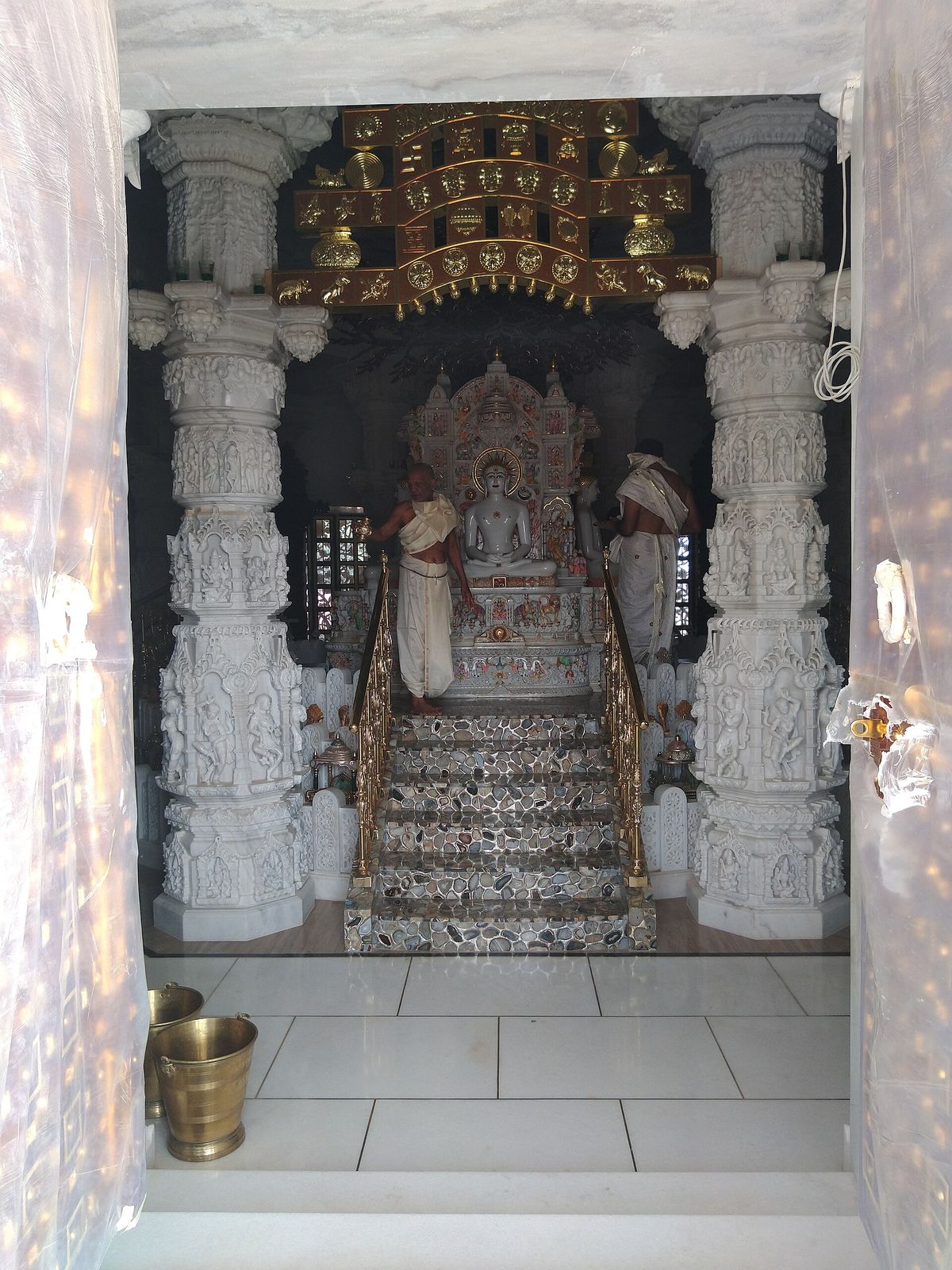
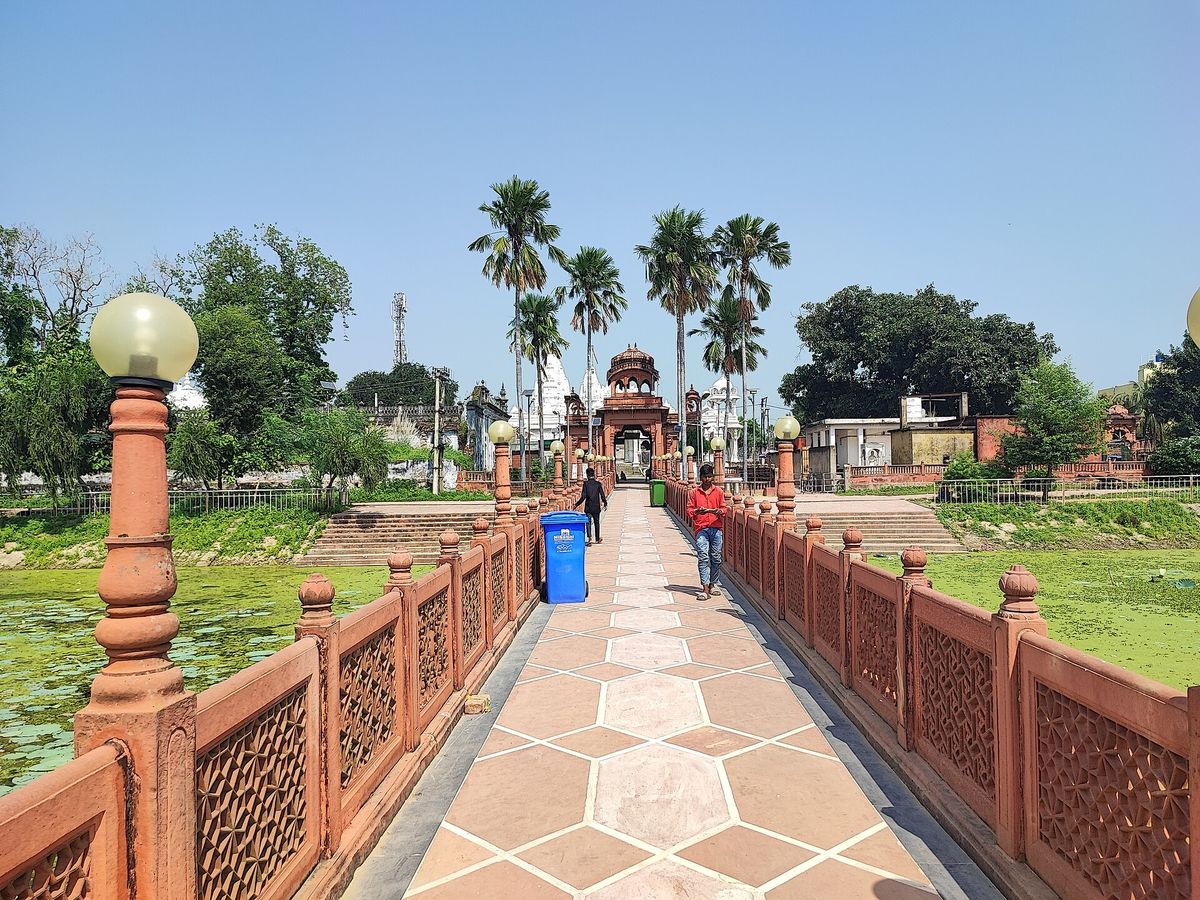
At 72, around 468 BCE (Jain tradition: 527 BCE), Mahavira attained nirvana at Pavapuri (Pawapuri) in Bihar. Jains remember his nirvana on the night of Diwali.
- c. 540 BCEBorn at Kundagrama
near Vaishali; named Vardhamana
- Age 30Left home
became a wandering monk
- c. 12 yearsAusterity and meditation
- Age 42Kaivalya near Jrimbhikagrama
under a sal tree, on the Rijupalika river
- c. 30 yearsTeaching in Ardhamagadhi Prakrit
- c. 468 BCE · age 72Nirvana at Pavapuri
| Event | Mahavira | Buddha |
|---|---|---|
| Birth | Kundagrama (near Vaishali) | Lumbini |
| Supreme knowledge | Jrimbhikagrama — Kaivalya, sal tree | Bodh Gaya — Bodhi (pipal) tree |
| Death | Pavapuri — nirvana at 72 | Kushinagar — Mahaparinirvana at 80 |
What Mahavira taught
Triratna, the five vows, ahimsa and the many-sidedness of truth.
Samyak Darshana
Samyak Jnana
Samyak Charitra
The Jain Triratna (three jewels) — together they lead to moksha. Don't confuse it with the Buddhist Triratna (Buddha, Dhamma, Sangha).
| # | Vow | Meaning | Given by |
|---|---|---|---|
| 1 | Ahimsa | non-violence | Parshvanatha |
| 2 | Satya | truth — do not lie | Parshvanatha |
| 3 | Asteya | do not steal | Parshvanatha |
| 4 | Aparigraha | do not own or hoard things | Parshvanatha |
| 5 | Brahmacharya | celibacy | added by Mahavira |
Ahimsa is the heart of Jainism. Jains believe a soul (jiva) lives not only in people and animals but also in plants, water, fire, air and even earth and stones. So Jain monks walk barefoot and sweep the path in front of them, and some cover their mouths, to avoid harming even tiny beings. For the same reason Jains traditionally avoided farming (which kills creatures in the soil) and took up trade and commerce.
Anekantavada — truth has many sides; no single view holds all of it. Syadvada ('the doctrine of may be') — every statement is true only from one point of view; Jain logic sets this out in seven steps (saptabhangi). The classic example is the blind men and the elephant: one touches the trunk, one a leg, one the ear — each is partly right.
- Karma and rebirth
- A soul (jiva) in every living thing — even plants, water and stones
- Ahimsa above everything
- Hard austerity and fasting as the way to burn away karma
- Goal: Kaivalya / moksha — freedom from rebirth
- The authority of the Vedas
- A creator God who made and runs the world
- Animal sacrifice and costly rituals
- The superiority of priests by birth
Sects, councils and texts
The famine that split the order, the two councils and the Agamas.
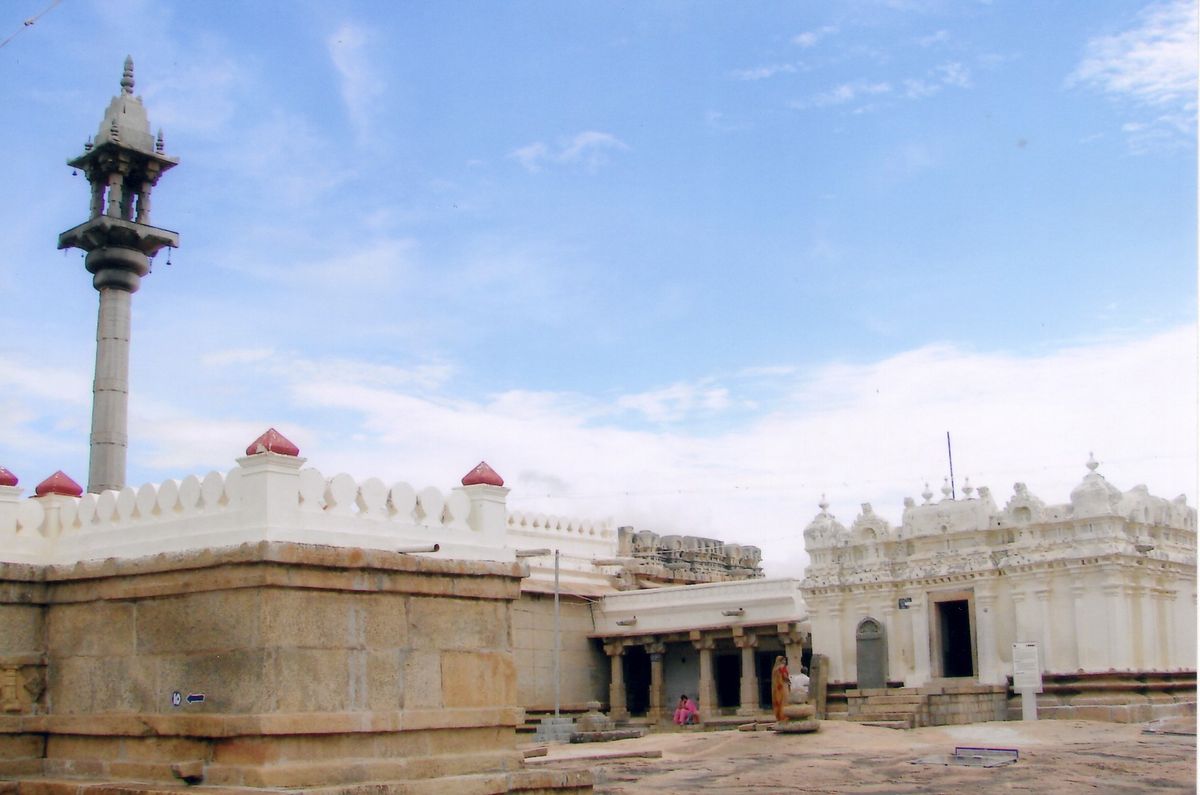
Around 300 BCE, in the time of Chandragupta Maurya, a 12-year famine struck Magadha. The monk Bhadrabahu led a group of monks south to Shravanabelagola in Karnataka. Jain tradition says Chandragupta Maurya gave up his throne and went with him, and spent his last years on Chandragiri hill there. Another group stayed in Magadha under Sthulabhadra. When the southern monks returned, the two groups disagreed on rules — above all on whether monks should wear clothes — and in time Jainism split into Digambaras and Shvetambaras.
| Council | When | Where | Presided | Result |
|---|---|---|---|---|
| First | c. 300 BCE | Pataliputra | Sthulabhadra | The 12 Angas compiled |
| Second | 512 CE (the year exams use; some sources say 453 or 466 CE) | Vallabhi, Gujarat | Devarddhi Kshamashramana | The canon finally written down: 12 Angas, 12 Upangas and more |
| Text | What to remember |
|---|---|
| Agamas | the sacred Jain canon, in Ardhamagadhi Prakrit |
| 12 Angas | the most important part of the Agamas; the first is the Acharanga Sutra (rules of conduct for monks) |
| 12 Upangas | secondary texts attached to the Angas |
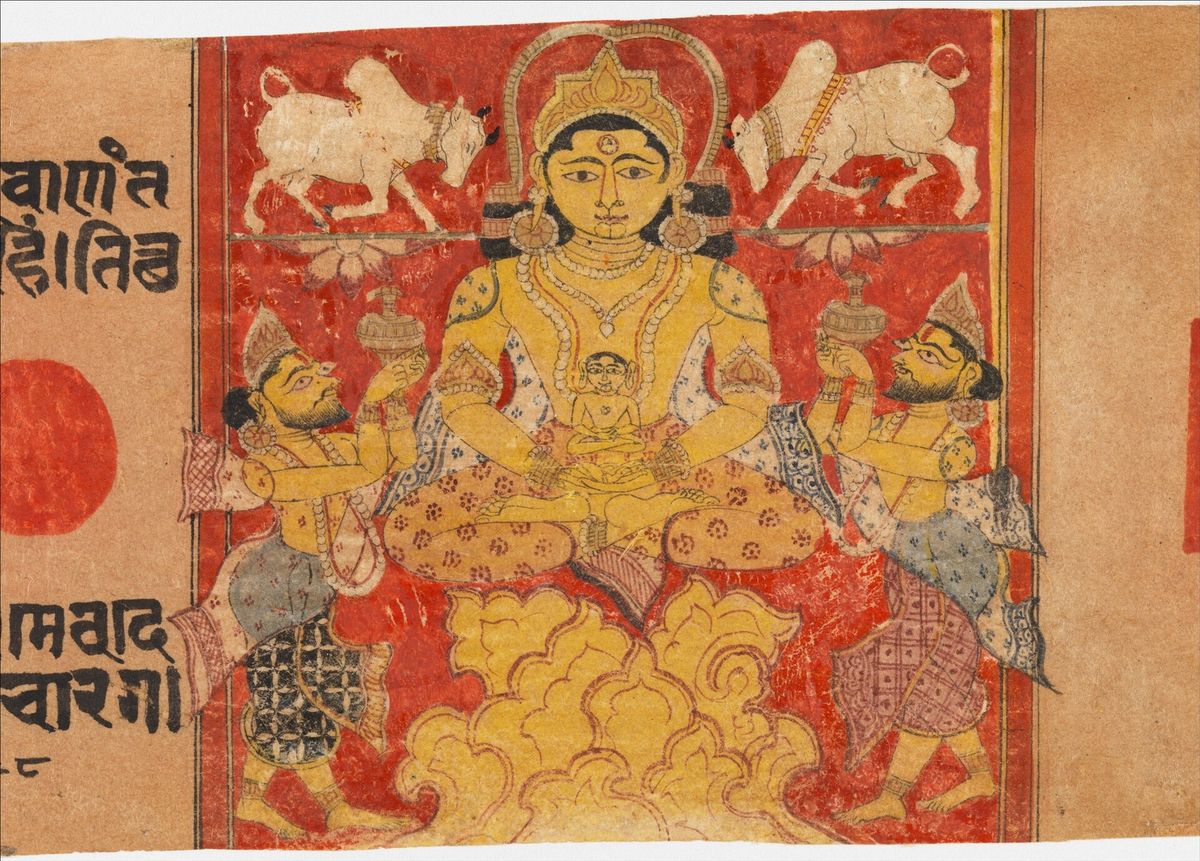
| Kalpasutra | linked with Bhadrabahu; lives of the Tirthankaras, above all Mahavira; manuscripts famous for their paintings |
| Parishishtaparvan | by Hemachandra (12th century), in Sanskrit; tells the story of Chandragupta Maurya's Jain connection |
Patrons, art and holy places
Kings who supported Jainism, and the monuments that keep coming up in exams.
| Patron | Dynasty / region | Remember |
|---|---|---|
| Chandragupta Maurya | Maurya, Magadha | went south with Bhadrabahu (Jain tradition) |
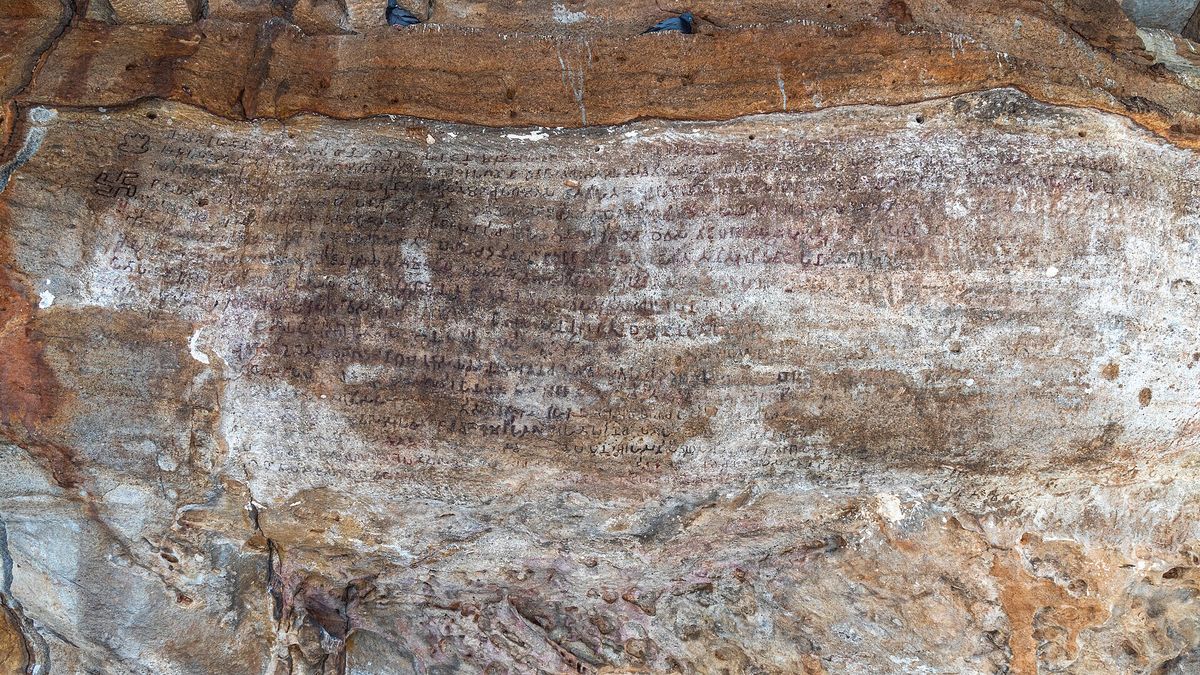
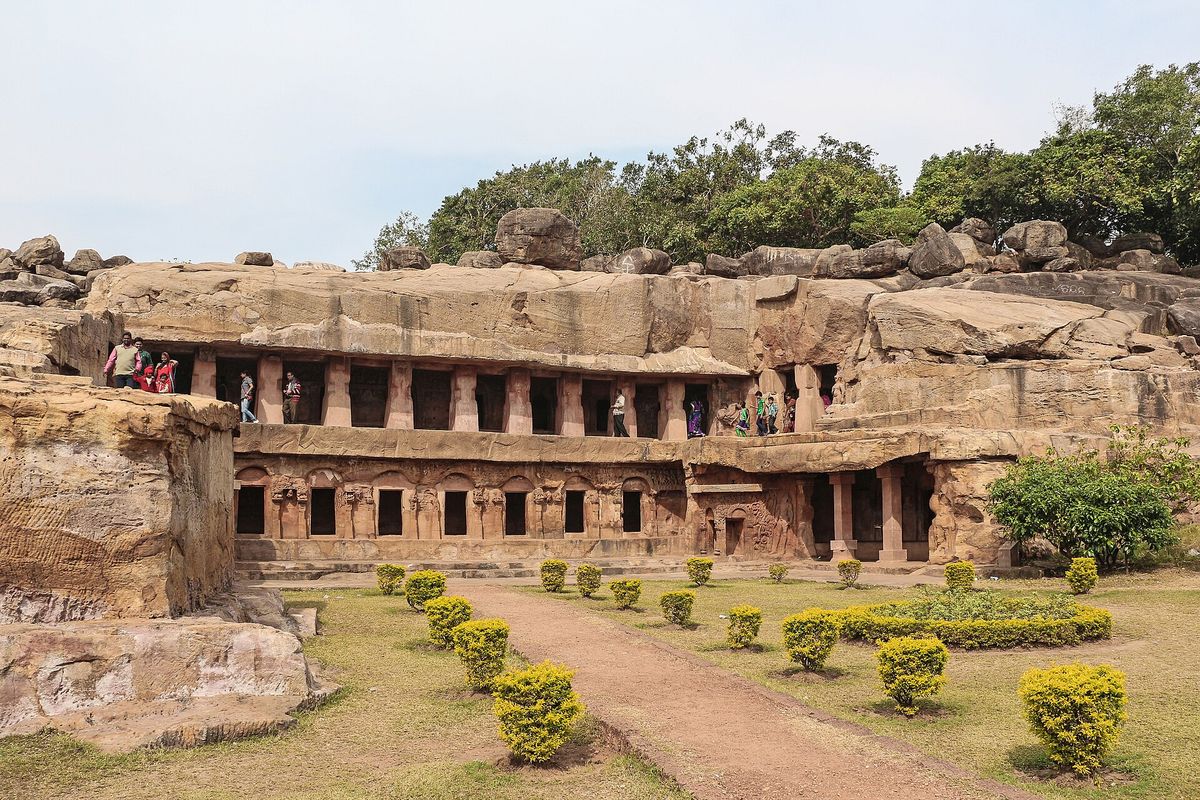
| Kharavela | Kalinga (Odisha), c. 1st century BCE | Hathigumpha inscription; caves for Jain monks at Udayagiri–Khandagiri |
| Chamundaraya | minister of the Western Ganga kings, Karnataka | built the Gommateshwara statue |
| Kumarapala | Chalukya (Solanki), Gujarat, 12th century | influenced by the Jain scholar Hemachandra |
| Place | State | Why it is famous |
|---|---|---|
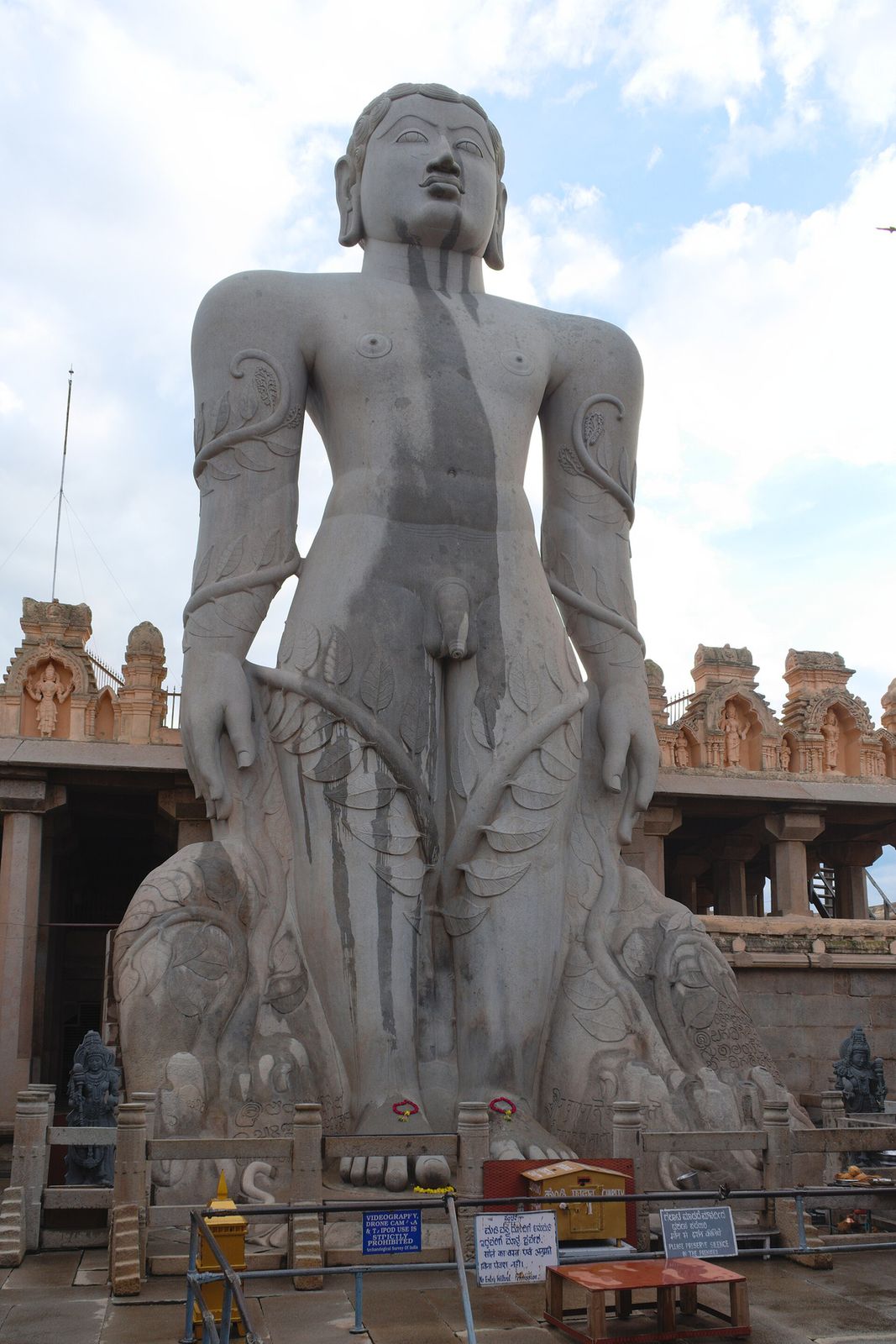
| Shravanabelagola | Karnataka | Gommateshwara (Bahubali) statue, about 57 ft, one stone; built by Chamundaraya c. 983 CE; Mahamastakabhisheka every 12 years |
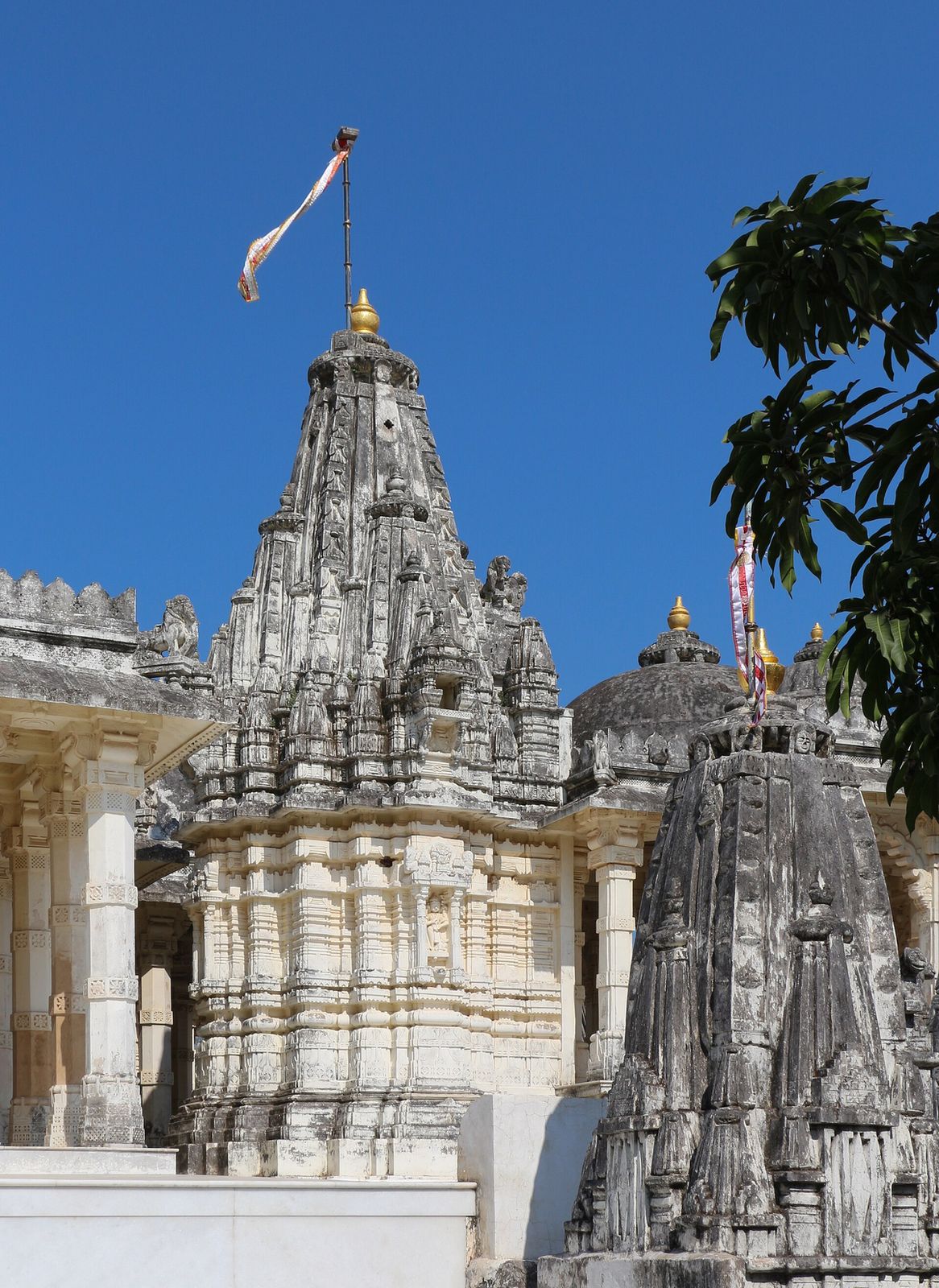
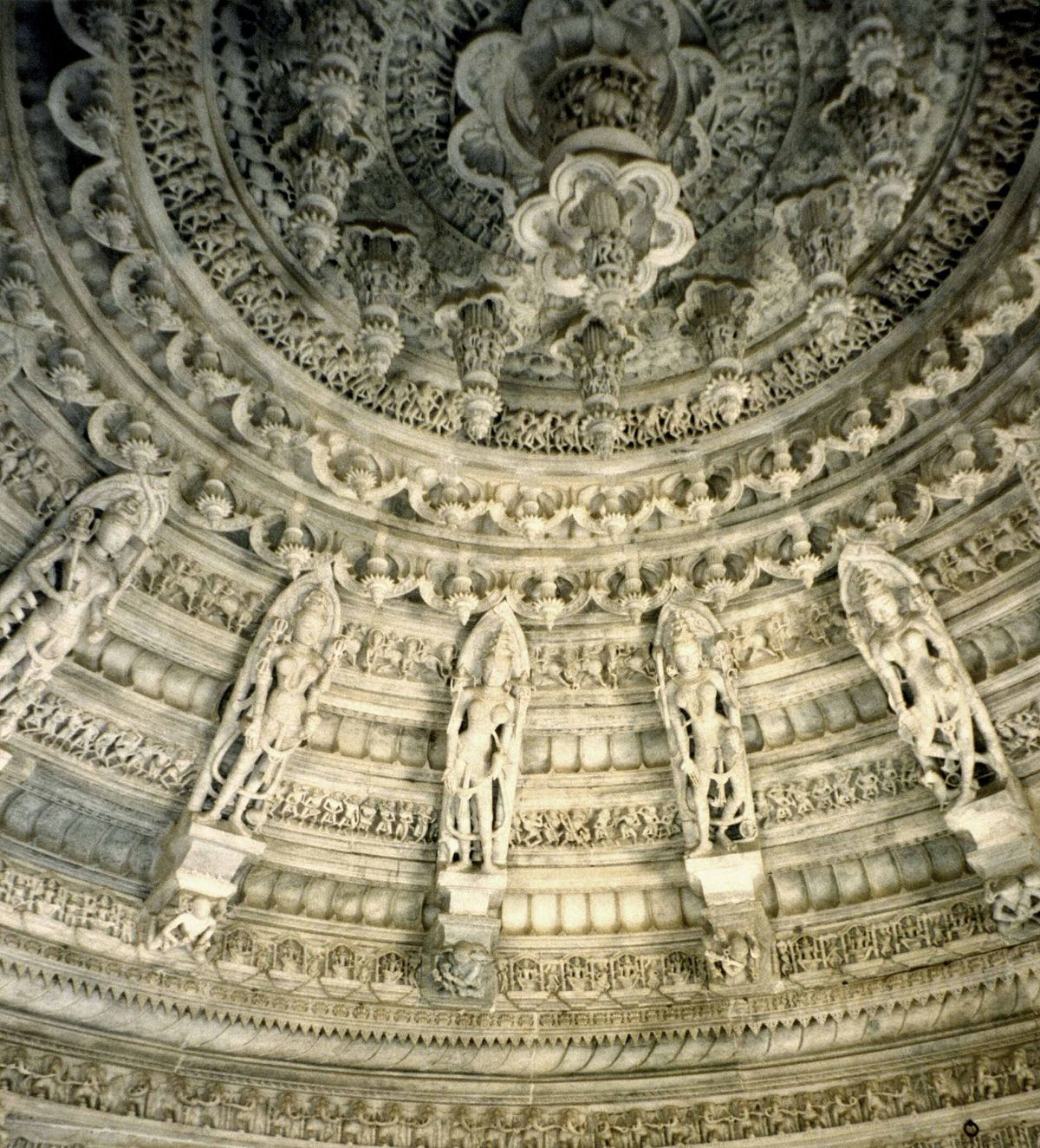
| Dilwara temples, Mount Abu | Rajasthan | white-marble carving; Vimal Vasahi (1031 CE, Vimal Shah) and Luna Vasahi (1230 CE, Vastupala and Tejpala) |
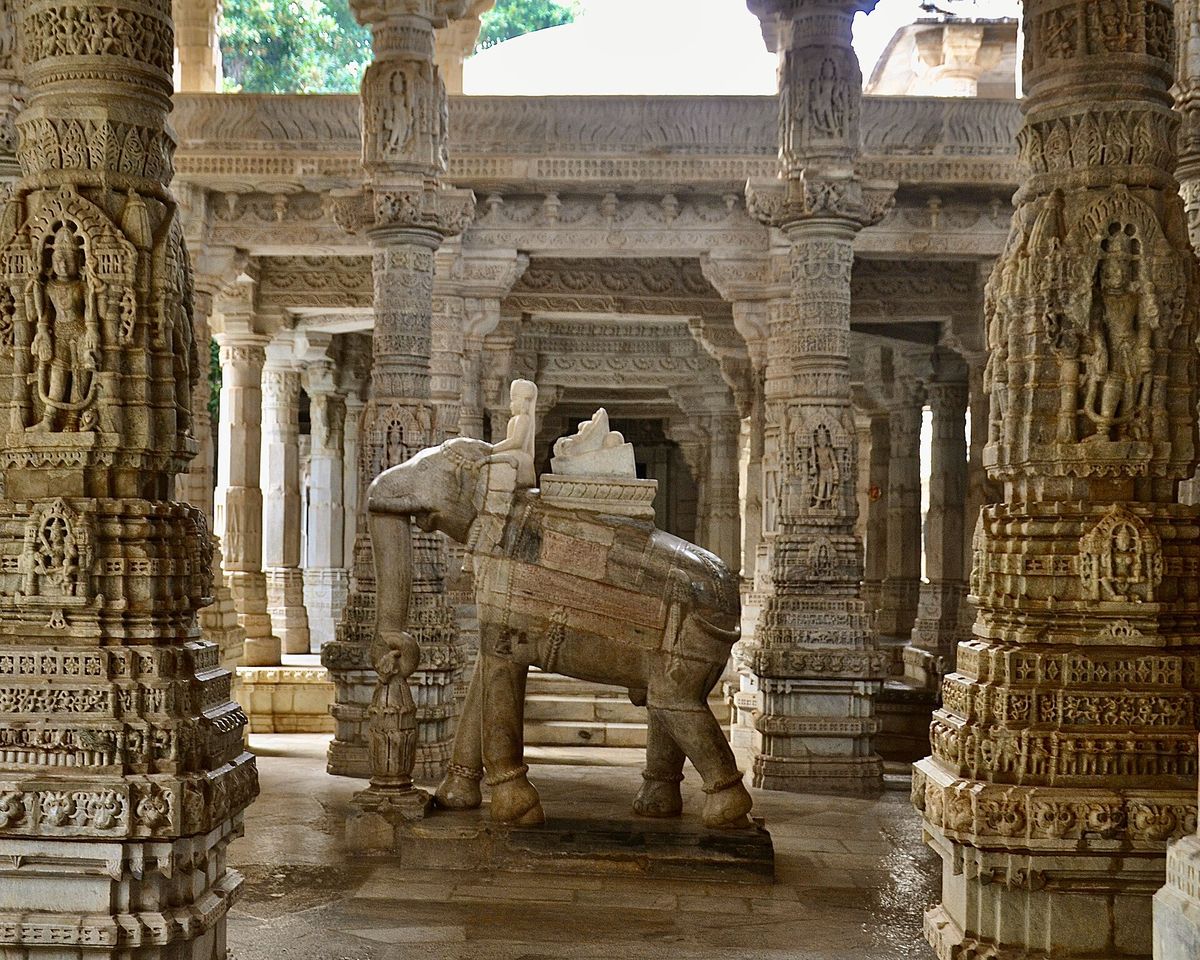
| Ranakpur | Rajasthan | 15th-century Chaumukha temple with a forest of carved pillars |
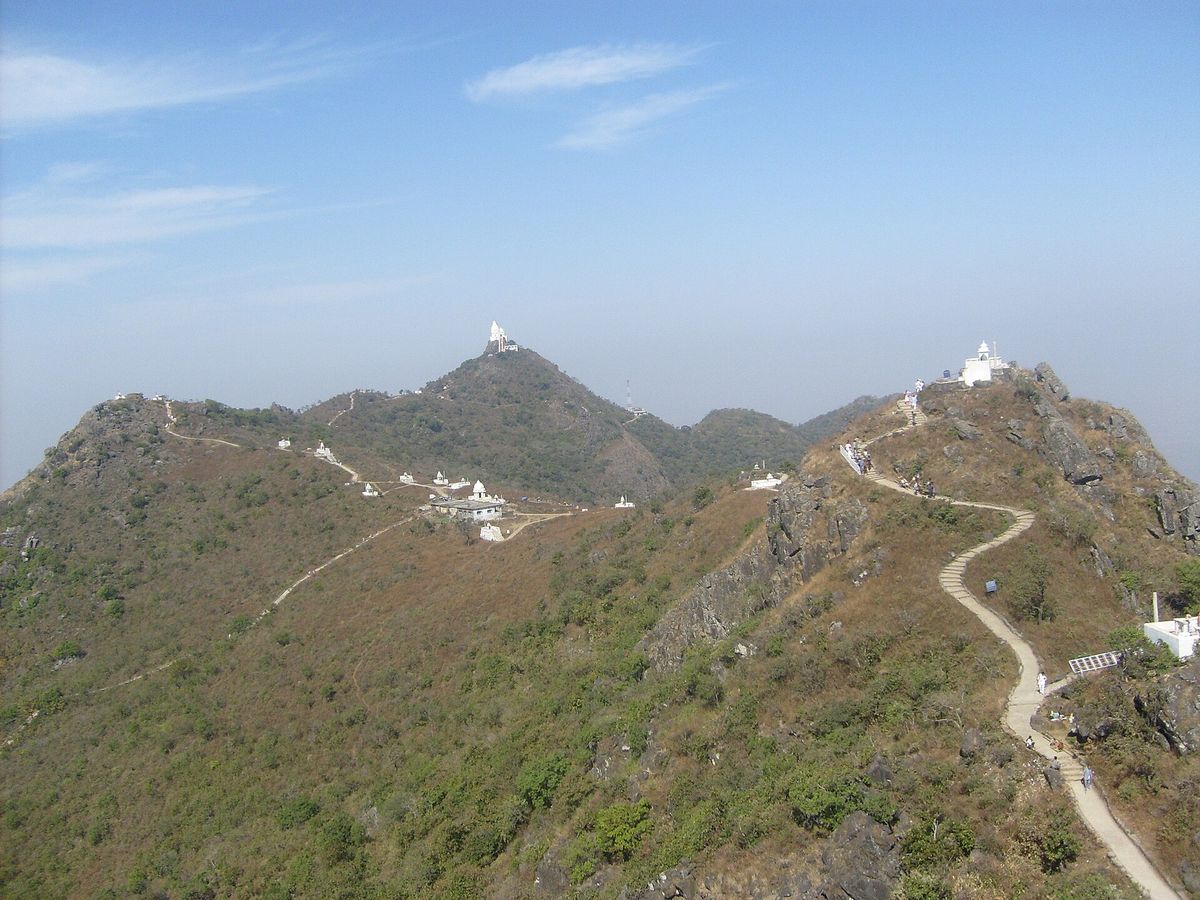
| Palitana (Shatrunjaya hill) | Gujarat | hundreds of temples on one hill |
| Sammed Shikhar (Parasnath hill) | Jharkhand | 20 of the 24 Tirthankaras attained moksha here (Jain belief) |
| Pavapuri | Bihar | Jal Mandir — Mahavira's nirvana |
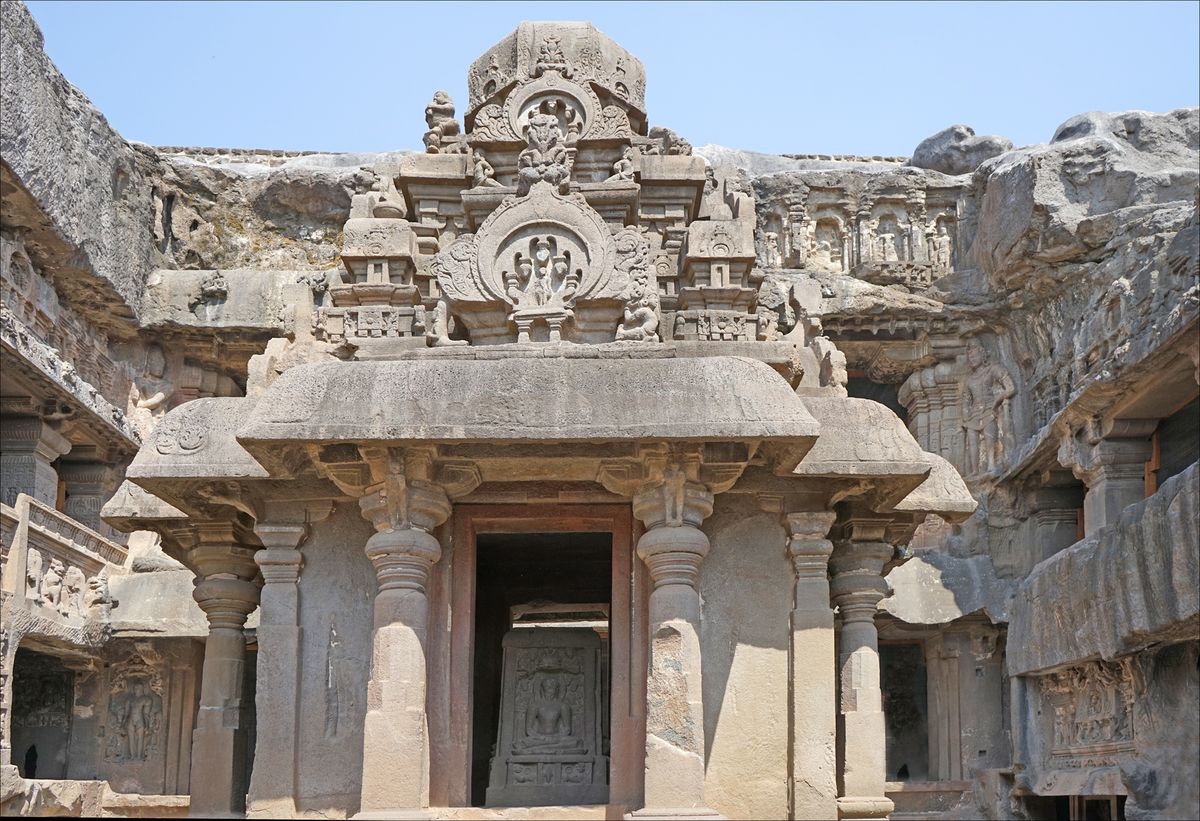
| Ellora caves 30–34 | Maharashtra | Jain caves, including the Indra Sabha (cave 32) |
| Udayagiri–Khandagiri | Odisha | caves of Kharavela's time |
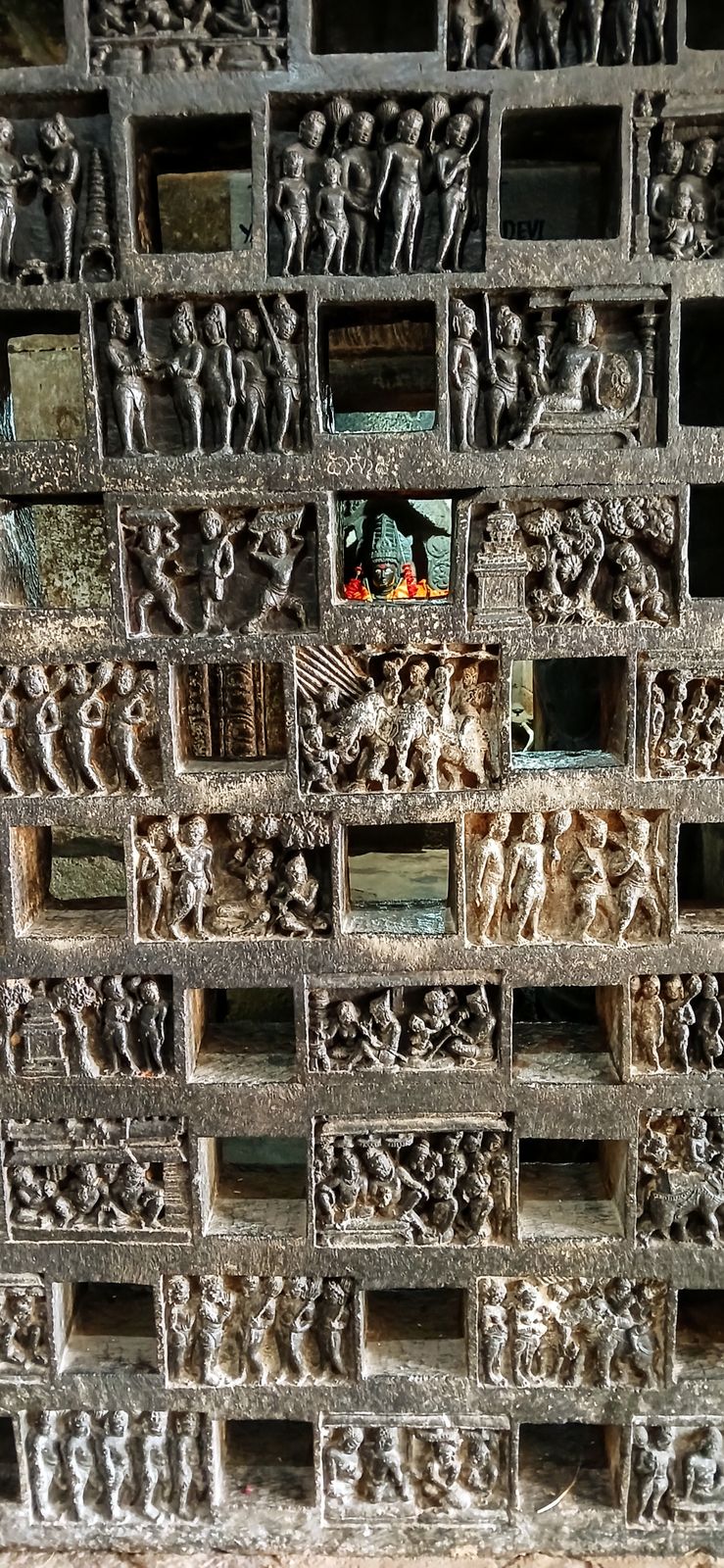
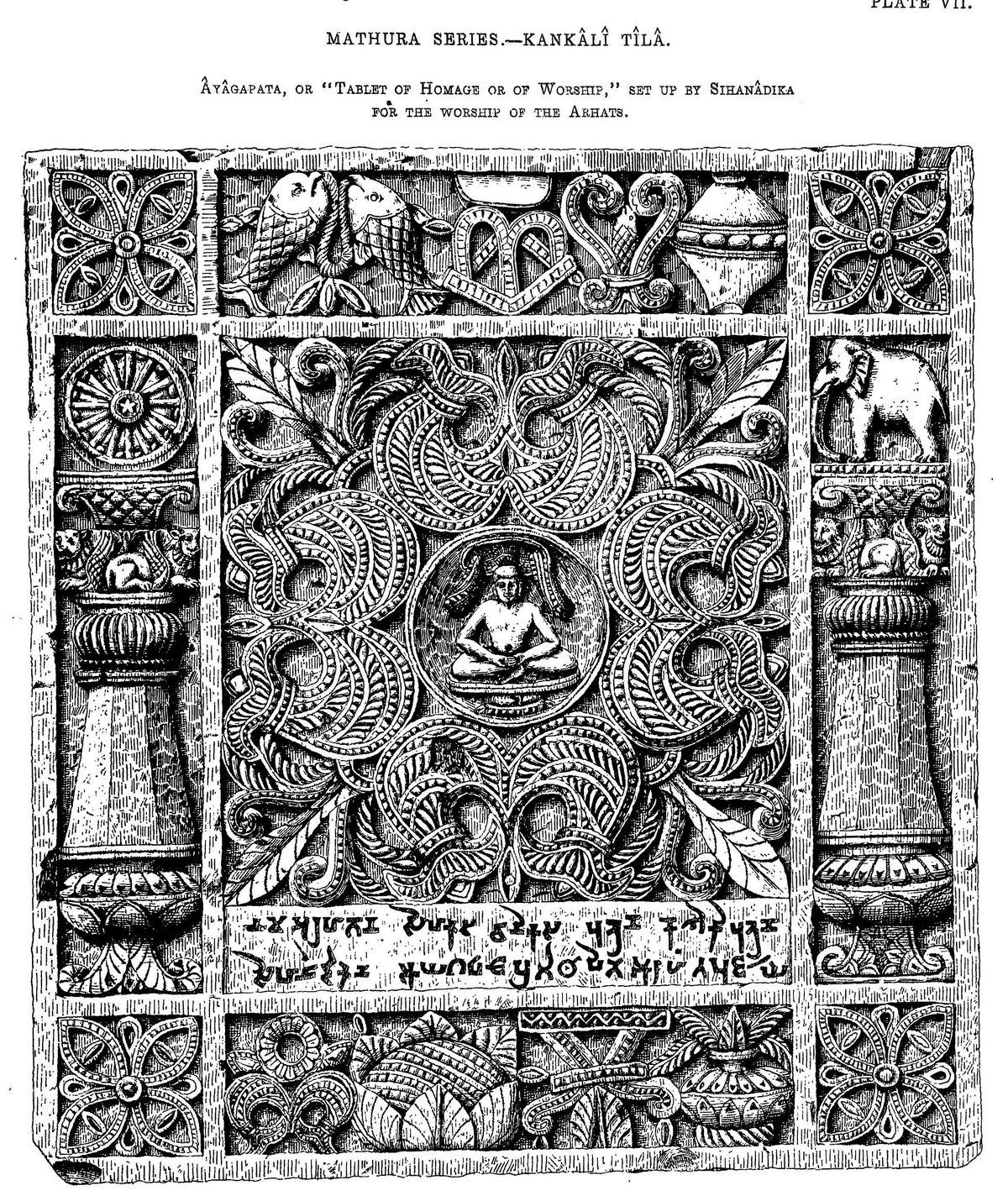
| Kankali Tila, Mathura | Uttar Pradesh | early Jain stupa site; carved ayagapatas (votive slabs) |
Why Jainism stayed in India. Unlike Buddhism, Jainism did not send missions abroad. Its strict rules suited a smaller, close community, and it was carried mainly by traders and merchants. It took root above all in Gujarat, Rajasthan and Karnataka, and it survives there strongly today, while Buddhism almost disappeared from India.
- First Tirthankara = Rishabhadeva (bull); 23rd = Parshvanatha (snake); 24th = Mahavira (lion).
- Parshvanatha gave four vows; Mahavira added the fifth, Brahmacharya.
- Mahavira: born Kundagrama, Kaivalya near Jrimbhikagrama (sal tree), nirvana at Pavapuri — not Lumbini, Bodh Gaya or Kushinagar.
- Mahavira preached in Ardhamagadhi Prakrit; the Buddha in Pali.
- Jain councils: two (Pataliputra, Vallabhi). Buddhist councils: four.
- Digambara = sky-clad = Bhadrabahu; Shvetambara = white-clad = Sthulabhadra.
- Jain Triratna = right faith, knowledge, conduct — not Buddha, Dhamma, Sangha.
- Dilwara (Mount Abu) and Gommateshwara (Shravanabelagola) are Jain, not Buddhist or Hindu.