The kings
c. 319–550 CE — from Chandragupta I to Skandagupta, and why the empire fell.
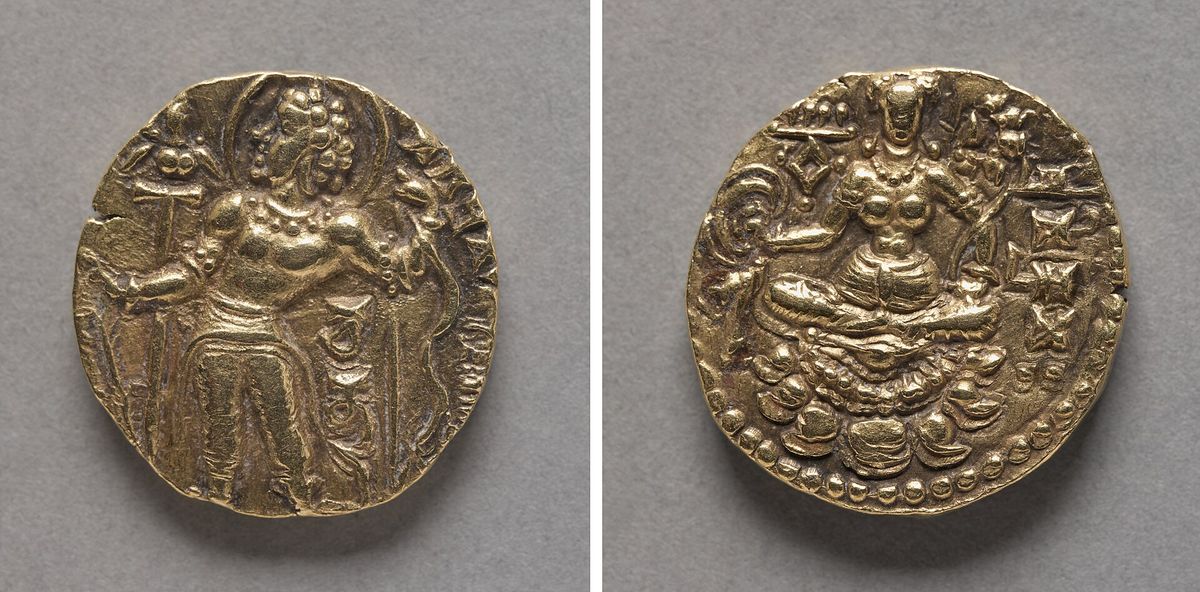
The Gupta dynasty began in the Ganga valley (Magadha and eastern Uttar Pradesh). Its founder Sri Gupta and his son Ghatotkacha were small rulers with the title Maharaja. Real power came with Chandragupta I (from c. 319–320 CE), whose reign starts the Gupta era (319–320 CE). Over the next two centuries his successors built an empire across north India, with Pataliputra as the main capital. The royal emblem was Garuda, and the kings were devoted to Vishnu — many called themselves Paramabhagavata.
| King | Reign (approx.) | Remember |
|---|---|---|
| Sri Gupta | late 3rd century | founder (title Maharaja) |
| Ghatotkacha | early 4th century | his son |
| Chandragupta I | c. 319–335 | first Maharajadhiraja; married Lichchhavi princess Kumaradevi; Gupta era begins |
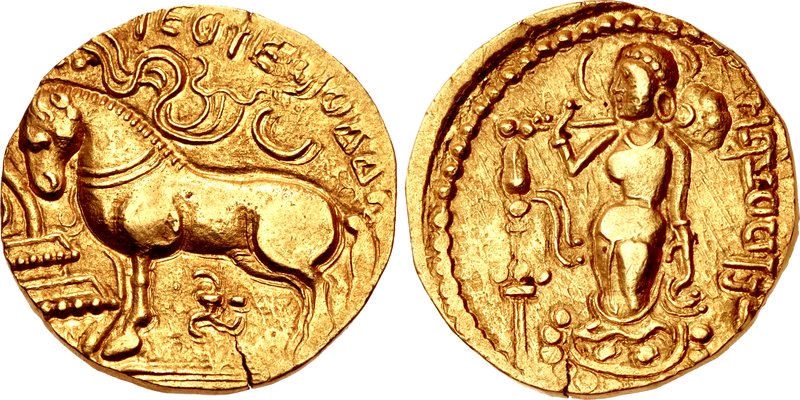
| Samudragupta | c. 335–375 | 'Napoleon of India' (V. A. Smith); Prayag Prashasti by Harishena; Ashvamedha; lyrist coins; called Kaviraja |
| Chandragupta II | c. 375–415 | Vikramaditya; defeated the Shakas (Shakari); Fa-Hien visited; Navaratna (tradition) |
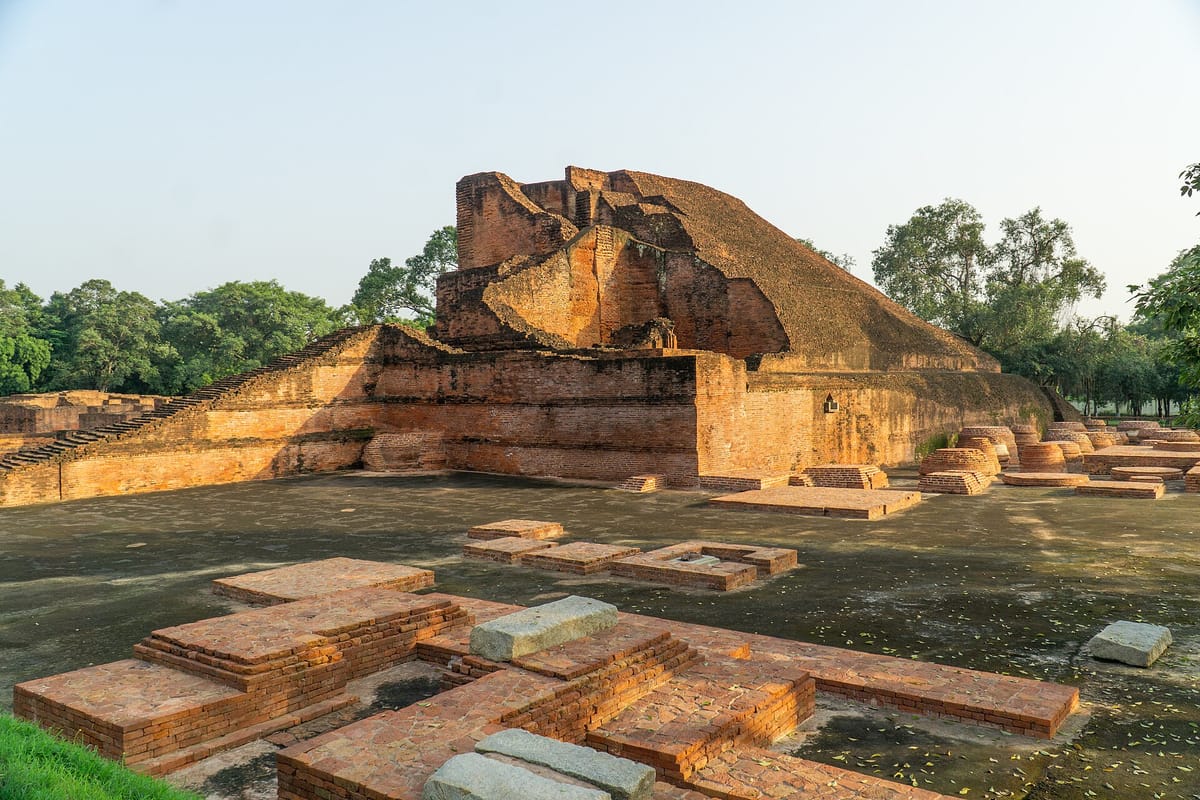
| Kumaragupta I | c. 415–455 | founded Nalanda; Ashvamedha; Kartikeya-and-peacock coins |
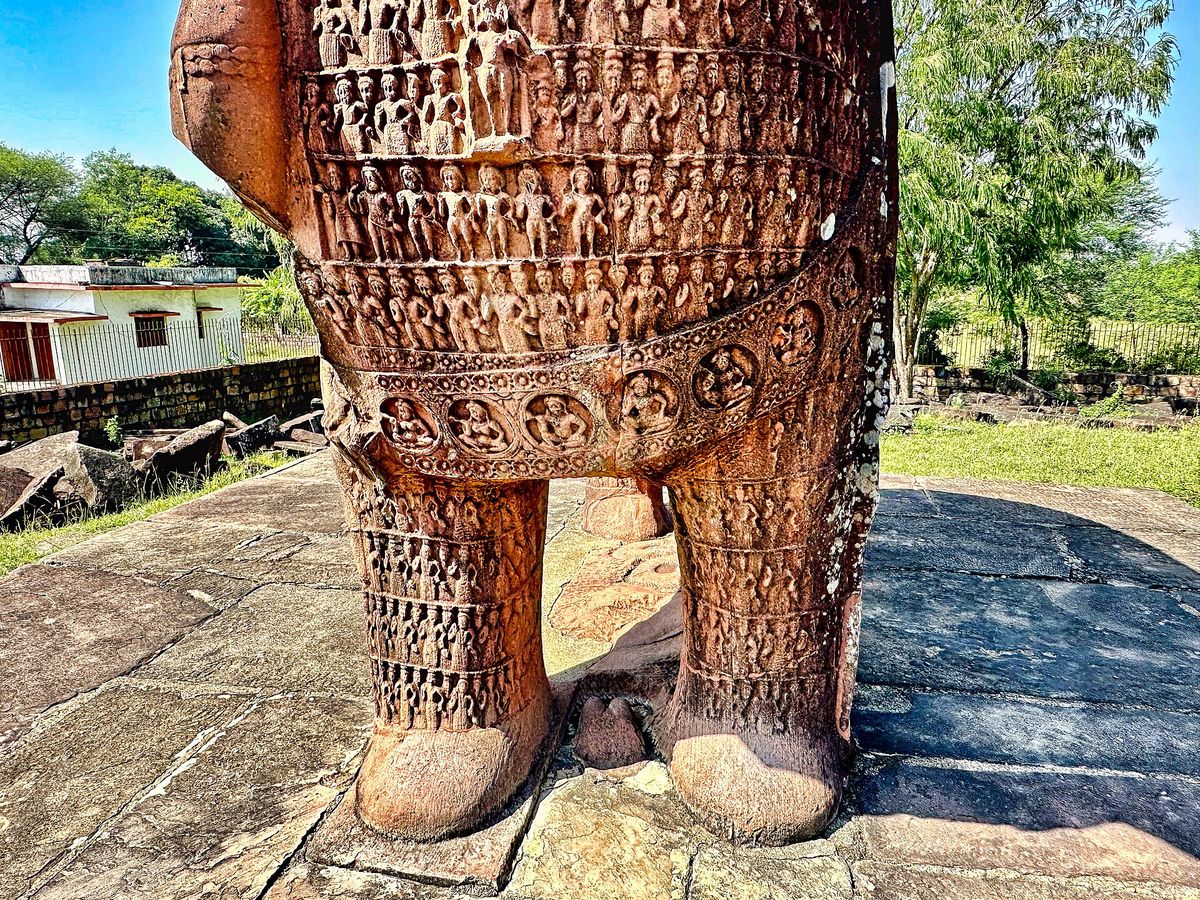
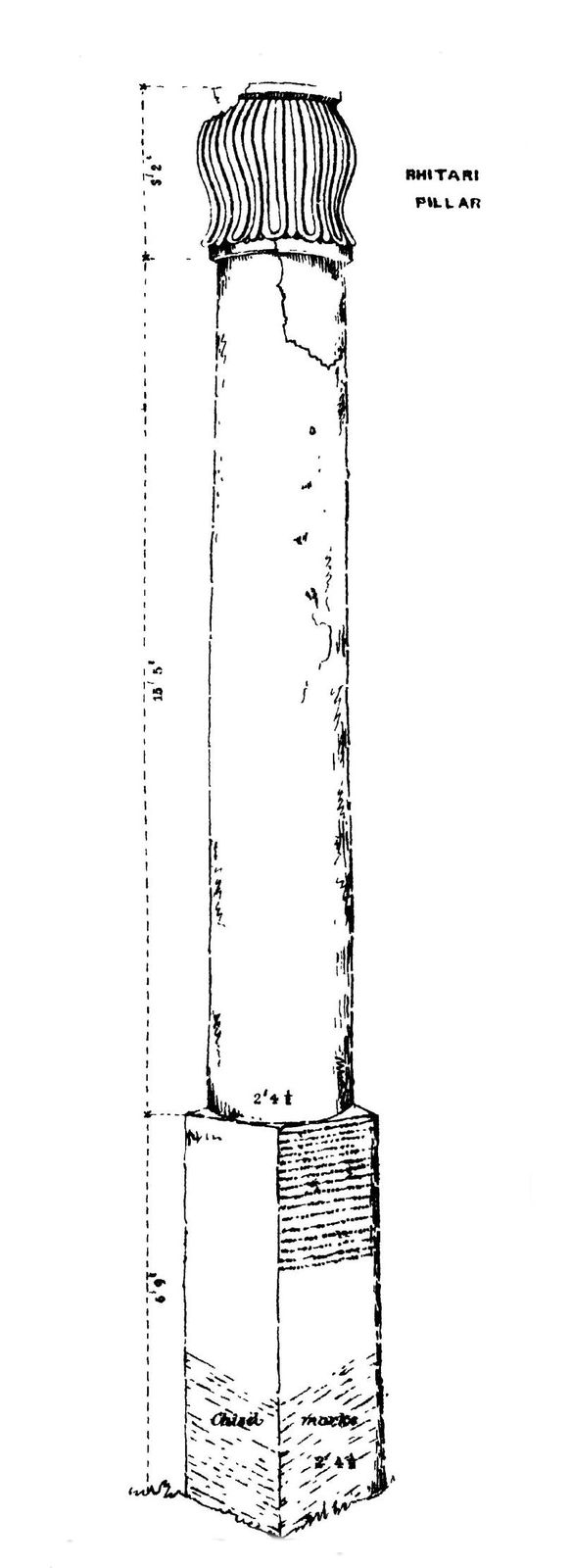
| Skandagupta | c. 455–467 | held back the Hunas; Bhitari pillar and Junagadh inscriptions |
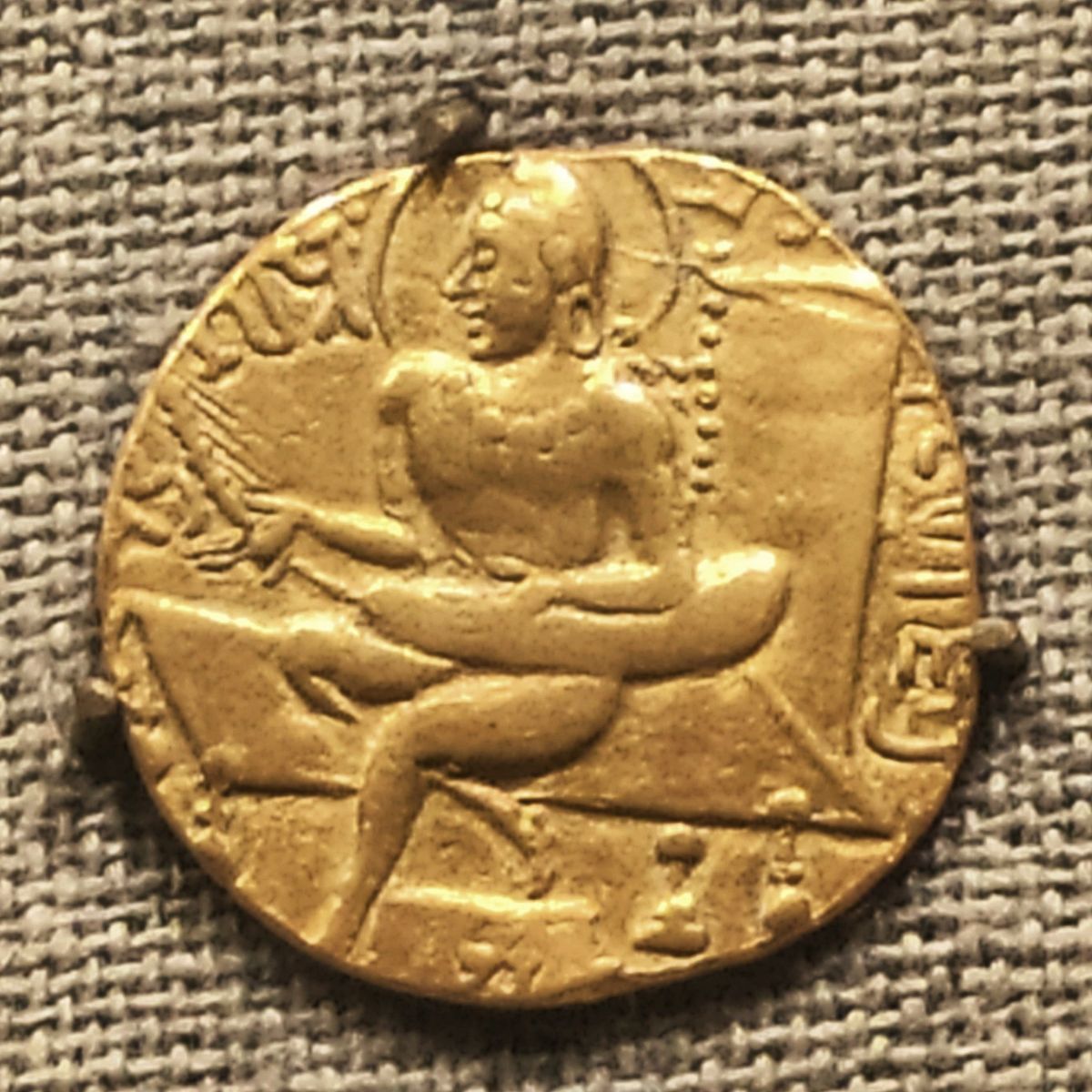
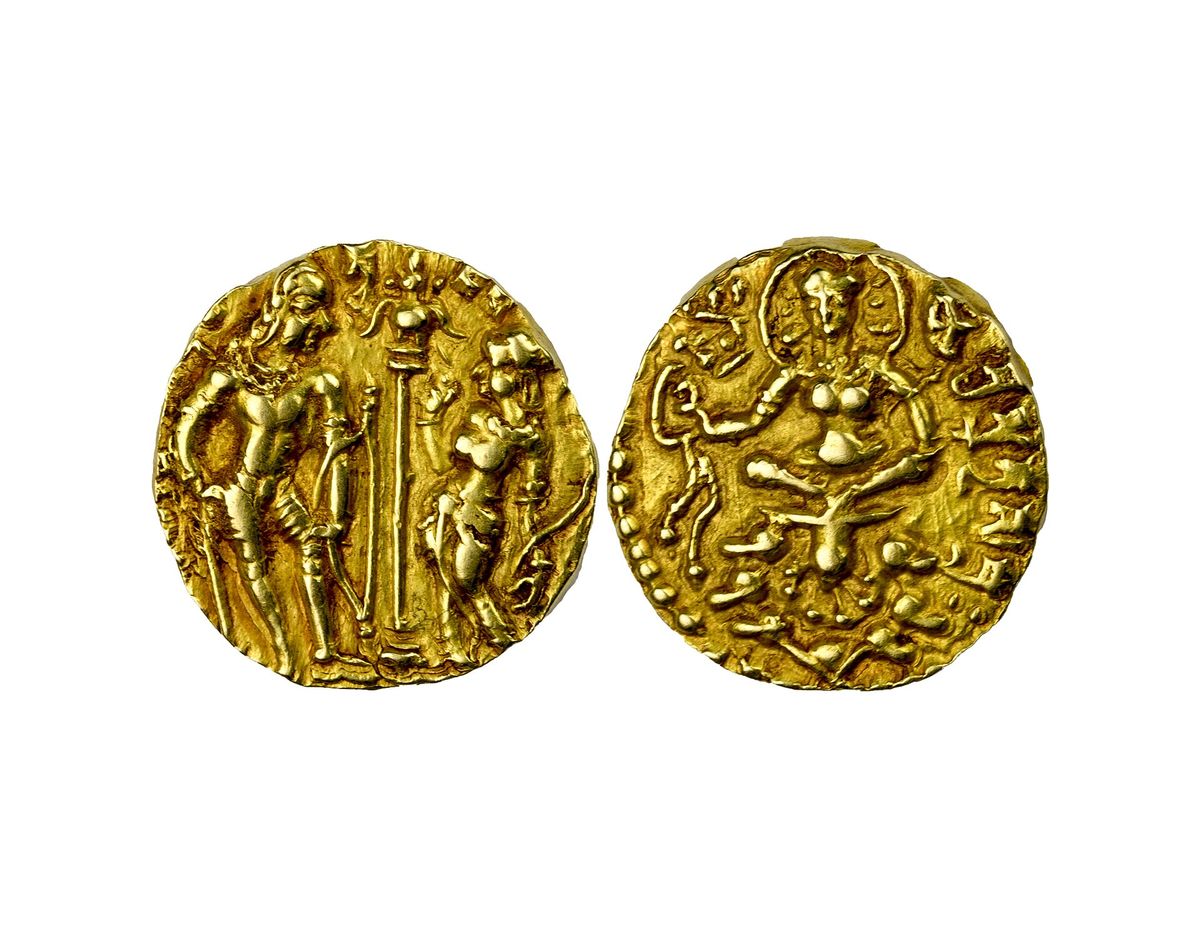
Samudragupta's campaigns, as told in the Prayag Prashasti — a Sanskrit poem by his court poet Harishena, carved on the Ashokan pillar now at Prayagraj (Allahabad): he uprooted nine kings of the north (Aryavarta) and annexed their lands; he defeated 12 kings of the south (Dakshinapatha) but gave their kingdoms back in return for loyalty; forest kings (atavika) were made his servants; and frontier kingdoms and republics paid tribute. The ruler of Sri Lanka, Meghavarna, sent gifts and asked to build a monastery at Bodh Gaya. Samudragupta performed the Ashvamedha, and his coins show him playing the veena.
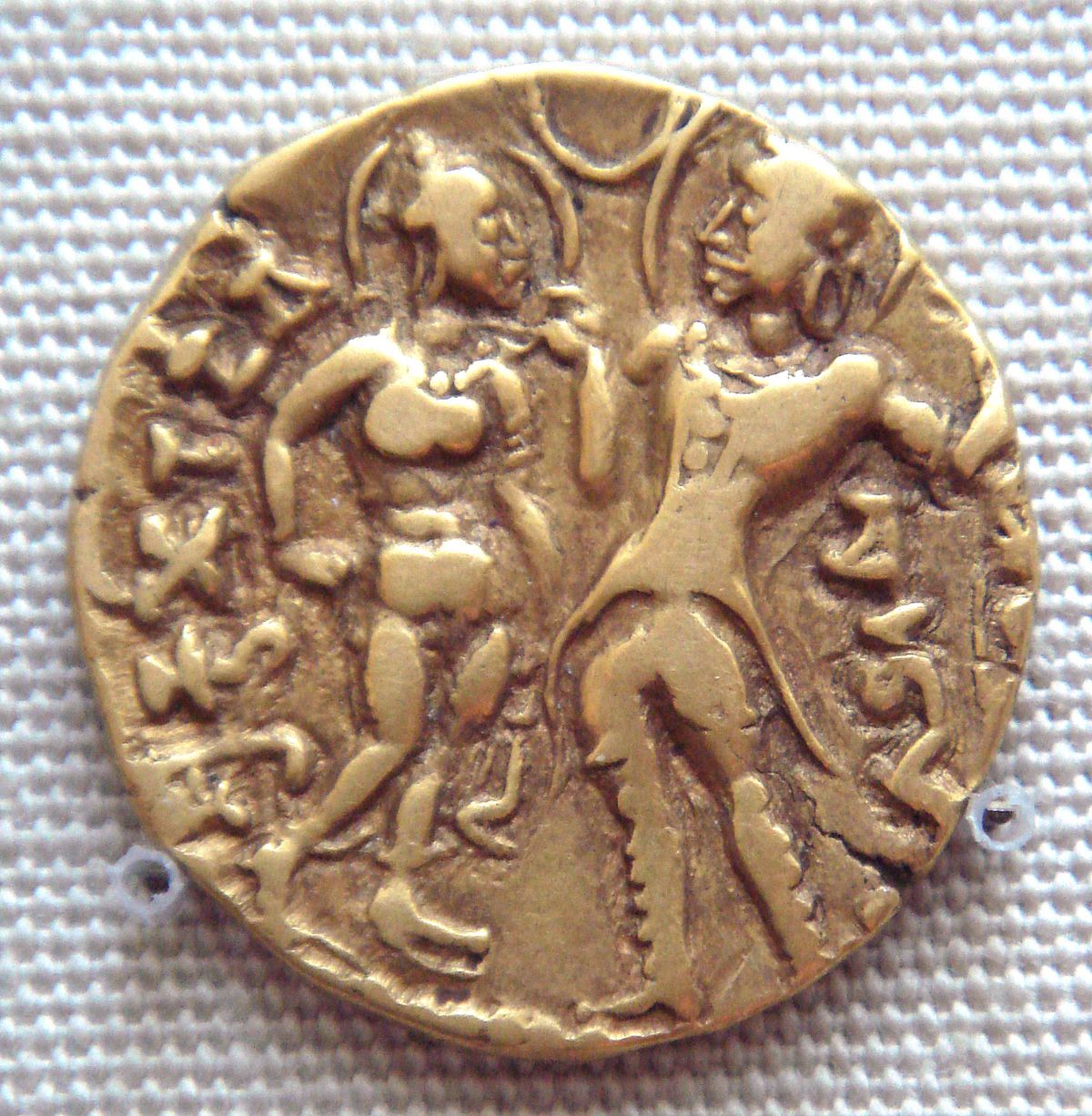
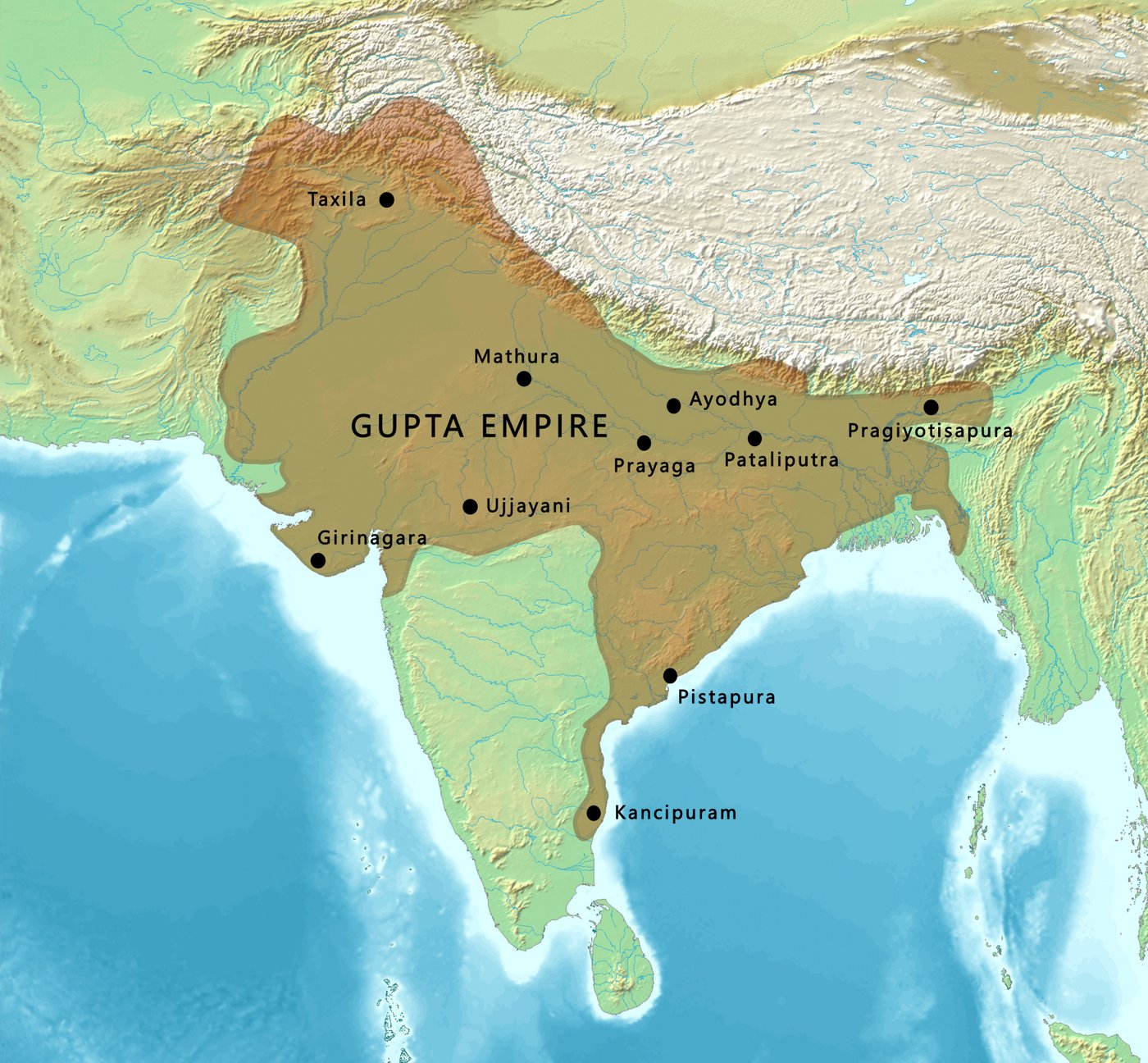
Chandragupta II (Vikramaditya) defeated the last Western Kshatrapa (Shaka) rulers of Gujarat and Malwa, which brought the rich ports of the west into the empire; he took the title Shakari ('enemy of the Shakas') and issued silver coins there. Ujjain became a second great centre. He married his daughter Prabhavati Gupta to the Vakataka king Rudrasena II, gaining an ally in the Deccan. The Chinese monk Fa-Hien (Faxian) travelled in India in his reign (early 5th century) and described a peaceful, prosperous land. Tradition places the Navaratna ('nine gems'), led by Kalidasa, at his court.
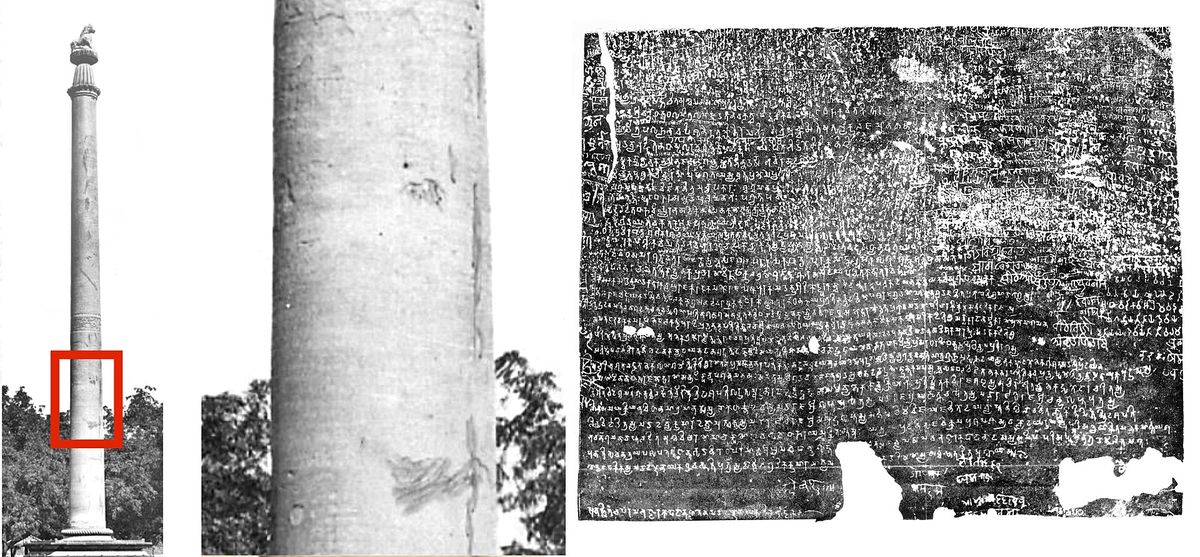
Kumaragupta I kept the empire whole for about forty years and founded the great monastery-university of Nalanda. Skandagupta fought off the Hunas (Huns) from Central Asia; his Bhitari pillar inscription (Ghazipur, UP) records the war, and his Junagadh inscription records yet another repair of the Sudarshana lake. After him the empire weakened: Huna chiefs Toramana and Mihirakula seized the north-west and central India, feudatories such as the Maukharis and Maitrakas broke away, and by the middle of the 6th century the Gupta empire was gone.
The 'golden age'
Government, literature, science and art.
| Area | What to remember |
|---|---|
| Titles | kings used grand titles: Maharajadhiraja, Parameshvara, Paramabhattaraka |
| Provinces | bhukti under an uparika; districts (vishaya) under a vishayapati |
| Officers | Kumaramatyas — a class of high officials |
| Land | more land grants (agrahara) to Brahmanas — local power grew, an early step towards feudalism |
| Coins | the most gold coins of ancient India (dinara); silver coins after the Shaka conquest |
| Religion | Vaishnavism and Shaivism flourished; royal emblem Garuda; Buddhism and Jainism also respected |
| Society | Fa-Hien noted that Chandalas lived outside towns; caste rules grew stricter |
| Writer | Works | Remember |
|---|---|---|
| Kalidasa | Abhijnanashakuntalam, Malavikagnimitram, Vikramorvashiyam (plays); Meghaduta, Raghuvamsha, Kumarasambhava, Ritusamhara (poems) | the greatest Sanskrit poet |
| Vishakhadatta | Mudrarakshasa | play on Chandragupta Maurya and Chanakya |
| Shudraka | Mrichchhakatikam ('the little clay cart') | play about a merchant and a courtesan |
| Amarasimha | Amarakosha | Sanskrit dictionary (thesaurus) |
| Harishena | Prayag Prashasti | court poet of Samudragupta |
Aryabhatiya: the Earth turns on its axis; eclipses are caused by shadows; a close value of π
Panchasiddhantika (five schools of astronomy); Brihat Samhita (an encyclopaedia)
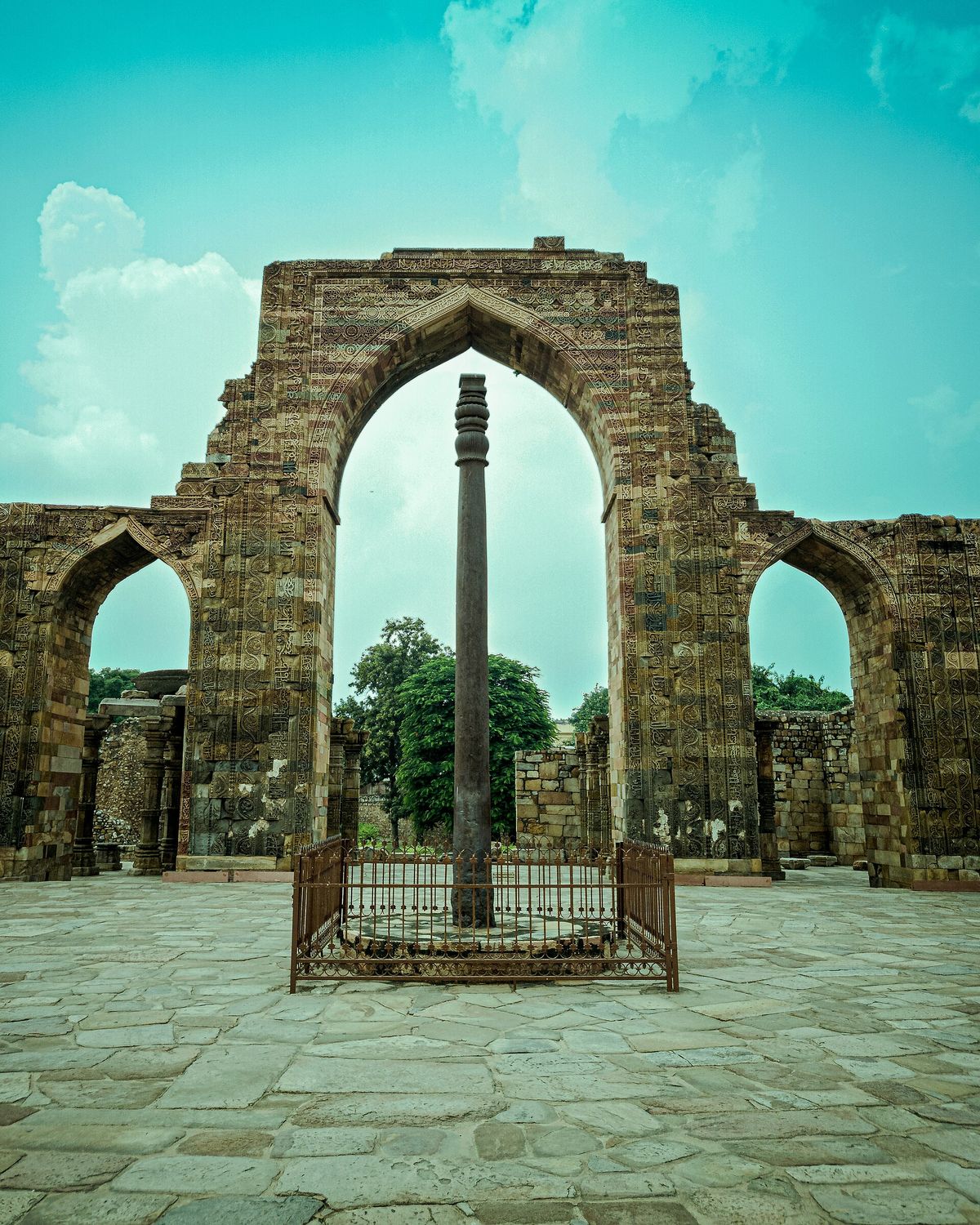
rust-resistant wrought iron at Mehrauli, Delhi
Science in the Gupta age. India's first satellite (1975) was named Aryabhata.
| Art | Examples | Remember |
|---|---|---|
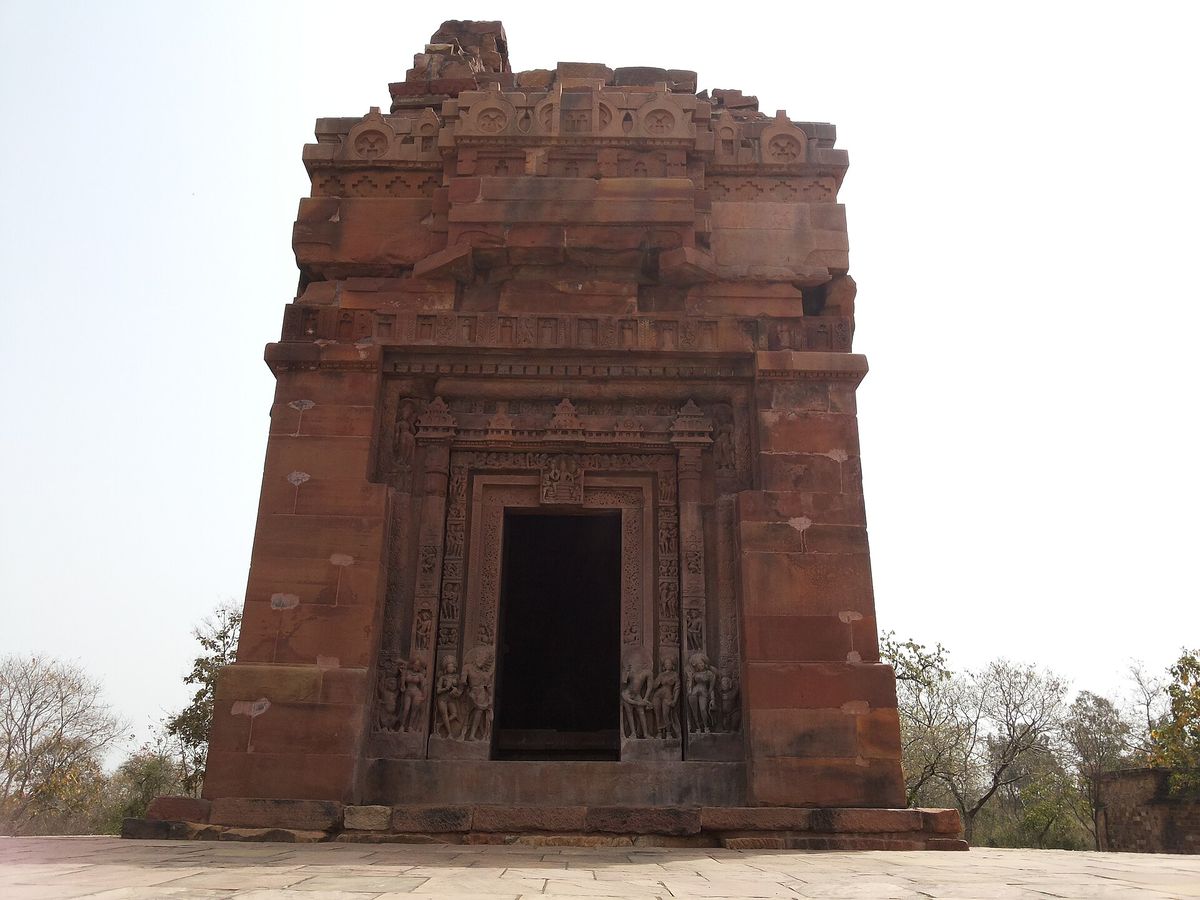
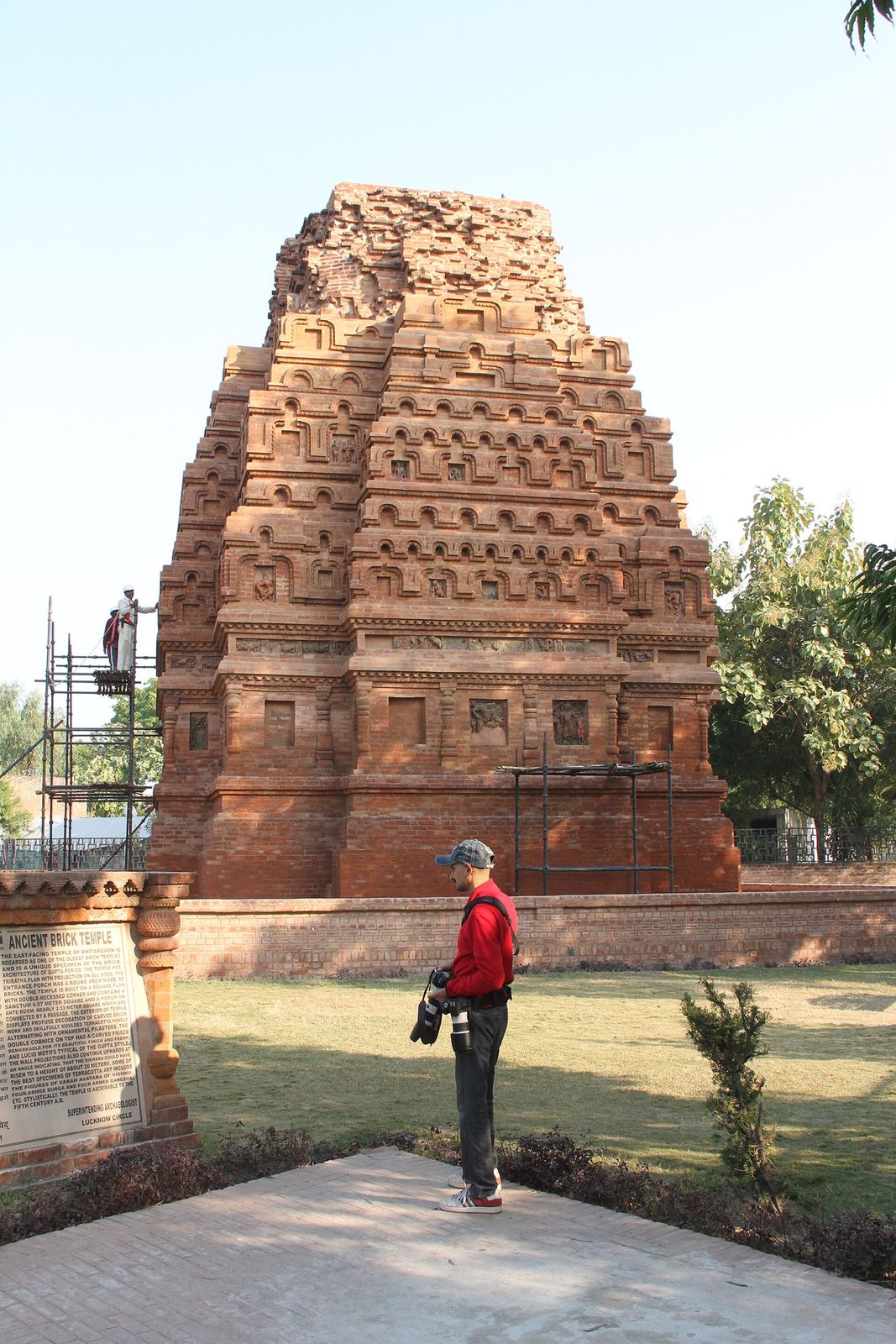
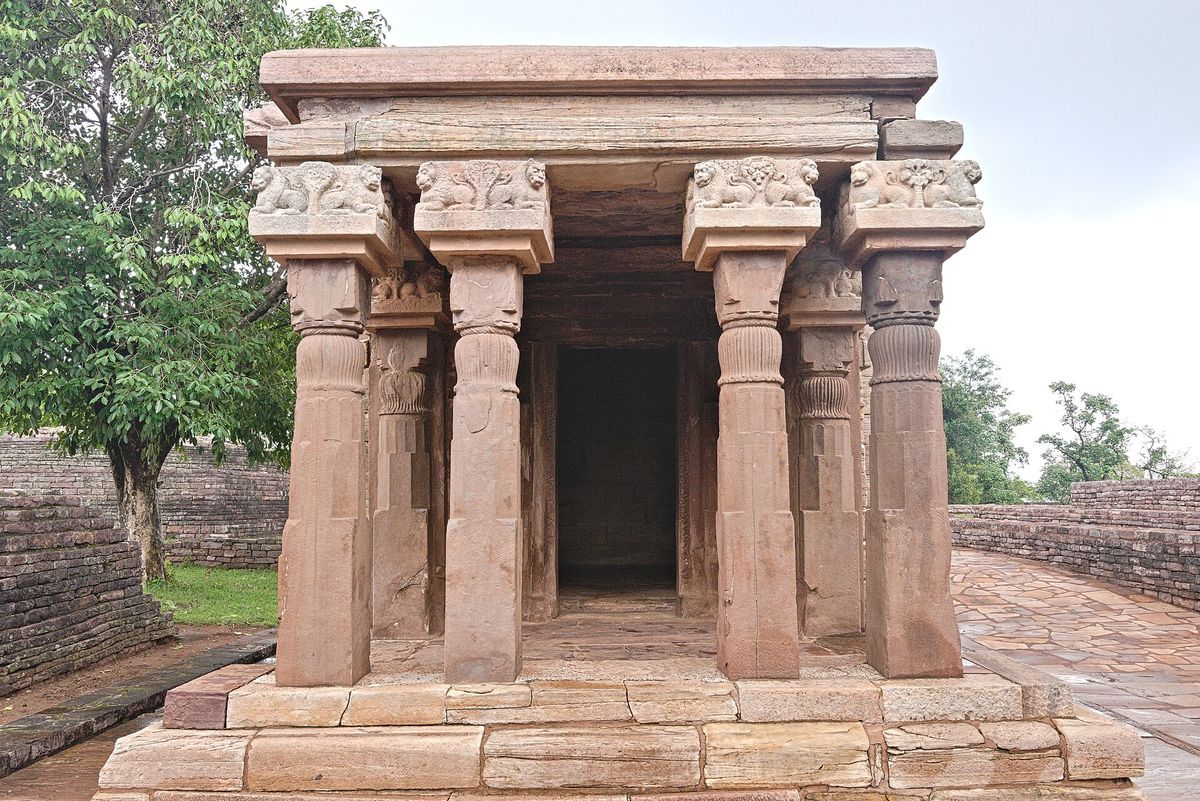
| Temples | Sanchi temple 17; Tigawa; Bhitargaon (brick, near Kanpur); Deogarh Dashavatara (UP); Nachna Parvati temple | the first structural (free-standing) temples; small, flat-roofed at first, later with a tower (shikhara) |
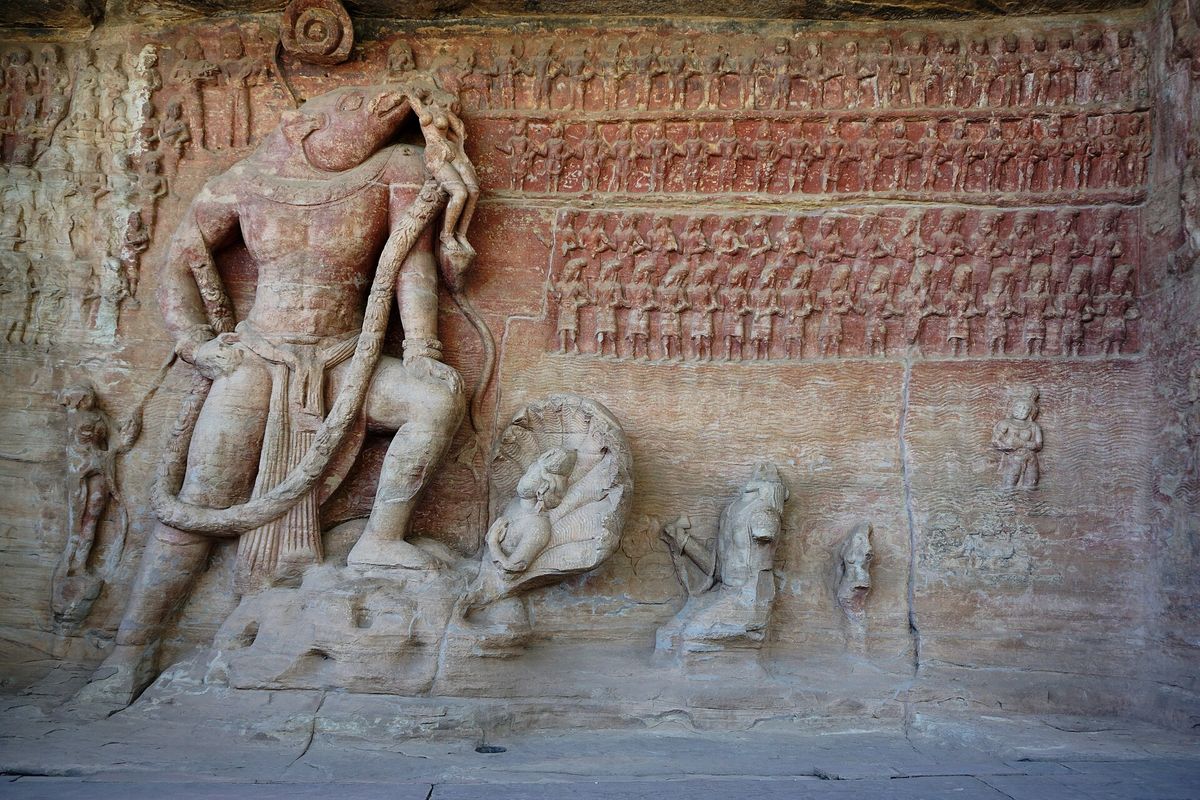
| Rock-cut caves | Udayagiri (Vidisha) — Varaha panel | Hindu caves of Chandragupta II's time |
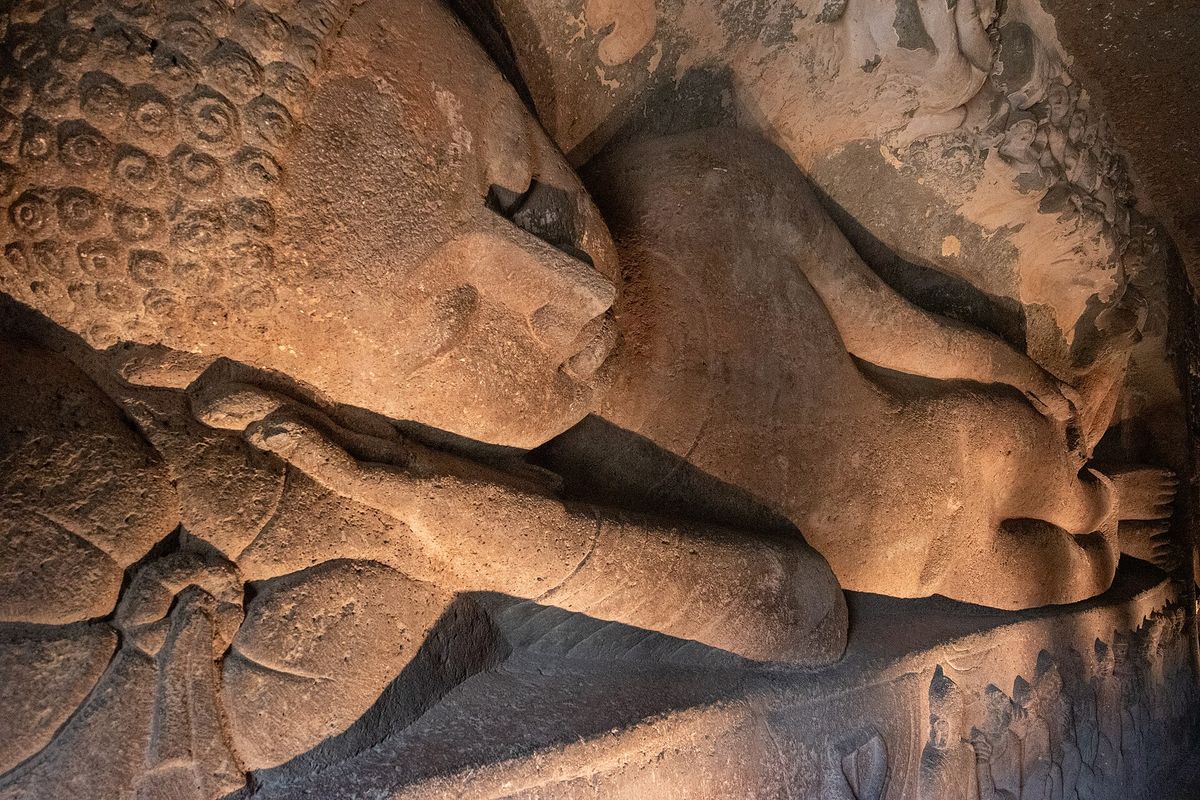
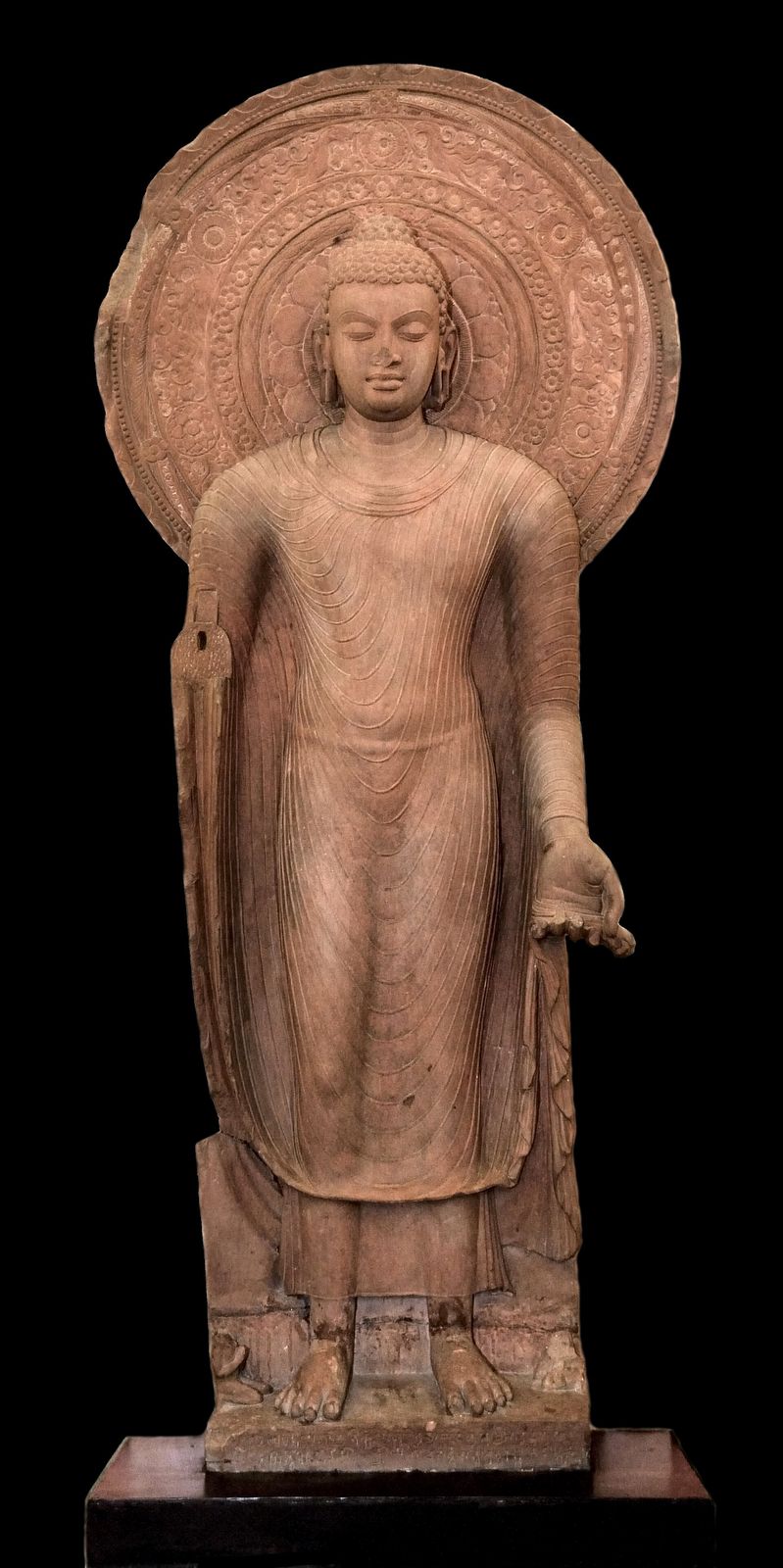
| Sculpture | Buddhas of Sarnath and Mathura | calm faces, thin clinging robes |
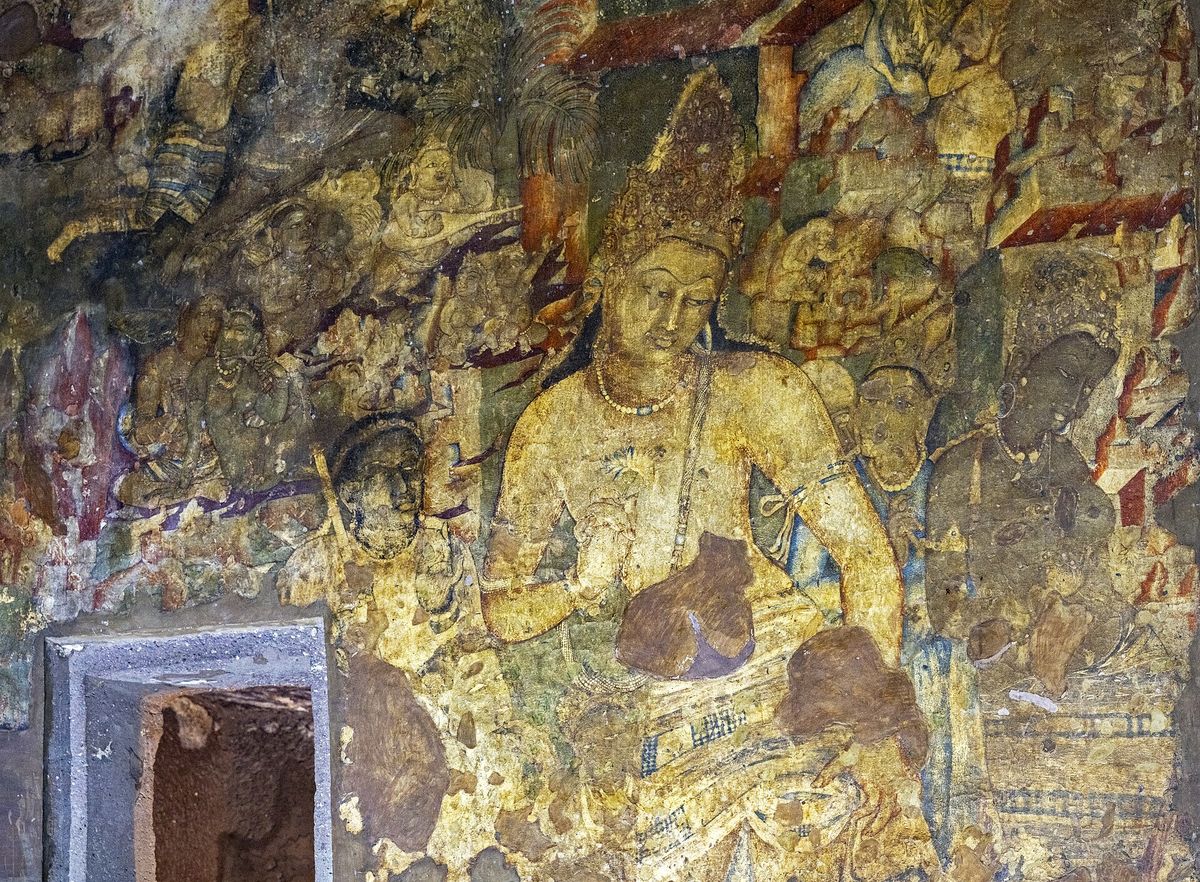
| Painting | Ajanta (later caves) and Bagh | Ajanta's later caves were made under the Vakatakas, allies of the Guptas |
| Metal | Mehrauli iron pillar; Sultanganj copper Buddha |
- c. 319–320 CEChandragupta I; Gupta era begins
married Kumaradevi
- c. 335 CESamudragupta becomes king
Prayag Prashasti by Harishena
- c. 375 CEChandragupta II Vikramaditya
defeats the Shakas; Fa-Hien visits
- c. 401 CEUdayagiri caves
Varaha panel
- c. 415 CEKumaragupta I
Nalanda founded
- c. 455 CESkandagupta
fights the Hunas
- 499 CEAryabhatiya written
- c. 550 CEEmpire ends
Hunas, feudatories, weak rulers
- Founder = Sri Gupta; first Maharajadhiraja = Chandragupta I.
- 'Napoleon of India' = Samudragupta (said by V. A. Smith); his record = Prayag Prashasti by Harishena.
- Samudragupta annexed the north but restored the 12 southern kings.
- Fa-Hien came under Chandragupta II; Hiuen Tsang came under Harsha — don't swap them.
- Nalanda was founded by Kumaragupta I, not Harsha (Harsha was a later patron).
- Hunas were fought by Skandagupta (Bhitari pillar); Huna chiefs = Toramana, Mihirakula.
- Iron pillar is at Mehrauli (Delhi) and names a king 'Chandra'.
- Gupta era = 319–320 CE; Shaka era = 78 CE; Vikram Samvat = 57 BCE.
- Aryabhatiya = 499 CE; Panchasiddhantika = Varahamihira.
- Ajanta's later caves = Vakataka patronage; Udayagiri Varaha = Chandragupta II's time.