The first arrival: the Arabs in Sindh (712). Long before the Turks, the Arabs reached India by sea and land. In 712 a young general, Muhammad bin Qasim, sent by Hajjaj bin Yusuf, the Umayyad governor of Iraq, captured the port of Debal and defeated and killed Raja Dahir, king of Sindh. Multan fell soon after. The Arabs ruled Sindh and Multan for a long time but could go no further: the Gurjara-Pratiharas in the north and the Chalukyas in the west held them back. The story of the conquest is told in the Chachnama, a Persian history written in the 13th century.
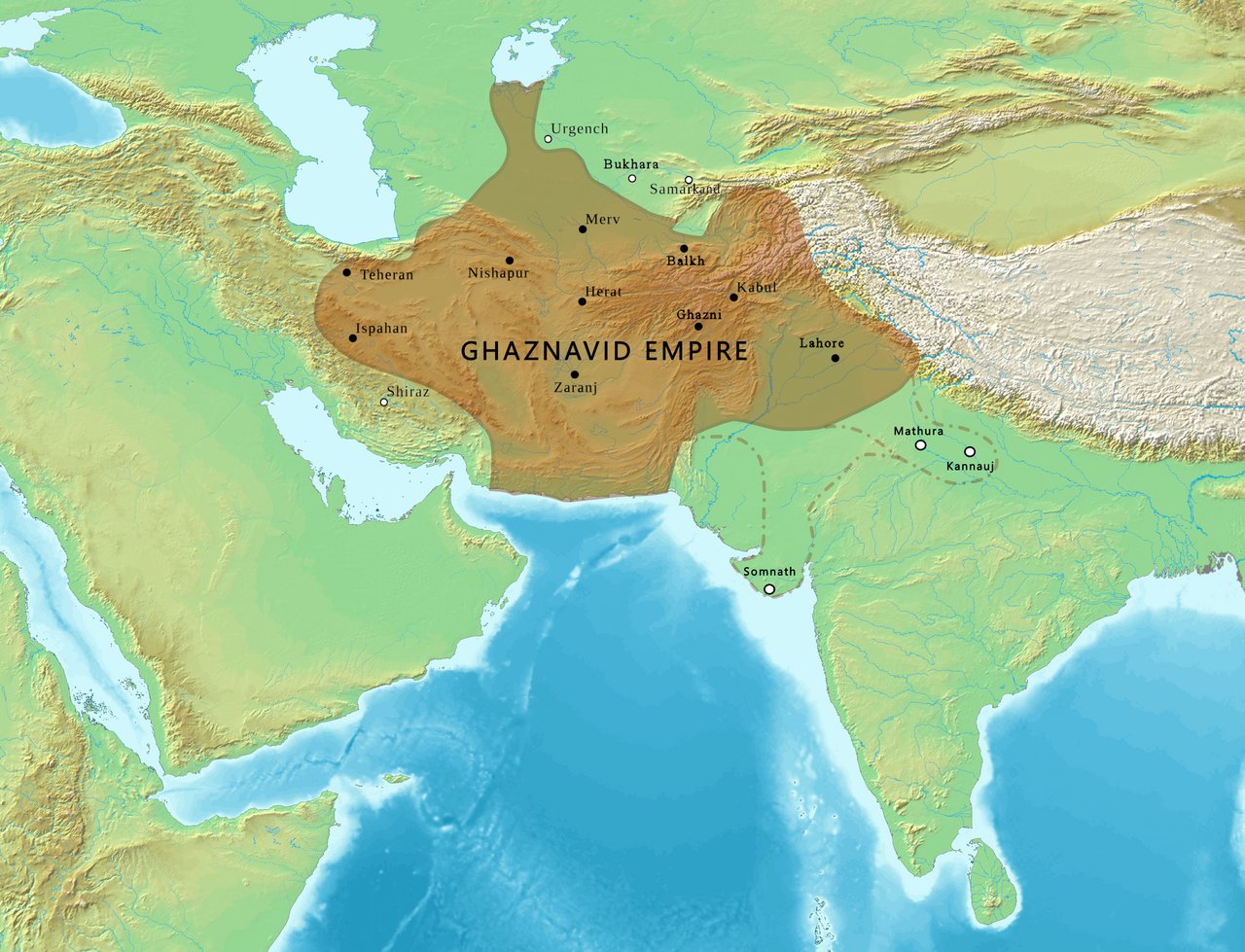
The Ghaznavids. In the 10th century a Turkish slave-commander, Alptigin, set up a kingdom at Ghazni in Afghanistan. His successor Sabuktigin fought the Hindu Shahi kings, who ruled from Waihind (near Peshawar) and guarded India's north-west gateway.
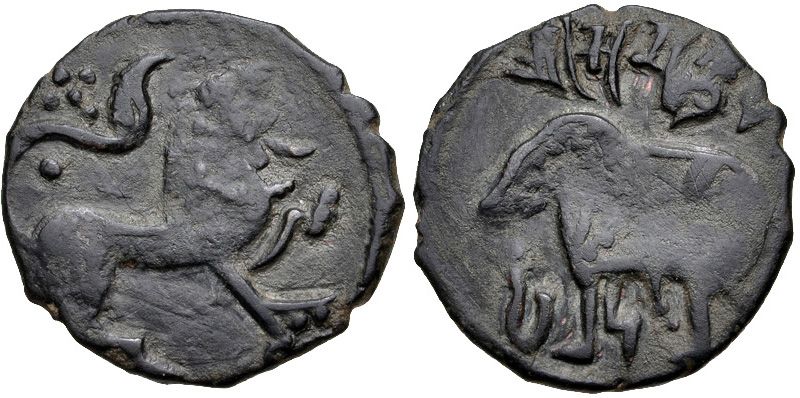
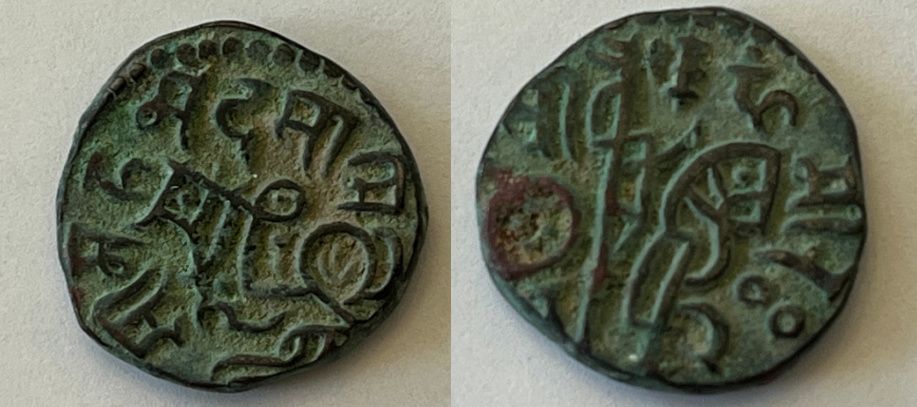
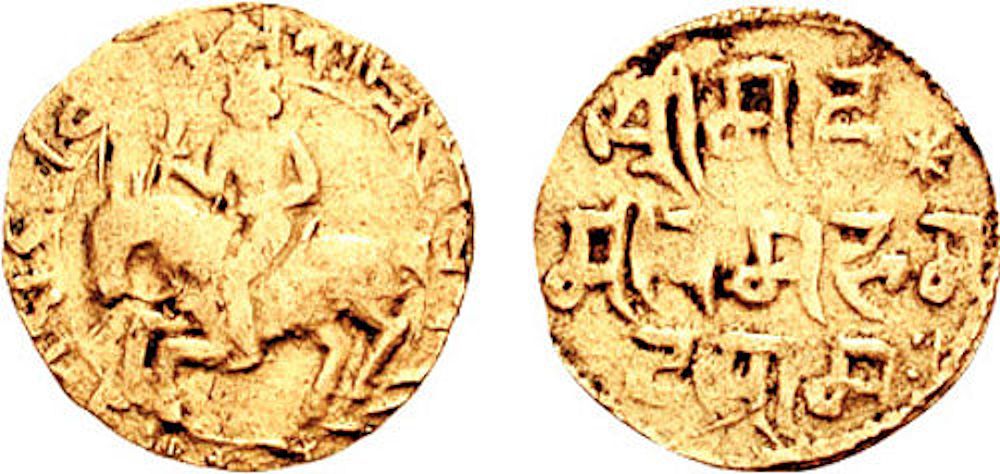
Mahmud of Ghazni (998–1030) was Sabuktigin's son and the first ruler to use the title Sultan. The Abbasid Caliph honoured him with the title Yamin-ud-Daula ('right hand of the state'). Mahmud was a raider, not a settler: he invaded India about 17 times between 1000 and 1027, mainly to carry off the treasure stored in rich temples and cities, which paid for his wars in Central Asia. The raids the exam asks about:
- 1001 — near Peshawar, defeated the Hindu Shahi king Jayapala, who later burned himself to death out of shame.
- 1008–09 — defeated Jayapala's son Anandapala in a great battle near Waihind.
- 1009 — sacked the temple-fort of Nagarkot (Kangra).
- 1014 — raided Thanesar.
- 1018 — sacked Mathura and Kannauj, the old imperial city of the Pratiharas.
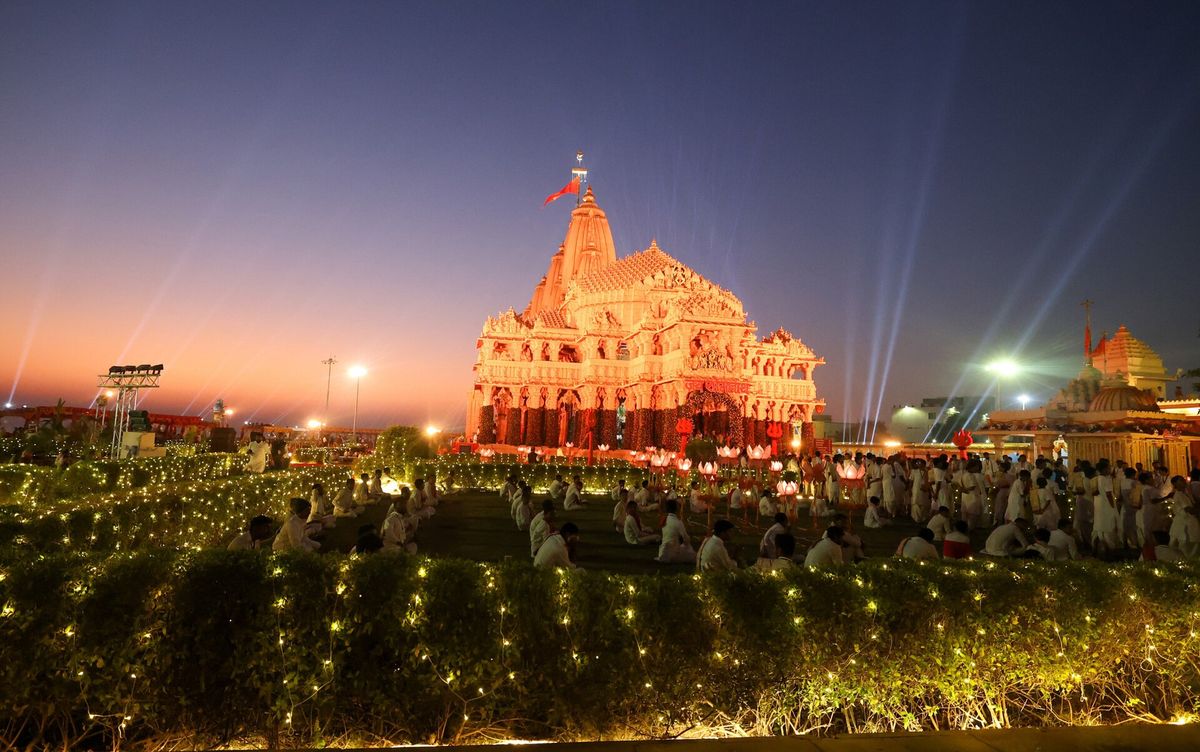
- 1025 — his most famous raid, on the Somnath temple in Gujarat, ruled then by the Chalukya (Solanki) king Bhima I.
Mahmud kept only Punjab, ruled from Lahore — so when the next invaders came, Punjab was already in Turkish hands.
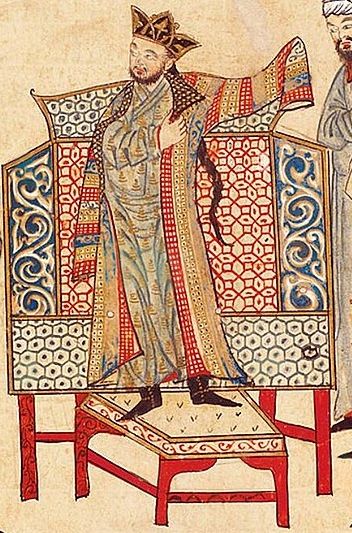
Scholars at Mahmud's court. Mahmud plundered India, but he also gathered famous scholars at Ghazni:
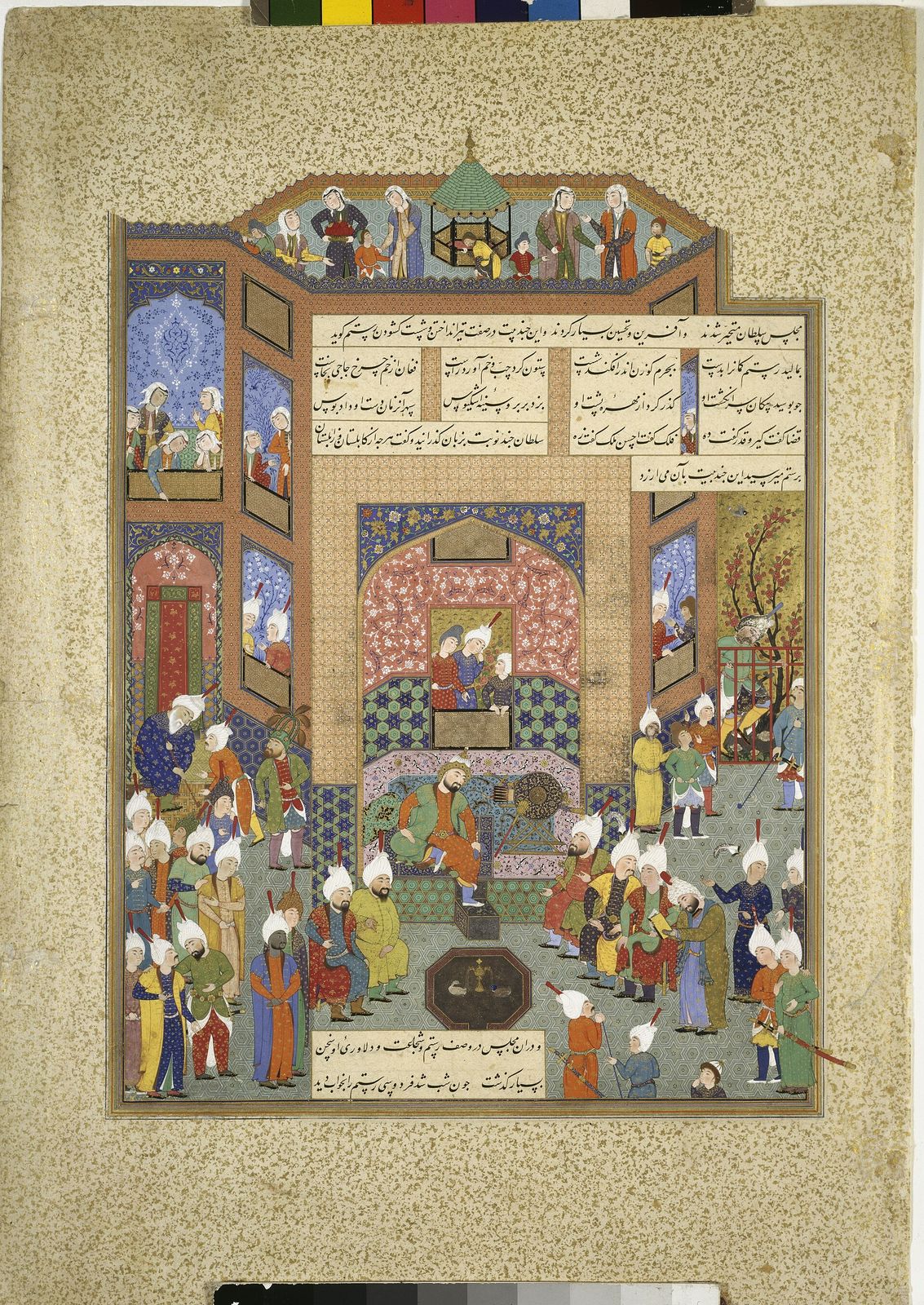
- Firdausi — the Persian poet who completed the great epic Shahnama ('Book of Kings'); legend says Mahmud underpaid him.
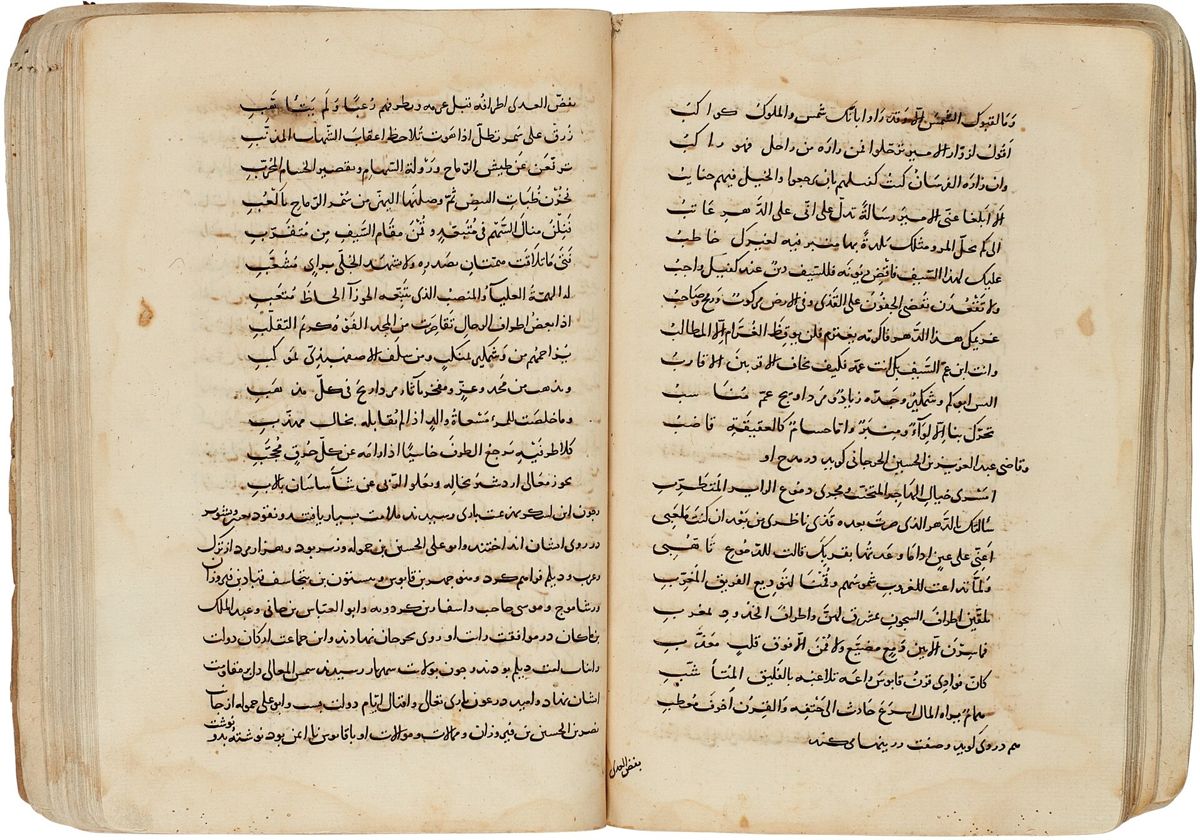
- Al-Biruni — a scientist from Khwarizm who came to India with Mahmud's armies, learned Sanskrit, and wrote Kitab-ul-Hind (also called Tahqiq-i-Hind), in Arabic — a careful, respectful study of Indian astronomy, mathematics, religion, philosophy and customs. He complained that Indians of his time were unwilling to share their knowledge with outsiders.
- Utbi — wrote Tarikh-i-Yamini, a history of Sabuktigin and Mahmud (named after Mahmud's title Yamin-ud-Daula).
- Baihaqi — wrote a detailed history of the Ghaznavid court.
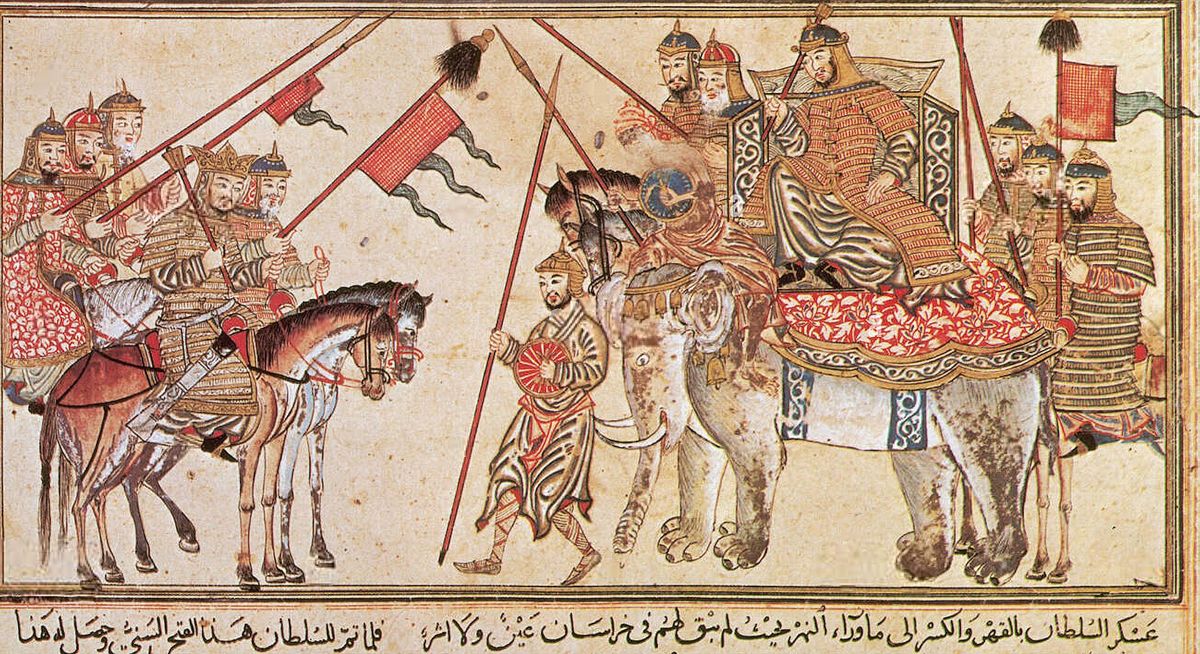
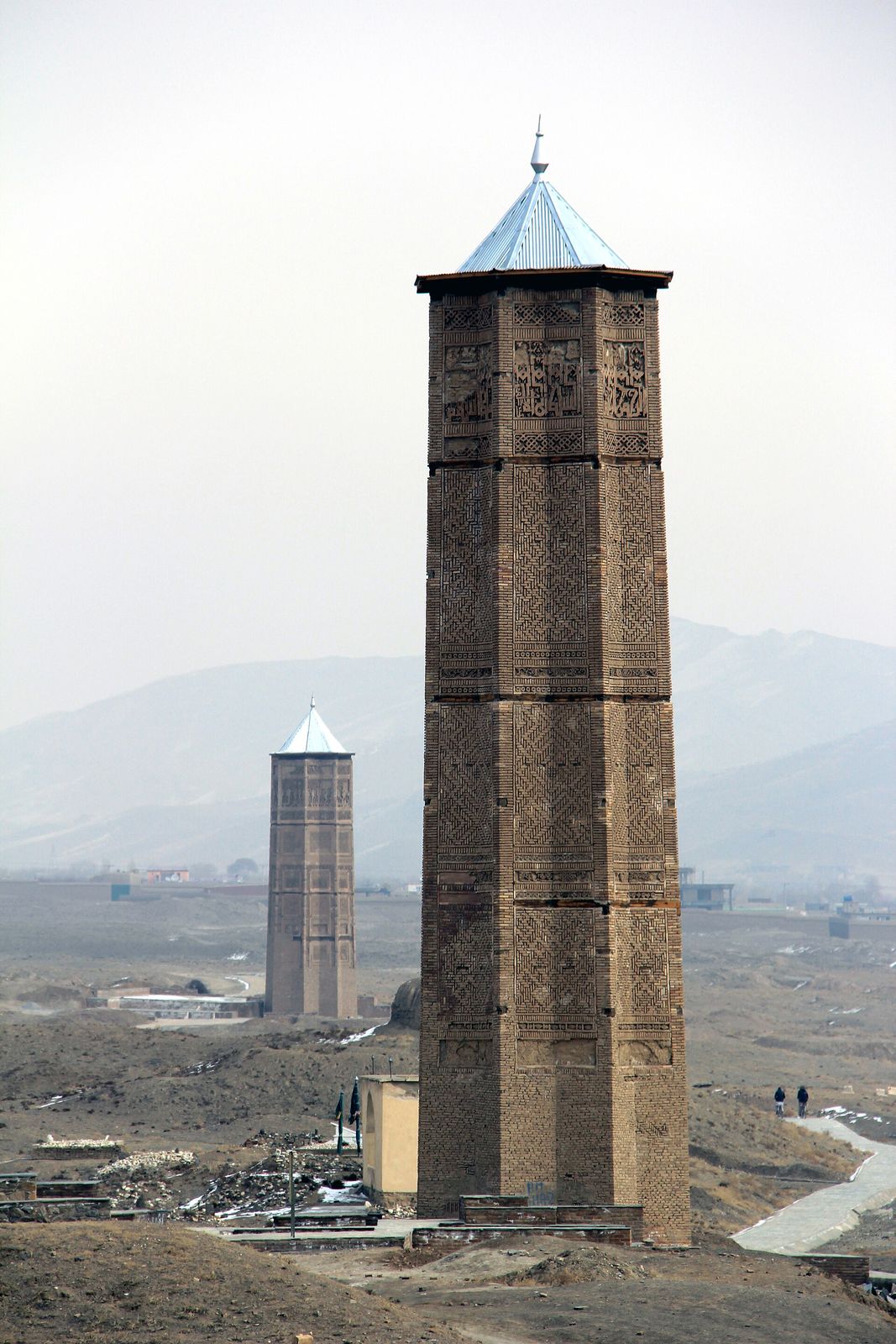
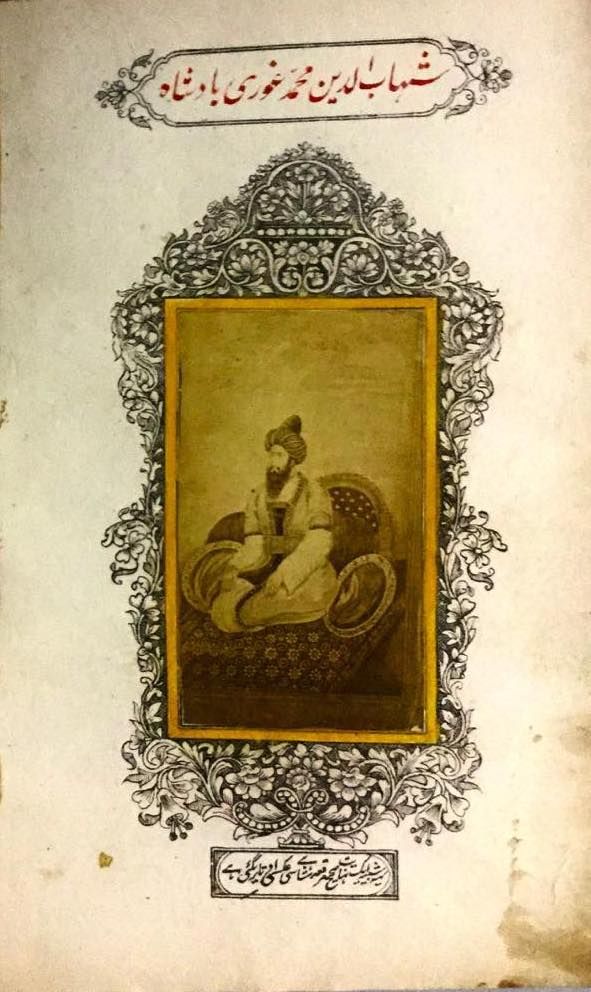
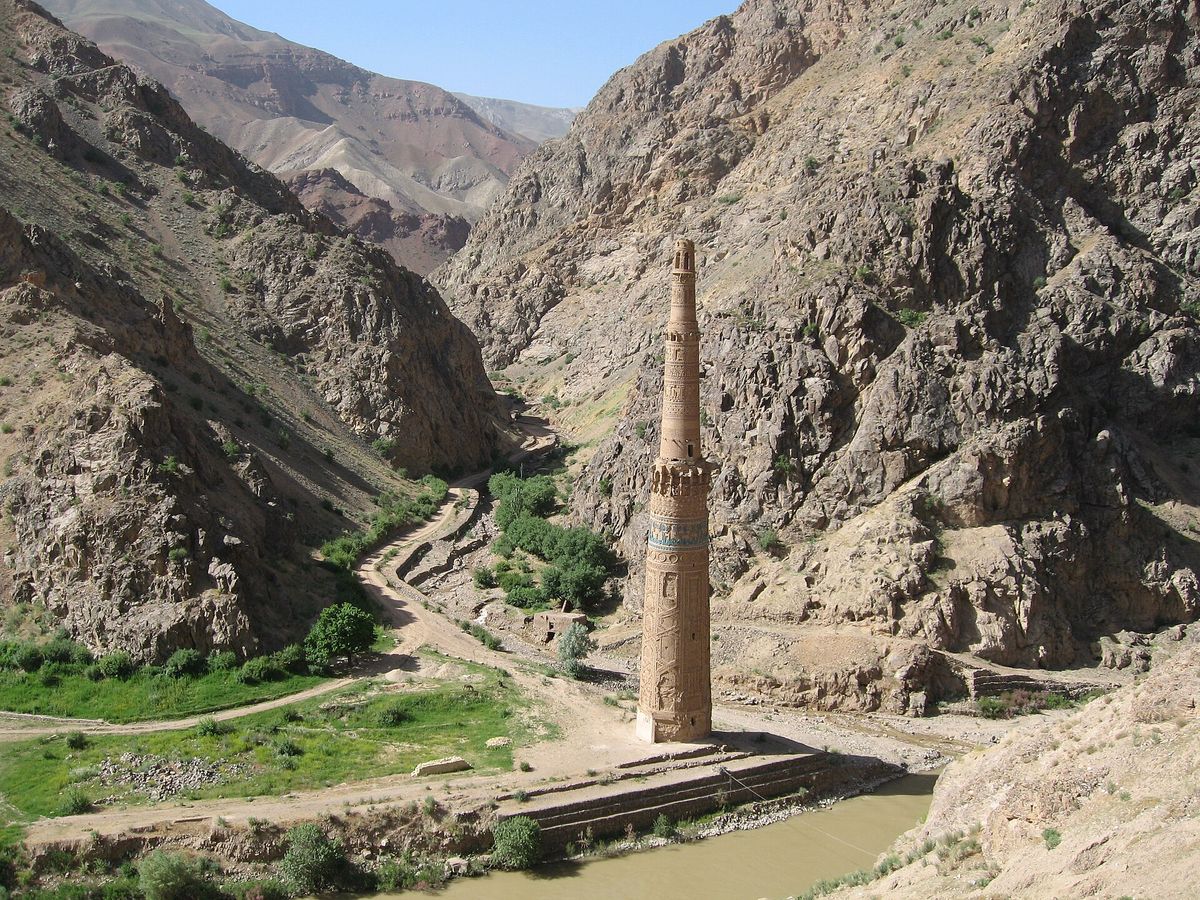
Muhammad Ghori — the invader who came to stay. About 150 years after Mahmud, the Ghurids of Ghor in central Afghanistan overthrew the Ghaznavids. Mu'izz-ud-din Muhammad bin Sam, known in India as Muhammad Ghori, ruled from Ghazni (from 1173) while his elder brother ruled Ghor. Unlike Mahmud, he wanted to conquer and rule north India.
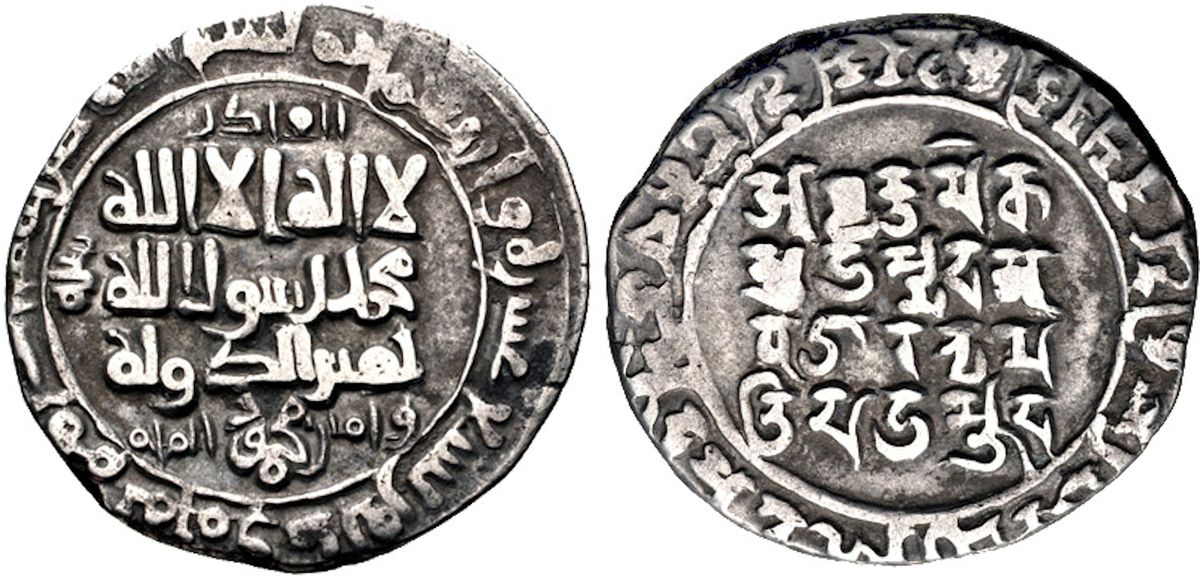
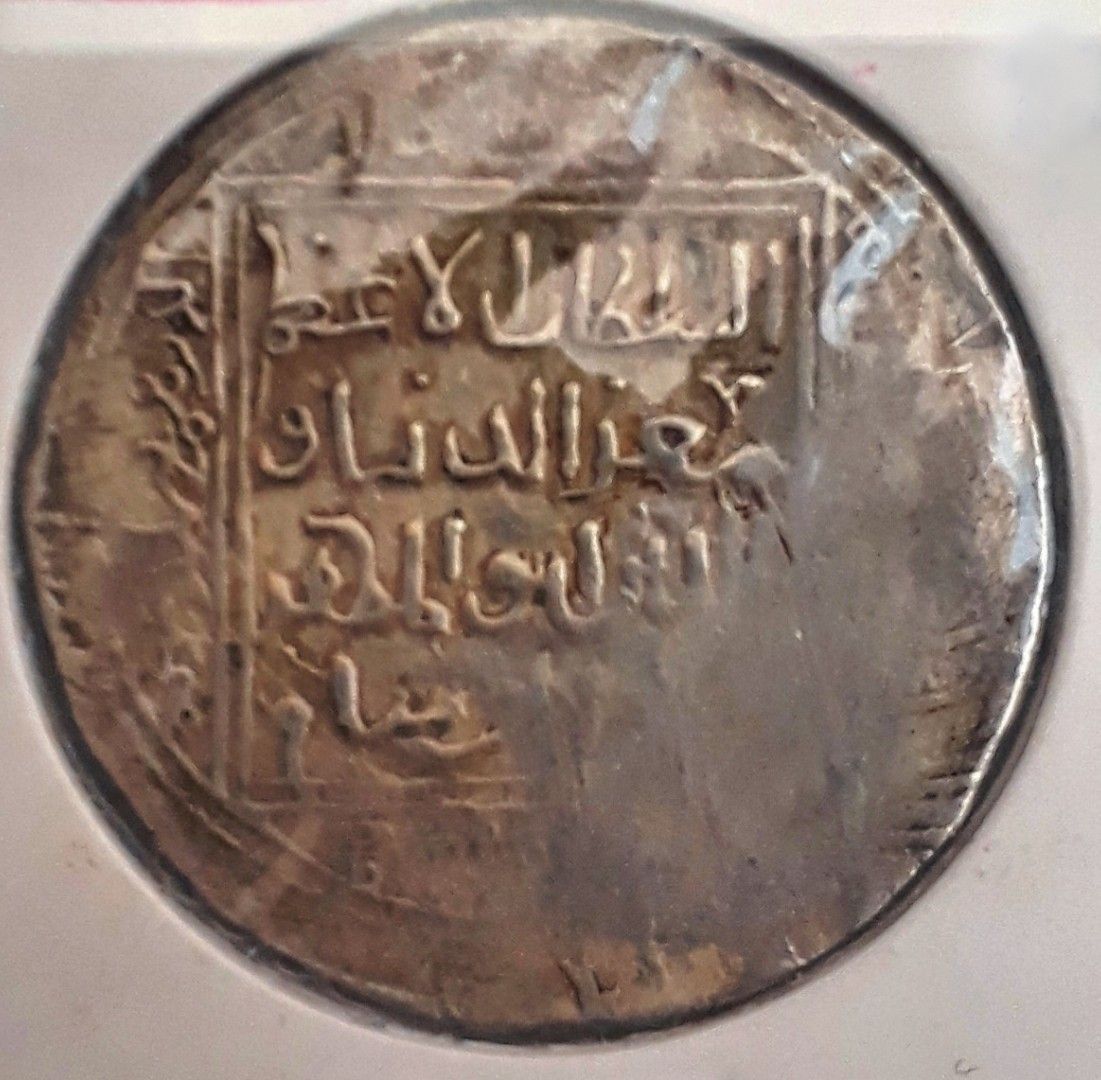
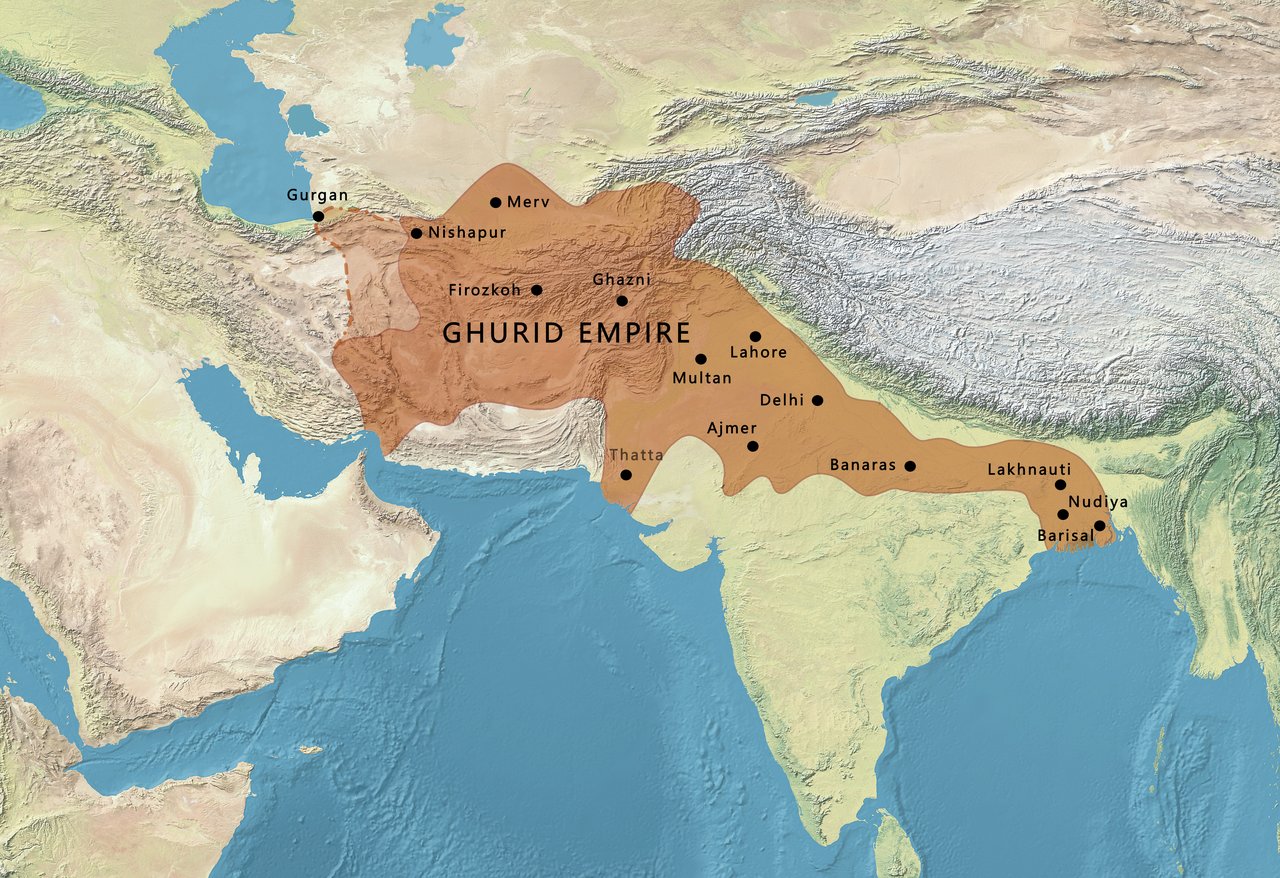
- 1175 — took Multan, his first Indian conquest.
- 1178 — tried to enter India through Gujarat but was defeated near Mount Abu (battle of Kasahrada) by the Solanki (Chalukya) army, fighting in the name of the boy-king Mularaja II and his mother Naikidevi. He turned to Punjab instead.
- 1186 — took Lahore from the last Ghaznavid, Khusrau Malik, ending Ghaznavid rule in India.
- 1189–91 — captured Tabarhindah (Bathinda), a frontier fort of Prithviraj Chauhan (Prithviraj III), king of Ajmer and Delhi.
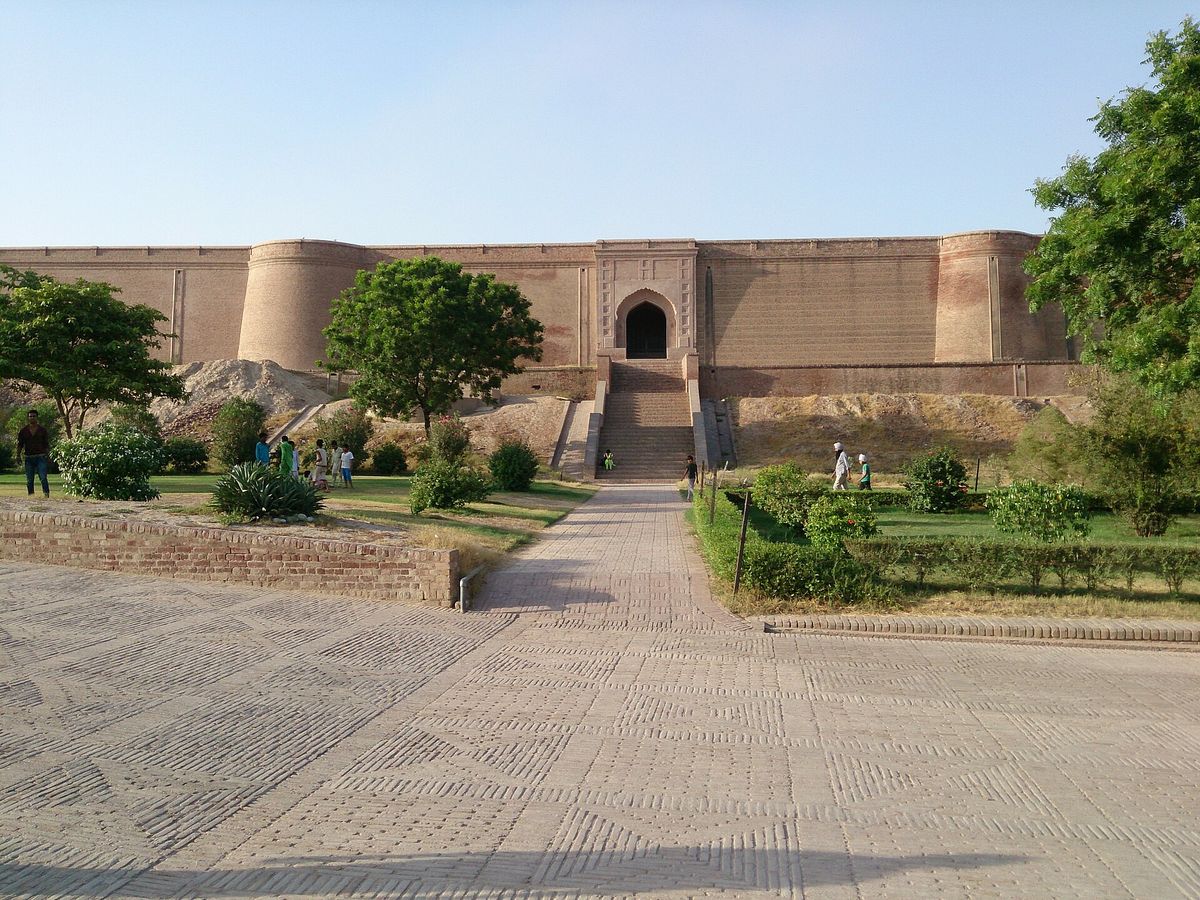
The two battles of Tarain. Prithviraj marched out to recover Bathinda, and the two armies met at Tarain (today Taraori, near Karnal in Haryana).
- First Battle of Tarain (1191) — the Rajput army won. Ghori was badly wounded in a clash with Govindaraja (the Tomara chief of Delhi, Prithviraj's ally) and was carried off the field. Prithviraj then besieged Bathinda but did not pursue the retreating Turks.
- Second Battle of Tarain (1192) — Ghori returned with a large cavalry army. Instead of a head-on charge, he sent mounted archers in waves to harass the Rajput lines and pretended to retreat, then struck the tired army late in the day. The Rajputs were routed; Prithviraj was captured and soon put to death. Govindaraja died in the battle.
Tarain II is one of the turning points of Indian history: it opened the road to Delhi, which Ghori's general Qutb-ud-din Aibak took in 1193. The later Hindi epic Prithviraj Raso, credited to the court poet Chand Bardai, turned Prithviraj into a hero of legend — its romantic stories (such as his elopement with Jaichand's daughter Samyogita) are not reliable history.
After Tarain. In 1194 Ghori defeated Jaichand (Jayachandra), the Gahadavala king of Kannauj and Varanasi, at Chandawar (near Etawah), and the Ganga valley lay open. His commander Bakhtiyar Khalji pushed east: around 1193–1200 his troops overran Bihar, destroying the great Buddhist monasteries of Odantapuri, Nalanda and Vikramashila; around 1204 he surprised the old Sena king Lakshmana Sena at Nadia in Bengal and set up his base at Lakhnauti. Bakhtiyar died in 1206 after a disastrous expedition towards Tibet.
In 1206 Ghori was murdered in his camp at Damyak on the Jhelum while returning from crushing a revolt of the Khokhars of Punjab; many books name the Khokhars as the killers, others name a group of Ismaili assassins. He left no son, and his Indian conquests passed to his slave-general Qutb-ud-din Aibak.
Why did the Indian kingdoms lose? Historians usually give these reasons:
- Disunity. The Rajput kingdoms were rivals — the Chauhans, Gahadavalas, Chandelas and Solankis fought each other and rarely combined against the invaders. Prithviraj and Jaichand were bitter enemies.
- Cavalry and tactics. The Turks fought as fast-moving mounted archers on fine horses from Central Asia, used feigned retreats and attacked the flanks; Indian armies relied more on war elephants and foot soldiers, and on the courage of a head-on charge.
- Organisation. Turkish commanders led professional troops paid through the iqta system and bound by personal loyalty; Indian armies were often assembled from the levies of many chiefs.
- An open frontier. Once the Hindu Shahis fell (early 11th century), no strong kingdom guarded the north-west passes, and Punjab was already in Turkish hands when Ghori came.
- 712Arabs conquer Sindh
Muhammad bin Qasim defeats Raja Dahir
- 998Mahmud becomes ruler of Ghazni
first ruler to use the title Sultan
- 1001Mahmud defeats Jayapala
near Peshawar — first of about 17 raids
- 1008–09Mahmud defeats Anandapala
battle near Waihind; Nagarkot sacked
- 1018Mathura and Kannauj sacked
- 1025Mahmud raids Somnath
Gujarat
- 1175Muhammad Ghori takes Multan
his first invasion
- 1178Ghori defeated at Kasahrada
by the Solankis, near Mount Abu
- 1186Ghori takes Lahore
end of Ghaznavid rule in Punjab
- 1191First Battle of Tarain
Prithviraj Chauhan wins
- 1192Second Battle of Tarain
Ghori wins; Prithviraj captured and killed
- 1194Battle of Chandawar
Ghori defeats Jaichand of Kannauj
- c. 1204Bakhtiyar Khalji takes Nadia
Bengal; base at Lakhnauti
- 1206Ghori murdered at Damyak
Aibak takes over the Indian conquests
| Mahmud of Ghazni | Muhammad Ghori | |
|---|---|---|
| Years | 998–1030 | 1173–1206 |
| Aim | Plunder temple treasure; fund Central Asian wars | Conquer and rule north India |
| Raids | About 17 (1000–1027) | Several, 1175–1206 |
| Big wins | Jayapala 1001, Anandapala 1008–09, Somnath 1025 | Lahore 1186, Tarain 1192, Chandawar 1194 |
| Defeats | Kashmir (Lohkot) raids failed | Kasahrada 1178, Tarain 1191 |
| Kept in India | Punjab only (Lahore) | Most of north India, left to Aibak |
| Court | Firdausi, Al-Biruni, Utbi | — |
| Don't mix up | Remember |
|---|---|
| Raider vs ruler | Mahmud of Ghazni raided and went home; Muhammad Ghori stayed and founded Turkish rule |
| Tarain winners | 1191 = Prithviraj; 1192 = Ghori. Tarain is near Karnal — not Panipat |
| Jayapala vs Jaichand | Jayapala (Hindu Shahi) lost to Mahmud, 1001; Jaichand (Gahadavala, Kannauj) lost to Ghori at Chandawar, 1194 |
| Al-Biruni vs Firdausi | Al-Biruni = Kitab-ul-Hind, a book on India; Firdausi = Shahnama, a Persian poem — both at Mahmud's court |
| Ghori's first defeat | Kasahrada (1178), near Mount Abu, by the Solankis — before Tarain |
| First Sultan title vs first Sultan of Delhi | Mahmud first used the title 'Sultan'; Aibak was the first Sultan of Delhi (1206) |