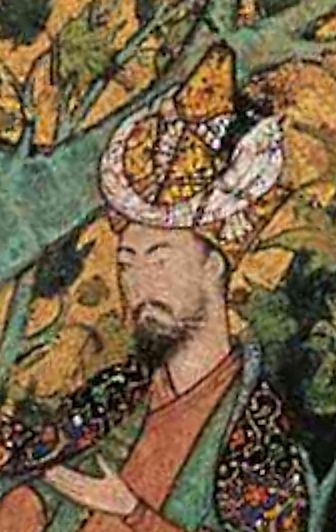
Babur (1526–1530). Zahir-ud-din Muhammad Babur was born in 1483 in Ferghana (in today's Uzbekistan). On his father's side he descended from Timur, on his mother's from Chengiz Khan, so he was both Turk and Mongol — 'Mughal' is the Persian word for Mongol. He became king of Ferghana at twelve, won and lost Samarkand more than once, and in 1504 took Kabul. Shut out of Central Asia by the Uzbeks, he turned to India, raiding the north-west from 1519.
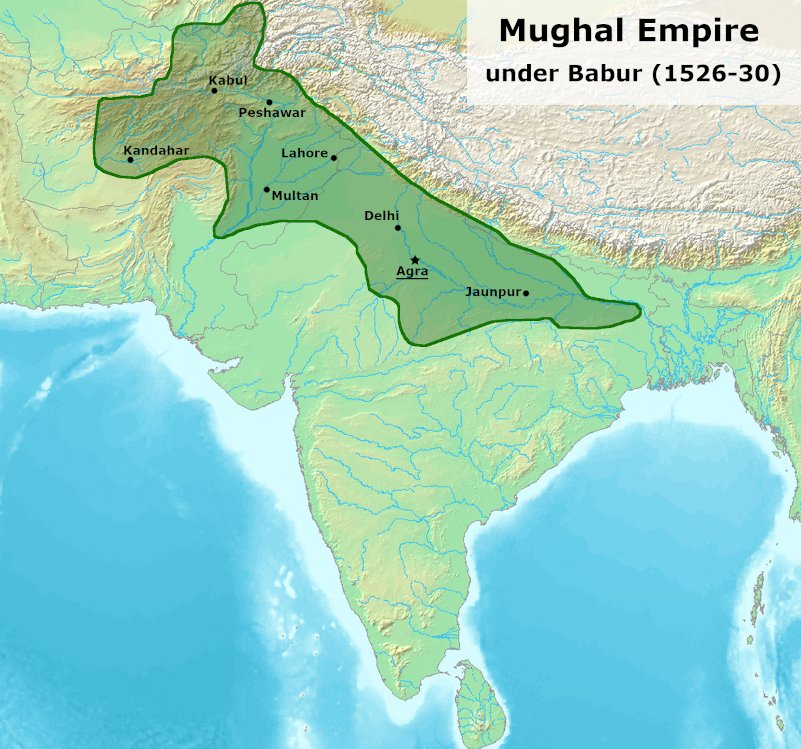
Babur won north India in four battles:
- Panipat (1526) — against Ibrahim Lodi, using guns, a line of carts, and the tulughma flanking attack.
- Khanwa (1527) — against Rana Sanga of Mewar, leader of a great Rajput alliance. Before the battle Babur declared it a holy war, gave up wine, and took the title Ghazi. His artillery and cavalry won again.
- Chanderi (1528) — against the Rajput chief Medini Rai.
- Ghaghra (1529) — against the Afghans of Bihar and Bengal.
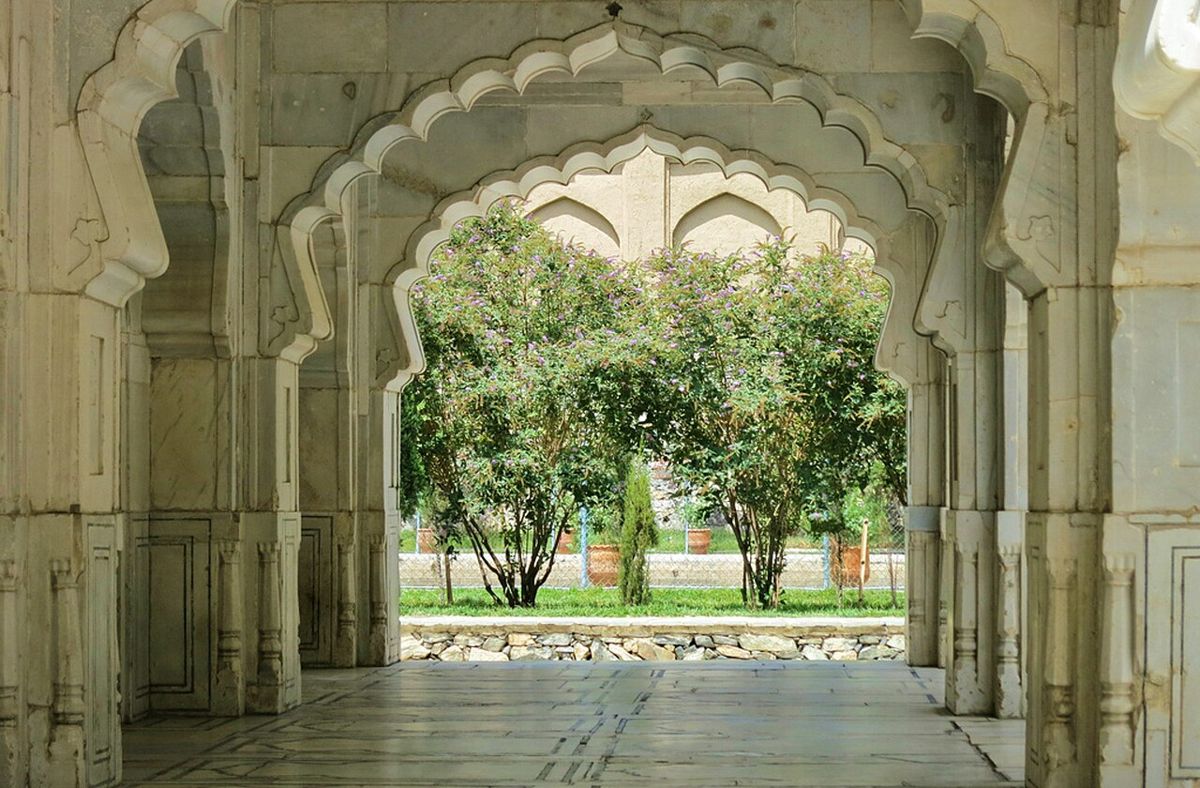
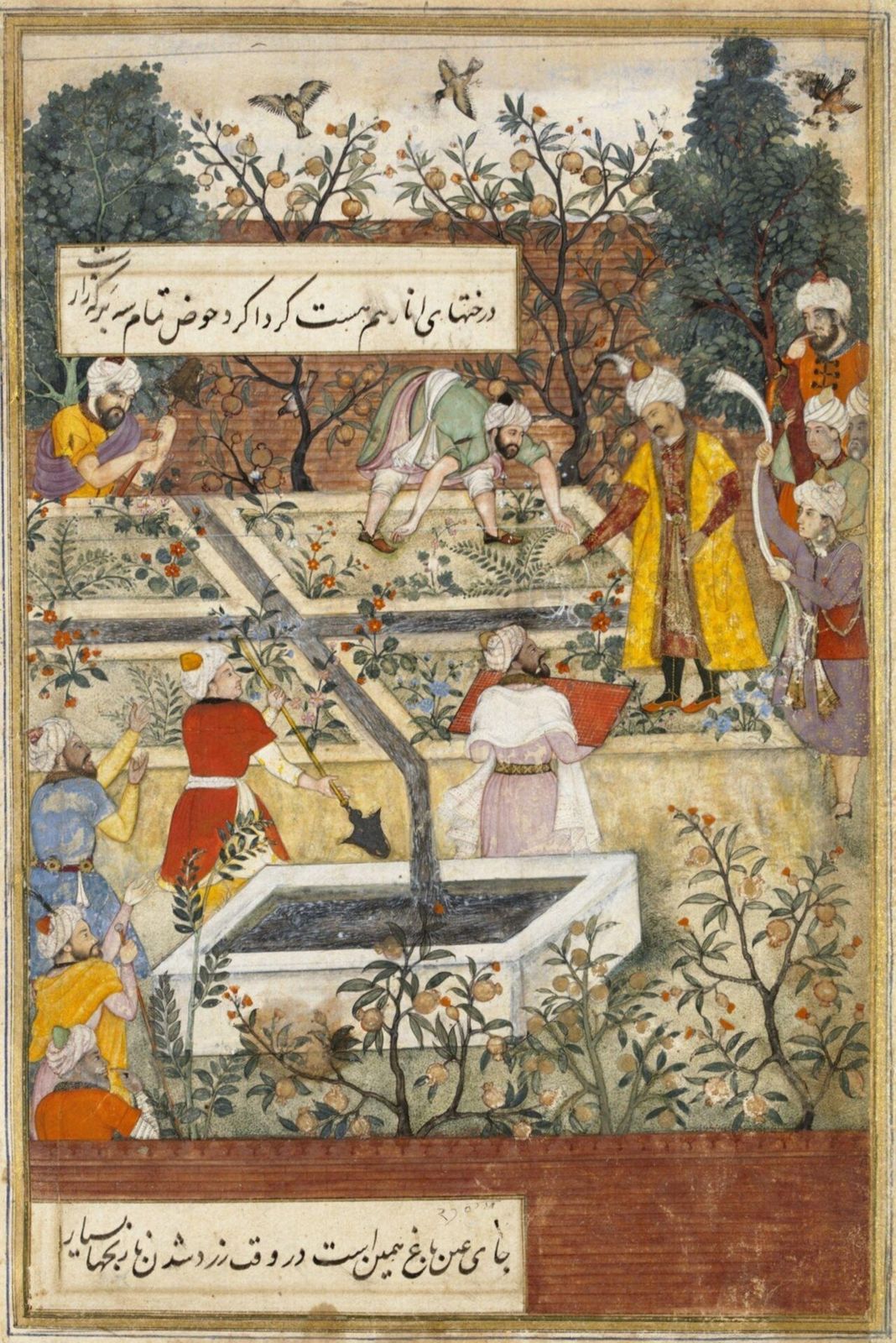
He died at Agra in 1530 and was later buried in his garden at Kabul. Babur wrote his frank, lively memoirs, the Baburnama (Tuzuk-i-Baburi), in Chagatai Turkish; Akbar had it translated into Persian (1589) by Abdur Rahim Khan-i-Khanan. He loved gardens and laid out the four-part charbagh in India.
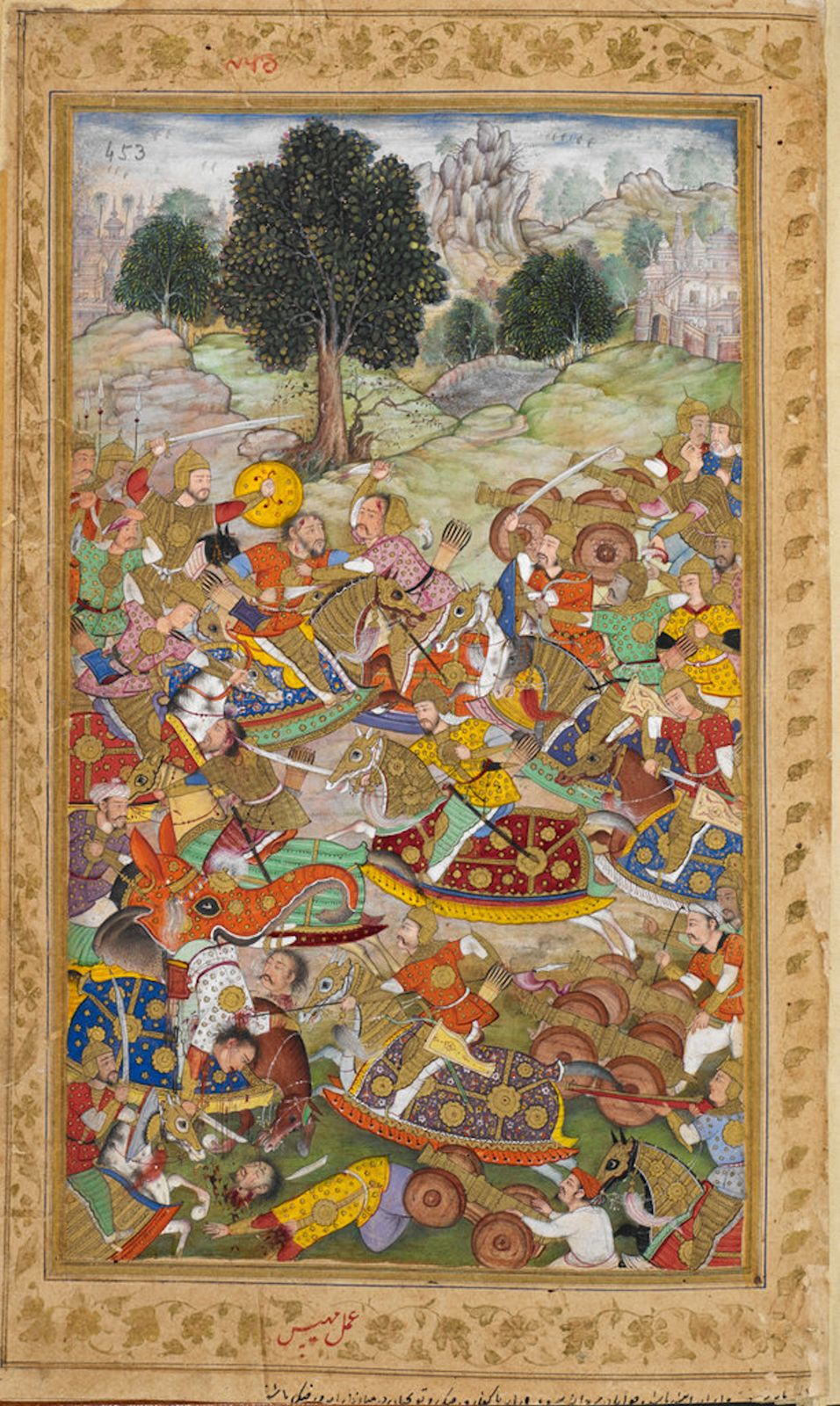
Humayun (1530–1540 and 1555–1556). Babur's eldest son Humayun inherited a new and unsettled empire. Following Timurid custom he shared it with his brothers — Kamran got Kabul and Punjab — which weakened him. He spent years fighting Bahadur Shah of Gujarat and began a new city at Delhi, Dinpanah (1533). Meanwhile the Afghan Sher Khan grew strong in Bihar and defeated him at Chausa (1539) and Kannauj (also called Bilgram, 1540).
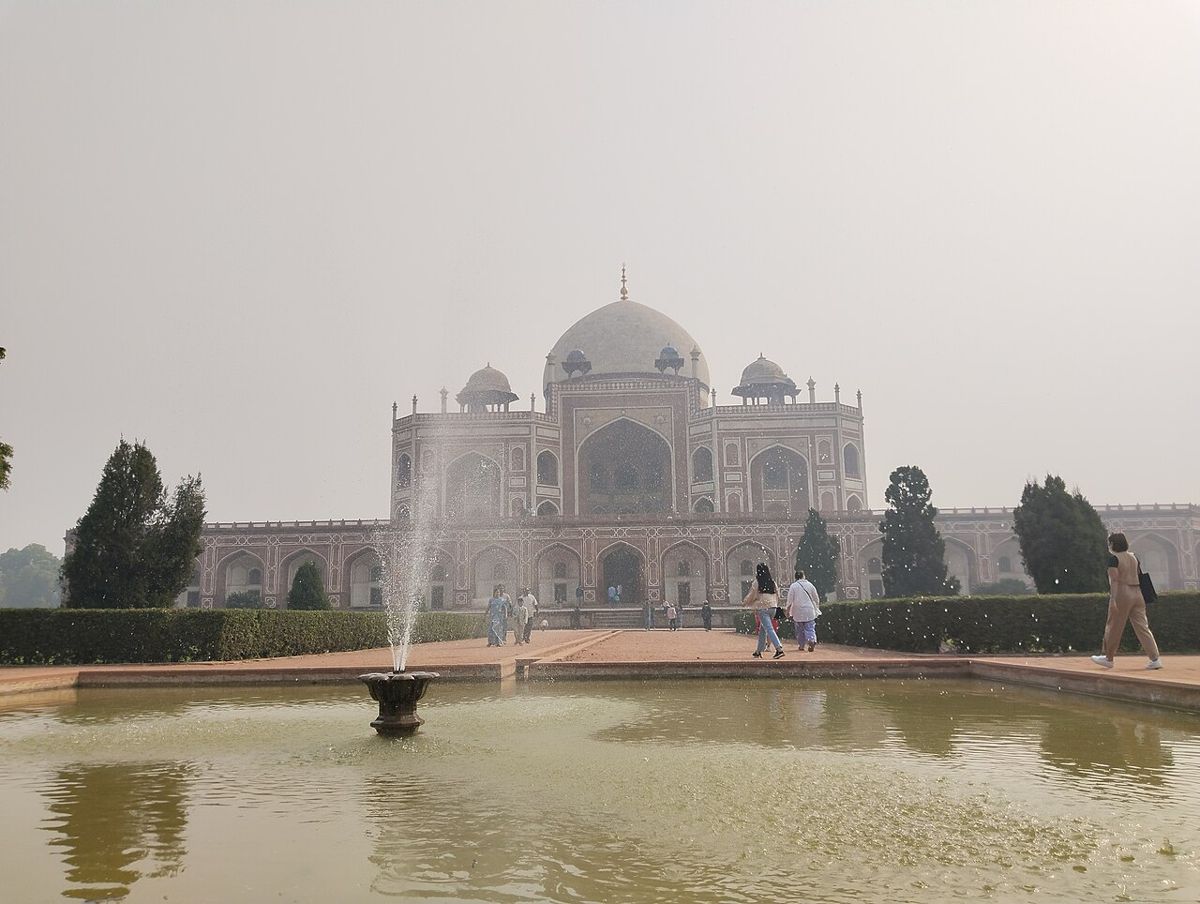
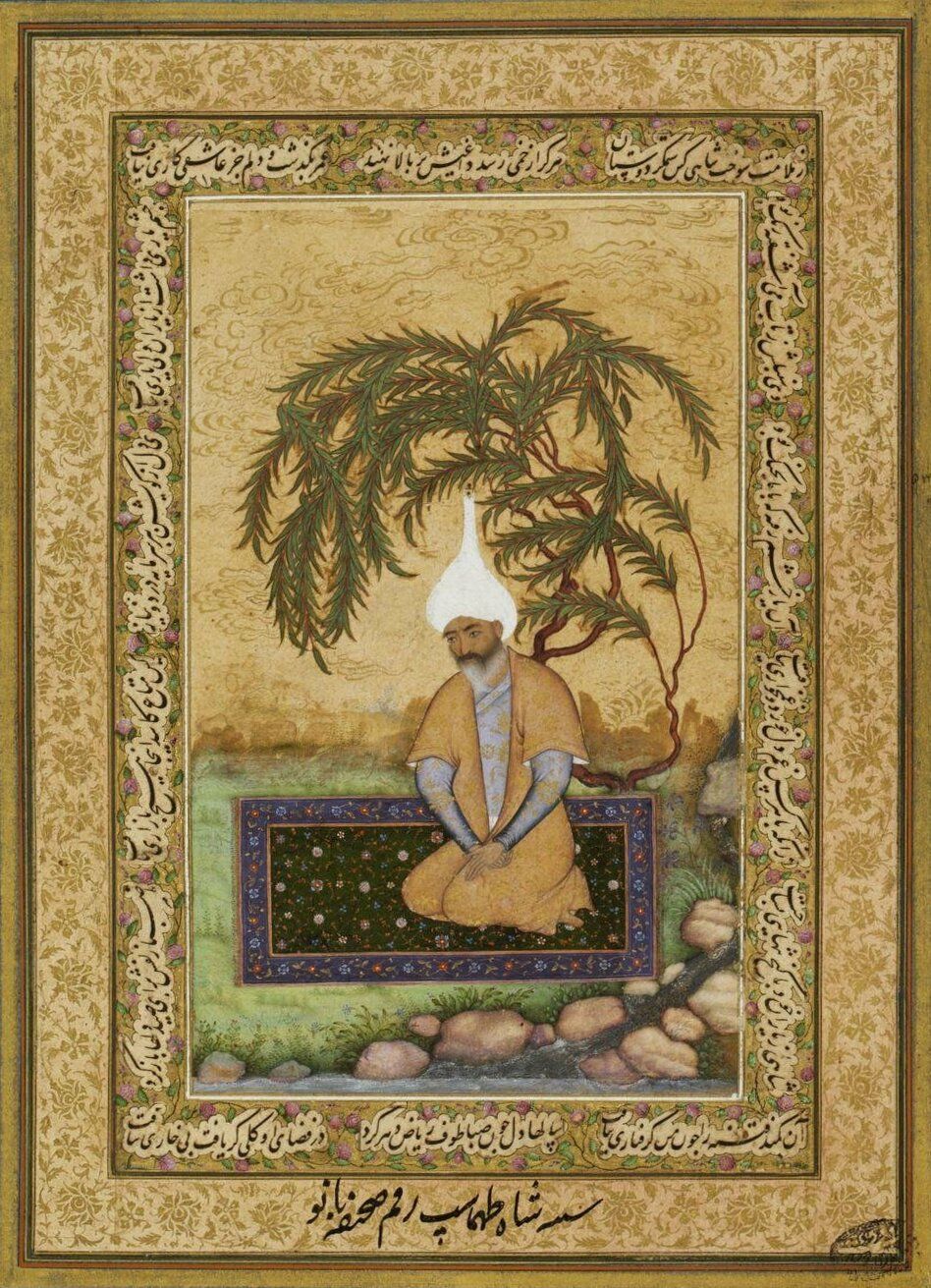
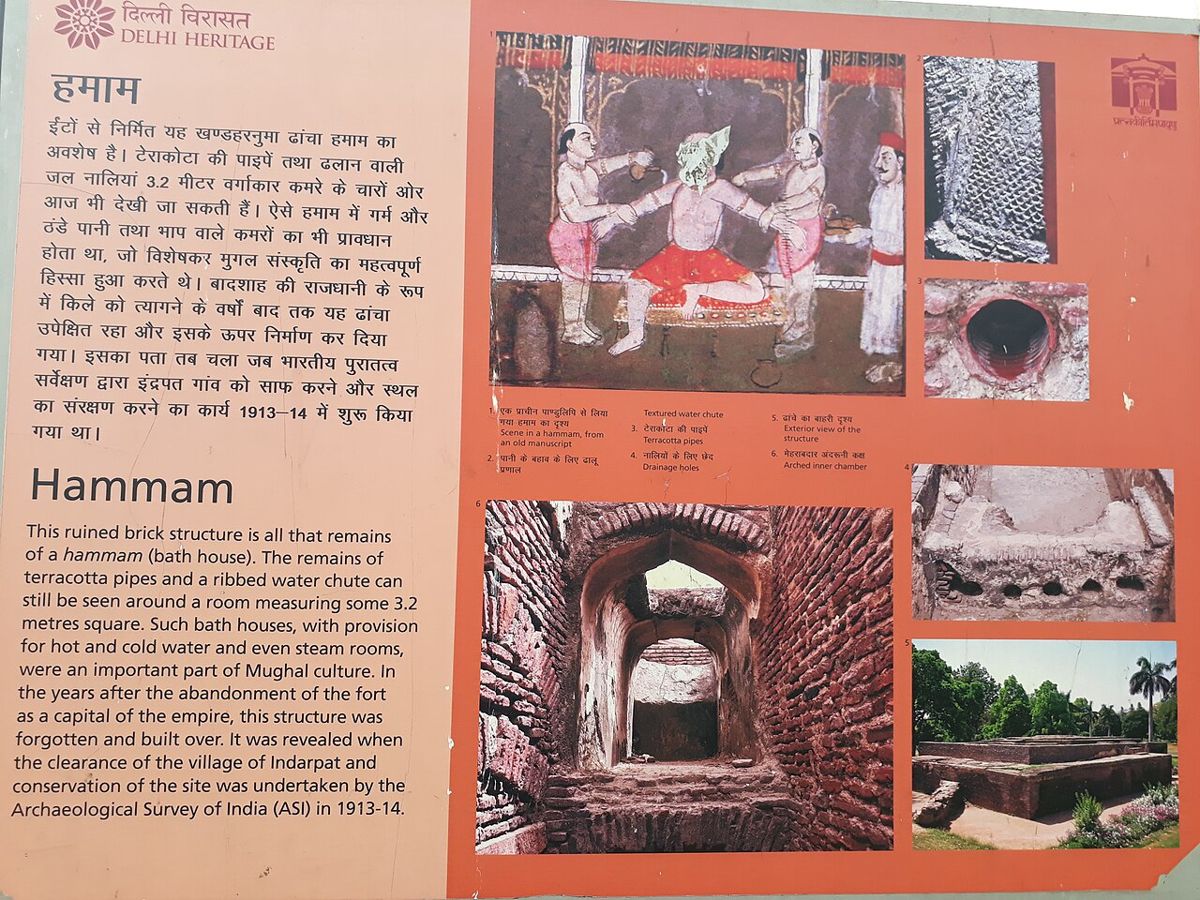
Humayun spent fifteen years in exile. His son Akbar was born in 1542 at Amarkot in Sindh, where a Rajput chief sheltered the fugitives. In 1544 Humayun reached Persia, where the Safavid Shah Tahmasp gave him troops; with them he took Kandahar and Kabul. When Sher Shah's successors quarrelled, he defeated Sikandar Shah Suri at Sirhind (1555) and re-entered Delhi. Six months later, in January 1556, he slipped on the stone stairs of his library, the Sher Mandal in the Purana Qila, and died. His sister Gulbadan Begum later wrote the Humayun-nama, and his widow Haji Begum built Humayun's Tomb in Delhi (1560s–1572) — the first great Mughal garden-tomb and a forerunner of the Taj Mahal.
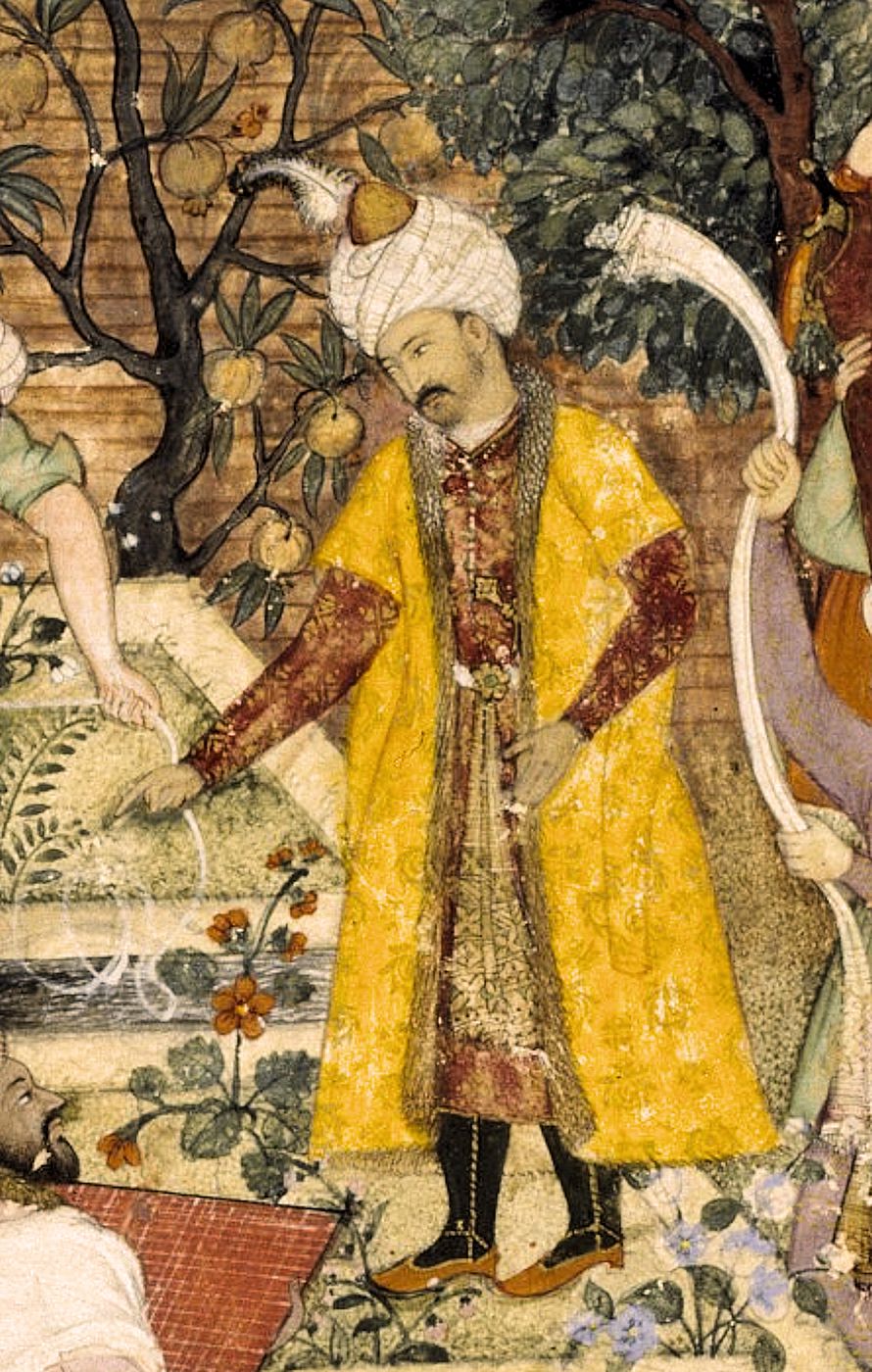
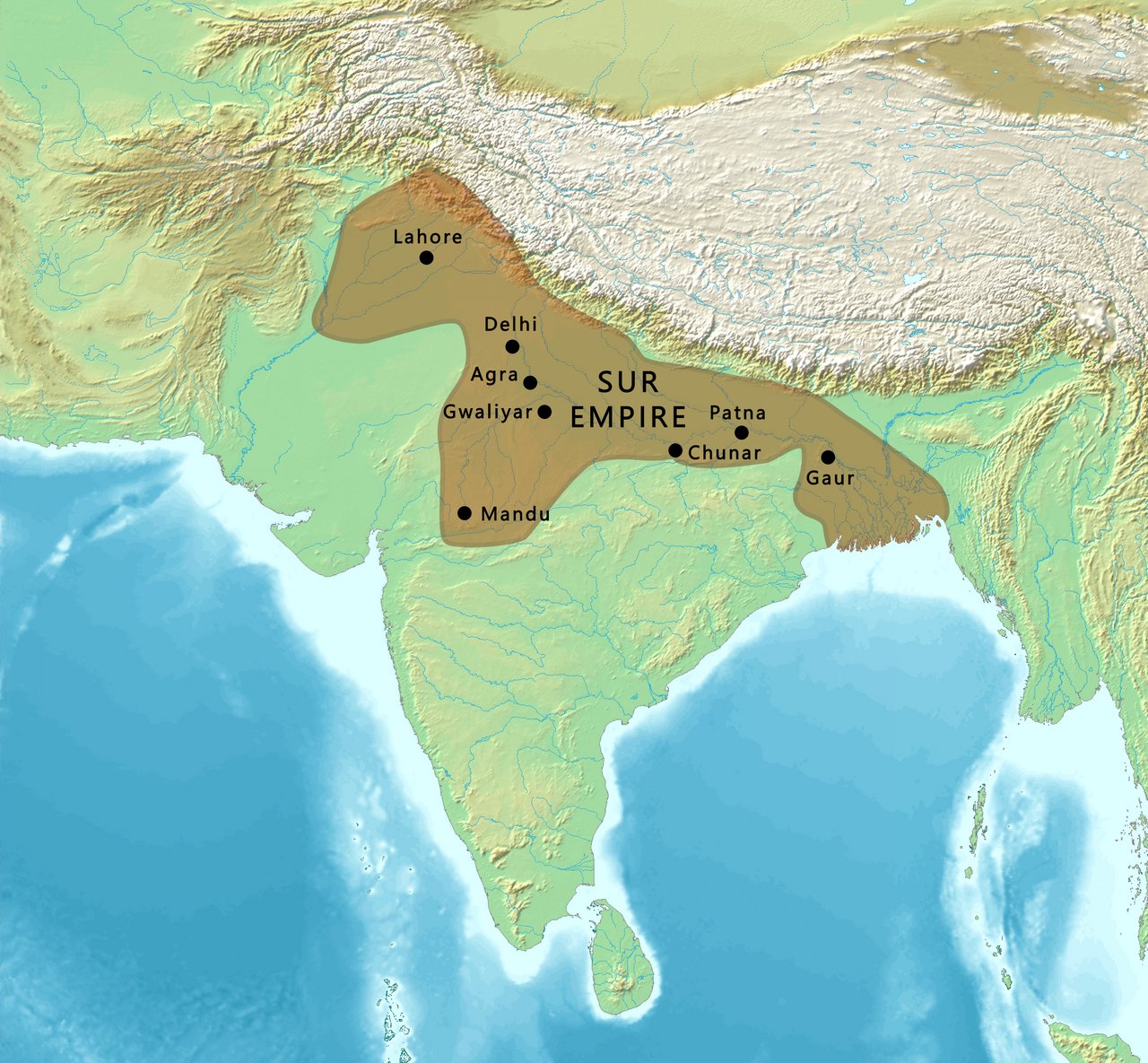
Sher Shah Suri (1540–1545). Born Farid, of the Afghan Sur clan, he grew up managing his father's estate at Sasaram in Bihar, learned administration there, and — tradition says — earned the name Sher Khan by killing a tiger. After beating Humayun at Chausa he took the title Sher Shah, and after Kannauj (1540) he ruled north India from Bengal to the Indus. In five short years he:
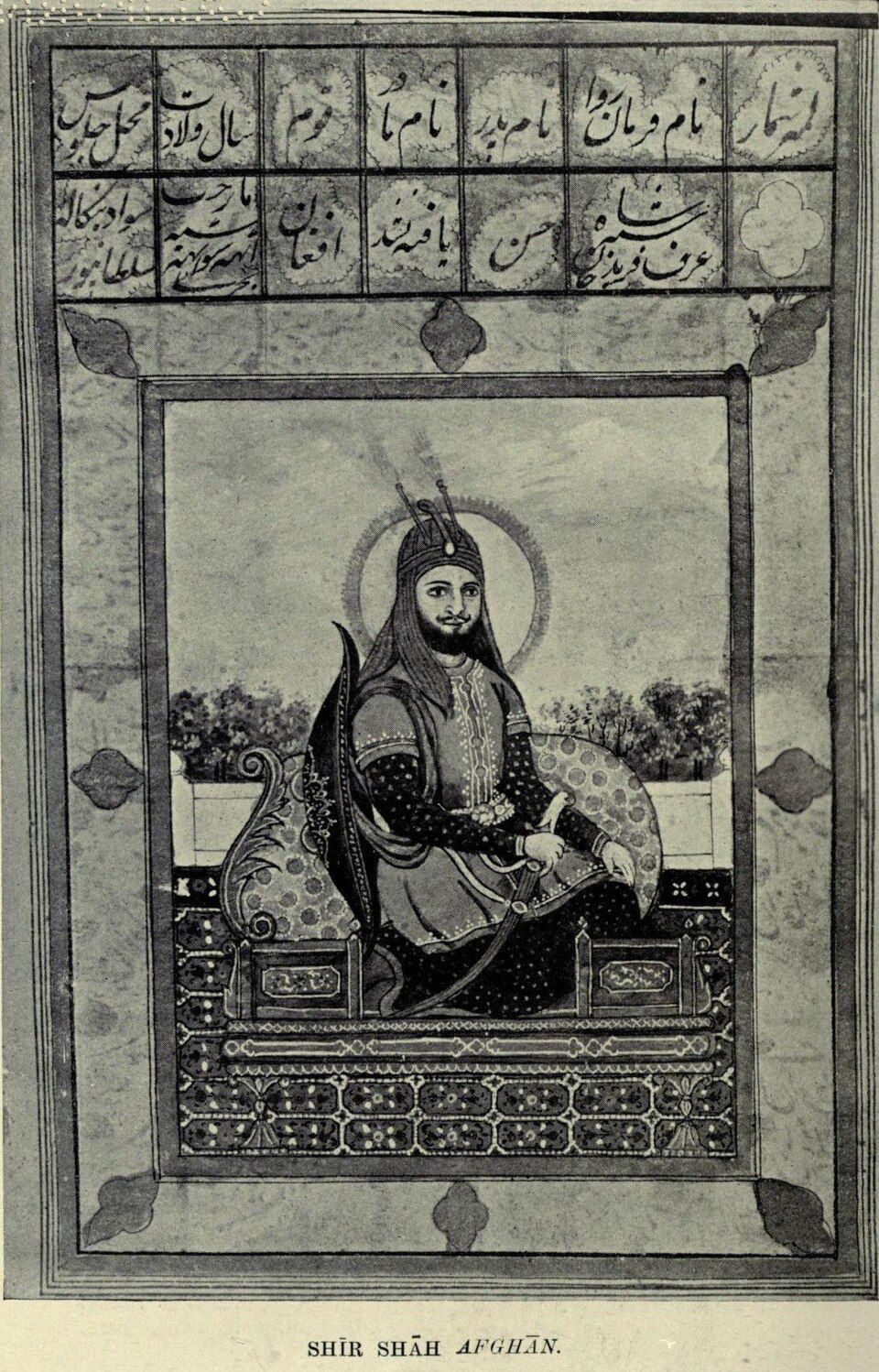
- Fought — took Malwa, Raisen and Marwar (beating Rao Maldeo at Sammel, 1544, after which he is said to have remarked that he had nearly lost Hindustan 'for a handful of millet'), and died in 1545 at the siege of Kalinjar when a store of gunpowder exploded.
- Organised the land — the empire was divided into sarkars and parganas; land was measured, and the state took about one-third of the average produce, in cash or kind. Each peasant received a patta (deed stating his dues) and signed a qabuliyat (agreement). Raja Todar Mal, later Akbar's finance minister, worked under him.
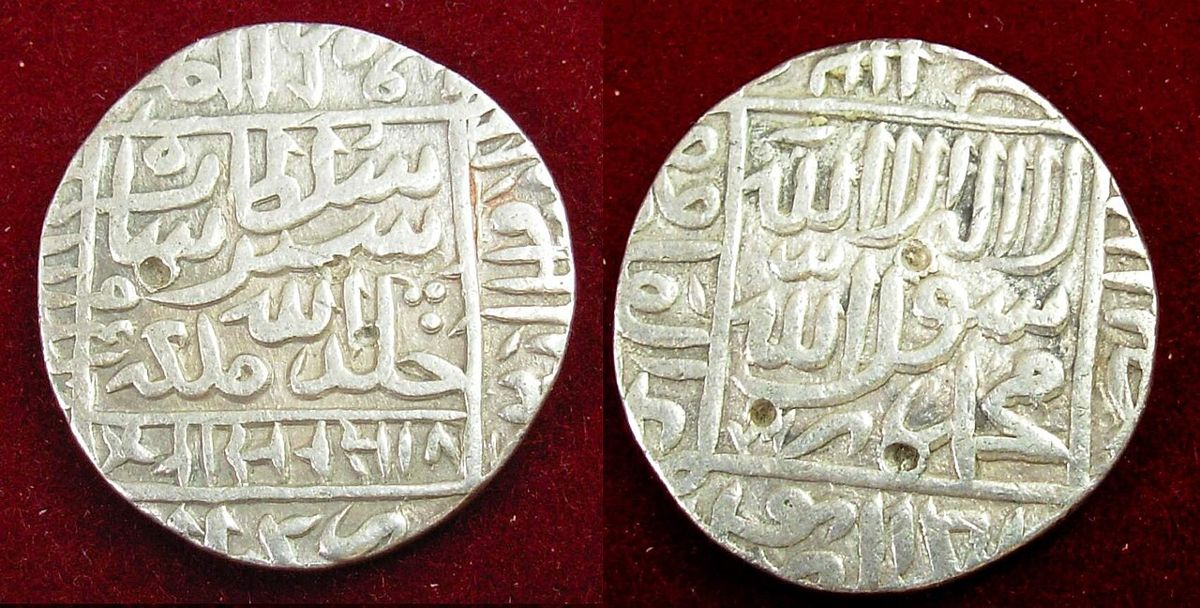
- Reformed the money — a pure silver coin, the rupiya (about 178 grains), and a copper coin, the dam. The rupee is named after it.
- Built roads — he rebuilt the great highway from Sonargaon (Bengal) to the Indus, later called the Grand Trunk Road, and other roads from Agra; along them stood about 1,700 sarais (rest-houses), which doubled as postal stations. Historians call the sarais 'the arteries of the empire'.
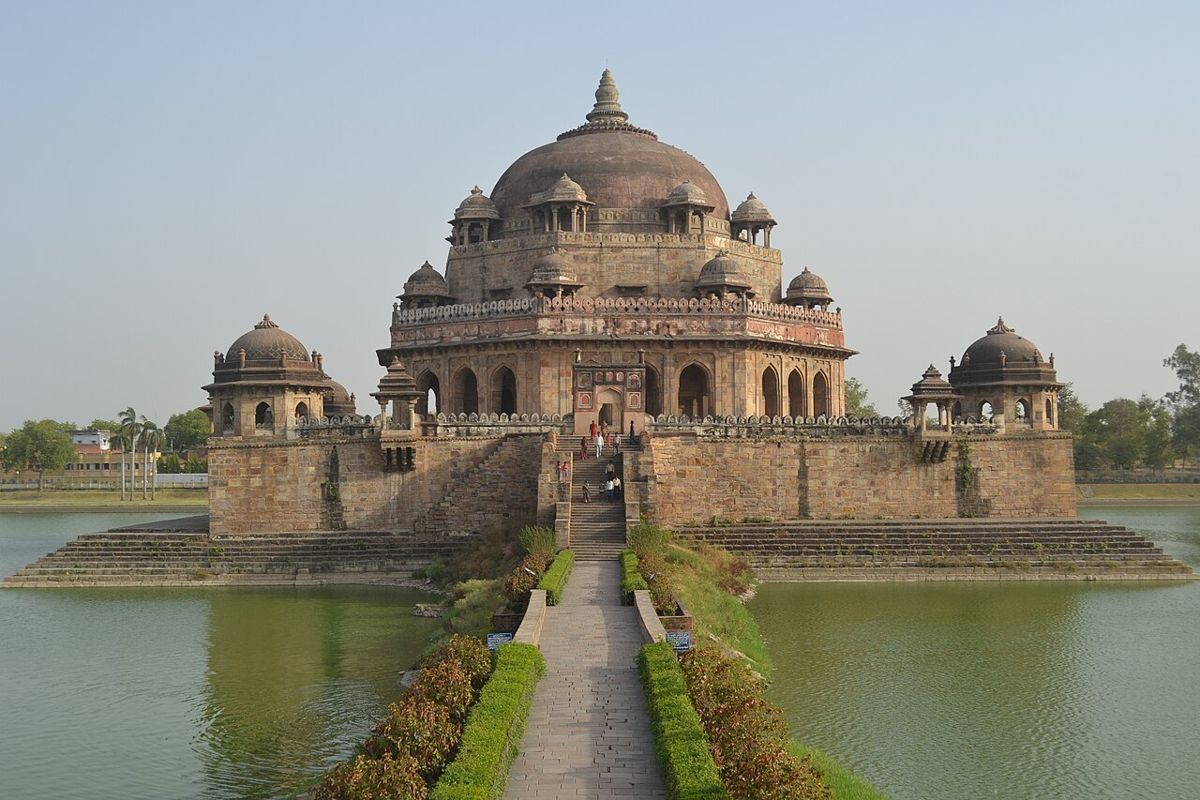
- Built monuments — the mosque in the Purana Qila, Delhi, the Rohtas fort (now in Pakistan), and his own grand tomb at Sasaram, set in an artificial lake.
His son Islam Shah (1545–1553) ruled firmly, but then the Sur family split. In 1555 Humayun returned.
- 1504Babur takes Kabul
- 1526First Battle of Panipat — Babur defeats Ibrahim Lodi
- 1527Khanwa — Babur defeats Rana Sanga
- 1528Chanderi — Medini Rai defeated
- 1529Ghaghra — the Afghans defeated
- 1530Babur dies; Humayun emperor
- 1539Chausa — Sher Khan defeats Humayun
- 1540Kannauj (Bilgram) — Humayun flees; Sher Shah rules
- 1542Akbar born at Amarkot
- 1545Sher Shah killed at Kalinjar
- 1555Sirhind — Humayun defeats Sikandar Shah Suri, retakes Delhi
- 1556Humayun dies at the Sher Mandal
| Don't mix up | Remember |
|---|---|
| Baburnama language | Chagatai Turkish — translated into Persian under Akbar by Abdur Rahim Khan-i-Khanan |
| Khanwa vs Chanderi vs Ghaghra | Khanwa 1527 = Rana Sanga; Chanderi 1528 = Medini Rai; Ghaghra 1529 = Afghans |
| Chausa vs Kannauj | Chausa 1539 and Kannauj (Bilgram) 1540 — both won by Sher Shah over Humayun |
| Battle that restored Humayun | Sirhind, 1555 — against Sikandar Shah Suri |
| Where Akbar was born | Amarkot (Sindh), 1542 — during Humayun's exile |
| Rupiya | Sher Shah, silver — not Akbar, not Alauddin; copper coin = dam |
| Patta and qabuliyat | Sher Shah's land-revenue deeds |
| Who built Humayun's Tomb | his widow Haji Begum — not Akbar personally |
| Humayun-nama | by his sister Gulbadan Begum |