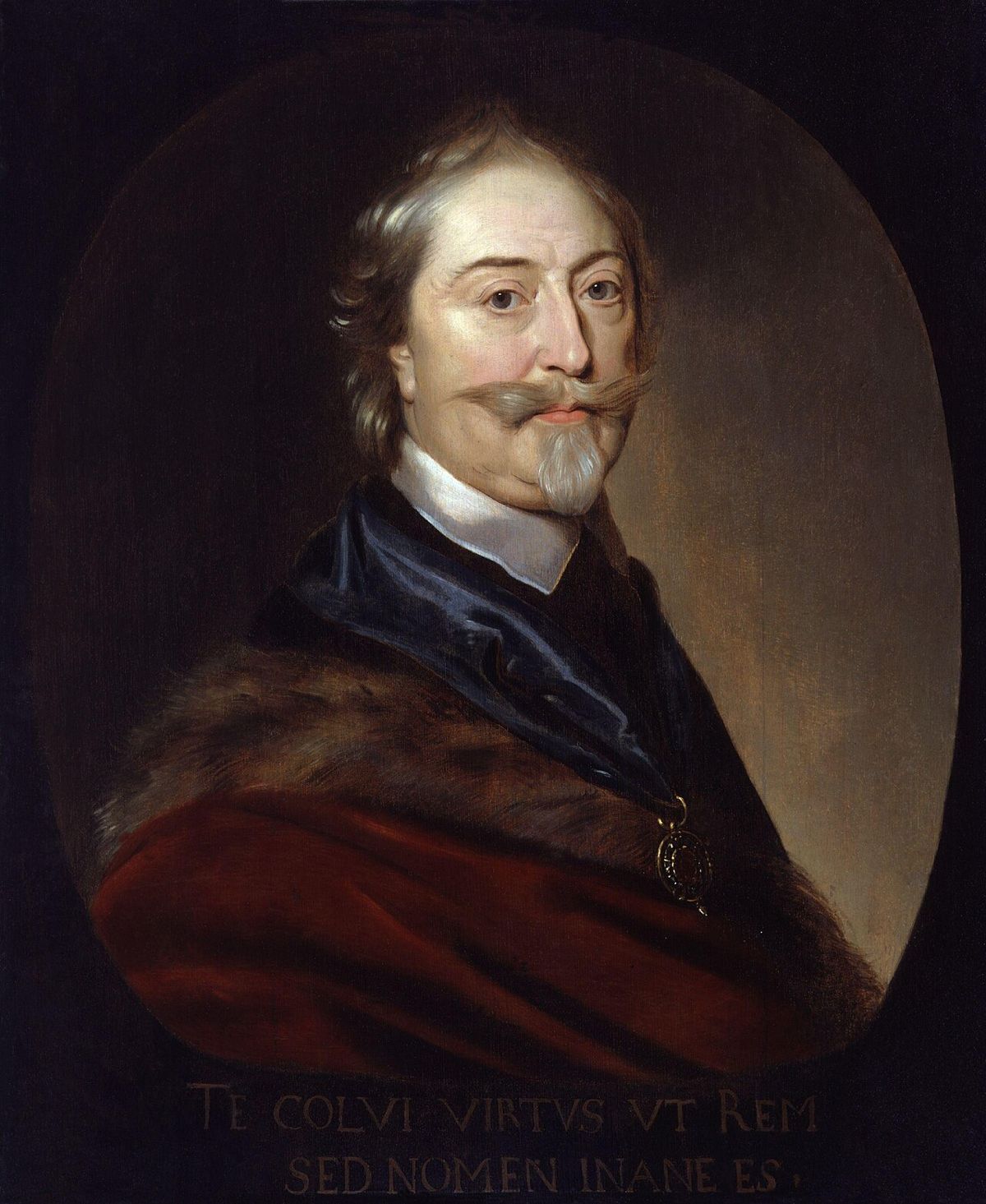
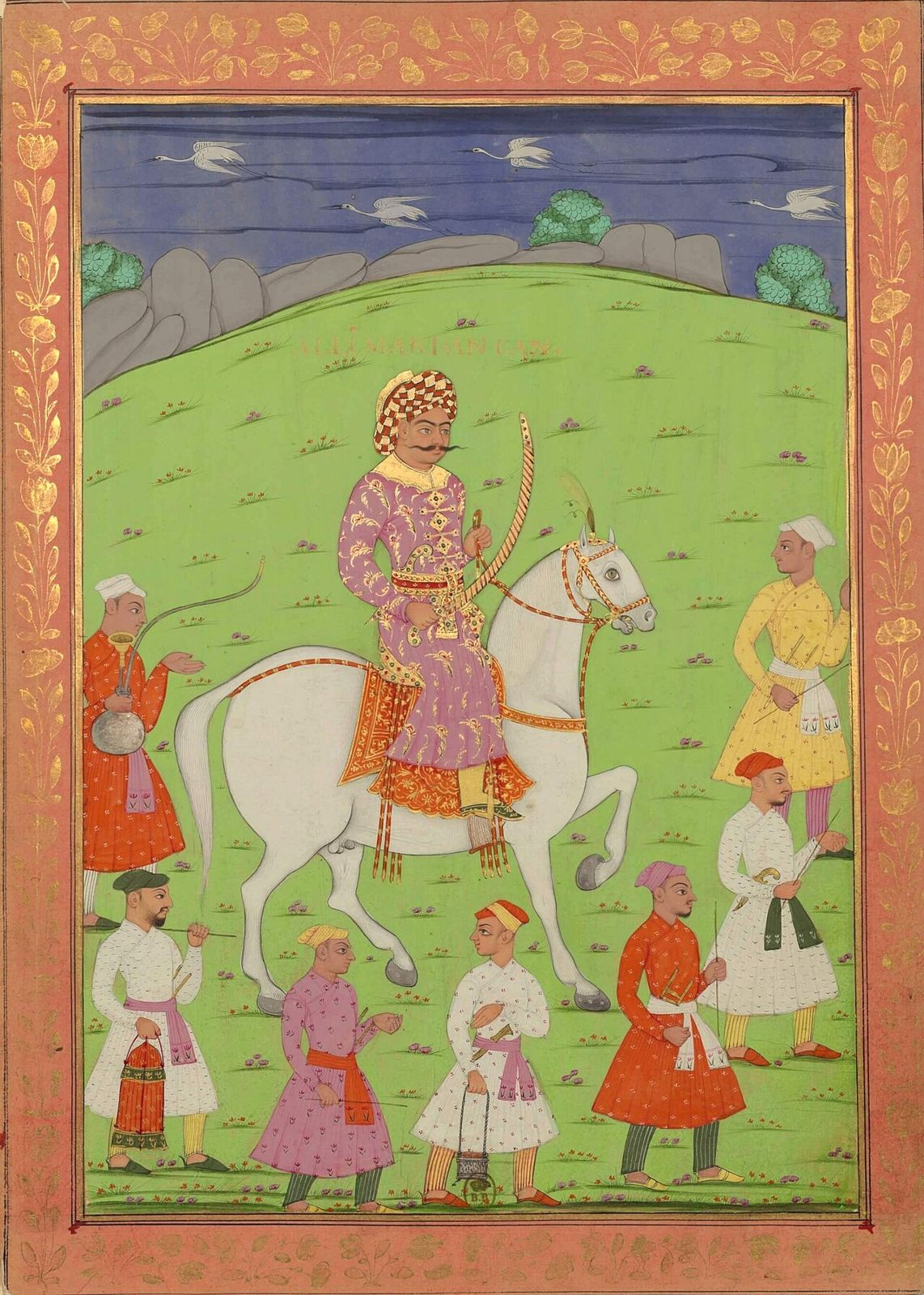
There were no newspapers then, so historians read the books of travellers (visitors from other countries) and chroniclers (court writers who recorded what a king did). The exam pairs each writer with his country, book, language and the ruler of his time. A useful clue: foreign scholars like Al-Biruni and Ibn Battuta wrote in Arabic, the Sultans' and Mughals' court writers used Persian, and Babur wrote his memoirs in his own Turkish (Chagatai).
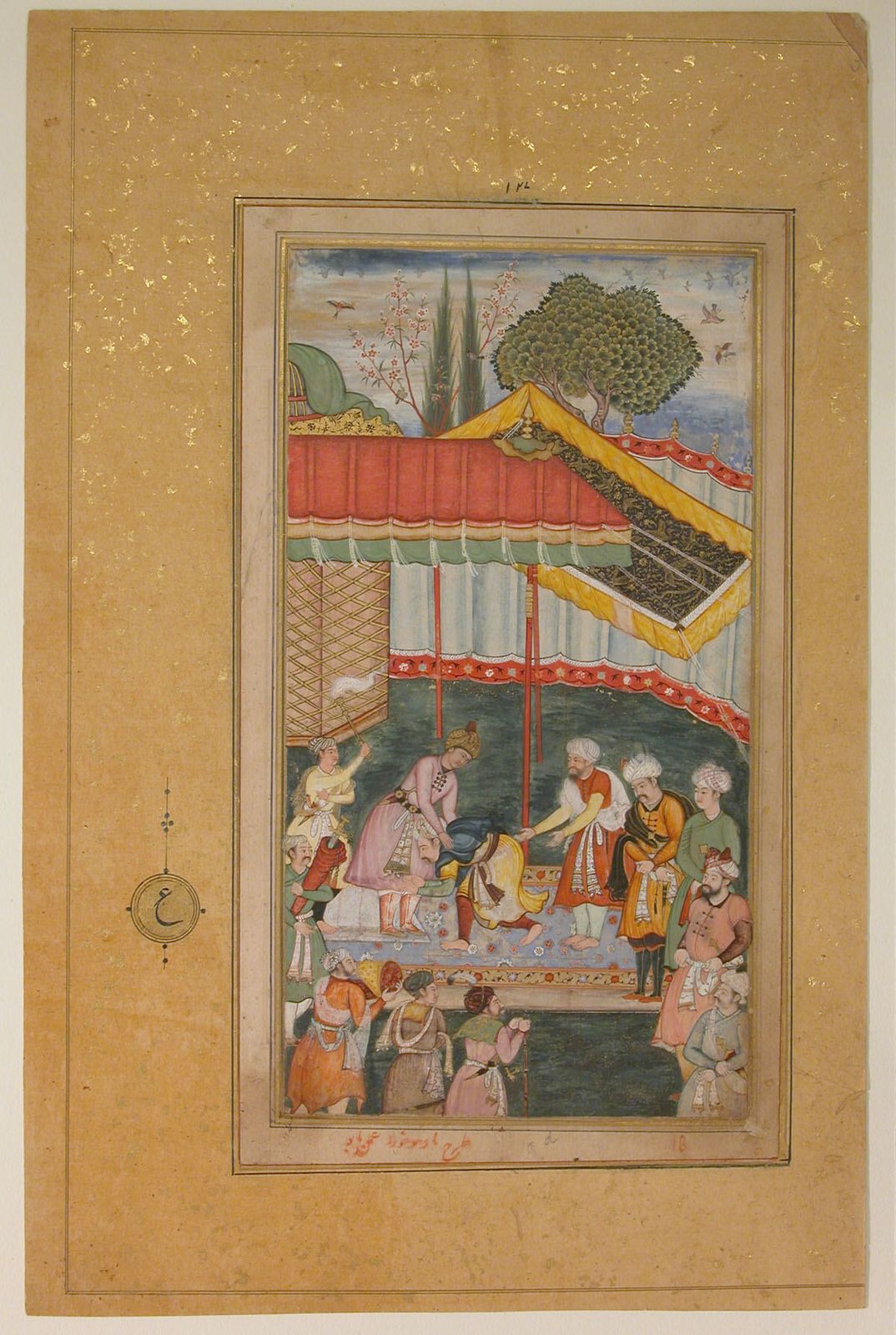
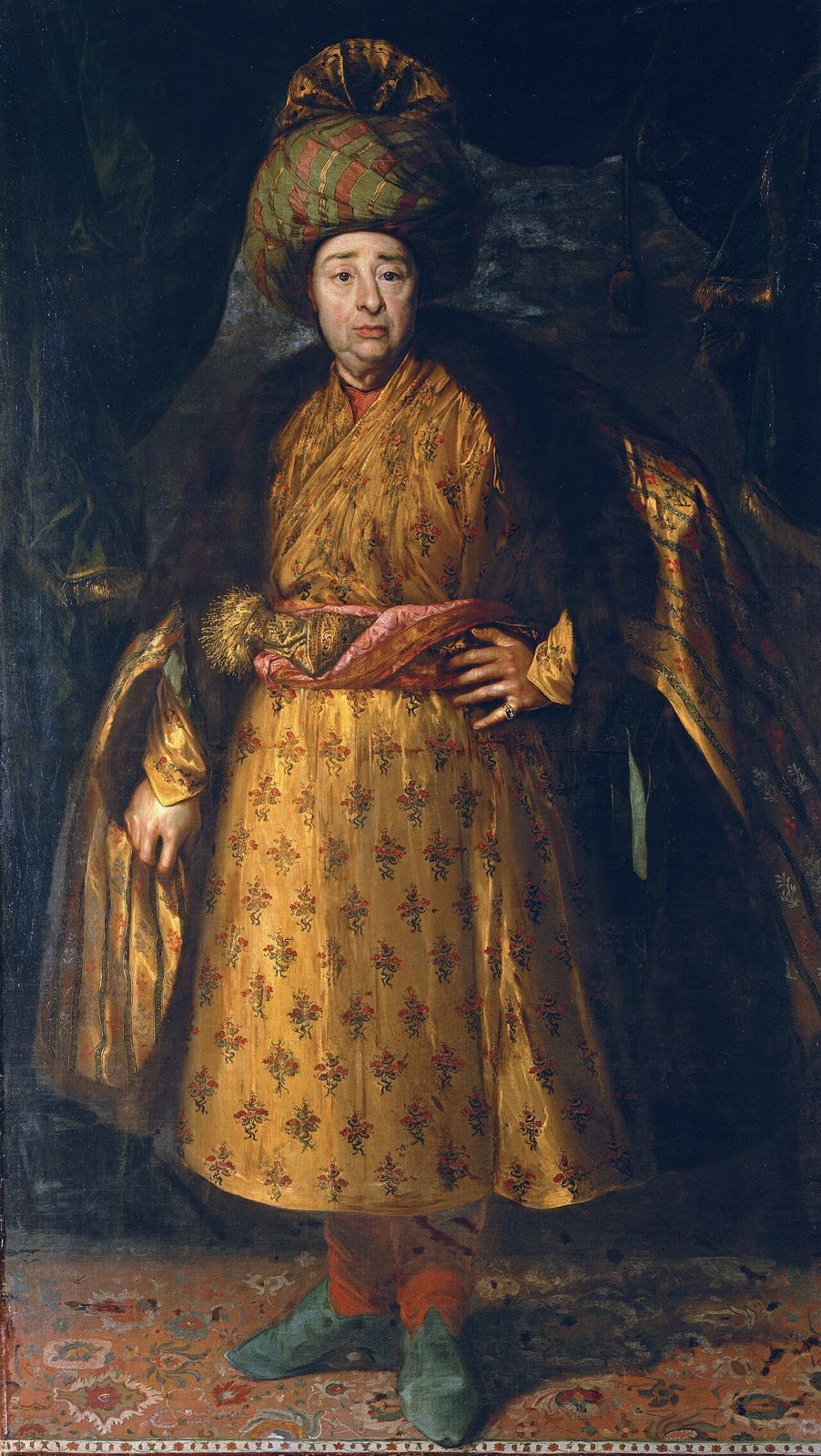
Travellers saw things court writers took for granted. Ibn Battuta described the postal relays, the betel leaf and the coconut with wonder; Paes walked through the bazaars of Hampi and compared the city to Rome; the French doctor François Bernier (in India 1656–68), who served Mughal nobles, wrote Travels in the Mogul Empire and argued — wrongly, most historians now think — that there was no private property in land in Mughal India. The French jeweller Jean-Baptiste Tavernier described the diamond mines of Golconda and the Peacock Throne, and the Italian Niccolao Manucci, who served Dara Shikoh as a gunner and later worked as a doctor, wrote the gossipy Storia do Mogor. But travellers also misunderstood customs and repeated rumours, so historians check them against Indian sources.
| Traveller | From · when | Remember |
|---|---|---|
| Al-Biruni | Khwarazm (Uzbekistan) · 11th c. | came with Mahmud of Ghazni; Kitab-ul-Hind in Arabic |
| Marco Polo | Venice (Italy) · 1290s | visited the south — the Kakatiya and Pandya lands |
| Ibn Battuta | Morocco · 1333 | Muhammad bin Tughlaq made him qazi of Delhi; Rihla in Arabic |
| Niccolò de' Conti | Italy · c. 1420 | Vijayanagar under Deva Raya I |
| Abdur Razzaq | Persia · 1443 | envoy of Shah Rukh to Vijayanagar under Deva Raya II |
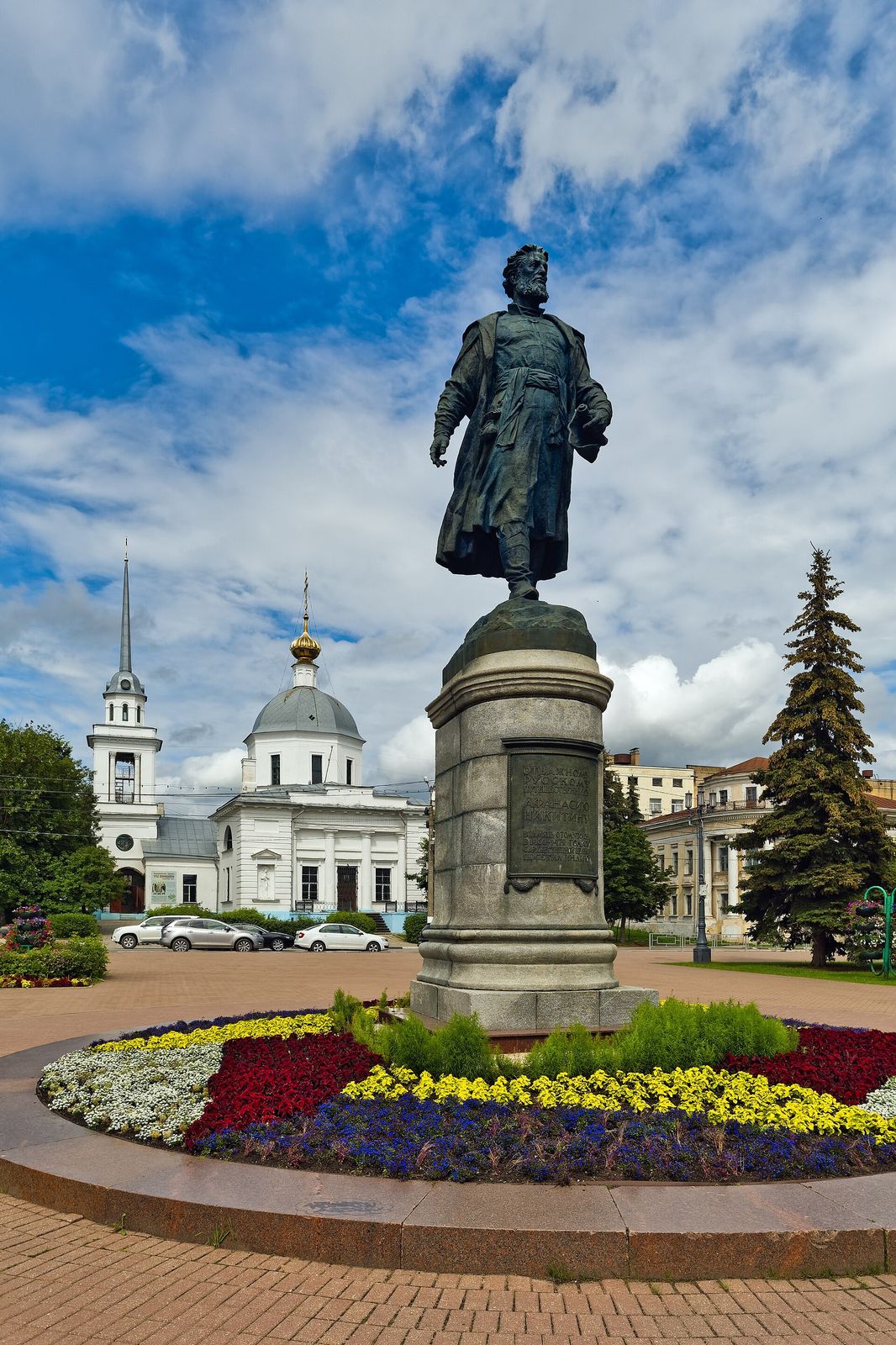
| Afanasy Nikitin | Russia · 1469–72 | visited the Bahmani kingdom |
| Duarte Barbosa | Portugal · 1500–1516 | described Vijayanagar and the Malabar coast |
| Domingo Paes · Fernão Nuniz | Portugal · 1520s–30s | Vijayanagar under Krishnadeva Raya (Paes) and Achyuta Raya (Nuniz) |
| Ralph Fitch | England · 1580s | English merchant who saw Akbar's Fatehpur Sikri |
| William Hawkins · Sir Thomas Roe | England · 1608 · 1615–19 | at Jahangir's court; Roe won trading rights for the East India Company |
| Peter Mundy | England · 1630s | Shah Jahan's India; described the Gujarat famine |
| François Bernier · Tavernier | France · 1650s–60s | Mughal India under Shah Jahan and Aurangzeb; Tavernier — Golconda diamonds |
| Niccolao Manucci | Italy (Venice) · 1650s–1700s | served Dara Shikoh; Storia do Mogor |
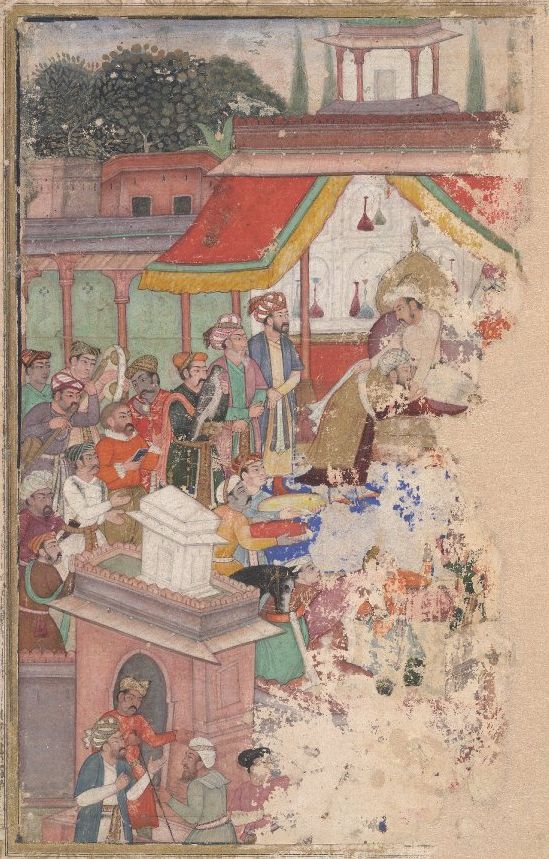
| Court writer | Book | Remember |
|---|---|---|
| Minhaj-us-Siraj | Tabaqat-i-Nasiri | Slave dynasty; named after Sultan Nasiruddin Mahmud |
| Amir Khusrau | Khazain-ul-Futuh and many poems | Persian poet at the Khilji court; 'Tuti-i-Hind'; disciple of Nizamuddin Auliya |
| Ziauddin Barani | Tarikh-i-Firoz Shahi | history of the Sultans up to Firoz Shah Tughlaq |
| Yahya Sirhindi | Tarikh-i-Mubarak Shahi | Sayyid period |
| Babur | Baburnama (Tuzuk-i-Baburi) | his own memoirs, in Turkish |
| Gulbadan Begum | Humayun-nama | Babur's daughter, Humayun's sister |
| Abul Fazl | Akbarnama; Ain-i-Akbari is its third volume | Akbar's court, in Persian |
| Badauni | Muntakhab-ut-Tawarikh | Akbar's time; often critical of Akbar |
| Jahangir | Tuzuk-i-Jahangiri | his own memoirs, in Persian |
| Don't mix up | Remember |
|---|---|
| Abdur Razzaq vs Abul Fazl | Abdur Razzaq = Persian envoy to Vijayanagar; Abul Fazl = Akbar's historian |
| Paes vs Nuniz | both Portuguese at Vijayanagar — Paes saw Krishnadeva Raya |
| Hawkins vs Roe | both at Jahangir's court — Hawkins first (1608), Roe as King James I's ambassador (1615) |
| Bernier | French doctor in Shah Jahan / Aurangzeb's time — not Akbar's |
| Languages | Al-Biruni and Ibn Battuta = Arabic; court histories = Persian; Babur = Turkish |