Shungas, Kanvas and Satavahanas
c. 185 BCE – 3rd century CE: Indian dynasties in Magadha and the Deccan.
After the Mauryan Empire broke up, no single power ruled India for about 500 years, until the Guptas. Three kinds of rulers filled the gap: Indian dynasties in Magadha (the Shungas and Kanvas); the Satavahanas in the Deccan; and a string of invaders from the north-west — Indo-Greeks, Shakas, Parthians (Pahlavas) and Kushans. This was a time of busy trade (with Rome and along the Silk Route), new coins, and great Buddhist art.
| Point | Shungas (c. 185–73 BCE) |
|---|---|
| Founder | Pushyamitra Shunga, the Mauryan general who killed Brihadratha |
| Centres | Pataliputra; Vidisha (Madhya Pradesh) was also important |
| Religion | revived Brahmanism; Pushyamitra performed Ashvamedha (horse) sacrifices |
| Learning | the grammarian Patanjali (Mahabhashya) is placed in this period |
| Literature link | Kalidasa's play Malavikagnimitram has Pushyamitra's son Agnimitra as its hero |
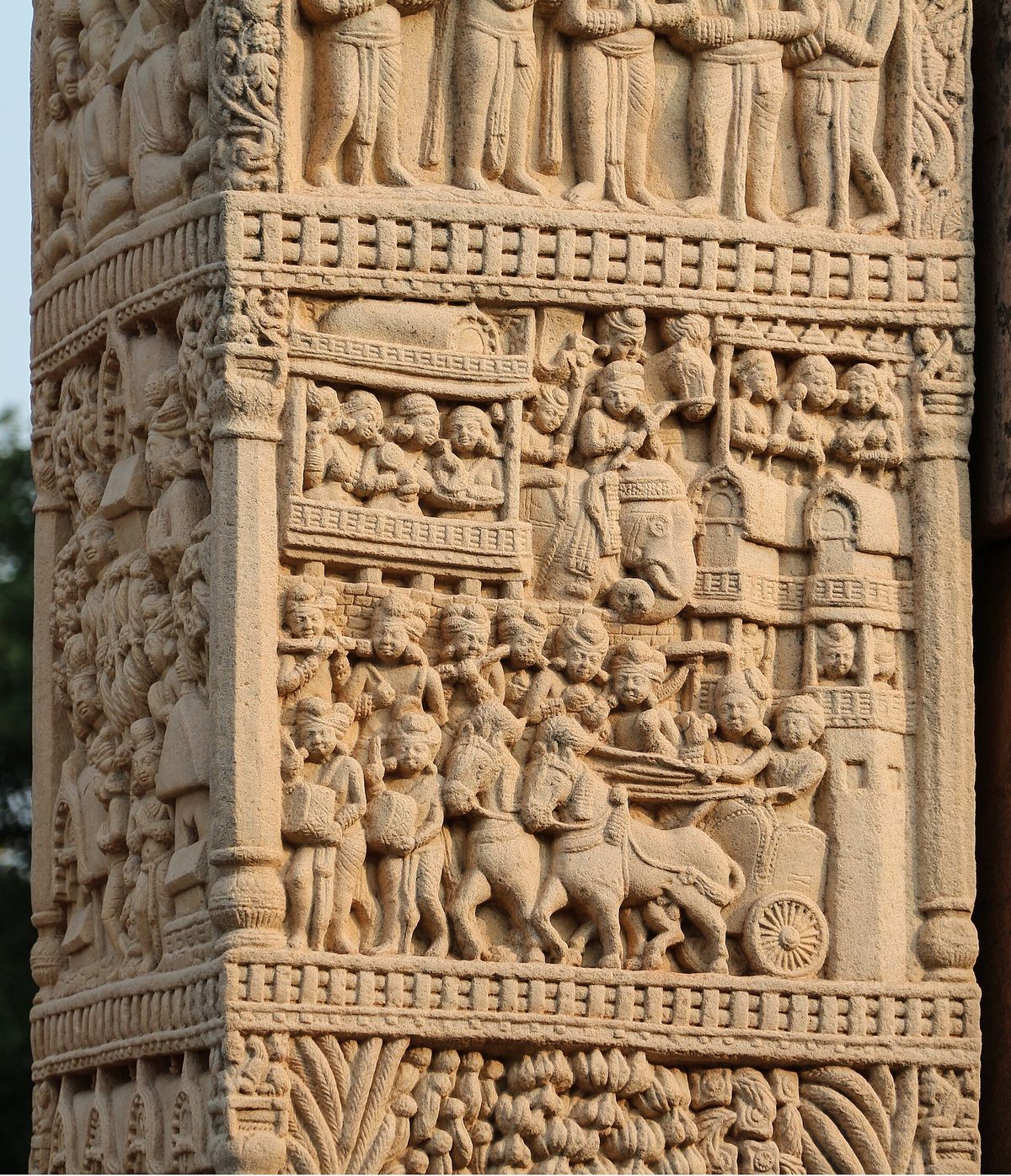
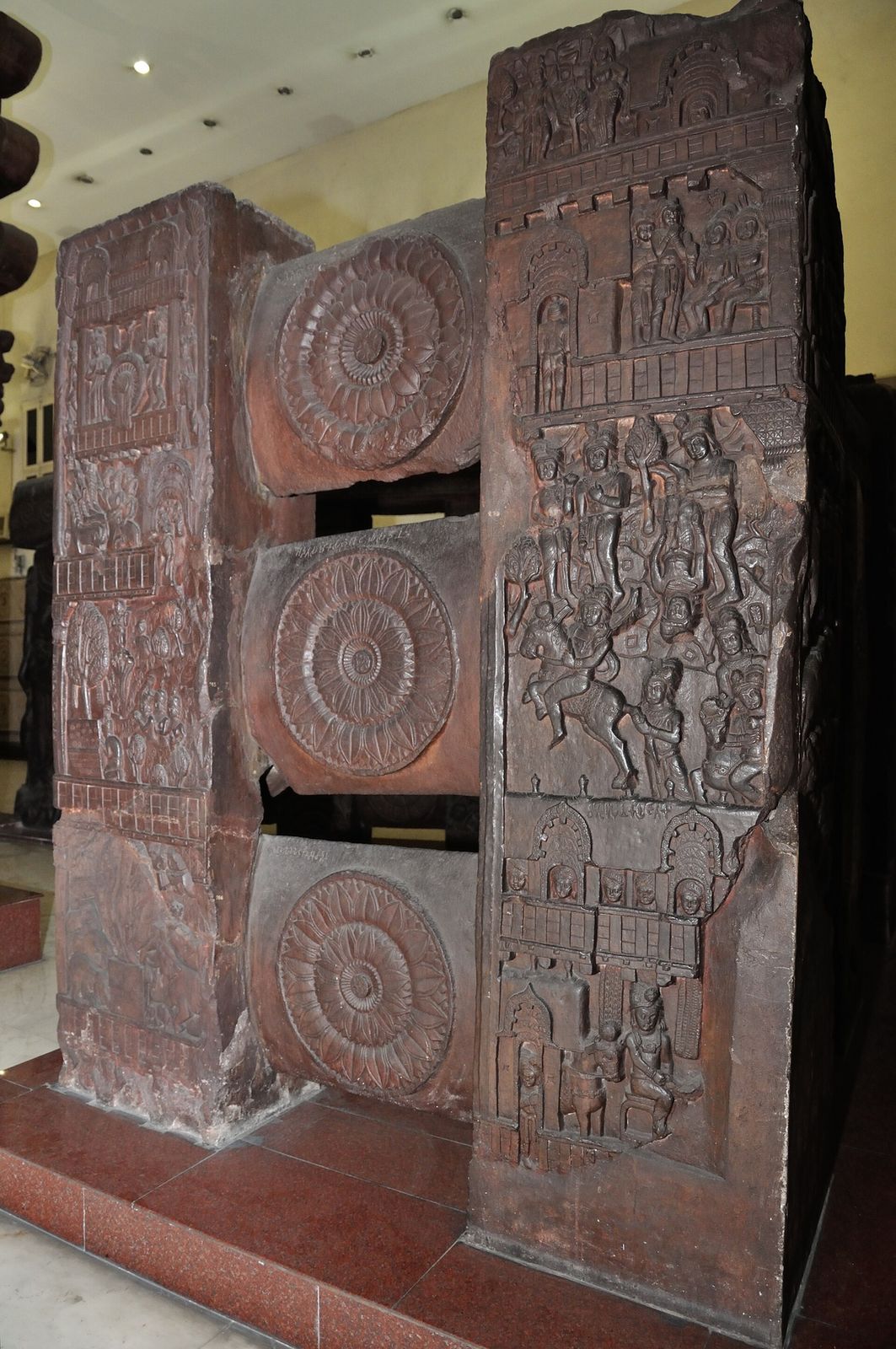
| Art | railings and gateways of the Bharhut stupa |
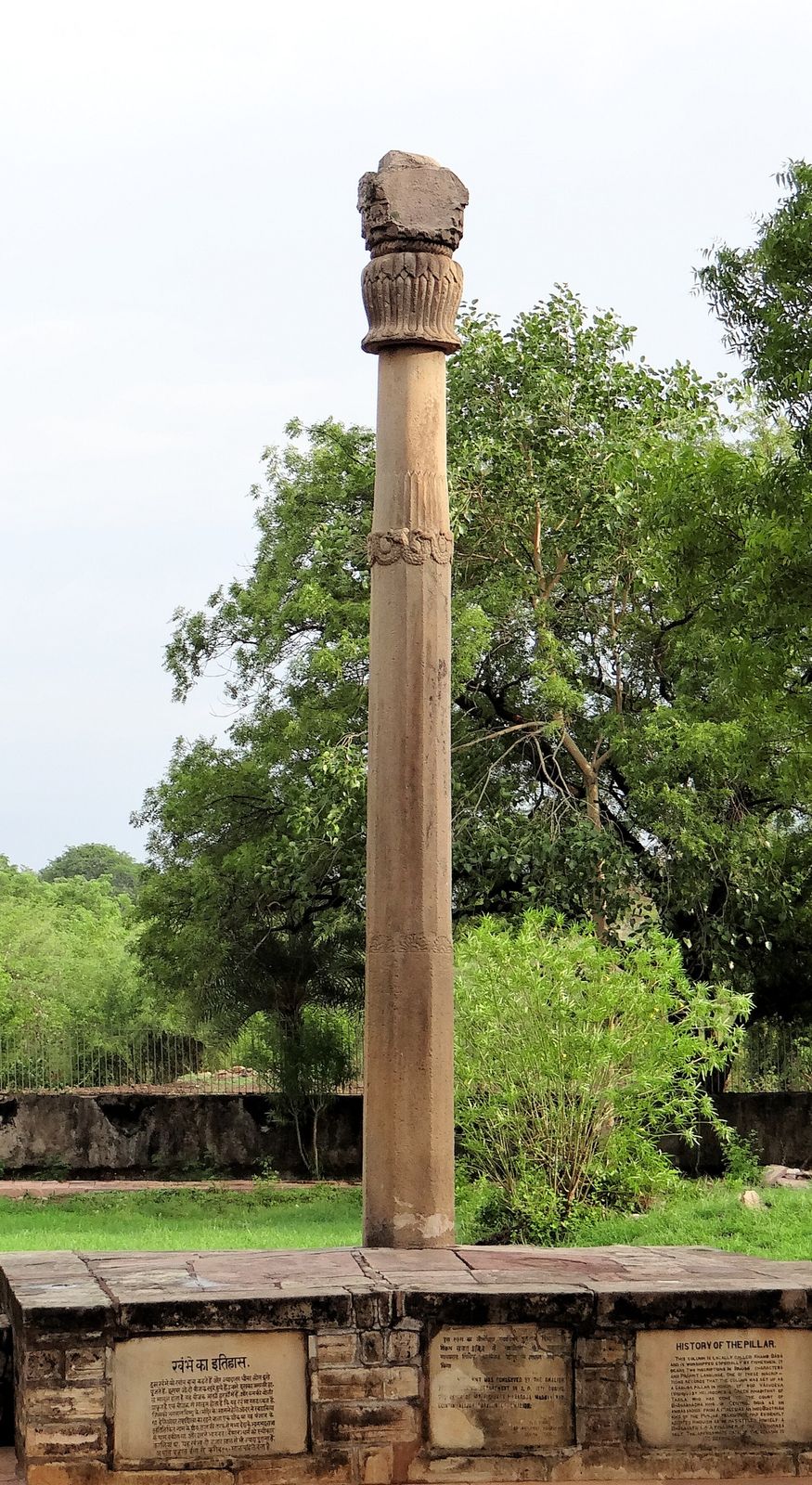
| Heliodorus pillar | at Besnagar (Vidisha), set up by Heliodorus, envoy of the Indo-Greek king Antialcidas to the Shunga court; he calls himself a Bhagavata (devotee of Vasudeva) |
| End | last king Devabhuti removed by his minister Vasudeva Kanva, c. 73 BCE |
| King / feature | Remember |
|---|---|
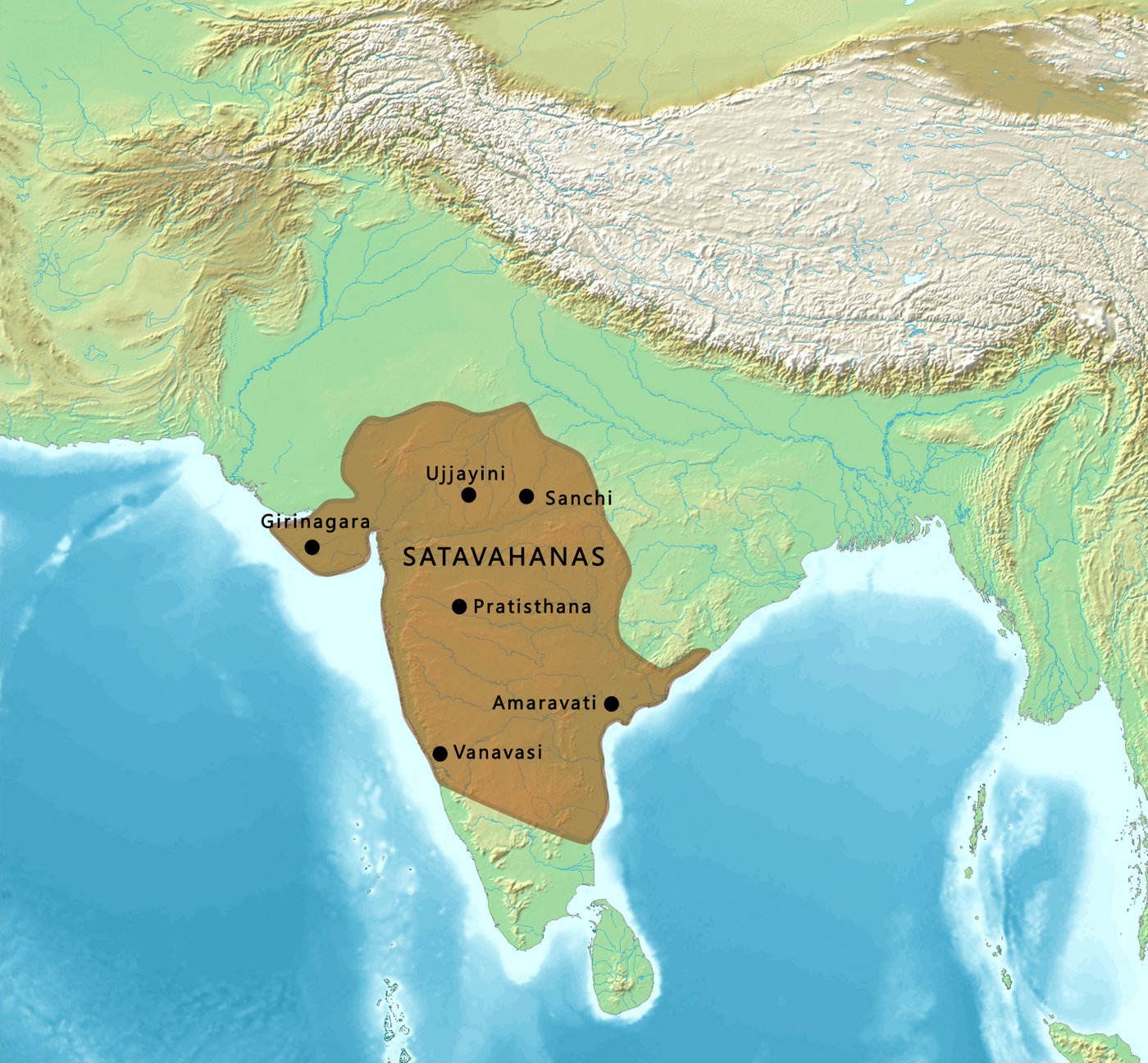
| Simuka | founder; capital Pratishthana (Paithan, Maharashtra); the Puranas call the dynasty Andhras |
| Satakarni I | performed Ashvamedha; his queen Naganika's Naneghat inscription records it |
| Hala | compiled the Gathasaptashati (700 verses) in Prakrit |
| Gautamiputra Satakarni | greatest king (c. 106–130 CE); defeated the Shaka Nahapana; praised in his mother Gautami Balashri's Nasik inscription |
| Vasishthiputra Pulumavi | his son; inscriptions at Amaravati |
| Yajna Sri Satakarni | a late great king; coins with ships point to sea trade |
| Names | matronymics — kings named after their mothers (Gautamiputra, Vasishthiputra) |
| Land grants | the first rulers known to give tax-free land to Brahmanas and Buddhist monks |
| Language · coins | Prakrit in Brahmi script; coins of lead and potin as well as silver |
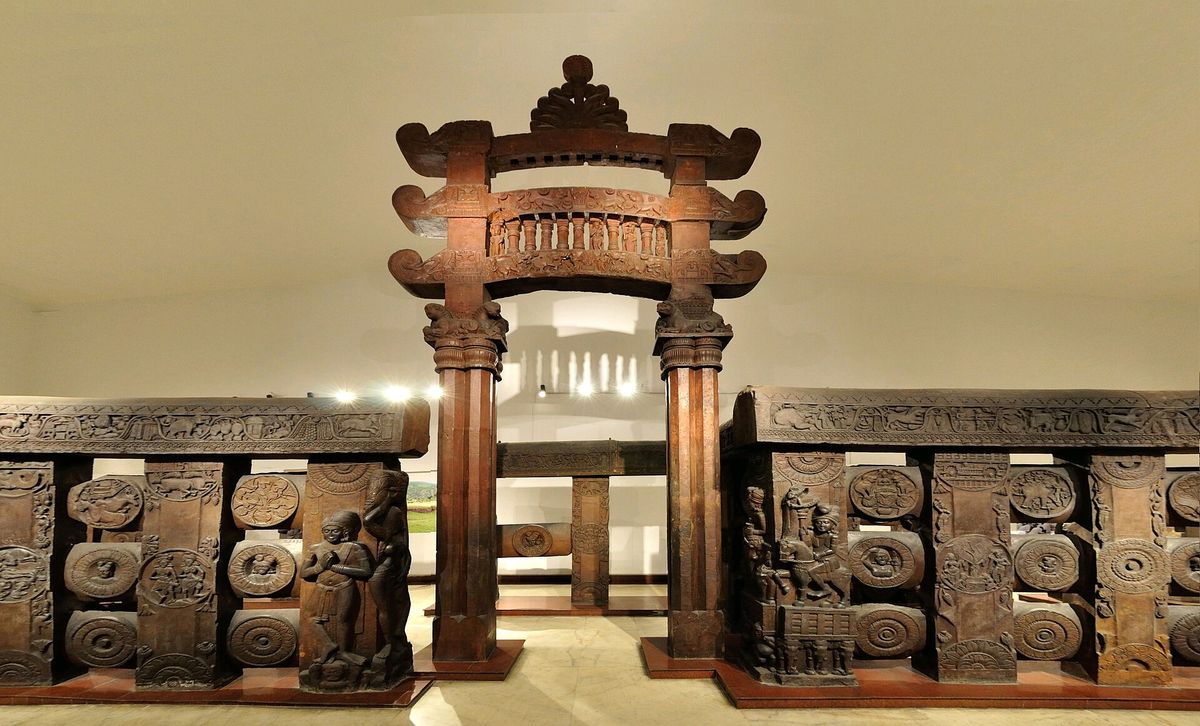
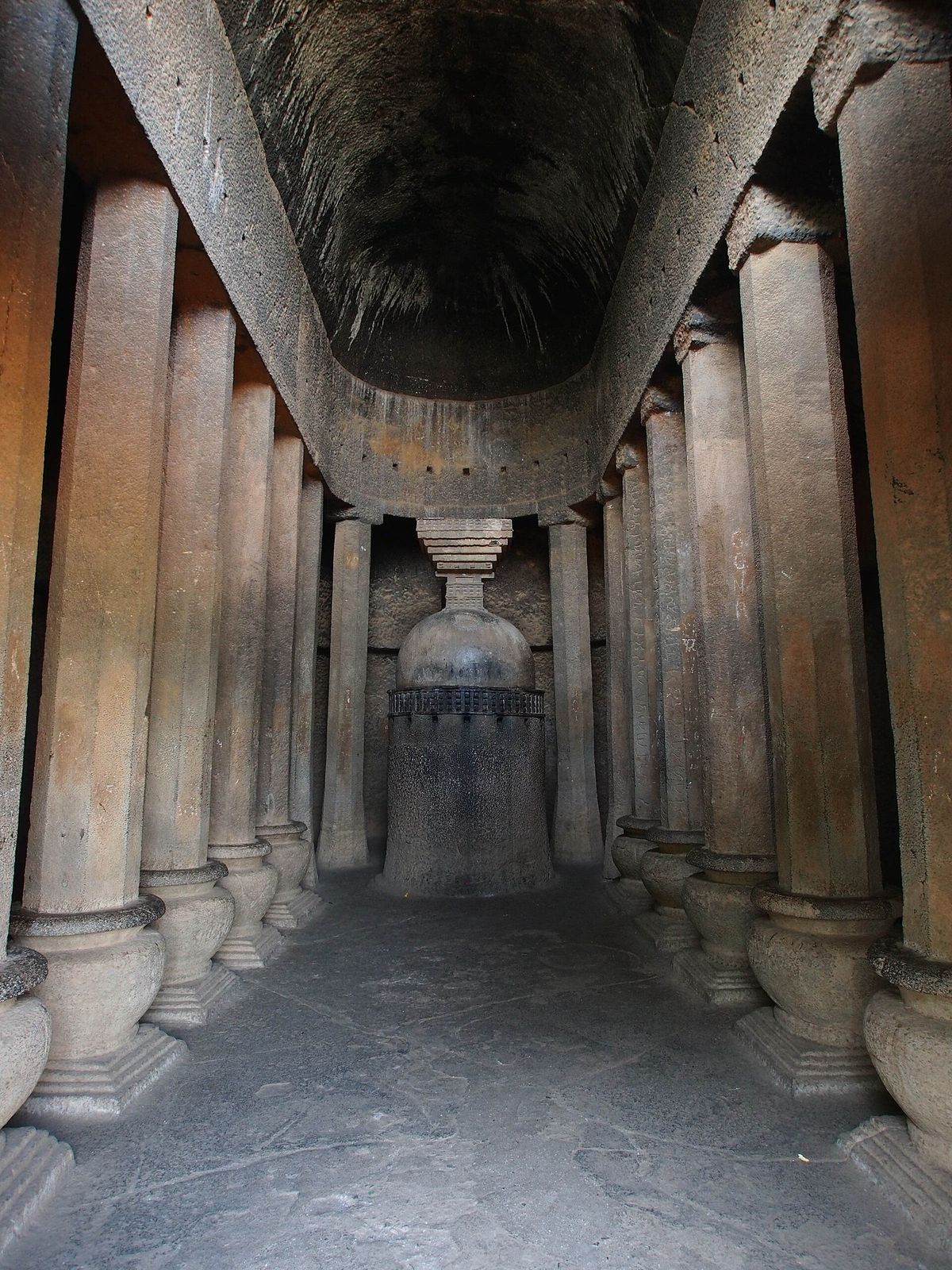
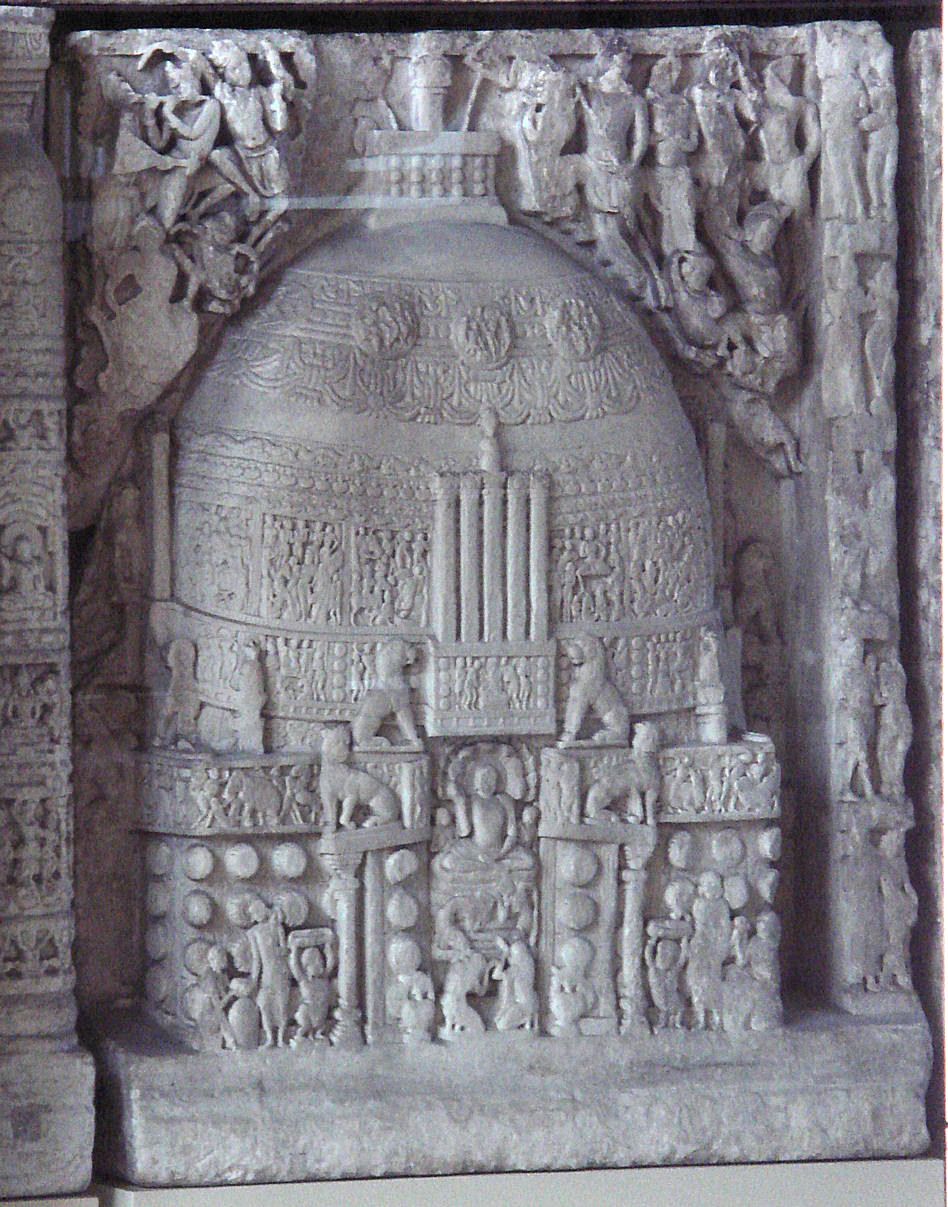
| Art | Karla and Nasik caves, Sanchi gateways, Amaravati stupa |
Indo-Greeks, Shakas and Parthians
Rulers from the north-west who brought new coins, art and calendars.
| Group | Key rulers | Remember |
|---|---|---|
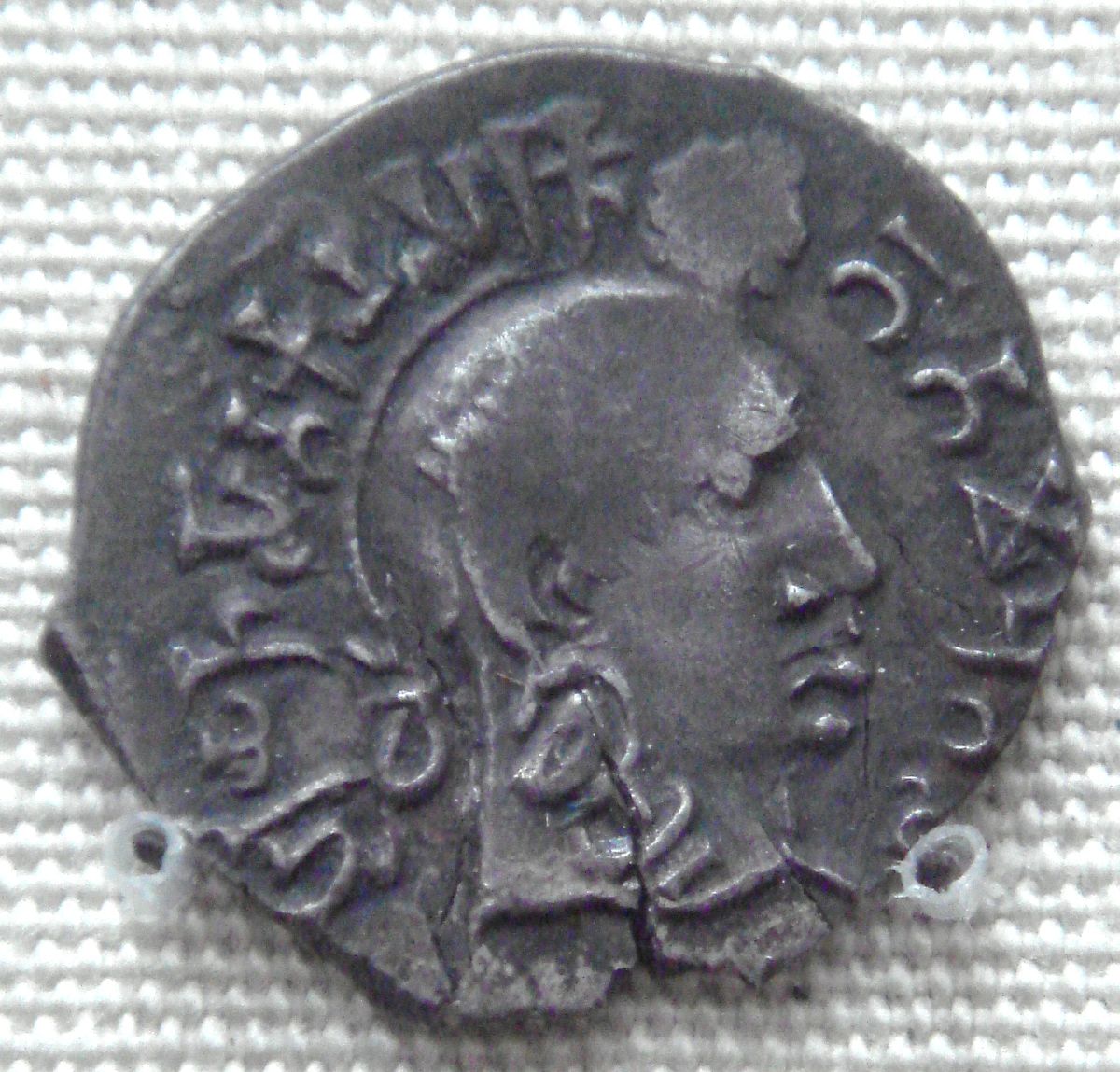
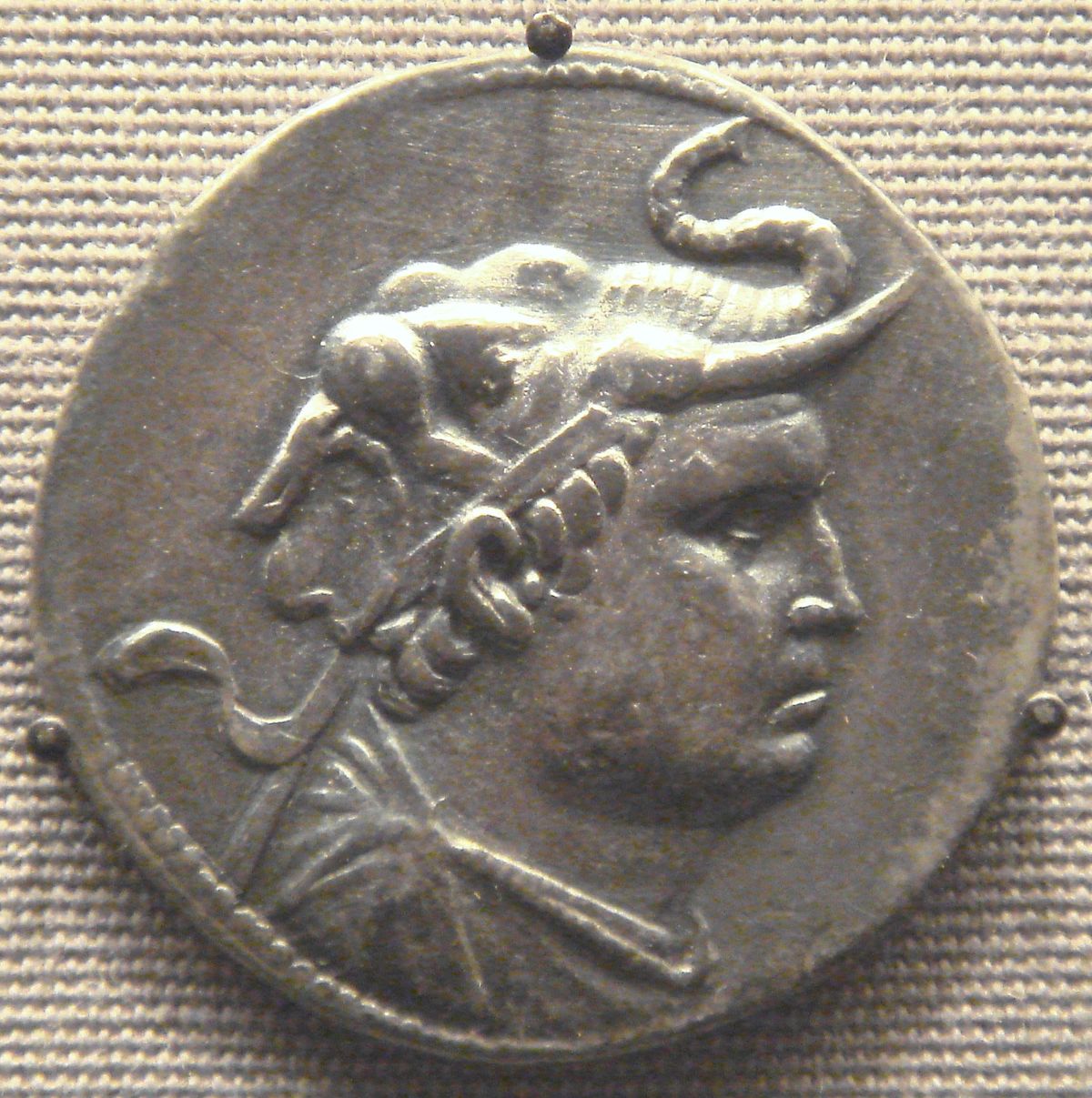
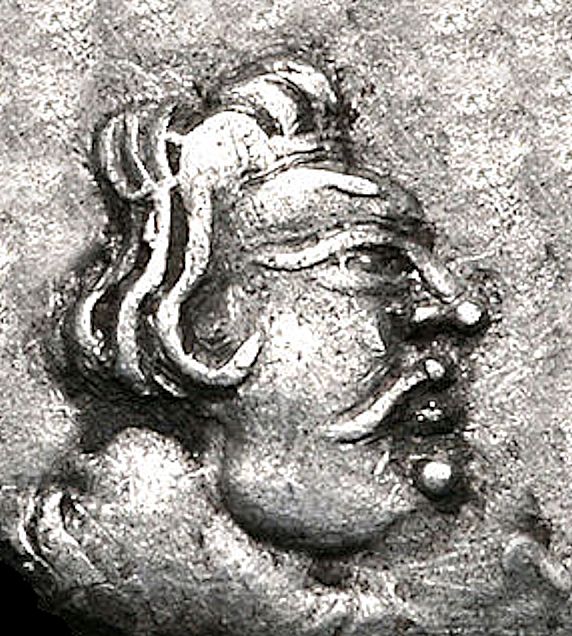
| Indo-Greeks (from Bactria) | Demetrius (invaded c. 180 BCE), Menander (Milinda) | Menander's capital Sakala (Sialkot); his talks with Nagasena = Milindapanho; first coins in India with the king's portrait and name; usually taught as the first gold coins in India; Greek influence on Gandhara art |
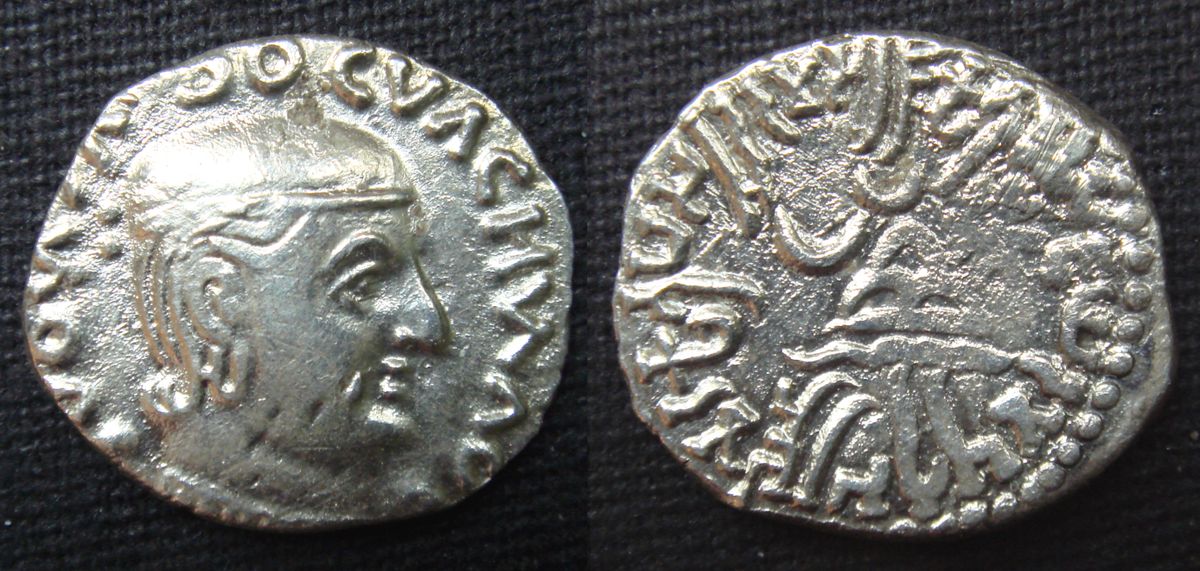
| Shakas (Scythians) | Western Kshatrapas: Nahapana, Chashtana, Rudradaman I | branches at Taxila, Mathura, Ujjain and in western India; Rudradaman's Junagadh inscription (150 CE) — first long inscription in chaste Sanskrit; he repaired the Sudarshana lake; finally defeated by the Gupta king Chandragupta II |
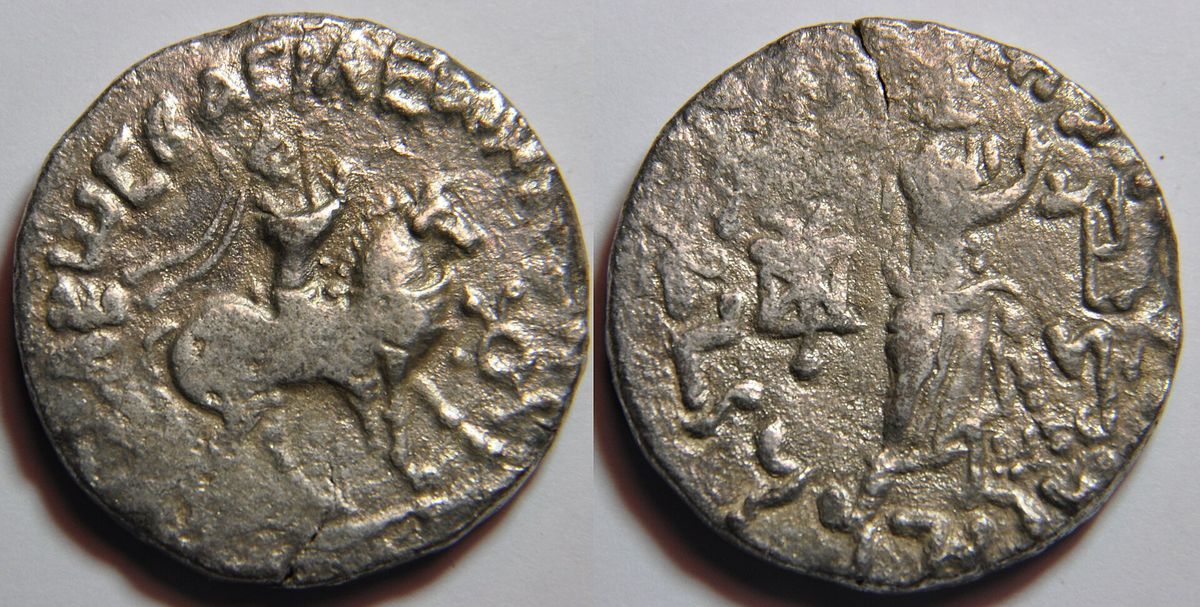
| Parthians (Pahlavas) | Gondophares | Takht-i-Bahi inscription; Christian tradition says St Thomas came to India in his reign |
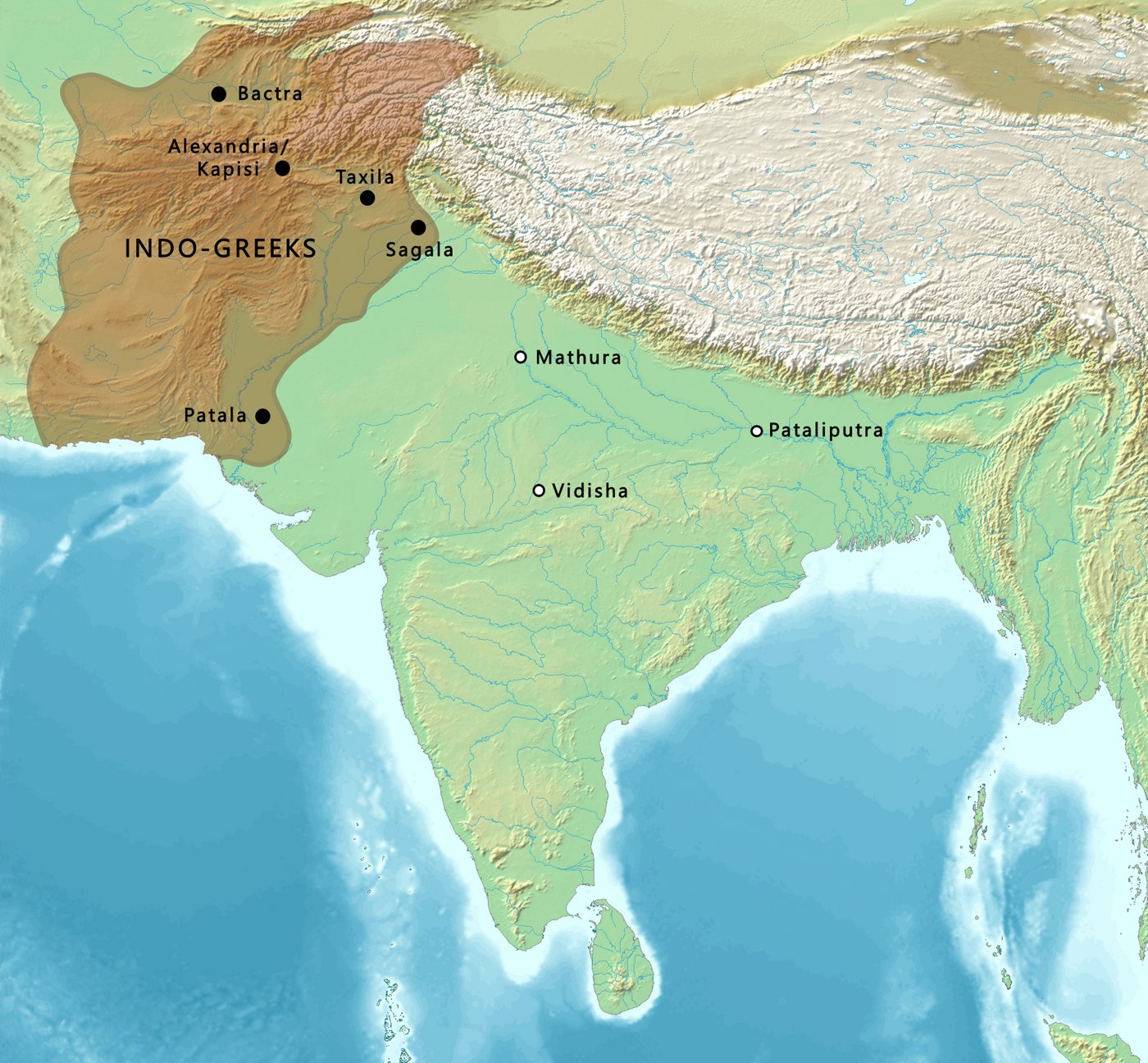
The Kushans and Kanishka
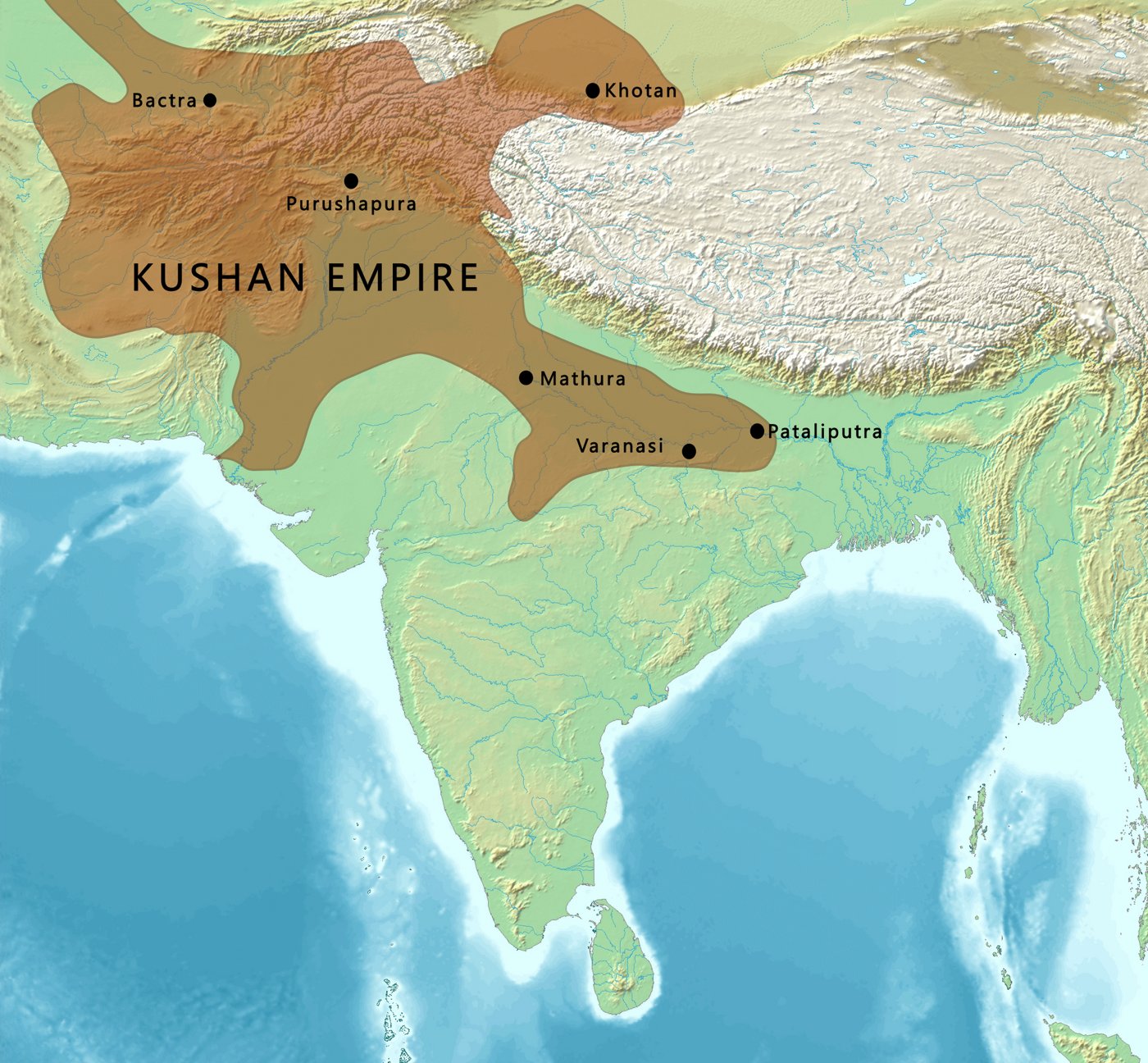
A Central Asian empire that ruled from Peshawar and Mathura and spread Mahayana Buddhism.
| King | Remember |
|---|---|
| Kujula Kadphises | first great Kushan king; the Kushans were a branch of the Yuezhi of Central Asia |
| Vima Kadphises | issued gold coins on a large scale; Shiva with the bull Nandi on his coins |
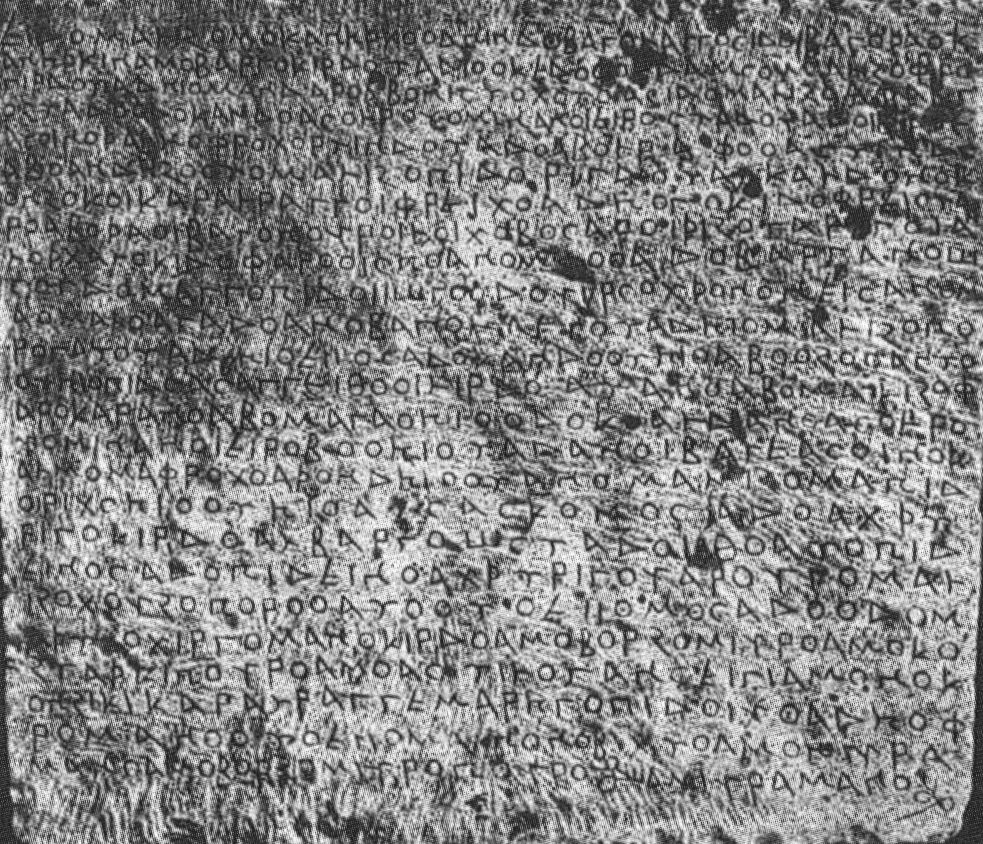
| Kanishka | greatest king; capitals Purushapura (Peshawar) and Mathura; Fourth Buddhist Council in Kashmir; patron of Mahayana; coins show the Buddha ('BODDO') |
| Huvishka, Vasudeva I | later kings; Vasudeva's Indian name shows how Indian the dynasty had become |
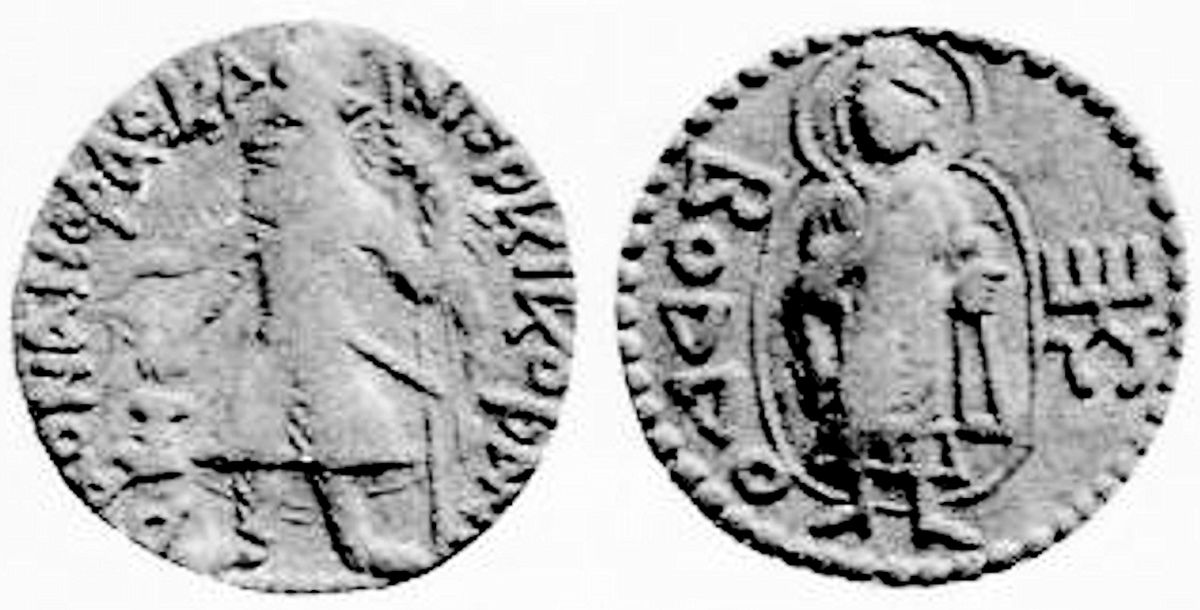
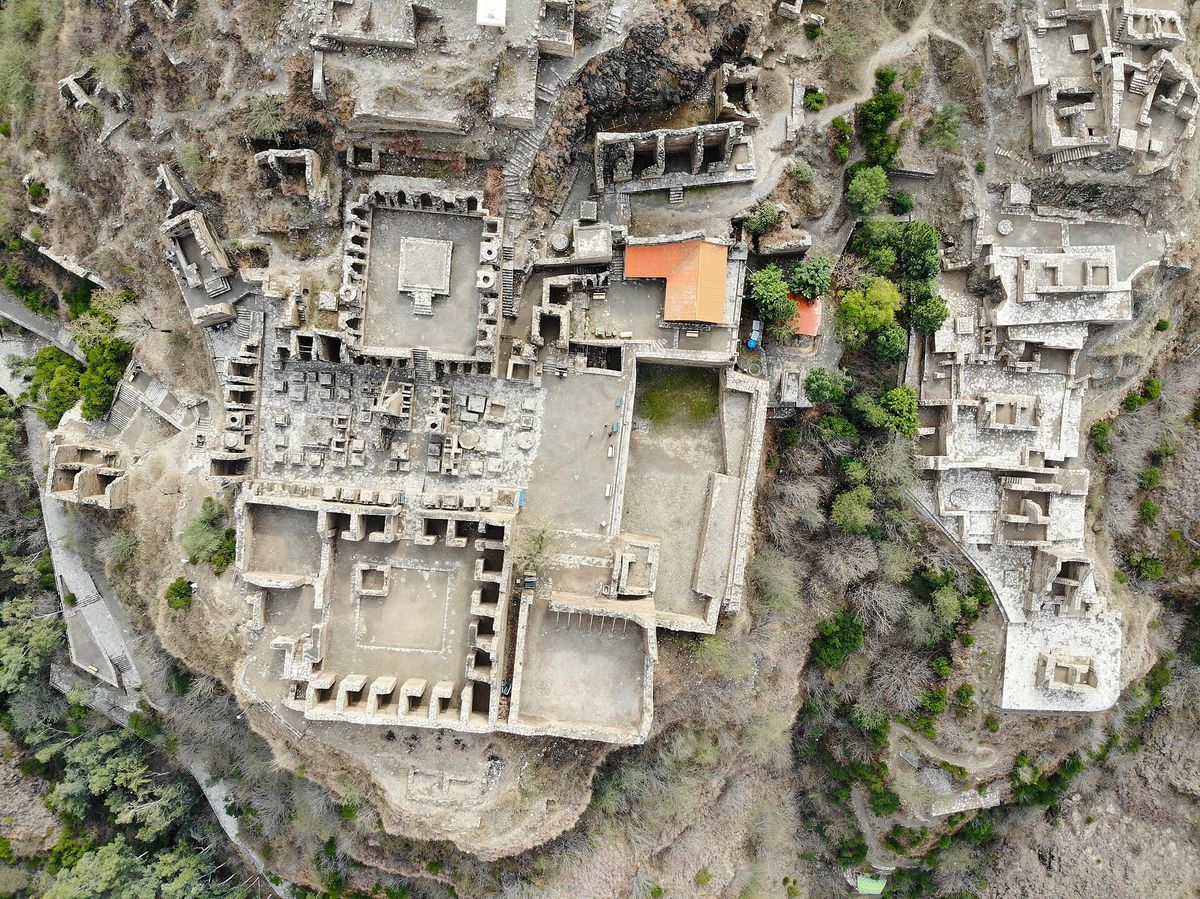
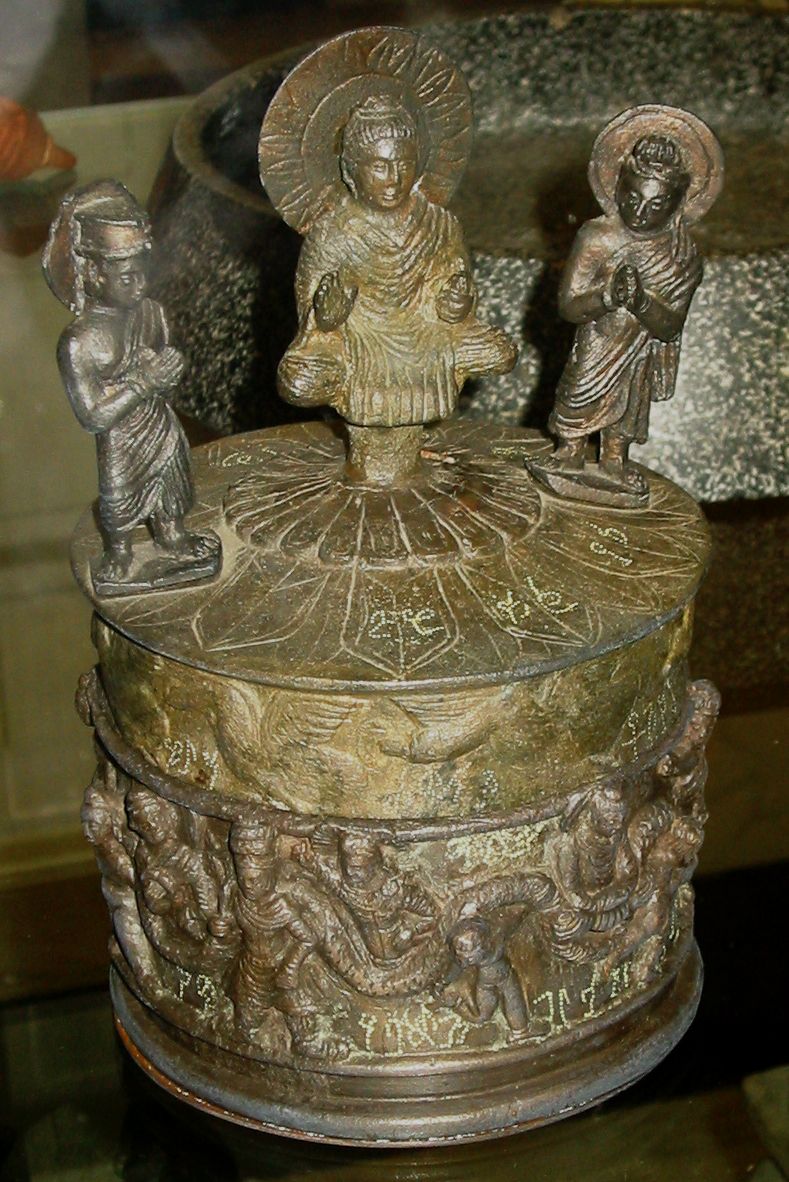
Kanishka's empire stretched from Central Asia to the Ganga valley, and it grew rich on the Silk Route trade between China, India and Rome. By tradition, his court included Ashvaghosha (author of the Buddhacharita), the Mahayana philosopher Nagarjuna, Vasumitra (president of the Fourth Council) and the physician Charaka (Charaka Samhita). A relic casket bearing Kanishka's name was found at Shah-ji-ki-Dheri near Peshawar, the site of his great stupa.
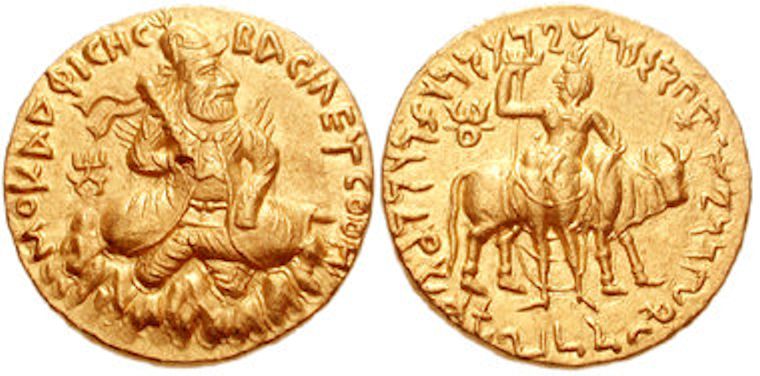
Vikram Samvat begins in 57 BCE (linked by tradition with Vikramaditya of Ujjain). The Shaka era begins in 78 CE; older books link it with Kanishka's accession, though many historians now date Kanishka to about 127 CE. India's national calendar, adopted on 22 March 1957, is based on the Shaka era.
- c. 185 BCEPushyamitra founds the Shunga dynasty
- c. 180 BCEDemetrius invades north-west India
Indo-Greek rule begins
- c. 113 BCEHeliodorus pillar at Besnagar
- c. 73 BCEVasudeva Kanva replaces the Shungas
- 57 BCEStart of Vikram Samvat
tradition: Vikramaditya defeats the Shakas
- 78 CEStart of the Shaka era
older view: Kanishka's accession
- c. 106–130 CEGautamiputra Satakarni
defeats Nahapana
- 150 CERudradaman's Junagadh inscription
chaste Sanskrit; Sudarshana lake repaired
- Pushyamitra Shunga killed the last Maurya; Vasudeva Kanva ended the Shungas.
- Heliodorus pillar = Besnagar (Vidisha); Heliodorus was a Greek who became a Bhagavata.
- Satavahana capital = Pratishthana (Paithan); Puranas call them Andhras.
- Nasik inscription = Gautami Balashri (mother of Gautamiputra Satakarni); Naneghat = Naganika.
- Gathasaptashati (Prakrit) = Hala (Satavahana).
- First long chaste-Sanskrit inscription = Rudradaman's Junagadh (150 CE) — not a Gupta record.
- Menander = Milinda; capital Sakala (Sialkot).
- Vikram Samvat = 57 BCE; Shaka era = 78 CE; national calendar uses the Shaka era.
- Kanishka's capital = Purushapura (Peshawar); Fourth Council = Kashmir.
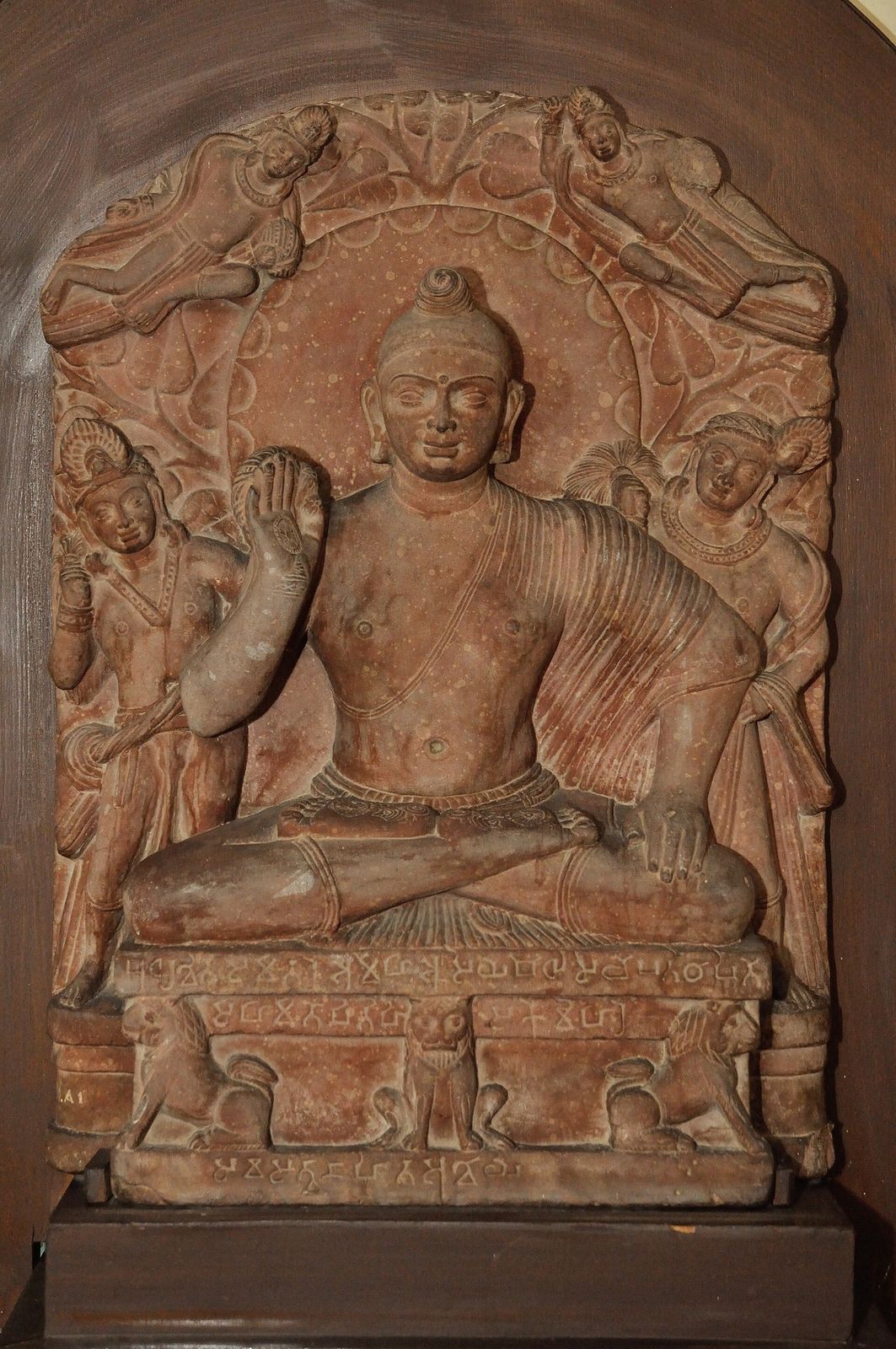
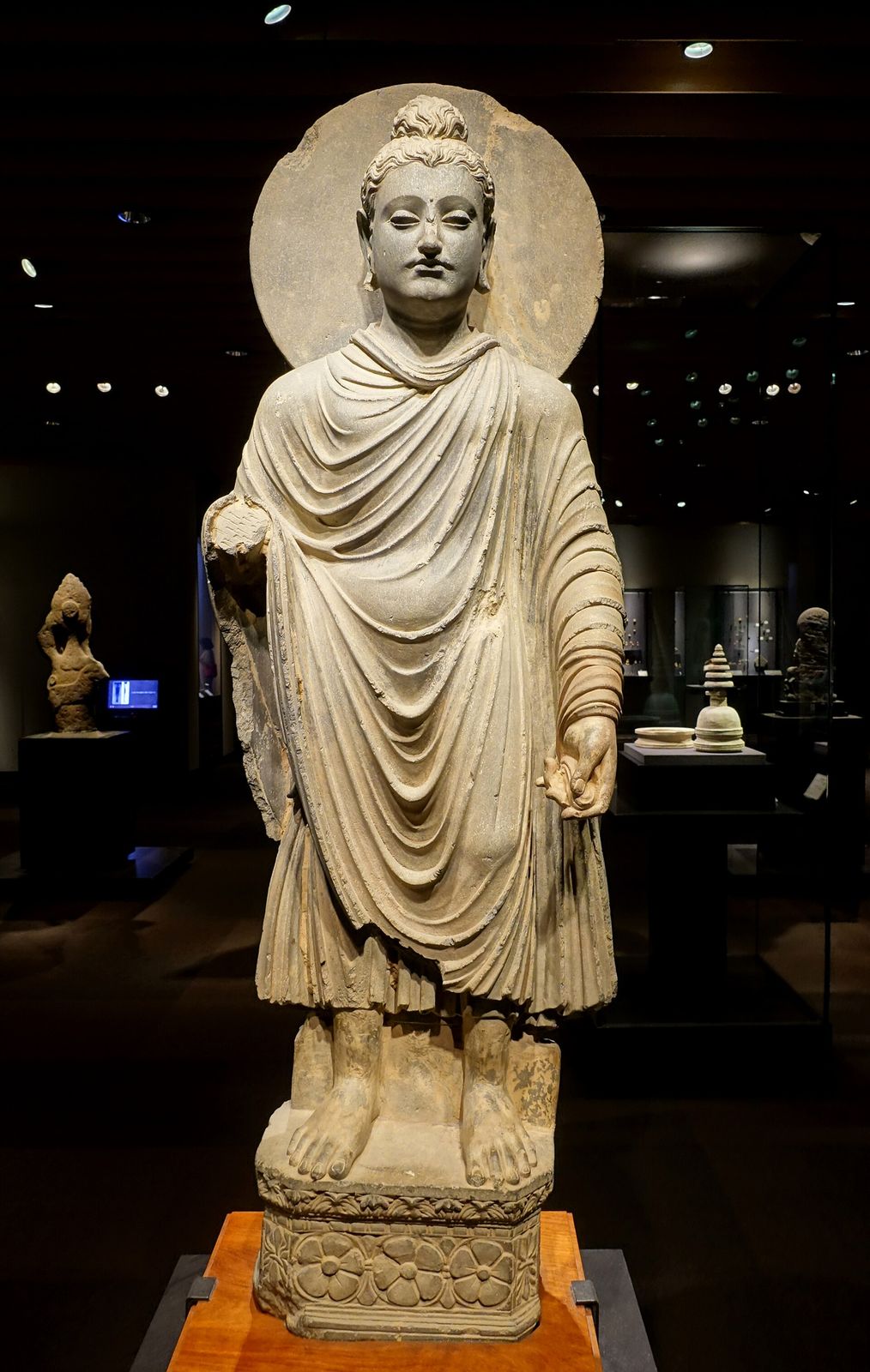
- Gandhara = grey schist, Greek style; Mathura = red sandstone, Indian style; Amaravati = white marble.