Ghiyas-ud-din Tughlaq (1320–1325). Before he became Sultan he was Ghazi Malik, the tough governor of Dipalpur in Punjab who had guarded the frontier against the Mongols for years. After defeating the usurper Khusrau Khan in 1320 he took the throne and tried to undo the damage of the last Khilji years by a policy of moderation — the 'middle path' (rasm-i-miyana):
- He brought back order in the treasury and lowered the pressure on peasants, raising land revenue only gradually.
- He paid attention to irrigation, digging canals and encouraging cultivation.
- He reorganised the postal service (dak) so that news reached the Sultan quickly.
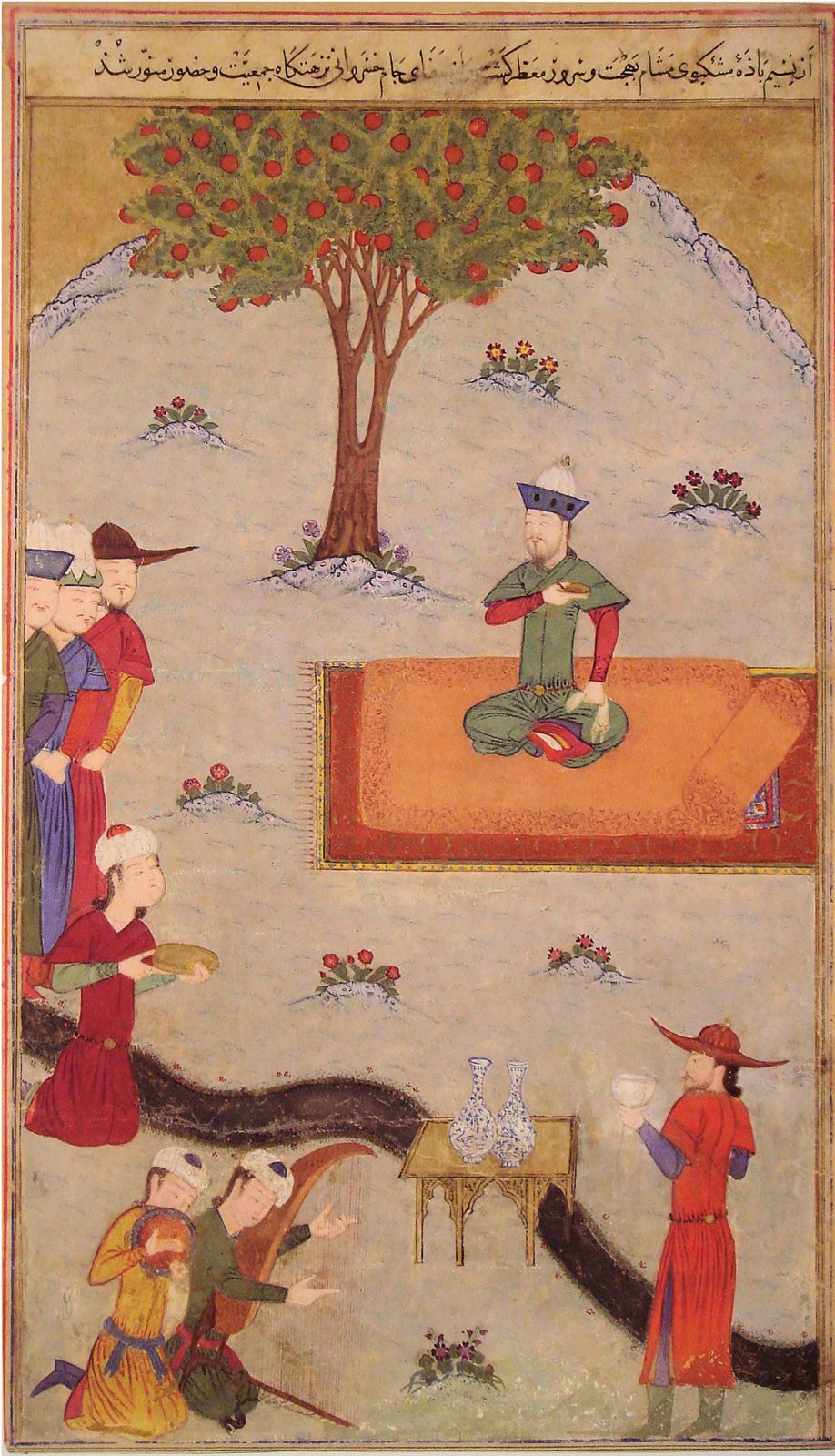
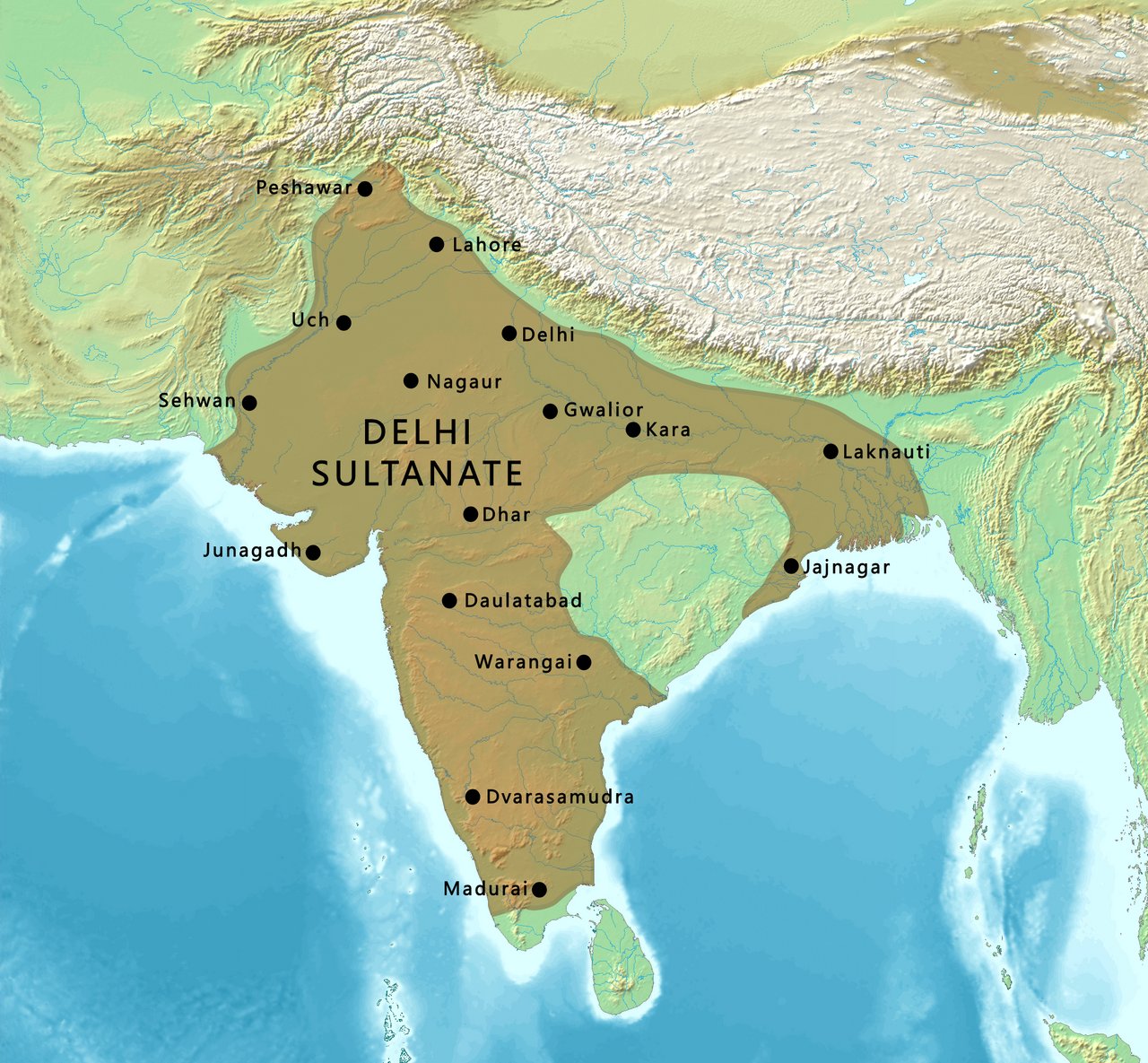
He sent his son Ulugh Khan (also called Jauna Khan — the future Muhammad bin Tughlaq) south. In 1323 Ulugh Khan captured Warangal from the Kakatiya king Prataparudra, ending that kingdom, and renamed it Sultanpur. Ghiyas-ud-din himself marched to Bengal in 1324–25.
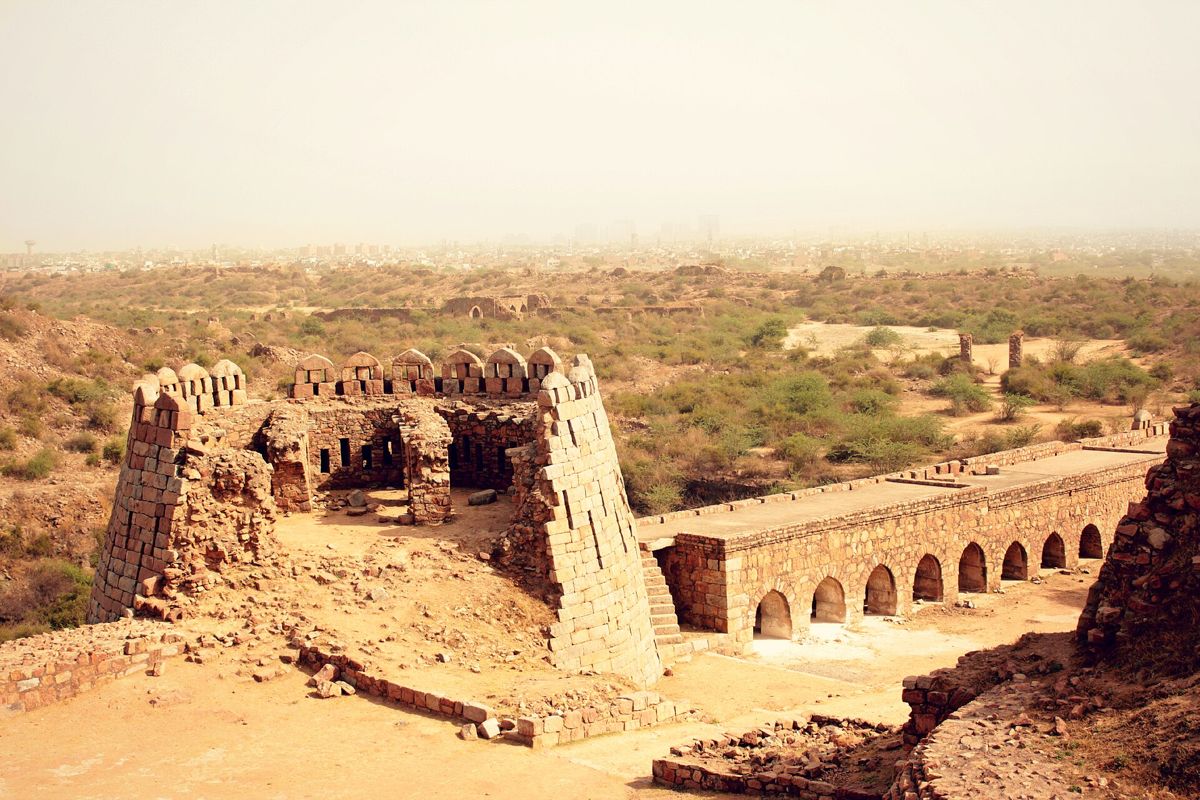
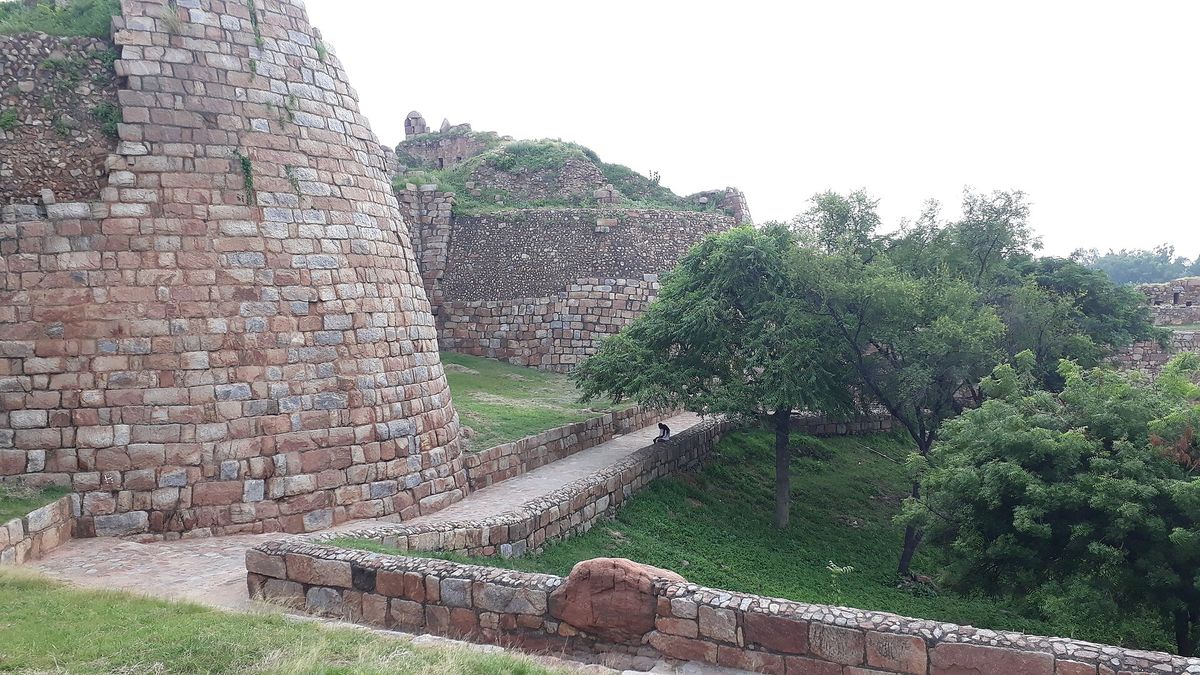
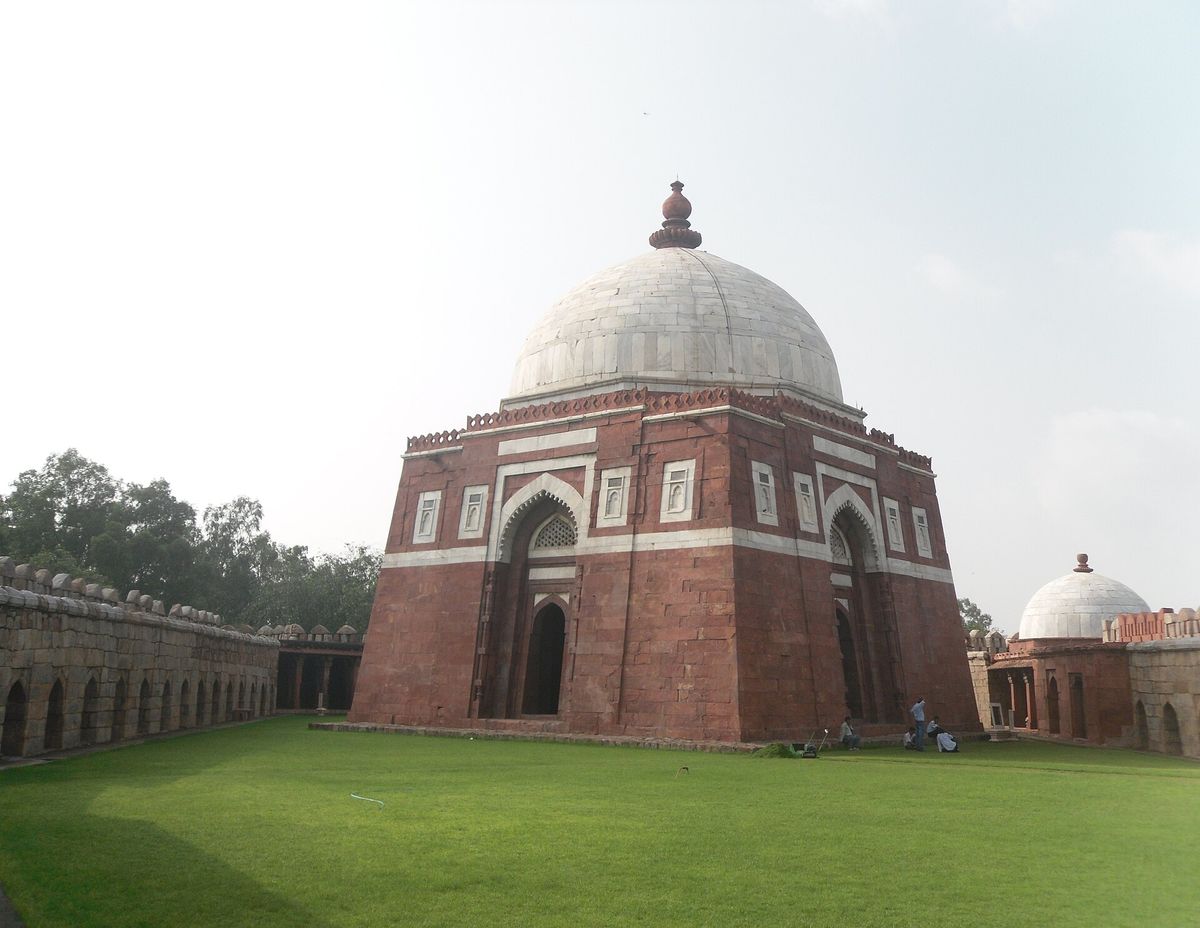
He built Tughlaqabad, the third city of Delhi, with massive sloping stone walls, and his own tomb beside it. In 1325, on his way back from Bengal, a wooden pavilion built to welcome him at Afghanpur collapsed and killed him. Some writers suspected his son. A popular legend links this to the Sufi saint Nizamuddin Auliya, who is said to have answered the Sultan's threats with 'Hanuz Dilli dur ast' ('Delhi is still far away') — remember it as a legend, not a recorded fact.
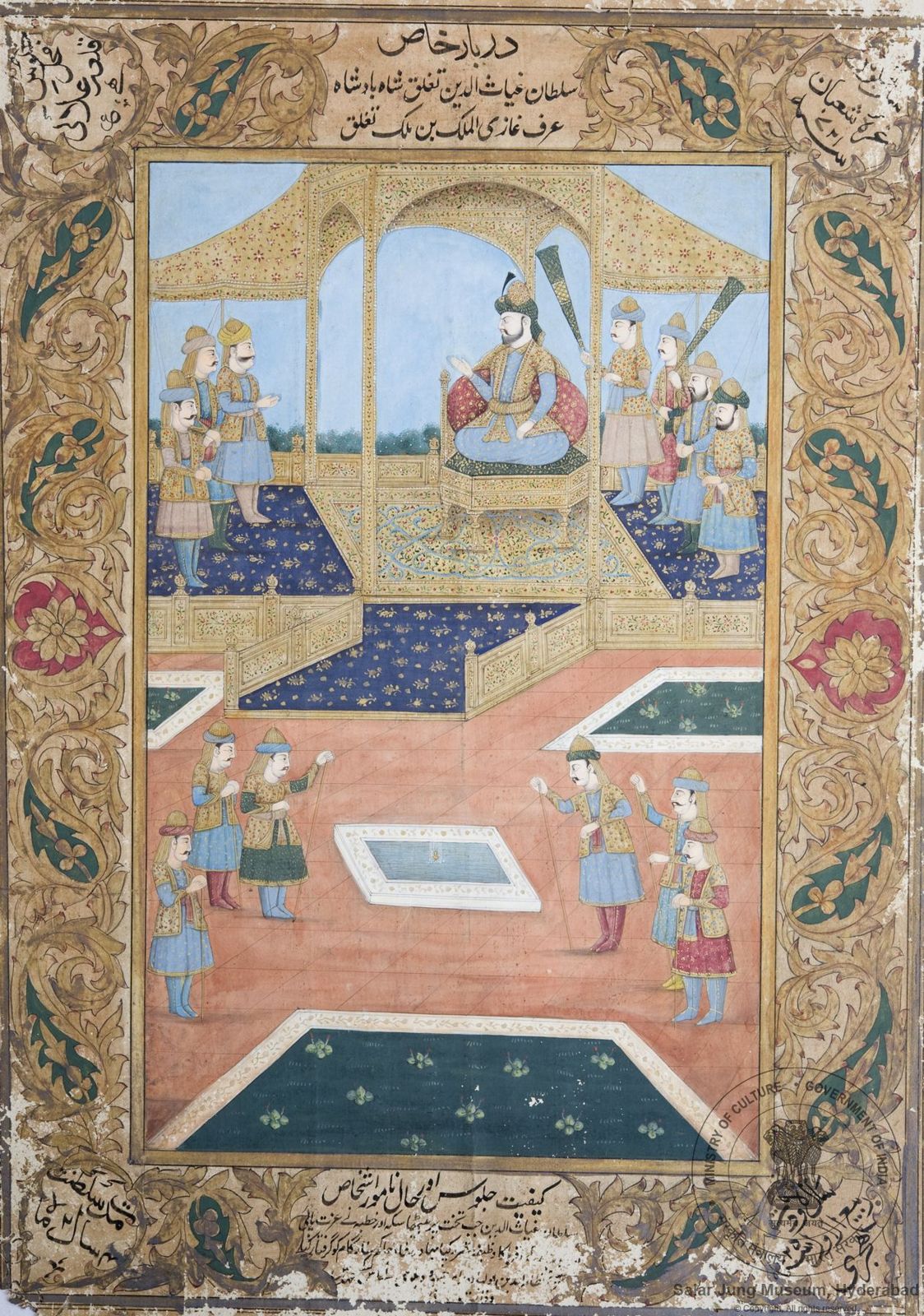
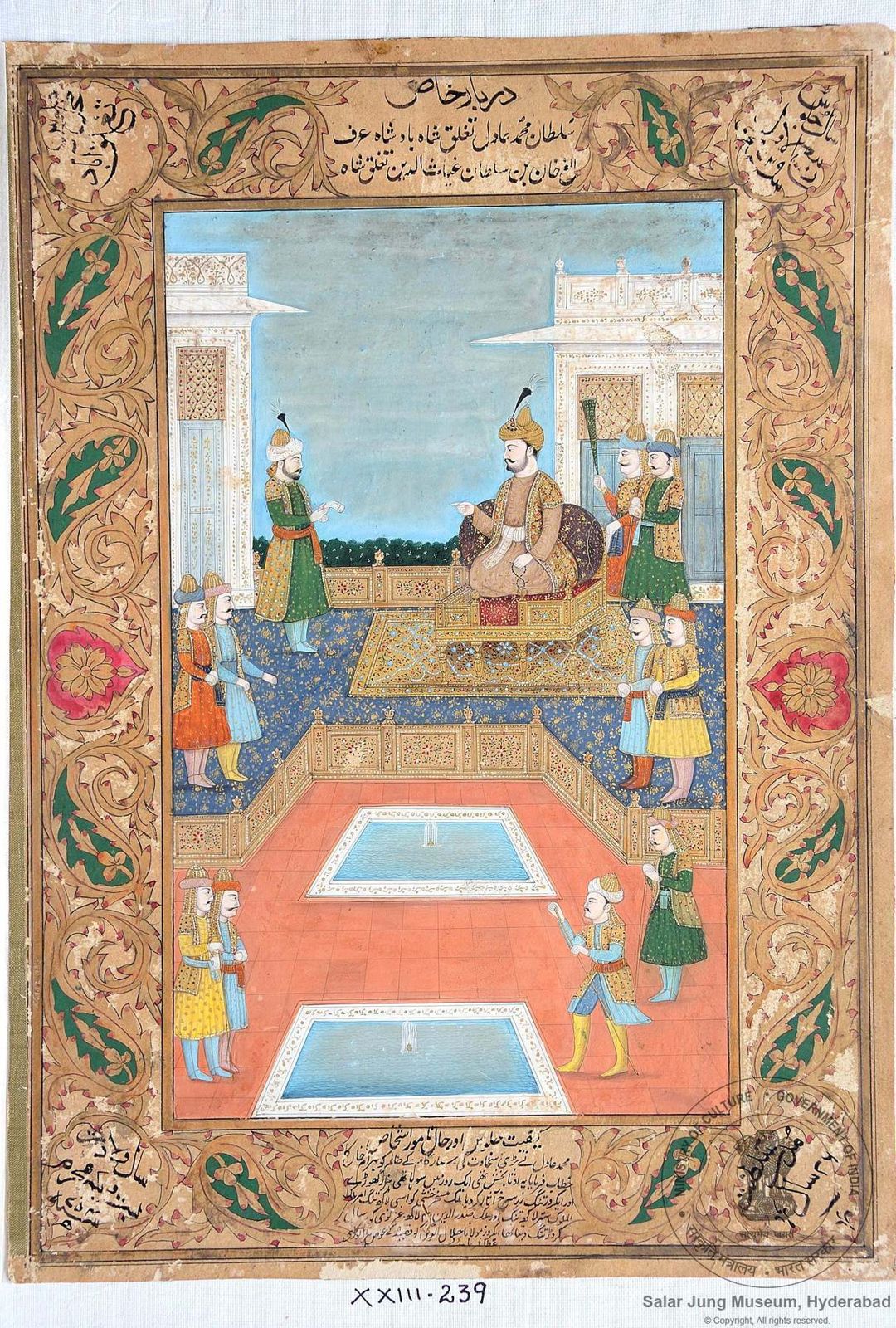
Muhammad bin Tughlaq (1325–1351) — 'a mixture of opposites'. Ulugh Khan took the throne as Muhammad bin Tughlaq. He was one of the most learned rulers of his age — he knew Persian and Arabic, philosophy, logic, mathematics, astronomy and medicine, and wrote fine calligraphy. He promoted able men even if they were of humble birth, which angered the old nobility, and he welcomed foreign scholars. Yet his plans were so bold and so badly carried out that historians call him 'a mixture of opposites', and some have called him a 'wise fool'. The exam remembers him for five experiments.
- Higher taxes in the Doab (c. 1326). He raised the land tax in the fertile Doab (the land between the Ganga and Yamuna) just as a famine struck. Farmers fled to the forests and revolted. Later he gave loans to farmers (taqavi) for seed and wells, but the damage was done.
- Moving the capital to Daulatabad (1327). To rule the newly conquered south from the centre of the empire, he made Devagiri, renamed Daulatabad (Maharashtra), a second capital and ordered the leading people of Delhi to move there — a march of about forty days. Many died on the way; after some years he allowed them to return. Delhi was badly hurt and the south was not held anyway.
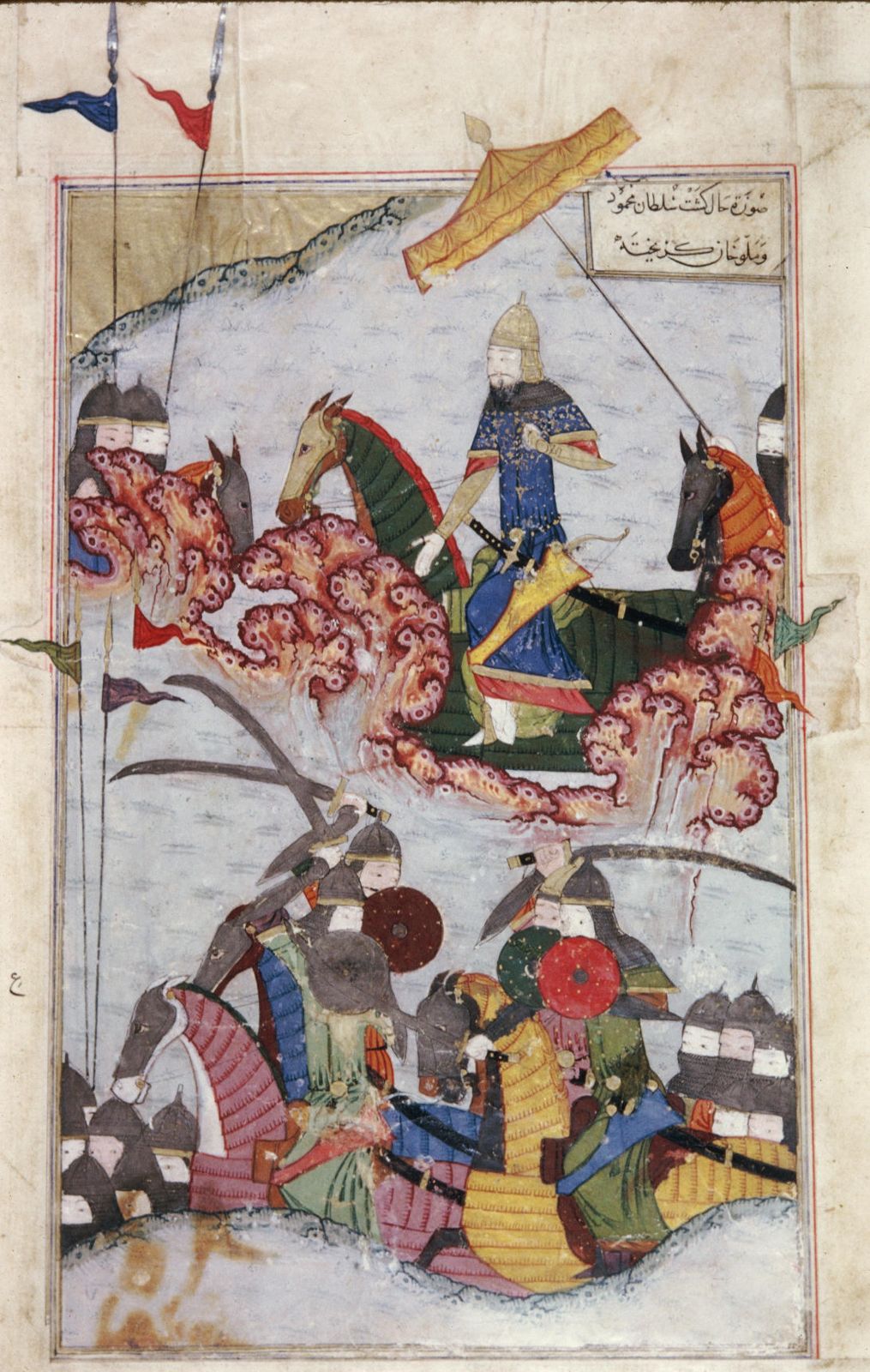
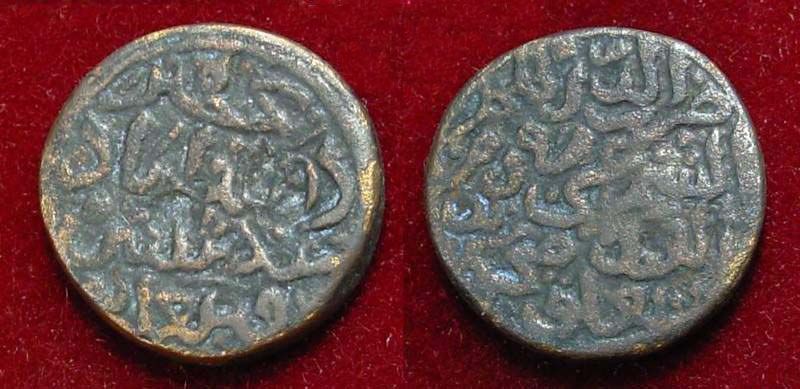
- Token currency (1329–30). There was a world-wide shortage of silver. Inspired by the paper money of China and Persia, he issued bronze/copper tokens to be accepted at the value of the silver tanka. Because the tokens were simple to copy, every house became a mint; people paid taxes in fake tokens and hoarded silver. He had to withdraw the scheme and exchange the tokens for real coins from the treasury — Barani says heaps of tokens lay at Tughlaqabad for years.
- The Khurasan expedition. He raised a huge army — Barani says 3,70,000 men — to conquer Khurasan in Central Asia, paid it for a year, and then disbanded it when the plan collapsed.
- The Qarachil expedition. An army sent into the Qarachil hills (in the Kumaon Himalaya) was destroyed by rain, disease and hill tribes.
He also created a department of agriculture, the Diwan-i-Kohi (Diwan-i-Amir-Kohi), to bring waste land under the plough with state money — it too failed.
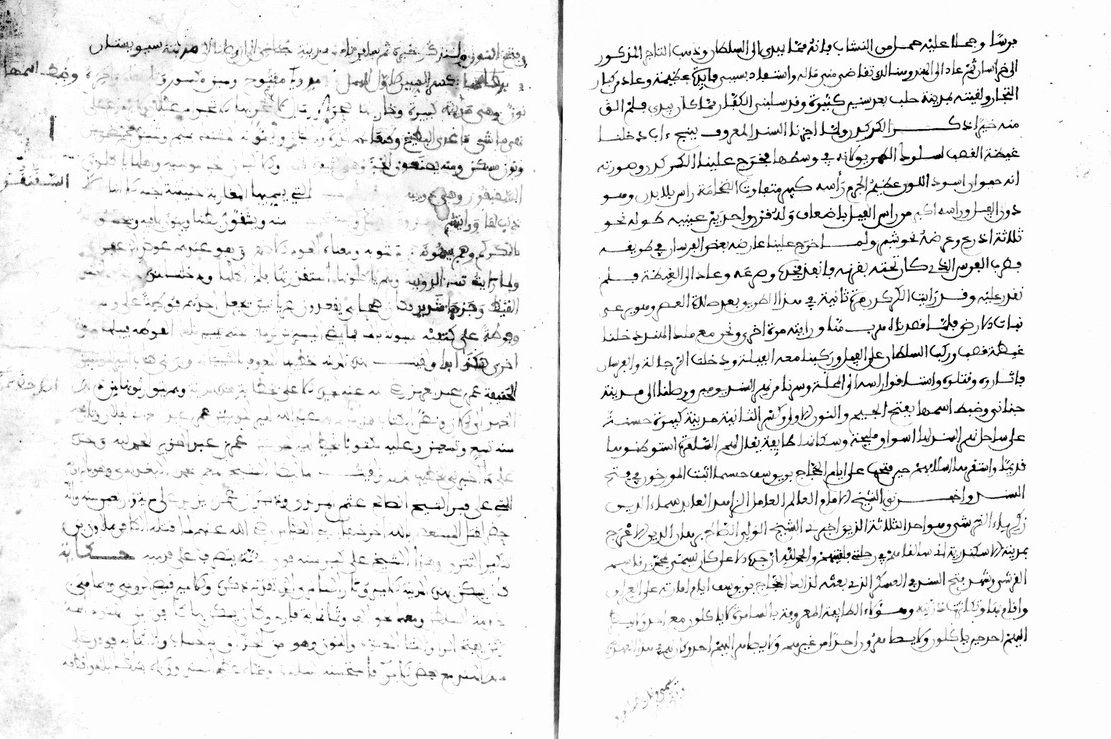
Ibn Battuta in Delhi. The Moroccan traveller Ibn Battuta reached India in 1333. Muhammad bin Tughlaq made him the qazi (judge) of Delhi, a post he held for about seven years, and in 1342 sent him as his envoy to China. His travel book, the Rihla, gives a vivid picture of the Sultan's generosity and cruelty, of the postal system — horse-post (ulaq) and foot-runners (dawa) — and of Indian towns and markets.
Revolts and the break-up. His reign saw more rebellions than any other. The far south and east broke away while he was still alive:
- Madurai became an independent sultanate (1335);
- Vijayanagar was founded by Harihara and Bukka (1336);
- Bengal became independent (1338);
- the Bahmani kingdom was set up in the Deccan by Alauddin Hasan Bahman Shah (1347).
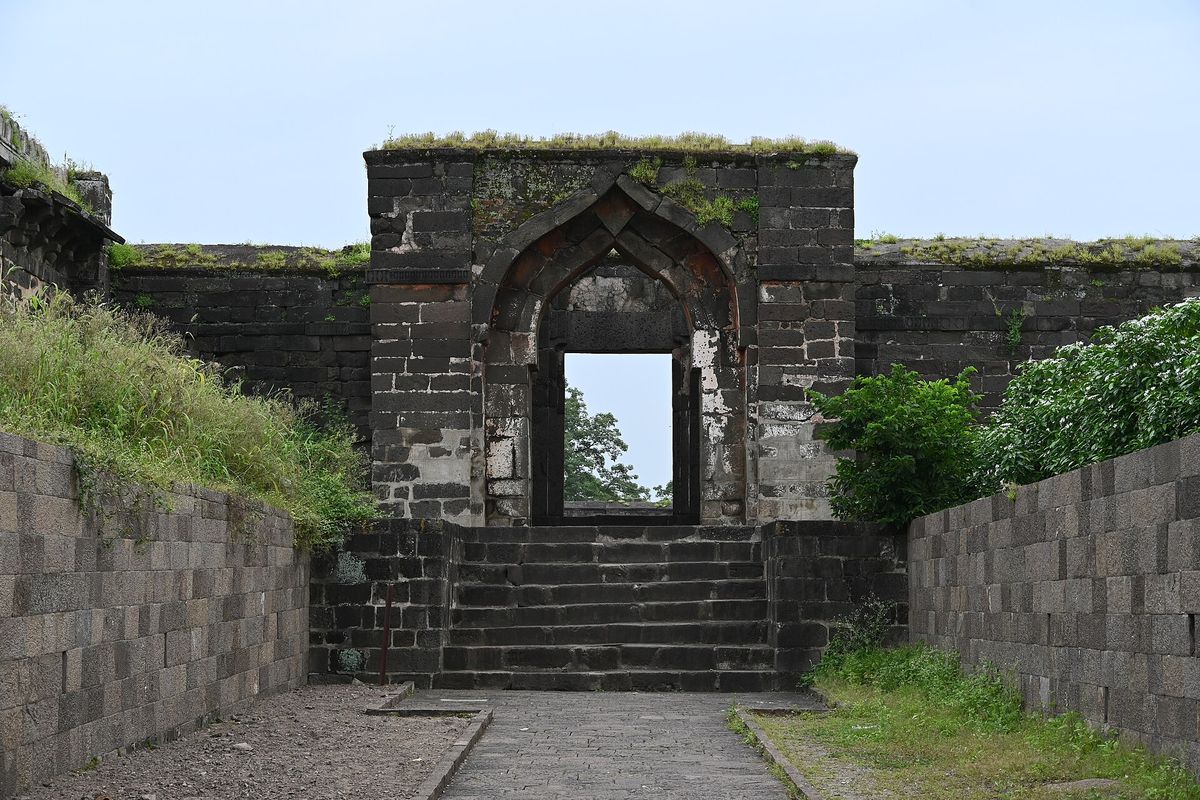
He built Jahanpanah, the fourth city of Delhi (joining the old Rai Pithora fort to Siri), and the small fort of Adilabad. He died in 1351 at Thatta in Sindh while chasing a rebel. The historian Badauni later wrote that with his death the Sultan was freed from his people, and they from him.
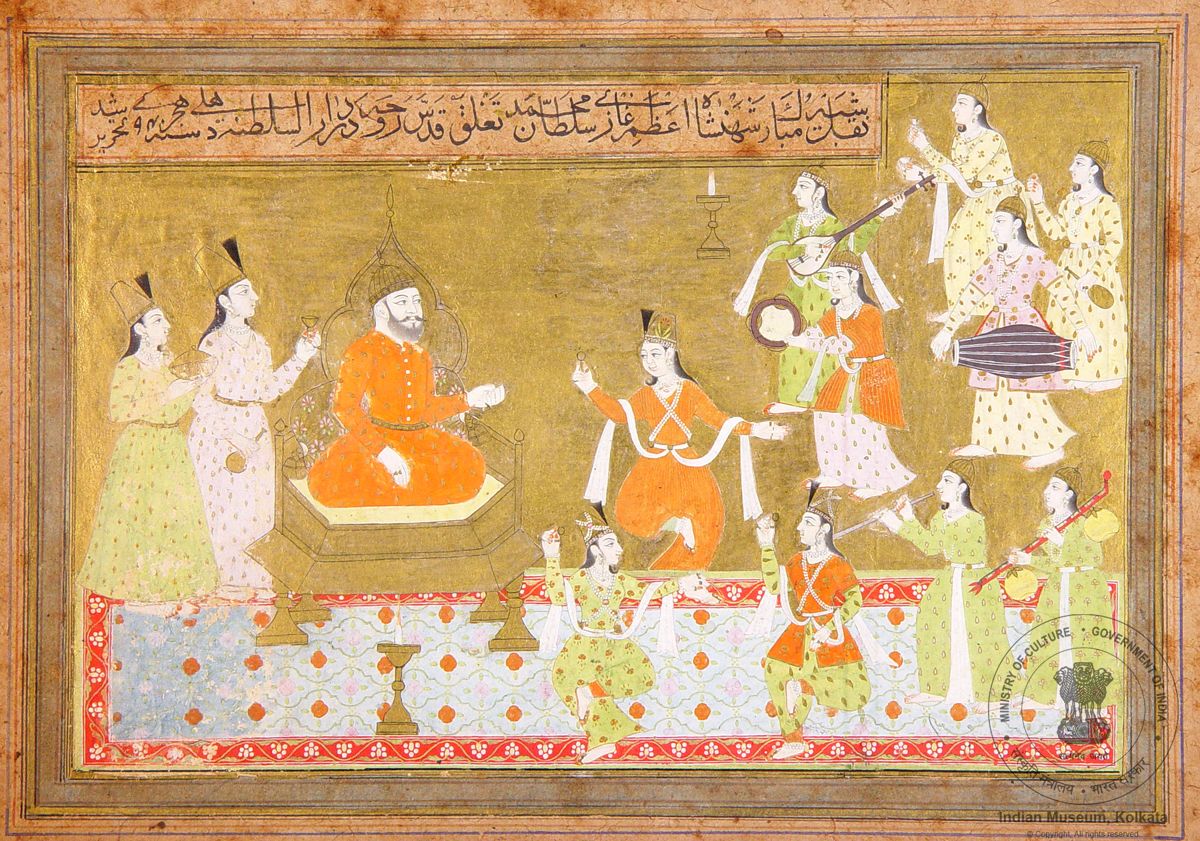
Firoz Shah Tughlaq (1351–1388) — the welfare king. Muhammad bin Tughlaq died far from Delhi, and the nobles and religious leaders in the camp at Thatta chose his cousin Firoz as Sultan. Firoz was the son of Ghiyas-ud-din's brother Rajab and a Bhatti Rajput princess of Dipalpur. He did not try to win back the lost south; instead he tried to make his people content:
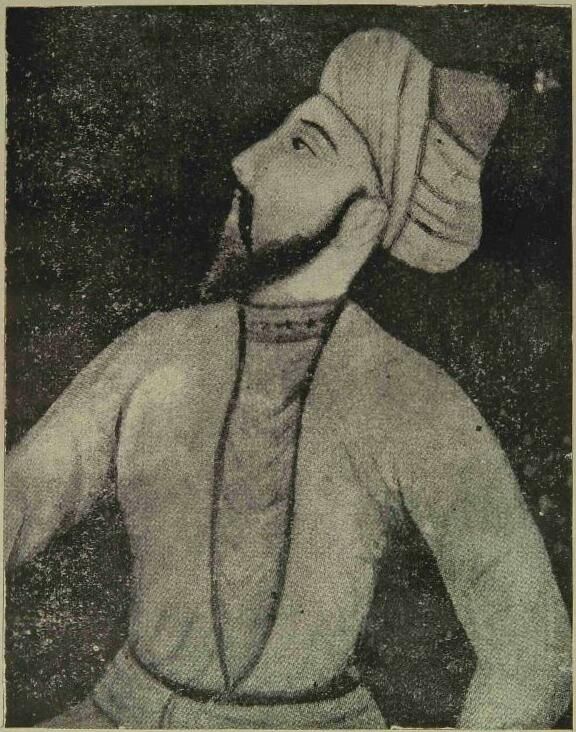
- Taxes. He cancelled the taqavi loans of the last reign and abolished many irregular taxes — the usual figure is 24 — keeping only the four taxes approved by Islamic law: kharaj (land tax), khams (a share of war booty), jizya and zakat. He also charged an irrigation tax (haq-i-sharb) of about one-tenth of the crop on land watered by his canals.
- Canals. He dug several canals; the best known carried Yamuna water to Hisar.
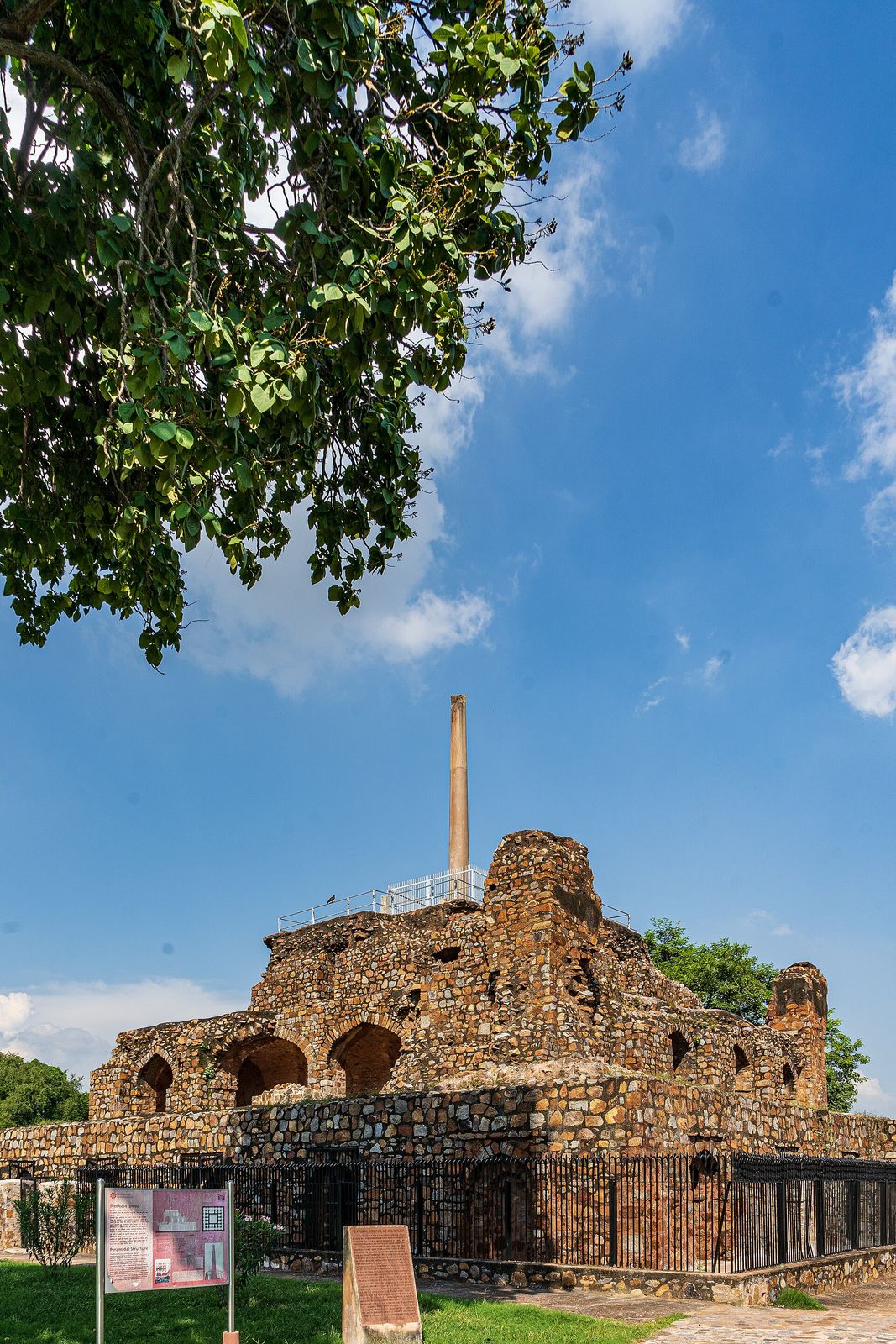
- New towns. Firozabad in Delhi (its citadel is Feroz Shah Kotla, the fifth city of Delhi), Hisar, Fatehabad, and Jaunpur (named after Muhammad bin Tughlaq, Jauna Khan).
- Welfare departments. Diwan-i-Khairat (charity — help for poor families, including money for daughters' marriages), a free hospital (Dar-ul-Shifa), and an office to find work for the unemployed.
- Slaves. He collected some 1,80,000 slaves and set up a separate department for them, the Diwan-i-Bandagan, training many in crafts.
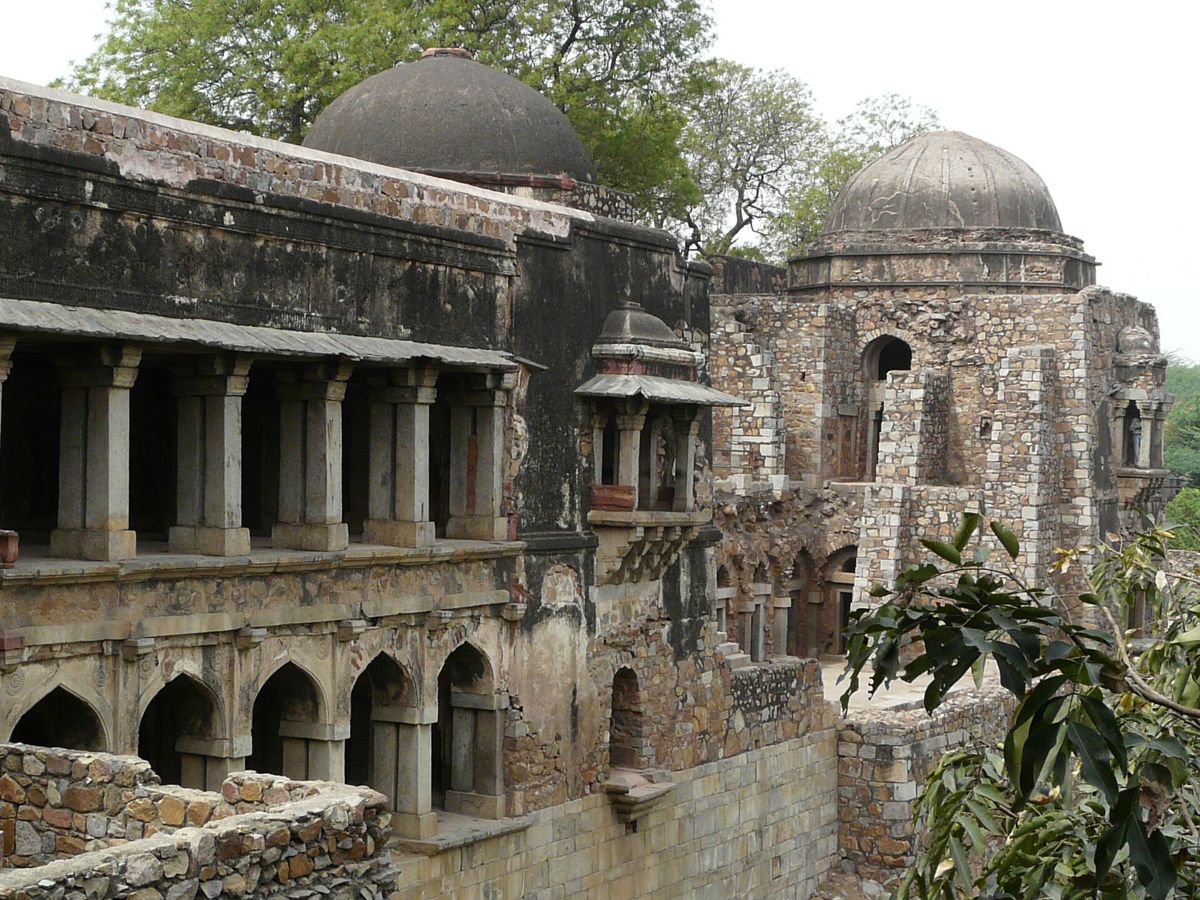
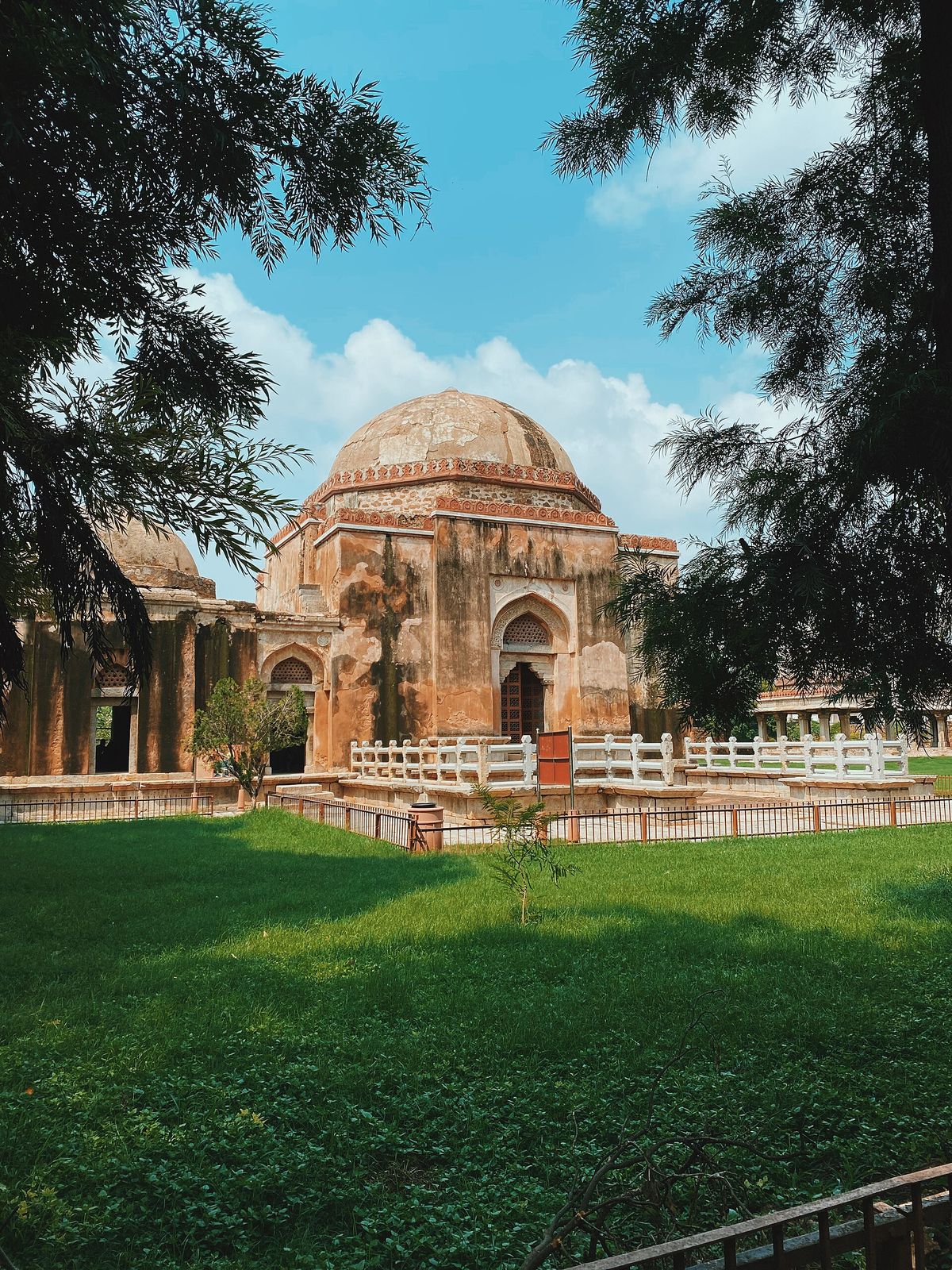
- Learning and buildings. He had the Ashokan pillars from Topra (Haryana) and Meerut carried to Delhi, set up the Topra pillar on top of his Kotla, repaired the Qutub Minar after lightning struck it, and built a madrasa at Hauz Khas, where he is buried. Sanskrit texts captured at Kangra were translated into Persian. He wrote a short account of his reign, Futuhat-i-Firoz Shahi.
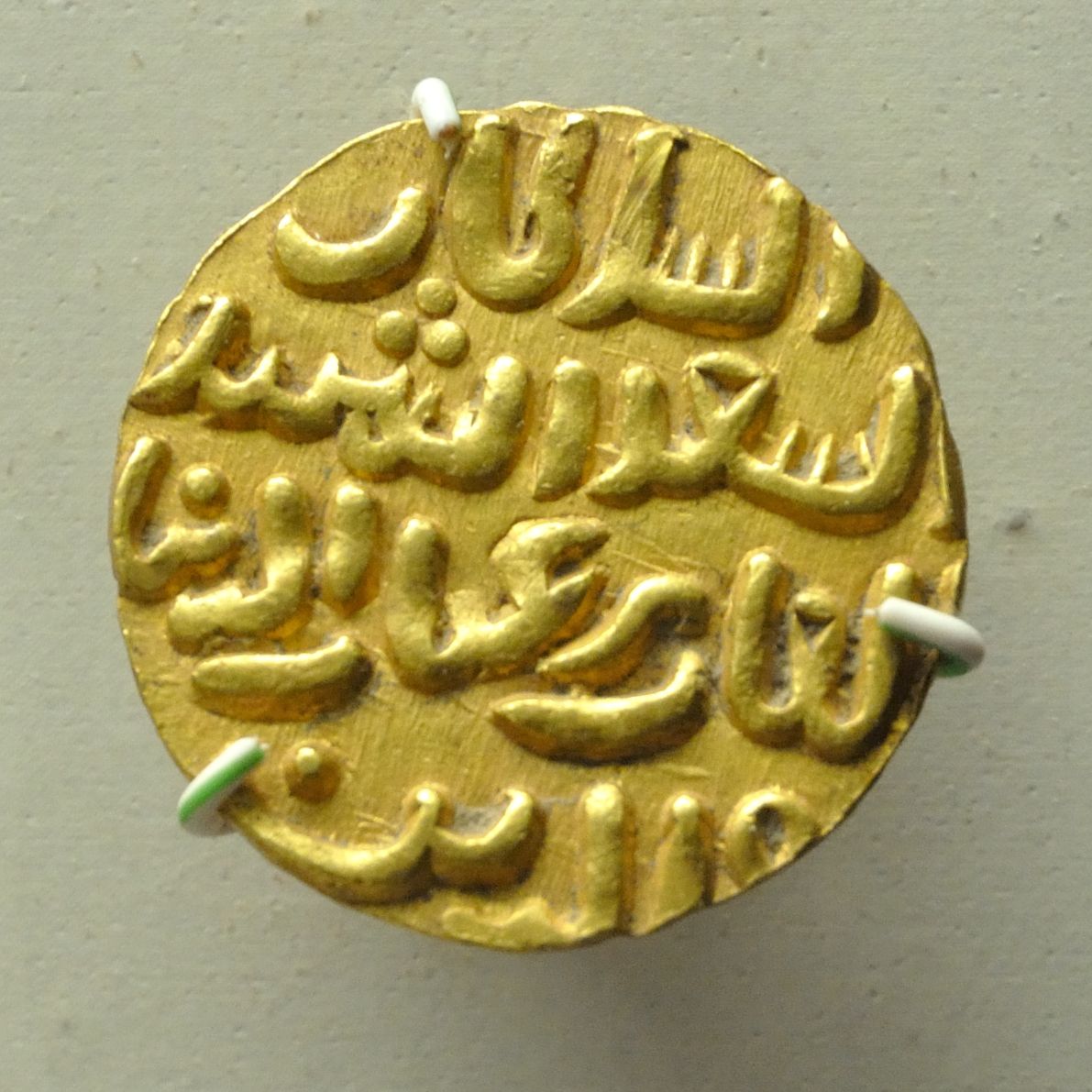
The other side. Firoz was strictly orthodox. He made iqtas and army posts hereditary, which weakened discipline; he imposed jizya on Brahmins, who had earlier been exempt; and he punished some religious groups harshly. His campaigns to Bengal failed, though he raided Jajnagar (Odisha) and later subdued Thatta. After his death in 1388 the dynasty fell apart quickly.
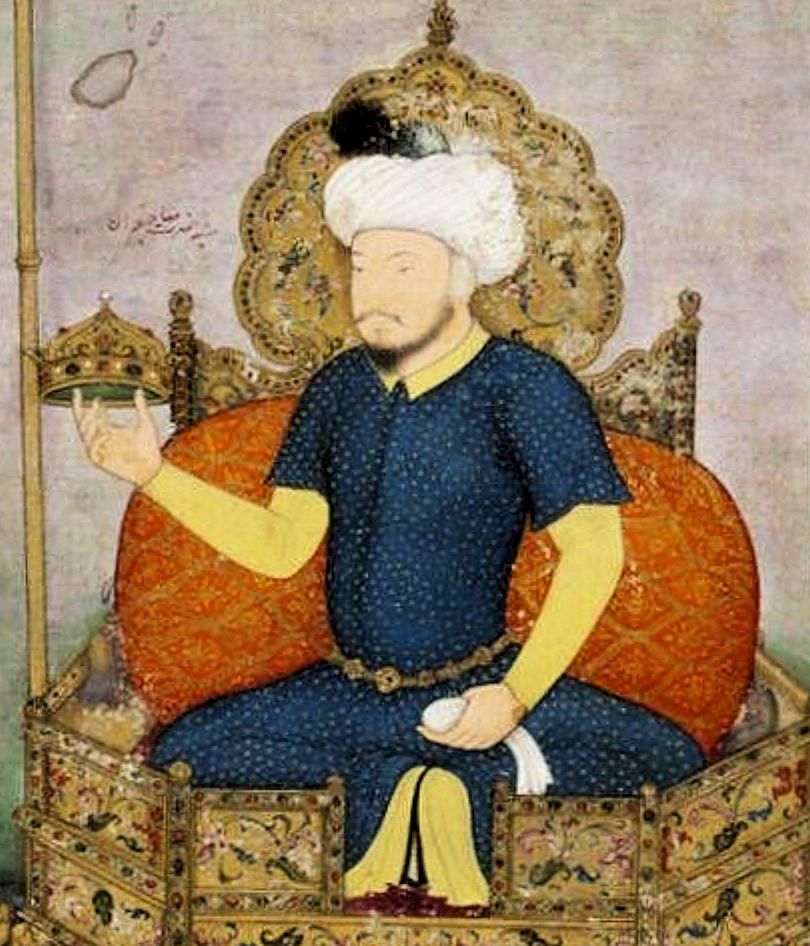
Timur sacks Delhi (1398). Firoz's successors quarrelled among themselves; at one point there were two Sultans at once, one in Delhi and one in Firozabad. In 1398 Timur (Tamerlane), the Turkish conqueror of Samarkand, crossed the Indus. Near Delhi he had a vast number of prisoners killed so they could not rise against him during the battle. On 17 December 1398 he defeated the last Tughlaq ruler, Nasir-ud-din Mahmud Shah, and his minister Mallu Iqbal outside the city. For several days Delhi was plundered and its people massacred; Timur left in 1399 carrying off great wealth and many skilled craftsmen to Samarkand. He did not stay to rule — but before leaving he gave Multan and nearby lands to Khizr Khan, who would found the next dynasty.
Mahmud Shah crept back and ruled a shrunken kingdom until 1412. After a short interval under Daulat Khan Lodi, Khizr Khan took Delhi in 1414, and the Tughlaq age was over.
- 1320Ghazi Malik becomes Ghiyas-ud-din Tughlaq
- 1323Ulugh Khan takes Warangal; Kakatiya kingdom ends
- 1325Pavilion collapses at Afghanpur; Muhammad bin Tughlaq Sultan
- c. 1326Higher taxes in the Doab; famine and revolt
- 1327Capital moved to Daulatabad
- 1329–30Token currency issued and withdrawn
- 1333Ibn Battuta arrives; made qazi of Delhi
- 1336Vijayanagar founded by Harihara and Bukka
- 1342Ibn Battuta sent as envoy to China
- 1347Bahmani kingdom founded
- 1351Muhammad dies at Thatta; Firoz Shah chosen Sultan
- 1388Firoz Shah dies; the dynasty weakens
- 1398Timur sacks Delhi
- 1412–14Mahmud Shah dies; Daulat Khan Lodi; Khizr Khan takes Delhi
| Experiment | Year | What went wrong |
|---|---|---|
| Doab taxation | c. 1326 | Tax raised during a famine; peasants fled and revolted |
| Daulatabad capital | 1327 | Forced march from Delhi; deaths; people later returned |
| Token currency | 1329–30 | Easy to forge; withdrawn and exchanged for real coins |
| Khurasan expedition | c. 1329 | Huge army raised, paid for a year, then disbanded |
| Qarachil expedition | c. 1333 | Army destroyed in the Kumaon hills |
| Diwan-i-Kohi | — | State farming of waste land; money wasted, little result |
| City of Delhi | Built by | Dynasty |
|---|---|---|
| 1. Qila Rai Pithora (Lal Kot) | Tomaras / Prithviraj Chauhan | Rajput |
| 2. Siri | Alauddin Khilji | Khilji |
| 3. Tughlaqabad | Ghiyas-ud-din Tughlaq | Tughlaq |
| 4. Jahanpanah | Muhammad bin Tughlaq | Tughlaq |
| 5. Firozabad (Feroz Shah Kotla) | Firoz Shah Tughlaq | Tughlaq |
| Don't mix up | Remember |
|---|---|
| Ibn Battuta's Sultan | Muhammad bin Tughlaq — not Firoz Shah |
| Token coins vs market control | token coins = Muhammad bin Tughlaq; market control = Alauddin Khilji |
| Diwan-i-Kohi vs Diwan-i-Khairat vs Diwan-i-Bandagan | Kohi (agriculture) = Muhammad; Khairat (charity) and Bandagan (slaves) = Firoz |
| Taqavi | Loans given by Muhammad bin Tughlaq; cancelled by Firoz |
| Ashokan pillars to Delhi | Firoz Shah Tughlaq (from Topra and Meerut) — not Ashoka himself |
| Jaunpur | Founded by Firoz, named after Muhammad bin Tughlaq (Jauna Khan) |
| Jizya on Brahmins | Firoz Shah Tughlaq |
| Futuhat-i-Firoz Shahi vs Tarikh-i-Firoz Shahi | Futuhat = by Firoz himself; Tarikh = by Barani (and another by Afif) |
| 'Hanuz Dilli dur ast' | Legend linked to Nizamuddin Auliya and Ghiyas-ud-din Tughlaq |
| Timur | sacked Delhi in 1398 under Mahmud Tughlaq — he did not stay to rule |