Between the Guptas and the Turks, India had no single big empire. It was split into strong regional kingdoms that often fought each other. Three of them — the Palas of Bengal, the Pratiharas of Kannauj and the Rashtrakutas of the Deccan — fought for about 200 years over the rich city of Kannauj; this is called the tripartite struggle. The three rivals and the Cholas are summed up below; the Ancient History page, in 'After the Guptas (3)', goes deeper. One event came first: in 712 the Arab general Muhammad bin Qasim conquered Sindh, defeating its king Raja Dahir. That was the first Muslim conquest in the subcontinent — but the Arabs got no further, and the real invasions came from the Turks, 300 years later.
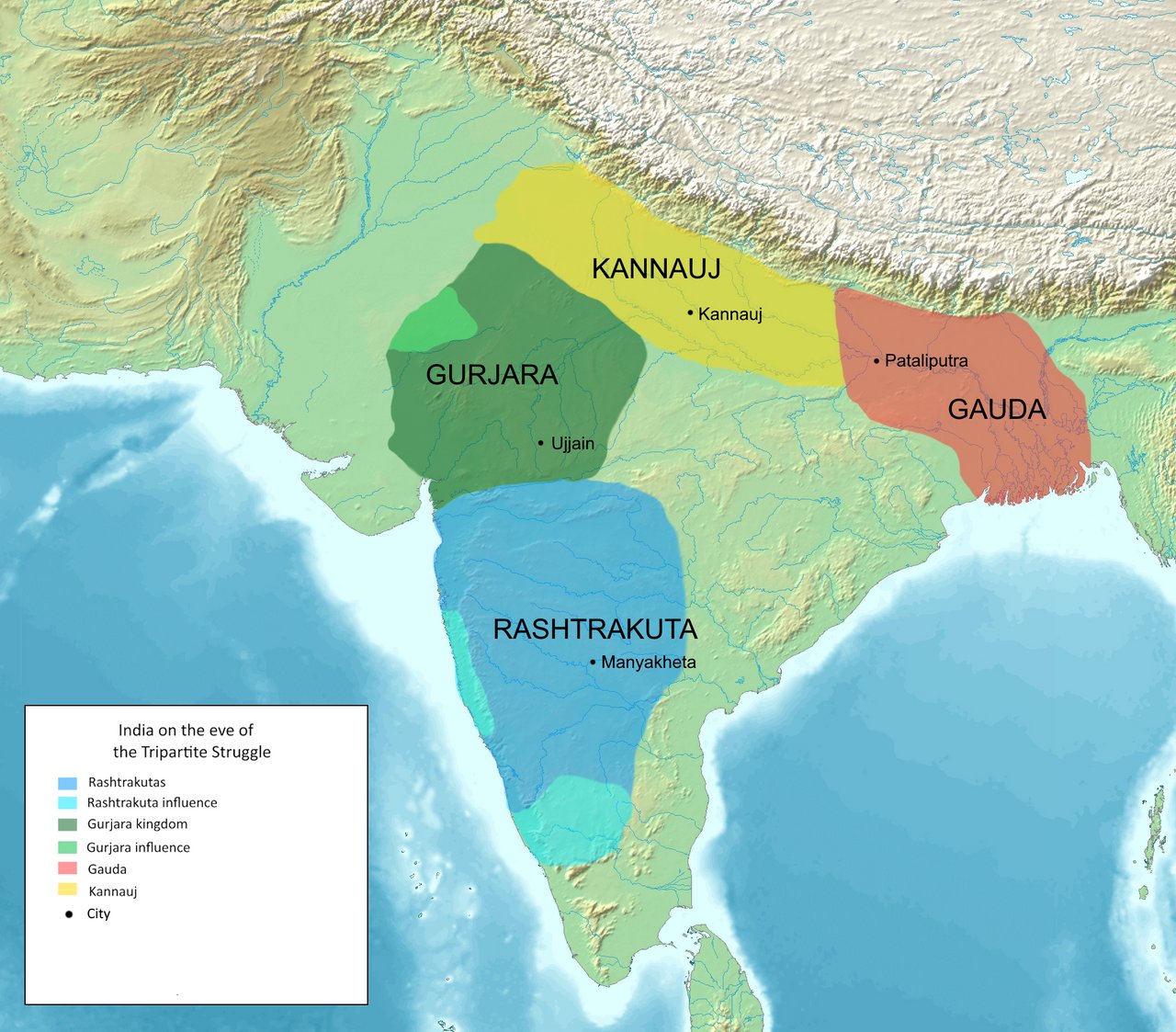
The tripartite struggle (c. 750–950). Three great powers fought for some two hundred years over Kannauj, the richest city of the Ganga plain:
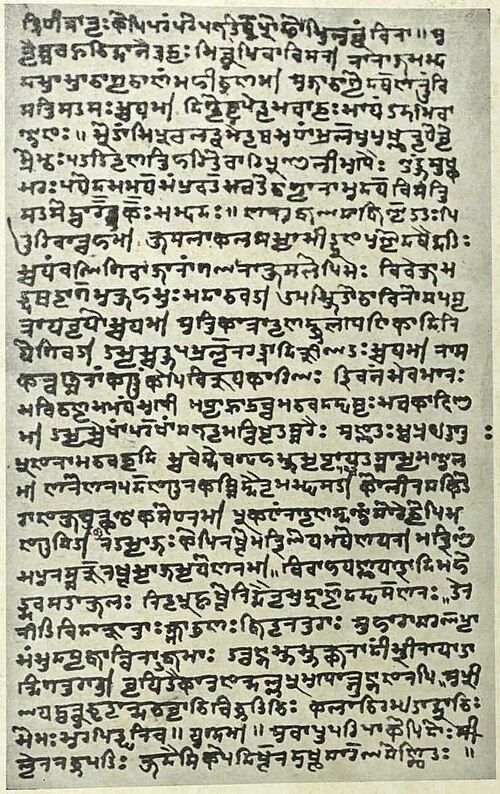
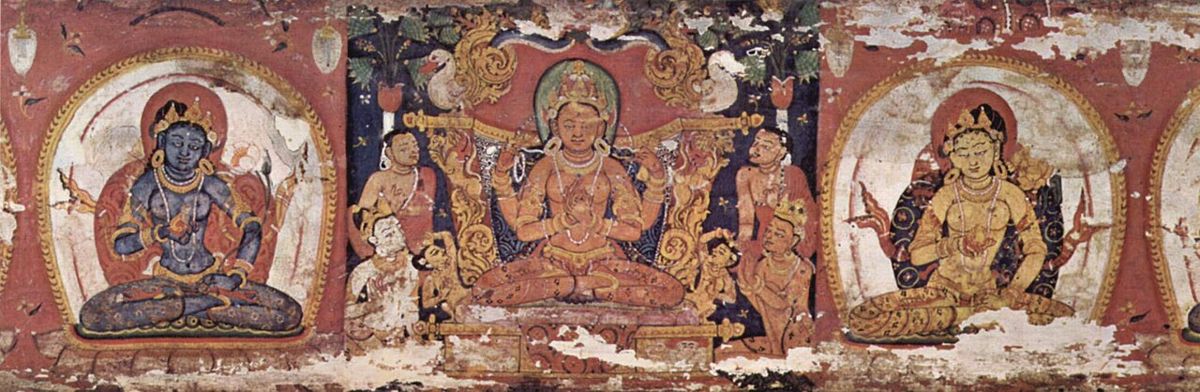
- The Palas of Bengal and Bihar. Around 750 the chiefs of Bengal chose Gopala as king to end a time of chaos. His son Dharmapala founded the Buddhist university of Vikramashila, and the Palas were great patrons of Nalanda and of Mahayana Buddhism; their artists painted palm-leaf manuscripts and cast fine bronzes.
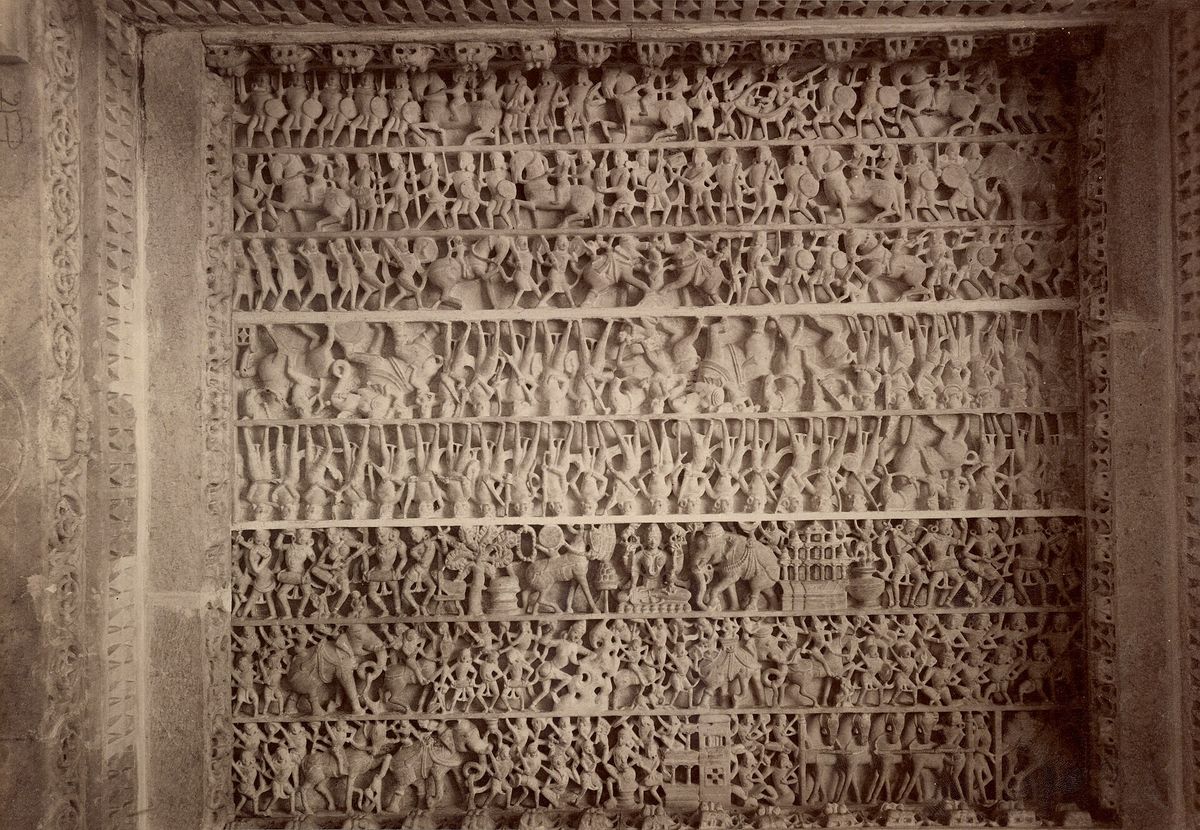
- The Gurjara-Pratiharas of western India. Nagabhata I held back the Arabs; Nagabhata II captured Kannauj; under Mihira Bhoja (c. 836–885) the Pratiharas were the strongest power in the north — the Arab merchant Sulaiman (851) praised the strength of his cavalry.
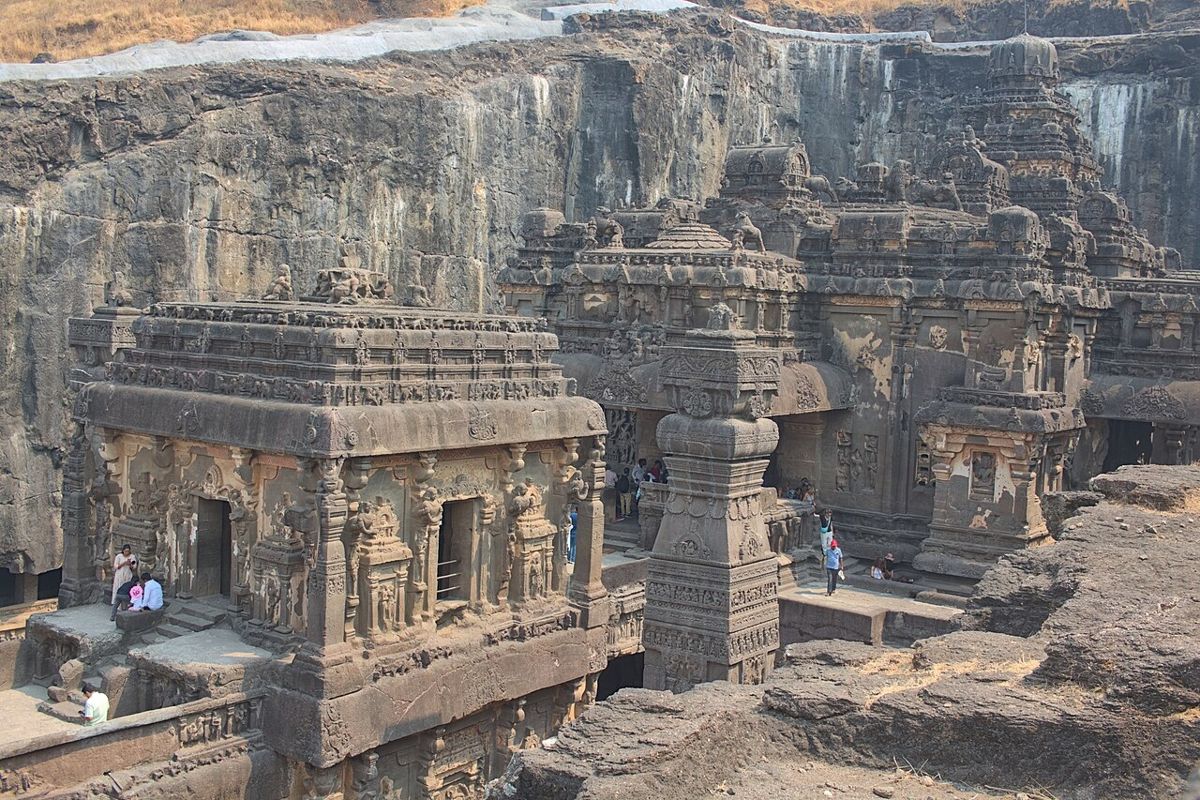
- The Rashtrakutas of the Deccan. Dantidurga (c. 753) overthrew the Chalukyas of Badami; Krishna I had the Kailasa temple at Ellora carved out of a single rock; Amoghavarsha I, ruling from Manyakheta, wrote the Kannada work on poetics Kavirajamarga.
None of the three won for long, and all were exhausted — one reason north India was divided when the Turks came.
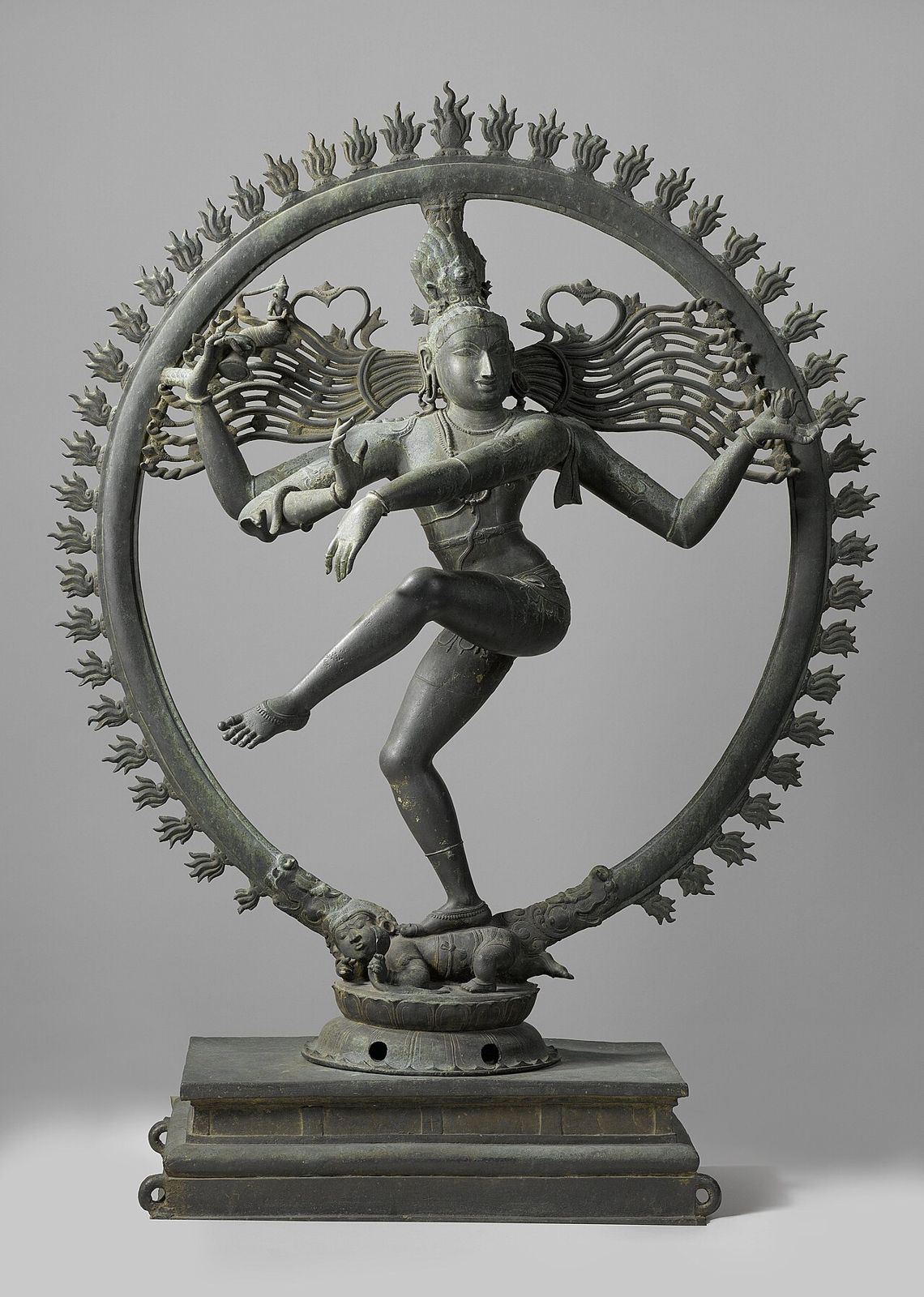
The Cholas of the far south (c. 850–1279). From Thanjavur, Rajaraja I (985–1014) built the Brihadeeswara temple (1010) and conquered northern Sri Lanka and the Maldives. His son Rajendra I (1014–1044) marched to the Ganga, took the title Gangaikonda Chola and built a new capital, Gangaikondacholapuram; his navy raided Srivijaya in Southeast Asia (1025). Chola villages ran their own affairs through assemblies (ur and sabha) — inscriptions at Uttaramerur describe members being chosen by drawing lots from a pot (kudavolai). Chola craftsmen perfected the bronze Nataraja.
| Dynasty | Region / capital | Key rulers | Remember |
|---|---|---|---|
| Pala | Bengal–Bihar | Gopala (elected c. 750), Dharmapala, Devapala | Vikramashila; Nalanda; Mahayana Buddhism |
| Gurjara-Pratihara | Rajasthan, then Kannauj | Nagabhata I and II, Mihira Bhoja | Held back the Arabs; praised by Sulaiman |
| Rashtrakuta | Deccan; Manyakheta | Dantidurga, Krishna I, Amoghavarsha I | Kailasa temple, Ellora; Kavirajamarga |
| Chola | Tamil Nadu; Thanjavur, Gangaikondacholapuram | Rajaraja I, Rajendra I | Brihadeeswara temple; navy to Srivijaya; Uttaramerur village assemblies |
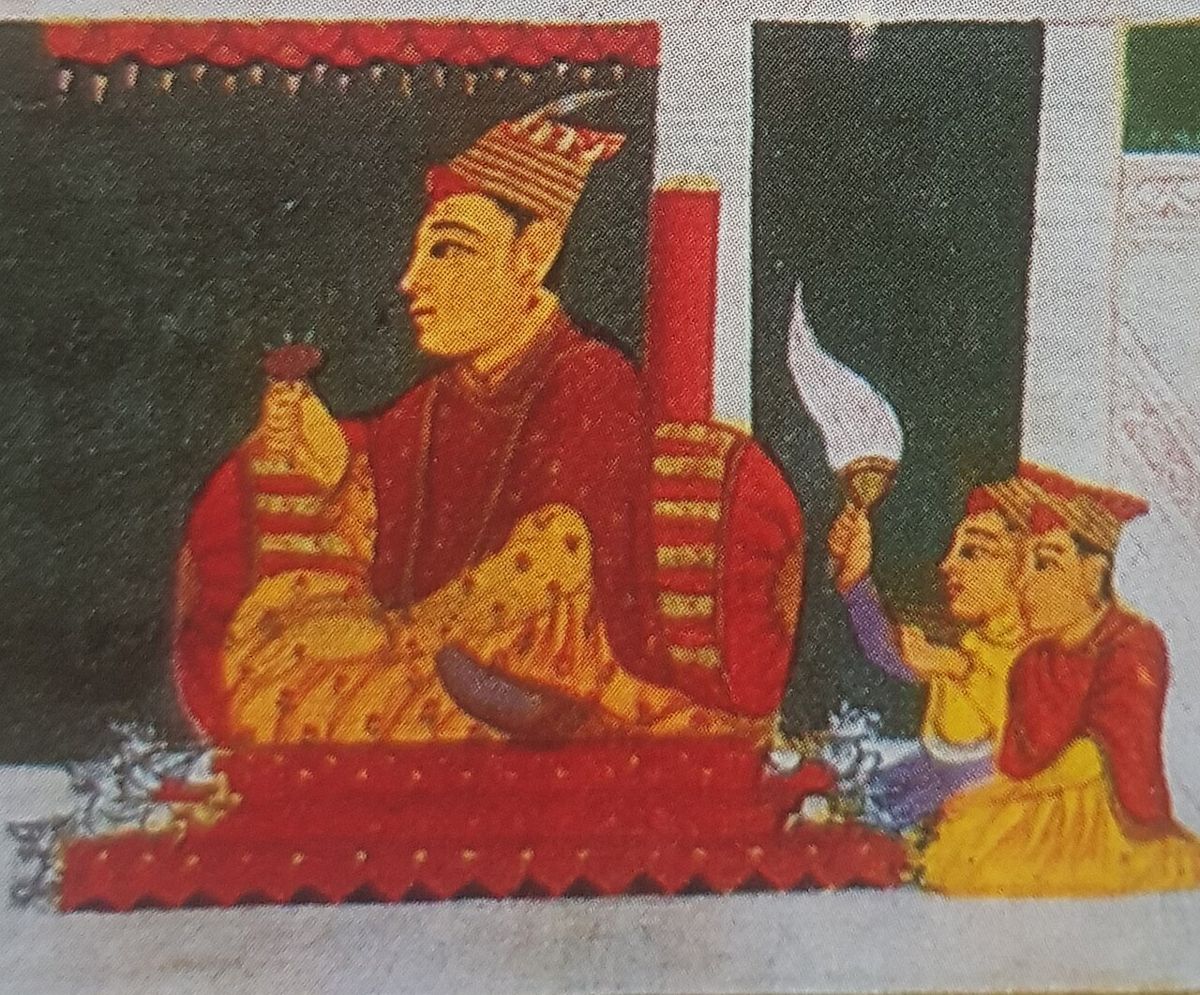
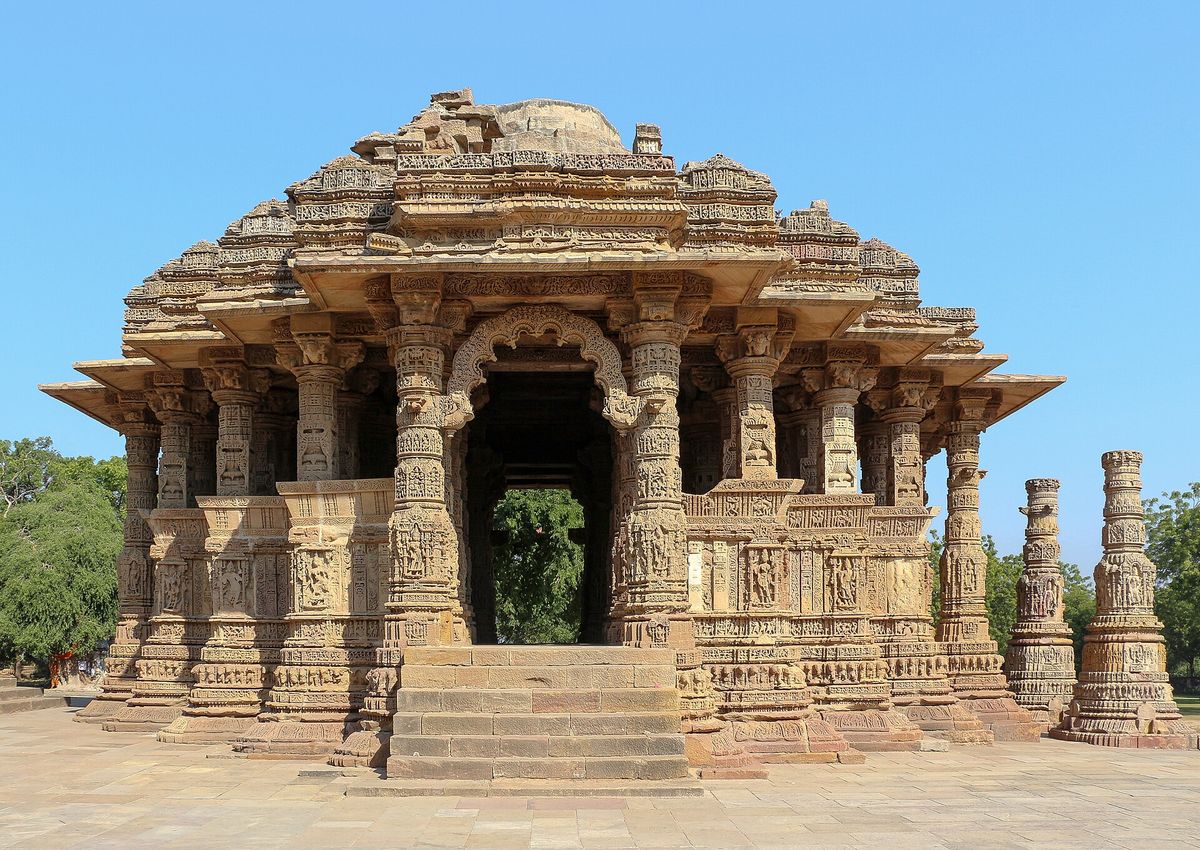
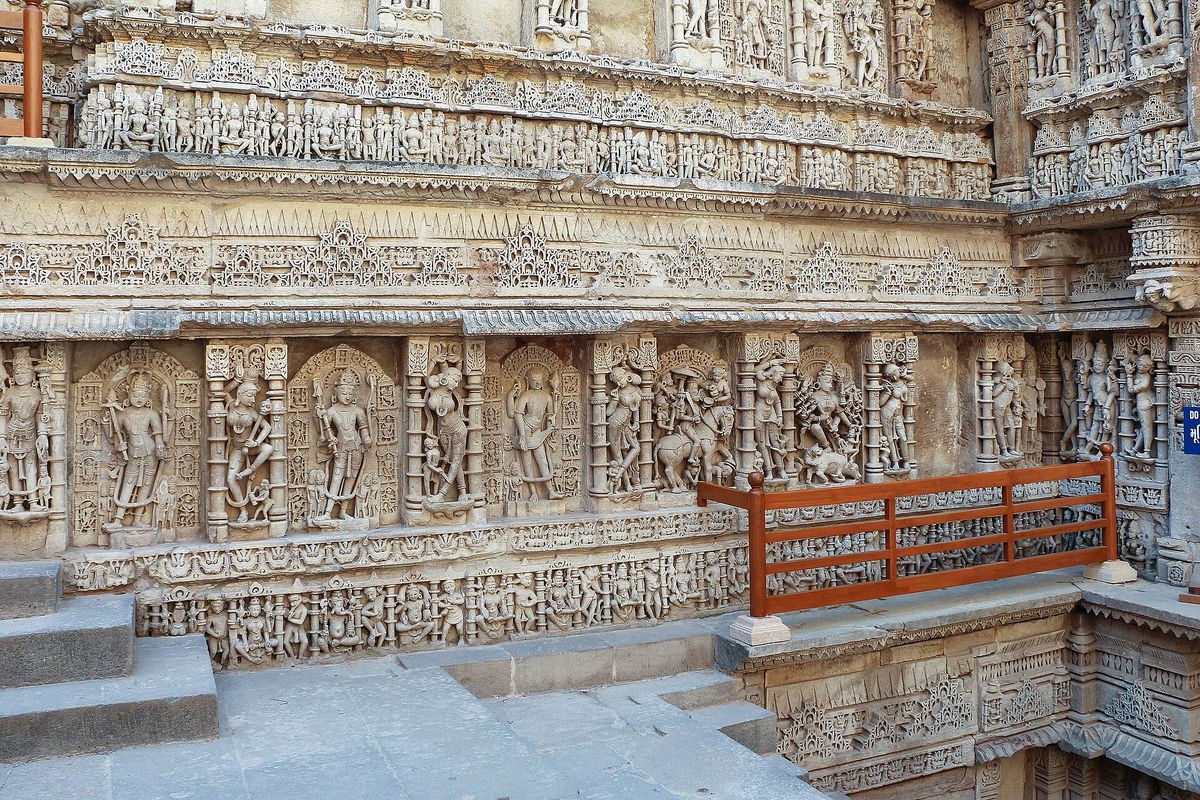
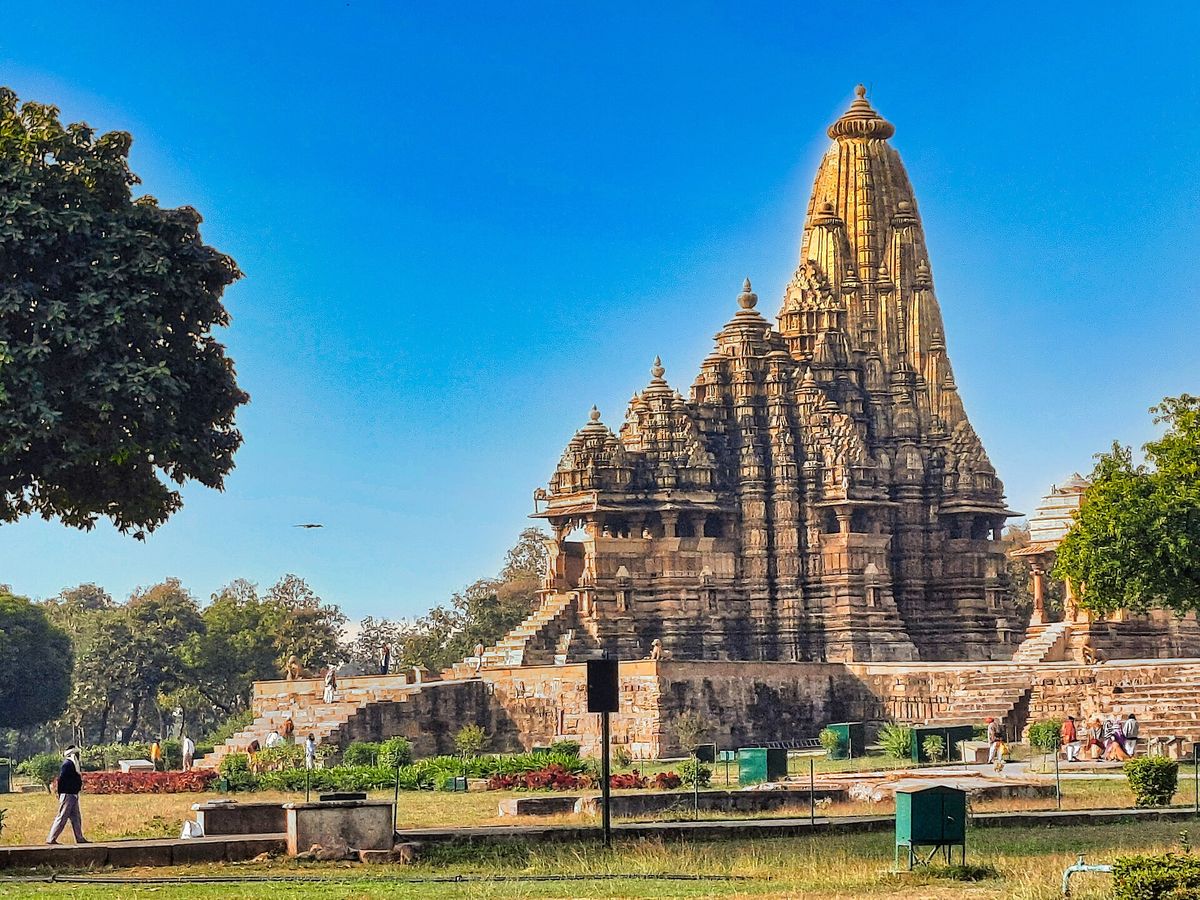
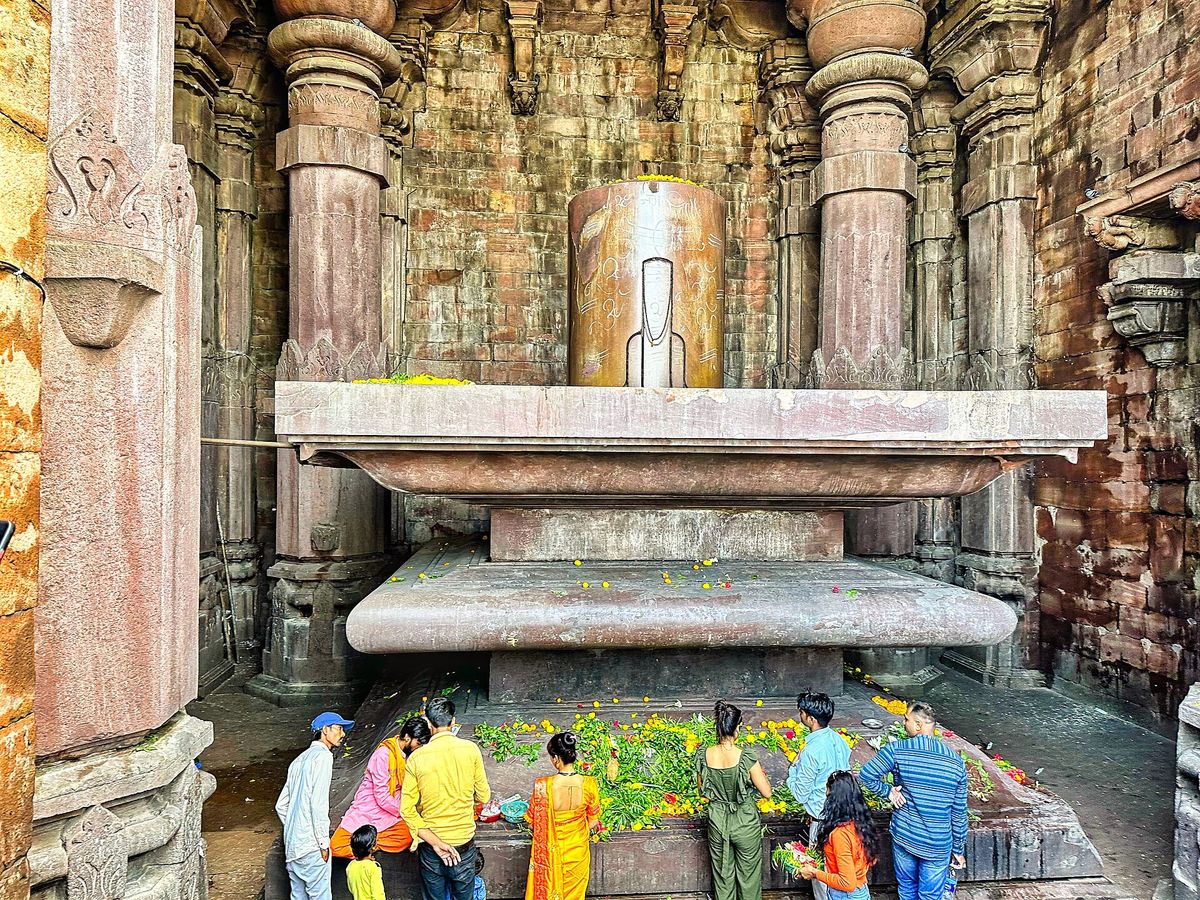
The Rajputs. From about the 7th–8th century, warrior clans later called Rajputs ('sons of kings') ruled most of north and west India. A legend in the poem Prithviraj Raso, by Prithviraj Chauhan's court poet Chand Bardai, says four clans — the Pratiharas, Chalukyas (Solankis), Paramaras and Chauhans — were born from a sacred fire-pit at Mount Abu; they are called the Agnikula ('fire-born') Rajputs. The Gurjara-Pratiharas held back the Arabs in the west (king Nagabhata I) and were strongest under Mihira Bhoja. The Tomaras founded Delhi (then called Dhillika) in the 11th century; the Chauhans of Ajmer took it from them in the 12th, and Prithviraj Chauhan was the Chauhan king who later faced Muhammad Ghori. The Paramaras ruled Malwa from Dhar; their king Bhoja was a famous scholar-king who began the giant Bhojpur Shiva temple. The Chandelas built the Khajuraho temples. The Solankis of Gujarat — whose Somnath temple Mahmud of Ghazni raided in 1025 — built the Modhera Sun Temple, the Rani ki Vav stepwell at Patan and, through their minister Vimal Shah, the first of the marble Jain Dilwara temples at Mount Abu (1031).
| Rajput clan | Base | Remember |
|---|---|---|
| Gurjara-Pratihara | Kannauj (Rajasthan earlier) | Nagabhata I held back the Arabs; strongest under Mihira Bhoja; one side of the Kannauj struggle |
| Tomara | Delhi | founded Delhi (Dhillika) in the 11th century |
| Chauhan (Chahamana) | Ajmer, then Delhi | Prithviraj Chauhan — Tarain 1191 and 1192 |
| Paramara | Malwa (capital Dhar) | scholar-king Bhoja; Bhojpur Shiva temple |
| Chandela | Bundelkhand (Madhya Pradesh) | Khajuraho temples; Kandariya Mahadeva under Vidyadhara |
| Solanki (Chaulukya) | Gujarat (Anhilwara Patan) | Modhera Sun Temple, Rani ki Vav, Dilwara (Vimal Vasahi) |
| Gahadavala | Kannauj and Varanasi | Jaichand, defeated by Ghori at Chandawar (1194) |
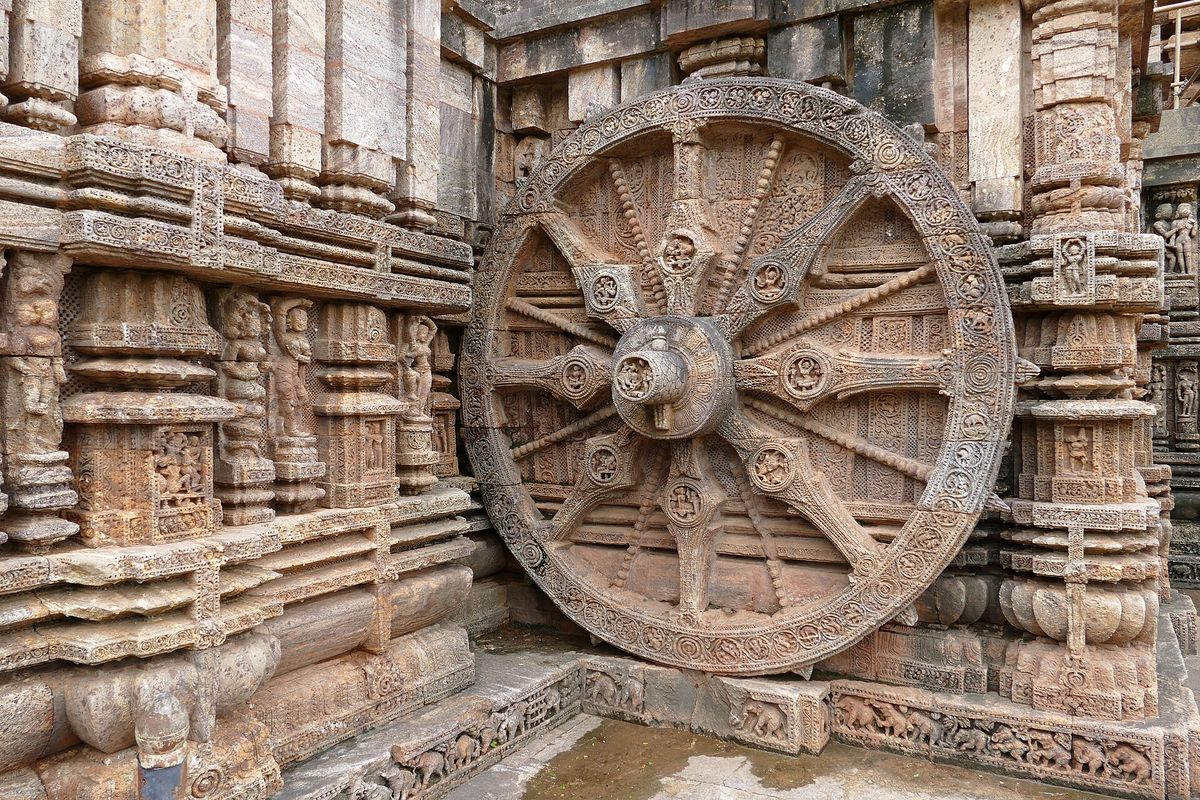
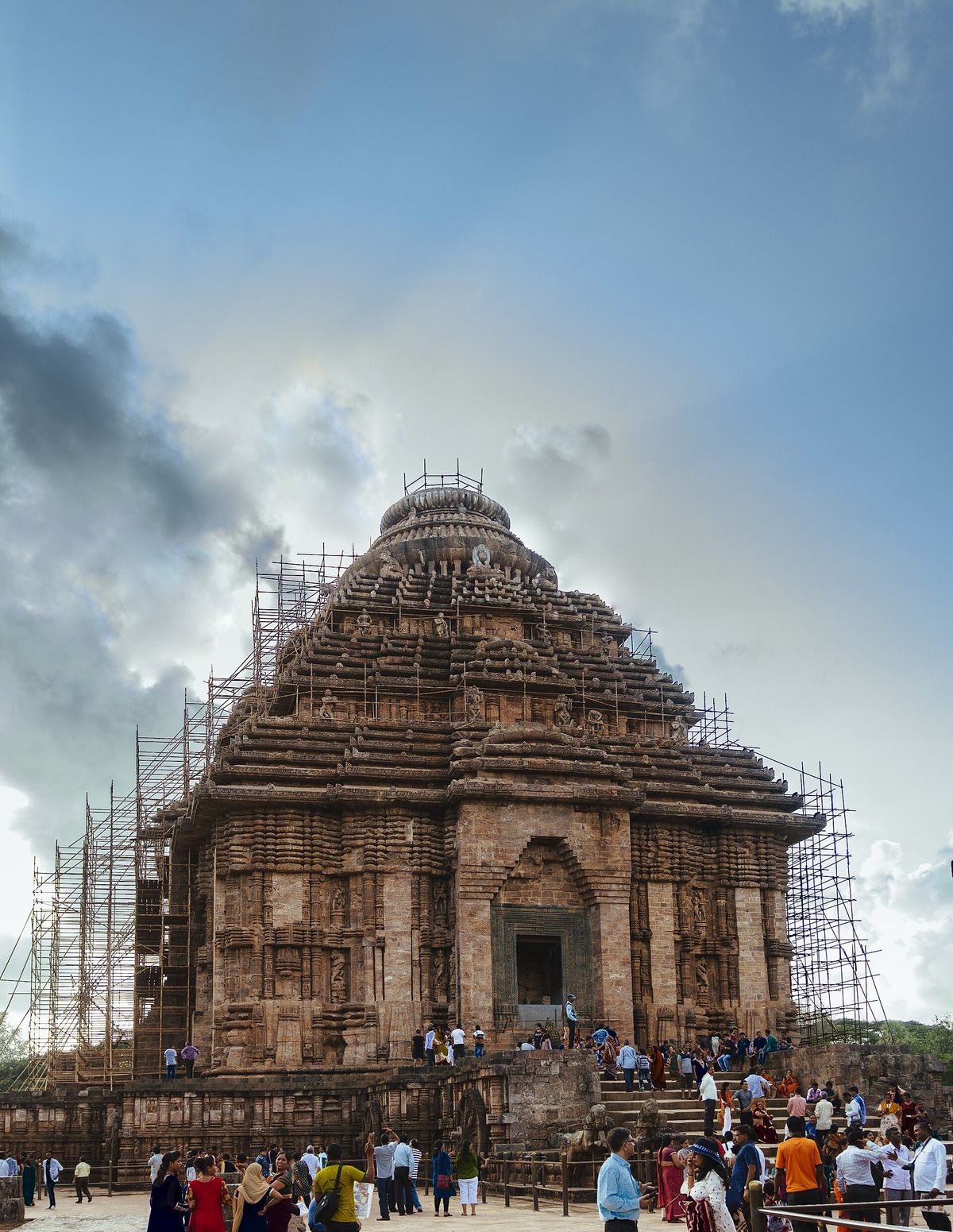
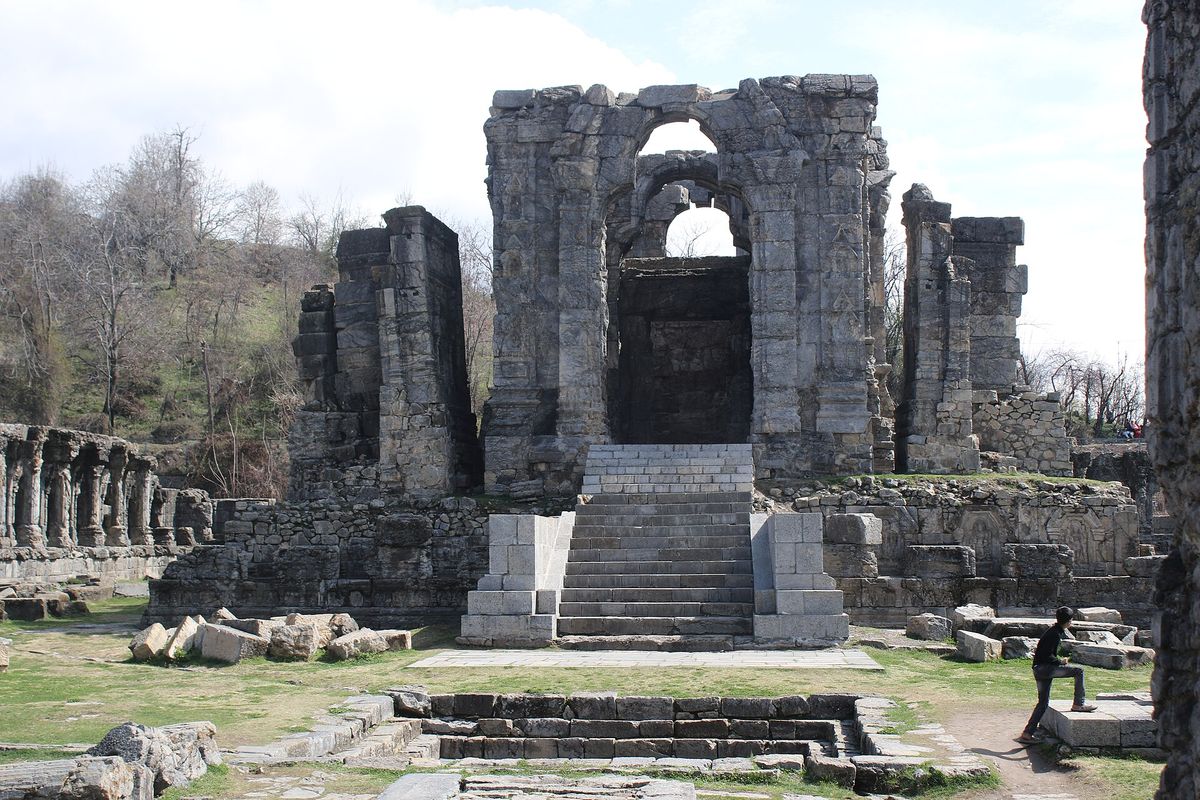
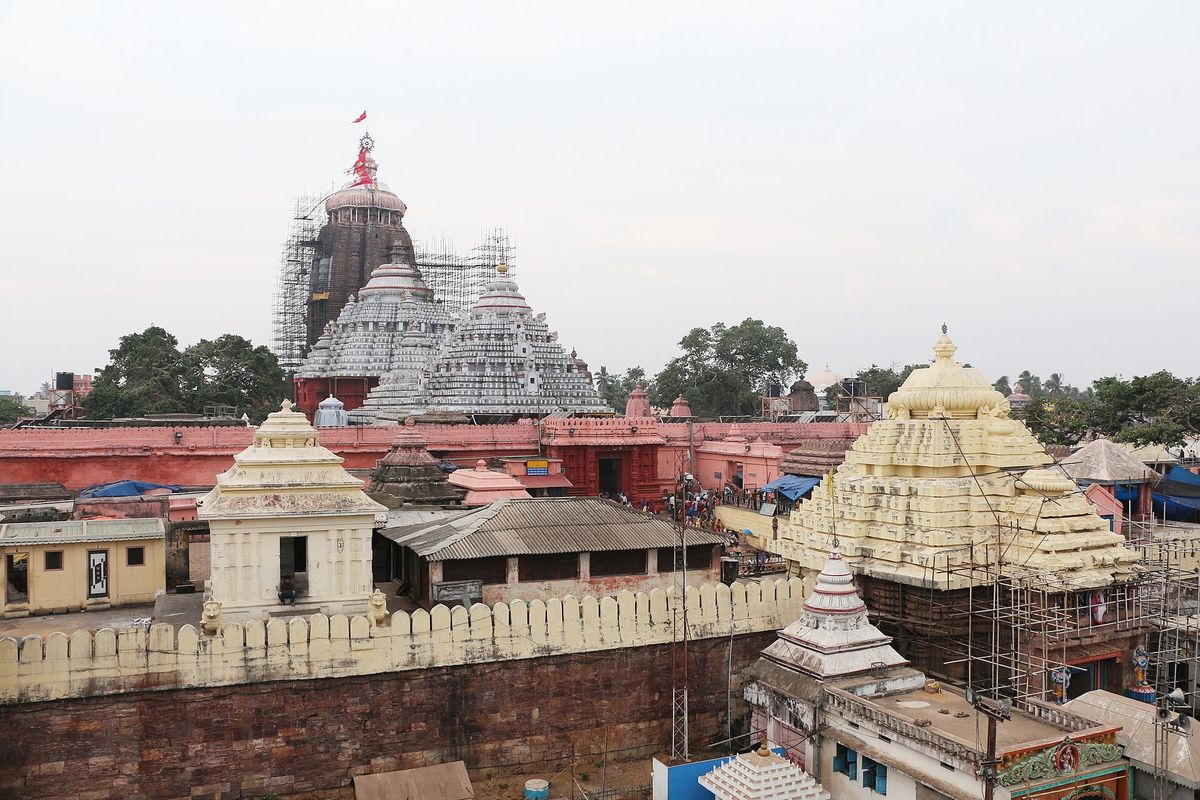
Odisha and Kashmir. In Odisha the Eastern Ganga kings built two of India's most famous temples. Anantavarman Chodaganga began the Jagannath temple at Puri in the 12th century, and Narasimhadeva I built the Sun Temple at Konark around 1250. Konark is shaped like the Sun god's chariot, with 24 carved stone wheels pulled by seven horses; sailors called it the 'Black Pagoda'. It is a UNESCO site (1984) and is on the back of the ₹10 note. In Kashmir, the Karkota king Lalitaditya Muktapida built the Martand Sun Temple in the 8th century; only its ruins stand today. Kashmir also gave India its first real history book: Kalhana's Rajatarangini ('River of Kings', 1148–49), written in Sanskrit.
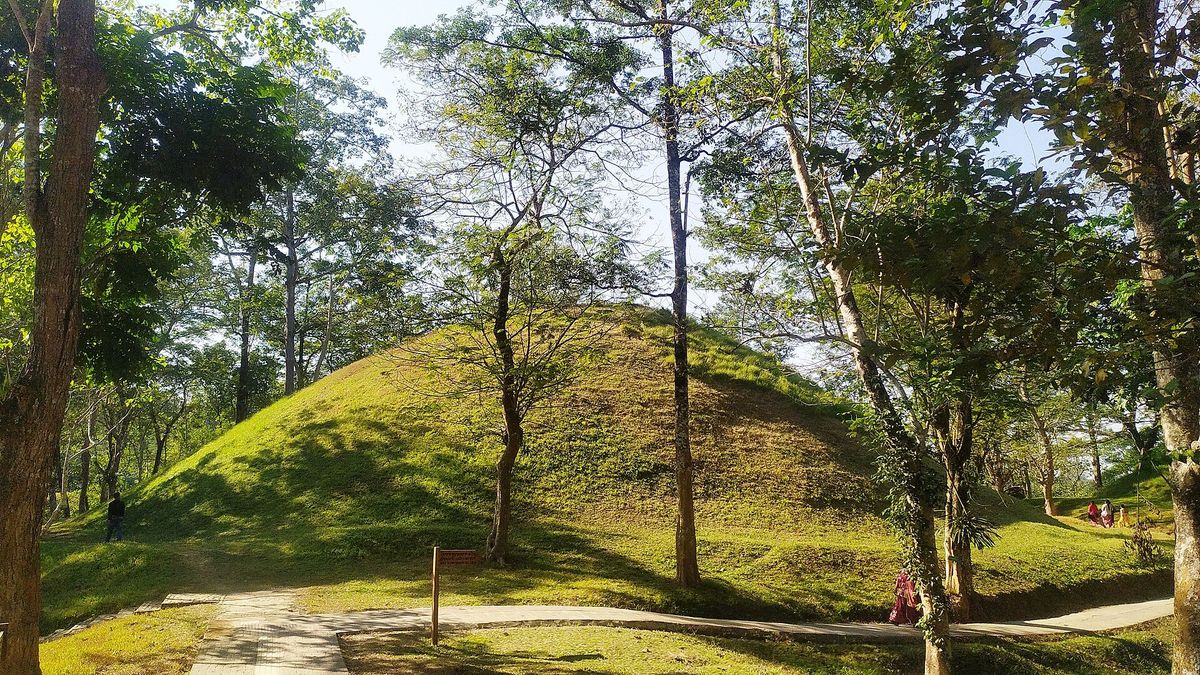
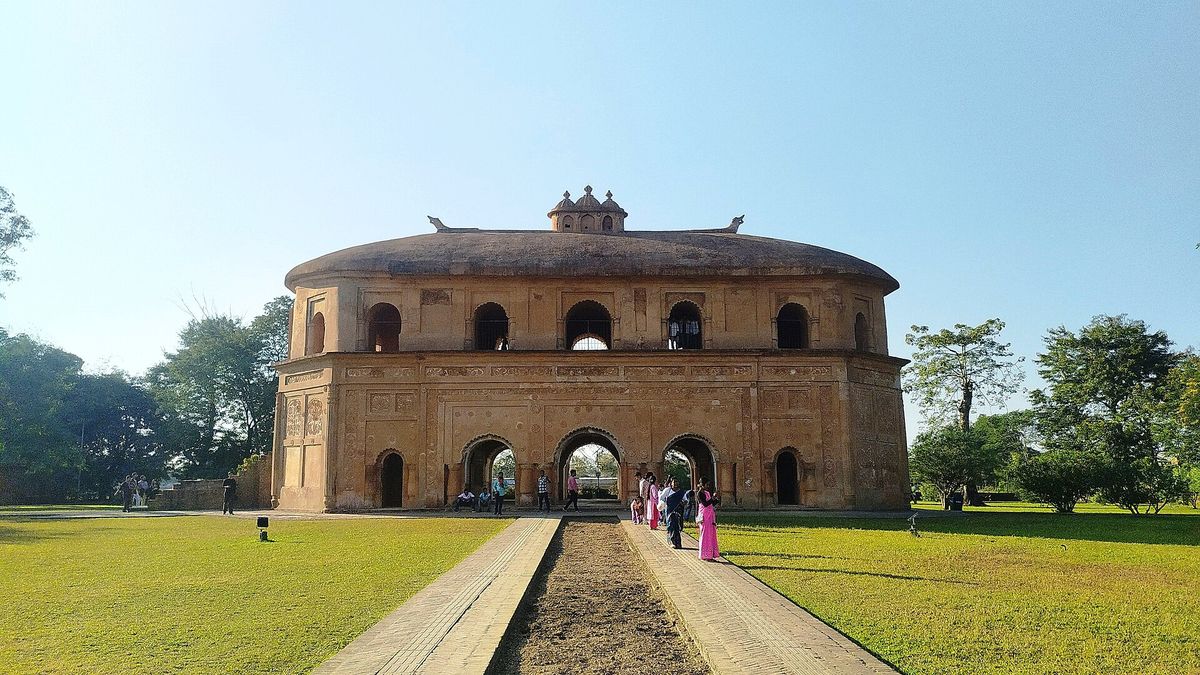
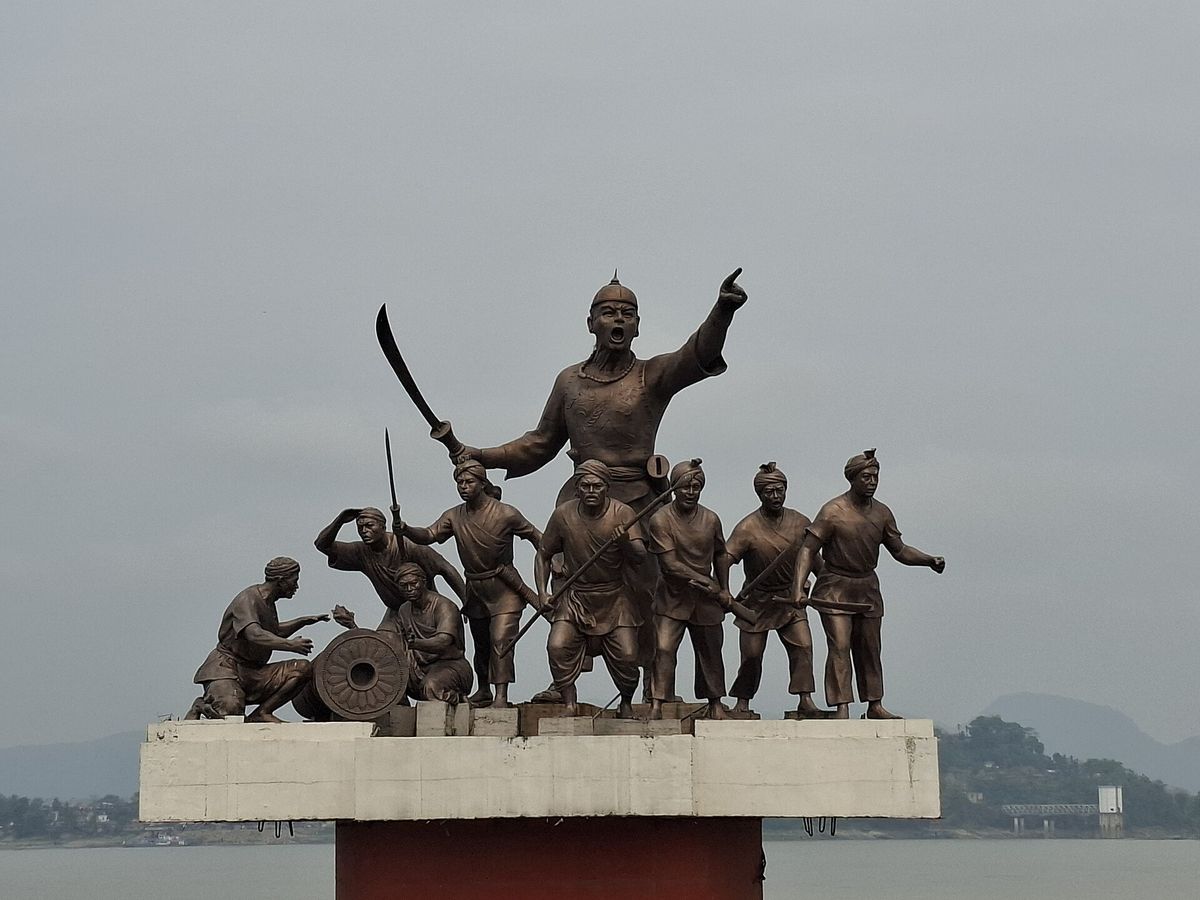
The Ahoms of Assam. In 1228 a Tai prince, Sukaphaa, crossed the hills from Mong Mao (on today's China–Myanmar border) into the Brahmaputra valley and founded the Ahom kingdom; its first capital was Charaideo. The Ahom kings were buried in earth mounds called moidams; the Charaideo Moidams became India's 43rd UNESCO World Heritage Site in 2024. Every adult man served the state for part of the year under the paik system — so the kingdom always had soldiers and workers. That is how the Ahoms stopped the Mughals: in the Battle of Saraighat (1671), fought on the Brahmaputra near Guwahati, the Ahom general Lachit Borphukan defeated a large Mughal army led by Raja Ram Singh. Lachit Divas is marked on 24 November, and the best passing-out cadet of the National Defence Academy gets the Lachit Borphukan gold medal. The Ahoms ruled for about 600 years, until 1826, when Assam passed to the British after the First Anglo-Burmese War (Treaty of Yandabo).
| Kingdom | Where | Remember |
|---|---|---|
| Rajput clans (Pratihara, Tomara, Chauhan, Paramara) | North and west India | Tomaras founded Delhi; Prithviraj Chauhan fought Ghori at Tarain |
| Chandelas (Rajput) | Central India (Madhya Pradesh) | Built the Khajuraho temples |
| Solankis (Rajput) | Gujarat | Modhera, Rani ki Vav, Dilwara |
| Rashtrakutas | Deccan (Maharashtra–Karnataka) | Founder Dantidurga (c. 753); Kailasa temple, Ellora, under Krishna I |
| Eastern Gangas | Odisha | Konark (Narasimhadeva I), Puri Jagannath |
| Karkotas | Kashmir | Martand Sun Temple (Lalitaditya) |
| Ahoms | Assam (Brahmaputra valley) | Founder Sukaphaa, 1228; Saraighat 1671; ruled until 1826 |
| Don't mix up | Remember |
|---|---|
| Three Sun temples | Modhera = Gujarat (Solanki); Konark = Odisha (Eastern Ganga); Martand = Kashmir (Lalitaditya) |
| Rock-cut vs built | Kailasa, Ellora = cut from one rock (Rashtrakuta); Khajuraho = built (Chandela) |
| Dilwara temples | Jain, at Mount Abu, Rajasthan — the first built by Vimal Shah, minister of the Solanki (Gujarat) king |
| Monuments on notes | Rani ki Vav = ₹100; Konark = ₹10 |
| Who founded Delhi | the Tomaras (11th century) — not the Chauhans, not Aibak |
| Two history books | Rajatarangini = Kalhana, Sanskrit, Kashmir; Prithviraj Raso = Chand Bardai, Prithviraj's poet |
| Saraighat vs Tarain | Saraighat 1671 = Ahoms beat Mughals (Assam); Tarain 1191/1192 = Prithviraj vs Ghori |
| First Muslim conquest | Sindh, 712, by the Arab Muhammad bin Qasim — not Mahmud of Ghazni |