Why 'Slave'? Turkish boys were bought in the slave markets of Central Asia, trained as soldiers and officers, and the best of them rose to command armies. Such a trained slave-soldier was called a mamluk or bandagan. The first rulers of Delhi — Aibak, Iltutmish and Balban — had all started life this way, so the dynasty is called the Slave or Mamluk dynasty.
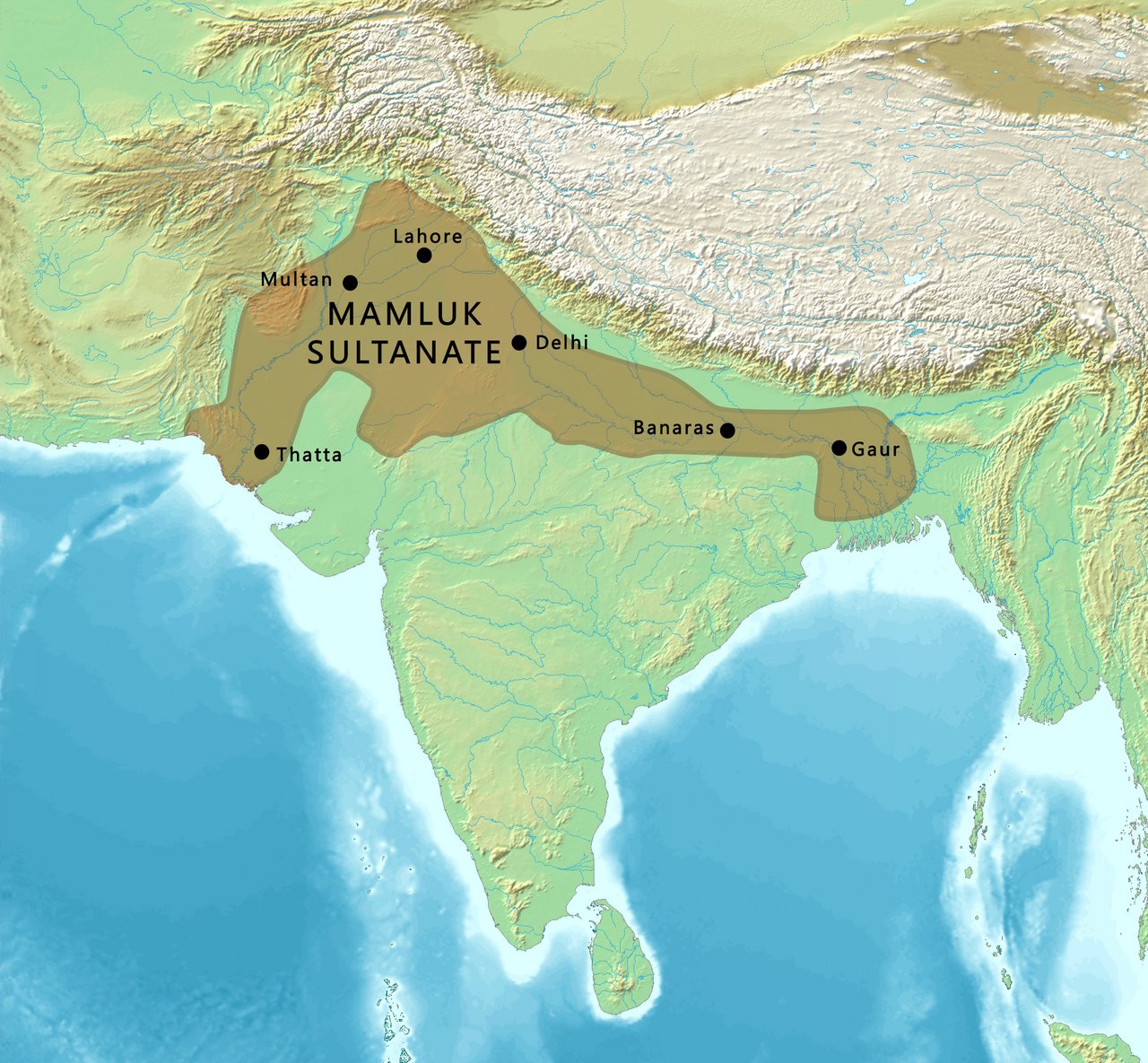
Strictly, it was three separate families, not one:
- the Qutbi line of Aibak (1206–1211),
- the Shamsi line of Iltutmish (1211–1266), and
- the Balbani line of Balban (1266–1290).
Because Iltutmish and Balban belonged to the Ilbari Turkish tribe, many books call them the Ilbari dynasty or the Early Turkish Sultans. None of them was a slave while he ruled — each had been freed first.
Qutb-ud-din Aibak (1206–1210). As a boy Aibak was sold at Nishapur (in Iran) to a qazi, and later bought by Muhammad Ghori. He rose to be Ghori's commander in India and, after the Second Battle of Tarain (1192), managed his Indian conquests. When Ghori was murdered in 1206, Aibak took charge of the Indian lands and ruled mostly from Lahore. He used the titles Malik and Sipahsalar rather than a grand royal title, and he was formally freed in 1208.
He had two dangerous rivals — fellow slave-generals Taj-ud-din Yildiz at Ghazni and Nasir-ud-din Qubacha at Multan (Sindh). Aibak handled them partly through marriages: he married Yildiz's daughter, married his sister to Qubacha, and gave his own daughter to Iltutmish.
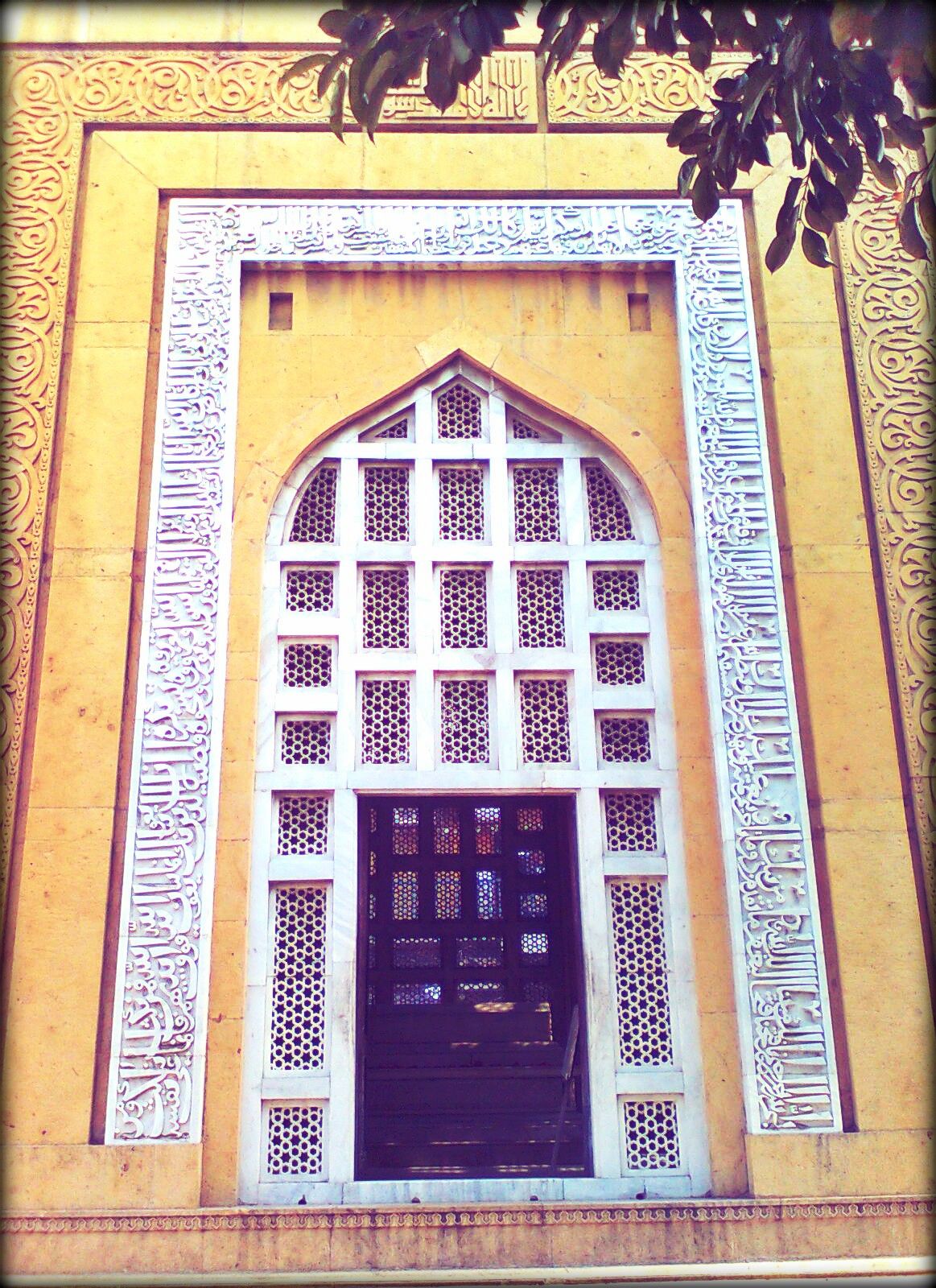
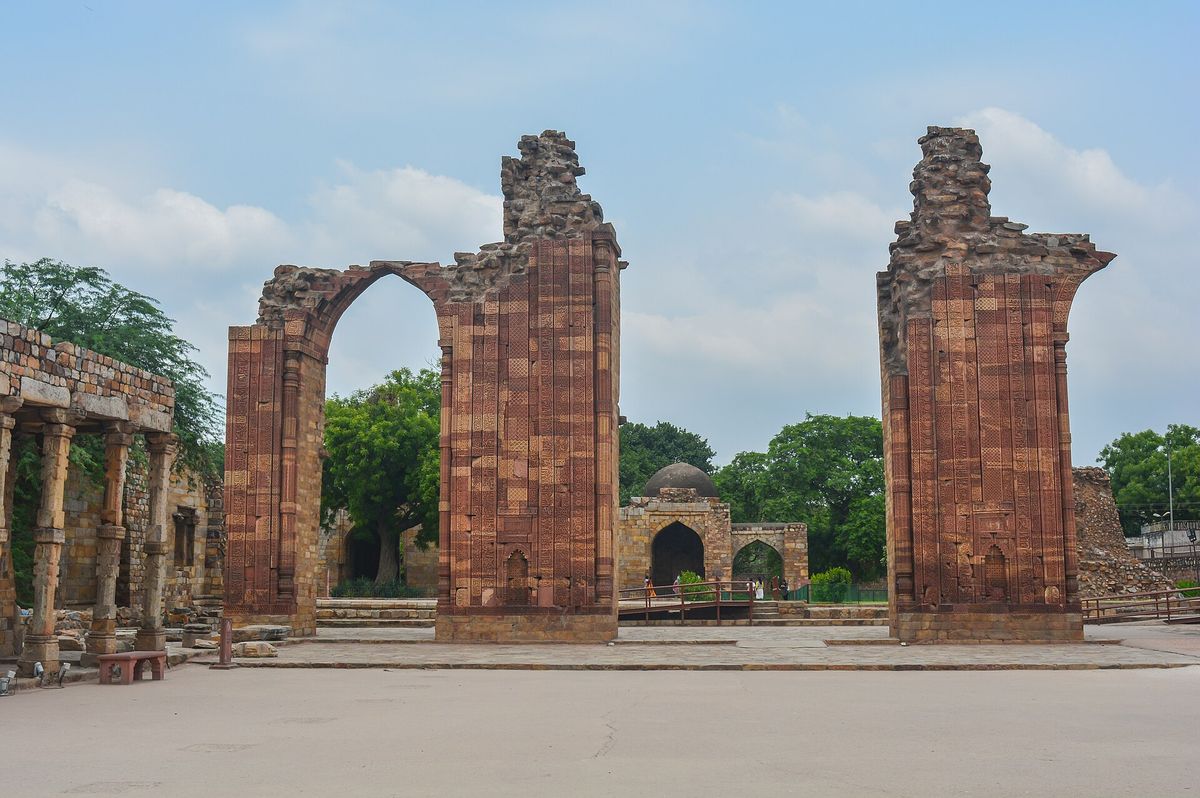
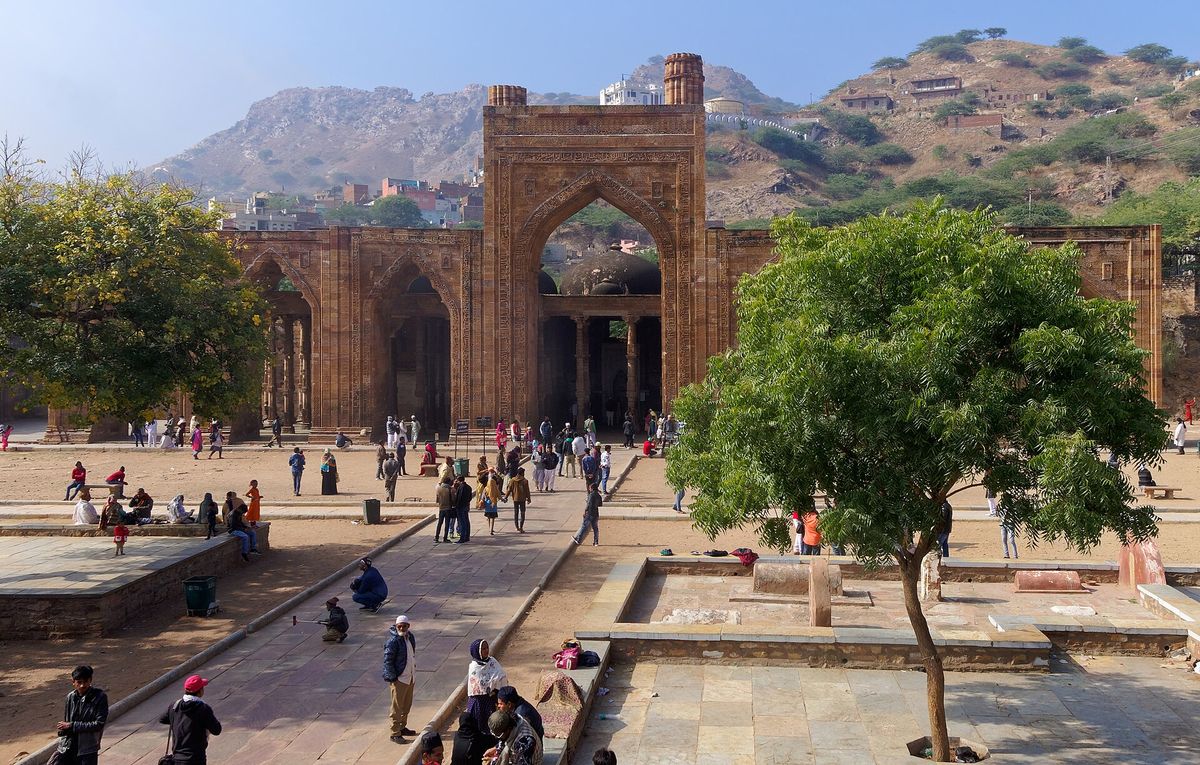
He was so generous that he was called Lakh Bakhsh ('giver of lakhs'). He began the Qutub Minar (first storey) and built the Quwwat-ul-Islam mosque in Delhi and the Adhai Din ka Jhonpra mosque in Ajmer. His court historian Hasan Nizami wrote the Taj-ul-Maasir. In 1210 Aibak fell from his horse while playing chaugan (polo) at Lahore and died; his tomb is in Lahore's Anarkali Bazaar.
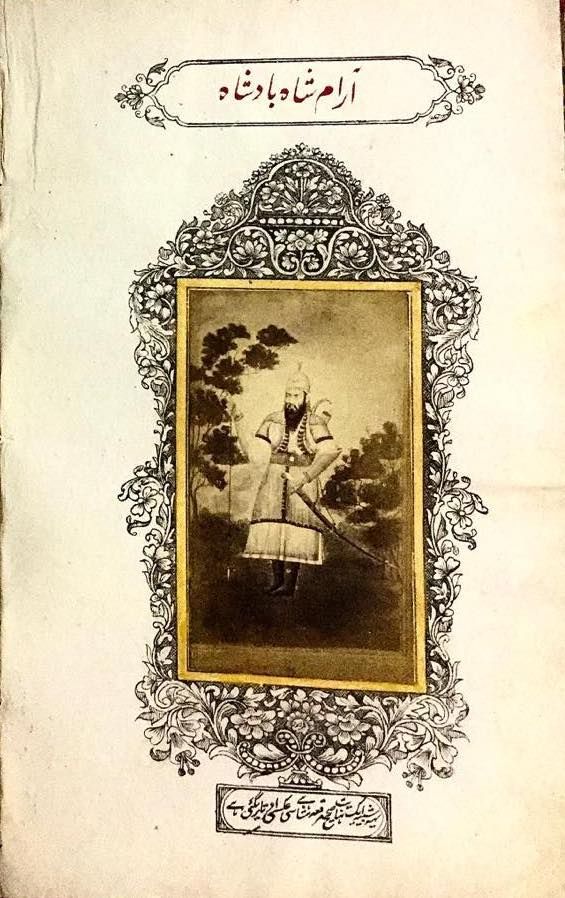
His successor Aram Shah (1210–1211) was weak. The nobles of Delhi invited Iltutmish, then governor of Badaun, who defeated Aram Shah and took the throne.
Iltutmish (1211–1236) — the real founder. Iltutmish (also written Iltumish) was an Ilbari Turk, sold as a boy and bought by Aibak, who made him his son-in-law and governor of Badaun. When he took the throne in 1211 the new state was in danger from every side. He solved each problem in turn:
- Yildiz of Ghazni marched into India — Iltutmish defeated him at Tarain in 1216 (sometimes called the third battle of Tarain).
- Qubacha of Multan and Sindh was crushed in 1228; he drowned in the Indus while fleeing.
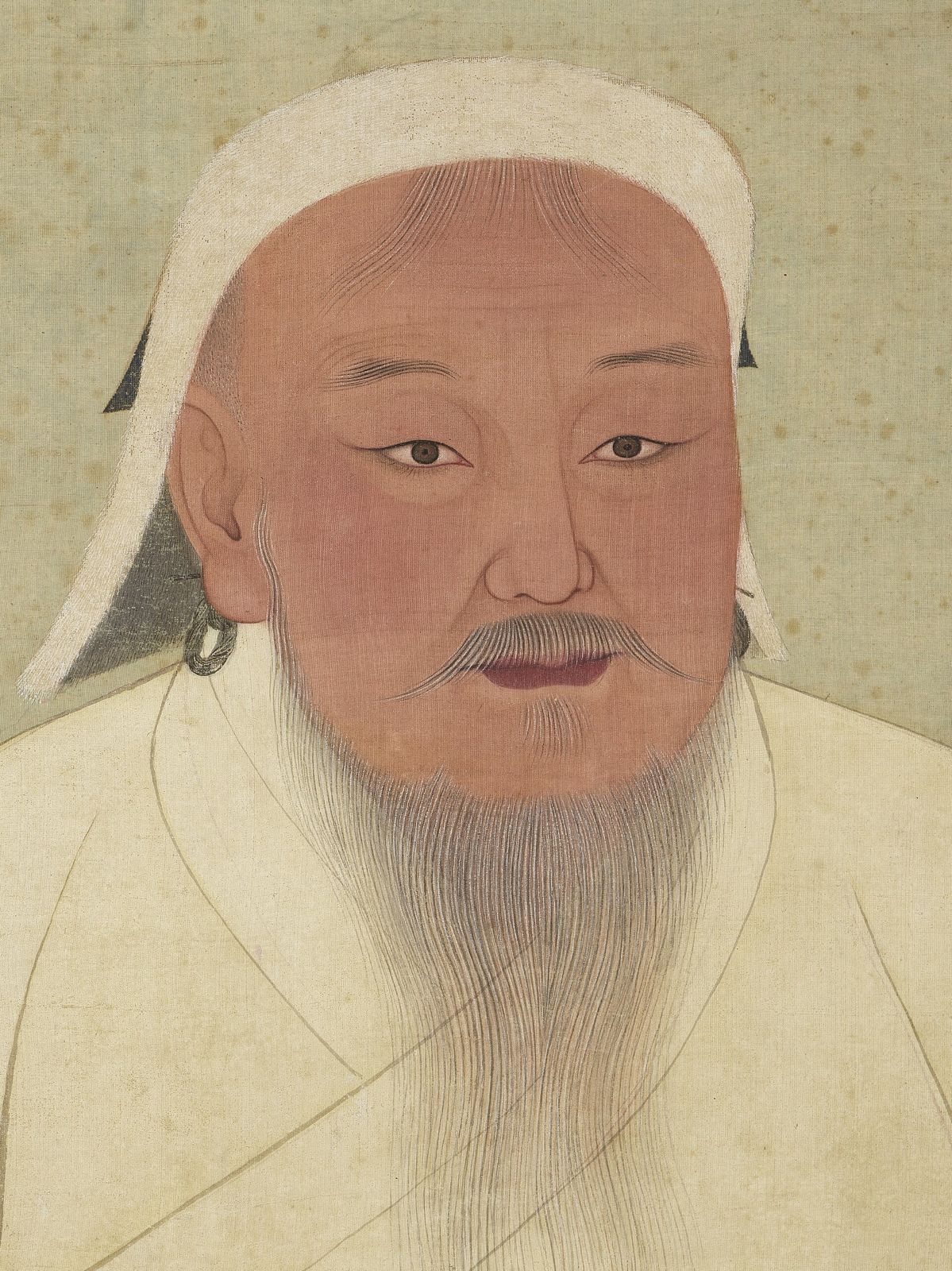
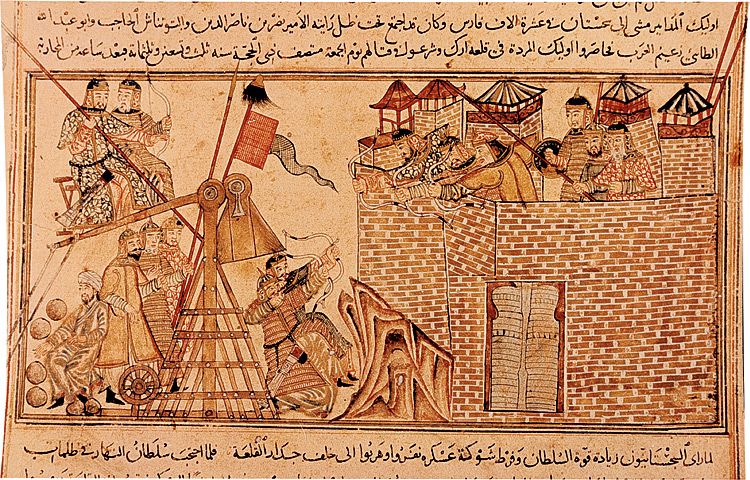
- In 1221 the Mongol conqueror Chengiz (Genghis) Khan reached the Indus chasing Jalal-ud-din Mangbarni, prince of Khwarizm. Mangbarni asked for shelter; Iltutmish politely refused, and the Mongols turned back. This saved the young Sultanate.
- Bengal, which had broken away under Iwaz Khalji, was brought back by his eldest son Nasir-ud-din Mahmud.
- He recaptured Rajput forts such as Ranthambore (1226) and Gwalior (1231).
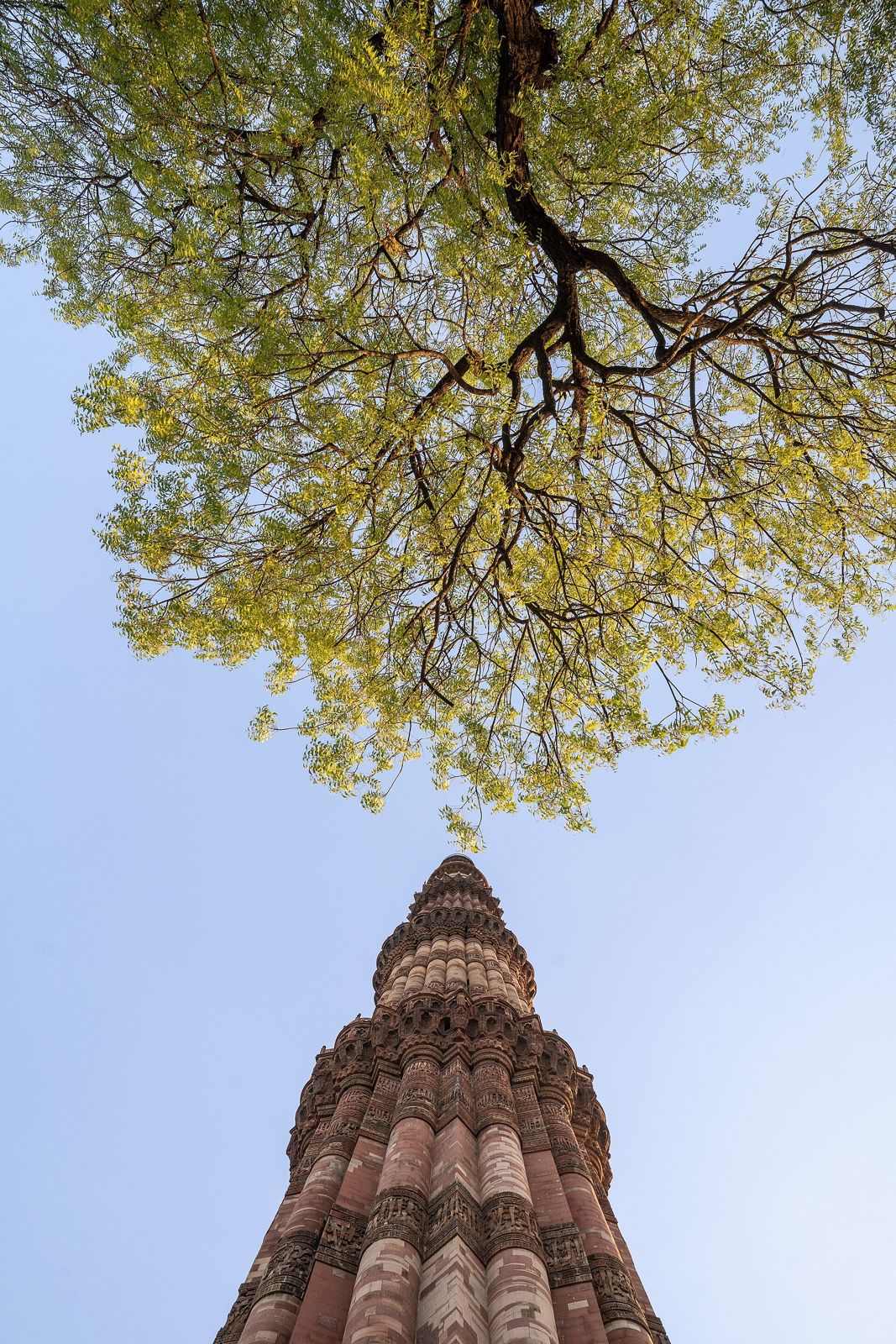
He made Delhi the capital and finished the Qutub Minar. In 1229 the Abbasid Caliph of Baghdad sent him a robe and a letter of investiture — recognition that he was the lawful Sultan of India.
How Iltutmish organised the state. Three of his ideas lasted for centuries:
- The iqta system. Instead of paying officers in cash, he gave each one the land revenue of an area, called an iqta. The holder — the iqtadar or muqti — collected the tax, kept order, and maintained soldiers for the Sultan. The iqta was a transferable assignment, not a gift of the land itself.
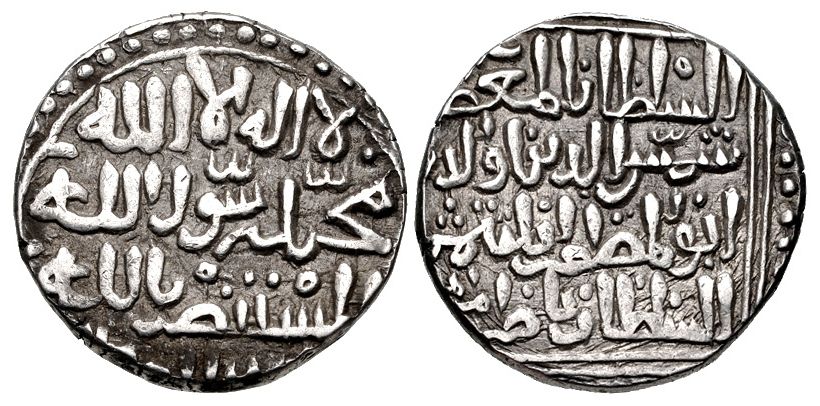
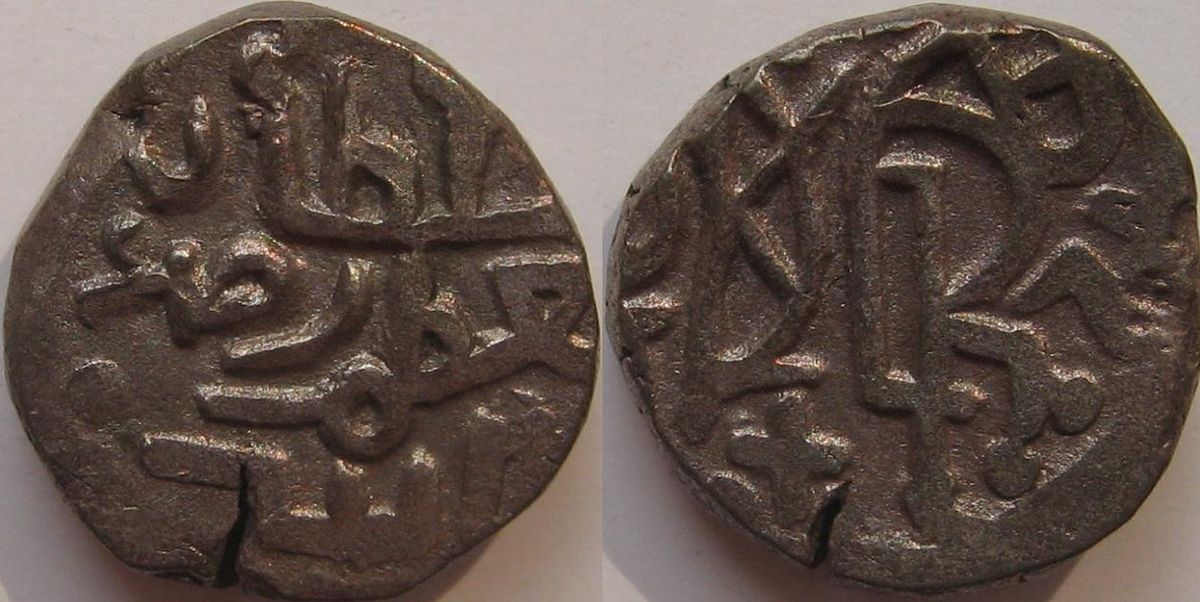
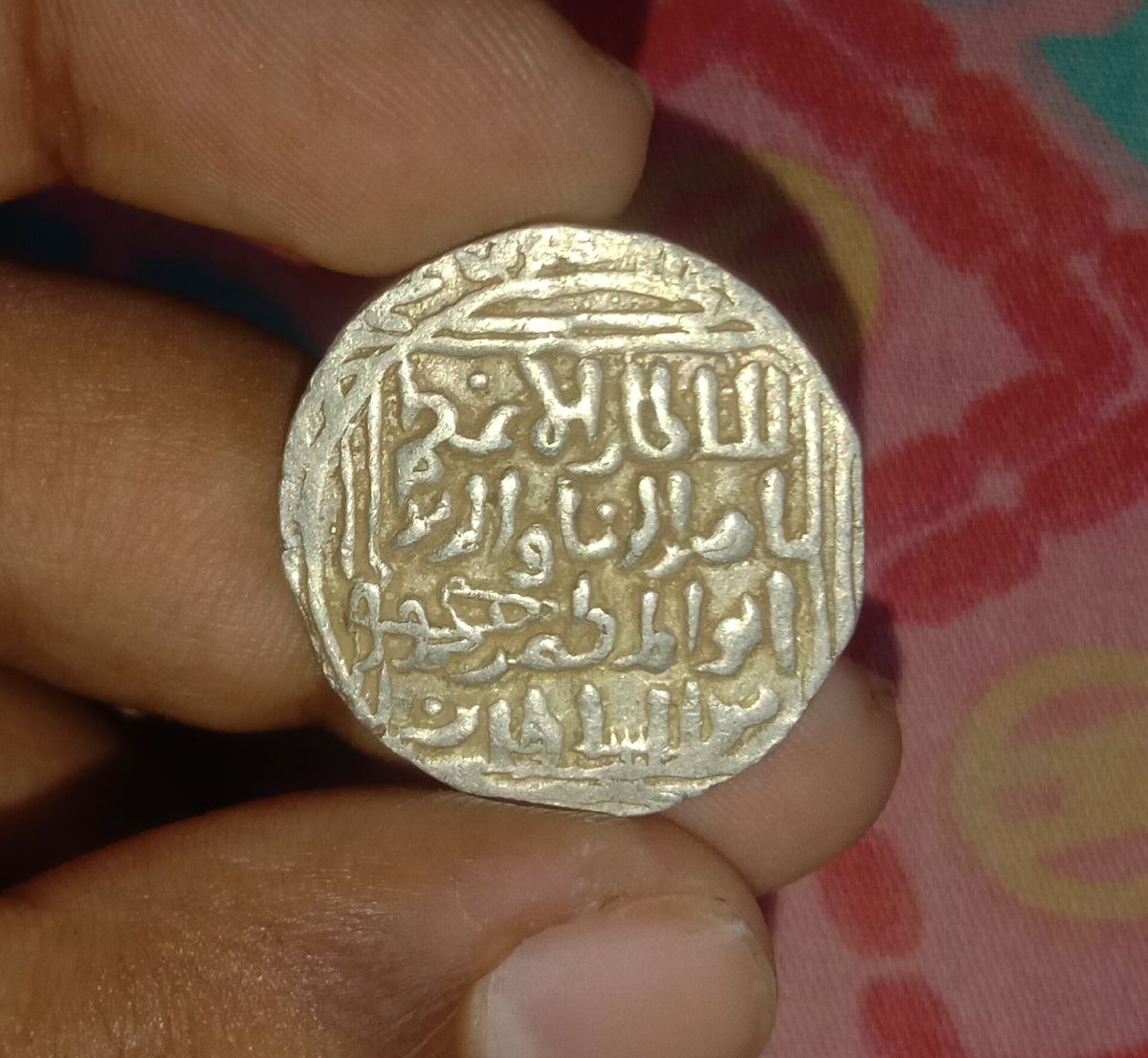
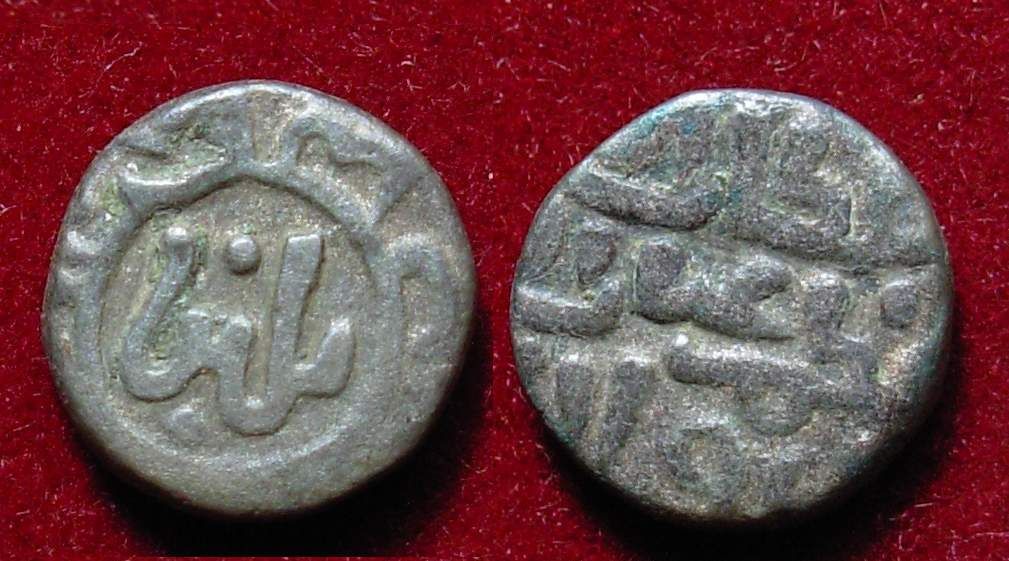
- The coins. He issued the silver tanka and the copper jital — the two basic coins of the Sultanate.
- The Forty. He gathered a group of forty loyal Turkish slave-officers, the Turkan-i-Chahalgani ('the Forty', also called the Chalisa). They held the top posts and kept his throne safe — but after his death they became king-makers.
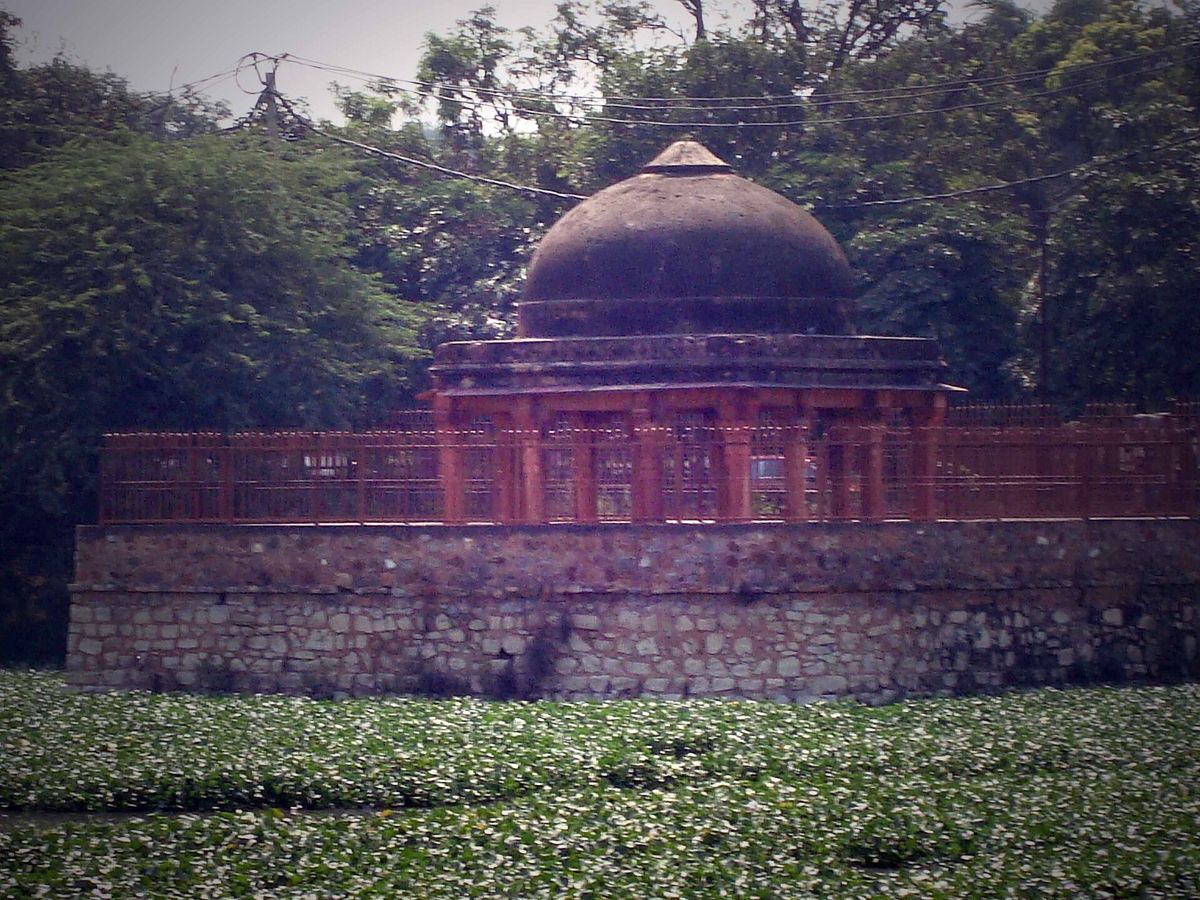
He also built Sultan Ghari (1231) in Delhi for his dead son Nasir-ud-din Mahmud — the first Islamic tomb in India — and the Hauz-i-Shamsi water tank at Mehrauli. Before he died in 1236 he named his daughter Razia as heir, saying she was abler than his sons.
Razia Sultan (1236–1240). The nobles first ignored Iltutmish's wish and crowned his son Rukn-ud-din Firoz (1236). He spent his time in pleasure while his mother Shah Turkan ran the court cruelly; within about seven months the people of Delhi and the army rose against them, and Razia was placed on the throne.
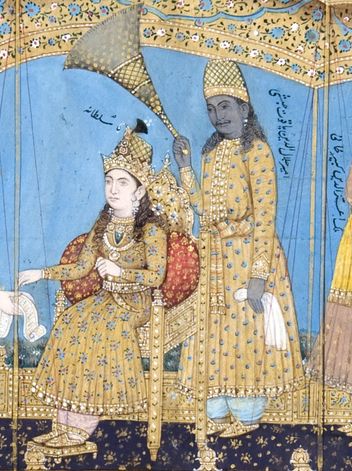
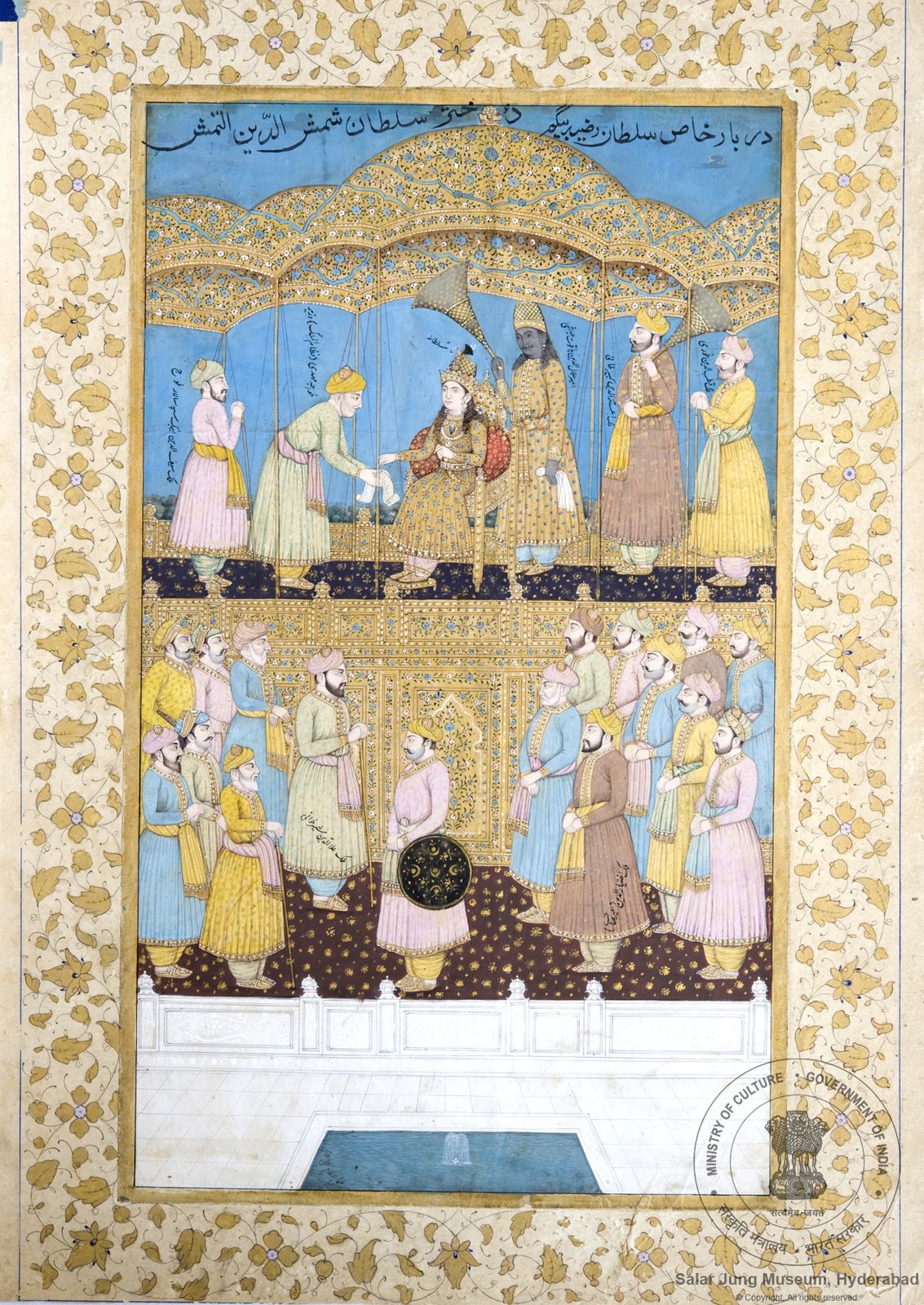
Razia was the first and only woman to rule the Delhi Sultanate. She gave up the purdah, wore a man's tunic and cap (qaba and kulah), held open court, rode an elephant through the city and led her own army. Coins were struck in her name.
The Turkish nobles of 'the Forty' did not want a strong ruler — least of all a woman. They were further angered when she appointed Jamal-ud-din Yaqut, an Abyssinian (African) noble, as Amir-i-Akhur (master of the royal stables). In 1240 Malik Altunia, the governor of Bathinda, rebelled. When Razia marched against him, her nobles turned on her: Yaqut was killed and Razia was imprisoned in Qila Mubarak, Bathinda. In Delhi the nobles crowned her brother Bahram Shah.
Razia then married Altunia, and the two marched on Delhi together. They were defeated, and in October 1240 both were killed near Kaithal (Haryana).
The weak Sultans and the power of 'the Forty' (1240–1266). After Razia, the nobles set up and pulled down rulers as they liked:
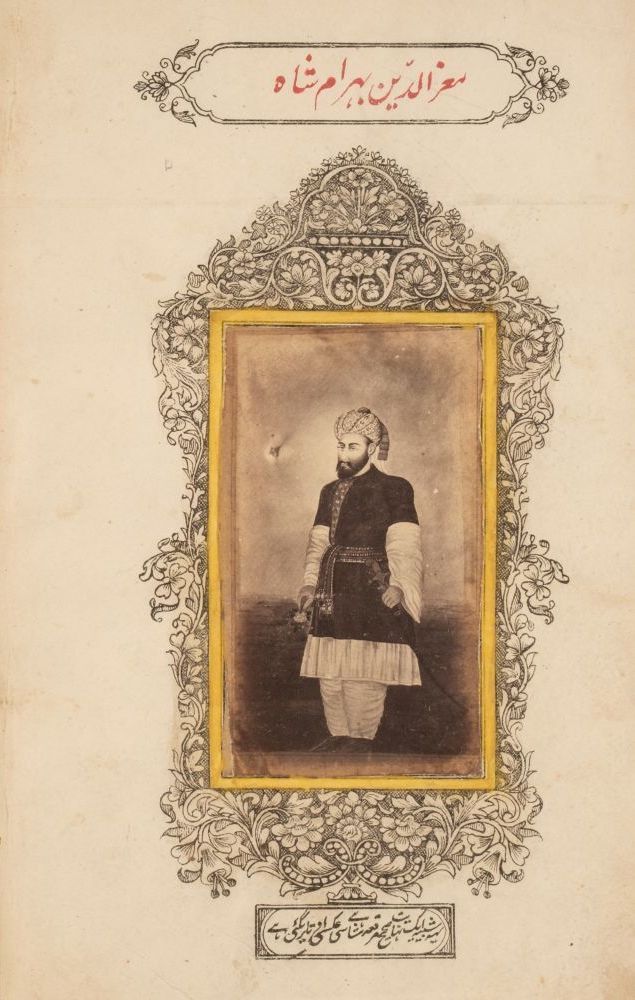
- Bahram Shah (1240–1242) — the nobles forced him to create a new post, Naib-i-Mamlikat (deputy of the kingdom), held by one of them. In 1241 the Mongols sacked Lahore. Bahram was killed by his own nobles.
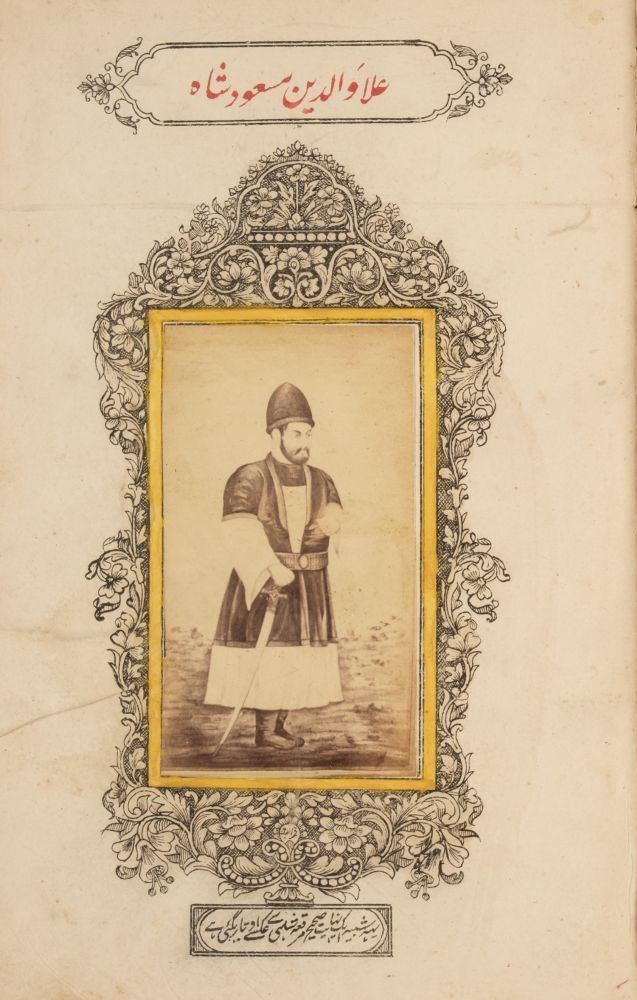
- Ala-ud-din Masud Shah (1242–1246), a grandson of Iltutmish, was also removed by the nobles.
- Nasir-ud-din Mahmud (1246–1266), Iltutmish's youngest son (named after his dead elder brother), was gentle and religious — he is said to have earned his living by copying the Quran. Real power lay with Balban, who became his Naib (deputy), married his daughter to the Sultan, and in 1249 received the title Ulugh Khan.
The historian Minhaj-us-Siraj dedicated his history, the Tabaqat-i-Nasiri, to this Sultan — that is why the book is called 'Nasiri'.
Ghiyas-ud-din Balban (1266–1287). Balban was an Ilbari Turk who had himself been one of 'the Forty'. When Nasir-ud-din Mahmud died in 1266 without a son, Balban made himself Sultan — and set out to make the throne so high that no noble could touch it.
His theory of kingship. Balban said the king is the 'shadow of God on earth' (Zil-i-Ilahi) and holds his office as God's deputy (Niyabat-i-Khudai). He claimed descent from Afrasiyab, a hero-king of Persian legend. He made courtiers perform sijda (prostrating before him) and paibos (kissing his feet), started the Persian new-year festival Nauroz at court, kept a stern, unsmiling court, and refused to give high office to men of humble birth.
Breaking 'the Forty'. He punished, poisoned or removed the surviving members of the Chahalgani, one by one, until none could challenge him.
Army and spies. He set up a separate military department, the Diwan-i-Arz, under the Ariz-i-Mumalik, to recruit, pay and inspect the army. He placed news-reporters and spies (barids) in every province and town.
Order by force — 'blood and iron'. He cleared the forests around Delhi and crushed the Mewati raiders who robbed travellers. When Tughril Khan, governor of Bengal, declared himself independent (1279), Balban marched there himself, hunted him down and had his supporters executed in public; he then made his son Bughra Khan governor of Bengal. Because of such harshness his policy is called 'blood and iron' (khun aur lohe ki niti).
The Mongols. Balban strengthened forts on the north-west frontier and posted his favourite son Prince Muhammad at Multan. In 1285 the prince was killed fighting the Mongols — the poet Amir Khusrau, then in his service, was briefly taken captive. The old Sultan never recovered from the loss and died in 1287.
The end of the dynasty (1287–1290). Balban had named Prince Muhammad's son Kai Khusrau as heir, but the nobles instead crowned Kaiqubad, the teenage son of Bughra Khan. Kaiqubad gave himself up to pleasure and fell ill; the nobles then put his infant son Kayumars on the throne. In 1290 Jalal-ud-din Firoz Khilji, the Ariz (army minister), seized power and the Slave dynasty ended. Because the Khiljis were not of the old Turkish slave-nobility, this change is often called the 'Khilji revolution'.
- 1206Ghori murdered; Aibak takes charge of the Indian conquests
- 1208Aibak formally freed
- 1210Aibak dies playing chaugan at Lahore; Aram Shah
- 1211Iltutmish takes the throne
- 1216Iltutmish defeats Yildiz at Tarain
- 1221Chengiz Khan at the Indus; Iltutmish refuses shelter to Mangbarni
- 1228Qubacha crushed; drowns in the Indus
- 1229Abbasid Caliph's letter of investiture
- 1236Iltutmish dies; Rukn-ud-din Firoz, then Razia
- 1240Altunia's revolt; Razia killed near Kaithal
- 1241Mongols sack Lahore
- 1246Nasir-ud-din Mahmud; Balban as Naib
- 1266Balban becomes Sultan
- 1279Tughril Khan's revolt in Bengal crushed
- 1285Prince Muhammad killed fighting the Mongols
- 1287Balban dies; Kaiqubad
- 1290Jalal-ud-din Khilji takes the throne
| Ruler | Years | Remember |
|---|---|---|
| Qutb-ud-din Aibak | 1206–1210 | Lakh Bakhsh; ruled from Lahore; began Qutub Minar; died playing chaugan |
| Aram Shah | 1210–1211 | Weak; removed by Iltutmish |
| Iltutmish | 1211–1236 | Real founder; Delhi capital; iqta; tanka and jital; the Forty; Caliph 1229 |
| Rukn-ud-din Firoz | 1236 | Misrule with mother Shah Turkan; removed in months |
| Razia Sultan | 1236–1240 | Only woman ruler; Yaqut; Altunia; killed near Kaithal |
| Bahram Shah | 1240–1242 | Naib-i-Mamlikat post created; Mongols sack Lahore 1241 |
| Masud Shah | 1242–1246 | Grandson of Iltutmish; removed by nobles |
| Nasir-ud-din Mahmud | 1246–1266 | Pious, copied the Quran; Balban as Naib; Tabaqat-i-Nasiri |
| Balban | 1266–1287 | Zil-i-Ilahi; sijda, paibos, Nauroz; Diwan-i-Arz; crushed the Forty; blood and iron |
| Kaiqubad, Kayumars | 1287–1290 | Weak; Jalal-ud-din Khilji takes over |
| Term | Meaning | Linked to |
|---|---|---|
| Iqta / Iqtadar (Muqti) | Revenue of an area assigned to an officer in place of salary / its holder | Iltutmish |
| Turkan-i-Chahalgani (Chalisa) | Group of forty Turkish slave-nobles | Formed by Iltutmish, crushed by Balban |
| Tanka / Jital | Silver coin / copper coin | Iltutmish |
| Naib-i-Mamlikat | Deputy of the kingdom — a regent-like post | Created under Bahram Shah |
| Amir-i-Akhur | Master of the royal stables | Yaqut, under Razia |
| Zil-i-Ilahi / Niyabat-i-Khudai | Shadow of God / the king as God's deputy | Balban |
| Sijda / Paibos | Prostration / kissing the Sultan's feet | Balban |
| Nauroz | Persian new-year festival held at court | Balban |
| Diwan-i-Arz / Ariz-i-Mumalik | Military department / its head | Balban |
| Barid | News-reporter and spy | Balban |
| Building / book | Where | Who |
|---|---|---|
| Quwwat-ul-Islam mosque | Qutub complex, Delhi | Aibak (screen extended by Iltutmish) |
| Adhai Din ka Jhonpra | Ajmer | Aibak (screen added by Iltutmish) |
| Qutub Minar | Delhi | Begun by Aibak, completed by Iltutmish; repaired by Firoz Tughlaq |
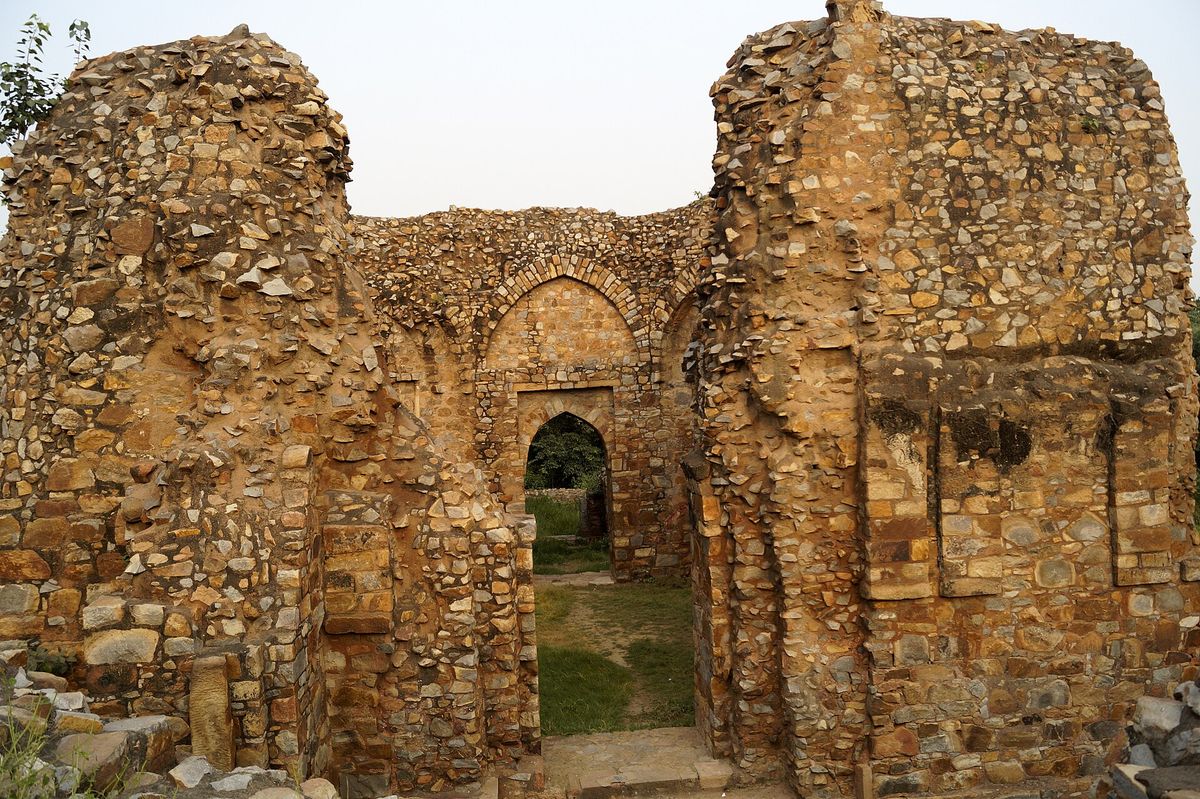
| Sultan Ghari — first Islamic tomb in India | Delhi | Iltutmish, for his son (1231) |
| Iltutmish's tomb | Qutub complex, Delhi | Iltutmish |
| Hauz-i-Shamsi | Mehrauli, Delhi | Iltutmish |
| Balban's tomb — first true arch | Mehrauli, Delhi | Balban |
| Taj-ul-Maasir | Book | Hasan Nizami (Aibak's time) |
| Tabaqat-i-Nasiri | Book | Minhaj-us-Siraj, for Nasir-ud-din Mahmud |
| Tarikh-i-Firoz Shahi | Book | Ziauddin Barani — begins with Balban's reign |
| Don't mix up | Remember |
|---|---|
| First Sultan vs real founder | Aibak = first ruler (1206); Iltutmish = real founder / consolidator |
| Capital | Aibak ruled from Lahore; Iltutmish made Delhi the capital |
| Who formed vs who broke 'the Forty' | Iltutmish formed the Chahalgani; Balban crushed it |
| Tanka and jital | Iltutmish — not Alauddin, not Sher Shah (Sher Shah's coin is the rupiya) |
| First Islamic tomb vs first true arch | Sultan Ghari (Iltutmish) vs Balban's tomb |
| Razia's prison and death | Held at Qila Mubarak, Bathinda by Altunia; killed near Kaithal |
| Diwan-i-Arz vs Diwan-i-Riyasat | Diwan-i-Arz (army) = Balban; Diwan-i-Riyasat (markets) = Alauddin Khilji |
| Ulugh Khan | Title of Balban (1249) — not of Aibak or Iltutmish |
| Tabaqat-i-Nasiri | Minhaj-us-Siraj, named after Nasir-ud-din Mahmud — not Nasir-ud-din Qubacha |