The Sayyids (1414–1451). The Sayyids claimed descent from the Prophet's family, which is why they are called Sayyids. They ruled a small, weak kingdom around Delhi for 37 years.
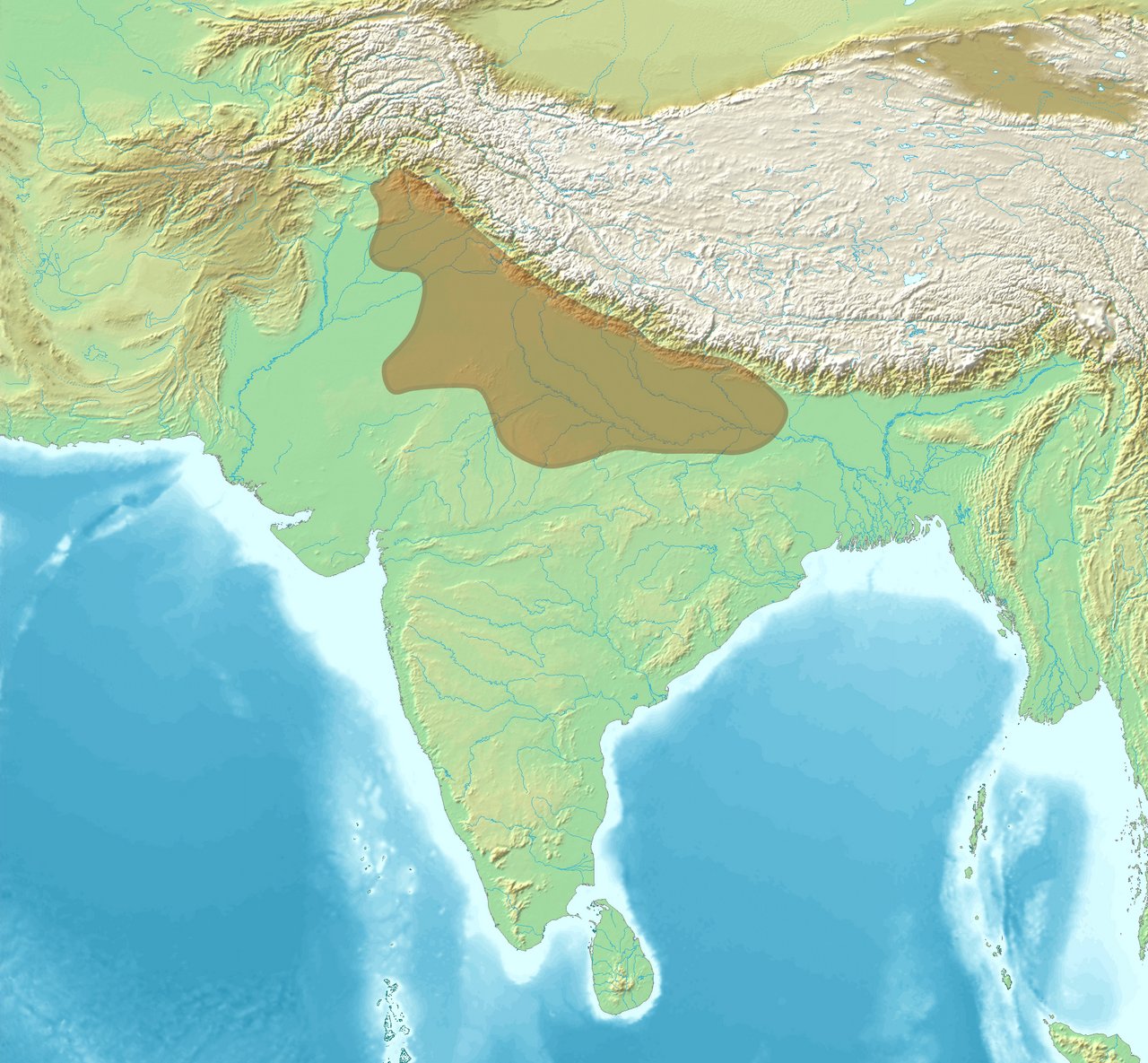
- Khizr Khan (1414–1421) had been Timur's governor of Multan. He took Delhi in 1414 but ruled as the deputy of Timur's son Shah Rukh, sent him tribute, and never took the title Sultan — he was content with Rayat-i-Ala ('lofty banners').
- Mubarak Shah (1421–1434) took the royal title Shah and issued coins in his own name. The historian Yahya bin Ahmad Sirhindi wrote the Tarikh-i-Mubarak Shahi for him — the main source for this period. He was murdered in 1434.
- Muhammad Shah (1434–1445) was weak. When the Sultan of Malwa attacked, Bahlul Lodi, an Afghan governor of Sirhind in Punjab, came to his help and grew so powerful that he soon controlled most of Punjab.
- Alam Shah (1445–1451) retired to Badaun and in 1451 handed Delhi to Bahlul Lodi without a fight.
The Lodis (1451–1526) — the first Afghan dynasty. The Lodis were an Afghan tribe. Afghan custom treated the chief as first among equals, not as a god-like king, and this shaped their politics.
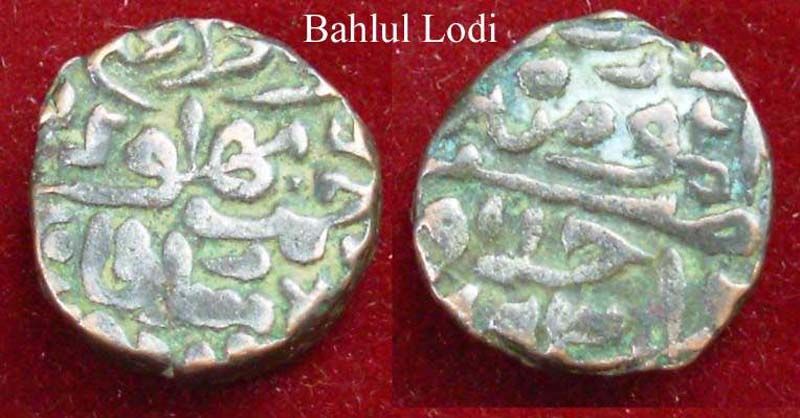
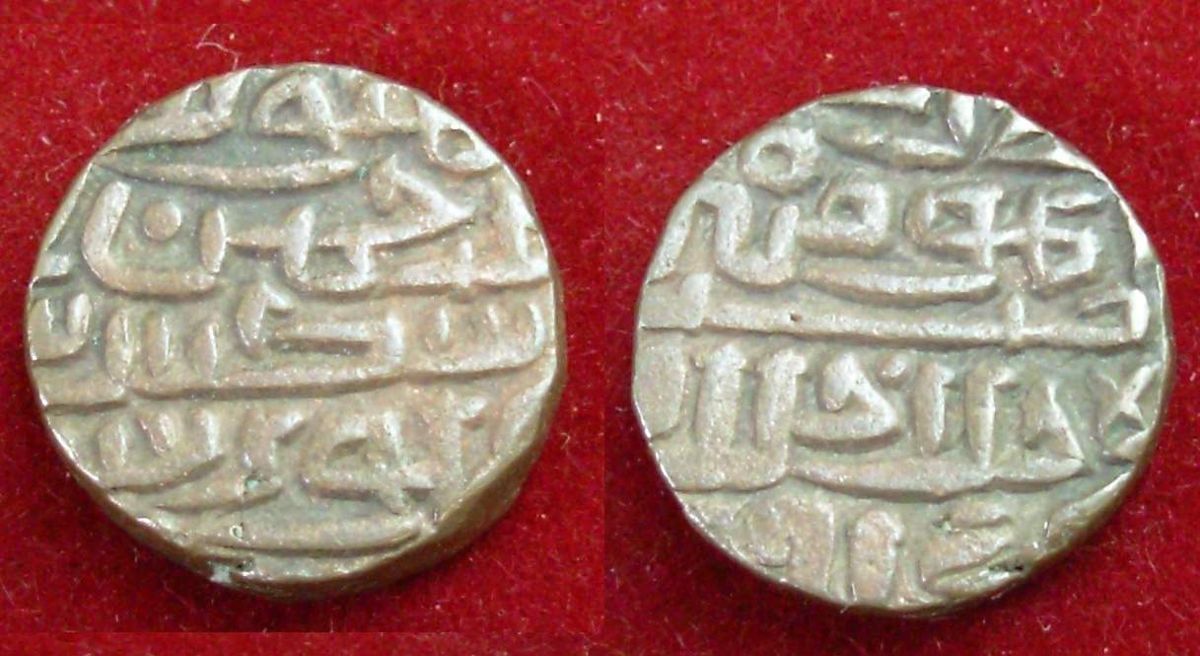
Bahlul Lodi (1451–1489). Bahlul respected that custom: he is said to have sat on a carpet with his nobles rather than on a raised throne, and to have called them his companions. His great achievement was a long war with the Sharqi Sultans of Jaunpur, who had made Jaunpur a rival of Delhi; around 1479 he conquered Jaunpur and made his son Barbak Shah its governor. He issued a copper coin, the bahluli, which stayed in use into Akbar's time.
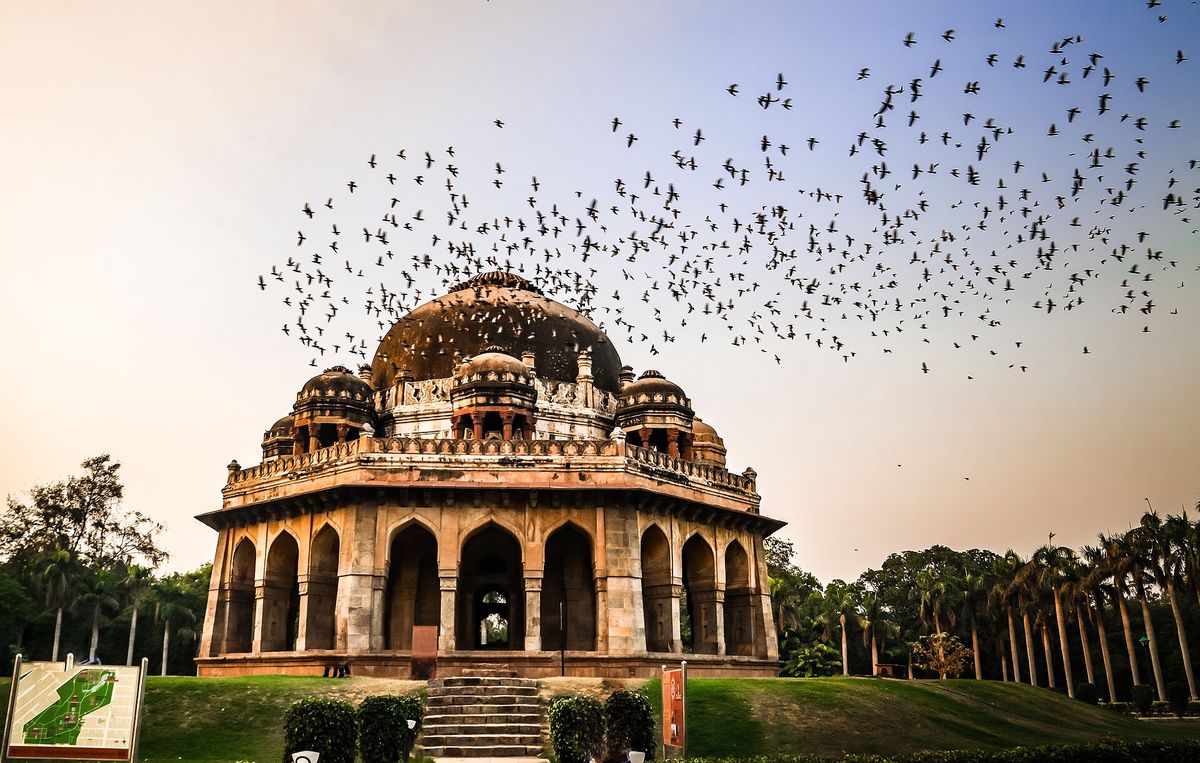
Sikandar Lodi (1489–1517) — the ablest Lodi. He brought Bihar under control and in 1504 founded the city of Agra, which he made his capital so that he could watch the chiefs of Rajasthan and Gwalior. He:
- introduced a standard measuring yard, the gaz-i-Sikandari, used to measure land for revenue, and had accounts carefully audited;
- removed the duty on grain so that food stayed cheap;
- wrote Persian poetry under the pen name Gulrukhi, and had Sanskrit works on medicine translated into Persian;
- was strictly orthodox and destroyed temples at places such as Mathura.
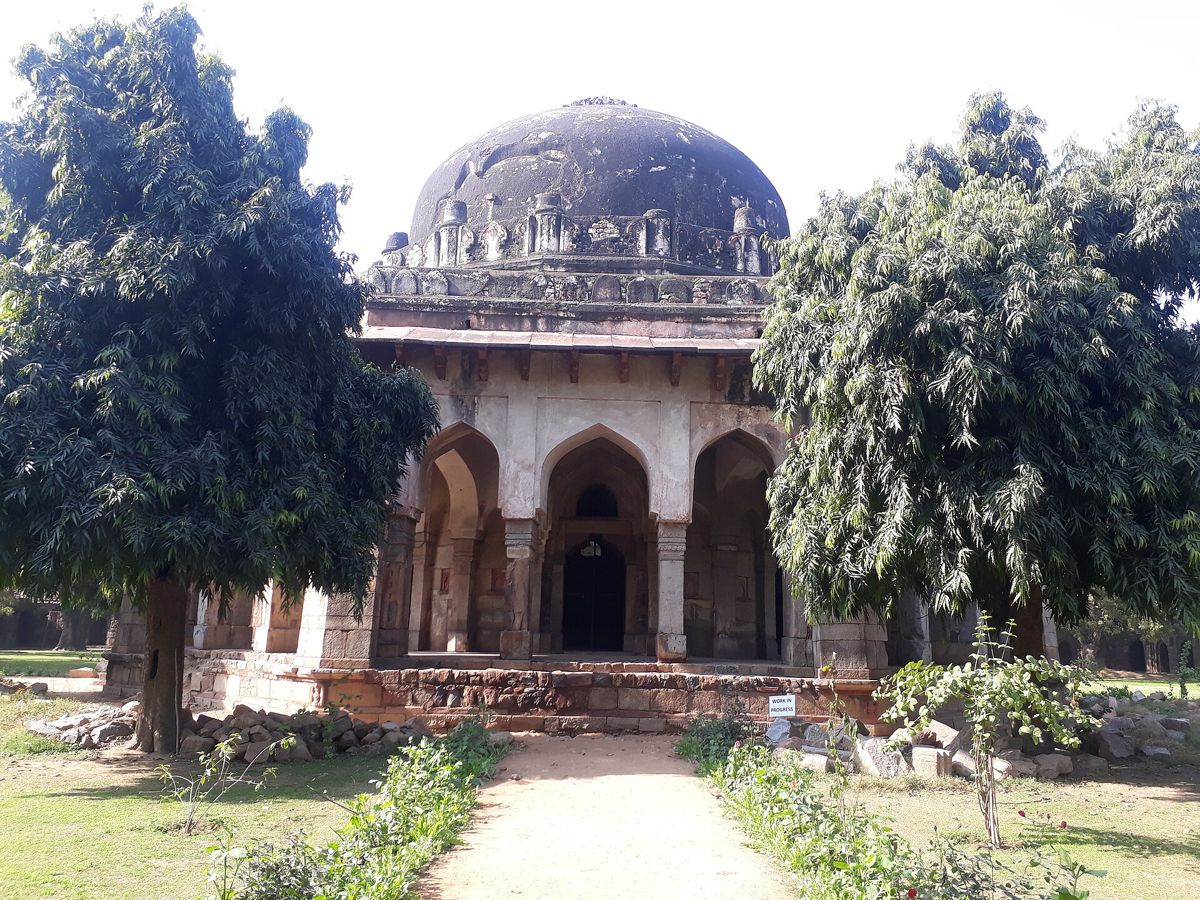
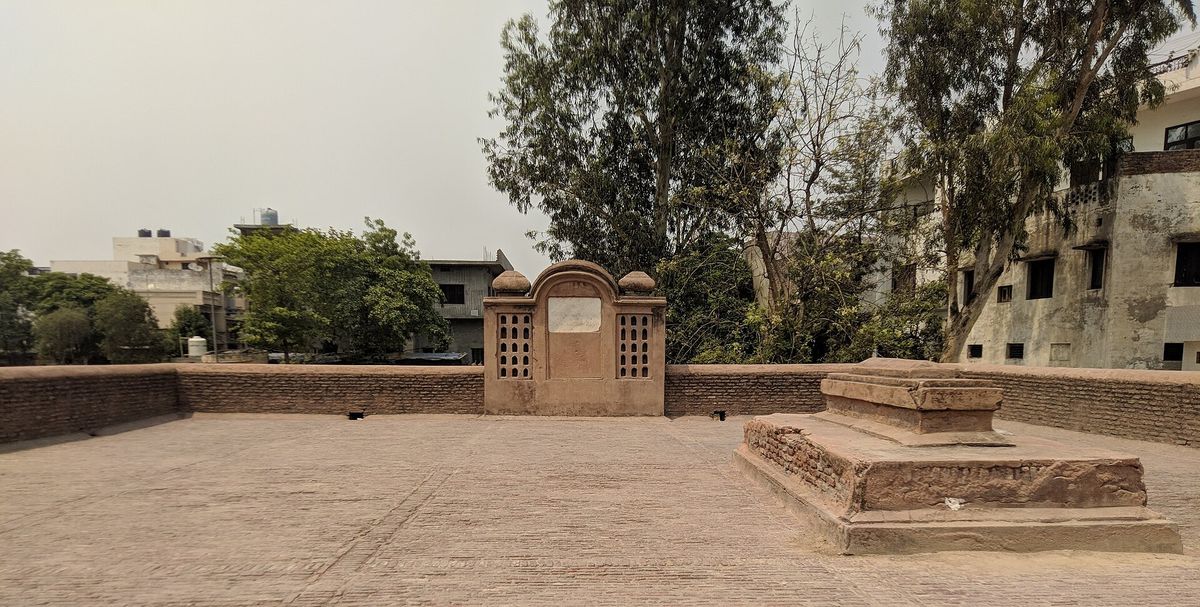
His tomb in Delhi's Lodi Gardens is often cited as the first in India with a double dome.
Ibrahim Lodi (1517–1526) — the last Sultan of Delhi. Unlike his father and grandfather, Ibrahim insisted that the Sultan was above the nobles, and he humiliated and imprisoned powerful Afghans. His brother Jalal Khan revolted, and Rana Sanga of Mewar defeated his army at Khatoli (1517). Two discontented nobles — Daulat Khan Lodi, the governor of Punjab, and Ibrahim's uncle Alam Khan — invited Babur, the Timurid ruler of Kabul, to invade.
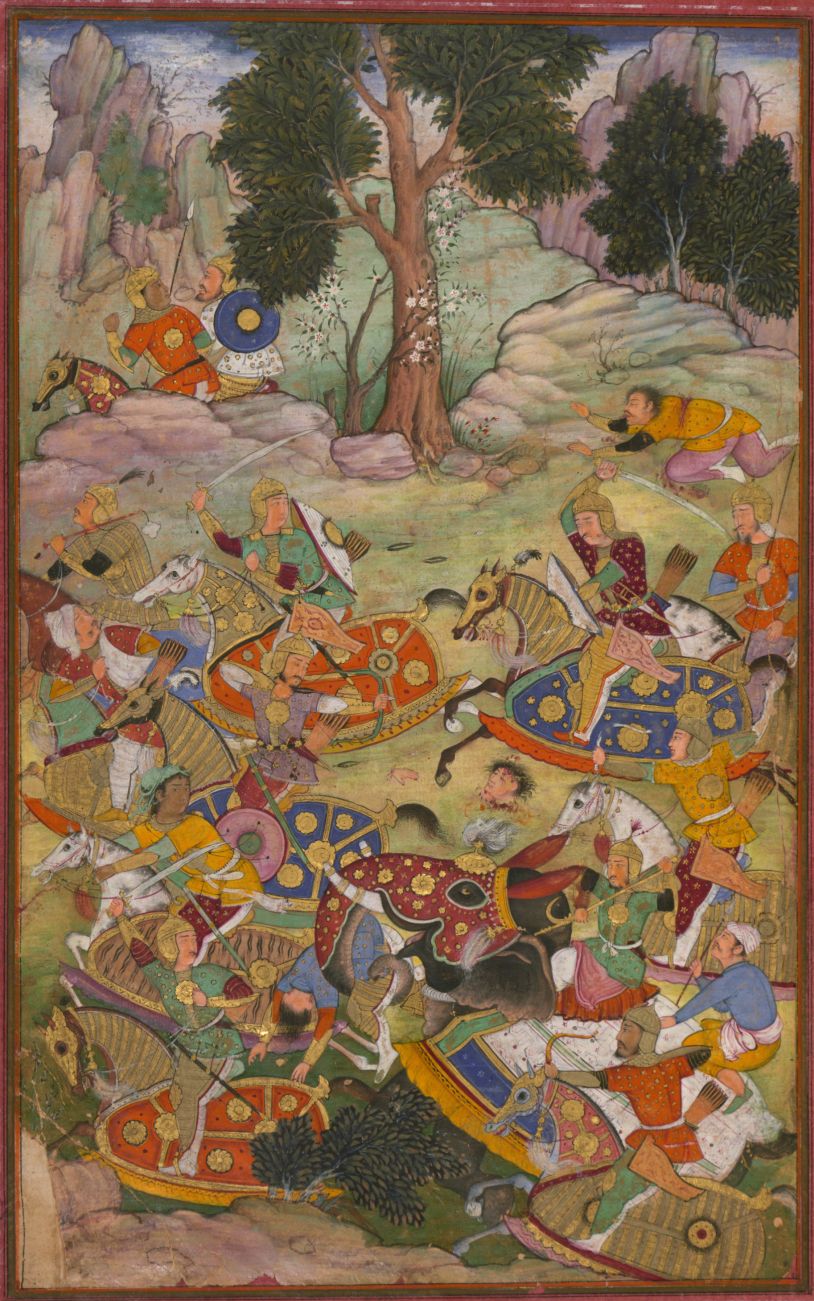
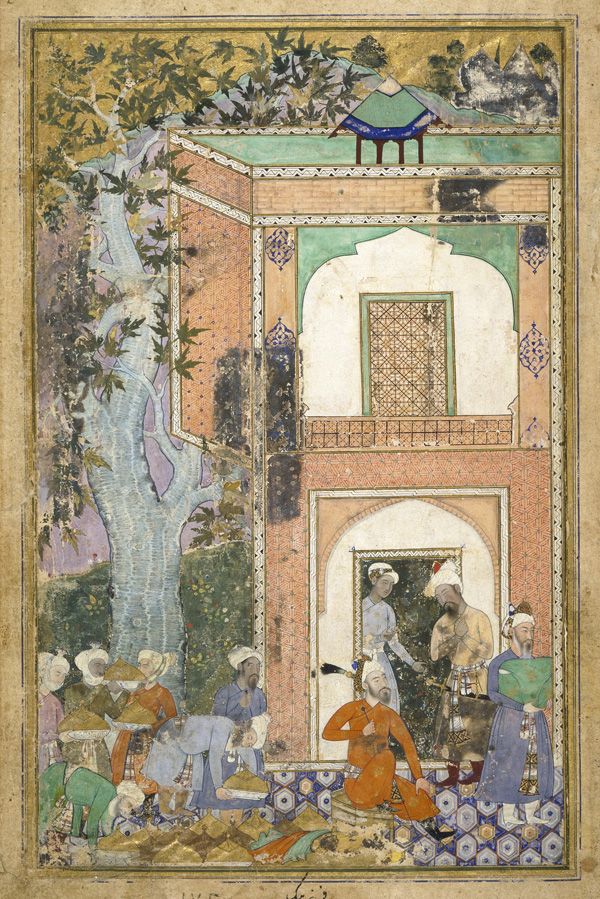
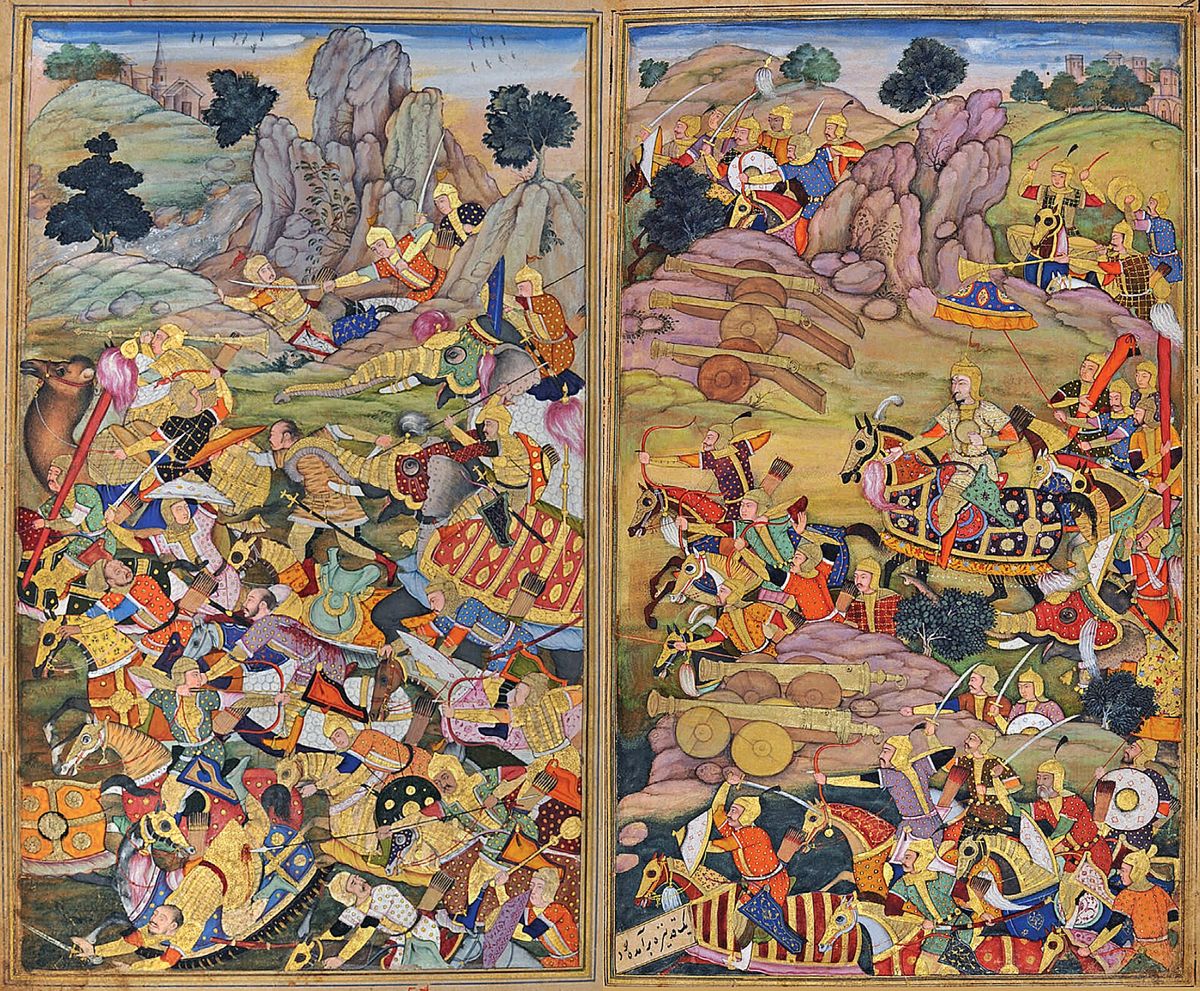
The First Battle of Panipat (April 1526). Babur met Ibrahim on the plain of Panipat (in today's Haryana). Ibrahim's army was far larger and had many war elephants; Babur had perhaps 12,000 men, but he had gunpowder weapons — matchlocks and field cannon under his gunners Ustad Ali Quli and Mustafa — carts tied together as a protective line, and the Central Asian tulughma tactic of sweeping round the enemy's flanks. The elephants panicked under gunfire, the Afghan army was surrounded, and Ibrahim Lodi died fighting — the only Sultan of Delhi to fall on the battlefield. Babur entered Delhi and Agra, and the Delhi Sultanate ended after 320 years. The Mughal empire had begun.
How the Sultans ruled. The Sultan held all power — army, law and taxes — and there was no fixed law of succession, which is why so many reigns ended in murder or revolt. Under him the main ministers ran departments called diwans:
| Department | Head | Work |
|---|---|---|
| Diwan-i-Wizarat | Wazir (chief minister) | Finance and revenue; helped by the Mushrif-i-Mumalik (accountant-general) and Mustaufi-i-Mumalik (auditor-general) |
| Diwan-i-Arz | Ariz-i-Mumalik | Army — recruitment, pay, inspection (made a separate department by Balban) |
| Diwan-i-Insha | Dabir-i-Khas | Royal letters, orders and correspondence |
| Diwan-i-Risalat | Sadr-us-Sudur | Religious matters and grants to scholars and holy men |
| Justice | Qazi-ul-Quzat (chief qazi) | Courts and Islamic law |
| Intelligence | Barid-i-Mumalik | News-reporters (barids) in every province |
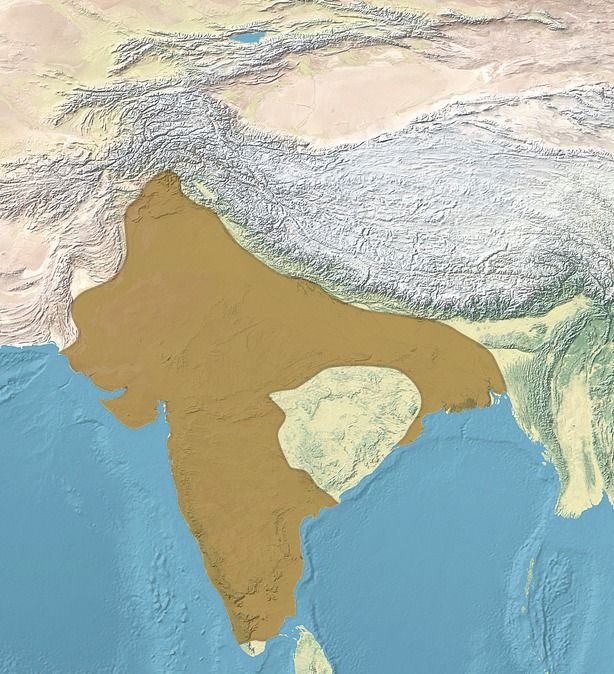
Provinces and villages. The empire was divided into iqtas (provinces), each given to a noble called the muqti or iqtadar (later also called wali), who collected the revenue, paid his troops from it and sent the surplus to Delhi. Under the later Sultans the iqtas were split into shiqs (districts, under a shiqdar), and these into parganas (groups of villages, under an amil). In the village, the headman (muqaddam or chaudhri) and the village accountant (patwari) linked the peasants to the state.
Taxes. The main taxes were kharaj (land tax on non-Muslims, usually one-third to one-half of the produce), ushr (land tax on Muslims, one-tenth), jizya (a tax on non-Muslims in place of military service), zakat (a religious tax on wealthy Muslims, used for charity) and khams (the state's one-fifth share of war booty).
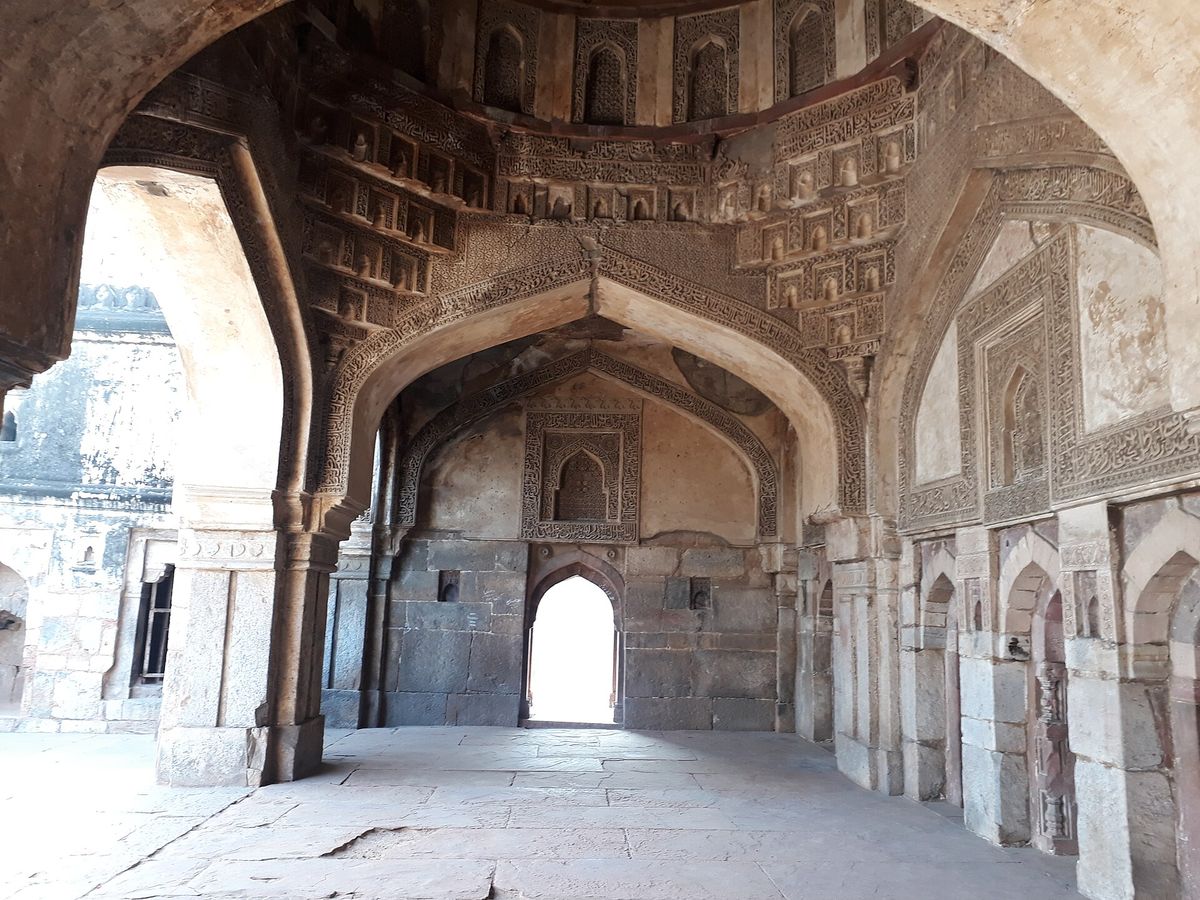
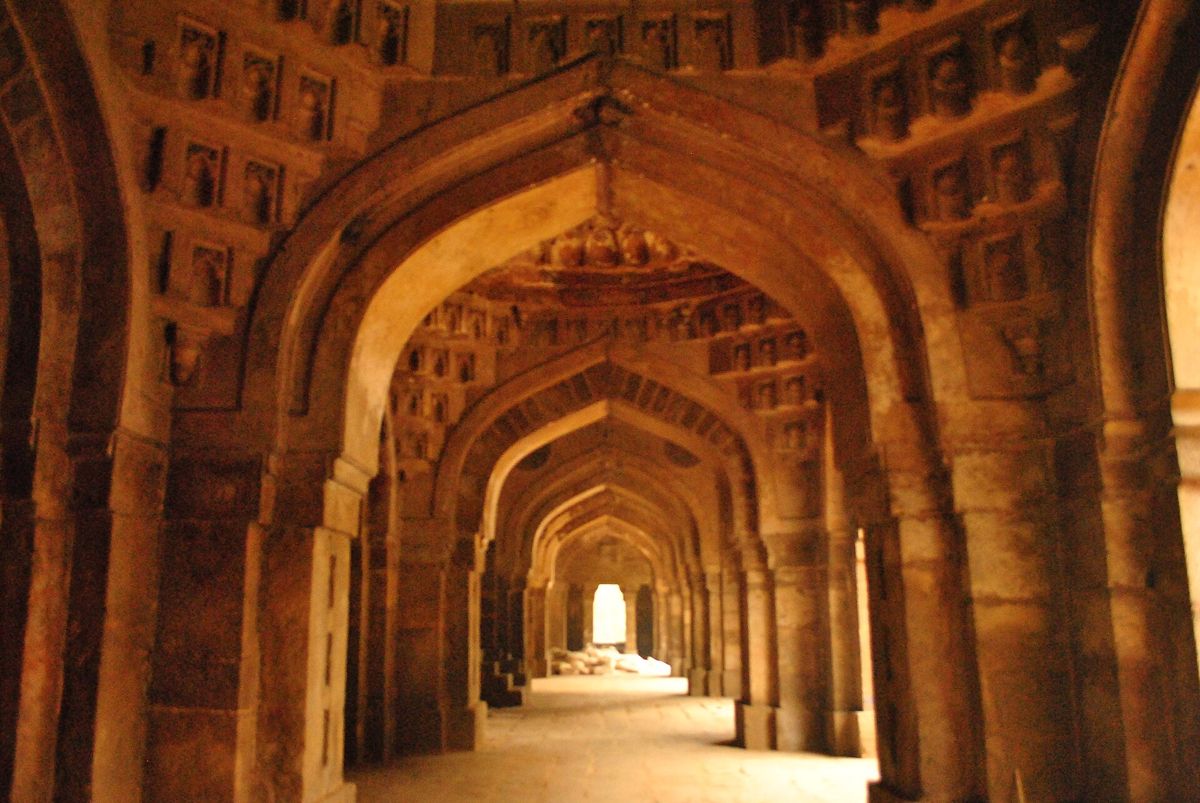
A changing society. Persian became the language of the court and of government records. New techniques spread in these centuries — the spinning wheel (charkha), the cotton-carder's bow, paper-making, and the Persian wheel for lifting water — while the true arch and dome, built with lime mortar, changed Indian architecture.
| Term | Meaning | Linked to |
|---|---|---|
| Diwan-i-Arz | Army department | Balban |
| Diwan-i-Riyasat | Market department | Alauddin Khilji |
| Diwan-i-Mustakhraj | Recovery of revenue arrears | Alauddin Khilji |
| Diwan-i-Kohi | Agriculture department | Muhammad bin Tughlaq |
| Diwan-i-Khairat | Charity department | Firoz Shah Tughlaq |
| Diwan-i-Bandagan | Department of slaves | Firoz Shah Tughlaq |
| Gaz-i-Sikandari | Standard yard for measuring land | Sikandar Lodi |
| Bahluli | Copper coin | Bahlul Lodi |
| Iqta / Muqti | Province assigned for revenue / its holder | From Iltutmish onwards |
| Shiq / Pargana | District / group of villages | Later Sultanate, Lodis |
| Kharaj · Ushr · Jizya · Zakat · Khams | Land tax · Muslims' land tax · tax on non-Muslims · religious tax · one-fifth of booty | Whole Sultanate |
| Dynasty | Years | Founder | Last ruler |
|---|---|---|---|
| Slave (Mamluk / Ilbari) | 1206–1290 | Qutb-ud-din Aibak | Kayumars |
| Khilji | 1290–1320 | Jalal-ud-din Firoz Khilji | Khusrau Khan (usurper); last Khilji: Mubarak Shah |
| Tughlaq | 1320–1414 | Ghiyas-ud-din Tughlaq | Nasir-ud-din Mahmud Shah |
| Sayyid | 1414–1451 | Khizr Khan | Alam Shah |
| Lodi | 1451–1526 | Bahlul Lodi | Ibrahim Lodi |
| Don't mix up | Remember |
|---|---|
| First Afghan dynasty | the Lodis (1451) — the Sayyids were not Afghans; Sher Shah Suri (also Afghan) came later |
| Khizr Khan's title | never 'Sultan' — ruled as Timur's / Shah Rukh's deputy; Rayat-i-Ala |
| Tarikh-i-Mubarak Shahi | Yahya bin Ahmad Sirhindi, for the Sayyid Mubarak Shah — not the Khilji Mubarak Shah |
| Who founded Agra | Sikandar Lodi, 1504 — not Akbar (Akbar built Agra Fort) |
| Gulrukhi | pen name of Sikandar Lodi |
| Last Sultan of Delhi | Ibrahim Lodi, killed at Panipat, 1526 — the only Sultan to die in battle |
| Who invited Babur | Daulat Khan Lodi (governor of Punjab) and Alam Khan; Rana Sanga is also said to have sent word |
| Battle of Khatoli (1517) | Rana Sanga defeated Ibrahim Lodi |
| Kharaj vs Ushr | Kharaj = land tax on non-Muslims; Ushr = one-tenth land tax on Muslims |