What is Bhakti? Bhakti means loving devotion to God — praying with the heart, in the people's own language, without costly rituals, priests or caste barriers. Saints who worshipped God with form (as Rama or Krishna) are called saguna bhaktas; those who worshipped a formless God (nirguna) — like Kabir, Ravidas and Guru Nanak — rejected idols and outward ritual altogether.
Where it began — the south (6th–9th centuries). In Tamil country, twelve Alvars sang of Vishnu and sixty-three Nayanars sang of Shiva. They came from every caste, and included women such as the Alvar poet Andal. Their hymns were collected as the Nalayira Divya Prabandham (Alvars) and the Tevaram (Nayanars).
The great teachers (acharyas). Shankaracharya (8th century, from Kaladi in Kerala) taught Advaita (non-dualism) and set up four mathas. Ramanuja (12th century) taught Vishishtadvaita and made devotion to Vishnu the path to salvation; Madhva (13th century) taught Dvaita (dualism). In Karnataka, Basavanna (12th century) founded the Virashaiva / Lingayat movement, which rejected caste and temple ritual.
Maharashtra. The Varkari saints, devotees of Vitthala at Pandharpur, wrote in Marathi: Jnaneshwar (13th century), who wrote the Jnaneshwari, a Marathi commentary on the Gita; Namdev (14th century), a tailor whose verses are in the Guru Granth Sahib; Eknath; and Tukaram (17th century), famous for his abhangs.
North India. Ramananda (14th–15th century) carried Rama-bhakti to the north and took disciples from every caste. Among those linked with him:
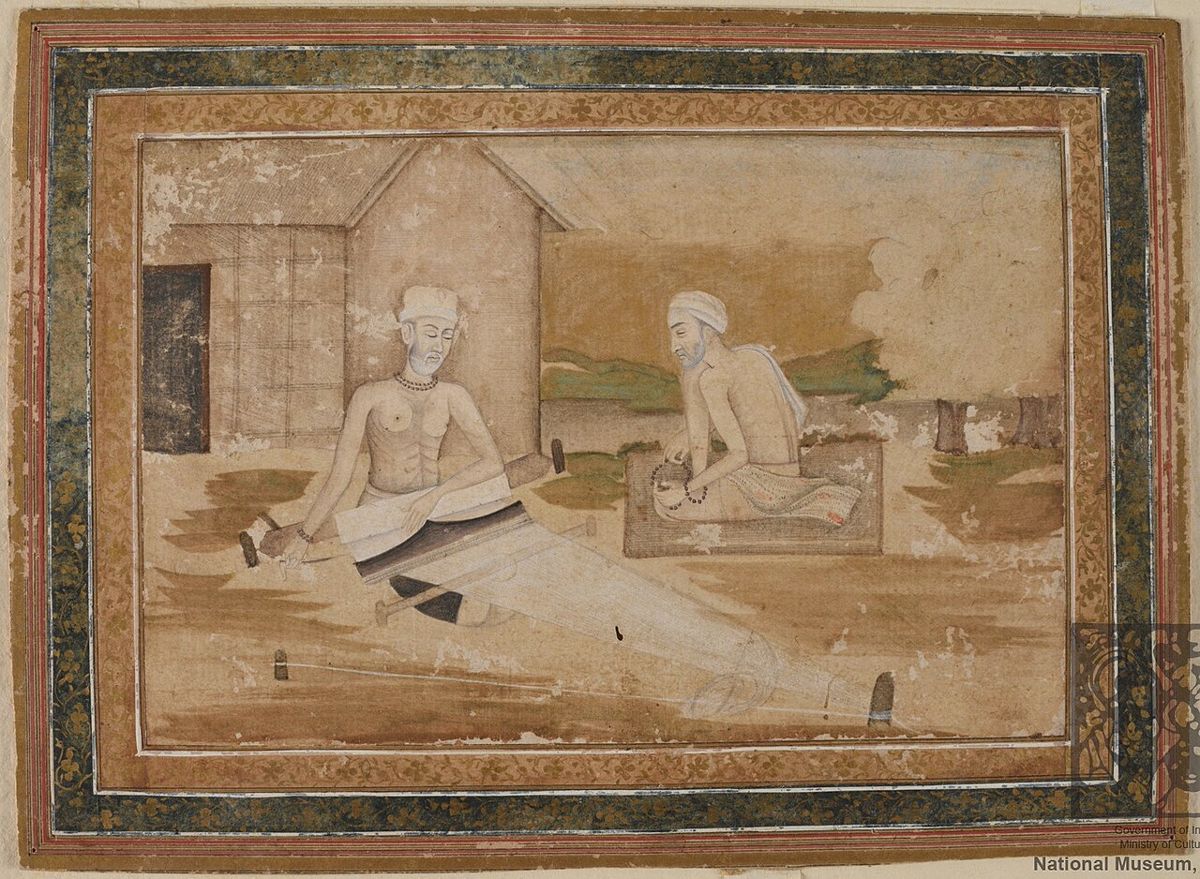
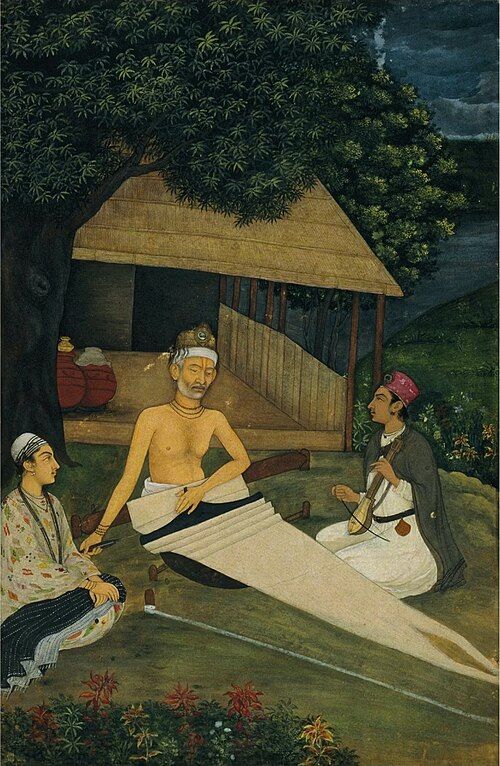
- Kabir (15th century), a weaver of Varanasi, mocked both Hindu and Muslim ritual and taught devotion to one formless God in short, sharp couplets (dohas); his sayings are collected in the Bijak, and many are in the Guru Granth Sahib.
- Ravidas (Raidas), a cobbler of Varanasi, whose hymns too are in the Guru Granth Sahib.
Other great saints of the north:
- Surdas — blind poet of Krishna, author of the Sursagar in Braj.
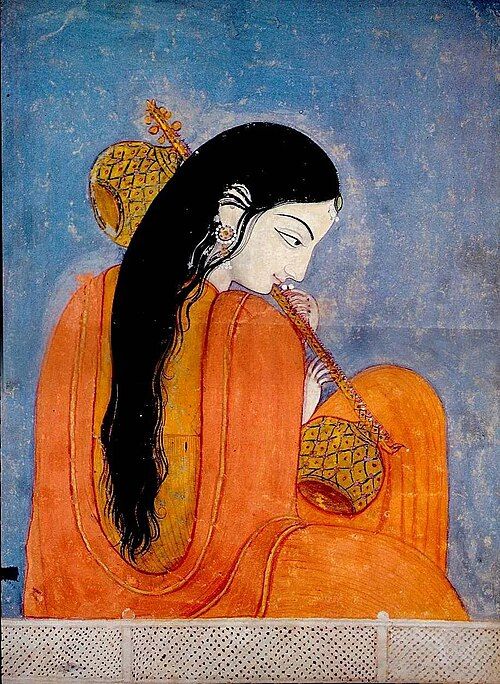
- Mirabai — a Rajput princess of Merta, married into the royal family of Mewar, who left palace life for her devotion to Krishna (Giridhar Gopal).
- Tulsidas — wrote the Ramcharitmanas (1574) in Awadhi, the Ramayana that north India still sings.
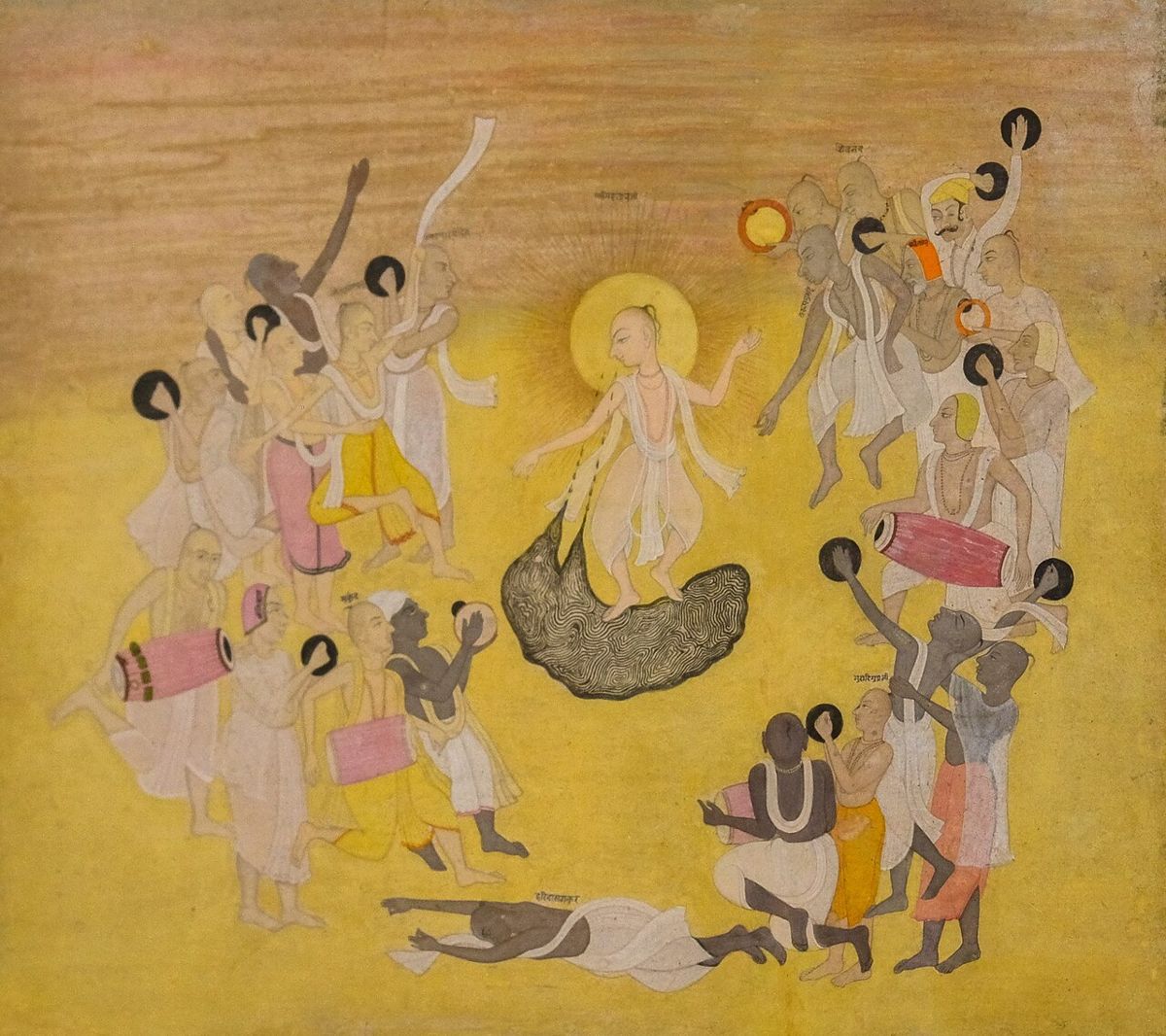
- Chaitanya Mahaprabhu (1486–1534) of Bengal — spread Krishna-bhakti through ecstatic group singing and dancing (kirtan).
- Sankardev (15th–16th century) of Assam — taught devotion to one God (Ekasarana Dharma) and founded prayer halls called namghars and monasteries called satras.
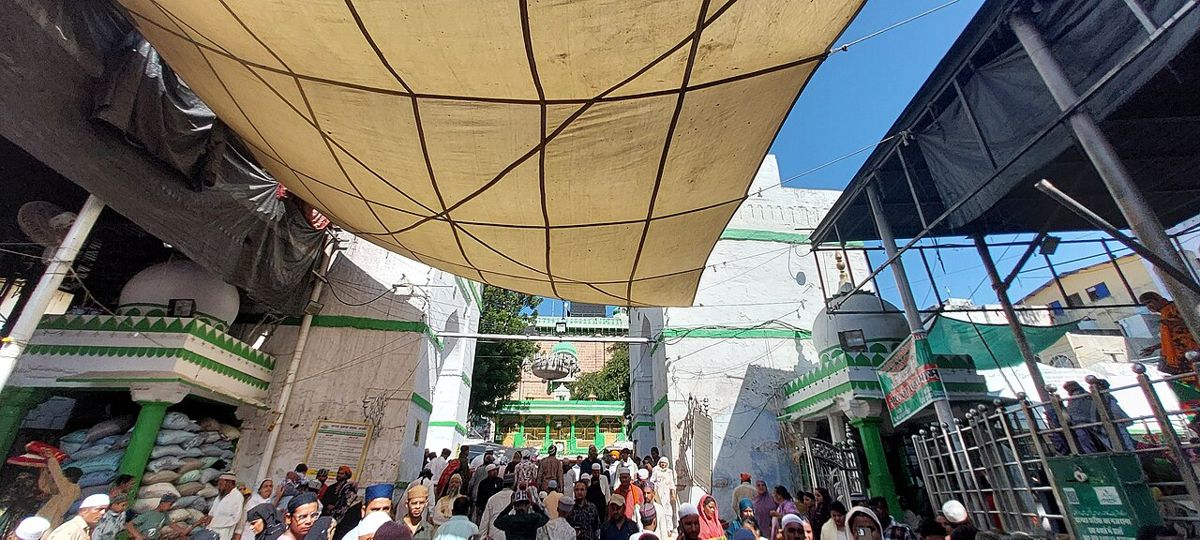
Sufism. Sufis were Muslim mystics who sought closeness to God through love, music and service rather than through law and argument alone. A Sufi teacher (pir or shaikh) lived with his disciples (murids) in a khanqah (hospice), open to all; musical gatherings (sama), especially qawwali, were part of worship. After a saint's death his tomb (dargah) became a place of pilgrimage, and the anniversary of his death is celebrated as the urs — his 'wedding' with God. The Sufi orders were called silsilas:
- Chishti — the most popular in India; kept away from kings and accepted no state grants. Khwaja Moinuddin Chishti (died 1236) settled at Ajmer; then came Qutbuddin Bakhtiyar Kaki (Delhi), Baba Farid (Fariduddin Ganj-i-Shakar, of Pakpattan in Punjab, whose verses are in the Guru Granth Sahib), Nizamuddin Auliya (Delhi) and Nasiruddin Chiragh-i-Dehli. Akbar's son Salim was named after Shaikh Salim Chishti of Fatehpur Sikri.
- Suhrawardi — centred at Multan under Bahauddin Zakariya; unlike the Chishtis, they accepted state posts and grants.
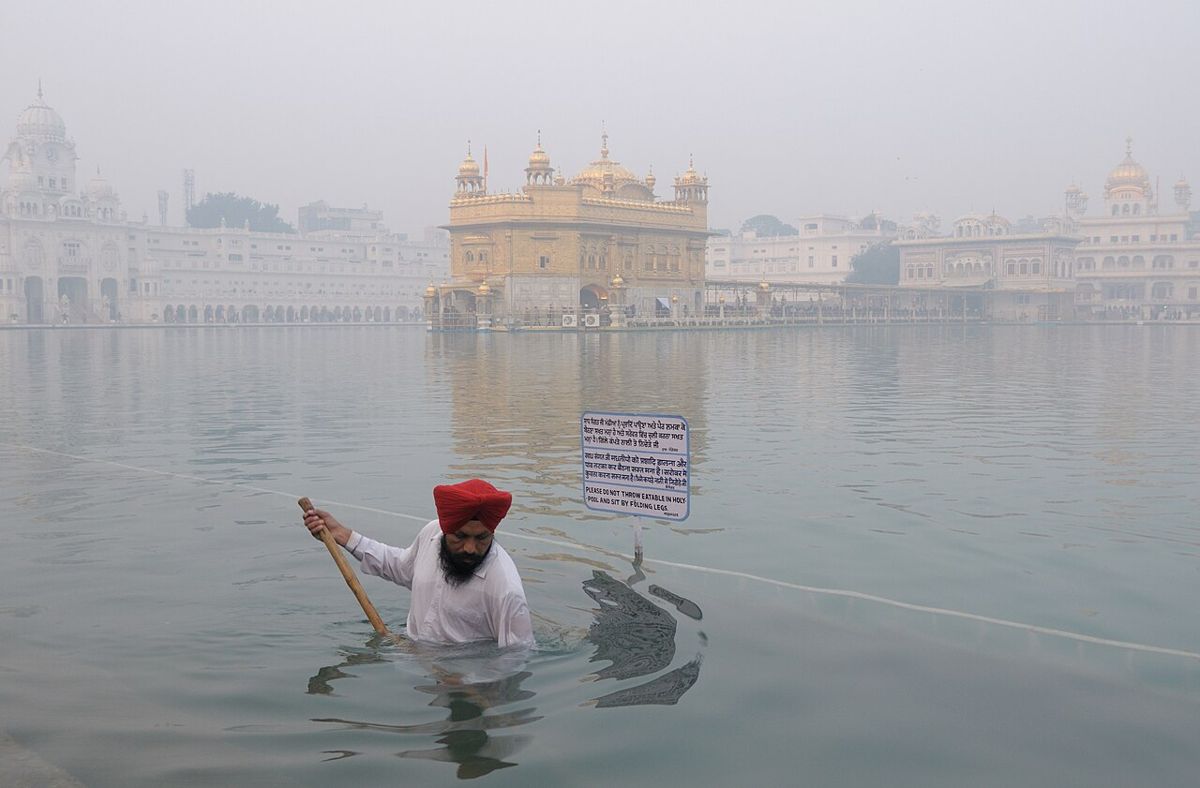
- Qadiri — Mian Mir of Lahore was a Qadiri saint, close to Dara Shikoh; by Sikh tradition he laid the foundation stone of the Harmandir Sahib.
- Naqshbandi — the most orthodox; Shaikh Ahmad Sirhindi criticised Akbar's religious policies.
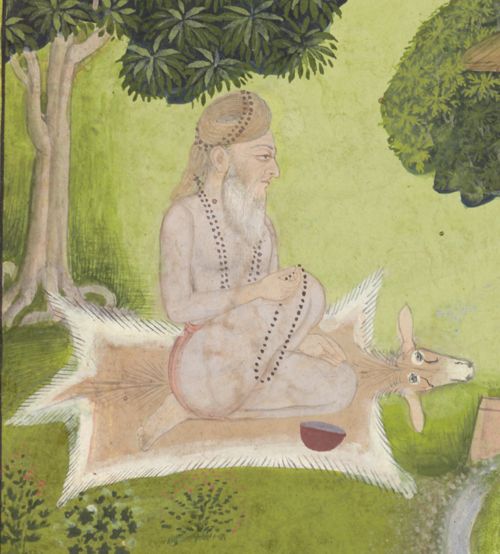
The Sikh Gurus. Guru Nanak Dev Ji (1469–1539), born at Talwandi (now Nankana Sahib, Pakistan), taught devotion to one God (Ik Onkar), the equality of all people, honest work (kirat karo), remembering God's name (naam japo) and sharing (vand chhako). After long journeys (udasis) he settled at Kartarpur on the Ravi, where the community kitchen (langar) and congregation (sangat) took shape. Nine Gurus followed him:
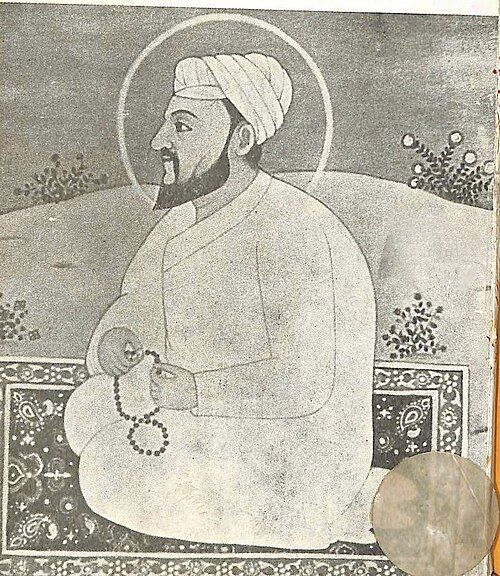
- Guru Angad Dev Ji — standardised the Gurmukhi script.
- Guru Amar Das Ji — organised the community into manjis at Goindwal; everyone ate in the langar before meeting him.
- Guru Ram Das Ji — founded Ramdaspur, today's Amritsar (1577).
- Guru Arjan Dev Ji — built the Harmandir Sahib, compiled the Adi Granth (1604), and was martyred at Lahore (1606) under Jahangir.
- Guru Hargobind Ji — wore two swords, miri and piri (worldly and spiritual authority), and built the Akal Takht.
- Guru Har Rai Ji and Guru Har Krishan Ji.
- Guru Tegh Bahadur Ji — martyred in Delhi (1675) under Aurangzeb.
- Guru Gobind Singh Ji — founded the Khalsa at Anandpur Sahib (1699) and declared the Granth the eternal Guru; he passed away at Nanded (1708).
The full history of the Gurus is taught on the Punjab history pages.
| Saint | Region / language | Remember |
|---|---|---|
| Alvars / Nayanars | Tamil Nadu, Tamil | Vishnu / Shiva; Andal; Divya Prabandham, Tevaram |
| Shankaracharya | Kerala (Kaladi) | Advaita; four mathas |
| Ramanuja | Tamil Nadu | Vishishtadvaita |
| Basavanna | Karnataka, Kannada | Lingayat / Virashaiva; against caste |
| Jnaneshwar, Namdev, Tukaram | Maharashtra, Marathi | Varkari; Vitthala of Pandharpur; Jnaneshwari; abhangs |
| Ramananda | North India | Rama-bhakti; disciples of all castes |
| Kabir | Varanasi, Hindi | Weaver; nirguna; dohas; Bijak |
| Ravidas | Varanasi | Cobbler; hymns in the Guru Granth Sahib |
| Surdas | Braj | Krishna; Sursagar |
| Mirabai | Rajasthan | Krishna (Giridhar Gopal); Mewar princess |
| Tulsidas | Awadhi | Ramcharitmanas (1574) |
| Chaitanya | Bengal | Krishna; kirtan |
| Sankardev | Assam | Ekasarana Dharma; namghars, satras |
| Silsila | Centre / saints | Remember |
|---|---|---|
| Chishti | Ajmer (Moinuddin), Delhi (Bakhtiyar Kaki, Nizamuddin Auliya), Pakpattan (Baba Farid), Fatehpur Sikri (Salim Chishti) | Most popular; kept away from rulers; sama and qawwali |
| Suhrawardi | Multan (Bahauddin Zakariya) | Accepted state posts and grants |
| Qadiri | Lahore (Mian Mir) | Close to Dara Shikoh |
| Naqshbandi | Sirhind (Shaikh Ahmad Sirhindi) | Most orthodox; opposed Akbar's policies |